
Inactive· since Mar 27, 2026
- 10
- days it ran
- 0
- relaunches
Ad copy
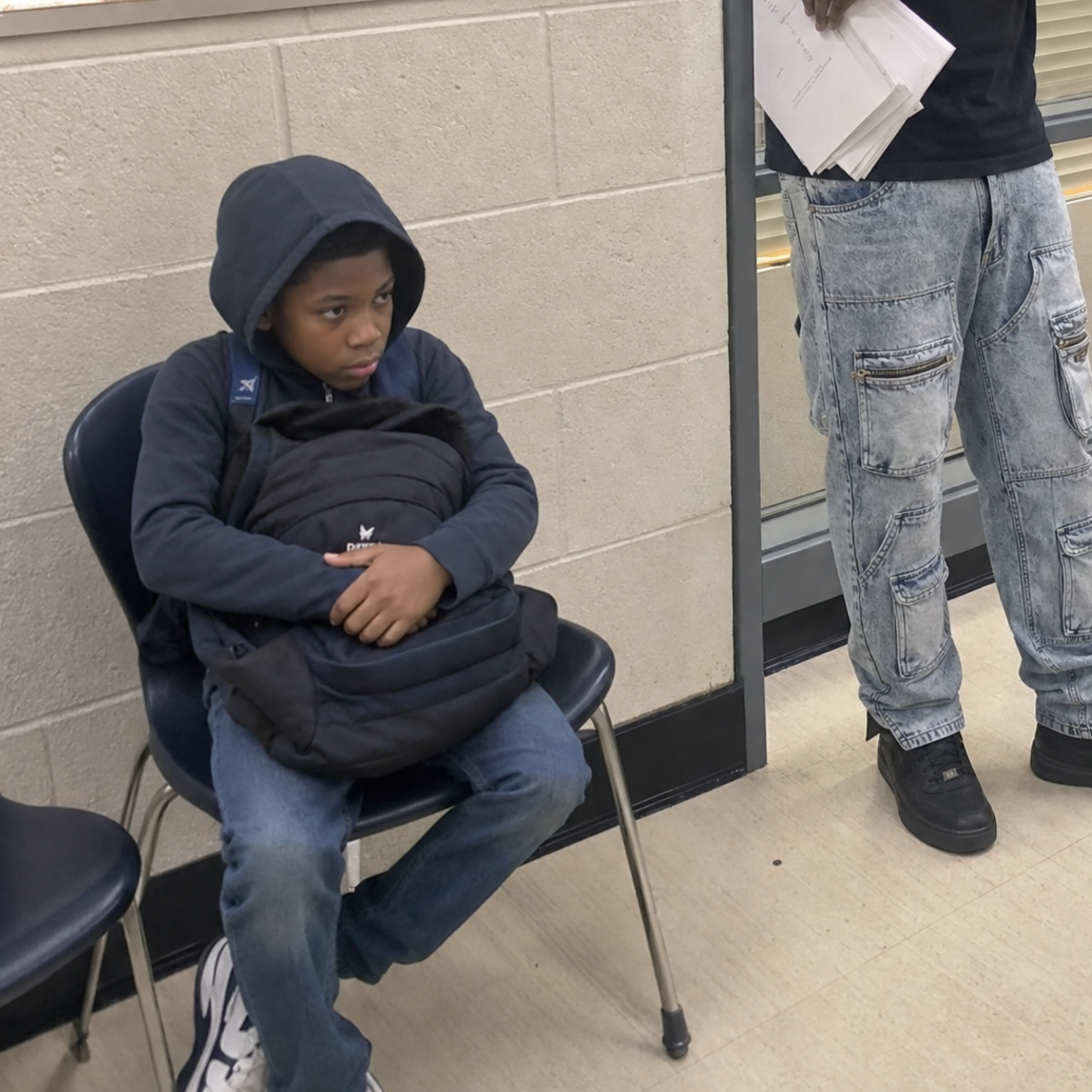
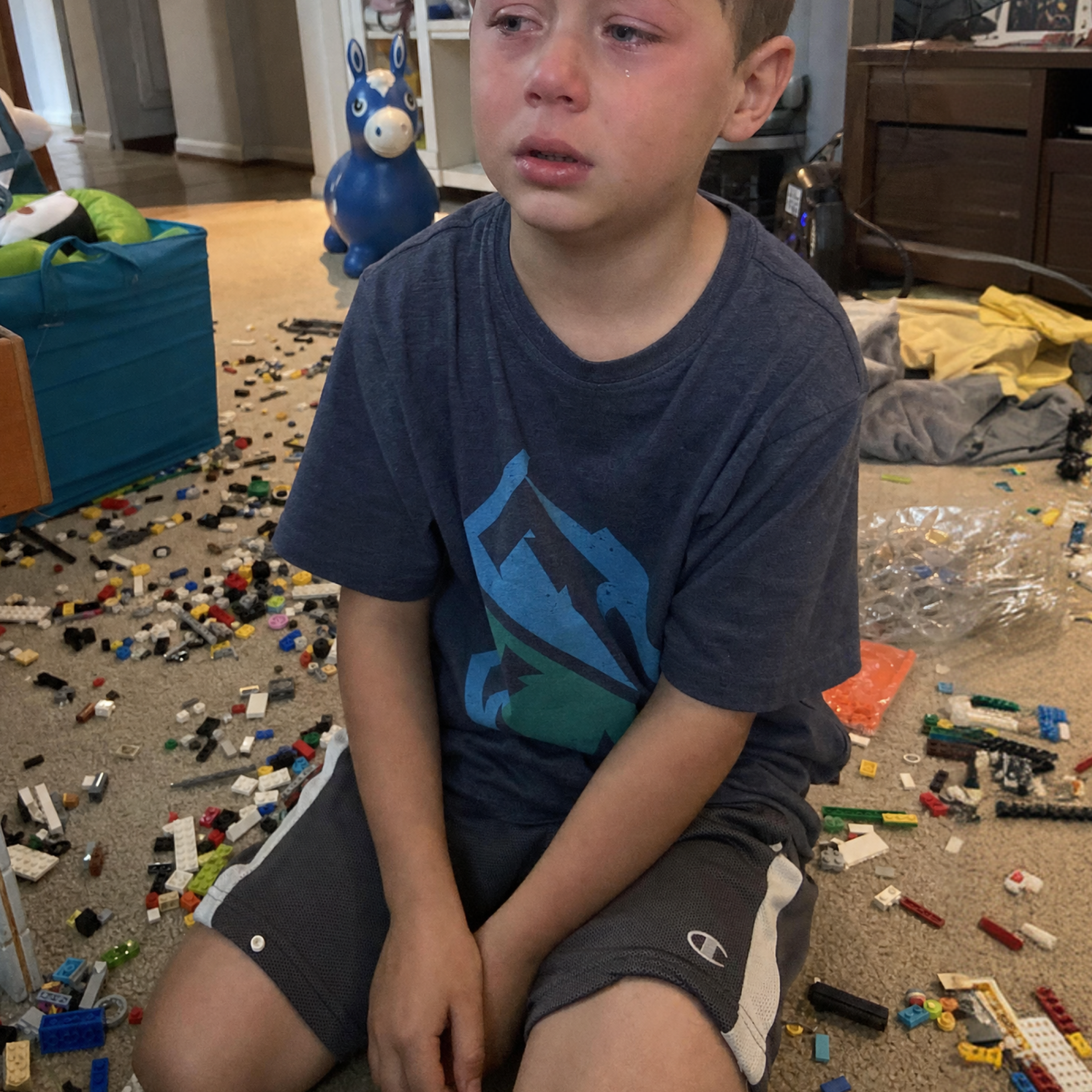
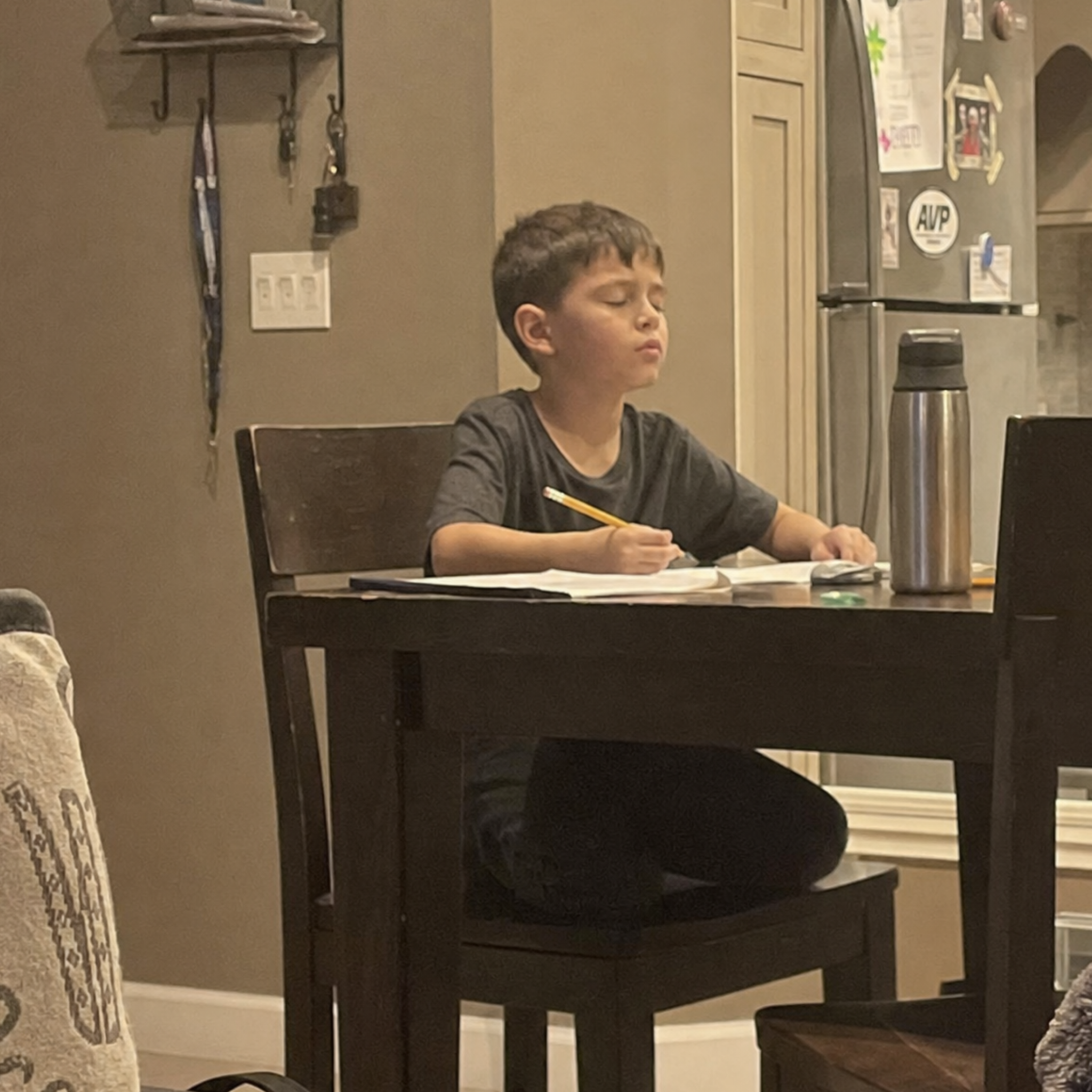
I've been reading parenting forums for three years trying to find someone who describes what I'm dealing with. My son is 9. Smart kid. Funny. Wonderful with animals and younger kids — patient, engaged, gentle. His teacher calls him charming. His friends' parents love him. At home, it is a completely different child. He has what I can only describe as chronic, severe task avoidance. Coupled with lying. Not normal kid lying. Not "I didn't eat the cookie" lying. I mean that virtually everything out of his mouth is shaped by immediate personal benefit. When the truth serves him, he tells it. When it doesn't, he won't. He'll revise his story repeatedly when confronted with new evidence — and present each revision as the new truth, with zero acknowledgment of what that does to his credibility. He will deny behavior I personally witnessed. Calmly. Confidently. Without flinching. The biggest battleground is schoolwork. His teachers, his guidance counselor, and I have all been working overtime to provide structure. He deliberately throws up roadblocks. "That assignment is already submitted and just not graded yet." "I forgot to do it yesterday but finished it during study hall." "The teacher said we don't need to do that anymore." We'll sit down together and compile every missing task. He'll confirm each one. By that evening, almost none of it is done. And here's what breaks me: he can complete tasks under direct, active supervision — while fighting us the entire time and half-assing the work. But that's obviously not sustainable. I can't sit next to him for the rest of his life. So I did what any exhausted parent does. I threw everything at it. We tried a gaming console as a reward for keeping his grades up. Not something we'd normally do, but we were desperate. We gave him plenty of space to manage it himself. He essentially chose to forfeit the reward without a second thought. In his mind, that was a win. Rewards don't work. Consequences don't work. Consistency doesn't seem to register. "Too tired to do chores" — but then wants to go ride bikes with a friend 20 minutes later. We've been to multiple psychologists and therapists. Little to no improvement. He doesn't believe there's a problem, and he's skilled at charming adults. They rarely see the side of him we deal with daily. They often conclude there's nothing wrong. A psychiatric evaluation showed some deficiencies but nothing that directly explained the behavior. He is diagnosed with ADHD and is on medication. The thing that haunts me most? When we express disappointment — when we explain what this is doing to trust, to his future, to our family — it has zero visible impact. He can end an evening screaming at us and wake up the next morning cheerfully asking what's for breakfast. No remorse. No regret. No apparent awareness that anything happened. He's actually said, more than once: "I don't understand why I would apologize if I'm not going to get anything out of it." I sat there and didn't know what to say. I tried to explain the long-term damage to his relationships. He waited for me to finish talking, then walked away. Last week, while I was mid-sentence, he yawned. Here's a real exchange from a few days ago: Me: "Why didn't you finish that assignment?" Him: "I didn't know about it." Me: "I reminded you yesterday and you told me it was done." Him: "I don't know. I guess I forgot." Me: "You were watching YouTube. You're saying 'I don't know' to keep your story flexible." Him: "Why wouldn't I want flexibility?" I didn't set a trap. I was trying to help him. And that's what I got. My wife brought up something I'd never heard of — PDA. Pathological Demand Avoidance. A profile within autism. Not universally recognized, but when I read the description, I felt seen in a way no therapist had made me feel. And I found myself struggling to locate the line between "he refuses to do things he doesn't want to do and manipulates to make that work" — and "his brain literally cannot comply with demands the way other kids can, and manipulation is how he copes." That question kept me up for weeks. Then, late one night — deep in a research spiral — I came across something that reframed everything. The issue wasn't willpower. It wasn't bad character. It wasn't parenting. In an ADHD brain, the emotional alarm system is miscalibrated. It treats everyday low-level demands — "do your homework," "finish your chores" — as genuine threats. And when that alarm fires, the part of the brain that handles logic, consequences, and honesty goes offline. Not metaphorically. Chemically offline. That's why reasoning doesn't work. That's why consequences bounce off. That's why he can look me dead in the eye, lie, and feel nothing — not because he's calculating, but because the part of his brain that connects action to consequence is getting overridden by a system that's screaming danger. He's not a manipulator. He's a kid whose brain is in a permanent, low-grade state of threat response. And every tool I had — rewards, consequences, therapy scripts, logical explanations — required a part of his brain that wasn't available. I didn't need more consequences. I needed to build the part of the brain that makes consequences mean something. That's when I found Legends. It's a 5-minute daily program — parent and child, together — that doesn't try to stop the meltdown or the avoidance mid-spiral. It builds the brain's ability to regulate before the spiral starts. Through three things: a clearer sense of self, the ability to be kind to himself when things go wrong, and real evidence that he can handle hard things. It felt like homework the first night. He was skeptical. So was I. By the end of the week, something was different. Not dramatic. Not a movie moment. But he came to me after a rough homework session and said, "I messed up. I should've started earlier." That was it. Four words of accountability. The first time in months. The lying didn't vanish overnight. The avoidance is still there. But there's a crack in the wall now. A place where something true is starting to come through. I went looking for other parents who'd seen the same thing. A mom in the private community described her 8-year-old son — same task avoidance, same flat response to consequences, same exhausting daily battle. "He told me he was proud of himself for the first time ever. I cried in the car." A dad wrote about his 10-year-old daughter who used to argue her way out of every conversation. "She caught herself mid-lie and stopped. She'd never done that before. Ever." Another mom said something that hit me like a truck: "I spent three years thinking my son was broken. Legends was the first thing that made me realize his brain just needed something nobody had thought to give it." Thousands of parents are in this community right now. Parents who tried everything. Parents who were told their kid was fine. Parents who lost count of the therapy appointments that went nowhere. They're not talking about cures. They're talking about cracks in the wall. Now you're at the same fork in the road I was standing at. Path one: you keep doing what you're doing. More consequences that bounce. More rewards that get forfeited without a second thought. More conversations mid-sentence that end in a yawn. You already know where that road leads. You've been walking it. Path two: you try the one thing that works with the brain instead of against it. Five minutes a day. Parent and child together. Building the thing nobody else thought to build. Legends comes with a full money-back guarantee. Try it with your child for the first few weeks. If you don't see a shift — in the way they handle hard moments, in the first flicker of real accountability — you get every penny back. No questions. No hoops. You risk nothing. Your child gains the one thing no therapist, no reward chart, and no consequence ever gave him. Click the link below to start your child's first session today: https://try.buildlegends.com/listicle1/adhd P.S. — That exchange I told you about. "Why wouldn't I want flexibility?" I've replayed it a hundred times. I used to hear defiance in it. Now I hear a kid whose brain has been fighting for survival in the only way it knows how. Legends doesn't change what his brain is. It just finally gives it something to work with. That's all I ever wanted to give him.
Like this ad? Make it yours.
Crush rebuilds this exact creative around your product — your brand, your colors, your offer — in about a minute.