
Stopped· since Dec 25, 2025
- 60
- days it ran
- 0
- relaunches
Ad copy
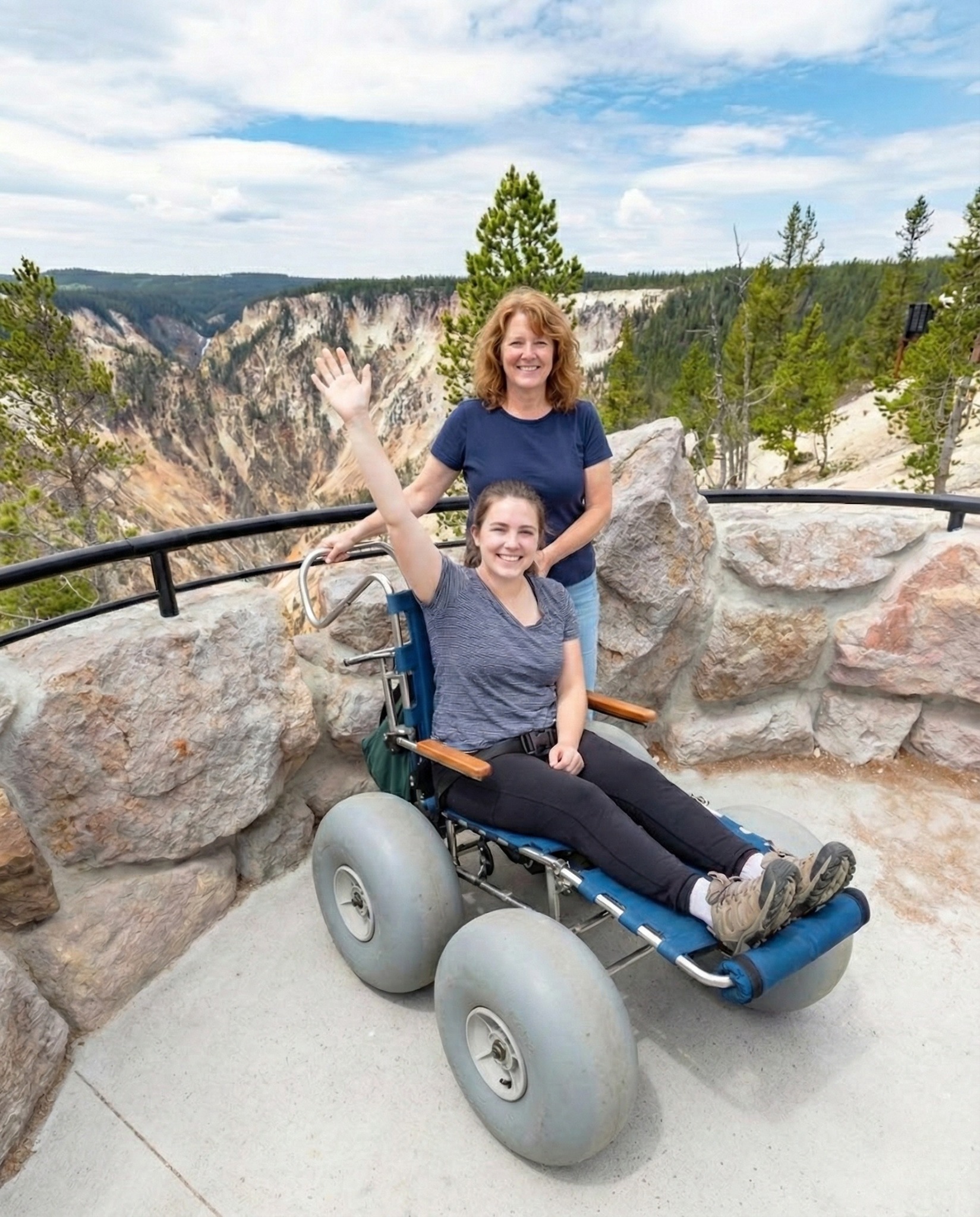
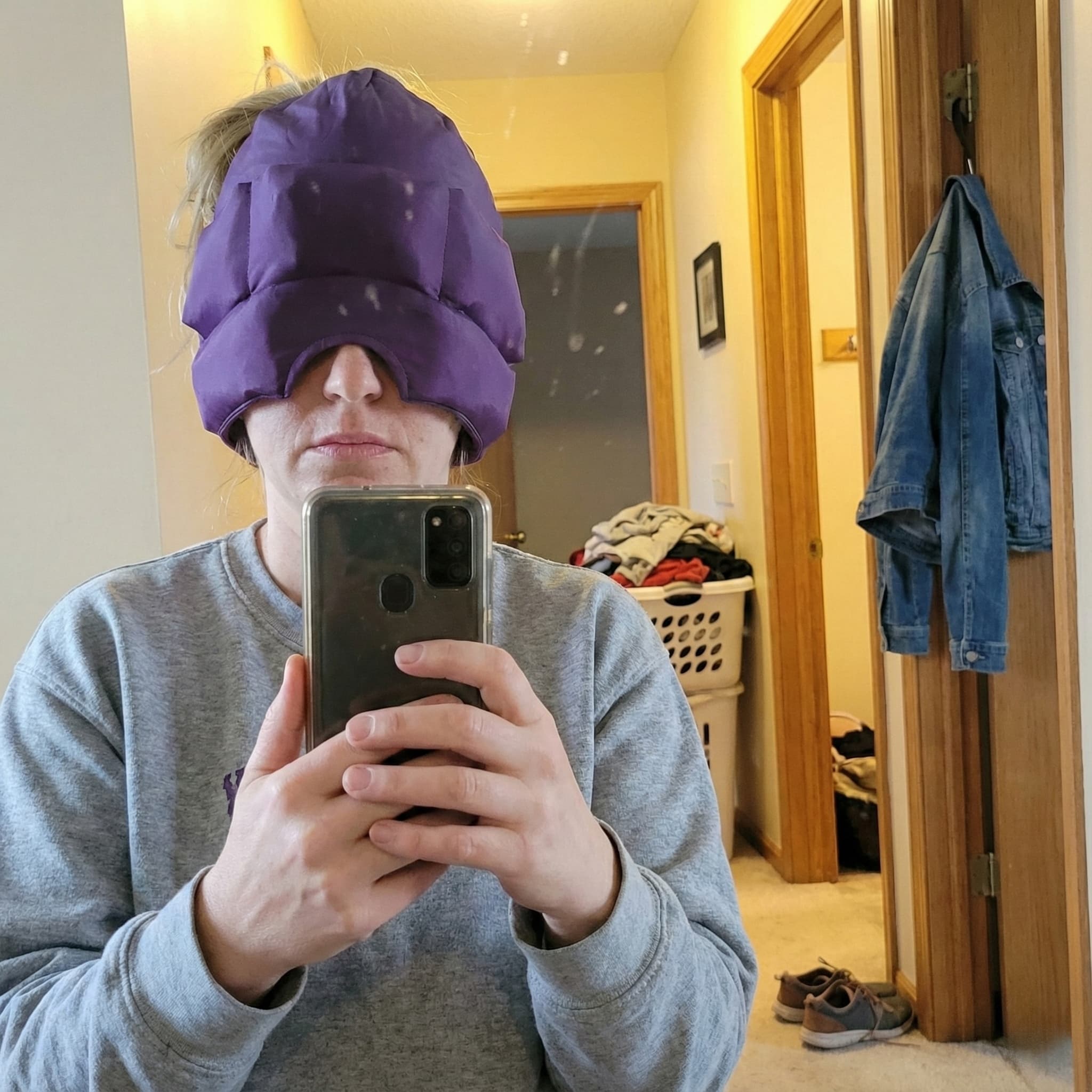
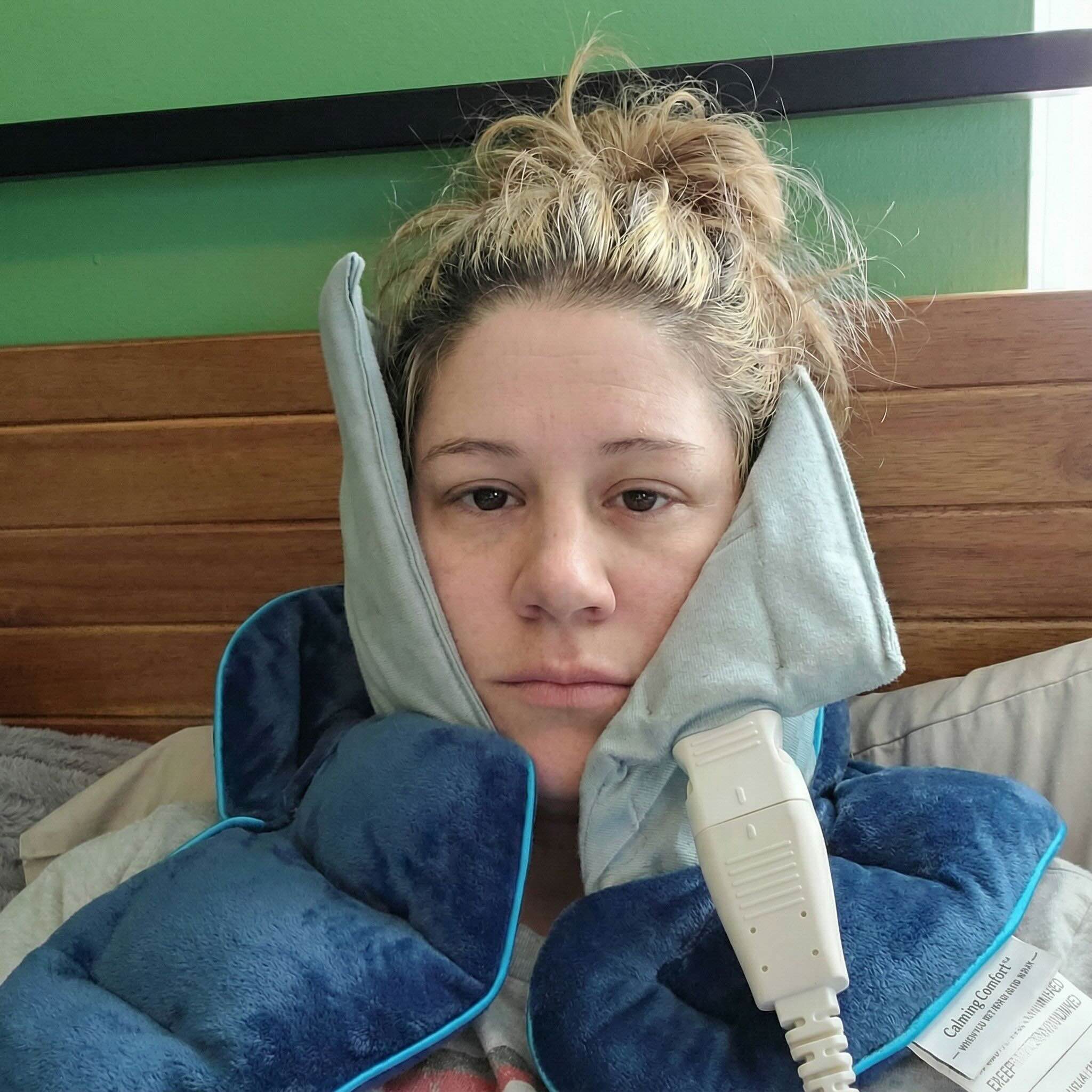
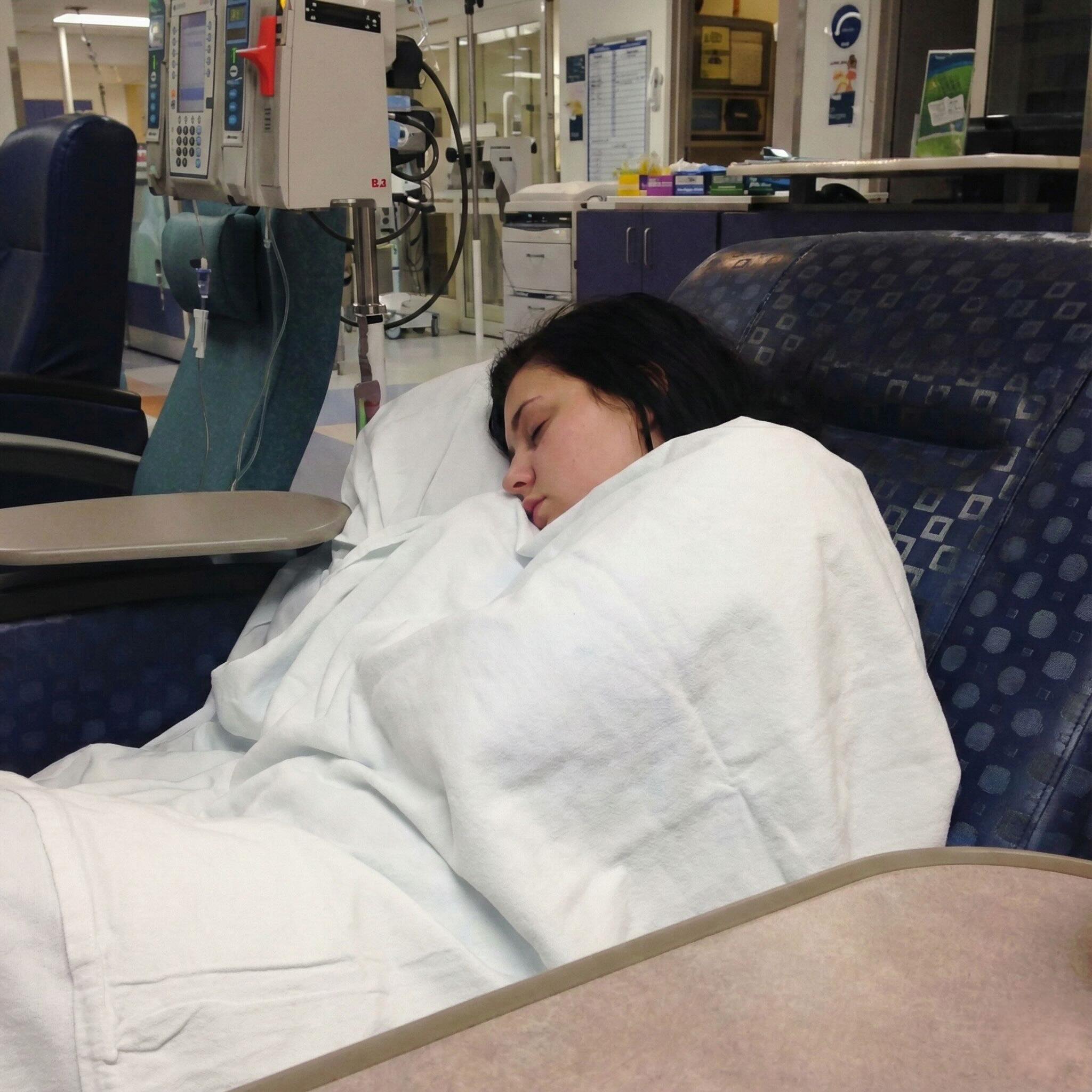
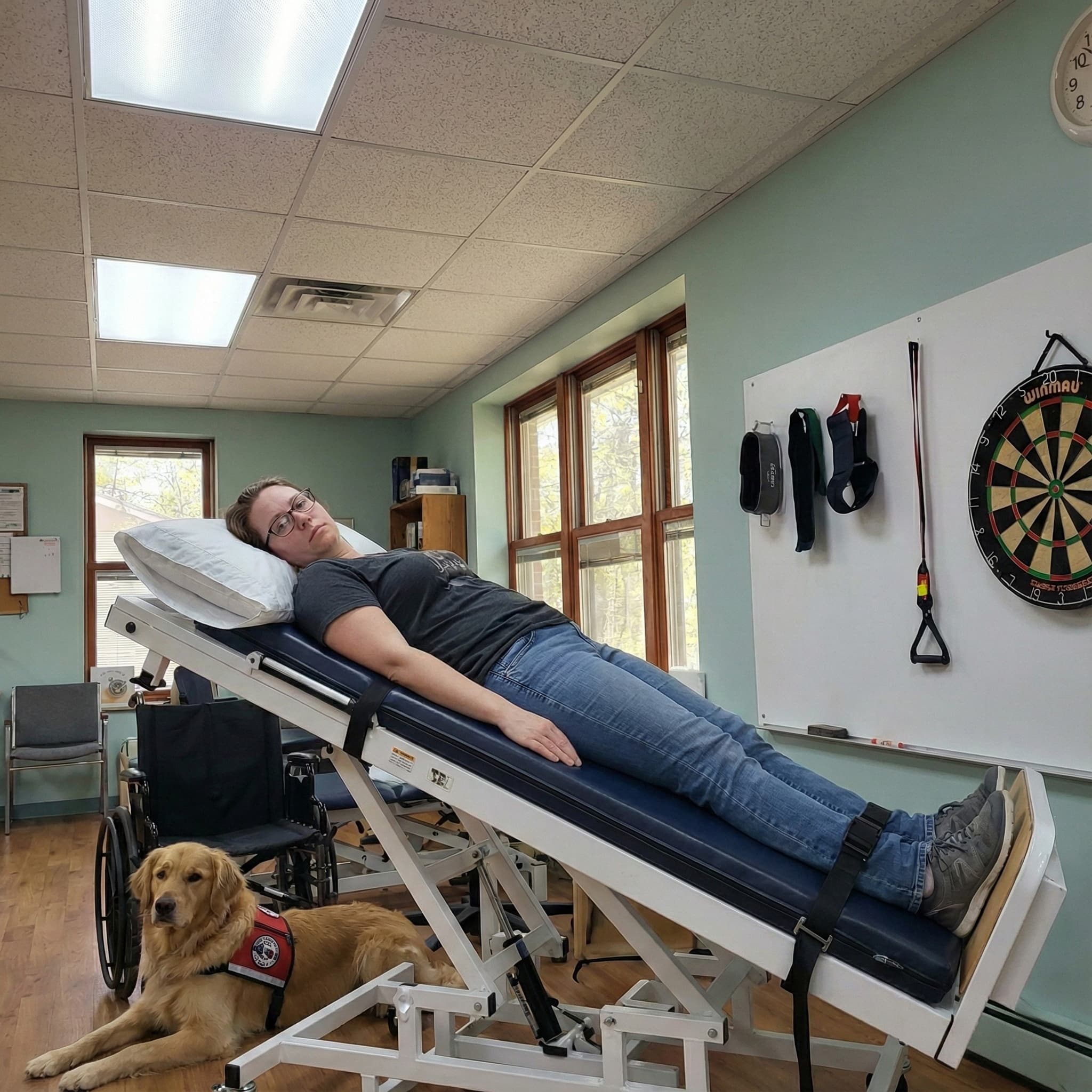
"Do you believe POTS is an actual medical condition?" A doctor asked this in a forum last week. No wonder I spent $2,400 at the ER to be told it's "just anxiety. It was 2am, and I just had one of my worst moments in months. I collapsed at Costco earlier that day. Woke up on the floor surrounded by strangers staring at me like I'd grown two heads. Nobody helped. But thankfully no one called 911. My husband helped me to the car. We didn't go to the ER, I've learned the hard way it’s a place where I'm gaslit and told “it's just anxiety”. By the time we got home, I was exhausted with my post flare symptoms. Feeling humiliated by what had just happened. My husband was asleep. My son was asleep. And I was doing what I always do after fainting in public: searching for answers the medical system won't give me. That's when I found it. Not a patient support group. Not a Reddit thread. A private medical forum where doctors debate cases with other doctors. And there, at the top of the page, was a question that made my stomach drop: "Do you believe POTS is an actual medical condition?" Posted by a family medicine doctor. To hundreds of other doctors. Asking if the disease that's stolen years of my life even exists. I kept scrolling. The responses weren't just debating treatment options. They were debating whether I was real. One doctor wrote: "It's just deconditioning and anxiety." Another: "Young women tend to exaggerate their symptoms." Another: "Probably just needs to exercise more and see a therapist." Another: "The diagnosis is trendy right now. It'll pass." I almost closed my laptop out of frustration. Not because I was angry. But because I finally had proof. The ER doctor who laughed when I said I had POTS. The cardiologist who told me to "manage my stress better" after I fainted during the tilt table test. The nurse who rolled her eyes when I would explain my symptoms. The $2,400 bill that said "anxiety attack" when my heart rate was 180bpm standing still. It wasn't just my doctors. It wasn't just bad luck. It was systemic. Behind closed doors, they're asking each other if we're making it up. They think we’re making this up. As if I want chest palpitations when changing my bed sheets. As if I want to be nauseous every morning when I wake up. If they suddenly experienced feeling woozy, heart rate spikes, loss of hearing, tunnel vision, followed by fainting multiple times a week, then they would know this isn’t a choice. But then I saw her comment. A cardiologist who specializes in dysautonomia. And what she wrote gave me hope. "Yes. You are absolutely misinformed. There are many kinds of dysautonomia. POTS is one of them. There are diagnostic criteria for it. There are tests for it." "The fact that it frequently occurs in women — and that they are “just women” — causes them not to be believed. That is medical misogyny." I read that comment multiple times. Medical misogyny. She was someone who understood. She didn't just validate my symptoms. She validated the pattern of dismissals. The "just anxiety" diagnosis slapped on women whose lives are altered by this condition. This wasn't in my head. This was systemic failure. And then she said something that no other doctor explained to me. "POTS patients deal with blood pooling in the legs when standing. We have very few specialists in this field—about 55 in the US—and limited research. What we know is that increasing blood volume with sodium works better than most medications. So we recommend electrolytes." "But most electrolyte products are designed for athletes losing minerals through sweat, not patients trying to expand blood volume against gravity. The ratios are backwards. Athletes need replacement. POTS patients need a specific sodium-to-potassium concentration that forces water into the bloodstream and prevents the heart from overcompensating." I read that paragraph multiple times. Then I kept reading. The article explained that the ideal electrolyte ratio for POTS patients should roughly be a 2:1 sodium-to-potassium ratio. Then I looked up every electrolyte product I'd tried: Gatorade, Liquid IV, LMNT. Not a single one had the right ratio. If the sodium was high enough, the potassium was too low. A few came close on ratio—but didn't contain nearly enough sodium per serving to make a difference. I needed 500-1000mg of sodium per serving just to maximize blood volume—combined with the right potassium and magnesium levels to prevent my heart rate from spiking. I wasn't using the wrong products. I was using the wrong category of products. Furthermore, the cardiologist explained why just eating more salt isn't a long-term solution. "Consuming too much sodium without balancing it with potassium creates new problems. Our bodies need potassium to balance out the harsh effects of high sodium. Those patients get relief from some symptoms but end up facing new ones." She was describing exactly what I felt. Issues like bloating, tension headaches, and increased nausea because all that salt was so harsh on my system. This research opened my eyes to what to look for next. I started searching for electrolyte formulas designed for medical dysfunction, not athletic performance. That's when I found a comment thread in a POTS research group. Multiple women complaining of the same issues—except for one. She left a comment: "I found a formula actually built for POTS patients. I don't know why, but it's the only one that's worked for me." She linked it to brand called SafeSip. I clicked on the website and checked their ratio. 500mg of sodium per serving. Potassium and magnesium in the exact levels the research stated. Zero sugar. It looked like another electrolyte product. I almost dismissed it. But what really caught my attention? They built the formula based on community feedback—actual POTS patients, not athletes. They actively asked for customer input to improve it. I was skeptical. I'd already spent over $400 on products that didn't work. But the reviews were convincing. Woman after woman saying the same thing: "This is the only one that actually works." Not influencers. Not ads. Real POTS patients. And they had a 60-day money-back guarantee. If it didn't work, I'd get my money back and keep the bag. Multiple reviews mentioned their customer support—how understanding they were, how they actually cared. What did I have to lose? So I ordered the cheapest option. I remember the morning it arrived. I was feeling nauseous like I do most mornings. I mixed one packet with 32oz of water. Within 20 minutes, I started to feel better. My nausea was gone, which I thought might've been placebo. This happened with other brands I tried, but this time the nausea didn't come back. Around noon, instead of my salt pills, I had another SafeSip packet. For the rest of the day, my symptoms were minor. Heart would race and then come back down. Then on day four, I was standing at my kitchen counter making breakfast. And I realized something: I almost never have the energy to make breakfast or the stomach to eat it. But now I do. No shakes. No hot flashes. No tunnel hearing. No sudden sit-down to stop a fall. For the first time in ages, I felt normal. Like, to be a normal person. I actually laughed. And then I cried. Because I realized how much fear I'd been carrying. How much of my life I'd been losing to each flare-up that led to me falling. After two weeks, I felt comfortable going to Target again. I was alone this time. I walked the entire store. I stood in the checkout line. I didn't have another flare-up. I didn't even think about fainting. Last Saturday, I went to my son's soccer game. I stood on the sidelines for 45 minutes. The heat didn't bother me, and I watched him score a goal. I was standing when it happened. Not lying inside my car waiting for him to finish. After the game, he ran over and hugged me, and was so happy I could stay this time. That's what this is really about. Not avoiding the ER. Not preventing fainting. It's getting back the moments I thought were gone. The grocery run without scanning for places to sit. The wedding where I don't have to lay in my car to reset. The morning I can make breakfast without nausea. I haven't been to the ER in six months. Not because my POTS is cured—it's not. But because I don't need them anymore. That forum taught me something: They're not going to save us. So I stopped waiting. I'm managing this myself now. And if you've ever been laughed at by a doctor... If you've ever been dismissed as "anxious"... If you've ever been sent home from an ER with zero answers and a massive bill... You already know why that matters. Because the ER has disappointed POTS enough. But you don't have to disappoint yourself. I'm not telling you this to convince you of anything. I'm telling you because I spent years thinking I was the problem. And I wasn't. The products were the problem. The medical system was the problem. I was just using the wrong tools. SafeSip has a 60-day money-back guarantee. One serving before you leave the house. One serving midday if you're standing for long periods. Track how many times your heart rate spikes heavily. Track how many times you get dizzy and life just stops. Track how many times you cancel plans because you're unable to handle the physical demand of it. If it doesn't work, they'll refund you. No questions. But if it works—if you go one week without tunnel vision, without the terror, without planning your safe spot for every room you enter—you'll understand what I mean when I say this isn't just a drink. It's the formula that actually knows you. The one you carry with you. The one that understands what your body actually needs to stay upright. And the one that finally lets you stop being afraid. I'm sharing this now because I went back to that forum this morning. That post has 400+ comments now. Hundreds of doctors still debating whether POTS is real. Still questioning whether our symptoms are legitimate. And I wanted to leave a comment that said: "You're wrong. POTS is real. Your patients are suffering while you debate. And you're failing them." But I didn't post it. Because that forum isn't for us. It's for them. So I'm saying it here instead. To you. Every day you spend using the wrong electrolytes is a day you're not getting back. Every family event you miss. Every grocery trip you avoid. Every time you wake up on a floor surrounded by strangers who think you're drunk. Those moments don't pause while doctors debate whether you're real. I lost years to products that weren't designed for POTS—years I can't get back. But you don't have to lose yours. Give yourself what you really need. https://trysafesip.com/products/safesip-electrolytes
POTS? Please read ☝️
SafeSip was formulated specifically for women whose bodies demand more than standard sports drinks can deliver. With 500mg of pharmaceutical-grade sodium per serving—and none of the sugar crashes, strong stevia aftertaste, or artificial ingredients that trigger nausea—SafeSip provides the precis...
LEARN MORELike this ad? Make it yours.
Crush rebuilds this exact creative around your product — your brand, your colors, your offer — in about a minute.