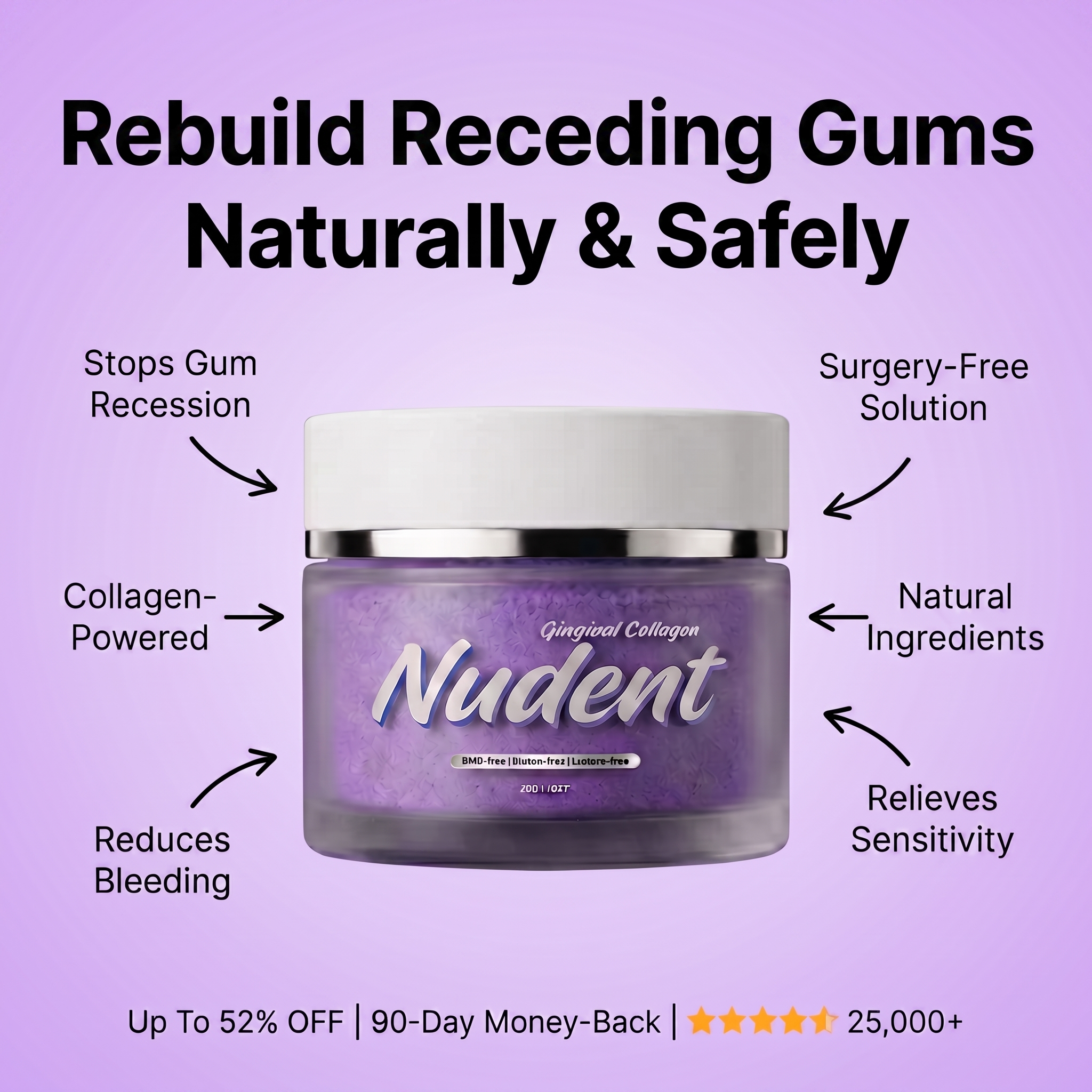
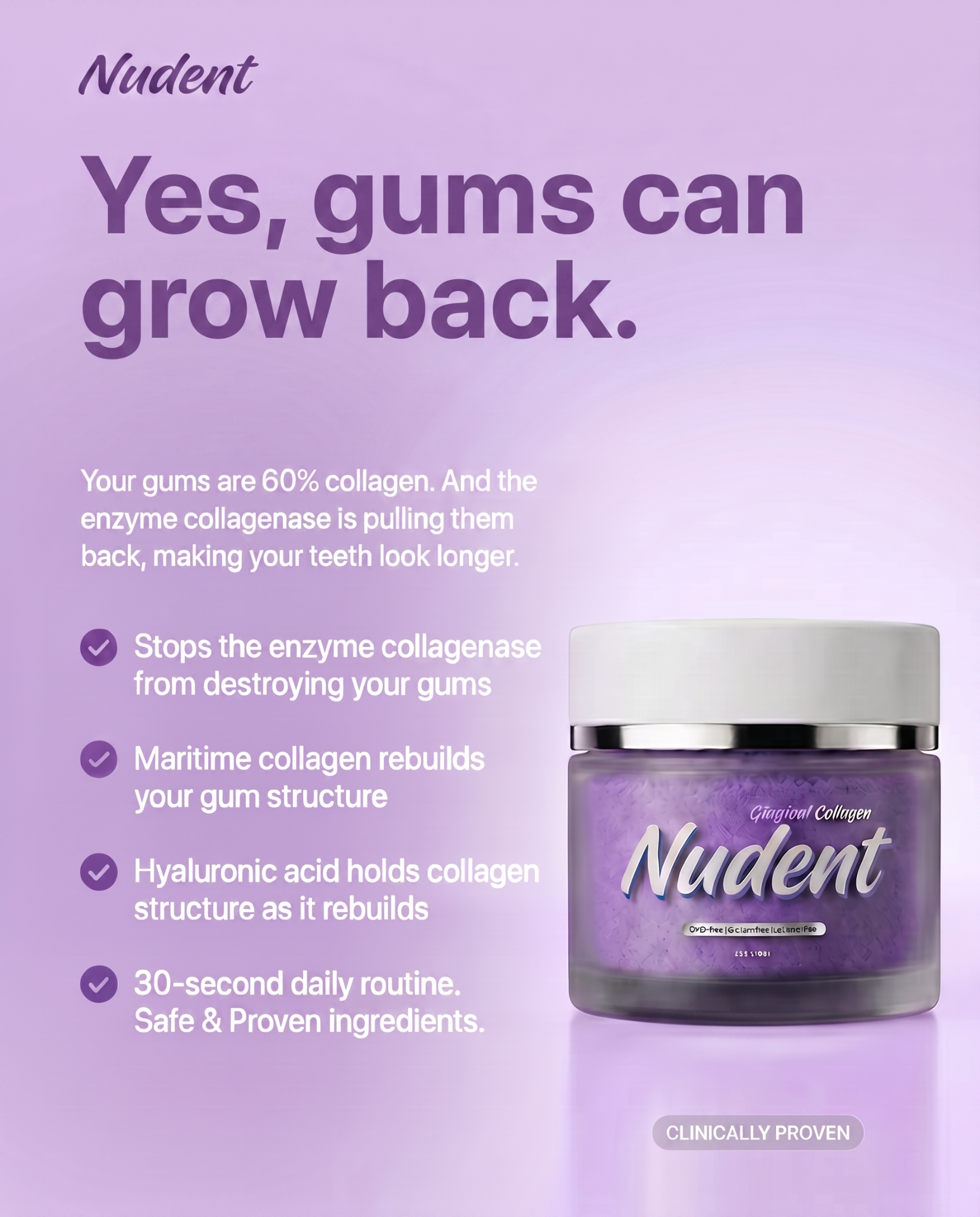
Nudent
Nudent Facebook ad: “Read this if you have gum recession”
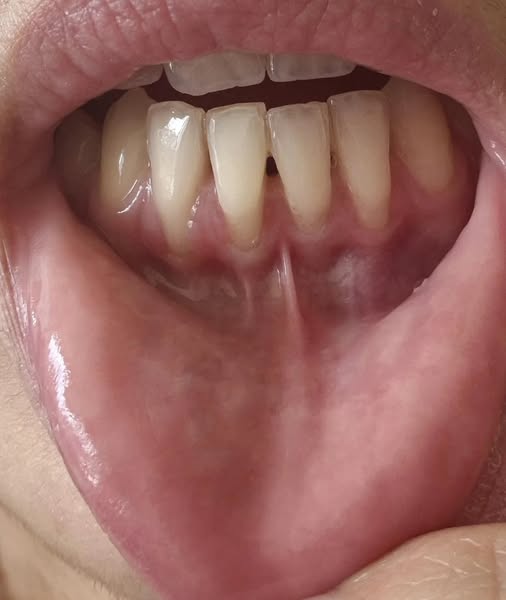
Ran for 30 days, from January 11 to February 10, 2026, the last day Crush saw it.
Run by Nudent on Facebook. Crush is not the advertiser and does not verify its claims. See this ad in Meta's Ad Library(opens in a new tab)
Want an ad like this for your product?
Crush makes new ad images for your product from this ad: your logo, your product photo, your offer.
Trials from $19.95 USD, then $79.95 USD a month. Cancel anytime.
About this ad
- Meta Ad Library ID
- 720314017558667
- Platforms
- Facebook, Instagram, Audience Network, Messenger and Threads
- Relaunches
- 0
Ad text
Dental hygienist here. When your dentist says "we'll monitor your gum recession," they're not telling you what happens during those 6 months. I see it every week: 2mm becomes 3mm. 3mm becomes 4mm. Then suddenly it's "time to discuss grafts." Here's what should happen instead—and what most dentists are missing. Let me explain. I've been a hygienist for 12 years. I work in a busy dental practice. Four dentists. Dozens of patients every day. And I see the same thing at least three times a week. Someone comes in for a cleaning. I measure their gums. I see 2mm, maybe 3mm of recession. The dentist comes in. Looks at the measurements. "We'll monitor it," he says. "Keep doing what you're doing. See you in six months." And the patient leaves. Six months later, they come back. I measure again. Now it's 3mm. Sometimes 4mm. "It's progressing," the dentist says. "We'll need to keep an eye on this." Another six months. Worse again. "We might need to start discussing surgical options," the dentist says. And the patient sits there, confused and terrified. "But I've been doing everything you told me," they say. Last month, it was Sarah. She's 58 years old. Came in for a routine cleaning. I measured her gums. 2mm recession on her lower front teeth. The dentist did his exam. "We'll monitor it," he said. "See you in six months." After he left, Sarah looked at me with tears in her eyes. "What does that mean?" she asked. "Am I going to lose my teeth?" I see it in their eyes every single day. The fear. The confusion. Because "monitor it" sounds like a plan. But what it really means is: "We're going to watch it get worse until it's bad enough for surgery." And I felt sick. Because I see this every single day. Patients with early recession. Completely manageable at this stage. And dentists tell them to "monitor it" with absolutely no guidance on what to actually DO during that monitoring period. So patients go home thinking they're helpless. They Google "gum recession" and find horror stories about grafts and bone loss. They panic for six months. Then come back. Get measured again. And if it's worse—which it usually is—they're told, "Well, we might need to discuss surgical options eventually." It's been bothering me for years. Why do we measure it, document it, tell them to "monitor it," and then send them home with nothing but fear? About two years ago, I couldn't take it anymore. I started researching on my own. Late nights after work. Medical journals. Dental studies. Anything I could find about early-stage gum recession. One night, around 1:30 AM, I found a study from a research team in Japan. They'd tracked 500 patients with early gum recession over five years. The question they asked was simple: Can early intervention prevent progression? They divided patients into two groups. Group A: Standard protocol. Monitor, maintain excellent hygiene, intervene surgically if severe. Group B: Standard protocol PLUS topical collagen applied to the gum line during brushing. After 12 weeks, they measured tissue density and recession progression. Group A: Recession continued. Tissue kept thinning. Group B: Recession slowed significantly. In some cases, tissue density actually improved. I sat up in bed. The study explained something I'd never learned in hygiene school. Gum tissue is made almost entirely of collagen. It's the structural protein that holds the tissue in place. After age 30, your body produces less collagen every year. So even with perfect hygiene, the tissue can break down because it's losing the material it's made of. Brushing and flossing remove bacteria. But they don't rebuild structure. That's why patients with excellent oral hygiene can still have progressing recession. They're cleaning the tissue. But they're not giving it what it needs to stay intact. The study showed that delivering collagen directly to the gum line during the early monitoring phase could prevent the progression that leads to surgery. I read everything I could find after that. Study after study confirmed the same thing. Early-stage recession isn't a death sentence. But it WILL progress if you just "monitor it" without addressing the structural cause. And dentists aren't trained on this. They're trained to monitor and intervene surgically. Not to address nutritional or structural causes during the early phase. So they tell patients to "keep brushing" and "come back in six months." And patients live in fear for months, watching it get worse, thinking they're helpless. I couldn't keep watching it. The next time I saw someone panic over early recession, I decided to say something. It was a woman in her late 40s. 3mm recession on her front teeth. Terrified. After the dentist did his exam and left, I asked her, "Can I show you something?" I pulled up the Japanese study on my phone. I explained what I'd learned. About collagen. About structural support. About early intervention. "There's a brushing powder with collagen peptides," I told her. "The same type they used in the study. You apply it during brushing. It addresses the structural issue instead of just monitoring." She looked at me like I'd just given her hope for the first time in months. Three months later, she came back for her cleaning. I measured her gums. The recession hadn't progressed. In one area, the tissue actually looked thicker. She smiled at me. "I've been using that powder every day. My gums feel so much better." I started quietly mentioning it to other patients. The ones with early recession. The ones who were panicking. The ones dentists told to "monitor it" with no other guidance. And over the past year, I've seen the same thing happen again and again. Recession stops progressing. Tissue looks healthier. Patients stop living in fear. Sarah came back last week. I measured her gums. The 2mm recession from six months ago hadn't changed. "I've been using the collagen powder you told me about," she said. "Every morning and night. My gums don't bleed anymore. They feel stronger." I looked at her chart. Six months ago, she left this office terrified, convinced she was watching it get worse with no way to stop it. Now she's calm. Her gums are stable. She's not headed for surgery. And all it took was addressing the structural issue during the monitoring phase instead of just waiting and watching it progress. Here's what I wish dentists would tell every patient with early recession: "Monitor it" doesn't mean "do nothing." Your gum tissue is made of collagen. When your body stops making enough, the tissue breaks down. Hygiene removes bacteria. But it doesn't rebuild structure. There's something you can do during the "monitoring" phase. You don't have to just wait and watch it get worse. I'm not a dentist. I can't prescribe anything. But I've been a hygienist for 12 years. I've seen thousands of patients told to "monitor it" with no guidance. And I've watched the ones who address the structural issue stop progressing toward surgery. If you've been told you have early gum recession—if your dentist said "we'll monitor it" and sent you home with no other guidance—if you're watching it get worse every six months— You need to know what that Japanese study showed. I'll leave a link below to the collagen powder I've seen work. I don't get anything from sharing this. I just can't watch one more person sit in my chair, terrified, while we "monitor" their recession getting worse when there's something they can actually do about it. You don't have to just wait for it to get bad enough for surgery. But you do need to take care of it now, during this stage. And that's the part most dentists aren't trained to tell you.
Where the ad sends people
nudent.co
Read this if you have gum recession 👆
Nudent
Shop now: nudent.co(opens in a new tab)