
Active· since Apr 13, 2026
- 158
- days running
- 2
- relaunches
Ad copy
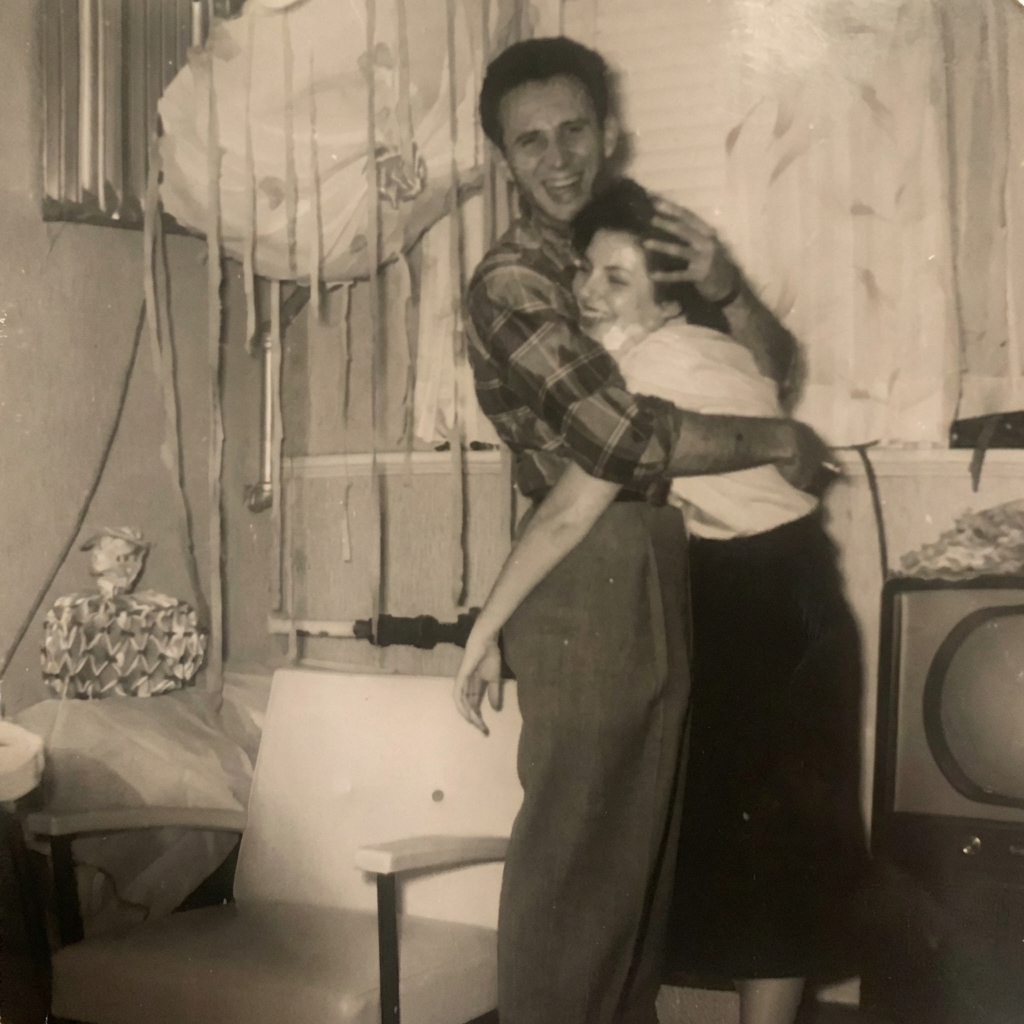
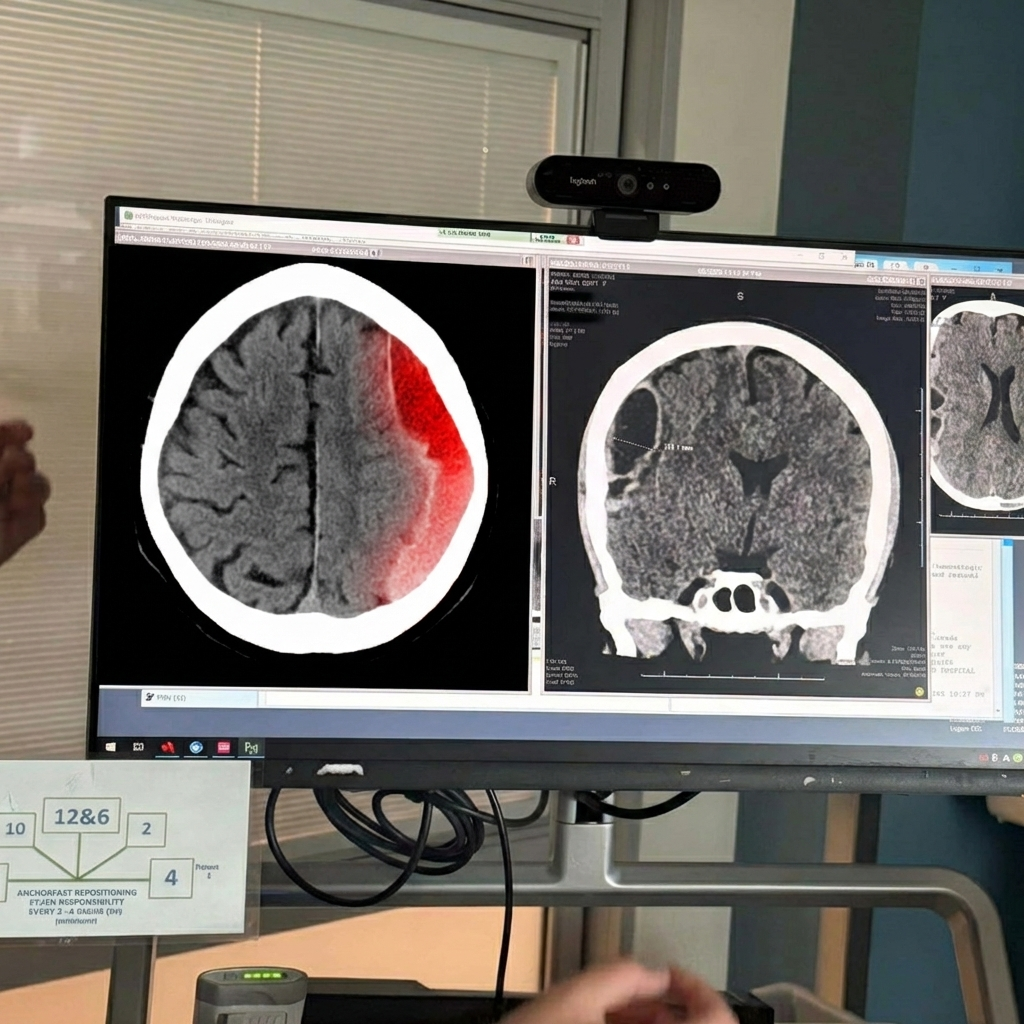
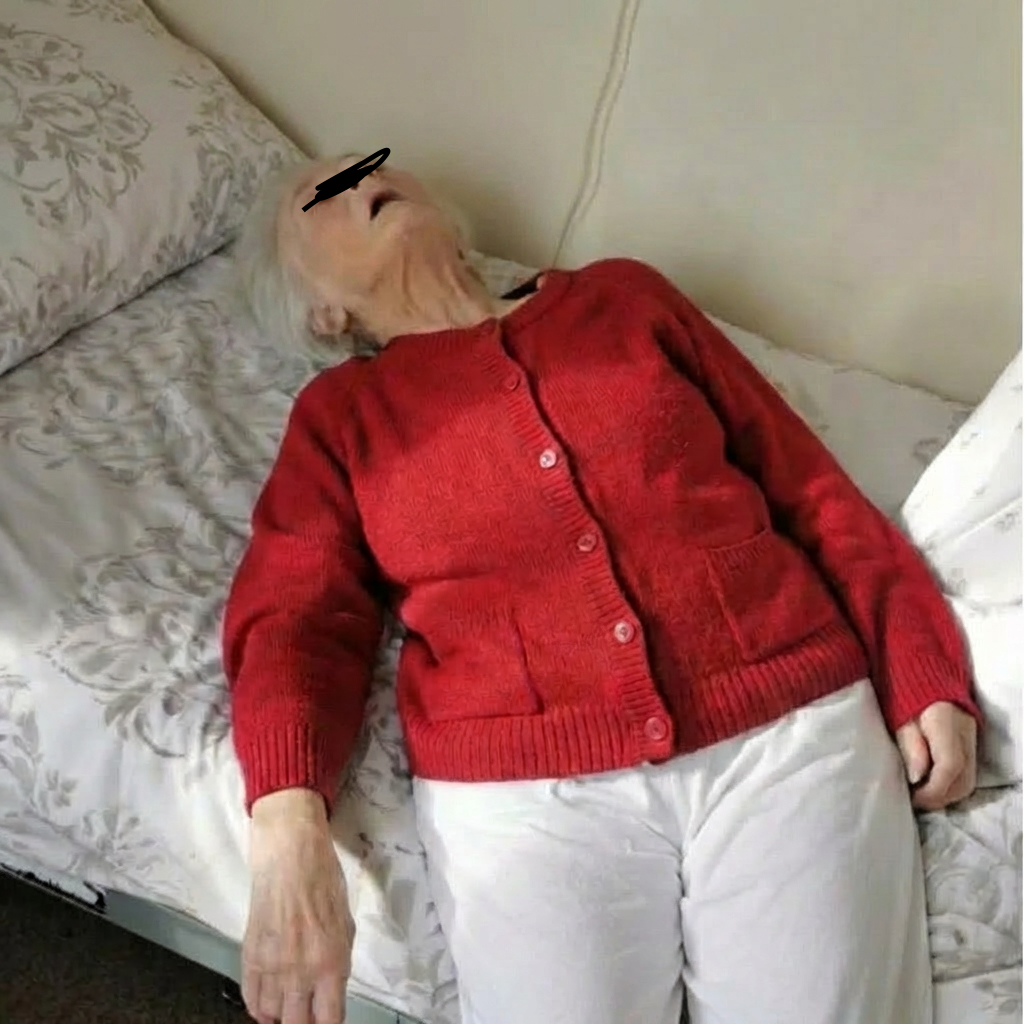
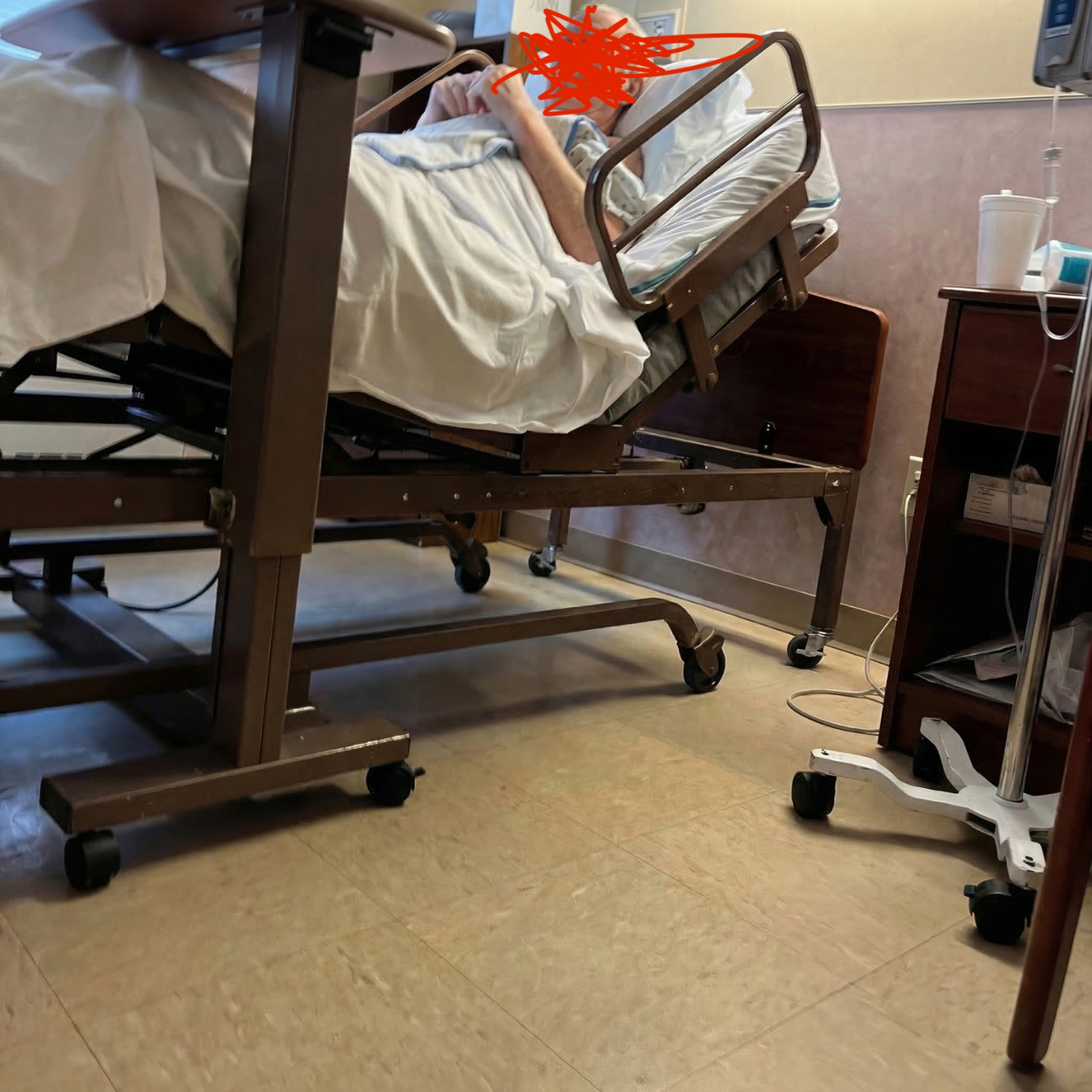
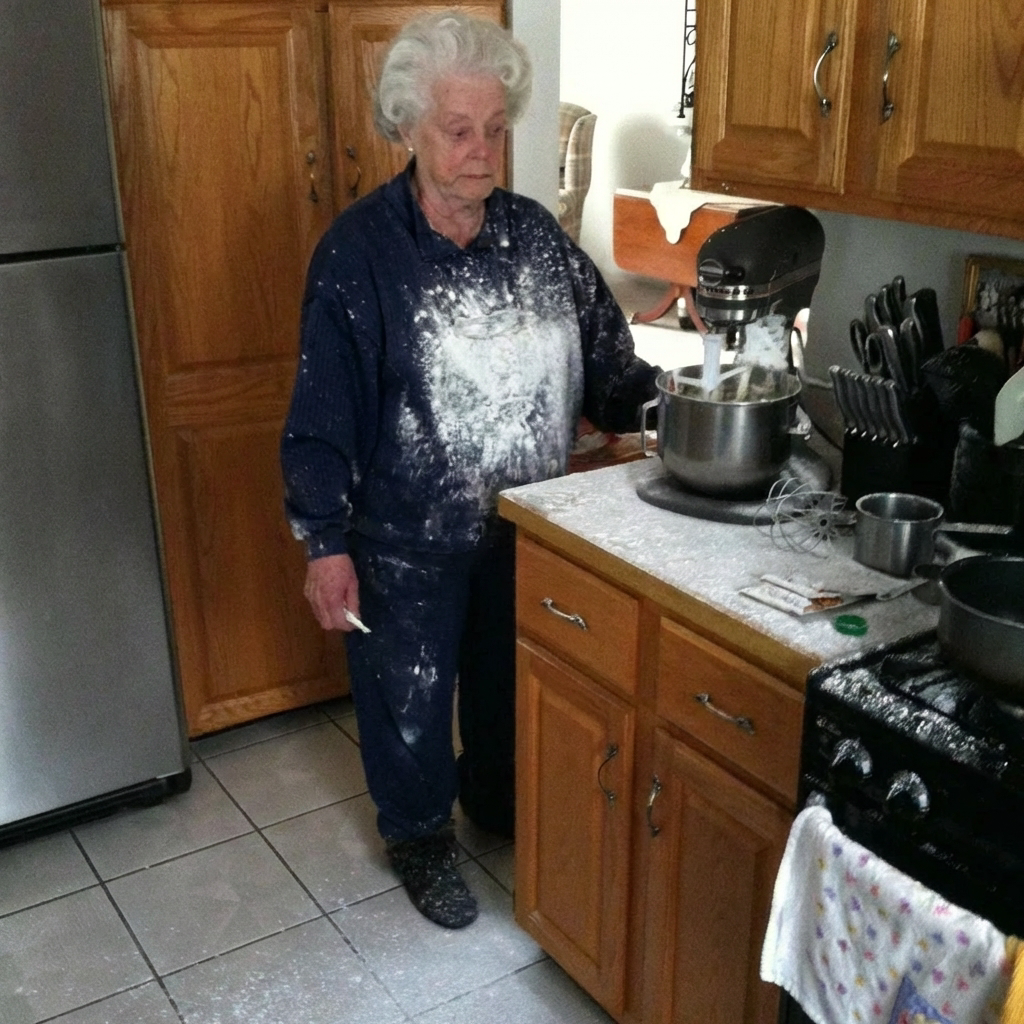
My mom died from a fall in her bathroom on March 8th at 3:12 AM. She was 77 years old. I made her bathroom as safe as I could. Installed grab bars by the toilet and in the shower. Got a raised toilet seat. Left the hall light on all night. The ambulance bill was $1,200. The funeral was $11,800. Her cardigan is still on the hook by the bathroom door. The one she grabbed every night before she made that walk. I can't move it. If I move it, she's really gone. I need to tell you what happened to Mom. Because I'm seeing the same posts in caregiver groups that I was making three months before she died — "does anyone else's parent get up four times a night?" — and it makes me feel sick to my stomach. If your parent is over 70, or if you're a caregiver and you haven't slept properly in months, please read this entire thing. Three weeks ago I would have given anything to know what I'm about to tell you. Mom moved in with us in October. Hip surgery the year before, then the macular degeneration diagnosis, then the early dementia. The doctors called it vascular. What that meant in practice was: she knew where she was during the day. At 3 AM, she didn't always. She'd get up two, sometimes three times a night to use the bathroom. I know, because I was awake for every single one. And on top of the broken sleep, I was cleaning that bathroom every single day. If I skipped even a day, you could smell it. And if the toilet wasn't kept clean, the GP said she was at risk of another UTI which could give her UTI delirium and kidney infections. So I scrubbed. Every day. On top of the cooking, the medication, the appointments. None of my siblings helped me and left me to care for our mom all on my own. I remember standing over that toilet bowl one afternoon thinking, "I'm so tired of not having my own life." I lay in bed listening for the creak of her door. The shuffle of her slippers on the hallway tiles. The click of the bathroom light. That click. Every night that click was the sound of my heart restarting. Because the overhead light meant she'd made it. She was okay. She was in there. I never thought the light itself was the problem. She was my mom. Sharp as a tack her whole life. Retired librarian. Did the crossword every morning in pen. She used to say, "Loretta, the day I can't do the crossword in pen is the day you can worry about me." By November she was doing it in pencil. But she still had her routines. Still made her tea at 9 PM. Still put on that cardigan before her nighttime bathroom trip because she said the hallway was cold. I should have known something was wrong on the 6th of March. She came back from the bathroom at 2 AM and didn't go back to her room. I found her standing in the kitchen at 2:15, staring at the kettle, confused about where she was. "Mom. It's nighttime. Come back to bed." She looked at me like I'd just arrived somewhere she'd been waiting for a long time. "I couldn't find the bathroom. Everything went white." I thought she meant the hallway light was too bright. I dimmed it slightly and helped her back to bed. I lay awake until 6 AM. On the 8th of March, she got up at 3am to use the toilet. I heard the door. I heard the slippers. I did not hear the bathroom light click on. What I heard instead — and I will hear this sound for the rest of my life — was a single, heavy thud. Like something dense hitting the floor tiles without any attempt to stop itself. No cry out. No grab. Just the thud. I was in her bathroom in eleven seconds. She was on the floor between the toilet and the vanity. Her eyes were open. She was breathing. She could not tell me her name. I called 911 at 3:06 AM. The paramedics arrived in nine minutes. They asked her questions she couldn't answer. They asked me questions I answered for her. "Did she fall from standing?" "I think so. She was going to the toilet." "Was the light on when you found her?" It wasn't. The bathroom was completely dark. She'd never turned the light on. She'd navigated to the bathroom in total darkness, gotten confused at the toilet, and fallen before she could reach the switch. Or — and this is the part that came later, the part the doctor explained to me, the part that made me have to sit down and put my head between my hands — she had turned the light on, been blinded and disoriented by the sudden brightness at 3 AM, and reached out for something that wasn't there. We'll never know. She hit her head on the vanity edge on the way down. Mom spent four days in hospital. Subdural hematoma. Bleeding between the brain and the skull. Day 2, she knew me. She held my hand. She said, "Stop hovering, Loretta. I'm not going anywhere." I laughed because I didn't know what else to do. Day 3, she didn't know my name. She asked me if I was the nurse. I said yes because it was easier. Day 4, she stopped waking up. March 8th, 3:12 AM. That was the last time I saw her standing on her own. In her cardigan. Heading for the bathroom. March 12th, 6:47 PM, a doctor I'd never met walked out of her room and looked at me. "I'm so sorry. She didn't regain consciousness." I drove home in the dark. Her cardigan still on the hook. Her tea on the counter. Her crossword book open to the 7th of March, the last one she'd finished, in pen. She'd finished it in pen. After the funeral I couldn't stop thinking about it. Everyone kept saying "these things happen with older people" and "she had a good life" and I wanted to scream. Because I had done everything right. Grab rails. Raised seat. Hall light. Non-slip mat. Everything the physio said. And she still died. So I started researching. Not because I wanted to. Because if I didn't understand why, I was going to spend the rest of my life in that bathroom in the dark, trying to figure it out. And what I found shattered me. Nighttime falls are the leading cause of injury death in Australians over 70. I knew that. What I didn't know was this: the overhead bathroom light is a contributing factor in many of them. Not because of the fall. Because of what happens in the brain when a 72-year-old with early vascular dementia wakes from deep sleep and is hit with sudden bright light. Melatonin — the hormone that keeps her body in "sleep mode" — is suppressed within minutes. Her brain, already struggling with the spatial reasoning that dementia erodes first, gets a signal that it is morning. That it is time to be alert and oriented. That it is time to move. But she's in a dark hallway at 3 AM. She's not oriented. She's not alert. She's confused, blinded by the contrast, reaching for surfaces she can't see properly because her macular degeneration means the bright overhead light creates glare, not clarity. It wasn't the darkness that killed my mother. It was the light she turned on to protect herself from the darkness. The system I built to keep her safe was the very thing that disoriented her. I had to leave the room when I read that. I walked around the block. It was raining. I didn't bring a jacket. I didn't care. At that moment, I felt like all that constant cleaning and caregiving was all for nothing. I had spent what felt like my entire life cleaning her toilets because missing even one or two days would put her at risk for more UTIs. The constant scheduling appointments and tracking medications, I felt like I'd lost my life and personality in the process. I felt like I needed caregiving myself by the end of it, just for my mom to die from a preventable fall. I ordered four different nightlights from amazon the next day. Plug-in hallway light: cast a shadow directly over the toilet area. Less visibility, not more. Stick-on LED motion light: battery dead in six days. Dead on day seven of the next pack. Adhesive strip light: fell off the wall tiles at 2 AM on day three. Colour-cycling novelty bowl light: I don't even want to talk about it. None of them illuminated the right area. None of them solved the problem I now understood: the light needed to be at bowl level, activated automatically, at a brightness that gave enough light to navigate without triggering the neurological alarm bells that bright light sets off in an elderly brain. And not one of them did anything about the cleaning. Every day, still, the toilet needed scrubbing. They were just lights. I didn't know that product existed. I was sitting in the chair I'd put in the corner of her empty bedroom when my sister rang. She'd just moved her father-in-law in. He'd had a stroke a couple of years back — limited mobility, needed general help day to day. Got up three times a night. "I'm terrified, Loretta. I don't know what to do about the bathroom." I said, "I know." I went home and sat in the dark and thought: this is the thing nobody tells you before you become a carer. You do everything right. You install everything the hospital discharge sheet recommends. And then you lie awake anyway because you know it's not enough. And you don't know what enough looks like. Then I found the comment. It was in a Facebook caregiver group. A woman said her husband was a geriatric nurse. Fourteen years on a ward specialising in falls prevention. He had helped design the nighttime protocols for an independent living facility. She said he came home one night and said: "We've been getting this wrong. The light is the problem." She said the facility trialled targeted bowl-level LED lighting — low luminance, specific wavelength, activated automatically on approach. Falls dropped 34%. 34 percent. I read that number and had to put my phone down. Someone in the comments asked what product they used. "Cleanbeam. It fits under the toilet lid. A motion sensor nightlight with adjustable settings. USB rechargeable so it never goes flat. Bowl-level glow only — doesn't reach the walls, doesn't reach the hallway, doesn't trigger the wakefulness response. He's been recommending it to every family at discharge. And the UV-C sanitisation uses light at 254nm wavelength which is just the right wavelength to penetrate and kill the DNA in bacteria. It's actually the same wavelength in the sun that kills bacteria and the same wavelength hospitals use to sterilise their equipment. It automatically runs for 3 minutes every time the lid closes. The toilet stays clean on its own and your LO is safe from nighttime bathroom trips." My first reaction was: why didn't anyone at the hospital tell me this existed? My mother came home from hip surgery with a sheet of paper that said "install grab rails" and "consider a raised toilet seat." Nothing about the light. Nothing about melatonin. Nothing about what a bright overhead globe does to a dementia-affected brain at 3 AM. Nothing about the fact that keeping a toilet clean enough to prevent UTIs in elderly women requires daily manual scrubbing — or something that does it automatically. A 34% reduction in falls. And automatic UV-C sanitation that meant no caregiver ever had to make toilet cleaning the centrepiece of their day again. From a product that attaches under the toilet lid. I called my mother's geriatrician the next morning. The doctor who had been there the last week of her life. I asked him straight. "Is this real? Or am I just a grieving daughter looking for something to be angry at?" He was quiet for a moment. "The clinical evidence for circadian-safe, low-luminance lighting in fall reduction is well established. The principle is sound — adequate navigation visibility without triggering the melatonin-suppressing response of conventional room lighting." He paused. "If your mother had that type of lighting in her bathroom — light that activated automatically at the right level in the right place — there's a genuine possibility she would not have been disoriented that night. Consistent automated sanitation is far more effective at reducing infection risk than periodic manual cleaning. The burden on caregivers to maintain that standard by hand is simply not sustainable." I had to put the phone down on the counter and walk to the other side of the kitchen. Because a doctor just told me that $89 and a USB port might have kept my mother alive to finish her crossword. And given me back the hour every day I spent on my knees cleaning a toilet. I ordered Cleanbeam that night. Not for my mother. She was gone. For my sister. For her father-in-law. For every person in every caregiver group who was lying awake listening for a thud. I want to be honest with you. I was skeptical. After four nightlights that either died or did nothing. After a hallway light that disturbed everyone's sleep. After a raised seat that gave me a false sense of security. So I read everything I could find. Cleanbeam fits under the toilet lid. The motion sensor detects approach and the bowl-level glow activates automatically — no switch, no overhead light, no confusion. It sits right at the bowl so it illuminates exactly what she needs to see: the seat, the floor immediately in front of her. It doesn't flood the hallway. It doesn't hit the ceiling. The brightness is calibrated to navigate without reaching the luminance threshold that tells the brain it's morning. The cleaning cycle is just as simple. After they use the toilet for number 2, they close the lid — which they should be doing before flushing anyway. The moment that lid closes, the 3 minute UV-C cycle runs automatically and kills bacteria and odors. No scrubbing. No chemicals. No adding it to tomorrow's to-do list. Leave the lid open for the night so the nightlight is ready, and by the next bathroom trip the bowl has already been sanitised. It just happens. Every single time. Whether you're in the house or not. USB rechargeable and each charge lasts up to 2 months. I set it up in my sister's bathroom in 30 seconds. Her father-in-law has been getting up two to three times a night. She has been lying awake for every single one. She also keeps a bedside commode in his room for the nights when getting to the bathroom is too much — she'd fitted a second Cleanbeam unit under that lid too. She used to bleach it after every use and it still absorbed the smell straight into the plastic, even with liners. Since the Cleanbeam, the cycle runs throughout the night even when it's not in use — and for the first time, the commode doesn't hold the smell. When she cleans it now, the stench that used to hit her the moment she opened is finally manageable. Three weeks after the Cleanbeam was installed, she called me. "He got up twice last night. Both times I heard the sensor click on. Both times he made it back to bed. I didn't hear the overhead light once. And Loretta — I didn't clean the toilet yesterday. For the first time in months, I just didn't. And it was fine." Then she said: "I slept, Loretta. I actually slept." We both cried. Because we were both thinking the same thing. Here is what I know, because I lived it: Standard nightlights don't illuminate the right area. Mom had one. She still fell. Overhead lights disorient elderly people and disturbs their sleep. The sudden brightness suppresses melatonin, causes confusion, triggers the same response as sunrise — at 3 AM, in a person who can't reorient quickly. Grab rails are essential. They are not sufficient. Clinical field trials showed bowl-level, circadian-safe LED lighting reduced elderly falls by 34%. That data existed before my mother moved in with me. Nobody told me. UTIs are the most common infection in elderly women. Toilet hygiene is a primary risk factor. Keeping a toilet clean enough to meaningfully reduce that risk requires daily effort — effort that falls entirely on the caregiver, every single day, with no end in sight. Cleanbeam's sanitation cycle run every time the lid closes. Automatically. Without you and while you sleep. The bathroom is the most dangerous room in the house for someone over 70. The fall risk is highest at night. The hygiene burden is there every single day. No nightlight touches both. No cleaning product touches both. This does — and it does both without you having to think about either. A bowl-level glow, automatically activated, and adjustable to the right setting for you, with a UV-C sanitation cycle that runs every time the lid closes — that's the gap between where you are right now and where I am. My mother is gone. But yours doesn't have to be. The article that first explained the mechanism — the one that helped me understand why the overhead light was the problem, not the solution, and why no caregiver should have to spend their life cleaning a toilet to keep their parent safe — is what led me to Cleanbeam. Read it. Not for me. For whoever is getting up three times a night. For whoever you're lying awake listening for. 👇 https://theshopmoon.com/products/cleanbeam Mom used to say the bathroom was the one place she still wanted privacy. The one room where she didn't need me. Where she could still do something on her own. Cleanbeam gave my sister's father-in-law that room back. It could have given it to her. — Loretta, age 52. P.S. Her cardigan is still on the hook. Forty-one days now. Every morning I walk past it and think she's just in the kitchen making her tea. She's not. $11,800 for the funeral. 30 seconds to install a device that might have kept her here — and meant I can finally have a life that didn't revolve around constantly cleaning a toilet. If reading this saves one family from a phone call at 3 AM — just one — then at least she didn't fall for nothing. P.P.S. I don't work for Cleanbeam. I'm writing this at 2:48 AM because the house is quiet and my brain won't stop. If your parent gets up at night and you're lying there listening, please look into this. Please. The grab rails and the raised seat and the hall light — I had all of it. It wasn't enough. This is what was missing.
My mom died because no one told me this
Discover unique and eye-catching products at The Moon Shop – your go-to destination for trendy, must-have finds! From statement accessories to cool gadgets, we bring you the best in style, fun, and creativity.
LEARN MORELike this ad? Make it yours.
Crush rebuilds this exact creative around your product — your brand, your colors, your offer — in about a minute.