Ridgewood Veterinary Clinic
Ridgewood Veterinary Clinic Facebook ad: “Veterinarian speaks the truth…”
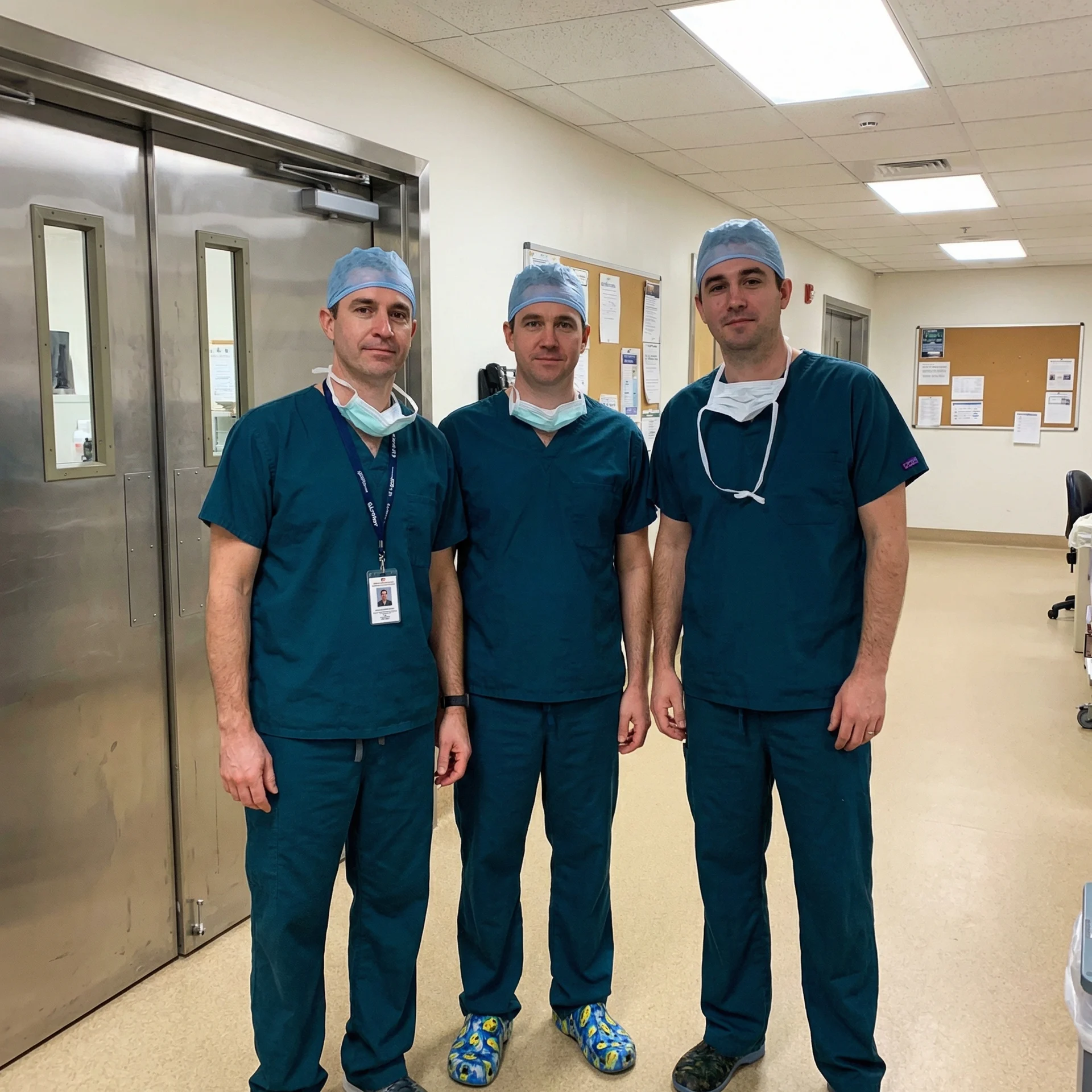
Ran for 94 days, from February 13 to May 18, 2026, the last day Crush saw it.
Run by Ridgewood Veterinary Clinic on Facebook. Crush is not the advertiser and does not verify its claims. See this ad in Meta's Ad Library(opens in a new tab)
Want an ad like this for your product?
Crush makes new ad images for your product from this ad: your logo, your product photo, your offer.
Trials from $19.95 USD, then $79.95 USD a month. Cancel anytime.
About this ad
- Meta Ad Library ID
- 736898699286269
- Platforms
- Facebook, Instagram, Audience Network, Messenger and Threads
- Relaunches
- 0
- Niche
- Pets
Ad text
Two families asked us about euthanasia at Ridgewood Veterinary Clinic last month. Not because of cancer. Not because of organ failure. Not because of old age. Because of allergies. Both dogs were under six years old. And a third family had already made that decision earlier this year. We couldn't help them because we didn't understand what we understand now. Dr. Reeves noticed the pattern first. She pulled me and Dr. Nakamura into the back office after the second conversation and laid out three charts on the table. "Look at these." All three dogs: severe chronic allergies starting between age 1 and 2. Scratching so intense the rooms looked like crime scenes. Blood on the walls. Blood on the bedding. Owners buying dog boots and surgical suits just to stop the dogs from destroying themselves. All three dogs: 55-panel allergy tests showing reactions to 30, 40, sometimes 42 out of 55 allergens. Dust. Cotton. Grass. Trees. Mold. Pollen. Allergic to almost everything that exists. All three dogs: years of Apoquel, Cytopoint, Atopica, prednisone, Benadryl combinations. Allergy shots that didn't help. Prescription diets that gave temporary relief then nothing. Every homeopathic, natural, and pharmaceutical treatment available. Thousands and thousands of dollars. All three dogs: owners who had exhausted every option and were sitting across from us asking if it was selfish to NOT consider putting their dog down. Dr. Nakamura leaned forward. "Three families. Same age range. Same progression. Same endpoint. What are we missing?" That question led to a four-month investigation that changed how all three of us practice medicine. My name is Dr. David Chen, DVM. Along with Dr. Sarah Reeves and Dr. Kenji Nakamura, we've collectively treated over 24,000 dogs at Ridgewood Veterinary Clinic over the past 32 years. And here's what we found. It started with the family that was still deciding. The dog's name was Maisie. Five-year-old pit mix. Her owner, Jessica, had spent $6,400 on treatment over four years. Maisie had been scratching since she was about a year old. It started with vomiting and loose stool, then moved to the skin. First just the paws. Then the ears. Then everywhere. The scratching became so severe that Jessica would wake up in the morning and the room looked like a murder scene. Blood smeared on the walls where Maisie had rubbed. Blood on the sheets. Blood between her toes from chewing through her own skin overnight. Jessica lived with that sound. The wet, frantic licking at 3 AM. The head shaking that rattled the tags on her collar. The desperate scratching against the carpet, against furniture, against concrete, against anything that might bring two seconds of relief. She bought dog boots. She bought surgical suits. She kept Maisie in a cone for weeks at a time. Not after surgery. Just to stop her dog from eating herself alive. She took Maisie to a veterinary dermatologist who ran a 55-panel allergy test. Maisie came back allergic to 42 of 55 allergens. Dust. Cotton. Grass. Trees. Mold. Multiple types of pollen. Contact and inhalant. "She's basically allergic to being alive," Jessica told us. She wasn't joking. The dermatologist started allergy shots. Over a year of injections. Nothing improved. Then Atopica. Then Apoquel. Then prednisone and Benadryl together. The prednisone was the only thing that gave any relief at all, but only temporarily, and it couldn't be used long-term without destroying her liver. Jessica had tried everything. Every prescription. Every over-the-counter supplement. Every natural remedy she could find online. Every food elimination. Every medicated shampoo. Four years. $6,400. And Maisie was still itching all the time. Still getting infections from the licking and scratching. Still losing weight, losing hair, losing energy. The medications were having less and less effect. Jessica sat in Dr. Reeves' exam room with Maisie on her lap and asked the question no vet wants to hear: "Is euthanasia the right thing? Or is it selfish for me to not consider it?" Dr. Reeves told her the truth. "I wouldn't fault you for considering it. Quality of life matters more than quantity. And you've gone far above and beyond what most people would have done." Then she said something that changed everything. "But before you make that decision, I want to try one more thing. Something we've never tested." Dr. Reeves ran a gut barrier permeability panel on Maisie. The result: severely compromised. Her intestinal lining was full of microscopic gaps. The three of us sat in the break room that night, staring at that result. Dr. Nakamura spoke first. "We've been treating the skin for 32 years. What if the problem was never the skin?" Because we finally understood what was happening. Here's what they don't teach you in vet school: Over 70% of dogs with chronic allergies have severely compromised gut barrier integrity right now. Not something that shows up on standard bloodwork. Not something any allergy panel tests for. Not something a single dermatologist had ever mentioned to Jessica in four years of treatment. But enough to explain everything. Your dog's gut lining is held together by collagen. Think of it like a net. When the net is tight, only nutrients pass through into the bloodstream. Allergens, bacteria, undigested food particles stay out. But when the collagen breaks down, the net gets holes. Now everything leaks through. Pollen. Dust. Grass proteins. Food particles. Things that should bounce off the gut wall are flooding into the bloodstream. The immune system detects these invaders and launches a full inflammatory response. But the inflammation doesn't show up in the gut. It shows up on the skin. The scratching. The hot spots. The bleeding paws. The ear infections. The head shaking. The yeasty smell. The 3 AM chewing. The blood on the walls. That's not a "severe allergy dog." That's not "bad genetics." That's not a dog that's "allergic to being alive." That's a dog whose gut lining is so full of holes that everything in the environment is flooding into the bloodstream. And every allergy test, every medication, every food trial was treating what was leaking through. Not one of them looked at why it was leaking. Standard allergy testing checks what the dog reacts TO. It tells you your dog is allergic to 42 out of 55 things. What it doesn't tell you is WHY. And the answer is almost always the same: the gut barrier is broken and there's nothing left to keep allergens out. But it gets worse. Even if you're feeding prescription food, even hydrolyzed protein or novel protein diets, the gut barrier is still deteriorating because: Dogs produce less collagen every year starting around age 2. By age 5, production has dropped by as much as 25 to 30 percent. The gut lining depletes faster than diet can rebuild it. The holes get bigger every year. Heat processing destroys collagen in all commercial food. Kibble, canned, freeze-dried. The manufacturing process degrades collagen proteins before they go in the bag. What's on the label isn't what your dog's gut is actually receiving. Chronic inflammation accelerates the breakdown. Every allergic reaction, every hot spot, every round of scratching triggers more inflammation. The inflammation burns through the collagen holding the gut lining together. The allergies destroy the very structure that's supposed to prevent them. That's the cycle Jessica was trapped in. That's the cycle all three families were trapped in. Medication suppresses the immune response. The scratching slows. But the gut keeps deteriorating underneath. The holes get wider. More allergens leak through. When the medication wears off, the scratching comes back worse. So you increase the dose. Add another drug. Add an injection. The spending goes up. The gut goes down. It's not treatment. It's a holding pattern. And eventually the medications stop working entirely. That's when families start asking about euthanasia. After Maisie's diagnosis, we made a decision as a team. For the next four months, we would test gut barrier integrity in every dog that came through our clinic with chronic allergies. Dr. Nakamura handled the testing protocols. Dr. Reeves compiled the data. I followed up with every case. We tested 62 dogs. 51 had severely compromised gut barriers. 82%. These weren't dogs eating cheap food. These were dogs on Hill's Derm Complete, Royal Canin Hydrolyzed Protein, Purina Pro Plan Sensitive Skin. Dogs whose owners were spending $90 a bag on prescription diets. Dogs on Apoquel and Cytopoint for years. It didn't matter. Across the board: dogs on allergy medications and prescription diets had some of the most damaged gut linings we'd ever seen. Because here's the cruel irony: Apoquel and Cytopoint suppress the immune response. They turn off the alarm. But the fire keeps burning underneath. The gut keeps deteriorating. And immunosuppression itself can thin the gut lining further. You're spending $60 to $180 every month on medications that manage the scratching while the structural damage gets worse. The medications aren't failing because your dog's allergies are "too severe." They're failing because the gut lining is collapsing faster than the drugs can suppress the reaction. If your dog shows ANY of these signs, they likely have a compromised gut barrier right now: → Scratches, licks, or chews until they bleed → Hot spots that keep coming back no matter what you do → Ear infections more than twice a year with that yeasty smell → Paws stained rust or brown from constant licking → Coat thinning, bald patches, dull or brittle fur → Medications that worked at first but keep losing effectiveness → Food sensitivities that multiply over time → Gets worse every year despite spending more on treatment The scratching isn't the disease. It's the warning sign that the gut lining has been collapsing for months or years. After discovering how widespread this was, we thought supplementing collagen to rebuild the gut lining would be straightforward. We were wrong. Dr. Reeves took the lead. She ordered every collagen supplement marketed for dogs that she could find. Chews, powders, liquids. All claiming to support "skin and coat health." She reviewed every ingredient list. Called every company. Asked for Certificates of Analysis and third-party testing. What came back made all three of us furious. PawRenew Collagen Chews (popular brand, thousands of reviews, sold at major retailers): 14 ingredients. Collagen was third on the list, behind pea starch and tapioca starch. Contained Brewer's Yeast. The actual collagen content was roughly 35% of the chew by weight. When Dr. Reeves called and asked for a Certificate of Analysis, they said it was "proprietary." BarkBalance Skin & Coat Chews (top-rated on Amazon, "veterinarian recommended" badge): 12 ingredients including Brewer's Yeast, pea flour, and glycerin. The collagen was listed as "hydrolyzed collagen" with no source specified. Company was overseas with no quality documentation available. CoatShield Premium Collagen (marketed by a pet health influencer, $52 for 30 days): Still contained Brewer's Yeast as the fifth ingredient and tapioca starch as the second. Dr. Reeves requested current testing. They sent a certificate that was 18 months old. When she asked for a current one, they stopped responding. Here's the thing about Brewer's Yeast that most dog owners don't know. It's one of the most common allergens in dogs. Dog owners are buying supplements for their allergy dogs that contain an ingredient that feeds the allergies. It's in almost every chew on the market. You're trying to seal the holes in the gut lining while pouring an allergen through them. We'd been recommending supplements that were either contaminated, mislabeled, full of allergens, or completely ineffective. We felt like we'd failed them all over again. We thought about the family that had already euthanized their dog. We thought about whether a real collagen supplement, given early enough, could have changed the outcome. We'll never know. But that thought is what kept us searching. Dr. Nakamura spent two months calling manufacturers, demanding Certificates of Analysis, third-party testing, sourcing documentation. Most wouldn't return his calls. The ones who did sent expired certificates or said testing was "not required." We were about to give up. Then we found Nature's Paw. At first, all three of us were skeptical. Another supplement company making promises. But when Dr. Nakamura called them, something was different. They answered. Immediately. He asked for their Certificate of Analysis. They emailed it within an hour. From an accredited third-party lab, testing for purity, heavy metals, and contamination. He asked about sourcing. They sent full documentation: grass-fed bovine collagen, verified suppliers, certified facility. He asked for batch testing. They provide it for every single batch. Not once a year for marketing. He asked about fillers. There are none. No Brewer's Yeast. No pea starch. No grain binders. No artificial anything. They were the only company that could answer every single question with documentation. Dr. Reeves sent a bottle to the same independent lab. The results: ✅ 400mg grass-fed bovine collagen peptides per serving (verified by third-party testing) ✅ Vitamin C (essential for collagen synthesis, without it the body can't use collagen) ✅ Hyaluronic Acid (calms gut and skin inflammation while the lining rebuilds) ✅ Biotin (supports skin and coat recovery once the gut barrier seals) ✅ Zero Brewer's Yeast ✅ Zero pea starch or grain fillers ✅ Liquid format for immediate absorption through mucosal tissue Four ingredients. Nothing else. We'd finally found it. The only collagen supplement the three of us could trust. And here's why the format matters: Compressed chews sit in an already inflamed gut for hours, pulling water from the damaged lining just to dissolve. Stomach acid degrades most of the collagen before absorption. Your dog gets maybe 20 to 30 percent of what's on the label. Liquid collagen absorbs through the mucosal tissue of the mouth and throat almost immediately. No digestion required. No starch brick irritating an inflamed gut. Up to 98 percent absorption. For a dog whose gut is already destroyed, the last thing you want is a compressed tablet sitting in there for hours. Liquid bypasses the damage entirely. Nature's Paw works alongside whatever you're currently doing. You don't need to change anything. Just add one dropper to their food every morning. I called Jessica that same day. "Don't make that decision yet. We found something." She started with one dropper on Maisie's food every morning. Maisie licked the bowl clean. Week 1: No visible change. We warned Jessica. Four years of gut damage doesn't reverse in seven days. Week 2: Jessica texted Dr. Reeves. "I don't want to jinx it, but she slept through the night. First time in I don't even know how long." Week 3: The scratching frequency dropped noticeably. Not gone. But the frantic, desperate quality was fading. Maisie wasn't clawing at herself like something was crawling under her skin anymore. Week 4: The hot spot on her belly started closing. Pink, healthy skin appearing where there had been raw, angry inflammation for months. Week 6: Jessica brought Maisie in. Dr. Reeves examined her ears. Clean. No smell. No discharge. She checked the paws. The rust staining was growing out. New, white fur underneath. Week 8: Jessica sent us a video. Maisie was playing with a toy. Shaking it, pouncing, doing that ridiculous pit bull wiggle. Jessica was crying behind the camera. "She hasn't played like this in over a year." We ran the gut barrier test again at week ten. Significantly improved. The gaps in the intestinal lining were closing. Jessica started crying in the exam room. "I was going to put her down. I was sitting in this room two months ago asking you if I should kill my dog. And now look at her." Dr. Reeves said what all three of us were thinking. "It wasn't Maisie. It was the gut. And guts can be rebuilt." Ten weeks. After four years of hell. The only thing that changed? Her body finally had enough collagen, in a form it could actually use, to start sealing the gut lining. The allergens stopped flooding through. The immune system stopped panicking. And Maisie started being Maisie again. We contacted the second family. Same protocol. Their dog, a 6-year-old shepherd mix, showed improvement by week five. They cancelled the euthanasia conversation. We can't help the family that already made that decision. We think about them often. We think about whether this would have changed the outcome if we'd known sooner. We'll never know. But we can make sure it doesn't happen again. We've now put over 240 dogs on this exact protocol across our practice. 87% show measurable improvement within six to eight weeks. Maisie, 5-year-old pit mix (allergic to 42/55 allergens, euthanasia discussion, 4 years of failed treatment): "She hasn't had a hot spot in three months. She sleeps through the night. She plays again. I cancelled the Apoquel. I took the cone and threw it in the trash. I wish someone had told me about the gut four years ago." Duke, 6-year-old shepherd mix (scratching until bleeding, three medications failing, euthanasia considered): "Our vet said his allergies were 'too severe for normal treatment.' Six weeks on the liquid collagen and his skin is calmer than it's been since he was a puppy. We haven't discussed euthanasia since." Biscuit, 4-year-old Frenchie (chronic ear infections, yeast smell, on Cytopoint every 4 weeks): "The Cytopoint was costing us $200 every four weeks and barely working anymore. Started Nature's Paw alongside it. By month two, we stretched to eight weeks between injections. By month three, we stopped. No ear infections since. The yeast smell is gone." Rosie, 7-year-old Bulldog (lost most of her hair, boots and surgical suit daily, owner afraid vet would take her): "Most of her hair was gone. Her ears were infected nonstop. She chewed and scratched bloody patches every night. I stopped taking her to the vet because I was afraid they'd say I was neglecting her. I started the liquid collagen as a last resort. Two months later, her vet said she looked like a different dog. Her coat is coming back. She's not living in a suit anymore." These aren't miracles. This is simply what happens when you give a dog's body the collagen it needs to rebuild the gut lining, in a form it can actually absorb, without feeding the inflammation at the same time. Here's what we want you to do: Next time you're at your vet, ask this exact question: "Can you test my dog's gut barrier integrity instead of just testing what she's reacting to?" If they say "it's just allergies" or "some dogs are like this," ask them: "When was the last time you checked whether the gut lining is intact?" Most won't have an answer. Not because they don't care. But because the system is built to identify triggers and suppress reactions. Not to repair the structure that's supposed to keep those triggers out. We were the same way. For 32 years. Until two families sat across from us and asked if they should kill their dogs over allergies. And we realized we'd been treating the wrong thing the entire time. You don't need to wait for vet approval. You don't need more allergy panels. You don't need to wait until your dog is in so much pain you're considering the worst. Collagen isn't a drug. It's a structural protein your dog's gut needs every single day to stay sealed. You can start today. If your dog is scratching through the night, losing coat, getting infections that keep coming back, and the medications are working less and less, their body is telling you the gut lining is collapsing. Each allergic reaction triggers more inflammation. The inflammation burns through collagen. The gaps get wider. More allergens pour through. The scratching gets worse. The medications lose effectiveness. The spending goes up. The dog goes down. But if you catch it now, you can rebuild the gut lining and give your dog's immune system a chance to stop fighting everything. The only brand the three of us trust after testing them all: Nature's Paw. Get the same liquid collagen we recommend to our clients at Ridgewood Veterinary Clinic. Most dogs show visible improvement within four to six weeks. Start with a 90-day supply to allow full gut barrier restoration: https://trynaturespaw.com/products/natures-premium-liquid-collagen P.S. If your dog scratches until they bleed, if you're buying boots and cones and surgical suits just to stop them from destroying themselves, if you've spent thousands and the medications are losing effectiveness, the gut lining is already severely compromised. That's not "just bad allergies." That's a structural collapse. Most dogs on this protocol show significant improvement within six to eight weeks. Every week you wait, the gut barrier breaks down further and the medications work a little less. P.P.S. None of us get paid by Nature's Paw to recommend this. We recommend it because after testing every major collagen supplement on the market, they're the only ones who passed every test. Four ingredients. Zero Brewer's Yeast. Zero fillers. Actual absorption. After our combined 32 years and over 24,000 dogs with allergy issues at Ridgewood Veterinary Clinic, we've finally found something that's both safe and actually works. Your dog deserves better than a life in a cone. And you deserve better than sitting in an exam room asking a question no one should ever have to ask.
Where the ad sends people
trynaturespaw.com
Veterinarian speaks the truth…
Dogs lose collagen every day after age 2 — and it shows in the skin first. As the gut barrier weakens, allergens slip through, triggering the itching, hot spots, and scratching that won't stop. It also shows in stiff joints and dull, thinning coats. One daily pour rebuilds the barrier from the ins...
Shop now: trynaturespaw.com(opens in a new tab)