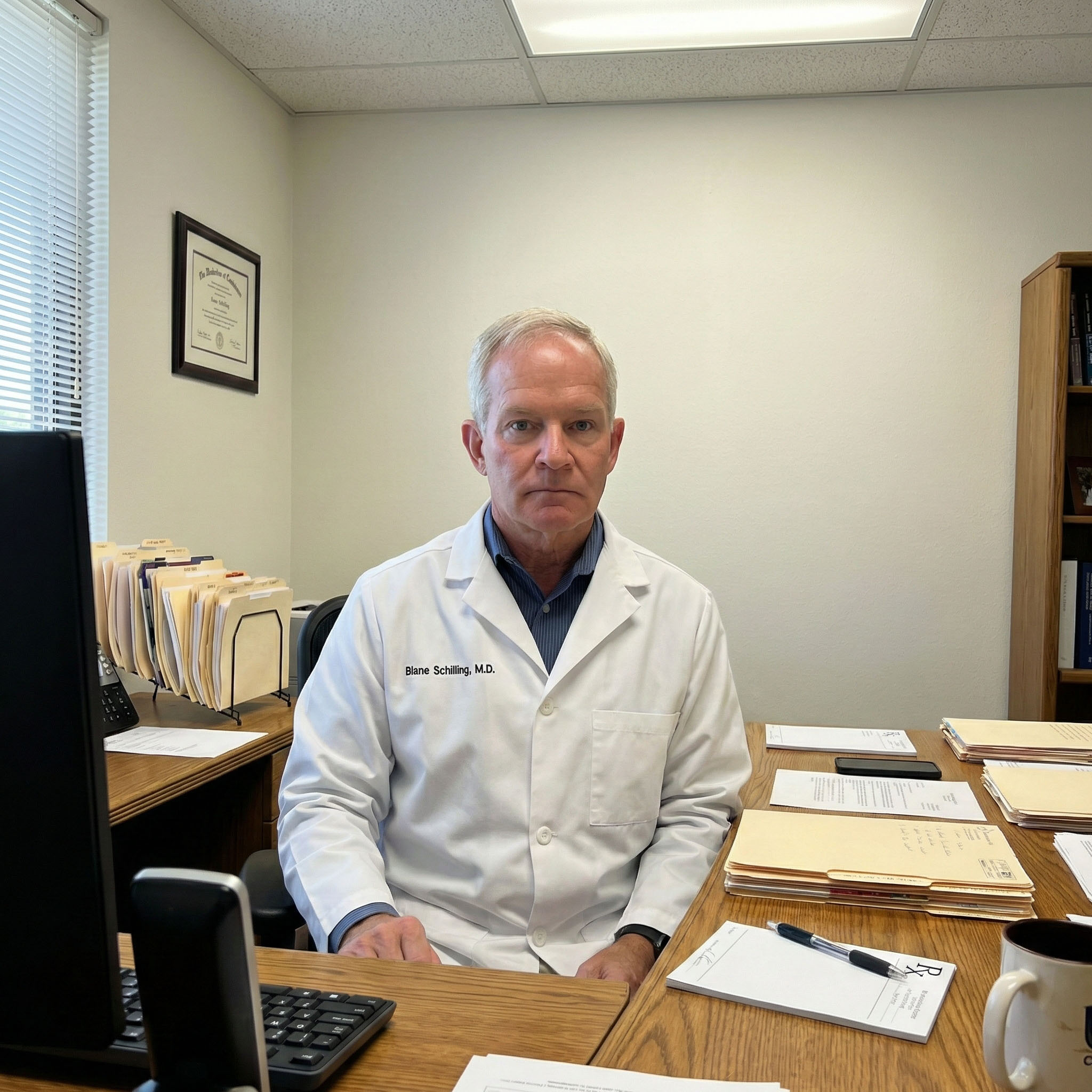
Dr. Blane Schilling, MD
Dr. Blane Schilling, MD Facebook ad: “Orthopedic surgeon exposes what's really behind chronic…”

Ran for 12 days, from February 26 to March 10, 2026, the last day Crush saw it.
Run by Dr. Blane Schilling, MD on Facebook. Crush is not the advertiser and does not verify its claims. See this ad in Meta's Ad Library(opens in a new tab)
Want an ad like this for your product?
Crush makes new ad images for your product from this ad: your logo, your product photo, your offer.
Trials from $19.95 USD, then $79.95 USD a month. Cancel anytime.
About this ad
- Meta Ad Library ID
- 767905006392089
- Platforms
- Facebook, Instagram and Threads
- Relaunches
- 5
Ad text
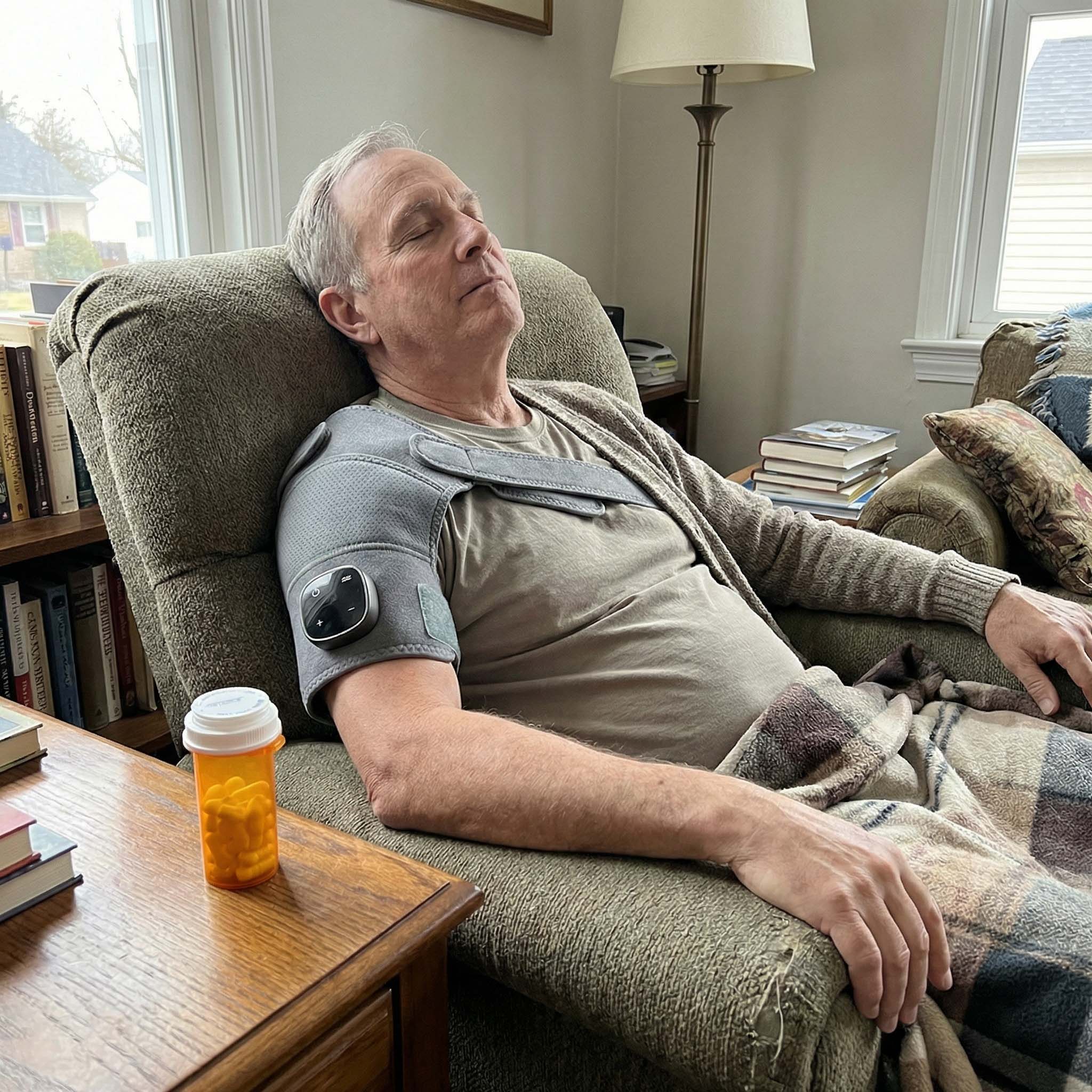
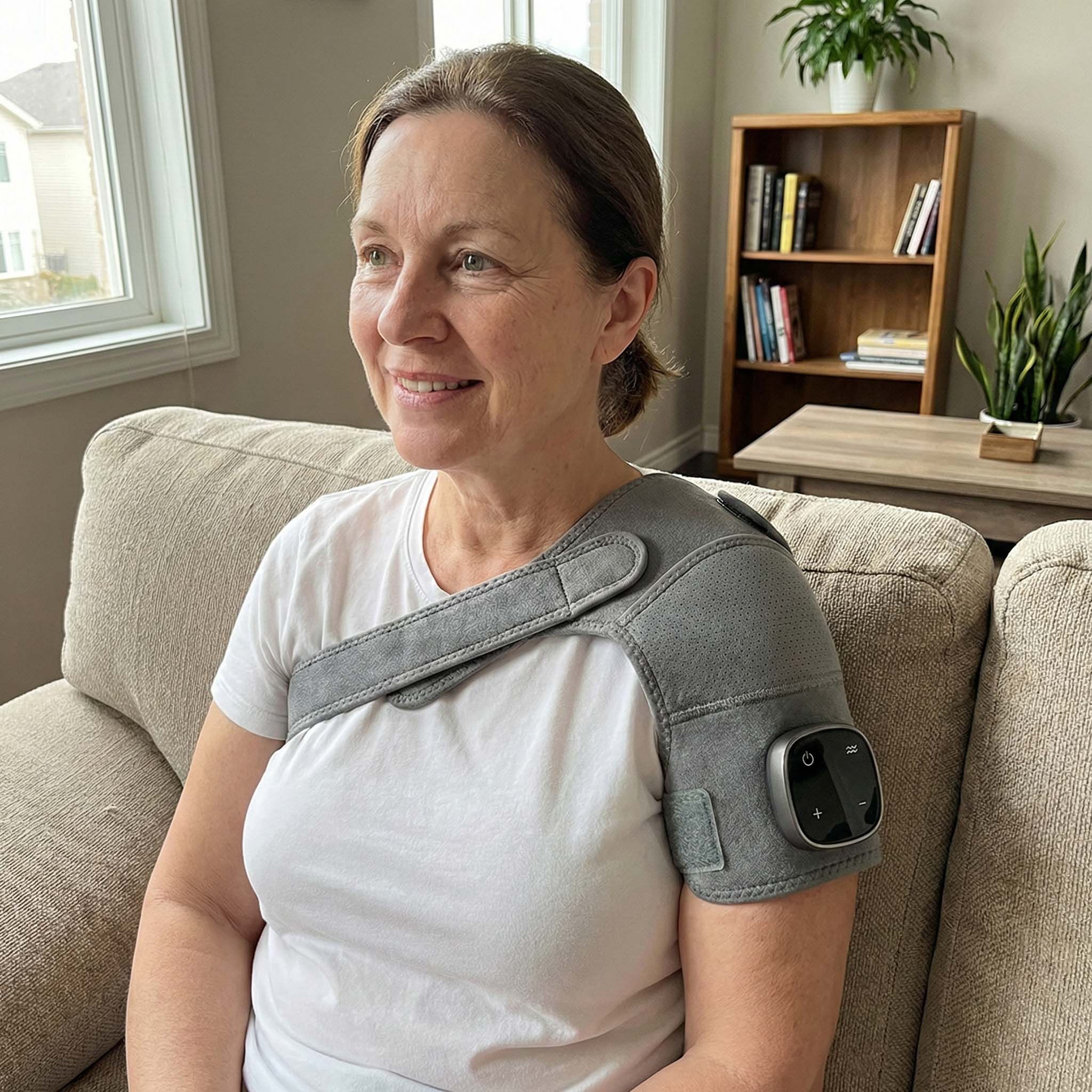
After 3,000+ shoulder surgeries, I realized something wasn't adding up. I'm Dr. Blane Schilling. I've been an orthopedic surgeon for 23 years. I've operated on shoulders that belonged to nurses, construction workers, teachers, retired firefighters, grandmothers. People who just wanted to reach a shelf or sleep through the night without pain. And for most of my career, I did what I was trained to do. Find the tear. Fix the tear. Send them home. But something kept nagging at me. Too many patients were coming back. Not because the surgery failed on the table. The procedure would go perfectly… Textbook… Clean. But six months later, they'd be sitting across from me saying the same things. "I still can't reach behind my back." "The night pain came back." "It still feels like something is grinding in there." And I didn't have a good answer for them. For a long time, I told myself it was just part of the healing process. Some people take longer. Some shoulders are more damaged than others. That's what I told them, too. But privately, it was eating at me. Then about two years ago, I came across two pieces of research that changed everything I thought I knew about shoulder pain. The first was from a Japanese orthopedic institute. They had been studying why rotator cuff tissue breaks down in the first place. And what they found was that the primary driver wasn't mechanical wear, the way most surgeons think about it. It was vascular insufficiency. In plain English, the tissue around the rotator cuff was losing its blood supply. Your shoulder joint has one of the poorest blood supplies of any area in your body. And after age 40 or so, it gets worse every year. The blood vessels shrink. Less oxygen gets through. Less nutrients reach the tissue. And the tissue starts to break down, not because you injured it, but because it's starving. Think of it like a hinge on a door. When the hinge is oiled, the door swings fine. But let that oil dry up and the hinge starts grinding, sticking, making noise every time you move it. Eventually it locks up. That's what's happening in your shoulder. The tissue isn't just damaged. It's suffocating. The second piece of research hit even harder. It was a 5-year clinical outcomes study. Researchers took patients with chronic, full-thickness rotator cuff tears. The kind that surgeons like me would normally operate on. They split them into two groups. One group got the surgery. The other group didn't. They tracked both groups for five years. Pain scores. Function. Satisfaction. The results were nearly identical. I need you to read that again. The people who went through a $25,000 to $50,000 surgery, with months of recovery and all the risks that come with it, ended up in the same place as the people who did nothing. That study kept me awake for about a week. Because it confirmed what I'd been seeing in my own practice but didn't want to admit. The surgery wasn't fixing the real problem. We were repairing a tear in tissue that was still starving for blood. It's like patching a tire that's still sitting on broken glass. So I started asking a different question. If the real problem is blood flow, how do we fix that? The clinical research pointed to a combination of three specific therapies. Precision heat at 42 degrees Celsius. It opens the blood vessels so circulation can actually reach the deep tissue around the joint. Rhythmic compression that pumps fresh, oxygenated blood into areas that have been cut off for years. And targeted vibration that triggers cellular repair and releases the deep muscle tension that builds up around a damaged shoulder. The critical thing is that you need all three working together. Heat by itself opens the vessels, but the blood doesn't get pushed through. Compression by itself pushes blood, but the vessels are still constricted. You need the combination to actually get oxygen and nutrients into the tissue. The clinical data backed it up. Better oxygenation. Faster tissue recovery. Real pain reduction. Not masking. Actual repair. The problem was, the clinical-grade machines that do this cost $3,000 to $8,000 and they only work in a clinic setting. That wasn't good enough. People needed access to this at home. Every day. Not twice a week in a clinic at $200 a visit. So I partnered with a team of biomedical engineers who understood the problem the same way I did. And together we built a device that combines heat therapy, compression, and vibration to boost blood and nutrient flow directly to the shoulder. At home. No clinic, no appointments, no $8,000 machine. We called it the RejuvaCare Triple Method Shoulder Massager. I was skeptical even of my own creation at first. I'm a surgeon. I deal in scalpels and sutures, not gadgets. But we built this on real research, and I needed to see it work with my own eyes. I tried it on my own shoulders. After 23 years of hunching over operating tables, my shoulders had their own problems. The first session, I felt the heat go deep. Not surface warmth like a heating pad. This reached into the joint. Then the compression started, this rhythmic pumping that I could feel moving blood through the area. Then the vibration kicked in and muscles I didn't even realize were locked up started releasing. Twelve minutes. That's all it took. When I moved my arm afterward, I noticed a difference right away. I used it every night for two weeks. The stiffness I'd been waking up with for months was gone. My range of motion came back. The dull ache that had become background noise in my life just faded. So I started recommending it to select patients. The ones who wanted to avoid surgery. The ones who had already tried PT and cortisone and were running out of options. A 58-year-old construction foreman came back three weeks later and told me he was framing houses again. Full shifts. His doctor had put him on the path to permanent disability before that. A retired dental hygienist who had been scheduled for surgery called my office to cancel. She said she didn't need it anymore. A 62-year-old grandmother told me she picked up her granddaughter for the first time in over a year without flinching. I still operate when it's necessary. Some shoulders genuinely need surgical repair. But for the majority of chronic rotator cuff pain in people over 50, the problem isn't the tear. It's the blood supply. And you don't fix a blood supply problem with a scalpel. I'm sharing this because I think people deserve to know what the research actually says before they agree to a $35,000 procedure with a 40% failure rate and six months of recovery. If your shoulder has been keeping you up at night… If you can't reach above your head… If you've been told surgery is your only option… I'd encourage you to read this before making that decision. Here's the link. https://secure.rejuvacare.com/adv-rc-sm-ig-us-v6-geo?affId=F8380DA4](https://secure.rejuvacare.com/adv-rc-sm-ig-us-v6-geo?affId=F8380DA4 No pressure. Just information I wish I'd had 20 years and 3,000 surgeries ago. Sometimes the answer isn't on the operating table. Sometimes it's in the blood flow.
Where the ad sends people
secure.rejuvacare.com
Orthopedic surgeon exposes what's really behind chronic shoulder pain.
Learn more: secure.rejuvacare.com(opens in a new tab)