
Inactive· since Mar 20, 2026
- 79
- days it ran
- 0
- relaunches
Ad copy
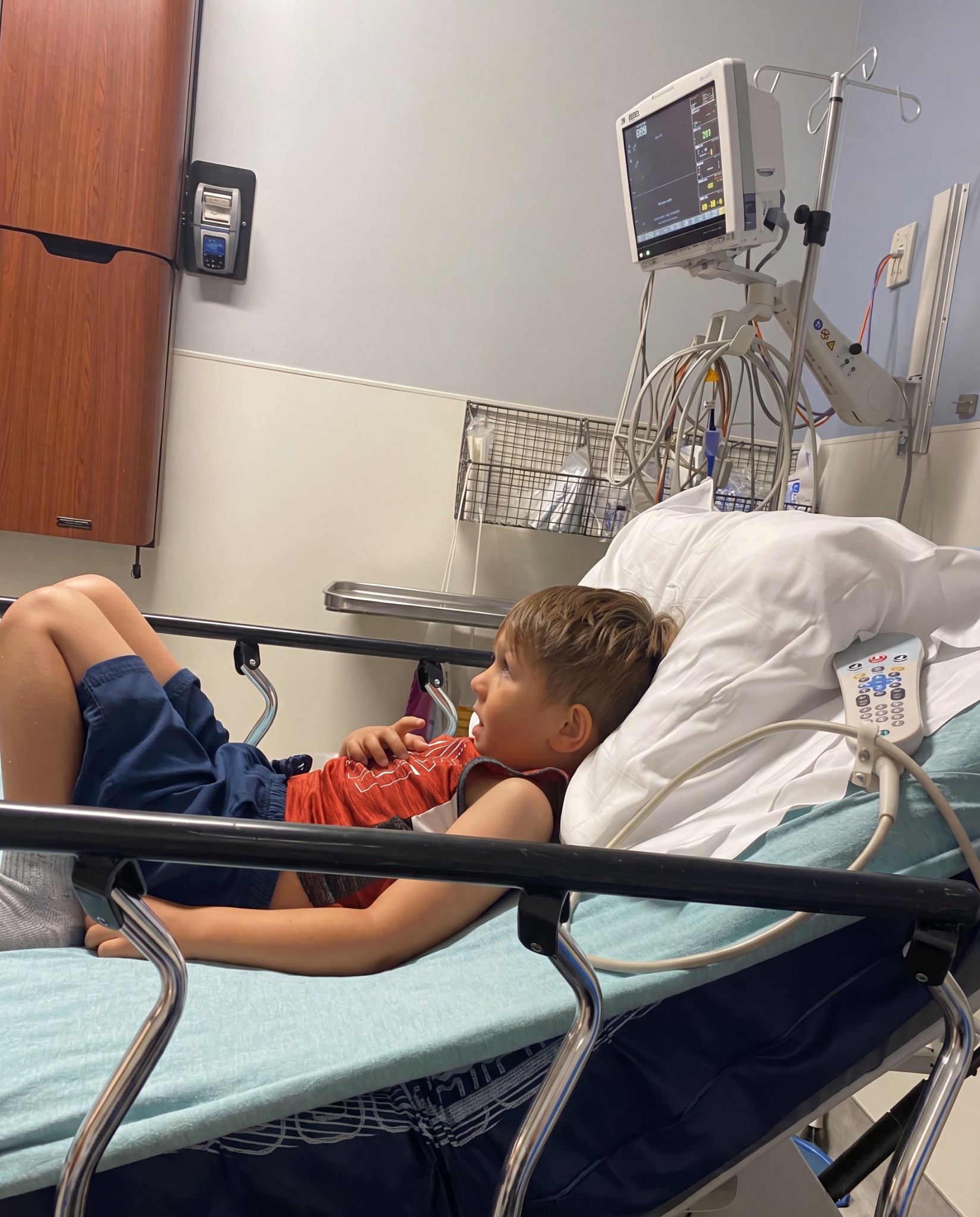
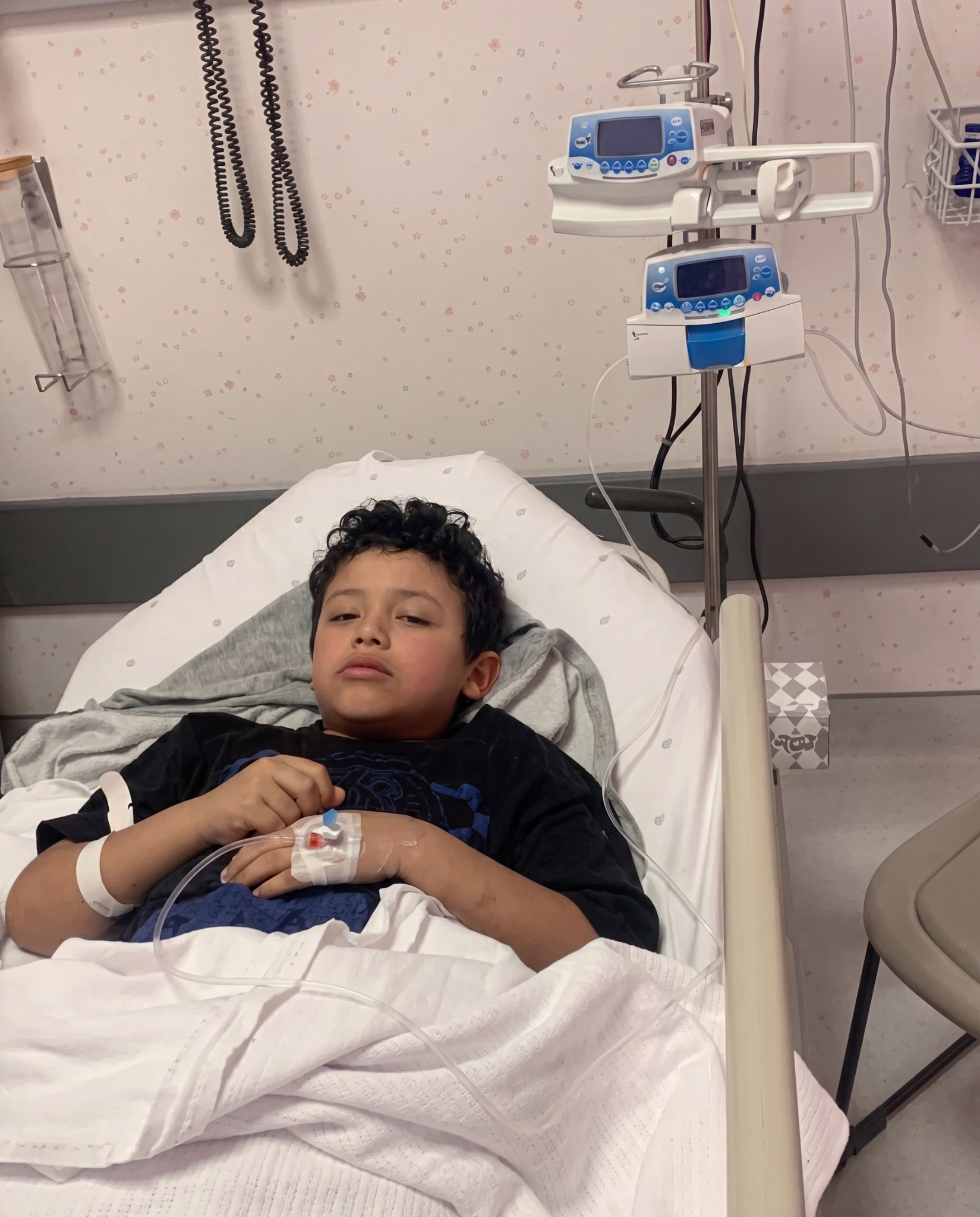
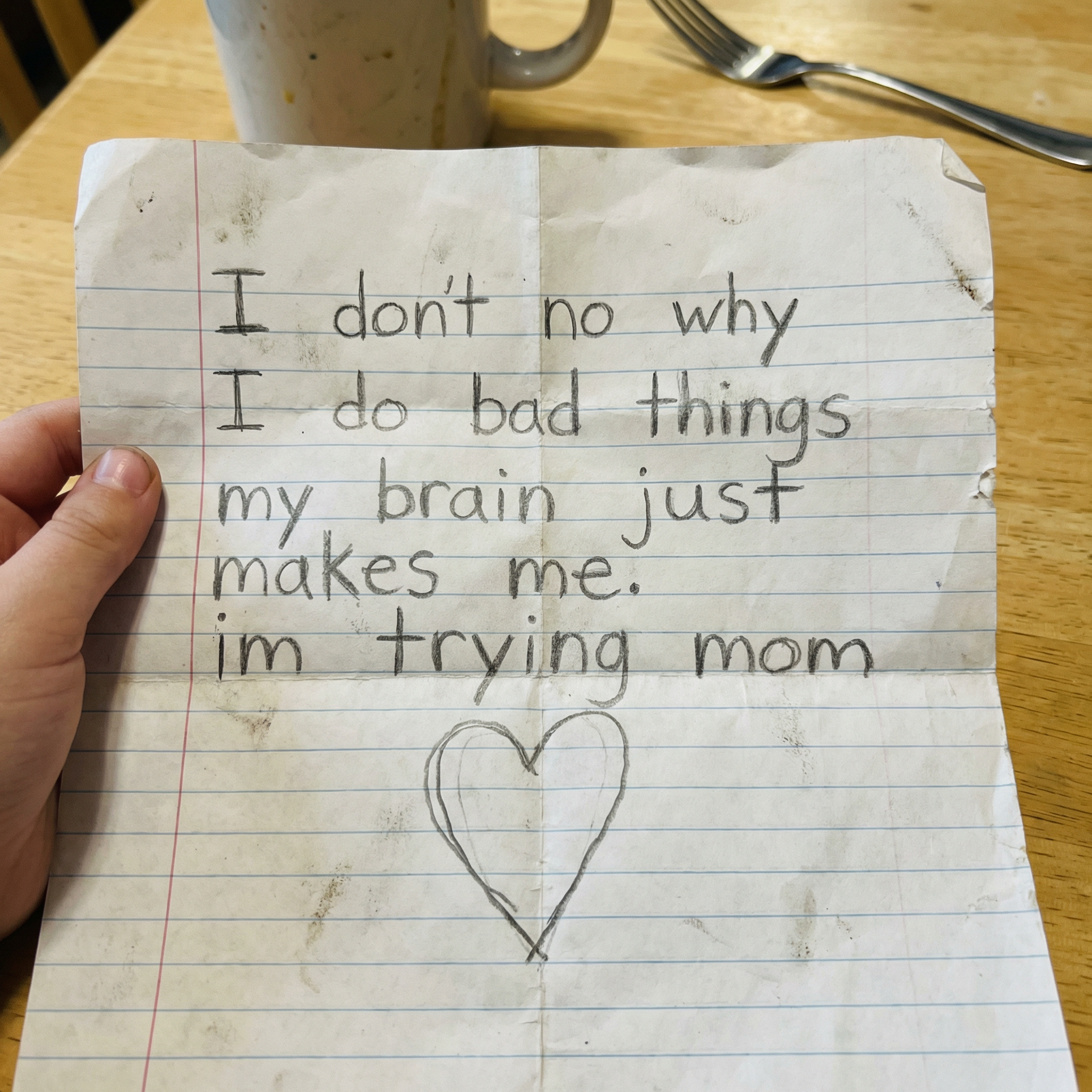
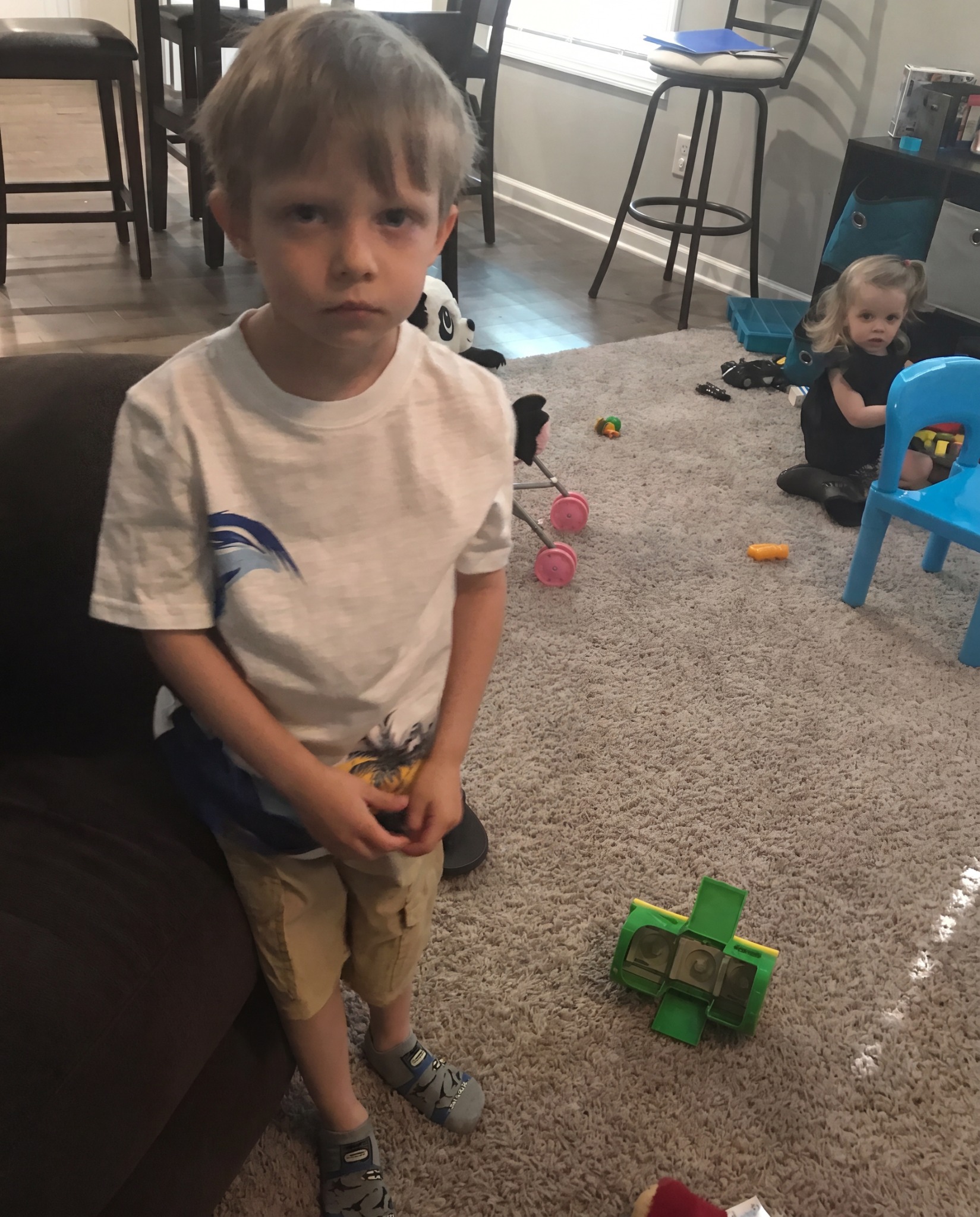
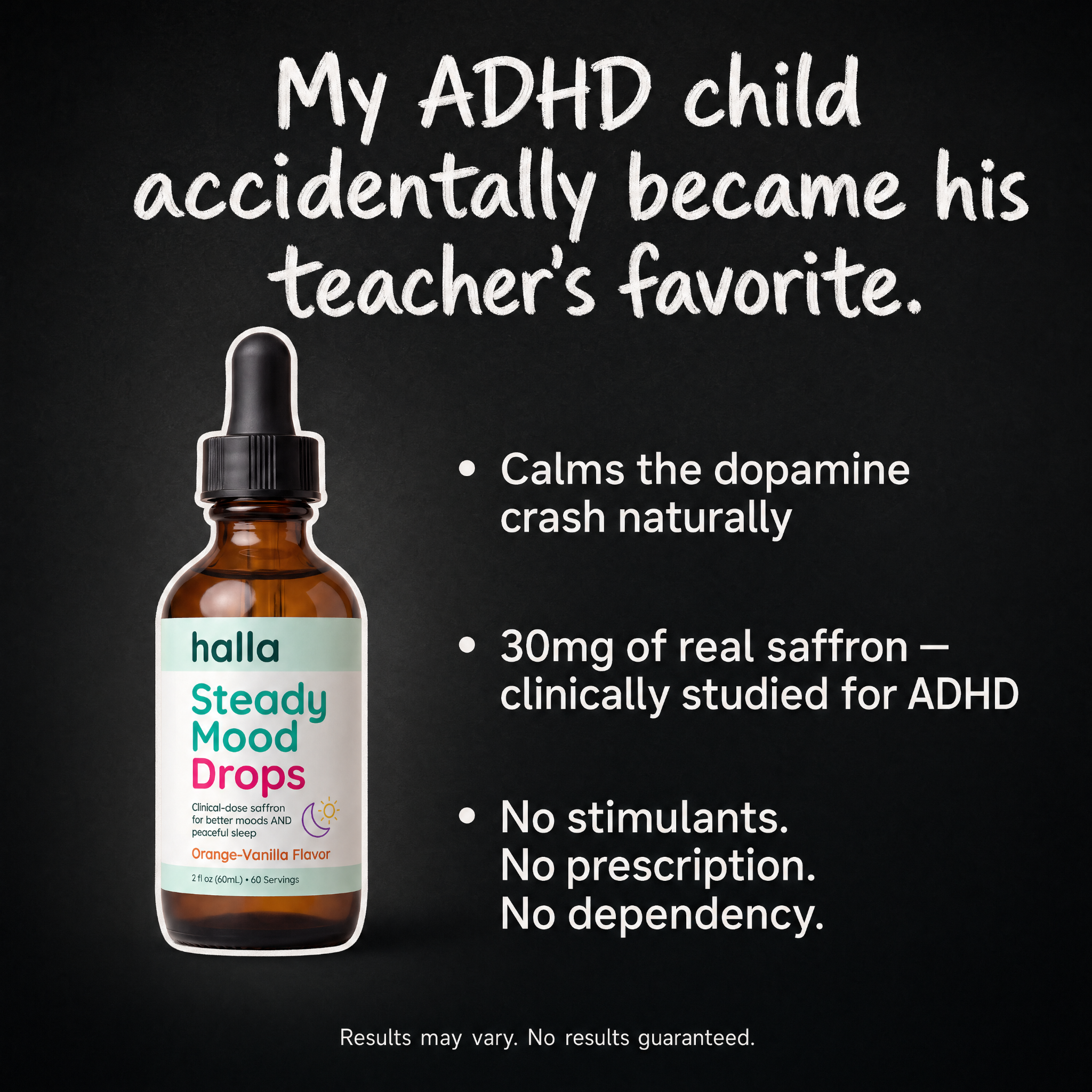
I'm out of options. I'm out of consequences. And my son still won't go to school. ⠀ I took his Xbox. Doesn't care. Took his phone. Doesn't care. No screen time, no friends, no anything. Doesn't. Care. ⠀ Every morning it's a new excuse. Headache. Stomach hurts. Too tired. Muscles are sore. He played football with a friend for 4 hours on Saturday but Monday morning his body suddenly can't function. ⠀ He's 12. 7th grade. And he has missed so much school this year that I'm afraid of what comes next. ⠀ ◇◇◇ ⠀ I posted about it in an ADHD group because I didn't know where else to turn. 66 comments. And what I read in those comments changed everything I thought I understood about my son. ⠀ The first few comments were what I expected. "Force him to go." "He's not the boss." "Take away more stuff." "You're enabling him." ⠀ Then a mom with a 16-year-old wrote: "All the individuals saying just make them do it or force them do not realize that is a losing battle. We have done that for years and now that my son is 16 it is worse than ever." ⠀ Another mom: "We forced our daughter to go. She ended up in self-harming situations. She was diagnosed with high-functioning autism during that time. There could be underlying issues." ⠀ Then one comment stopped me cold. A mom who had pulled her son out of school entirely wrote this: ⠀ "The problem was school was too loud and too overwhelming and by the time he got home he was so burnt out from masking to survive the day, he didn't have the physical or mental energy to complete homework or even really be present. I was watching him lose his happiness." ⠀ I read that three times. Then I put my phone down and just sat there. ⠀ Because she wasn't describing her son. She was describing mine. ⠀ ◇◇◇ ⠀ Let me tell you what I thought was happening. I thought my son was being lazy. I thought he was avoiding school because it was hard and he didn't want to do hard things. I thought if I took away enough privileges, he'd eventually decide that going to school was better than sitting in an empty room with nothing to do. ⠀ That's what everyone told me. That's what the school implied. That's what my own mother said. "In my day, you went to school. Period." ⠀ So I took everything away. And he sat in an empty room. And he still wouldn't go. ⠀ That's when I realized: this isn't a motivation problem. A kid who would rather sit in a bare room with nothing than go to school is not being lazy. He's not making a choice. Something is making school feel genuinely impossible. ⠀ Not hard. Impossible. ⠀ ◇◇◇ ⠀ Here's what I didn't understand about ADHD and school until I went down a research rabbit hole at 1am. ⠀ Kids with ADHD spend their entire school day MASKING. Holding it together. Forcing their brain to do things it doesn't have the neurochemistry to do naturally. Sitting still when every nerve is screaming to move. Focusing when their dopamine is too low to sustain attention. Regulating emotions when their serotonin can't keep up with the demands. ⠀ It takes ENORMOUS energy to mask. More energy than any neurotypical person can imagine. It's like holding your breath underwater for 7 hours. You can do it in bursts. But the effort is invisible and the cost is brutal. ⠀ By 3pm, their tank is empty. Not low. EMPTY. ⠀ That's why they explode after school. That's why homework is impossible. That's why bedtime is a war. The masking used up everything they had. ⠀ And then the next morning, you're asking them to do it again. With a tank that never fully refilled because they couldn't sleep. With a brain that's still depleted from yesterday. With a body that remembers what it felt like to hold its breath for 7 hours and does NOT want to do it again. ⠀ THAT'S school refusal. ⠀ It's not laziness. It's not defiance. It's not a consequence problem. ⠀ It's a brain that used up every chemical it had to survive yesterday and woke up with nothing left for today. ⠀ ◇◇◇ ⠀ One comment in that thread nailed it perfectly: "School refusal is actually really common with ADHD, and it's usually a signal that something deeper is going on — anxiety, overwhelm, social stress, or feeling like they're always behind. Punishments often don't work because the problem isn't motivation. It's that school feels impossible to them in that moment." ⠀ Impossible. Not hard. Impossible. ⠀ And here I was, taking away his Xbox, thinking that would make the impossible feel doable. ⠀ Another mom said: "7th grade is the year from hell. ADHD meets puberty for the perfect storm." ⠀ She was right. Everything got worse when he hit 12. The hormonal changes. The social complexity. The academic demands jumping. The executive function gap widening as more is expected of him. His brain was already running on fumes and then middle school poured gasoline on the fire. ⠀ ◇◇◇ ⠀ My son is on medication. It changed him from the angry kid getting into fights and being kicked out of school to... this. A kid who goes quietly. Who sits in class without exploding. Who masks well enough that most teachers think he's fine. ⠀ But the medication doesn't fill the tank. It just makes him better at hiding that the tank is empty. ⠀ The meds help him perform at school. But they don't help him RECOVER from school. By the time they wear off at 4pm, he's more depleted than if he hadn't taken them at all. Because the medication let him mask harder and longer, which used up even MORE energy. ⠀ So every morning he wakes up more empty than the morning before. And eventually his brain says: no. I'm not doing this again. I can't. ⠀ That's the morning I get the headache excuse. The stomach ache. The "I'm too tired." His brain is telling him the truth. He IS too tired. His body IS hurting. Because chronic depletion shows up as physical symptoms. The headaches are real. The fatigue is real. The muscle aches are real. ⠀ His brain has been screaming for help. And I was punishing it for being loud. ⠀ ◇◇◇ ⠀ I needed something that would fill the tank. Not mask better. Not perform harder. Actually fill the neurochemical tank so that school didn't drain him to zero every day. ⠀ I found two peer-reviewed studies on saffron extract in children with ADHD. Baziar 2019 and Blasco-Fontecilla 2022. Both used 30mg of saffron extract. Both showed focus improvements comparable to methylphenidate. ⠀ But the mechanism is what matters here. ⠀ Saffron is a natural NDRI — keeps dopamine and norepinephrine active longer. That's the focus support. But unlike stimulants, it doesn't force the system to perform beyond its capacity. It supports the system so it has more capacity to begin with. ⠀ It also supports serotonin production. Serotonin is what gets depleted during masking. It's the chemical that handles emotional regulation, social processing, sensory tolerance — all the things that make school exhausting for ADHD kids. More serotonin means more capacity. More capacity means less depletion. Less depletion means waking up with something left in the tank. ⠀ And serotonin converts to melatonin at night. Which means better sleep. Which means the tank actually refills overnight instead of staying on empty. ⠀ It also modulates GABA — the brain's calming system. The thing that keeps the nervous system from being on high alert all day. Less baseline anxiety means less energy spent on survival, which means more energy available for actual learning. ⠀ ◇◇◇ ⠀ The dose matters. 30mg of saffron EXTRACT, 6% safranal. Not gummies with 5mg of fairy dust. Liquid drops because you can't fit a clinical dose into a gummy. ⠀ I found one product that matched. Steady Mood by Halla. 30mg saffron extract plus magnesium L-threonate (crosses the blood-brain barrier for calm), maritime pine bark (antioxidant brain protection), and phosphatidylserine (neurotransmitter support). One dropper in juice at breakfast. ⠀ I added it alongside his existing medication. Didn't change anything else. ⠀ ◇◇◇ ⠀ Week 1: Nothing obvious. He still complained about school. But — and I almost didn't notice this — he stopped complaining about being tired. The morning excuses shifted from physical symptoms to just "I don't want to go." That's actually progress. "I don't want to" is different from "my body won't let me." ⠀ Week 2: He came home from school and instead of going straight to his room and shutting the door, he sat on the couch. Just sat there. Watched TV. Talked to his sister. He had energy left. After school. That hadn't happened in months. ⠀ Week 3: He did homework without me asking. I literally froze in the kitchen. He sat at the table, pulled out his binder, and started working. I texted my husband from the other room: "Don't come in the kitchen. Don't make noise. He's doing homework voluntarily." ⠀ Week 4: He got up on a Monday morning, got dressed, and walked to the car. No excuse. No negotiation. No bargaining. I didn't say a word the entire drive because I was afraid if I acknowledged it, it would stop. ⠀ His teacher emailed me on Friday: "I don't know what's changed but he's been more engaged this week than I've seen all semester. He actually asked a question in class today." ⠀ He asked a question. In class. My son who spent most of this school year either absent or invisible. ⠀ Week 6: He fell asleep at 9:15. On a school night. Without a fight. The serotonin-to-melatonin conversion was finally working. His brain was refilling overnight instead of running on fumes. ⠀ He woke up on Tuesday and said "I'm hungry." Not "I'm tired." Not "my stomach hurts." Hungry. He wanted breakfast. He was ready. ⠀ ◇◇◇ ⠀ He still doesn't love school. He's 12. Nobody loves school at 12. ⠀ But he can GO. His brain can handle it. The tank isn't hitting empty at 2pm anymore. He comes home tired but not destroyed. He sleeps and actually refills. And in the morning, there's enough left to try again. ⠀ That's all I wanted. Not a kid who leaps out of bed excited for algebra. Just a kid whose brain has enough neurochemistry to survive a school day without it costing him everything. ⠀ ◇◇◇ ⠀ If you're where I was — taking things away, running out of consequences, watching your kid choose an empty room over school — please hear me. ⠀ The consequences aren't working because the problem isn't motivation. The problem is depletion. Their brain has been running on empty for so long that school feels physically impossible. And no amount of punishment makes the impossible feel doable. ⠀ You can't punish a brain into producing chemicals it doesn't have. ⠀ But you can give it what it needs to fill the tank. ◇◇◇ ⠀ If you're taking things away and it's not working — it's not going to work. I'm sorry. I know that's not what you want to hear. But you can't punish a brain into producing chemicals it doesn't have. You can't consequence a kid into having a full tank. ⠀ You have to fill the tank. ⠀ Steady Mood by Halla. Clinical-dose saffron drops. One dropper in his juice at breakfast. It doesn't force his brain to perform harder. It gives his brain more to work with so school doesn't drain him to zero every day. ⠀ Take their quiz to see if it's a match for what you're dealing with: ⠀ https://quiz2.tryhalla.com/ ⠀ He woke up on Tuesday and said "I'm hungry." Not "I'm tired." Hungry. He wanted breakfast. He was ready to go.
Like this ad? Make it yours.
Crush rebuilds this exact creative around your product — your brand, your colors, your offer — in about a minute.