Stacey O'Donnell
Stacey O'Donnell Facebook ad: “Why Your PT Gains Disappear Overnight”
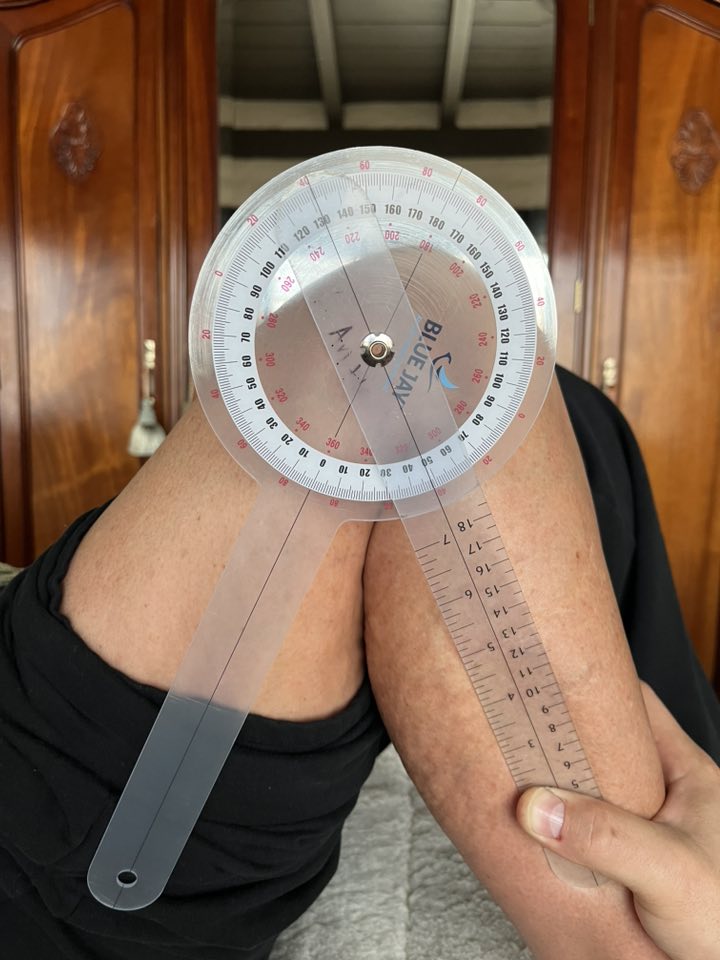
Ran for 39 days, from January 3 to February 11, 2026, the last day Crush saw it.
Run by Stacey O'Donnell on Facebook. Crush is not the advertiser and does not verify its claims. See this ad in Meta's Ad Library(opens in a new tab)
Want an ad like this for your product?
Crush makes new ad images for your product from this ad: your logo, your product photo, your offer.
Trials from $19.95 USD, then $79.95 USD a month. Cancel anytime.
About this ad
- Meta Ad Library ID
- 808608212209696
- Platforms
- Facebook, Instagram, Audience Network, Messenger and Threads
- Relaunches
- 0
Ad text
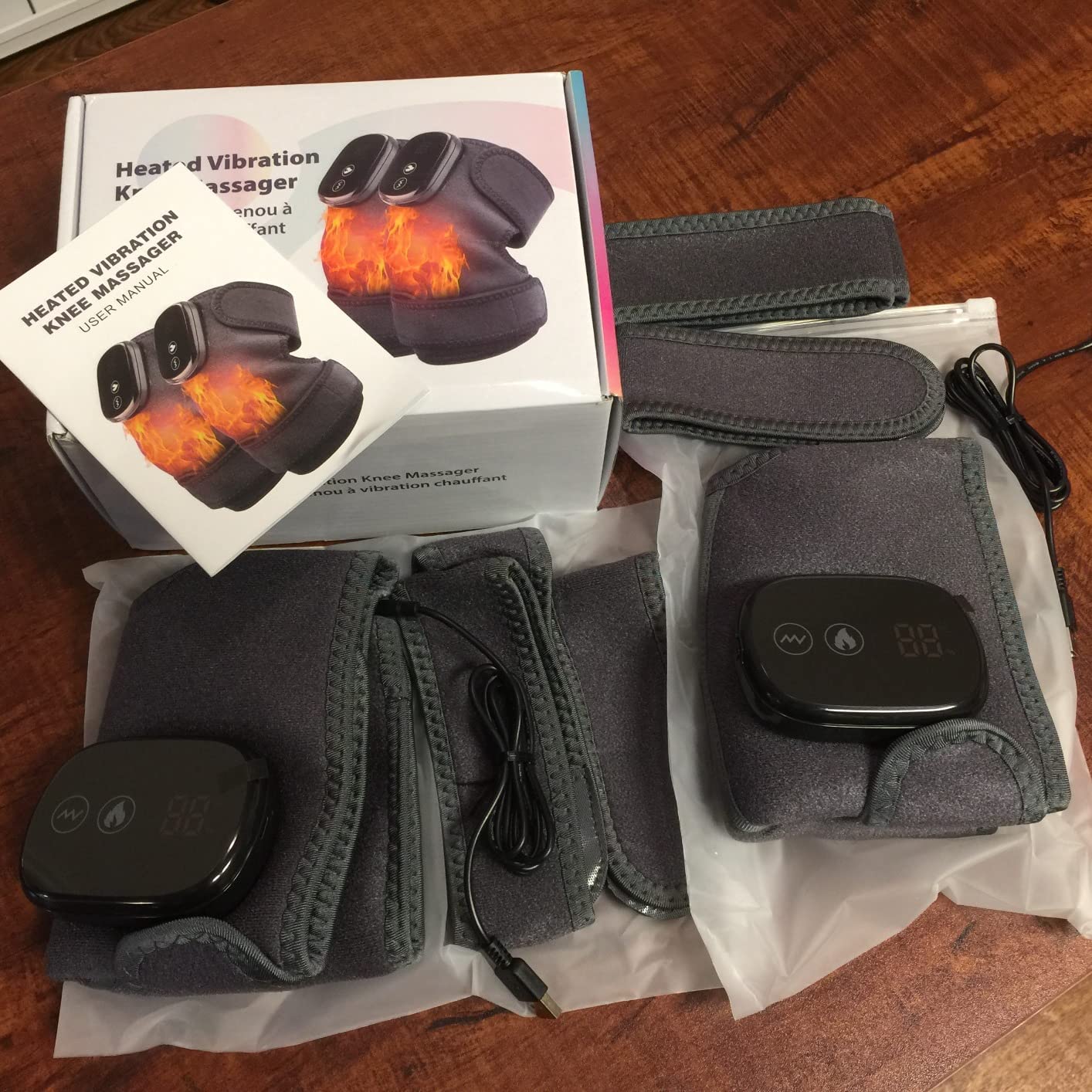
Please STOP stretching your scar tissue so hard. I know that sounds crazy, but every time you push through the pain, you're actually making the fibrin web thicker. Let me explain. My PT pushed my knee to 95 degrees. By morning, I was back to 88. That's when I learned why aggressive stretching was REBUILDING the wall I was trying to break. At week six post-op, I was stuck at 87 degrees. My physical therapist wanted me at 120 by week twelve. I was barely past 90. And every degree felt like pulling my knee through concrete. But the worst part wasn't the numbers. It was the feeling. That "tight band" across the front of my knee. Like someone had wrapped a leather strap around my kneecap and was pulling it taut every time I tried to bend. My PT called it "scar tissue resistance." She said we needed to "break through it" before the window closed. So I pushed. Hard. I did my heel slides religiously. Three times a day, even when it hurt so much I had to bite down on a towel. I iced afterward like they told me. Elevated my leg. Took my anti-inflammatories. Some days, I'd make progress. I'd hit 92, 93, even 95 degrees in a session. I'd feel hopeful. Then I'd wake up the next morning, try to bend my knee, and feel that same tight band—sometimes tighter than the day before. It was like my body was erasing my progress overnight. By week seven, I was spiraling. I started calculating how many degrees I needed per day to hit 120. Watching YouTube videos at 2 AM about scar tissue management. Reading forums where people talked about being "stuck forever" because they missed their window. The phrase "ticking clock" lived in my head. I couldn't shower without assessing my flexion. Couldn't sit down without noticing the resistance. Couldn't sleep without wondering if today's gains would disappear by morning. My husband said I was obsessing. He was right. But he didn't understand. If I didn't break through this band in the next few weeks, I might never bend my knee normally again. That's what I believed. I tried everything I could think of. Vitamin E oil on the incision. Cocoa butter. I bought a lipo roller and worked the scar tissue while watching TV. I asked my PT to push harder during sessions, even though it made me want to scream. The ice pack was my constant companion. Twenty minutes on, twenty minutes off, all day long. None of it made a difference. The tight band stayed. My gains kept disappearing. The clock kept ticking. But something didn't make sense to me. If stretching was supposed to break up scar tissue, why did my knee feel TIGHTER after a hard PT session? Not during—during, I'd make progress. But after? The morning after an aggressive session, the tight band was always worse. Like my knee was retaliating. And another thing: heat seemed to help more than ice. Everything I'd read said ice for inflammation. But when I took a hot shower, my knee felt more pliable than any amount of icing had achieved. Why would heat help if the problem was inflammation? I started paying attention to the pattern. Hard PT session → temporary progress → next morning: tighter than before. Aggressive heel slides → gain a few degrees → wake up: back to baseline. Push through the pain → feel like I'm making headway → twenty-four hours later: tight band is back. It wasn't just me. On the knee replacement forums, others described the same thing. One woman said her physio was "overzealous" and it made her stiffer. A man said his MUA gave temporary relief but the tightness returned within days. This wasn't random. Something was happening after the stretching that was undoing the progress. I brought it up with my orthopedic surgeon at my week-seven checkup. "Why do I make progress during PT, then lose it overnight? It feels like I'm stretching against a wall that just rebuilds itself." He leaned back. "That's actually a good way to describe it," he said. He explained: after surgery, your body produces a protein called fibrin to seal the wound. It's like biological glue. Fibrin is supposed to dissolve once healing completes. "But sometimes it doesn't," he said. "It hardens. Forms a web of adhesions around the joint. That's your 'tight band.'" I asked about stretching. Wasn't that supposed to break up the fibrin? He shook his head. "Here's the problem. When you stretch against hardened fibrin, you create micro-tears. Micro-tears trigger inflammation. And inflammation triggers your body to produce MORE fibrin to 'repair' the damage. The web gets thicker." I sat with that for a moment. "So aggressive stretching is making it worse?" "Not necessarily worse—but it's not as effective as you'd think. You're not breaking up the web. You're tearing against it, then it rebuilds. That's why your gains don't stick." I asked what would actually work. "You have to SOFTEN the fibrin first," he said. "Heat makes the proteins more pliable. Then mechanical stimulation—vibration, gentle movement—can actually break up the adhesions without triggering the inflammatory response. Soften first, break up second, flush the debris third. Then stretch. That's the sequence." "So heat before PT?" "Heat, but sustained. Deep penetrating heat. Followed by mechanical agitation. Then stretching is more effective—and the gains actually stick because you're not triggering a fibrin response." I went home and thought about my routine. I'd been doing everything in the wrong order. Stretching first—against hardened fibrin. Then icing—which probably made the fibrin even harder. No wonder my gains were disappearing. I wasn't breaking up scar tissue. I was REINFORCING it. Every aggressive stretch without softening first was triggering the web to rebuild thicker. The tight band wasn't an impenetrable wall. It was a hardened web. And webs can be softened. I thought about what I'd tried. Ice reduces inflammation—but it also makes fibrin harder and less pliable. Self-massage helps, but my hands couldn't generate sustained deep heat. Aggressive stretching creates micro-tears that trigger more fibrin production. None of these addressed the sequence problem. I was stretching against a hardened web instead of loosening it first. That's when I realized: I wasn't failing to break through the scar tissue. I was reinforcing it with every session. The solution wasn't to stretch harder. It was to soften first, then stretch. Change the sequence, not the intensity. If I could soften the fibrin web before my PT sessions—really soften it with sustained heat and mechanical stimulation—the stretching would actually work. The gains would stick because I wouldn't be triggering the inflammatory rebuild. A woman in my knee replacement support group mentioned she'd finally hit her flexion goals. She'd been stuck at 95 degrees for three weeks. Sound familiar. "What changed?" I asked. "I started using something before every PT session," she said. "Twenty minutes of heat, vibration, and compression. It softens everything up. Then when my therapist stretches me, I actually make progress—and it STAYS." She showed me a picture. A wrap that went around the knee. Heat, vibration, compression—all at once. "It's like pre-warming the web," she said. "By the time I stretch, the fibrin is pliable instead of hardened. No micro-tears. No inflammatory response. The gains actually stick." She called it Vozdic. I did my research. The mechanism made sense. Deep penetrating heat softens fibrin proteins—makes them pliable instead of rigid. Rhythmic vibration provides mechanical agitation that breaks up loosened adhesions—without the micro-tears of aggressive stretching. Compression flushes the debris into the lymphatic system before it can re-form. Then—and only then—you stretch. Against softened tissue instead of hardened web. The sequence matters. Soften → break up → flush → stretch. Not the other way around. Here's what Vozdic actually does: It wraps around your knee—contoured specifically for the joint and the surgical site. It delivers three things simultaneously: deep-penetrating heat, rhythmic vibration, and gentle compression. The heat softens the fibrin web. The vibration breaks up the loosened adhesions. The compression flushes the debris. Twenty minutes before your PT session or home exercises. The web is soft. The stretching is effective. The gains stick. It's not a replacement for PT. It's the missing step BEFORE PT that makes everything work. I ordered one that night. Here's what happened: Day 1: Used it for 20 minutes before my evening heel slides. The first bend felt... different. Less resistance. Like the band was still there, but softer. I gained 4 degrees that session. Day 3: Woke up and the gains had STAYED. First time in six weeks. Used Vozdic again before PT. My therapist asked what I'd changed—my knee was moving easier than she'd seen in weeks. Week 2: Hit 105 degrees. The tight band feeling was still present, but it softened every time I used the device before stretching. Progress was actually sticking. Week 8: 125 degrees. My therapist cleared me ahead of schedule. The "window" I'd been so terrified of? Turned out I had plenty of time—once I was working WITH the fibrin instead of against it. Once I understood the mechanism—that the tight band was a fibrin web that hardens when you stretch against it cold—the solution was obvious. You don't stretch harder. You soften first. Heat makes the fibrin pliable. Vibration breaks up the loosened adhesions. Compression flushes the debris. Then stretching actually works. That's what Vozdic does. $79.95 for the complete Triple Method Massager (was $149.99). Or get two for $143.91—one for home, one to bring to PT—includes free shipping and bonus pain relief patches. Includes: Vozdic™ Triple Method Massager (cordless, contoured for knee) Adjustable straps for custom fit Removable, washable sleeve Full control over heat, vibration, and compression levels 90-Day Guarantee: If your PT gains don't start sticking, you get a full refund. And you keep the device. Either it softens the web and your flexion improves... or you get your money back. Look, I can't tell you whether to keep stretching against a hardened web. But I can tell you what I wish someone had told me at week four: The tight band isn't permanent. It's fibrin. And fibrin can be softened. The reason your gains don't stick is because you're stretching against hardened protein, triggering micro-tears, and the web is rebuilding thicker every time. The solution isn't to push harder. It's to soften first, then push. That's what Vozdic does. That's why it works. I spent six weeks in ticking-clock panic, watching my window close, pushing harder and getting nowhere. All because I was doing the steps in the wrong order. You don't have to make that same mistake. Soften first. Then stretch. [Get Vozdic™ Now — Make Your PT Gains Stick] —A clock-watcher who finally stopped watching P.S. — The 90-day guarantee means you risk nothing. Use it before every PT session for three months. If your gains don't start sticking, if that tight band doesn't soften, get your full refund and keep the device. But if it works—if you finally feel the fibrin loosen before you stretch, if your progress stops disappearing overnight—you'll wish you'd known about this before spending weeks reinforcing the very web you were trying to break.
Where the ad sends people
vozdic.com
Why Your PT Gains Disappear Overnight
Dallas woman shares how changing ONE thing before PT sessions finally broke through her "tight band" plateau.
Learn more: vozdic.com(opens in a new tab)