Stacey O'Donnell
Stacey O'Donnell Facebook ad: “Why Your PT Gains Disappear Overnight”
Ran for 12 days, from February 10 to February 22, 2026, the last day Crush saw it.
Run by Stacey O'Donnell on Facebook. Crush is not the advertiser and does not verify its claims. See this ad in Meta's Ad Library(opens in a new tab)
Want an ad like this for your product?
Crush makes new ad images for your product from this ad: your logo, your product photo, your offer.
Trials from $19.95 USD, then $79.95 USD a month. Cancel anytime.
About this ad
- Meta Ad Library ID
- 896768426171860
- Platforms
- Facebook, Instagram, Audience Network, Messenger and Threads
- Relaunches
- 0
- Niche
- Jewelry & Watches
Ad text
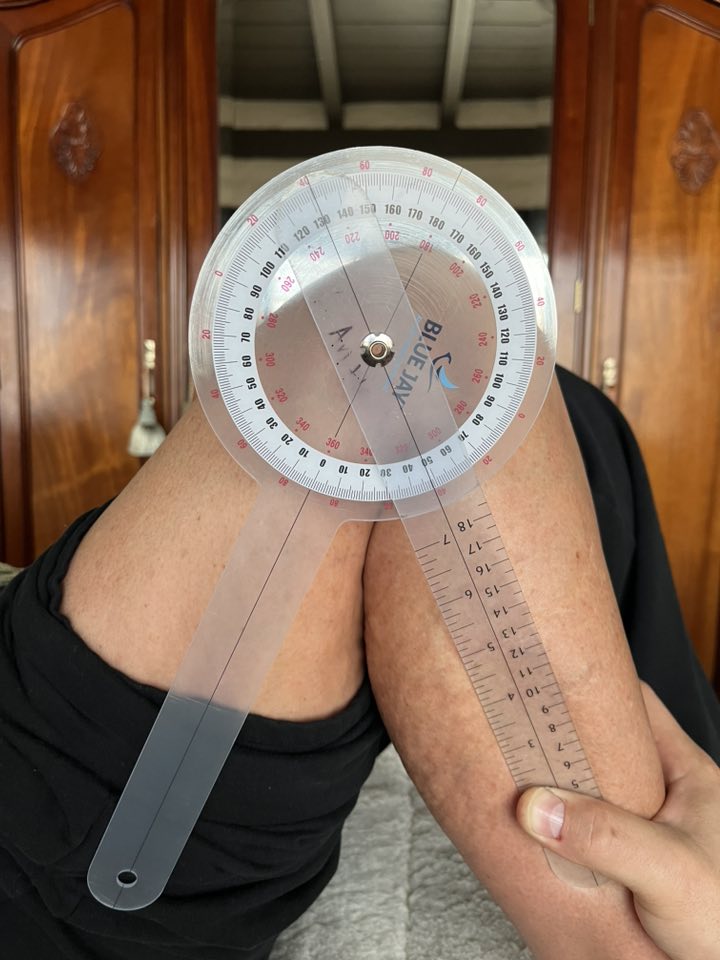
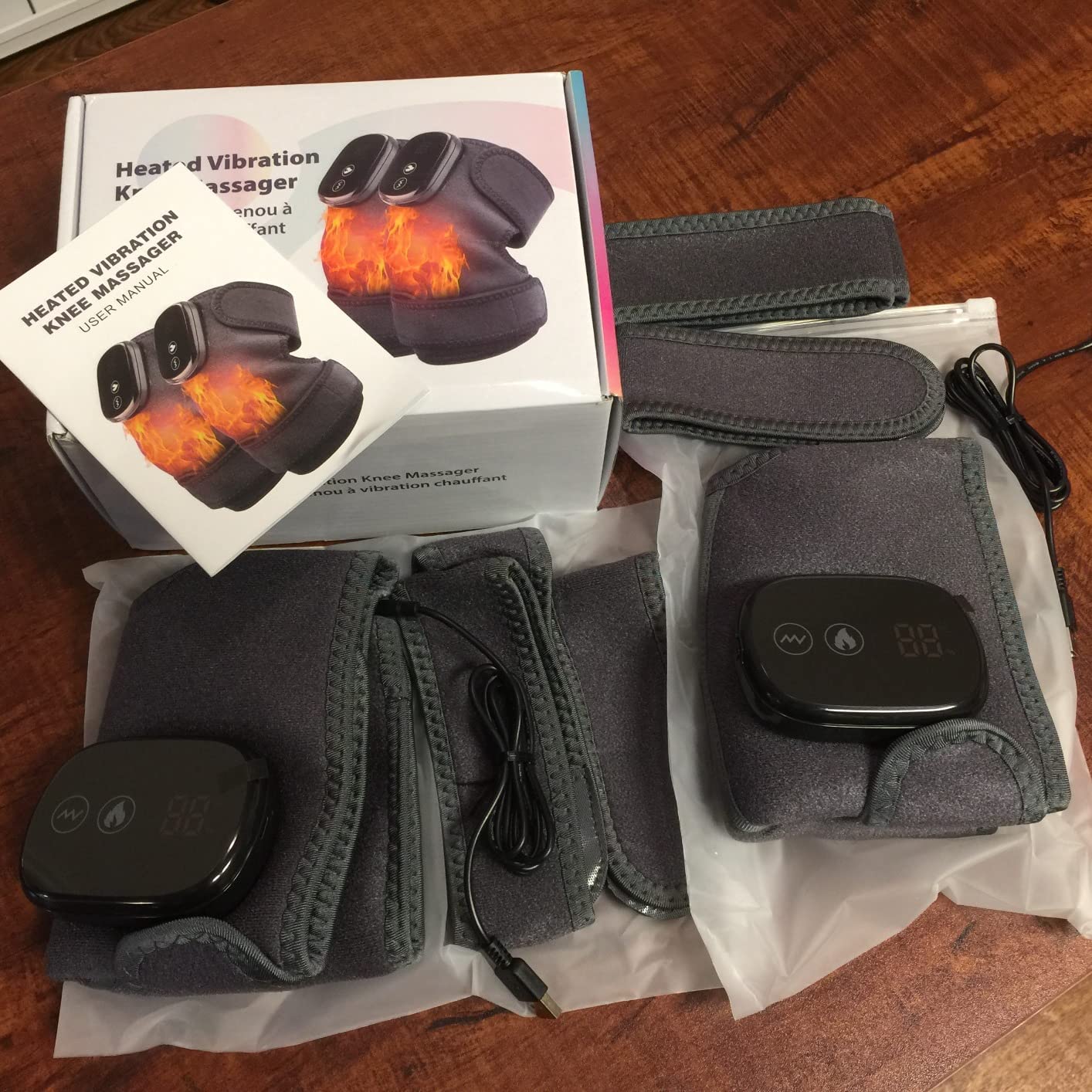
"The Gift That Finally Made Her PT Gains Stick" I watched my wife cry into a towel after her PT session. Again. Week seven post-op. Stuck at 88 degrees. She needed 120 by week twelve, and every session felt like we were losing ground. I'd driven her to every appointment. Held the ice pack while she winced. Googled "scar tissue" at 2 AM while she slept fitfully beside me. But nothing I did seemed to help. The worst part wasn't the pain. It was watching her spiral. She'd wake up, try to bend her knee, and I'd see the defeat in her eyes when that "tight band" across her kneecap refused to budge. Some days, her PT would get her to 93, even 95 degrees in the session. We'd drive home hopeful. She'd ice like they told her. Take her anti-inflammatories. Then morning would come. I'd watch her sit on the edge of the bed, attempting that first bend, and see her face fall. Back to 88. Sometimes tighter than the day before. It was like her body was erasing every bit of progress overnight. She started calculating degrees-per-day in a notebook. Watching YouTube videos while I cooked dinner. Reading forums about people who "missed their window" and were "stuck forever." The phrase "ticking clock" lived in our house. I tried everything I could think of to help. I bought her a wedge pillow. Drove to three pharmacies looking for the specific brand of Vitamin E oil someone recommended online. Learned how to do the gentle scar massage her PT taught us. Some nights, I'd find her on the couch at 3 AM, knee propped up on pillows, scrolling through post-op recovery forums with tears streaming down her face. "What if I don't make it?" she'd whisper. "What if the window closes and I'm stuck like this forever?" I felt utterly helpless. Then something she said made me stop and think. After one particularly brutal PT session, she collapsed on the couch: "Why does my knee feel TIGHTER the morning after she pushes it hard? It doesn't make sense." She was right. During the session, her therapist would get her knee to bend. But the next day? The tight band was worse. Like her knee was retaliating. And another thing I'd noticed: when she took a hot shower, her knee seemed looser. More pliable. But everything we'd read said ice for inflammation. Why would heat help if the problem was inflammation? I started paying attention to the pattern: Hard PT session → temporary progress → next morning: tighter than before Aggressive heel slides → gain a few degrees → wake up: back to baseline Push through pain → brief improvement → 24 hours later: tight band is back It wasn't random. Something was happening after the stretching that was undoing all the work. I found the answer in her knee replacement support group—a comment from another caregiver whose wife had finally hit her flexion goals after being stuck for weeks. "We ordered something that changed everything," he wrote. "Twenty minutes before every PT session. Heat, vibration, compression—all at once. It softens everything up first. Then when the therapist stretches, the gains actually STAY." Someone replied asking what it was. "Vozdic," he said. "My wife calls it her 'pre-game.' By the time she stretches, the tight band is pliable instead of rigid. No inflammatory rebound. Progress finally sticks." I clicked through to learn more about the mechanism. And suddenly it all made sense. After surgery, your body produces fibrin—a protein that acts like biological glue to seal the wound. It's supposed to dissolve once healing completes. But sometimes it doesn't. It hardens. Forms a web of adhesions around the joint. That's the "tight band." When you stretch against hardened fibrin, you create micro-tears. Those micro-tears trigger inflammation. And inflammation triggers your body to produce MORE fibrin to "repair" the damage. The web gets thicker. That's why my wife's gains weren't sticking. She wasn't breaking up the web. She was tearing against it, then it was rebuilding—stronger than before. The solution wasn't to stretch harder. It was to soften the fibrin first, then stretch. Change the sequence, not the intensity. That's what Vozdic does: Deep penetrating heat softens the fibrin proteins—makes them pliable instead of rigid Rhythmic vibration provides mechanical agitation that breaks up the loosened adhesions—without the micro-tears of aggressive stretching Compression flushes the debris into the lymphatic system before it can re-form Then you stretch—against softened tissue instead of hardened web Soften → break up → flush → stretch. Not the other way around. I ordered it that night. Didn't tell her—I wanted to surprise her with something that might actually help instead of another "maybe this will work." When it arrived two days later, I handed her the box before her evening heel slides. "What's this?" "Just... try it. Twenty minutes. Before you stretch." Day 1: She used it for 20 minutes before her heel slides. I watched her face as she did that first bend. "It feels... different," she said slowly. "Less resistance. Like the band is still there, but softer." She gained 4 degrees that session. We'd seen gains before, so I tried not to get my hopes up. Day 3: She woke up and the gains had STAYED. First time in seven weeks. I heard her gasp from the bedroom. "Babe—it's still at 92. It STAYED." She used it again before PT that afternoon. When I picked her up, her therapist pulled me aside: "I don't know what changed, but her knee is moving easier than I've seen in weeks." Week 2: 105 degrees. The tight band feeling was still present, but it softened every time she used the device before stretching. For the first time since surgery, progress was actually sticking. Week 8: 125 degrees. Her surgeon cleared her ahead of schedule. The "window" she'd been so terrified of? Turned out we had plenty of time—once we stopped reinforcing the fibrin web with every stretch. The night she hit 120 degrees, she cried again. But this time they were different tears. "I thought I'd missed it," she whispered. "I thought the window had closed and I was going to be stuck forever." I squeezed her hand. "You didn't miss anything. We just needed to figure out the right sequence." She still uses it before every PT session, every home exercise. The tight band sensation is almost gone now. Her therapist says she's one of the fastest recoveries she's seen this year. But more than the numbers, I got my wife back. The woman who doesn't wake up defeated. Who doesn't spiral at 2 AM. Who doesn't calculate degrees-per-day with that look of quiet panic in her eyes. If you're watching someone you love struggle through post-op recovery—if you see them making progress in PT only to lose it overnight, if that "tight band" keeps rebuilding no matter how hard they push—there's something you should know: The tight band isn't permanent. It's fibrin. And fibrin can be softened. The reason their gains don't stick is because they're stretching against hardened protein, triggering micro-tears, and the web is rebuilding thicker every time. The solution isn't to push harder. It's to soften first, then push. That's what Vozdic does. That's why it works. $79.95 for the complete Triple Method Massager (was $149.99). Or get two for $143.91—one for home, one to bring to PT—includes free shipping and bonus pain relief patches. Includes: Vozdic™ Triple Method Massager (cordless, contoured for knee) Adjustable straps for custom fit Removable, washable sleeve Full control over heat, vibration, and compression levels 90-Day Guarantee: If their PT gains don't start sticking, you get a full refund. And they keep the device. Either it softens the web and their flexion improves... or you get your money back. I can't tell you whether to keep watching them stretch against a hardened web. But I can tell you what I wish I'd known at week four: You're not helpless. There IS something you can do. The tight band isn't a wall they failed to break through. It's a web that needs to be softened. And sometimes the best gift you can give someone you love isn't driving them to another appointment or researching another supplement. It's the tool that finally makes their hard work pay off. [Get Vozdic™ Now — Help Their PT Gains Finally Stick] —From a husband who stopped feeling helpless P.S. — The 90-day guarantee means they risk nothing. Use it before every PT session for three months. If their gains don't start sticking, if that tight band doesn't soften, get your full refund and they keep the device. But if it works—if they finally feel the fibrin loosen before they stretch, if their progress stops disappearing overnight—you'll both wish you'd known about this sooner.
Where the ad sends people
vozdic.com
Why Your PT Gains Disappear Overnight
Dallas woman shares how changing ONE thing before PT sessions finally broke through her "tight band" plateau.
Learn more: vozdic.com(opens in a new tab)