Natalie Harper
Natalie Harper Facebook ad: “Read This If You Feel Like Your Body Just Stopped Working”
Ran for 24 days, from March 26 to April 19, 2026, the last day Crush saw it.
Run by Natalie Harper on Facebook. Crush is not the advertiser and does not verify its claims. See this ad in Meta's Ad Library(opens in a new tab)
Want an ad like this for your product?
Crush makes new ad images for your product from this ad: your logo, your product photo, your offer.
Trials from $19.95 USD, then $79.95 USD a month. Cancel anytime.
About this ad
- Meta Ad Library ID
- 811164508714787
- Platforms
- Facebook, Instagram, Audience Network, Messenger and Threads
- Relaunches
- 1
Ad text
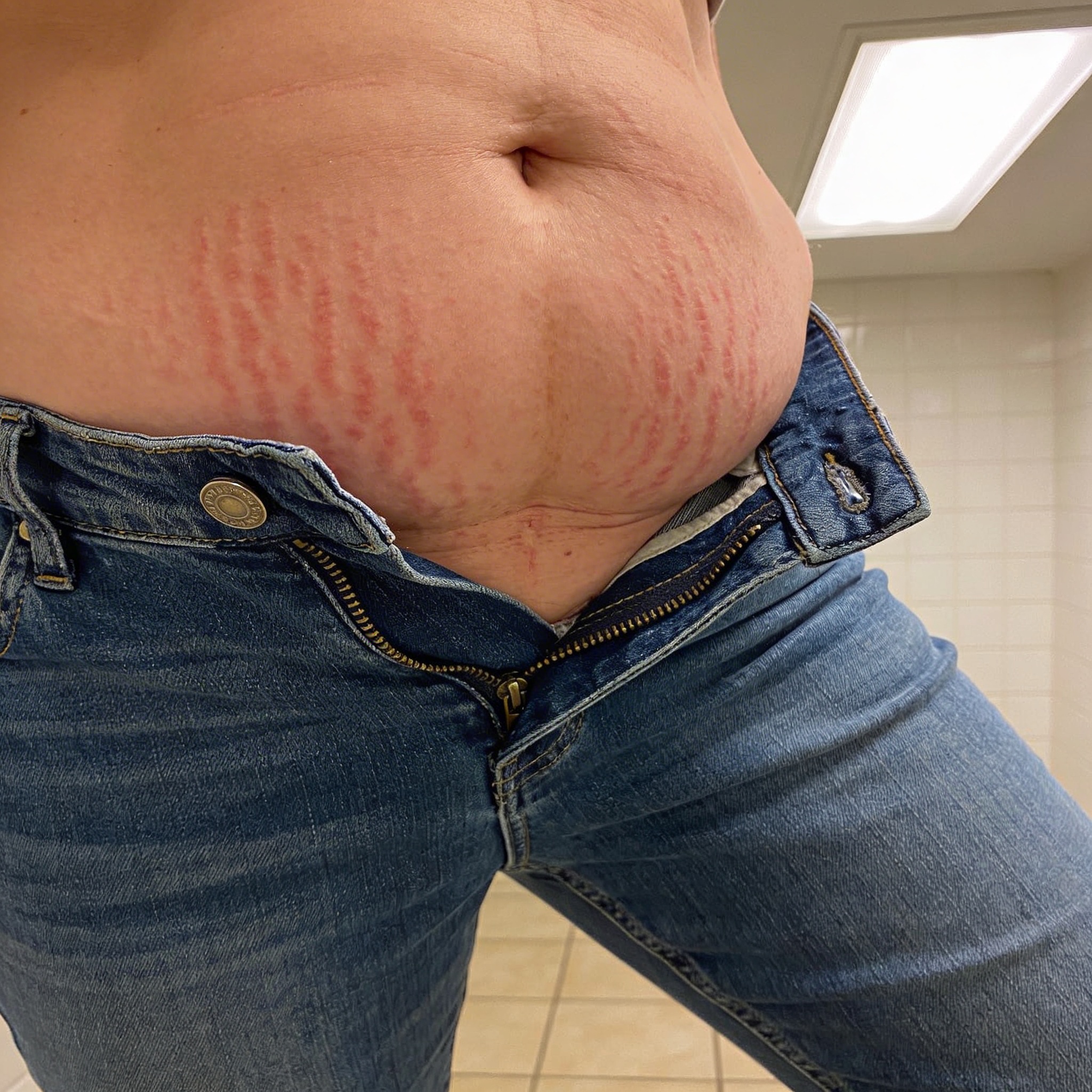
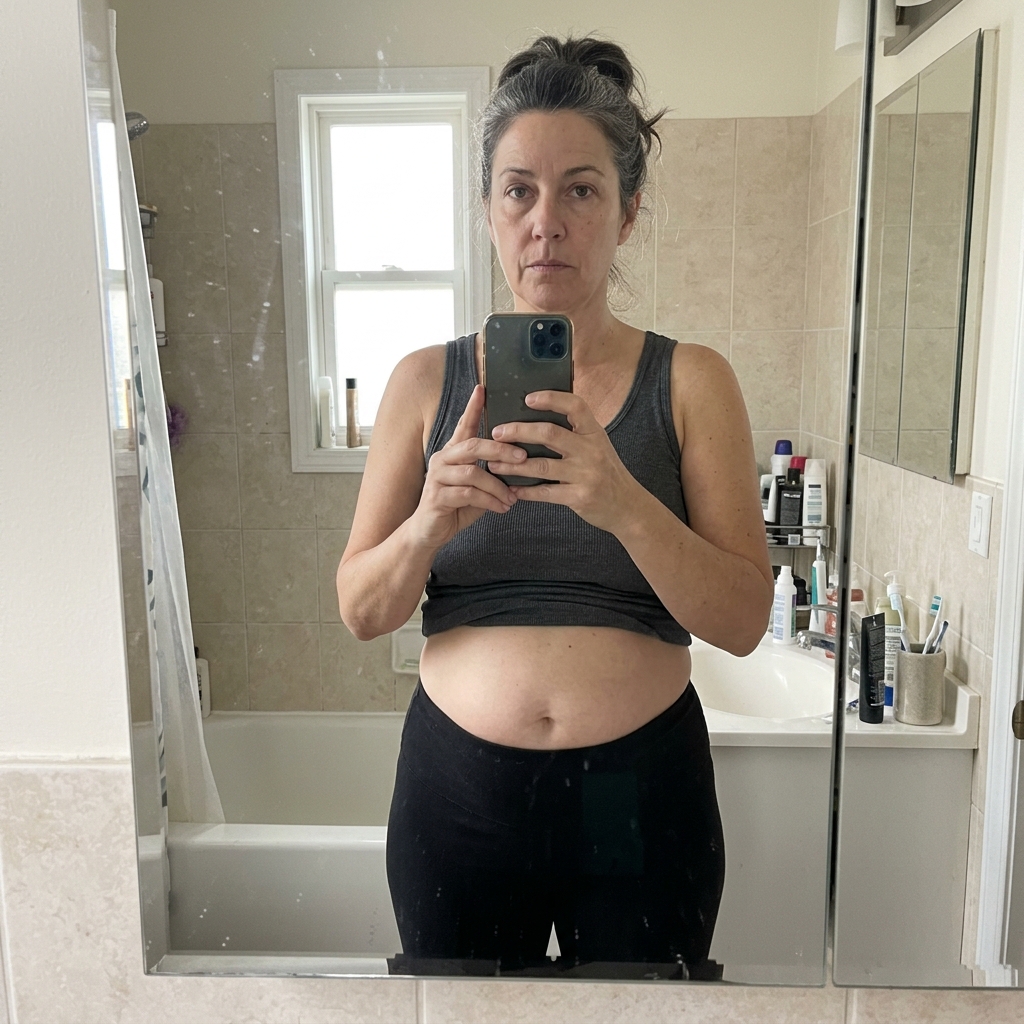
STOP taking Miralax for your Zepbound constipation. I know it feels like the only option. But it's working around the actual problem your medication creates — and the longer you rely on it, the worse that problem gets. I want to tell you about the week I almost quit Zepbound. I'd been on it for eleven weeks. The weight was coming off — slowly, but actually coming off. For the first time in years I was watching the scale move in the right direction consistently. And then the constipation got so bad I ended up in urgent care. I'd been managing it — or trying to. Miralax every day since week two. Then twice a day. Then Magnesium Citrate when the Miralax stopped doing enough. I was timing every meal around whether my gut might cooperate. I stopped making plans that required me to be far from a bathroom. I stopped making plans at all, some weeks. The urgent care doctor told me to drink more water and take more fiber. I went home, took the fiber, and spent the next three days more backed up than I'd ever been in my life. The Metamucil had expanded in my gut like a sponge and had nowhere to go. The moment that broke me wasn't the urgent care visit. It was the following Saturday morning. I'd been in the bathroom for forty minutes. Not dramatically — just sitting there. Waiting. Straining. The pressure was unbearable but nothing was moving. I could feel everything backed up, heavy and immovable, but my body had simply forgotten what to do with it. I'm not going to be graphic about it. But I will tell you that at some point I started crying. Not from the pain exactly. From the humiliation of it. From the specific indignity of a body that had stopped functioning in the most basic way a body needs to function. I was losing weight. The scale was finally moving. And I was sitting on a bathroom floor crying because I couldn't do something a person is supposed to be able to do. That was the moment I decided I was done accepting "it's a known side effect, it usually resolves" as an answer. So I tried everything anyone suggested. Probiotics. Culturelle first, then a more expensive refrigerated brand a pharmacist recommended. Added them for three weeks. My bloating got dramatically worse. I looked five months pregnant by lunchtime. Stopped. Low-FODMAP diet. Cut dairy entirely. Cut gluten. Ate the same six foods for a month. Miserable and still not going. Senna tea. One cup. The cramping woke me up at 3 AM and I spent four hours in the bathroom. Never again. I asked my prescribing doctor about it. She told me this was a known side effect, it usually resolves, keep taking the Miralax and increasing fiber intake. It did not resolve. I'd spent close to $200 on gut supplements in eight weeks. Every single one had either done nothing or actively made the situation worse. And every single morning I woke up with that same feeling — a heavy, tight, completely immovable pressure sitting below my ribs. Like something had solidified in there overnight and had no intention of moving. Full but not from food. Stuck but not from pain exactly. Just... blocked. Completely, stubbornly blocked. Three months of the same cycle. Every morning that feeling was back. Every solution either did nothing or made things worse. And I was still no closer to understanding why. The worst part wasn't the physical discomfort — though that was bad enough. It was the feeling of being completely stuck. The medication was the one thing in years that was actually changing my body. And the side effect it came with had quietly taken over my entire day. I wasn't ready to stop. But I was running out of things to try. The conversation that changed everything happened at the pharmacy counter. I was picking up my third consecutive large bottle of Miralax. The pharmacist — I'd seen her enough times by that point that she knew my face — looked at the bottle, looked at me, and asked how I was doing on the medication. I said the weight loss was good. The constipation was not. She nodded like she'd heard this before. "You're probably the fifth Zepbound patient this week buying that," she said, nodding at the Miralax. I asked her what the others were doing about it. "Most of them are still stuck," she said. "Same bottle, same problem, every week." She leaned on the counter. "Here's the thing about these medications that nobody really explains. Slowing your digestion down is only half of what they do. The other half is something most people never hear about." I asked what she meant. "Your body doesn't move waste on its own automatically. It waits for a start signal. That signal comes from your gallbladder — it fires when you eat, releases bile, and that's what tells everything downstream to actually move things through. Think of it like an alarm clock. Every morning, your gallbladder was supposed to sound the alarm — release bile, wake your gut up, get everything moving. Your medication switched that alarm off. So every morning you wake up and your gut is still asleep. Waiting for a signal that never comes. You know that feeling you used to get after a big meal — that urge to use the bathroom maybe twenty, thirty minutes later? That was the alarm sounding. Bile releasing, signal firing, body doing exactly what it was supposed to do. These medications mean you're barely eating, and when you do eat, your body is barely registering it. So the gallbladder barely fires. And when the gallbladder barely fires, the alarm never sounds. That post-meal urge you used to take for granted — gone. Your gut isn't broken. It's just sitting there every morning waiting for an instruction that your medication quietly switched off. Which is exactly why you wake up feeling like nothing moved overnight. Because nothing did. The alarm that would have started it never went off." I thought about three months of Miralax giving me violent temporary relief and the blockage returning by morning. Every single time. "Miralax doesn't set the alarm," she said. "It just forces water into your gut and flushes things through once. And the next morning the alarm is still off. Your gut is still asleep. Same as the day before. Same as every day before that. Because the thing that actually starts the process was never touched." I asked her why nobody had told me this. She shrugged in the way that suggested she'd asked herself the same question. "It's documented. These medications carry gallbladder risk warnings for exactly this reason. It just doesn't come up in the ten-minute prescription appointment." I asked what actually set the alarm again. She almost laughed. "Bitterness," she said. "That's it. Genuine, intense bitterness is the one thing that wakes the gallbladder up — makes it contract, gets bile moving, gets the whole alarm going again. Your body already knows how to do this. It's been doing it your whole life." She paused. "The problem is we've basically removed bitterness from food entirely. Everything is sweet or processed or both. So that signal was already weak before you started the medication. The medication just finished switching it off." She mentioned a product specifically — Verdara Soursop Drops. Intensely bitter botanical extract. "People assume it's another supplement," she said. "It's not, really. It's just profoundly bitter. And that bitterness does the one thing nothing else you've tried has done — it wakes the gallbladder up." She glanced at the Miralax in my hand. "That doesn't do that. The fiber didn't do that. The probiotics didn't do that. Everything you've tried started in the middle of the process. This starts at the beginning." I put the Miralax back on the shelf and asked her to write down what she'd said. She wrote down three words: Verdara Soursop Drops. I went home and looked up everything I could find. The gallbladder connection to GLP-1 medications is real and documented — it's why the prescribing information carries the warning. That bitterness triggers bile release is just how the body works. Across the Caribbean, soursop bark and leaves have been used as digestive tonics for generations — long before anyone had clinical language for why they worked. For the first time in three months, what I'd found actually addressed something none of my other attempts had touched. I ordered that night. The first thing I noticed was that it didn't feel like a laxative. No cramping. No urgency. No sense of something being forcibly expelled. What I noticed — and this took me a day to identify — was a gradual release of pressure in my upper abdomen. Not the lower gut where everything had been focused. Higher up. Like something upstream was softening. Day 2: That heavy, blocked feeling after meals started to ease. Not gone — but different. Less like a sealed vault, more like something that could actually shift. Day 3: I went to the bathroom without Miralax for the first time in three months. I sat there for a moment not entirely sure what had just happened. Day 5: Regular. Actually regular — not the violent, unpredictable urgency of a laxative, but normal, quiet, daily movement that happened without me having to schedule my life around it. Week 2: I stopped the Miralax entirely. The movement continued. I mentioned it to my prescribing doctor at my next check-in. Showed her the bottle. She read the label, handed it back. "The bile connection is real," she said. "These medications do affect gallbladder function — that's a documented side effect. If something is restoring that, I'm not surprised you're seeing results." She paused. "Whatever you're doing, keep going." Month 1: Down fourteen pounds since starting Zepbound. Gut working normally. No Miralax in the cabinet. Month 2: A woman in my Zepbound group posted that she was thinking of quitting her medication because of the constipation. I sent her a message with everything the pharmacist had told me. Once I understood what was actually happening — the medication had silenced the one signal my body uses to initiate movement, and everything I'd been taking was bypassing it rather than restoring it — the solution made complete sense. Your body knows exactly how to do this. It just needs the alarm to sound. That's what Verdara Soursop Drops does. It's not a laxative. It's not adding bacteria to a stalled system. It's not adding bulk to a blockage. It sends the one upstream signal — the bitter trigger that wakes your gallbladder up — that starts the process your medication suppressed. Your body does the rest. The way it always did. While the medication keeps doing exactly what you're taking it for. Verdara Soursop Drops are $35 for a 2oz bottle. 60-Day Money-Back Guarantee. If it doesn't work — full refund, no questions. You risk nothing. I can't make you try this. But I can tell you what I wish someone had explained to me in week two — before three months of Miralax dependency and $200 in supplements that made everything worse. The constipation your medication causes isn't a motility problem. It's a missing alarm. And nothing you can buy at a pharmacy sounds it. And if you keep doing what you're doing — the alarm stays off. The Miralax keeps forcing the door open once a day. And every morning you wake up exactly where you started. While the medication that's actually working for you starts to feel like something you can't afford to stay on. Once I understood that — the answer was obvious. And it worked. Day three. Here's where I got mine: https://verdara.shop/products/soursop-drops P.S. — Sixty days, full money-back guarantee. Pay attention to where you feel the change first — it won't be where you expect. It starts higher up, before anything moves downstream. That's the alarm sounding. If it works the way it worked for me, you'll feel the difference within the first few days. And if you don't — full refund. But if you do, you'll finally understand why Miralax was never going to be the whole answer.
Where the ad sends people
verdara.shop
Read This If You Feel Like Your Body Just Stopped Working
Verdara
Learn more: verdara.shop(opens in a new tab)