
Inactive· since May 1, 2026
- 7
- days it ran
- 0
- relaunches
Ad copy
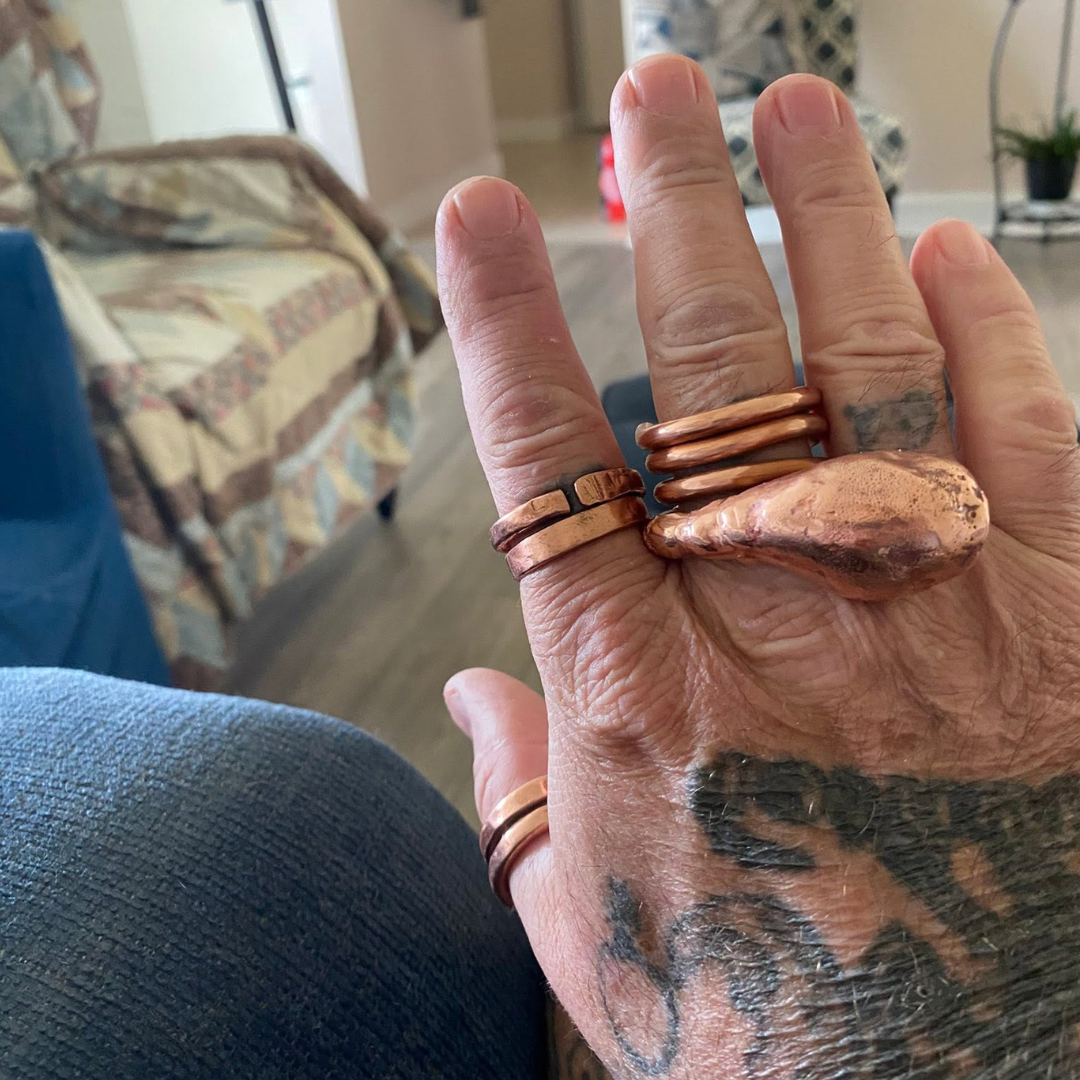
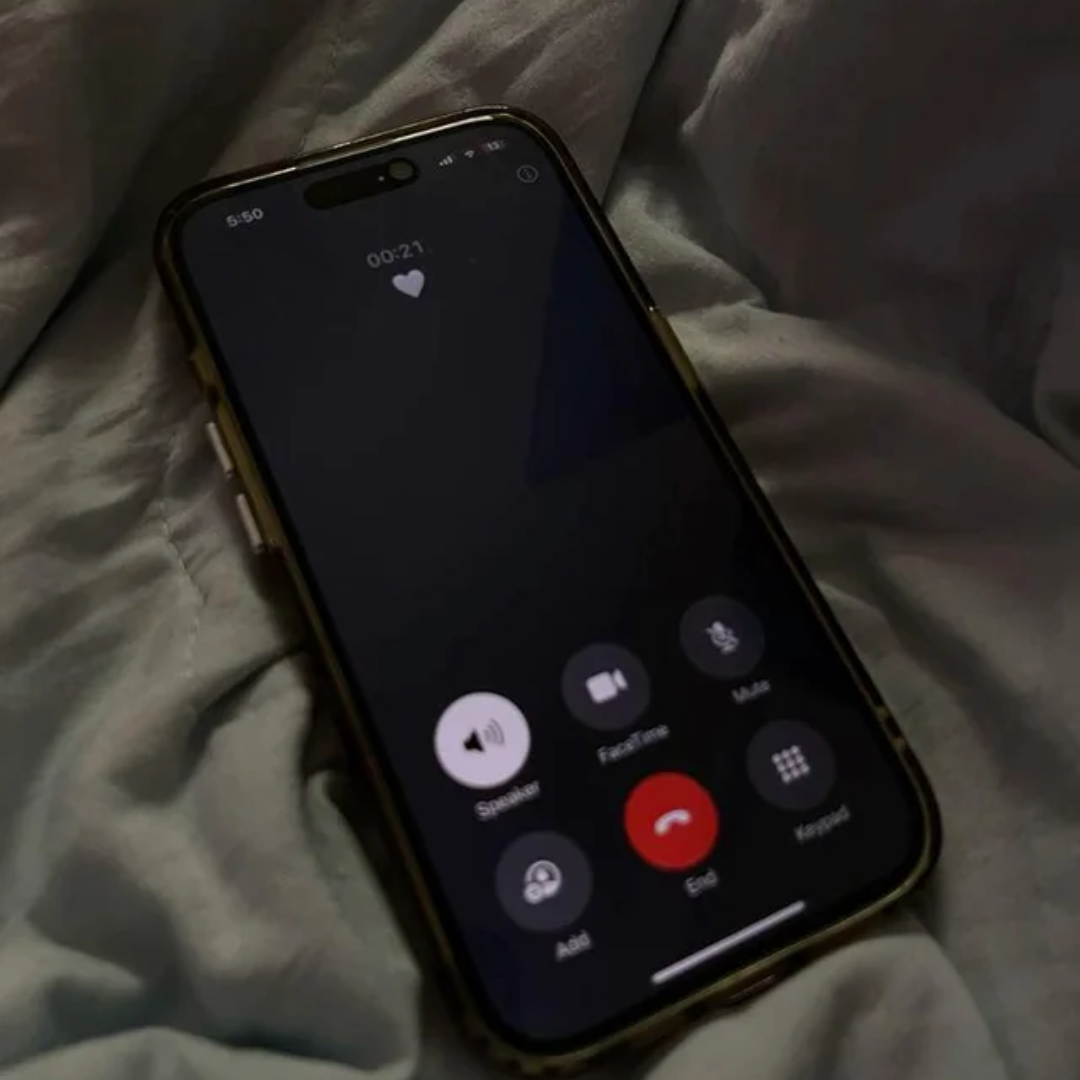
"Mom, don't freak out." That's how my daughter started the phone call last Tuesday. My stomach dropped. Nothing good ever starts with "don't freak out." "What happened?" I asked, already imagining the worst. "Grandma just opened the pickle jar by herself. I watched her do it." I almost dropped the phone. Let me back up: Three months ago, I was at my breaking point. I'm 56 years old, and I've been caring for my 79-year-old mother full-time for 4 years. I wasn't sleeping. My shoulders were constantly tight from helping her. My own hands had started aching in the mornings. I was irritable and exhausted. One night at 3 AM, after another sleepless night helping my mother, I was scrolling through my phone and saw a post pop up on social media. It was from a small workshop in Sedona, Arizona, run by a woman named Vera who had been handmaking pure copper jewelry since 1984. The post was about why our hands hurt now when our grandmothers' hands didn't. I almost scrolled past it. But I was so exhausted I could barely function anymore. I clicked through to her page. The whole page was telling her story — how her own mother had lived to 96 and never had stiff hands because she'd worn copper every single day of her life. How somewhere along the way we all stopped wearing it. And how something as simple as wearing pure copper against your skin again had brought movement back to so many of her customers. (I'll link her page at the bottom of this post so you can read it for yourself.) It sounded a little weird, but I was out of options. She had a 60-day guarantee. I ordered one of her bracelets. At first, I didn't tell my mother what it was (she would've mocked me). But two weeks in, my hands had stopped aching in the morning. The clicking in my knuckles was gone. I had grip strength back. And I needed that strength. Because every single day looked like this: I wake up at 6 AM and drive to my mother's house. I help her sit up. I help her to the bathroom while she tells me everything I'm doing wrong. I button her blouse while she criticizes my own clothes. I open eight different pill bottles for her. By 10 AM, my hands are aching from holding her weight. By noon, I've forgotten what I went into the kitchen for, multiple times. By 3 PM, I'm so exhausted I could cry. My mother has rheumatoid arthritis. Her knuckles are swollen the size of marbles. She's in constant pain, and she's been on high dose medication for 6 years. She's my mother. Of course I love her. But as much as I didn't want to admit it, I was drowning. And the worst part is, my mother refuses to try ANYTHING new. "This is just how it is when you're old," she says. "It is what it is." I'd tried everything with her over the years: prescription medications, supplements, physical therapy. She'd try it for two days, declare it useless, and quit. My daughter kept telling me I needed help. "You can't keep doing this alone. Your hands are starting to look like Grandma's. You're going to end up just like her." But what was I supposed to do? She's my mother. So when I saw Vera's page about copper, I thought it sounded strange. But I was out of options, and I knew that. When the copper bracelet arrived, my mother saw the package. "What's that?" "Something for my wrists," I said. "Another waste of money," she muttered. As expected. I slipped it on that night before bed. Pure copper, worn directly against the skin, never taken off. First night, I didn't feel anything different. Second night, same. But on the third morning, I woke up and realized something: my thumb didn't hurt. I'd been waking up at 4 AM every night for months because of the throbbing in my right thumb. I'd slept through the entire night. I didn't think much of it. Maybe I'd just slept on it the right way. But by the end of the first week, I noticed my hands didn't hurt as much when I opened her pill bottles. Not pain-free, but better. Noticeably better. By week two, I was making fists in the parking lot like a crazy person, just to feel them not hurt. I was texting with both thumbs again. I was carrying two coffee cups in one hand. By week three, I had grip strength I hadn't had in over a year. That hadn't happened since I started caregiving. My daughter came to visit and stopped mid-conversation. "Your hands look different." "Different how?" I asked. "I don't know. Like…less swollen? Like yourself again." I told her about the copper bracelet and Vera's page. She gave me that look. You know the one. The "my mother is losing it" look. "You know it's just placebo," she said. "Maybe," I said. "But I feel better." Then things got weird with my mother. One morning, I was buttoning her cardigan, and she said, "You're not wincing." "What?" "When you do my buttons. You usually wince by the third one. You're not doing it today." I hadn't even noticed. But she was right. "My hands feel better," I said. "From what?" she asked. I hesitated. "That bracelet I ordered. The copper one." She scoffed. "That's ridiculous. Old ladies in the 1960s wore those." But after a few minutes of silence, she asked, "How does that thing work? That bracelet." I was shocked. My mother's never curious about these things, ever. I explained it to her. The pure copper. Not plated, not coated, the real metal. The skin absorption. The fact that her own grandmother had probably worn one. The fact that we'd all stopped, somewhere along the way. She listened. Didn't interrupt. That was unusual. "Sounds like nonsense," she said when I finished. "Okay," I said. I wasn't going to argue. But then, three days after that conversation, something happened that I'll never forget. I walked into her room in the morning, and she said, "Can you get me one?" I just stared at her. My mother. The woman who refuses to try anything. Who declares everything useless before even testing it. Was asking for a copper bracelet. "Are you serious?" I asked. "I'm just curious," she said, defensive. "It's probably not going to work. But if your hands don't hurt anymore, maybe it'll help mine too. They hurt all the time." I ordered one that day. And when it arrived, I slipped it onto her wrist for her. Vera makes them as open cuffs on purpose, so they fit over swollen knuckles. My mother's bracelet went on easily. "This is foolishness," she said as she looked at her wrist that night. First week, she didn't mention it. I didn't ask. But on day 8, I came into her room in the morning, and she was sitting up in bed. Not lying down waiting for me. Sitting up, on her own. "Are you okay?" I asked, alarmed. "I'm fine," she said. "I gripped the bedframe and pulled myself up." I helped her to the bathroom like usual. But she was moving differently. Less hesitation. Less wincing. By week three, I walked into her kitchen and found her doing something I hadn't seen in 3 years. She was holding a coffee cup. With one hand. The handle pinched between her thumb and forefinger. "That doesn't hurt anymore?" I asked. "No," she said, not looking at me. Like she didn't want to admit it. "I thought I'd try." By week four, she said something that shocked me. "I want to talk to Dr. Chen about cutting back on my medication." My mother, who had been on the same RA medication for 6 years, wanted to reduce it. I couldn't believe it. We went to her doctor's appointment the next week. I expected her to say no — to tell her she needed to stay on it. She did her usual mobility tests. Range of motion. Grip strength. Joint inspection. She looked at her chart. Then looked at my mother. Then looked at the chart again. "Your grip strength is up by 40% from last quarter. Your range of motion is significantly better. Your inflammation is down. This is great news." She turned to me, suspicious. "Has she been doing anything differently?" I looked at my mother. She looked at me. "I've been wearing a copper bracelet," she said quietly. "Pure copper, the artisan said. I don't understand how it works, but my hands hurt less." Dr. Chen wrote something down. "I've had a few other patients mention copper recently. Very interesting." She looked at my mother. "If you'd like, we can absolutely reduce your medication. Let's cut it by a little bit and see how you do, and we can go from there." And just like that, for the first time in 6 years, she cut back on her medication. And two weeks after, she said something I will never forget. We were sitting at her kitchen table, and she looked at me and said, "I want to make my own breakfast tomorrow. You don't have to come." My 79-year-old mother, who hadn't made her own breakfast in 3 years, wanted to butter her own toast. Without me. I started crying right there. "Why are you crying?" she asked. "Because you're going to make your own toast, Mom." I missed that. A lot. The next morning, I drove over anyway, just to check. She'd already eaten. The bread crumbs were on her plate. The butter knife was in the sink. She'd done it herself. When I walked in she said, "I told you not to come. Go home." I went home. And I cried in my car for ten minutes. My mother. The skeptic of all skeptics. Just made her own breakfast. But here's the part that led to that phone call from my daughter: About 2 months after my mother started wearing her bracelet, she started doing more things on her own. Not big things — just the buttons. The pill bottles. The coffee cup. But she was doing them. One morning when my daughter stopped by on her way to work, she called me from my mother's driveway. "Mom, don't freak out. But I just walked into Grandma's kitchen and she had a pickle jar in her hand. She gripped the lid. She twisted it. She opened it. By herself. And then she turned around and asked me if I wanted a pickle, like it was nothing." I told her about the copper bracelets. About how my hands stopped hurting. About how my mother's pain reduced enough to cut her medication. About Dr. Chen noticing the improvement. She got quiet. Then she said, "Do you still have the link? I'm ordering one." "Why?" I asked. "Because I've been watching you and Grandma for two months. You seem more alive. Grandma is opening jars. She cut back on her meds. Clearly something is working. And my hands hurt from typing all day at work." She ordered one that day. Now we all wear them. Me, my mother, my daughter. Three generations. My mother seems to have found her hands again. She butters her own toast every morning by herself. She holds her coffee cup with one hand. And sometimes, she even calls me to tell me not to come over because she's fine. She still complains sometimes (she's still my mother) but the constant pain complaints stopped. Since then, I've bought four more bracelets: One for my husband (he has tennis elbow from his job). One for my sister (gifted one for her arthritis). One for my best friend (she has carpal tunnel from her desk job). One for my church friend (her hands ache from years of sewing). At 56, I can now care for my mother and still have hands that work for me too. My joint pain is gone. My grip strength is back. I can open jars again. I'm not dreading mornings anymore. Here's what I learned about why Vera's copper bracelet actually works: 99.9% Pure Copper - It's solid pure copper that allows your skin to absorb trace minerals all day long. Pure copper maintains its therapeutic properties forever. Cheap brands use copper-colored plating that wears off in two weeks. Then it's just toxic brass against your skin. The Direct Skin Contact - The bracelet sits flush against your wrist's pulse point — where the absorption actually happens. It's not magic. It's how copper has been used for thousands of years. Hand-Hammered Open Cuff - Vera makes every single one by hand in her Sedona workshop. The open cuff design slips over swollen arthritic knuckles easily. You'll actually wear it every day, which is essential for consistent results. 60-Day Guarantee - Long enough to see real changes and return it if it doesn't work. I can care for my 79-year-old mother and still have a life. My mother, who refuses to try anything new, cut her medication and makes her own breakfast. My daughter, who said it was "probably placebo," now tells all her friends about it. If you're a caregiver dealing with hands that are starting to give out, or if you're watching someone you love struggle with their own hands every morning, go read Vera's story for yourself. She explains it way better than I can, and it might change everything for you like it did for us. Here's her page: https://veras-copper.com/collections/limited-sale
Like this ad? Make it yours.
Crush rebuilds this exact creative around your product — your brand, your colors, your offer — in about a minute.