
Inactive· since May 26, 2026
- 55
- days it ran
- 5
- relaunches
- 15,245
- EU reach
Ad copy
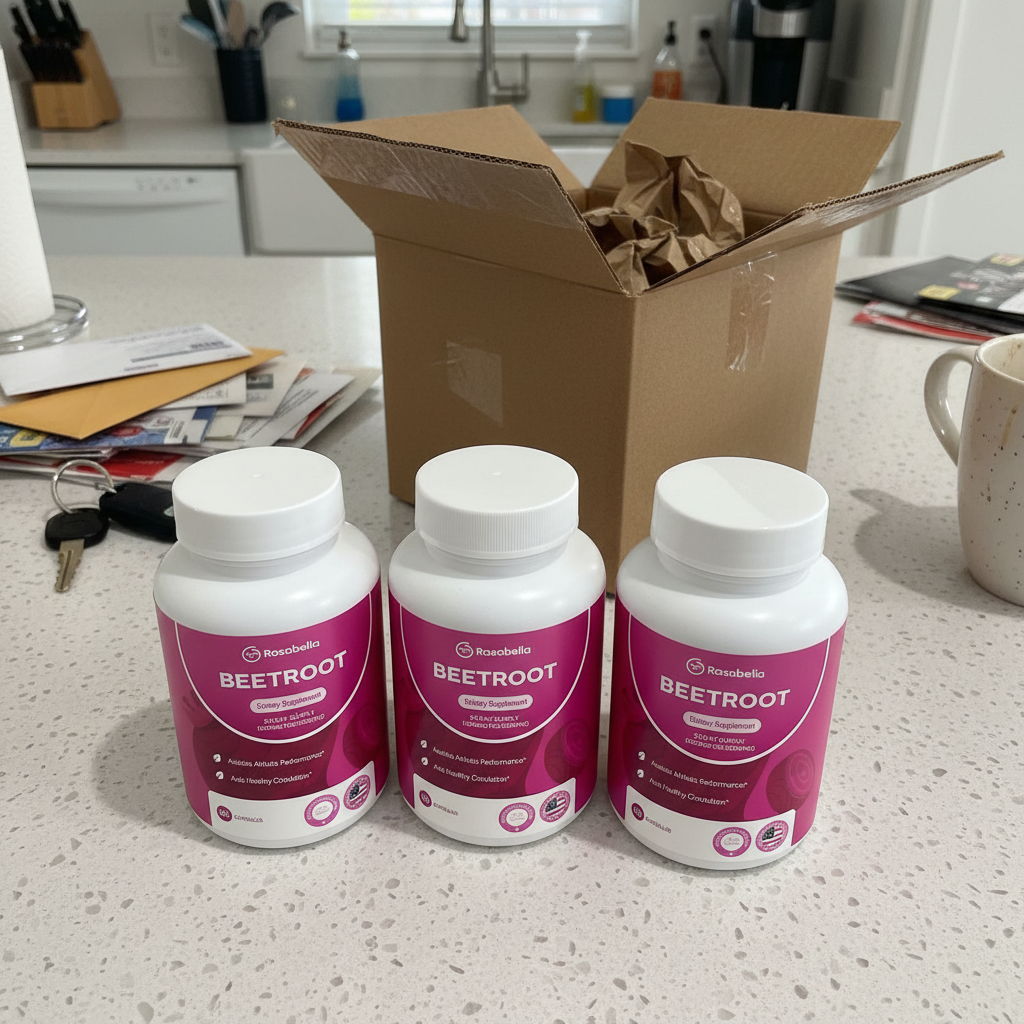
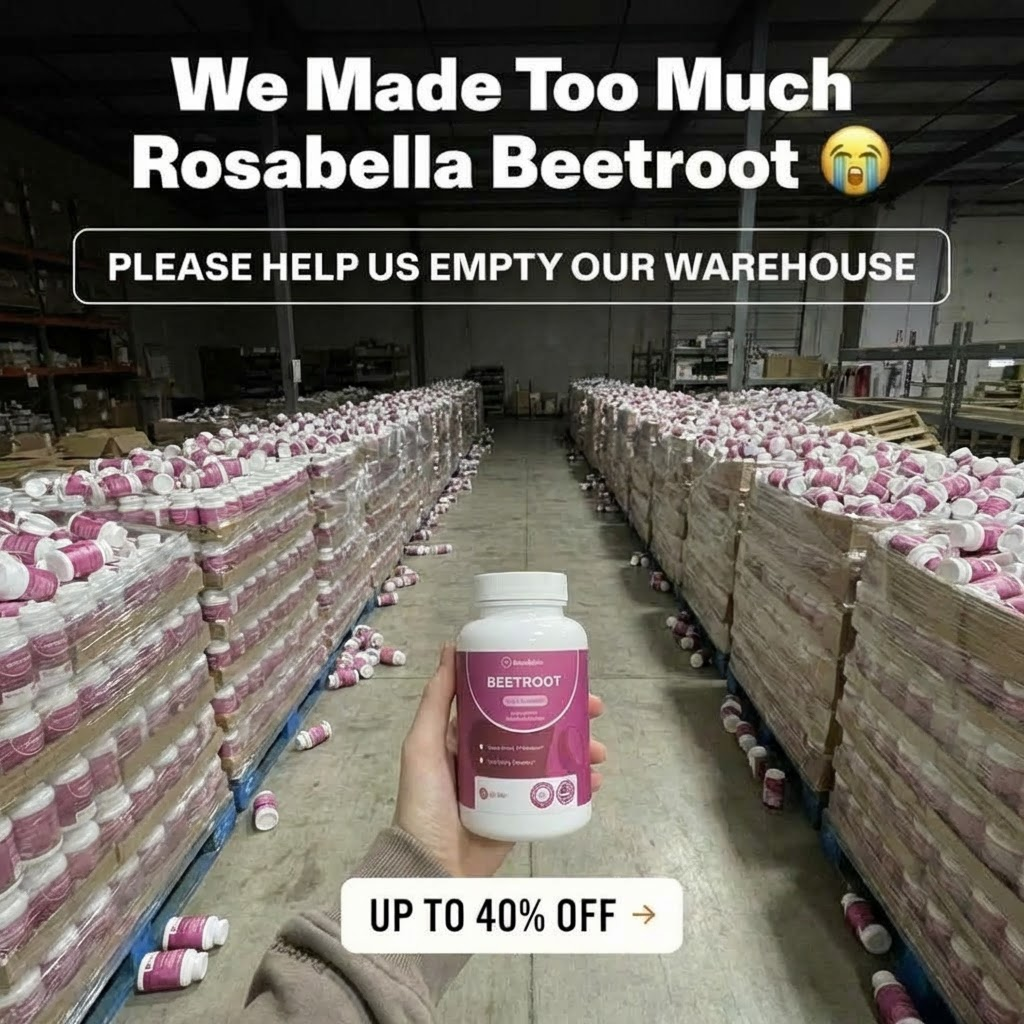
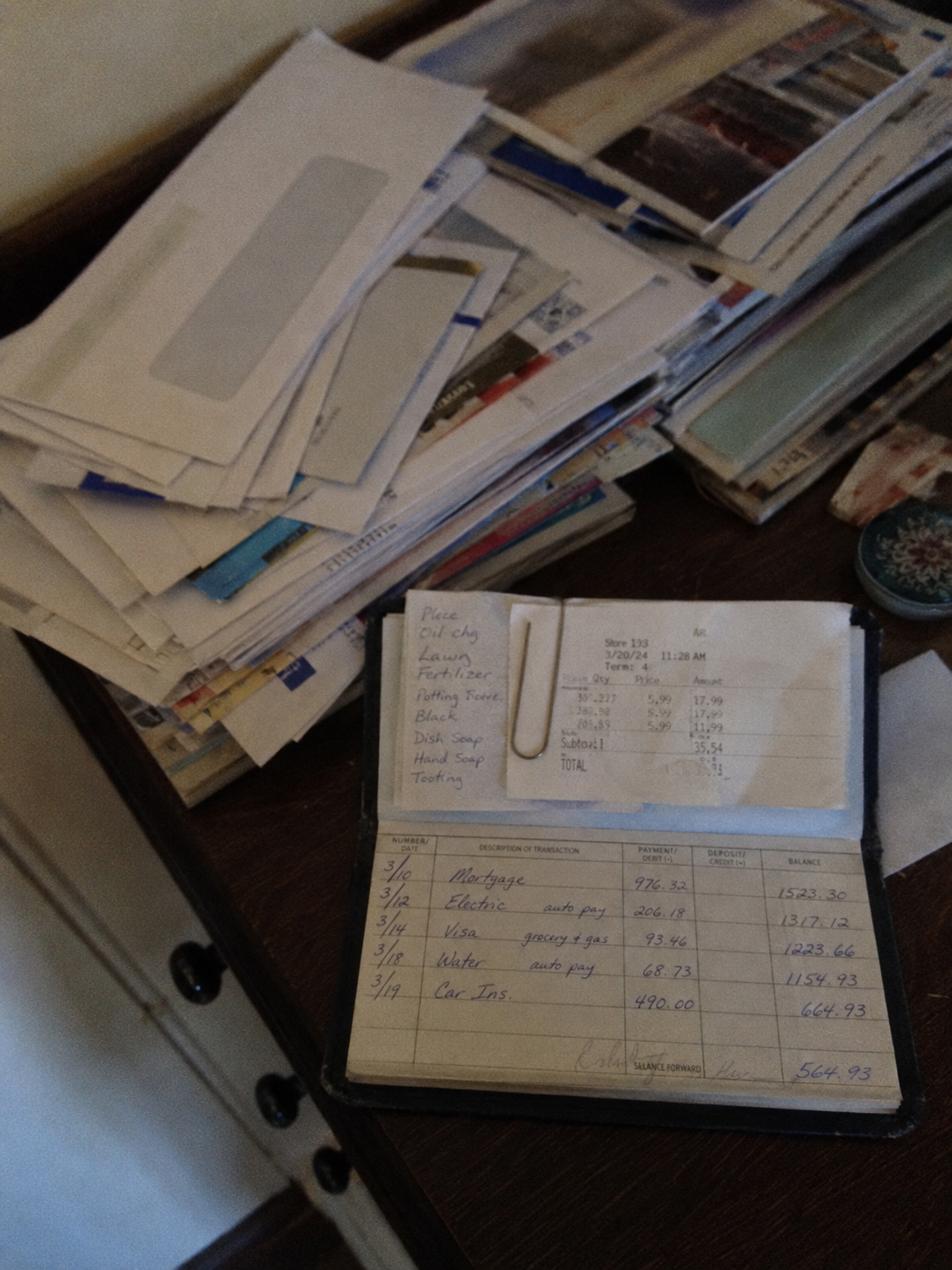
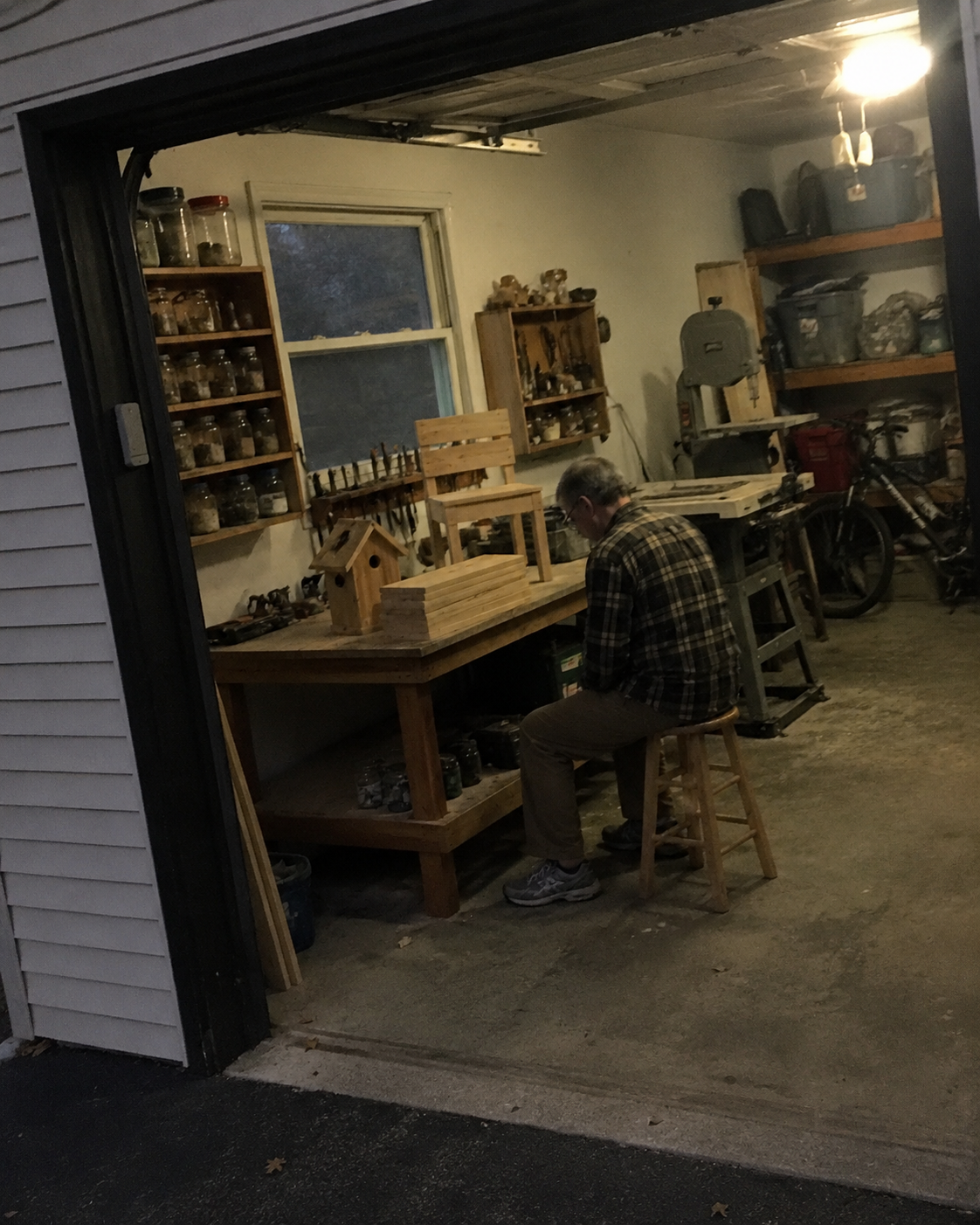
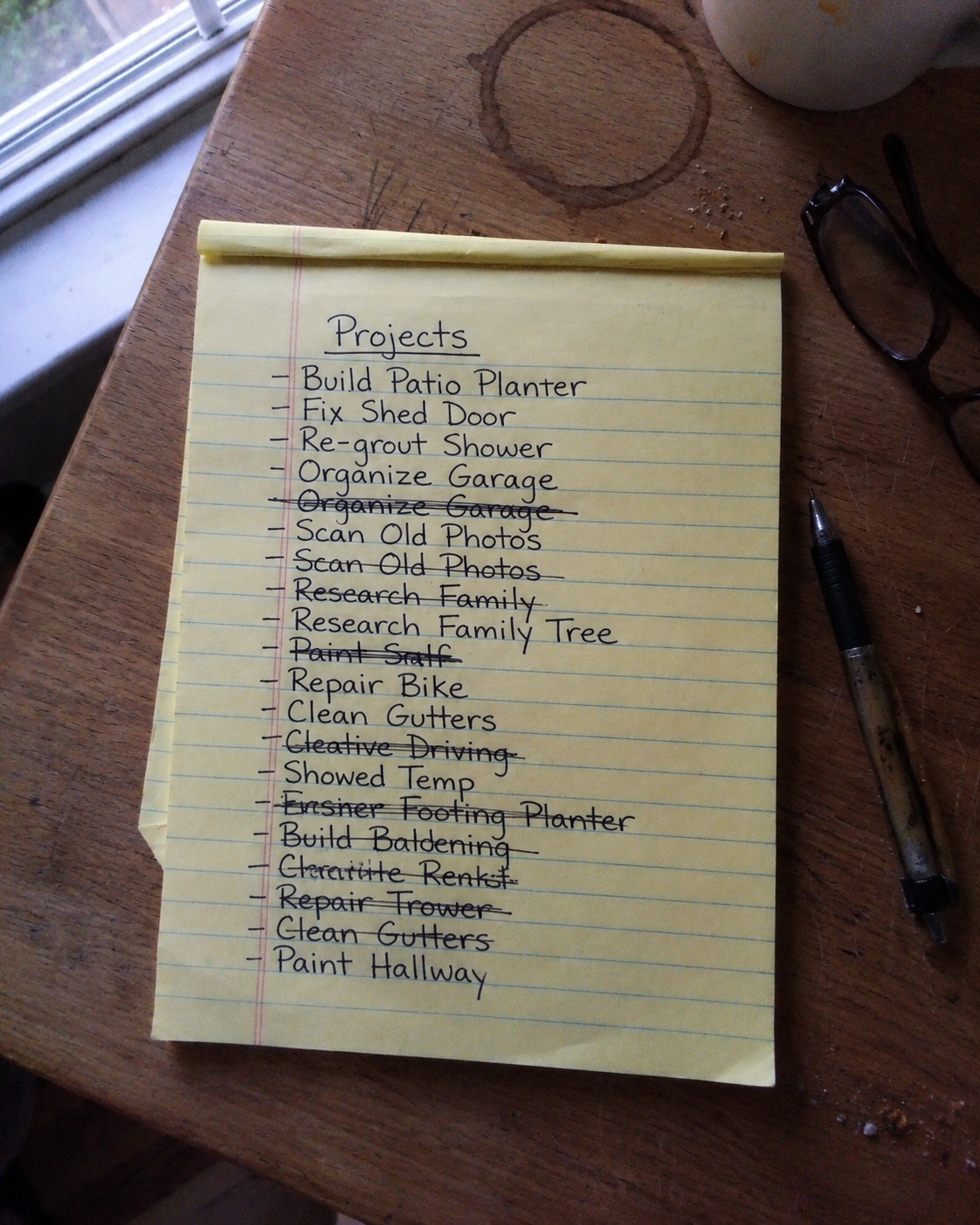
I Was Halfway Up a Three-Step Stepladder Last March Changing a Lightbulb in My Hallway. I Had to Stop and Catch My Breath. I'm 63 Years Old. I Have Never in My Life Been Out of Breath on a Stepladder. I'm writing this down because nobody told me what my early sixties were going to be like. I want somebody to tell the next man. I'm Russ. I'm 63. I retired in October of 2023 from forty-one years with the U.S. Postal Service. I started as a city carrier in 1984. I retired as postmaster of a small town in central Pennsylvania that I'm not going to name. I am, by every measure that matters to me, a lucky man. My wife Bev and I have been married thirty-eight years. We have two grown daughters — one in Philadelphia, one in Cleveland — and three grandchildren between them. I have my pension. I have my health, by which I mean my bloodwork comes back fine. My house is paid off. My truck runs. My tools are sharp. I am not writing this because anything dramatic happened to me. I am writing this because the un-dramatic thing that happened to me is the thing I want to warn you about. The un-dramatic thing is the one nobody warns you about, because it does not look like a thing while it is happening. It just looks like getting older. I need to back up and tell you about the stepladder, because the stepladder is the moment I want to anchor everything else to. The stepladder is a Werner three-step. I bought it at a hardware store in 1997. It has been in my garage for twenty-eight years. I've used it maybe two thousand times. The lightbulb that needed changing was in the hallway between our bedroom and the bathroom. A standard ceiling fixture. The kind of bulb you reach up and turn out of the socket. I went to the garage. I got the stepladder. I carried it to the hallway. I unfolded it. I put it underneath the fixture. I stepped up onto the first step. I stepped up onto the second step. I reached up. And I had to stop. It was a specific thing. It was not pain. It was not dizziness. It was not the room spinning. It was that my chest felt like I had walked up three flights of stairs, and my breath was coming a little quicker than it should have been, and my hand on the bulb was — and this is the part that scared me — trembling. I stood there on the second step for maybe forty seconds. I came down off the ladder. I sat down on the edge of the bed in our bedroom, which was right next to the hallway. I sat there for ten minutes. I didn't say anything to Bev. Bev was at the grocery store. After ten minutes, I went back to the stepladder. I went up. I changed the bulb. I came down. I folded the ladder. I put it back in the garage. I went out to the workbench in the garage and I stood there for another twenty minutes with my hands on the bench, just looking at the wall. I thought: that has never happened to me before. I thought: I'm 63. I thought: I have changed approximately five hundred lightbulbs in this house and I have never been out of breath on a stepladder. Then I went inside. I made myself a cup of coffee. When Bev got home I told her about my morning the way I always tell her about my morning. I left out the stepladder. I did not know how to tell her about the stepladder. I think I did not want to admit to her — or to myself — that the stepladder had happened. I'm going to tell you what had been happening for the year before the stepladder, because the stepladder didn't come out of nowhere. It had been gathering. The first thing was the project list. I am a man who keeps a project list. I have kept one since 1989. It's a yellow legal pad in the drawer of the kitchen desk. I write down the things I'm going to do around the house in pencil and I check them off when I do them. In 2023, the year I retired, the project list had nine items on it. By the time I'd been retired six months, I'd checked off three. I added four more. By the time I'd been retired a year, I'd checked off two more of those. I added five more. By March of 2024 — the month of the stepladder — the project list had twenty-one items on it, of which I had checked off five. I was retired. I had time. I had nothing else to do. I had not been able to make myself start most of the things on the list. I would walk past the list. I would look at it. I would feel the weight of it. I would walk away. This is not the man I had been for forty years. The man I had been for forty years walked into a job and finished it. I did not know who the man with the project list was. The other thing was the coffee. I have made coffee for Bev every morning of our marriage. Since 1986. A four-cup pot. I bring her a mug while she's still in bed, with the half-and-half already in it. Two creams, no sugar. I have made it that way 13,000 times. Sometime in late 2023 I started making the coffee and forgetting to bring it up to her. I would make the pot. I would pour my mug. I would sit down at the kitchen table. I would not pour Bev's. I would not think about Bev's. Bev would come downstairs after about half an hour. She would get her own mug. She would not say anything. The first time it happened I noticed. I felt bad about it. I told her I was sorry, my mind had been somewhere else. The third time it happened I noticed and didn't say anything. By February of 2024 it was a regular thing. Bev came downstairs one morning that month and got her own coffee and she stopped at the kitchen table and she put her hand on the back of my neck for a second. She said: "Russ. Are you alright." I said: "Yeah. Just woolgathering." She said: "Okay." She went into the den with her coffee. I sat at the table and I thought: I have stopped doing the small thing for her that I had been doing for thirty-eight years. I didn't know why. I hadn't decided to stop. I hadn't gotten angry at her. I hadn't been thinking about other things. I had simply — over a period of months — stopped reaching for the second mug. That bothered me more than the project list. The project list was about me. The coffee was about us. The third thing was something I'm going to describe carefully because I want to get it right. I had stopped looking forward to things. I want to be specific. I was not depressed. I want to be clear about this. I have been depressed once in my life — when my father died in 1998, I went through about eight months of something that was depression by anybody's measure. I know what depression is. This was not that. This was something quieter. I would have a Saturday on the calendar. Lunch with my brother in Carlisle. Hour and a half each way. On the Tuesday I would think: I'm looking forward to Saturday. On the Friday I would think: I'm looking forward to tomorrow. On the Saturday morning I would think: I'm looking forward to lunch. On the Saturday I would drive there. I would have lunch with my brother. It would be a good lunch. And the looking-forward part would have left me by Tuesday and not come back. The lunch was good. The looking forward was gone. I had spent my whole life being a man who looked forward to things. To the weekend. To the next vacation. To Christmas. To my daughters coming home. To my grandchildren's birthdays. The looking-forward had been a kind of background hum. The hum had gotten very, very quiet. I noticed it because Bev mentioned, in early March, that she was looking forward to our trip to North Carolina in May. We were driving down to see Erin in Philadelphia and then keep going to a cabin we'd rented on the Outer Banks for a week. She said: "I'm so excited about it, Russ." I said: "Me too, hon." I drove to the post office that morning to mail something for her, and I sat in the parking lot afterward and I thought: I said me too and I'm not. I'm not excited about anything. I haven't been excited about anything in months. I had not been able to put my finger on it until that moment in the post office parking lot. I sat there for a long time. That was March 11th of last year. The stepladder was March 17th of last year. I started paying attention to my body that week in a way I hadn't been paying attention to it. What I noticed, when I started paying attention, was a long list of small things. I noticed I was getting up from the kitchen table by pushing on the table. I noticed I was bracing on the doorframe when I walked into the bedroom in the morning. I noticed I was sleeping nine hours and waking up tired. I noticed I was cold in the kitchen at 7 a.m. when I'd never been cold in the kitchen in my life. I noticed I had stopped whistling. The whistling is the one that broke my heart. I had whistled since I was eight years old. I had been a constant whistler. I whistled while I sorted mail. I whistled while I worked on the truck. I whistled while I cooked Sunday breakfast. Bev had complained about it for thirty-five years. She had not complained about it in over a year because I had stopped. I had stopped whistling and I had not noticed I had stopped. I sat on the workbench stool in the garage one Saturday in late March and I tried to whistle. I could whistle. The lips still worked. But I had not been wanting to. That was the cellular version of the project list, I realized. The whistling had stopped at the same time as the looking-forward. The same time as the coffee. The same time as the breath on the stepladder. Something had quieted down underneath all of it. I had been a man who whistled and made coffee for his wife and looked forward to Tuesdays. I was a man who didn't. I went to my doctor on a Wednesday in April. I had not gone to my doctor on a Wednesday in April because of any specific thing. I had gone because I had decided I was going to. Dr. Hartman has been my doctor since 2009. He's about my age, maybe a year or two younger. He'd come to my retirement party in 2023. He'd brought his wife. He's a good doctor. He listens. I sat down in the chair in his office and I said: "Doc. Something's going on with me and I can't put my finger on it." He said: "Tell me." I told him about the stepladder. I told him about the project list. I told him about the coffee. I told him about looking forward to things. I told him about the whistling. The whistling was the one he tilted his head at. He said: "Russ. How long has the whistling been gone." I said: "I can't say exactly. A year, maybe. Maybe longer." He said: "Okay. Let's do some bloodwork. Let's get a panel. Let's see what your body is telling us." He ordered the panel. He examined me. He took my blood pressure. He listened to my heart. He pressed on my belly. He had me stand up from a squat. I could stand up from a squat. Barely. He sat down at the desk. He typed. He said: "Russ. Your physical exam is fine. Your blood pressure is a little high — we'll watch it. I want to wait on the bloodwork before I say anything else. But I want to tell you something now." He said: "What you're describing is real. I see it in men in your age range a lot. It doesn't have a clean name. It is not a disease. It is a kind of slowing down that happens in the early sixties, particularly for men who retire from active work, and the slowing is sometimes a combination of physical changes that are happening at the cellular level and lifestyle changes that come with retirement." He said: "I want to look at the bloodwork before I prescribe anything. But I want you to do three things in the meantime, starting tomorrow." He listed them. Walk every morning. At least thirty minutes, before breakfast. Outside, not on a treadmill. Eat protein at every meal. He gave me a number — at least twenty grams. Go to bed and get up at the same time every day, including weekends. Aim for seven and a half hours. He said: "Most importantly: I want you to start whistling again. I want you to whistle in the shower in the morning. I want you to whistle when you're working in the garage. I want you to make yourself whistle on purpose for two weeks. See what happens." I laughed. I said: "Doc. You want me to fake-whistle myself back to feeling alright." He said: "Russ. The body and the mood feed each other. If you start whistling, your body starts thinking your mood is okay. If your body thinks your mood is okay, your mood starts thinking your body is okay. It's a loop. I want you to start the loop. The bloodwork will tell us if there's anything else to do." I went home. I started walking the next morning. I started whistling in the shower the next morning too. I felt ridiculous. I did it anyway. I started eating eggs for breakfast instead of toast. I went to bed at 10. I got up at 5:45. For about three weeks, I felt like a man going through the motions of being a man. The bloodwork came back on a Tuesday. Dr. Hartman called me himself. He doesn't usually call himself. Usually it's the nurse. He said: "Russ. The bloodwork is mostly fine. A few things to note. Your vitamin D is low. Your blood pressure is creeping. Your cholesterol is creeping. Your testosterone is on the low end of normal for your age but not low enough to medicate. Your inflammation markers are slightly elevated but not alarmingly. Your A1C is fine. Your kidney and liver function are good." He said: "Nothing is broken. A lot of things are soft." He said: "Here's what I want to do. I want to put you on a low dose for the blood pressure. I want you to start taking vitamin D. I want you to keep doing the walks, the protein, the sleep, and the whistling." He said: "Beyond that — and this is the part I want to talk about — at your age, your body's natural antioxidant balance is doing less of the work it used to do on its own. The cellular energy systems that ran on autopilot in your forties don't run on autopilot in your sixties. You can support them. The walks support them. The diet supports them. Some supplementation can support them too." He said: "I'm not going to recommend a specific brand of anything. I don't do that. But I will tell you that food-based antioxidant support — particularly things like beetroot — has decades of research behind it for general cardiovascular wellness and what we sometimes call vitality at the cellular level. If you want to look into something in that category, I'd be comfortable with you adding it. Tell me what you decide. Bring the bottle in. I'll look at the label." I said: "Doc. That's a lot of homework." He said: "Russ. It's not homework. It's the rest of your life." I'm going to tell you what I did next because I think the process matters. I went home. I sat at the kitchen table that night with my laptop. I am, for what it's worth, a careful researcher. I came up through the postal service. I read manuals. I read the small print on warranties. I do not buy things off the internet without reading carefully. I read about beetroot for two evenings. What I learned was this. Beetroot has been studied for decades for things related to cardiovascular wellness and general vitality at the cellular level. The compounds in beetroot — called betalains — appear to play a role in supporting the body's natural antioxidant balance and the underlying cellular energy systems that quietly slow down with age. The compounds are heat-sensitive. That is the part that mattered. A lot of beetroot products on the market are processed in ways that degrade the active compound. The slow way preserves it. The fast way doesn't. I read about three brands. I compared them. The one that read most carefully — the one whose website wasn't full of testimonials and miracle claims and free-shipping countdowns — was a small operation in Lancaster County, Pennsylvania, called Rosabella. They cold-press their beets at low temperatures. The website was small. It had a science page. It had a third-party testing page. It had a founder's note that read like it had been written by a person. I read the science page twice. I called Dr. Hartman's office on Monday morning. I told the nurse — Wendy, who'd been with the practice for seventeen years — what I'd decided on. I asked her to run it past the doctor. Wendy called me back the next day. She said: "Russ. Dr. Hartman says it's a food-based supplement, the brand looks fine to him, and there's no interaction concern with your blood pressure medication. He says go ahead. Tell him at your next visit." I ordered the bottle that afternoon. It came on a Friday. I started Saturday morning. I'm going to be honest about what happened next, because I want the next man to know what to expect. For three weeks, I felt nothing. I want to underline that. Three weeks, nothing. I had been doing the walks for almost five weeks by then. I'd been on the blood pressure medication for two. I'd been taking vitamin D for two. I'd been whistling for almost six weeks, mostly out of stubbornness. Some of those things had started to do small things on their own. The walks were the biggest. I'd lost four pounds. I was sleeping better. The afternoon slump was not as steep as it had been. The supplement, I could not tell you anything about. I took two capsules with my coffee every morning. I noticed nothing. Around week four, I started noticing things, and I want to describe them carefully because I want to be honest about what's a claim and what isn't. The first thing was the morning. I had been getting out of bed every morning for two years by sitting on the edge of the bed for a minute before I stood up. I had not been doing it on purpose. It was just what my body had been doing. Sometime around week four, I started standing up out of bed without sitting on the edge first. I noticed because Bev mentioned it on a Tuesday in May. She said, in the kitchen, "Russ. You got out of bed this morning like a guy in his fifties." I said: "Did I." She said: "Yeah. You stood up. You walked into the bathroom. I watched you. You did not sit on the edge." I said: "Hadn't noticed." She said: "I had." The second thing was the project list. I'd been chipping at it slowly for a few weeks by then. But around week five, I started actually wanting to do things on the list, instead of feeling them as a weight. I built a shelf in the laundry room one Saturday. Two-hour job. I finished it. I cleaned out the gutters two weeks later. Half a day. I finished it. I started replacing the hinges on the kitchen cabinets — there were sixteen of them — and I got through all sixteen in a weekend. The list, which had been twenty-one items long in April, was down to nine by mid-June. I was checking things off faster than I was adding them. The third thing — and this is the one I want to talk about carefully — was that I started whistling on my own. Dr. Hartman had told me to fake-whistle. Around week six, I caught myself whistling without remembering I'd started. I was in the garage. I was looking for a particular drill bit. I was — I noticed — whistling the first eight bars of "Sweet Georgia Brown." I stopped. I stood in the garage for a minute. Then I started whistling again. The rest of it. I whistled "Sweet Georgia Brown" all the way through. The dog came over to me. He sat at my feet. He had not done that in a long time either. I stood there in the garage whistling to my dog and I thought: I am back in here. I am back in my own body. That was the third week of May. I want to tell you about the trip. Bev and I drove to Philadelphia at the end of May. We stayed with Erin and her husband and their five-year-old daughter Lucy. We had dinner at their house on a Friday night. After dinner Lucy wanted to play. She wanted to play the kind of thing five-year-olds want to play, which involved her wanting to ride on my back like a horse around the living room. A year before, I had told her I had a sore back. That night I got down on all fours on Erin's living room rug and I let Lucy climb on. I carried her around the living room twice, on my hands and knees. Erin watched from the couch. She didn't say anything in the moment. In the kitchen later, while we were doing the dishes, she said: "Dad. You played horse with her." I said: "I did." She said: "You haven't played horse with her in a long time." I said: "I know." She said: "She remembers a different version of you. From two years ago." I said: "I know." She said: "I'm glad the version of you that played horse with her tonight is the version coming on this trip." I said: "Me too, honey." She handed me a dish to dry. She said: "What's going on, Dad. Genuinely." I told her. Not all of it. I told her about Dr. Hartman. I told her about the bloodwork. I told her about the walks and the eating and the supplement. She listened. She said: "I'm proud of you, Dad." I started crying at her kitchen sink. I don't cry. I'm not a crier. I cried because my daughter had said she was proud of me. It had been a long time since I'd done something my daughter would say she was proud of. Erin didn't say anything. She put her hand on my back. We finished the dishes. That was a year ago. It's been about fifteen months since the stepladder. About thirteen months since the bloodwork. About twelve months since I started the supplement. I'm 64 now. I am not the man I was at 45. I want to be honest about that. I have a blood pressure medication I take every morning. I take vitamin D. I take the supplement. I do the walks. I eat differently. I sleep on a schedule. I do a lot of things now that I did not do in 2022. The combination — the walks, the medication, the supplement, the eating, the sleep, the whistling — has put me back in a body I recognize. I cannot tell you which part is doing what. What I can tell you is that the project list is down to four items. My granddaughter remembers the version of me that plays horse. My wife gets her coffee in the morning. I am looking forward to things again. I whistled in the shower this morning. I noticed that I whistled. I didn't have to make myself. I sat down on the edge of the bed afterward — by choice, not by need — and I thought: I have my mornings back. That is what I came to write down. If you are a man my age — or a man approaching my age, or a wife of a man my age who is reading over his shoulder — I want to tell you something, plainly. The thing nobody tells you about the early sixties is that the slowing down can happen quietly, in pieces, in ways you don't catch while it's happening. You don't catch it because each piece is small. Each piece is something you can explain. The stepladder is just one stepladder. The project list is just a list. The coffee is just a forgotten cup. The whistling is just a quiet kitchen. Each piece by itself is nothing. The sum of the pieces is everything. If you have started to notice the pieces — please don't wait the way I waited. Go to your doctor. Tell him about the pieces. Don't apologize for being there. Don't tell him you're probably wasting his time. Tell him the truth. He will run the bloodwork. He will tell you what he sees. He will probably tell you to walk and eat protein and go to bed at a reasonable hour, and you will think: that's the homework? You will be a little disappointed. Do the homework. Then ask him about supportive supplementation. Not as a replacement. As an addition. Ask him about beetroot — the food-based kind, the cold-pressed kind, the kind that supports the body's natural antioxidant balance. If he says yes, you have one more thing to add to the stack. If he says no, you have a piece of information about your own body you didn't have before. Either way, you've asked. The asking is what starts the process. I'm not a doctor. I'm not in healthcare. I'm a 64-year-old retired postmaster from central Pennsylvania who didn't know how to read his own body until his body taught him on a stepladder. I'd rather have known sooner. I'm telling you so you can. ~ Russ B. P.S. — Rosabella has a 90-day money-back guarantee. If you're not satisfied for any reason, every penny back, no questions asked. That's a fair policy. Give it at least six weeks before you decide anything. The first three weeks I felt nothing. By week four I was getting out of bed differently. By week six I was whistling on my own. Bodies are slow. The kind of cellular slowing-down I'm describing came on over years. It does not reverse in a weekend. P.P.S. — Bev started taking the supplement too in August. She said she was tired of watching me feel better while she didn't. She'd been having her own version of the four o'clock slump for about two years. She called her own doctor first. Her doctor said yes. She started a bottle. She told me about a month in that she'd noticed her afternoons were a little easier. She told me at six weeks that she'd been getting through dinner-and-the-evening without falling asleep on the couch by 8:30. We keep two bottles in the cupboard now. One for her. One for me. One in reserve. I want to say something to husbands reading this, if any are: if your wife has been quietly tired for a while and hasn't said anything, ask her. Don't ask her about her tiredness. Ask her how she's been sleeping. Ask her about her afternoons. Ask her what she's been looking forward to. The questions you ask each other in your sixties are not the questions you asked each other in your forties. The new questions are smaller and more important. P.P.P.S. — Rosabella is a small operation. The farms they work with harvest on their own schedule. I waited eleven days for my second bottle. They were between bottlings. I keep the extra one in the pantry now, behind the cereal. If you order it, that's worth knowing. They're not Amazon. They make what they make. When it's gone they make more, and sometimes you wait. P.P.P.P.S. — I went back to see Dr. Hartman in November for a six-month follow-up. He looked at the new bloodwork. He looked at me. He didn't say anything for a long minute. Then he said: "Russ. Whatever you're doing, keep doing it. The blood pressure is in a better place. The cholesterol has settled. The inflammation markers are in a better range. The vitamin D is good. The testosterone has come up a little — I think because of the walking and the weight you've lost." He said: "I want to ask you one question." I said: "Yeah." He said: "Are you whistling." I said: "Yes." He said: "I figured." He laughed. I laughed. He said: "Russ. Most men who come in here at your age aren't whistling. The whistling is the cheapest, easiest, most underused tool we've got. I wish more men would do it. I'd put it on prescription pads if the insurance companies would cover it." I left his office and I walked to my truck and I whistled "Sweet Georgia Brown" the whole way across the parking lot. I am a man who whistles in parking lots now. I'd forgotten that man. I'm glad he's back. P.P.P.P.P.S. — One last thing, and then I'll stop. I want to say something to the man who is going to be where I was in March of last year — standing on a stepladder, out of breath, scared, not telling his wife. You are not alone. You are not failing. You are not the only one. The cellular slowing-down in the sixties is real. It is not a moral failing. It is not a sign that the rest of your life is over. It is a sign that the things that ran on autopilot are no longer running on autopilot. The good news — and there is good news — is that the things that no longer run on autopilot can mostly be run on purpose. You can walk on purpose. You can eat on purpose. You can sleep on purpose. You can take a supplement on purpose. You can whistle on purpose, until the whistling starts coming on its own again. The whistling will come back. Mine did. I want to leave you with that. The whistling comes back. Don't wait until you're 70 to figure out it's gone. If it's gone — and you'll know if it's gone, by the way, you don't have to be told — start whistling. Just start. The rest of it will follow. https://track.tryrosabella.com/14309c20-4d60-44e3-9565-5ba6bb358986 Individual experiences vary. These statements have not been evaluated by the FDA. This product is not intended to diagnose, treat, cure, or prevent any disease.
Support stamina and heart health every day
LEARN MORELike this ad? Make it yours.
Crush rebuilds this exact creative around your product — your brand, your colors, your offer — in about a minute.