Myoten
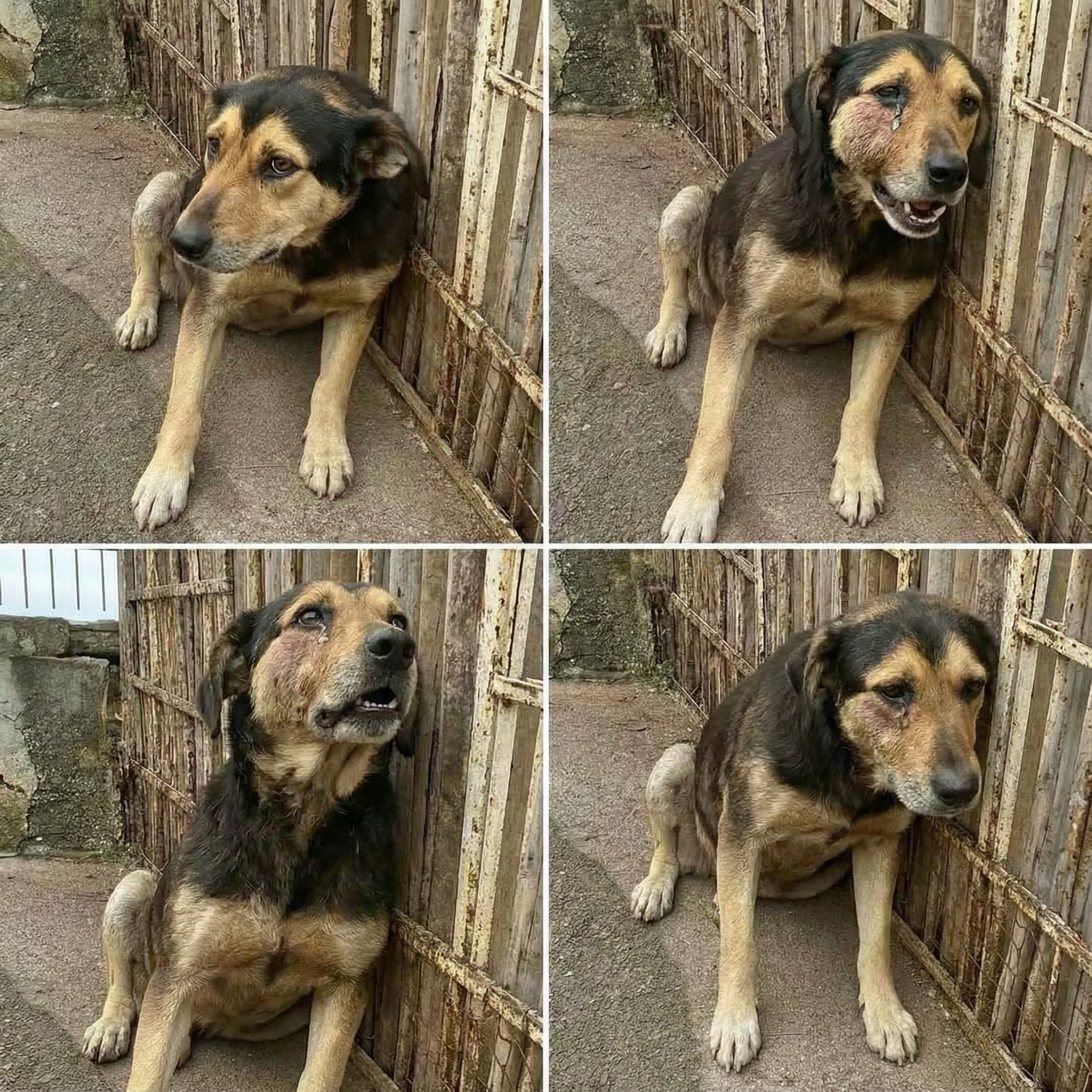
Myoten Facebook ad: “Read This If Your Dog Has A Yeast Infection”
Started on January 18, 2026.
Run by Myoten on Facebook. Crush is not the advertiser and does not verify its claims. See this ad in Meta's Ad Library(opens in a new tab)
Want an ad like this for your product?
Crush makes new ad images for your product from this ad: your logo, your product photo, your offer.
Trials from $19.95 USD, then $79.95 USD a month. Cancel anytime.
About this ad
- Meta Ad Library ID
- 824451810639110
- Platforms
- Facebook, Instagram, Audience Network, Messenger and Threads
- Relaunches
- 3
Ad text
Why Won't These Ear Drops Heal Your Dog's Yeast Infection? I asked myself this question every single night for four months. Because I was doing everything right. I had the Zymox. I had the prescription Posatex from the vet. I was cleaning her ears religiously—twice a day, every day, exactly like the instructions said. And the yeast was still there. That dark brown, sticky discharge. The smell—oh god, the smell. Like fermented bread mixed with old gym socks. My Cocker Spaniel would shake her head so violently I thought she'd hurt herself. She'd paw at her ears until they were raw. I'd clean them out, use the drops, and for maybe 24 hours, she'd seem better. Then it would come roaring back. I kept going back to the vet. They'd swab her ears, confirm it was yeast, give me another prescription. "Just keep using the drops," they'd say. "It takes time." But it had been four months. How much time does it take to kill yeast? I started obsessing over it. I'd research yeast infections at 2 AM. I joined Facebook groups. I tried different ear cleaners—Epi-Otic, the organic ones, the enzymatic ones. I switched her food thinking maybe it was diet-related. Grain-free. Limited ingredient. Hydrolyzed protein. Nothing changed. The yeast kept coming back. And watching her suffer—watching her dig at her ears, whimpering because they hurt so bad—it was destroying me. I felt so helpless. Because I knew what the problem was. It was yeast. The vet confirmed it every time. But knowing what it was didn't help me fix it. Every ear drop I tried would work for a day, maybe two. Then the infection would return, sometimes worse than before. I started to think maybe this was just her life now. Chronic yeast infections. Constant cleaning. Constant drops. Constant suffering. That's when I switched to a new vet who specialized in dermatology. I sat there in the exam room, completely exhausted. I'd just spent fifteen minutes explaining everything I'd tried. The Zymox. The Posatex. The Claro treatments that cost $200 every time. The food changes. The probiotics. She listened patiently, then pulled out her otoscope. "I'm going to show you something," she said. She inserted the scope into my dog's ear and turned the screen toward me. I'd seen inside her ears before during vet visits, but I'd never really looked closely. There was this thick, yellowish-oily layer coating everything. It looked almost like... a film. "That's biofilm," she said. I stared at the screen. "What's biofilm?" "It's a protective barrier that yeast produces when it colonizes," she explained. "Think of it like a shield. It sits on top of the yeast and protects it from everything you're putting in the ear." She zoomed in closer. The biofilm looked thick. Impenetrable. "The yeast is underneath that layer," she said. "And as long as that biofilm is there, your ear drops can't reach it." My brain was trying to process what she was saying. "So... the drops aren't killing the yeast because they can't get through the biofilm?" "Exactly," she said. "The biofilm does two things. First, it feeds the yeast—gives it nutrients to keep thriving. Second, it shields the yeast from antibiotics, antifungals, everything." She pulled up the scope and looked at me. "That's why nothing you've tried has worked long-term. You're not killing the yeast. You're just irritating the surface while the real infection stays protected underneath." I felt like I'd been punched. Four months. Four months of thinking I was treating yeast. But I wasn't even touching it. "Why didn't anyone tell me this before?" I asked. She sighed. "Most vets don't look for biofilm. They see yeast on the swab, they treat for yeast. But the problem is, most ear drops can't penetrate biofilm." "Why not?" "Because biofilm is oil-based," she said. "And most ear cleaners—Zymox, Posatex, all of them—they're water-based. Water and oil don't mix. The drops just slide right off the biofilm without ever reaching the yeast underneath." I sat there, stunned. That's why the drops would work for a day. They'd clean the surface. But the biofilm—and the yeast hiding under it—stayed intact. And within 48 hours, the yeast would multiply again, protected by that oily shield. "So what do I do?" I asked. "How do I get rid of the biofilm?" "You need an oil-based solution," she said. "Something that can actually dissolve the biofilm so you can reach the yeast underneath." She recommended HappyEars. I'd never heard of it, but she explained it was formulated specifically for this—using natural oils like calendula-infused coconut oil that could penetrate and break down biofilm. "Oil dissolves oil," she said. "Once the biofilm is gone, the witch hazel in the formula kills the yeast. But you have to break down that protective barrier first." I ordered it that night. I was scared to hope again. I'd hoped so many times. But I also couldn't keep watching her suffer. I used it the next evening. The instructions were simple—squirt it in, massage the base of the ear, let her shake it out. Within two days, the discharge started to change. It was lighter. Less sticky. By day five, her ears looked different. The redness was fading. The smell—that horrible yeasty smell—was barely noticeable. By day seven, it was gone. Not reduced. Gone. And it didn't come back. That was three months ago. She doesn't shake her head anymore. She doesn't scratch at her ears. When I touch them, she leans into my hand instead of pulling away. Because for the first time, something actually reached the yeast. Not just the surface. The actual infection hiding underneath that biofilm. I'm sharing this because I know there are other people out there right now doing exactly what I did. Using Zymox. Using prescription drops. Seeing "yeast" on the vet report and thinking, "Okay, I know what this is. I just need to kill the yeast." But if those drops aren't working—if the infection keeps coming back every few weeks— It's not because the yeast is stubborn. It's because there's a protective barrier you can't see that's shielding it from everything you're using. Water-based drops can't penetrate oil-based biofilm. You need oil to dissolve oil. That's what nobody told me for four months. And that's what finally stopped my dog's suffering. If your ear drops aren't working—if the yeast keeps coming back no matter what you try— It's not the yeast. It's the biofilm protecting it. And you need to dissolve it first.
Where the ad sends people
myoten.com
Read This If Your Dog Has A Yeast Infection 👆
No matter how many treatments or vet visits you’ve tried, the itching always comes back, and your dog keeps suffering. The smell, gunk, and the endless shaking - it feels like there’s no real fix. You just want your dog to finally feel comfortable again. That’s where HappyEars™ comes in. Its...
Shop now: myoten.com(opens in a new tab)