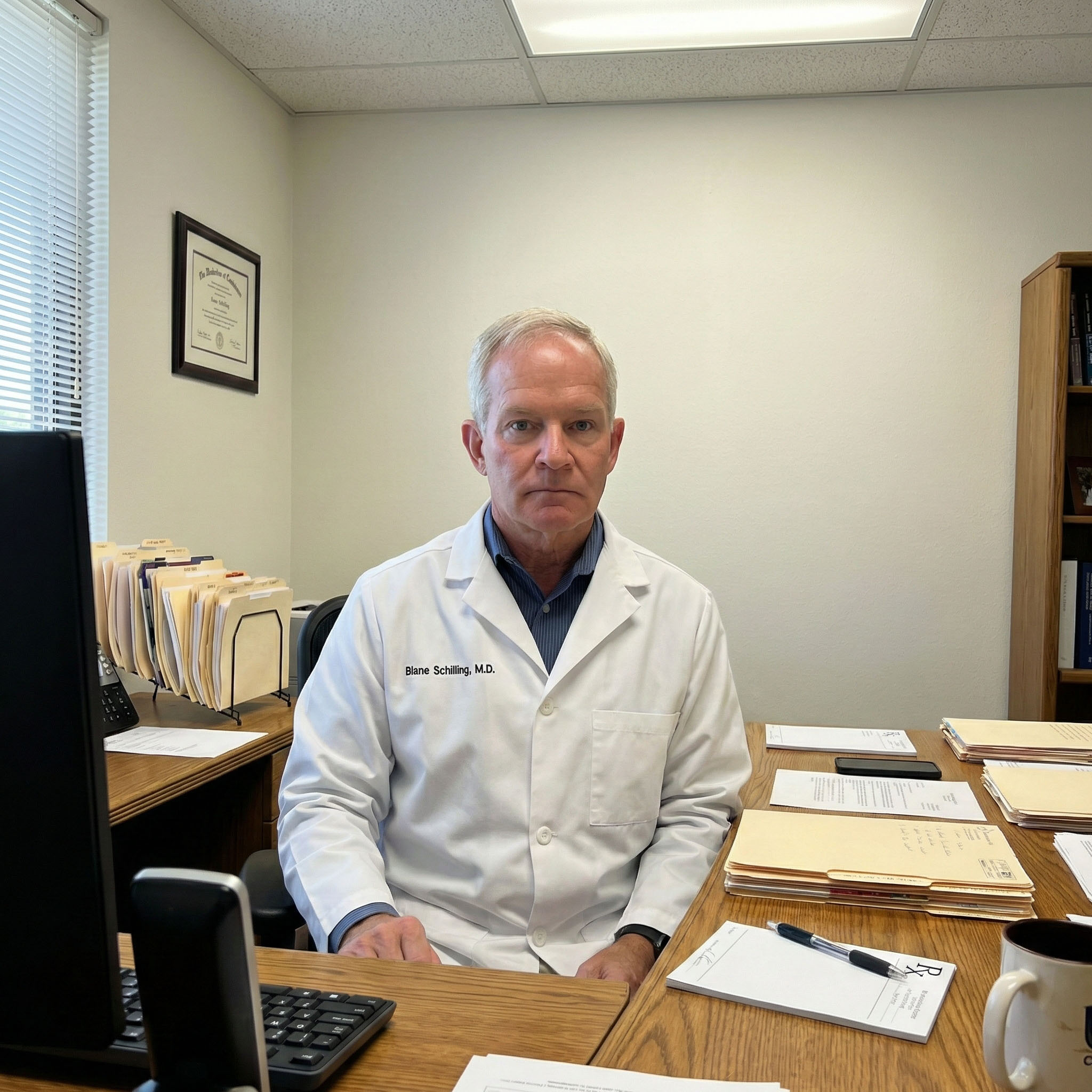
Dr. Blane Schilling, MD
Dr. Blane Schilling, MD Facebook ad: “Skip the knee replacement (here's how.)”
Ran for 22 days, from February 10 to March 4, 2026, the last day Crush saw it.
Run by Dr. Blane Schilling, MD on Facebook. Crush is not the advertiser and does not verify its claims. See this ad in Meta's Ad Library(opens in a new tab)
Want an ad like this for your product?
Crush makes new ad images for your product from this ad: your logo, your product photo, your offer.
Trials from $19.95 USD, then $79.95 USD a month. Cancel anytime.
About this ad
- Meta Ad Library ID
- 826680653720814
- Platforms
- Facebook, Instagram, Audience Network, Messenger and Threads
- Relaunches
- 0
Ad text
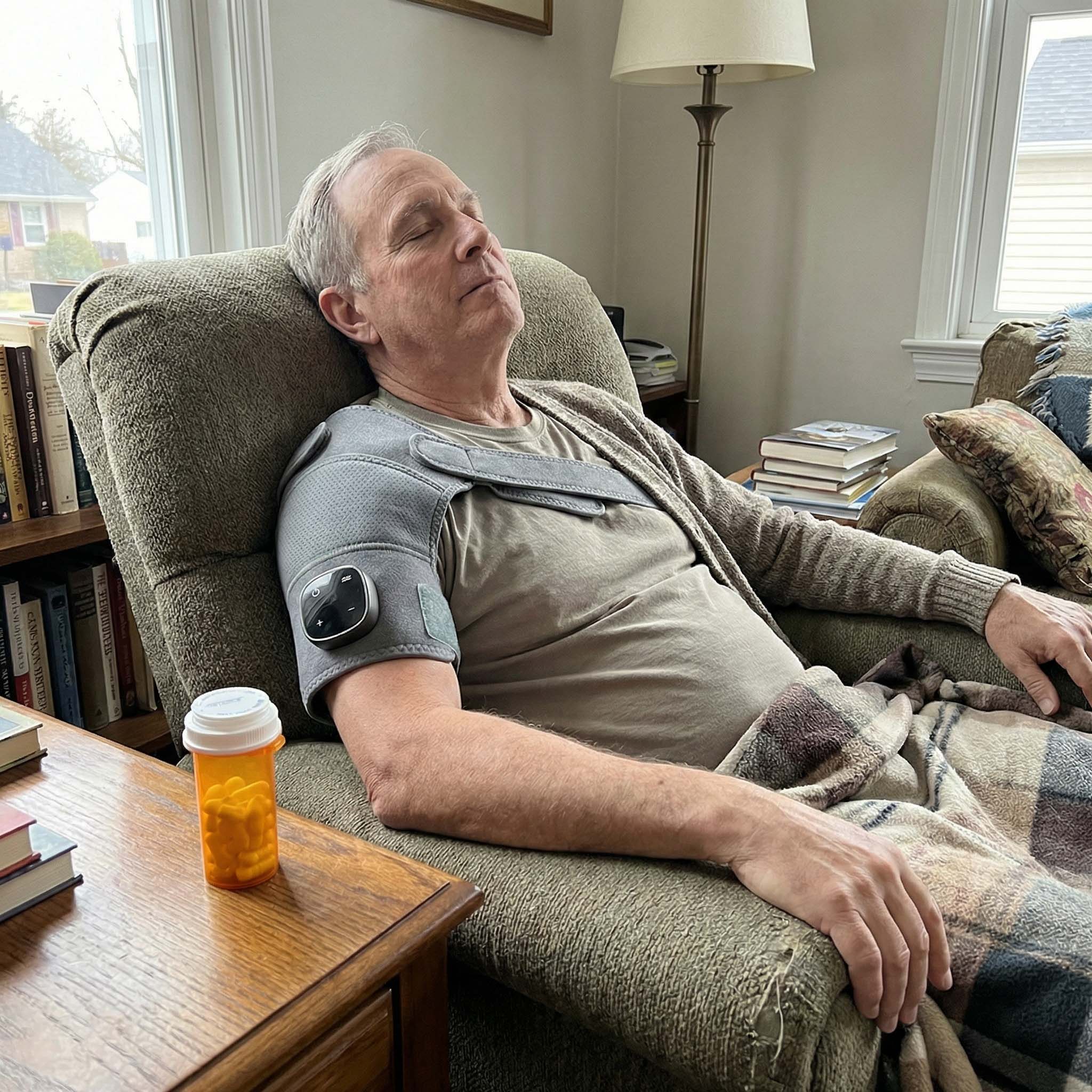
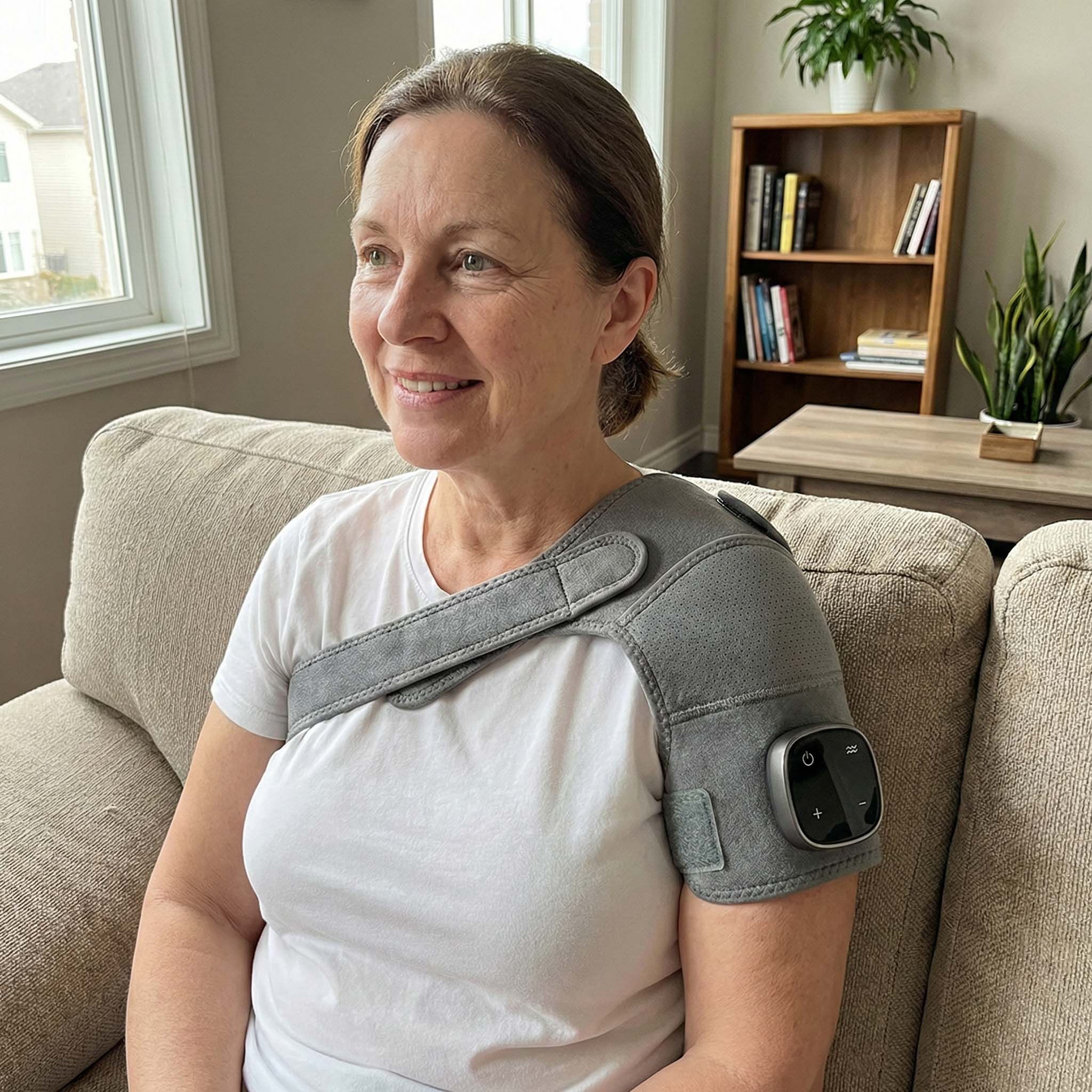
I've performed over 200 knee replacements in my career. And for years, I believed it was the right thing to do. Replace the damaged joint, and the pain goes away. That's what every textbook says. The surgeries work. Patients walk out pain-free after recovery. But after enough years in practice, something started to bother me. Some patients I operated on would come back a year later and say, "My new knee feels... stiff. Not painful, but not right either." Others would ask, "Doc, do you think I really needed this surgery? My neighbor fixed her knees without it." And some would tell me their other knee was starting to hurt, and they were terrified of going through surgery again. That last one kept me up at night. I remember one patient clearly. A 68-year-old grandmother named Dorothy. She'd spent 40 years as a nurse, on her feet, lifting patients, walking hospital hallways. She came to me with severe bone-on-bone pain in her left knee. That grinding, creaking sound every time she stood up. Classic end-stage osteoarthritis. I told her what I tell everyone: "Your cartilage is gone. Knee replacement is the best option." We scheduled the surgery. But two weeks before her date, she called and canceled. She said, "I'm sorry, Doctor. I'm just not ready." I understood. Surgery is scary. Recovery is brutal. I told her to call when she was ready. Six months later, I ran into her at the grocery store. She was walking without a limp. I said, "Dorothy, you're moving so well. Did you have the surgery somewhere else?" She smiled and said, "No, Doctor. I found something else that worked." That confused me. "What do you mean 'something else'? You had bone-on-bone arthritis. There's no cartilage left to save." She said, "That's what I thought too. But it turns out my cartilage wasn't gone. It was just dried out." I didn't know what to say... She pulled out her phone and showed me this device she'd been using at home. Fifteen minutes a day. Heat, vibration, and compression. She said, "It rehydrated my cartilage. The grinding is gone. I can get on the floor with my grandkids again." I smiled politely and said I was happy for her. But honestly? I thought she was confused... Cartilage doesn't just "rehydrate." If it's gone, it's gone. That's what I believed. But that conversation stayed with me... So I started digging. Late nights at my desk. Medical journals piled up. The same question repeating in my head... What if we've been wrong about "bone-on-bone"? Then I found it. A study from a joint research institute in Germany. It said: "Cartilage dehydration often occurs long before structural damage. In many cases, what appears as 'bone-on-bone' on imaging is actually severely dehydrated cartilage that has lost its cushioning ability - not cartilage that's been destroyed." I read it three times. The real issue wasn't that cartilage was gone. It was that cartilage was dried out... Like a sponge that's been wrung completely dry. It's still there. It just can't do its job anymore. And here's the part that hit me hardest: "Once cartilage loses hydration, compression increases. Inflammation increases. The grinding sound patients describe is often the final stage of a long dehydration process - not necessarily irreversible structural damage." It finally made sense. Your knee cartilage is like the shock absorbers in your car. When they're full of fluid, every bump on the road is smooth. But when the fluid leaks out and they dry up, every pothole rattles your bones. That grinding, creaking sound you hear when you stand up? That's not your bones being destroyed... That's bone-on-bone contact because your cartilage is too dried out to cushion anymore. Like a rusty door hinge that just needs oil... Your knee isn't broken... It's just dehydrated. And if that's true, then surgery might be premature for a lot of people. Because knee replacement removes the joint and replaces it with metal and plastic. It works... The pain stops... But it doesn't rehydrate cartilage. And if your cartilage is dried out - not destroyed - you might not need surgery at all. You just need to rehydrate it. Once I understood that, I started searching for ways to do it safely. Something noninvasive that could help the knee heal naturally before resorting to surgery. That's when I remembered Dorothy. I called her and asked about the device she'd shown me. She said it was called RejuvaKnee. She explained it uses three therapies that work together: ✅ Therapeutic heat ✅ Targeted vibration ✅ Progressive compression At first, I was skeptical... But then I looked up the research on each therapy. Therapeutic heat: Proven to increase blood flow to cartilage and help it absorb water and nutrients. Like watering a dried-out plant... Targeted vibration: Proven to reduce inflammation and improve joint mobility. Helps flush out the swelling that's been compressing the cartilage... Progressive compression: Proven to strengthen the knee and stabilize the joint. Mimics the natural pumping action that keeps cartilage healthy... The studies were clear. Each therapy works. But alone, they're not enough. Heat without compression just warms the surface. Compression without vibration can't reduce the inflammation. Vibration without heat can't rehydrate the cartilage. You NEED all three working TOGETHER. That's what RejuvaKnee does. And it was designed specifically for people with knee pain and osteoarthritis - not just another generic massager. I was still skeptical... But I had to know if this was real. So I tried it myself. As a surgeon, I'm on my feet all day. Decades of standing through long procedures had left my own knees stiff and achy. Not bad enough for surgery. But enough to notice. I laid down, strapped the device on my knee, and pressed the button. The heat came on first. Deep, penetrating warmth - not like a heating pad. This felt therapeutic... Then the vibration started... Gentle but strong. I could feel it working through the joint. Finally, the compression activated. A rhythmic squeeze-and-release that felt like it was pumping life back into my knee. Fifteen minutes later, it shut off automatically. When I stood up, something felt different... Not pain-free. Just... looser. Like my knee had space again. I used it every night for two weeks. By the end of that time, my morning stiffness was gone. I could squat down to pick something up without that grinding feeling. The ache that had been my constant companion for months had faded. I couldn't ignore that... So I started recommending it to patients who were on the fence about surgery. One of them, a 72-year-old retired mechanic, came back after three weeks and said, "Doc, I canceled my surgery. I don't think I need it anymore." Another, a 65-year-old woman who'd been limping for years, told me she walked a mile without pain for the first time in a decade. That's when I realized this wasn't a coincidence... When you rehydrate cartilage, when you give the knee what it needs - blood flow, reduced inflammation, and compression to pump nutrients in - the body knows how to heal. We just have to stop rushing into surgery before we've tried. I still perform knee replacements when they're truly necessary. But I don't schedule them as quickly as I used to... Because here's what I've learned: You can't replace your way to cartilage health. Surgery removes the problem... But RejuvaKnee restores what's been lost. And when cartilage is just dried out - not destroyed - restoration is always better than replacement. That's why I recommend RejuvaKnee now. Not because it's flashy or because I get paid to say this (I don't). But because it addresses what's actually happening inside the knee. It rehydrates dried-out cartilage, reduces the inflammation that's been compressing it for years, and strengthens the joint so it can function again. And when you do that, the grinding stops. The pain fades. The knee remembers how to move. I'm not sharing this as a sales pitch... I've just seen too many people go under the knife without ever hearing this explanation. If you're someone who's been told surgery is your only option, please, take a step back. Ask yourself: Is my cartilage destroyed? ...Or is it just dehydrated? Because if it's dehydrated, you might be able to fix it without surgery. And even if you do need surgery someday, you can always do it later. But you can't un-do surgery. For me, this discovery changed the way I practice medicine. For Dorothy and patients like her, it changed their lives. And for you, it might be the thing that keeps you out of the operating room. Here's the link if you want to learn more: https://secure.rejuvacare.com/rjk-adv-v3?affId=15F62B53 No pressure. Just information I wish every patient had before they let someone cut them open. Sometimes healing doesn't come from the scalpel. Sometimes, it comes from giving your cartilage the hydration it's been missing for years...
Where the ad sends people
secure.rejuvacare.com
Skip the knee replacement (here's how...)
Learn more: secure.rejuvacare.com(opens in a new tab)