NK Institute - RTO 31750
NK Institute - RTO 31750 Facebook ad: “Not all stored emotions are the same.”
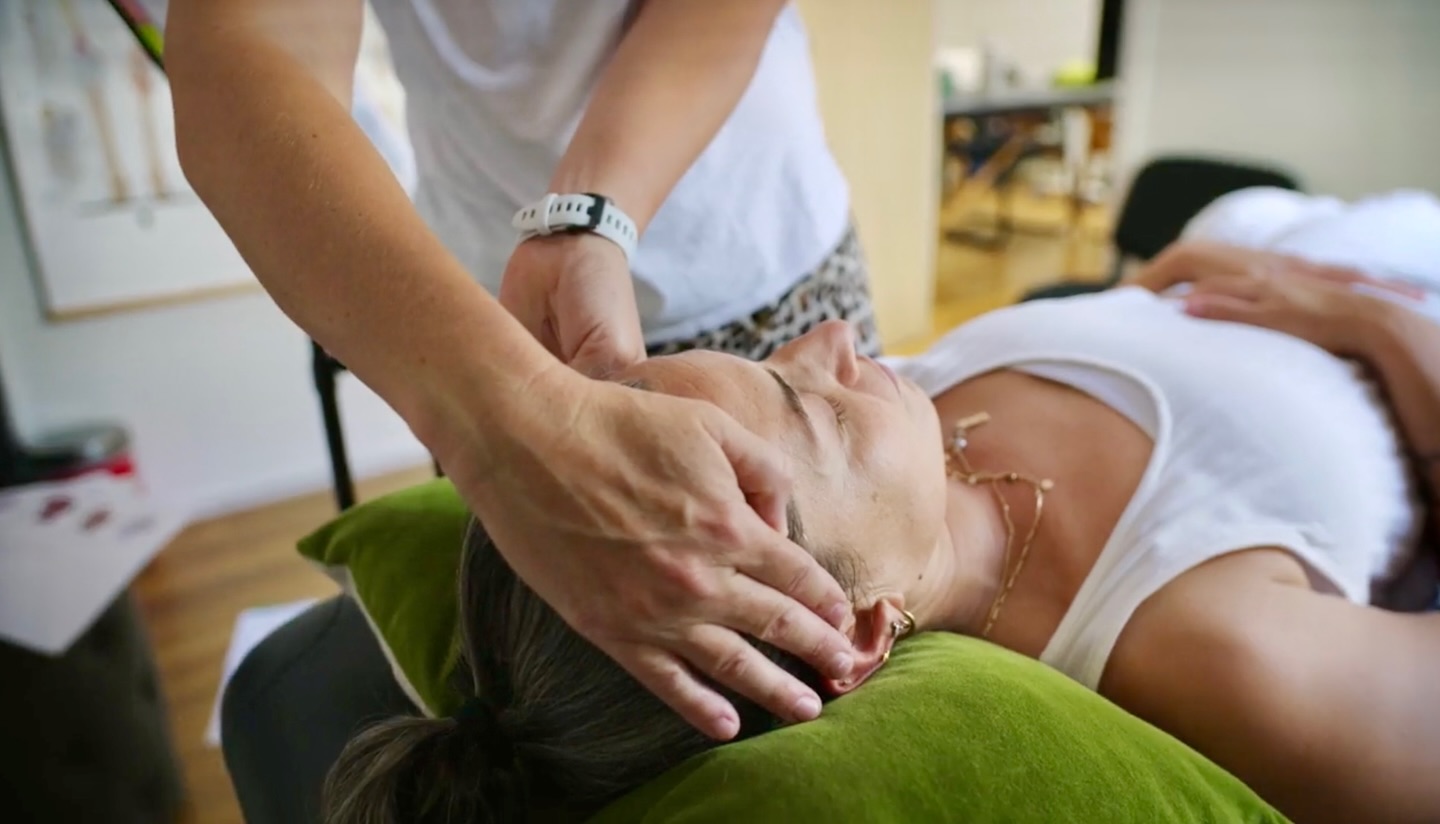
Ran for 42 days, from March 18 to April 29, 2026, the last day Crush saw it.
Run by NK Institute - RTO 31750 on Facebook. Crush is not the advertiser and does not verify its claims. See this ad in Meta's Ad Library(opens in a new tab)
Want an ad like this for your product?
Crush makes new ad images for your product from this ad: your logo, your product photo, your offer.
Trials from $19.95 USD, then $79.95 USD a month. Cancel anytime.
About this ad
- Meta Ad Library ID
- 828373870274980
- Platforms
- Facebook, Instagram, Audience Network and Messenger
- Relaunches
- 0
Ad text
Not all stored emotions are the same. The body doesn’t just “hold emotion” - it organises it. Different tissues store different types of emotional experience, depending on how that experience was processed (or not processed) at the time. For example: • Muscles → subconscious suppression patterns (what you held back or pushed through) • Connective tissue → longer-term adaptive patterns (what became your baseline) • Fat (adipose tissue) → protective storage (what felt too much, too fast, too soon) • Bones → deep unconscious imprints (what sits beyond everyday awareness) • Mucous membranes → self-protection and internalised behavioural patterns • Hair → our conscious emotional history There’s also a distinction within the body: Some emotions are actively suppressed Some are locked away for protection Some are on standby - available to be processed and resolved Adipose tissue is a good example of this spectrum. It’s not just passive storage - it’s metabolically active and responsive to the state of the system. You’ll often see three broad states: • Stored (protected) - held in white adipose tissue • In transition - shifting toward metabolic availability • Ready to be metabolised - associated with increased mitochondrial activity and “browning” (more metabolically active tissue) This mirrors what we see clinically: The body only “releases” what it has capacity to process. This is why two people can have similar symptoms - but completely different underlying emotional patterns. It’s not just what you feel. It’s how your system organised that experience. And this is where kinesiology becomes powerful. As stress is unwound from the system, patterns move from protected → available → processed. You’re not forcing release. You’re increasing capacity. And as these patterns move into conscious awareness, something shifts. You’re no longer reacting from what’s stored. You’re responding with choice. That’s where real empowerment lives. #maketheunknownknown #anchoredinscience #spiritualinessence @nkinstitute