
Active· since Jun 9, 2026
- 96
- days running
- 0
- relaunches
Ad copy
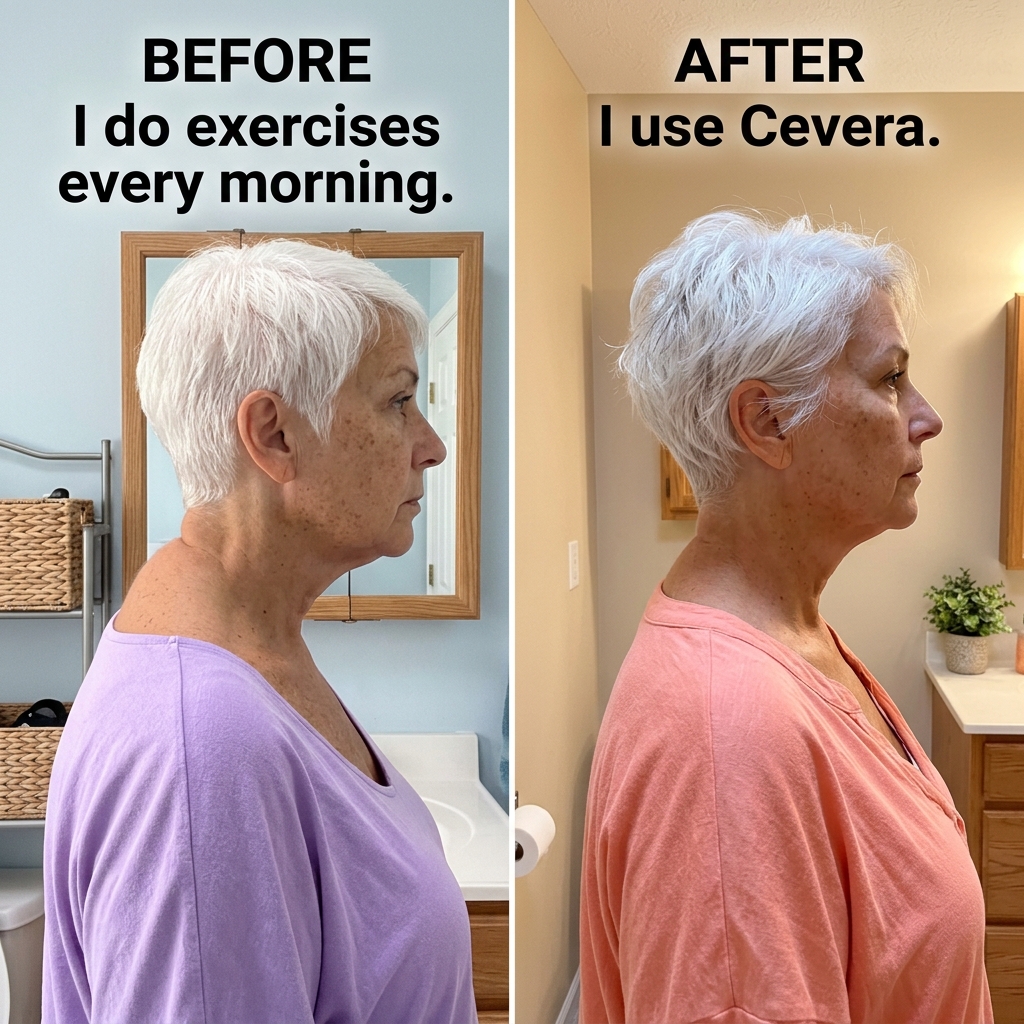
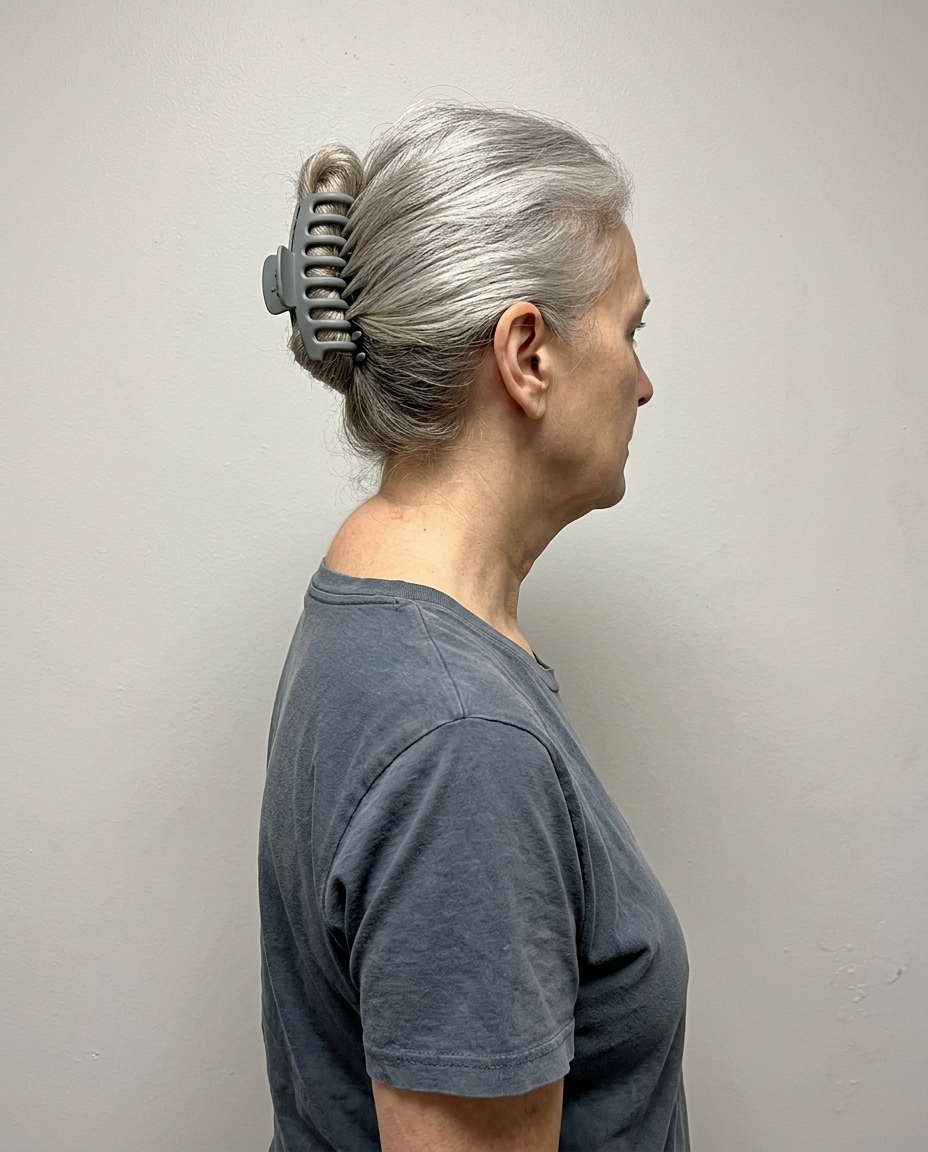
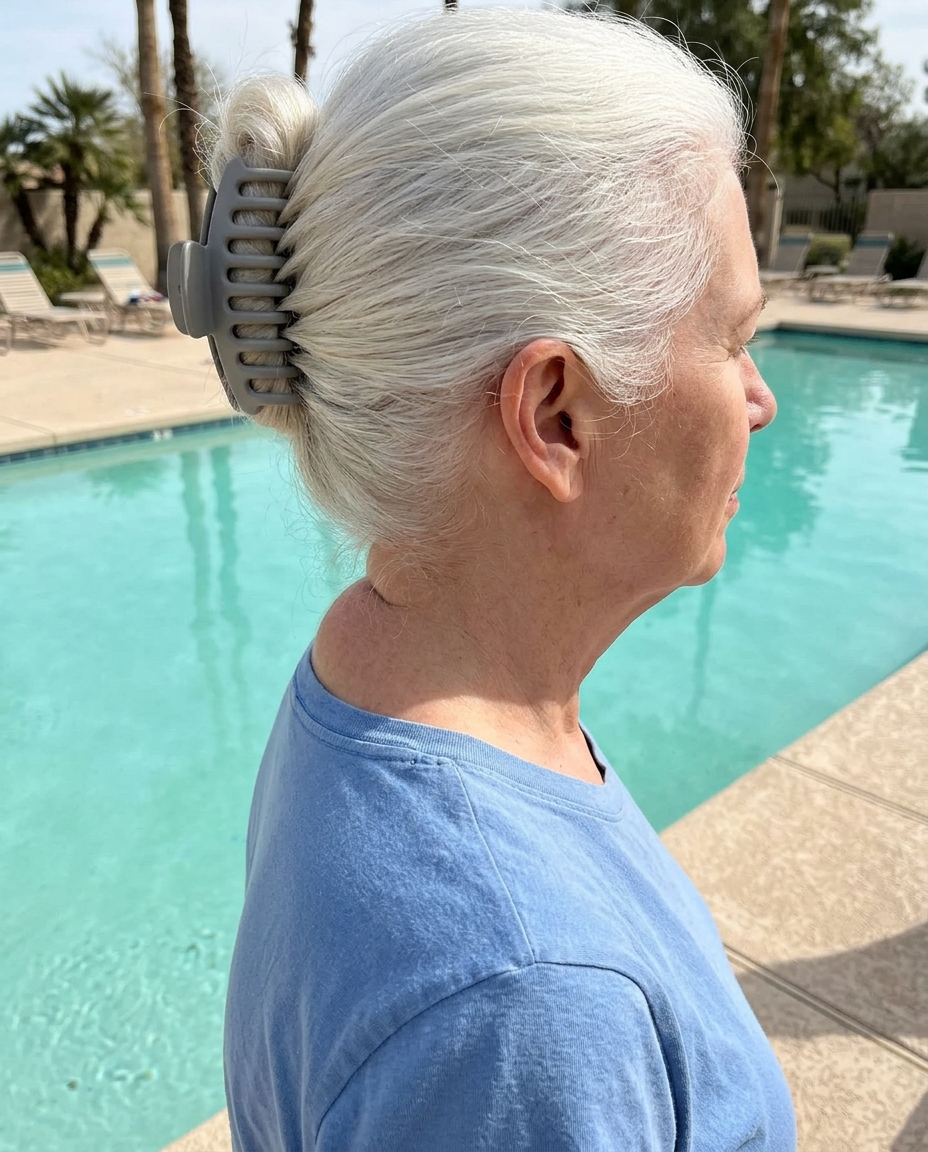
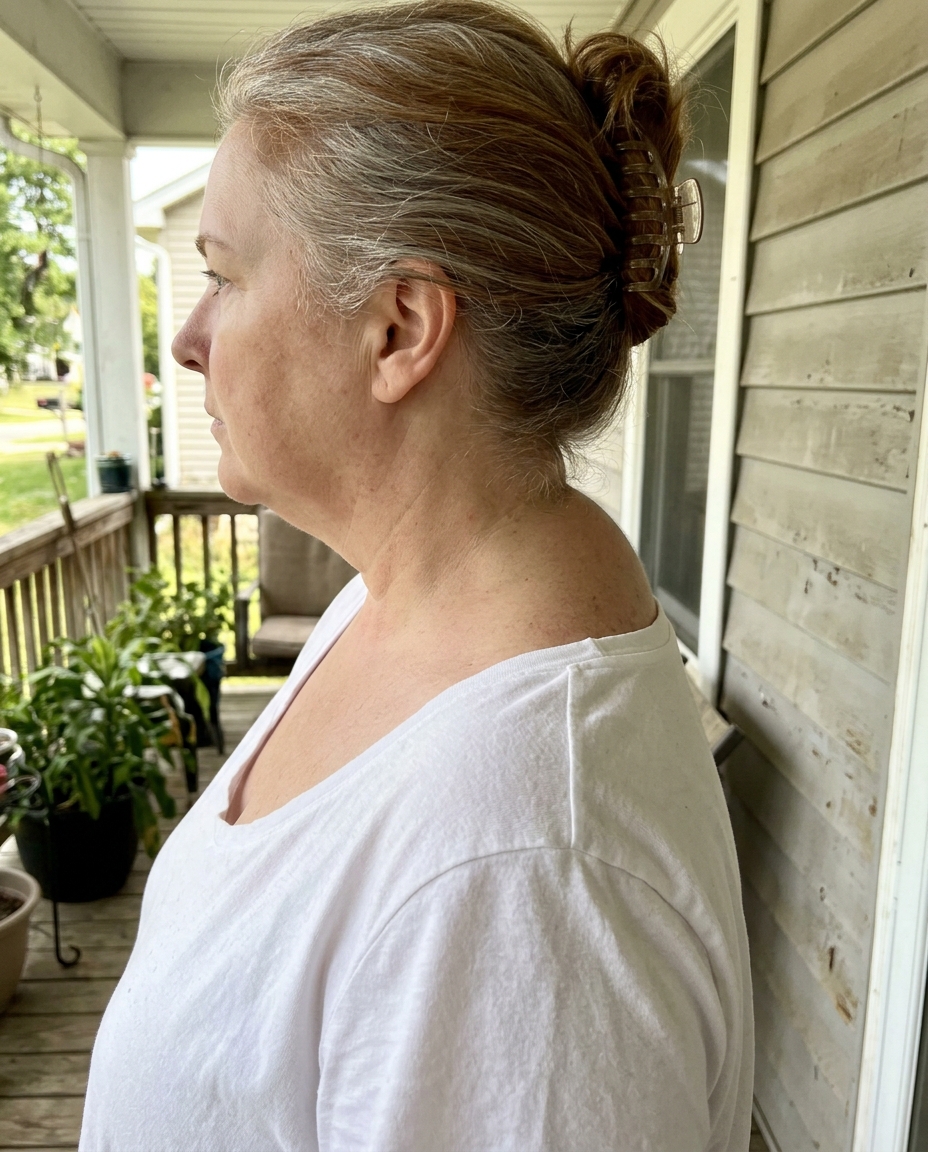
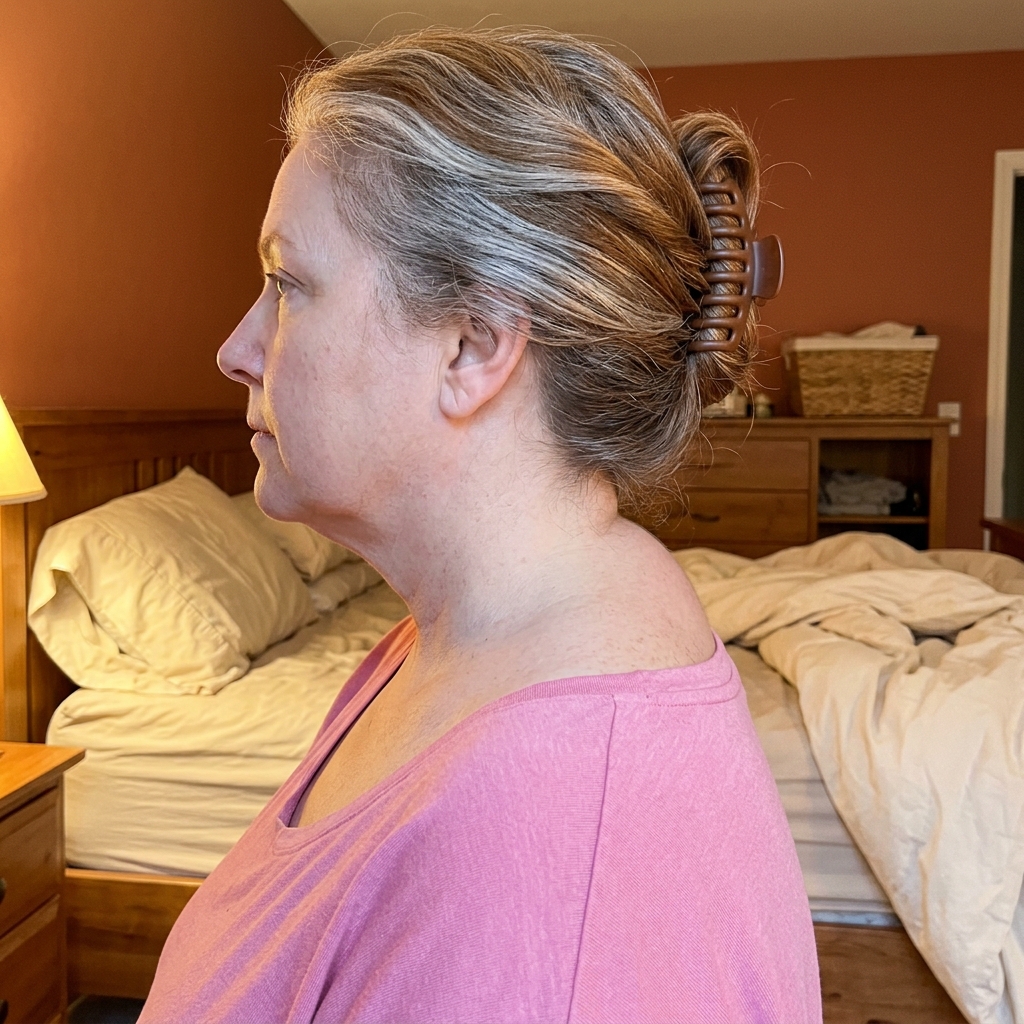
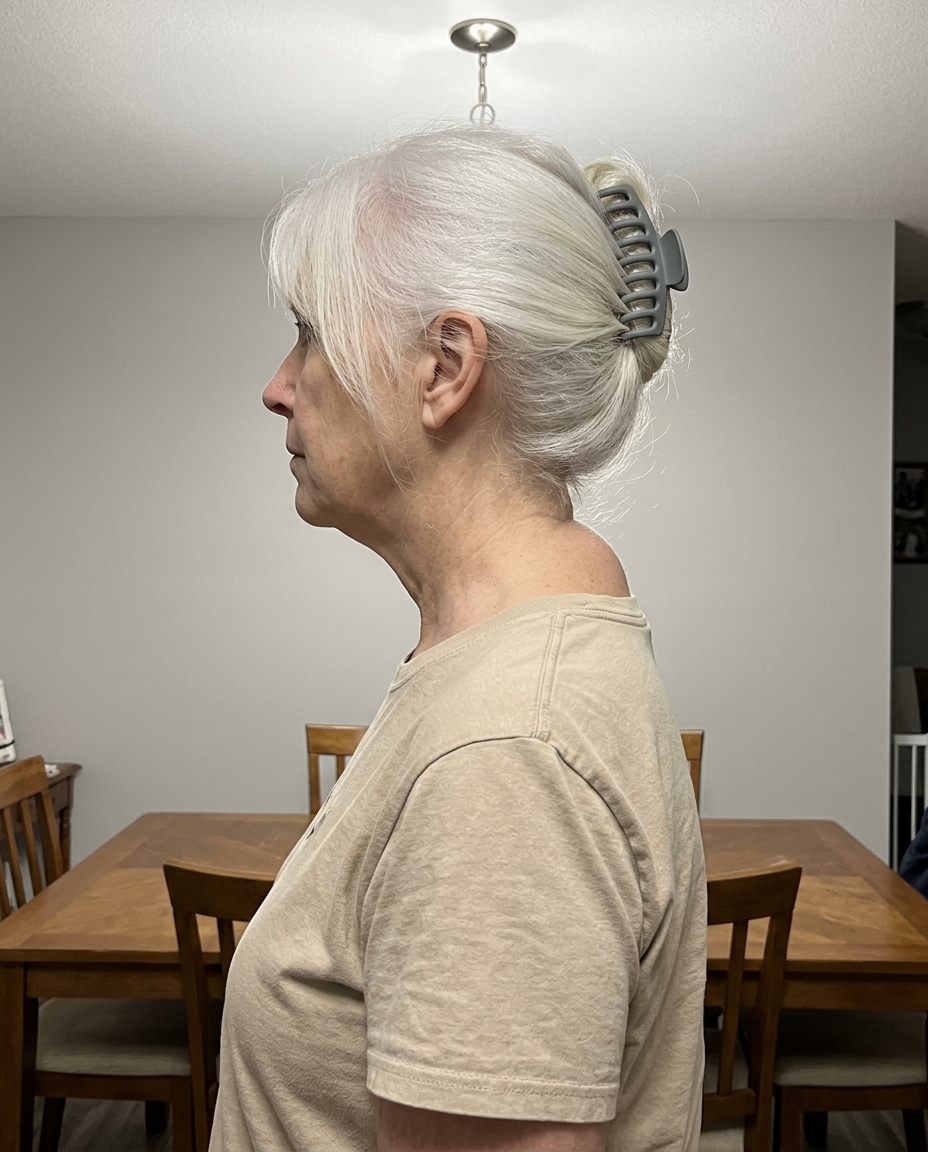
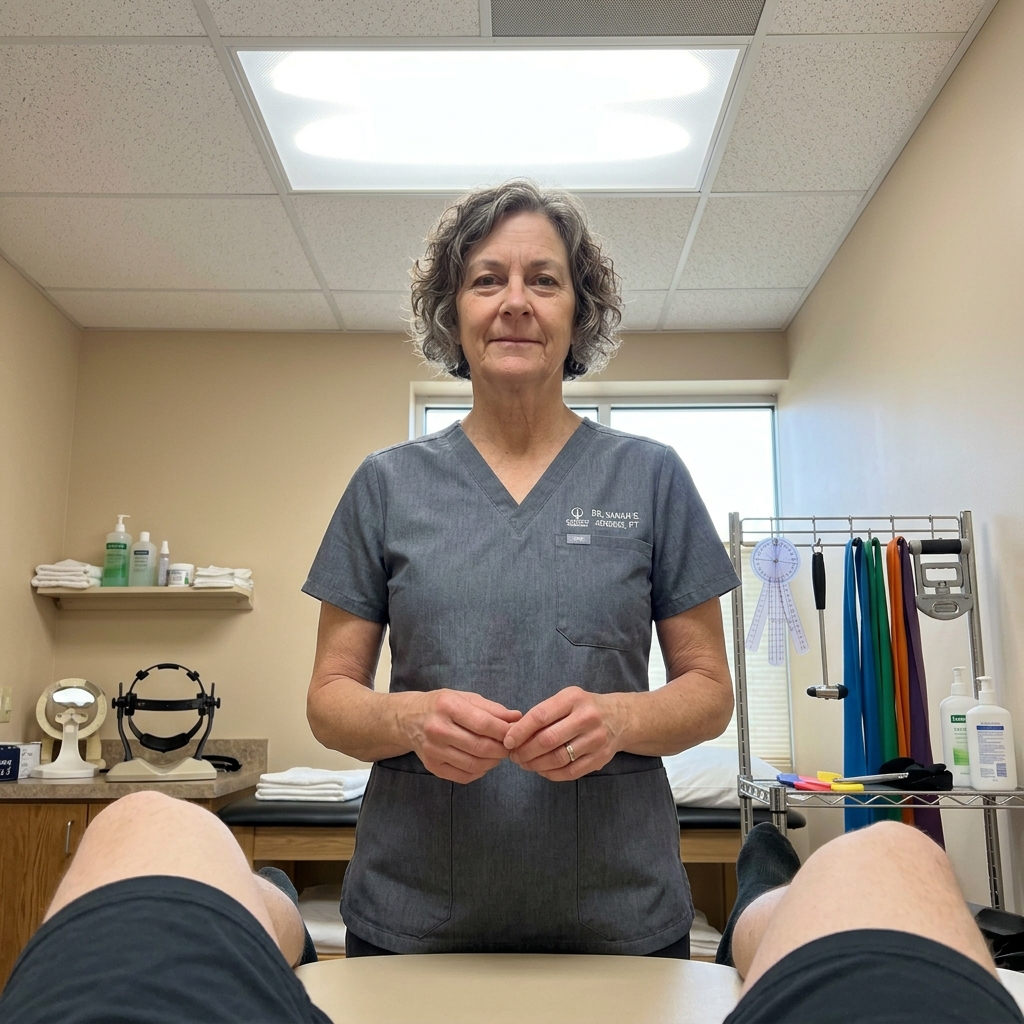
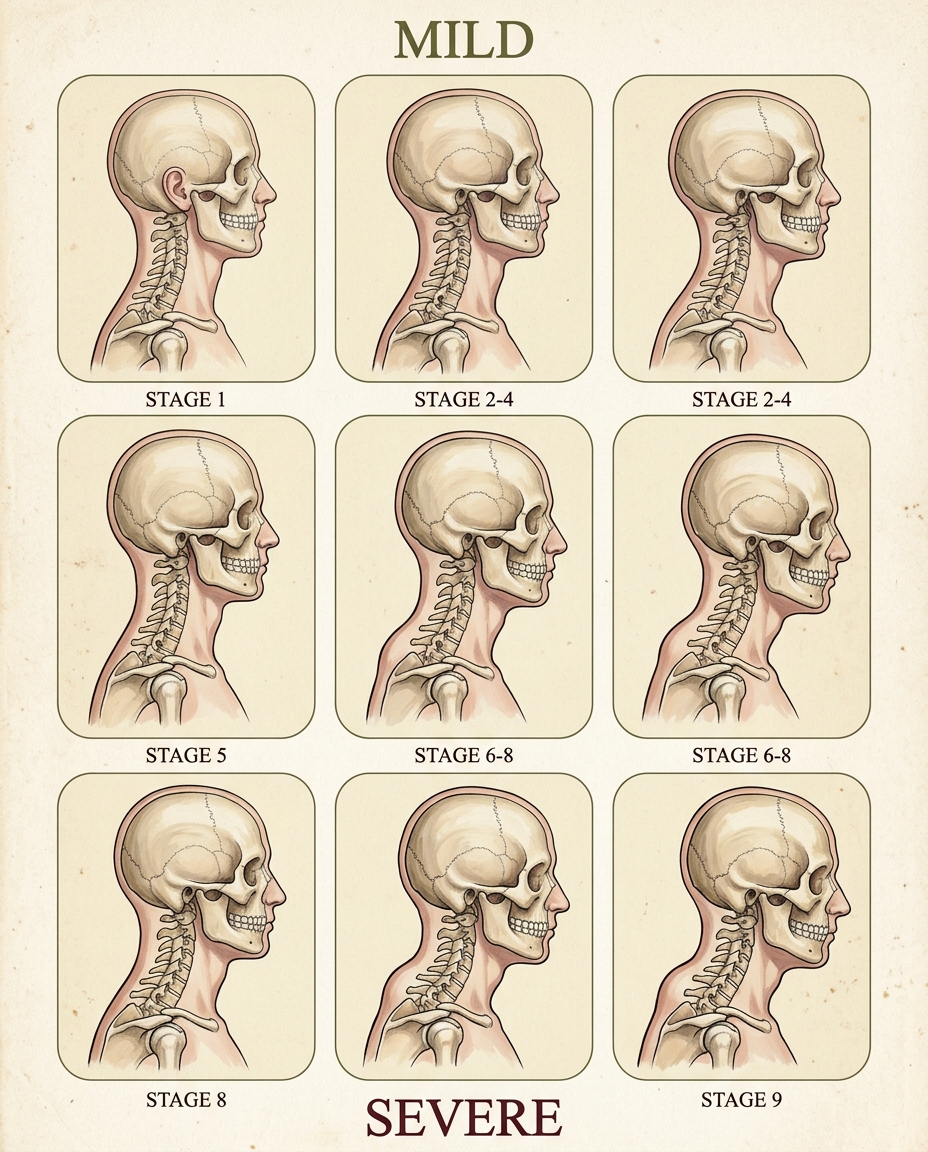
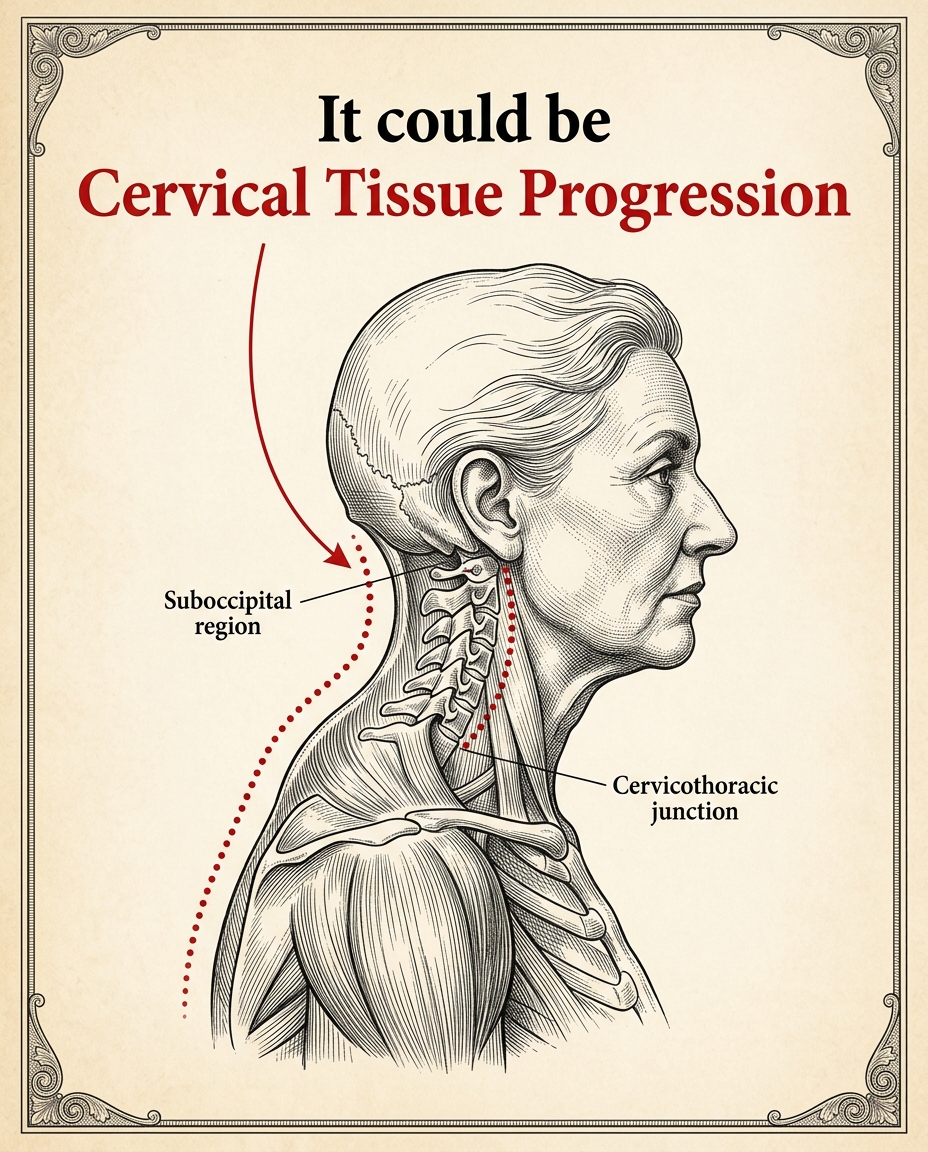
Twelve practitioner appointments. Three specialist referrals, one imaging series, countless assessments. And not a single practitioner thought to ask me one simple question. The question that would have explained everything. The question that took me YEARS to figure out. ======== I'm 62. And for the past three years, I've been watching a neck hump build that no one could adequately explain. And honestly? I was starting to think I was losing my mind. It started small. Just this awareness when I caught my reflection unexpectedly. The kind of thing you brush off. Slept at an odd angle. Need a better pillow. Finally feeling my age. But it didn't go away. It got worse. The tissue started showing in photographs. I'd look at images from family events and spend ten minutes examining them before I could move on. That particular angle. That particular light. The way the cervical line read from behind. Like someone was slowly adding something to the back of my neck that I couldn't stop noticing — and couldn't stop others noticing either. I'd check my reflection from the side every morning. Twenty minutes later, same check at the hallway mirror. Same check again before leaving the house. My husband started calling me the mirror inspector. I laughed the first few times. By month four, I wanted to stop getting dressed entirely. ======== Here's what no one tells you about a building neck hump: It's not just the tissue. It's everything the tissue takes from you. By month six, I was spending forty minutes getting ready every morning just on positioning. I'd stand at the wardrobe feeling like I'd aged twenty years overnight — this deep resignation that certain things just weren't going to work anymore. Photographs became something I had to psych myself up for. That automatic step backward at every gathering. The calculation of which side to stand on, which angle, whether there would be cameras at this event. I started planning my whole social life around avoiding documentation. I stopped going to my Thursday morning book club. Cancelled on my sister's birthday dinner. Skipped my nephew's school play because the positioning required for the group photographs afterward felt like more than I could manage. I was becoming the woman who always had a reason she couldn't come. That wasn't who I was. I used to be the one organising things. Arriving first and leaving last. First one to suggest a photograph, last one to step out of it. I once spent an entire weekend at a family reunion appearing in every single group shot from the front. Now I was the one people had learned to seat with their back to the room. ======== And the mornings... God, the mornings were the worst. I'd stand at the mirror in the early light, the wardrobe open behind me, brain running through every option and rejecting most of them. Convinced something was fundamentally wrong. Not a phase. Not something that would ease. Something permanent, progressing, quietly getting worse while practitioners kept telling me everything was "manageable." I'd catastrophize for the full duration of getting ready while my husband moved through his morning in fifteen minutes and asked if I was almost ready. One morning — maybe month eight or nine, I'd stopped keeping careful track by then — he came to stand behind me while I was at the mirror. This thing he'd done easily for thirty years. His hand rested on my shoulder, casual, half-awake. And I turned away. Couldn't help it. Not because of him — because of the angle it put us both at in the reflection. He didn't say anything. But I saw his face in the bathroom mirror. I still think about that look. We don't stand together at mirrors anymore. Not like we used to. And I can't tell if it's because I've turned away so many times he's stopped offering, or because I've started preemptively positioning myself away from reflective surfaces whenever he's nearby, protecting that view like it's made of glass. Probably both. ======== That was the week I finally went back to my practitioner. She assessed my cervical zone, asked if the tissue was here (yes), here (significantly yes), and here (I nearly flinched at the measurement). She nodded like she'd confirmed something expected. "Cervical tissue progression. Quite common at your stage. Keep attending sessions, work on your postural habits, should stabilise in a few months." It didn't. Two months later, I was back. She referred me to a specialist. He looked at my imaging for maybe sixty seconds while I sat there in the assessment room, feeling like a case study. "Some established progression. Normal accumulation pattern. You're what, early sixties?" He said it like that explained everything. "We can try an intensive protocol if the standard sessions aren't holding." The first intensive period actually helped. For about three weeks, I felt almost like myself. Got dressed in under twenty minutes two mornings in a row. Started making plans again. Then it came back. Worse somehow. Second intensive period lasted maybe ten days of improvement. Third one didn't seem to move the measurements at all. I went to another specialist — paid out of pocket because supposedly she was "the best." Same answer. Tissue progression. Accumulated load. "Have you considered increasing your home management routine?" So I tried it. Twice daily for two months. Foam roller, cervical pillow, structured morning stretches that were supposed to "wake up the stabilising muscles." But every morning, the tissue was the same. Sometimes the calculation was longer after intensive home management — there were days when I could barely face the mirror after a full routine. When I told my therapist it wasn't helping, she looked almost concerned. "You have to trust the process." I stopped going after ten weeks. Couldn't justify the time and cost for something that wasn't lasting. Here's the thing about progression that doesn't respond to treatment: practitioners start looking at you differently. You can see it. The slight recalibration. The barely-hidden reassessment. The unspoken suggestion that maybe your expectations are unrealistic. One practitioner asked if I'd "considered speaking to someone about the psychological component." Took me a moment to realise she meant a therapist for the anxiety around the tissue. I drove home and sat in my car in the driveway for twenty minutes, engine off, just looking at my front door. Wondering if this was just my life now. Wondering if I really was being dramatic. Wondering if everyone was right and I just needed to accept that this is what sixty-two feels like. Wondering how many more years of morning calculations I could actually manage. That was my lowest point. ======== Here's what I need you to understand about those three years and twelve appointments: Every single practitioner asked me the same questions. Where is the tissue building? How long has it been progressing? Has it changed recently? What makes it more visible? What makes it less? Any history of injury? What's your activity level? Family history of cervical conditions? They asked about my screen habits. My exercise routine. My stress levels. Whether I'd tried yoga. Whether I'd tried reducing forward head positions. Whether I'd tried "just being more aware." But not ONE of them — not my GP, not the specialists, not the manual therapist, not the imaging team — asked me the question that actually mattered: When did this start relative to when my overall musculoskeletal system began to shift? It never even occurred to me to connect the two. Why would it? Everyone talks about the management protocols. The postural habits. The session frequency. The home routine compliance. But tissue that builds despite all of it — despite doing everything right for three years? Nobody explains that. It's not in any of the management guidelines. Your specialist doesn't bring it up. Your friends talk about their sessions over coffee — nobody's talking about why the tissue keeps building anyway. So I never made the connection. Until 2:47 AM on a Tuesday. I remember the exact time because I'd been lying awake for hours. I was scrolling through my phone because sleep wasn't coming and I needed something to do besides lie there counting the mornings I still had to get through. And I found this video from a cervical biomechanics researcher. I almost kept scrolling. I'd watched dozens of videos by then. Read hundreds of articles. Tried every protocol, every tool, every sleeping position anyone had ever suggested. None of them told me anything I hadn't already heard. But something made me click. Maybe it was the 2 AM exhaustion. Maybe I was just too tired to keep scrolling. Maybe some part of me wasn't ready to accept that the tissue was just going to keep building. Whatever it was, I'm grateful for it every single day. Because about two minutes in, this researcher asked a question that made my whole body go still. "Does your tissue keep building even when you're doing everything right?" I paused the video. Sat up in bed. The mirror on the wardrobe catching my reflection from across the room, but for once I barely noticed. Does it? I tried to think clearly. When did the management stop holding? Not the bad progression — the early stuff. The first time I noticed the sessions weren't lasting the way they should. I thought back. When did the tissue first start re-engaging faster than the sessions could address? When did the morning calculation first become a fixed part of my routine? When did I first feel that the issue was running underneath the management rather than being addressed by it? And I realized: it had always been this way. Every management protocol had helped temporarily. None of them had reached the underlying mechanism. None of them had ever addressed why the tissue kept re-building between sessions. I'd never connected those two things. In three years of practitioners and assessments and failed protocols, I'd never once thought: wait. The tissue keeps building because something underneath is driving it that the sessions never reach. Is that what's actually happening? And nobody — not a single professional — had ever suggested it might be. I pressed play. And what this researcher explained over the next ten minutes: About what's actually happening at the base of the skull — the release mechanism that's supposed to fire after every forward movement but has gone dormant. About why standard sessions mobilise above it without ever reaching it. About why the tissue keeps building regardless of what happens during the session. About the three simultaneous inputs the mechanism needs to actually fire — and why none of the tools most women use deliver all three at once. ======== I'm not going to tell you this video will be your answer. I don't know your body. I don't know your situation. I don't know what's driving your specific tissue progression. But I know this: If you've been managing your neck hump for years and the tissue keeps building anyway... If practitioners keep calling it normal progression while the protocols don't hold... If you've started wondering whether you're just being unrealistic, whether this is just getting older, whether you should just accept it and stop trying... Watch this video. It's about ten minutes. It might be the first thing about your neck hump that actually makes sense. I'm not saying that to sell you anything. I'm saying it because I spent three years building tissue I didn't need to. Three years of my life. Three years of morning calculations. Three years of slowly turning away from my husband, my friends, my own reflection. I don't want that for you. Click below. Watch it tonight. And maybe, FINALLY, you'll have the answer to the question no one thought to ask. 👉 https://trycevera.com/pages/adv-womens-wellness-report
Like this ad? Make it yours.
Crush rebuilds this exact creative around your product — your brand, your colors, your offer — in about a minute.