
Inactive· since Apr 8, 2026
- 50
- days it ran
- 0
- relaunches
Ad copy
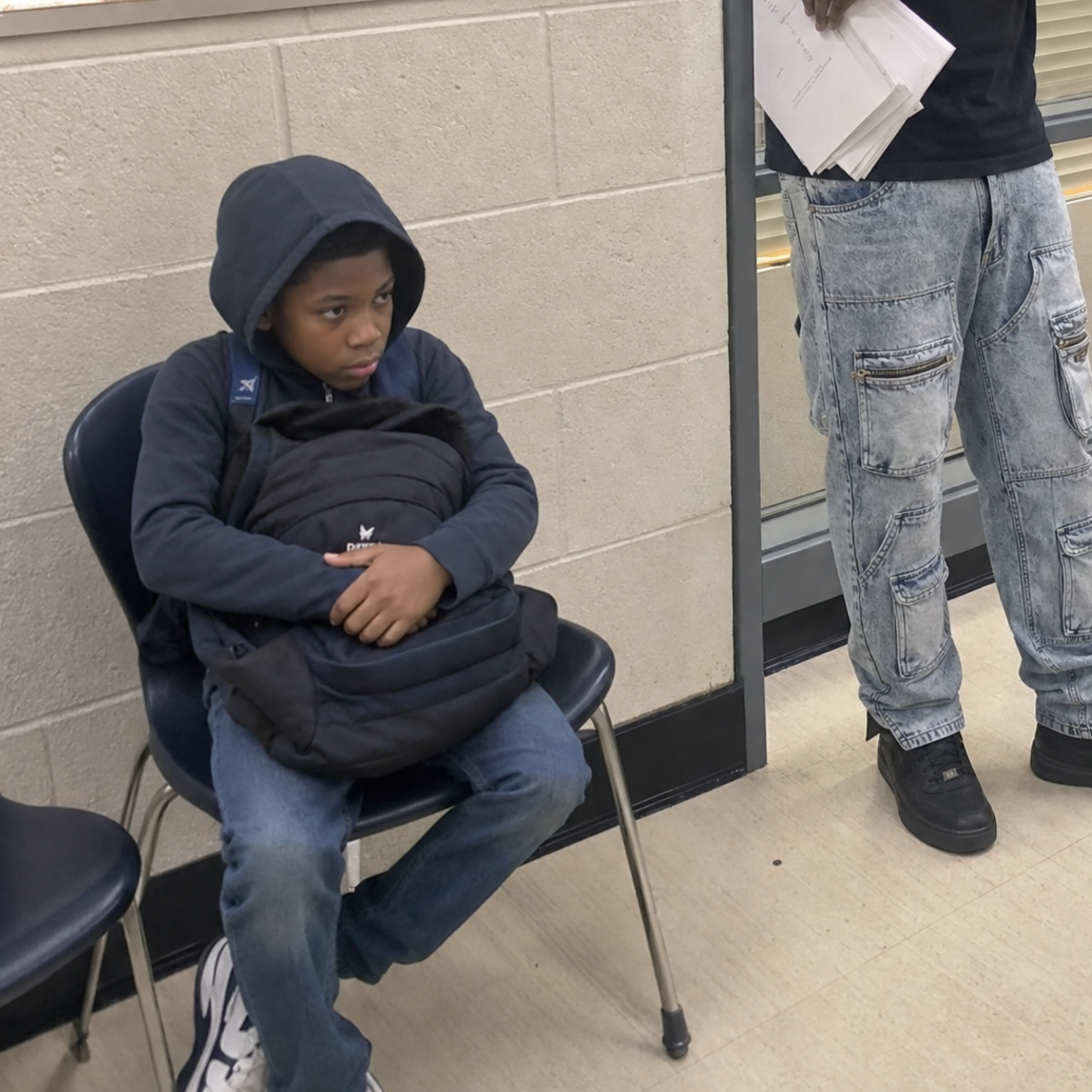
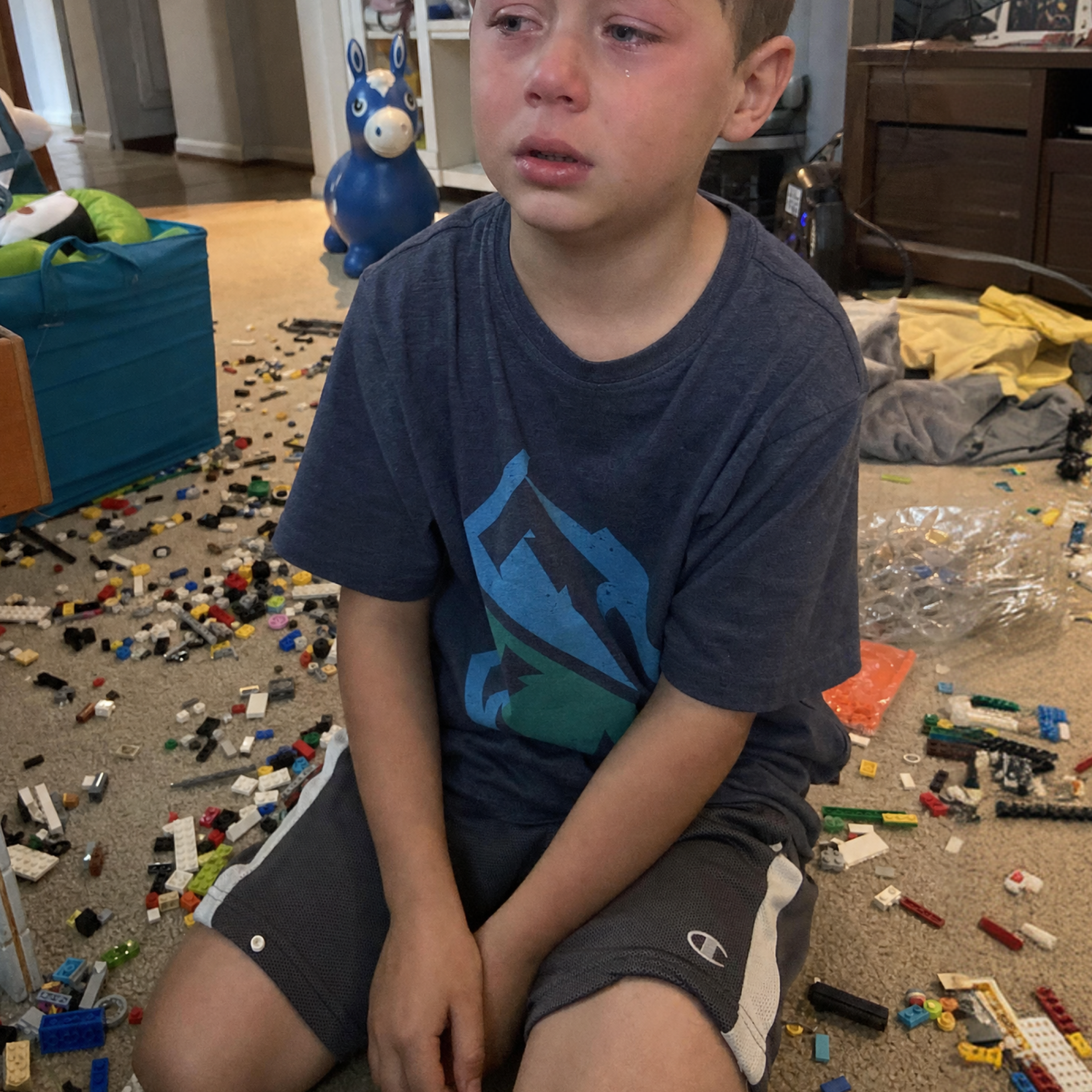
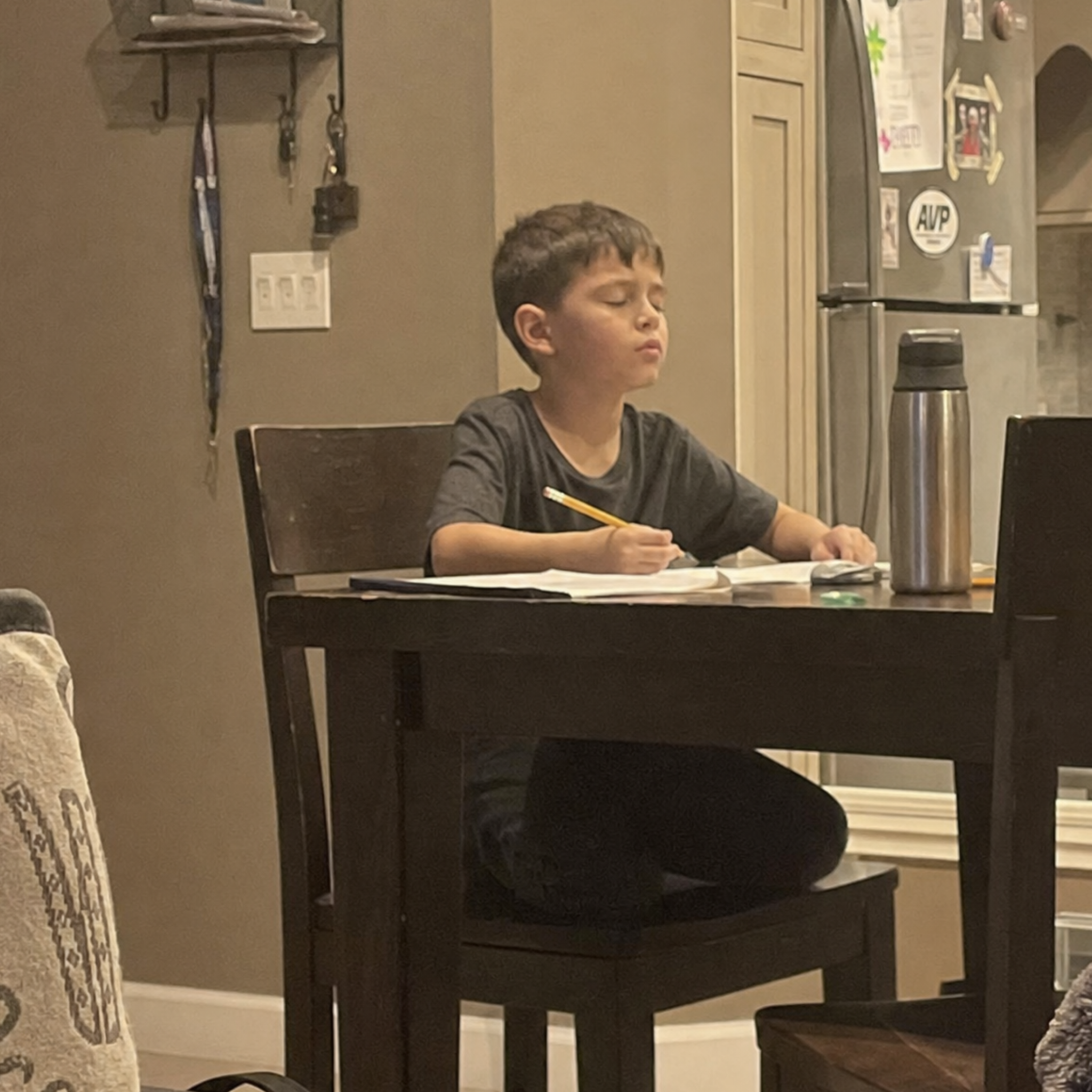
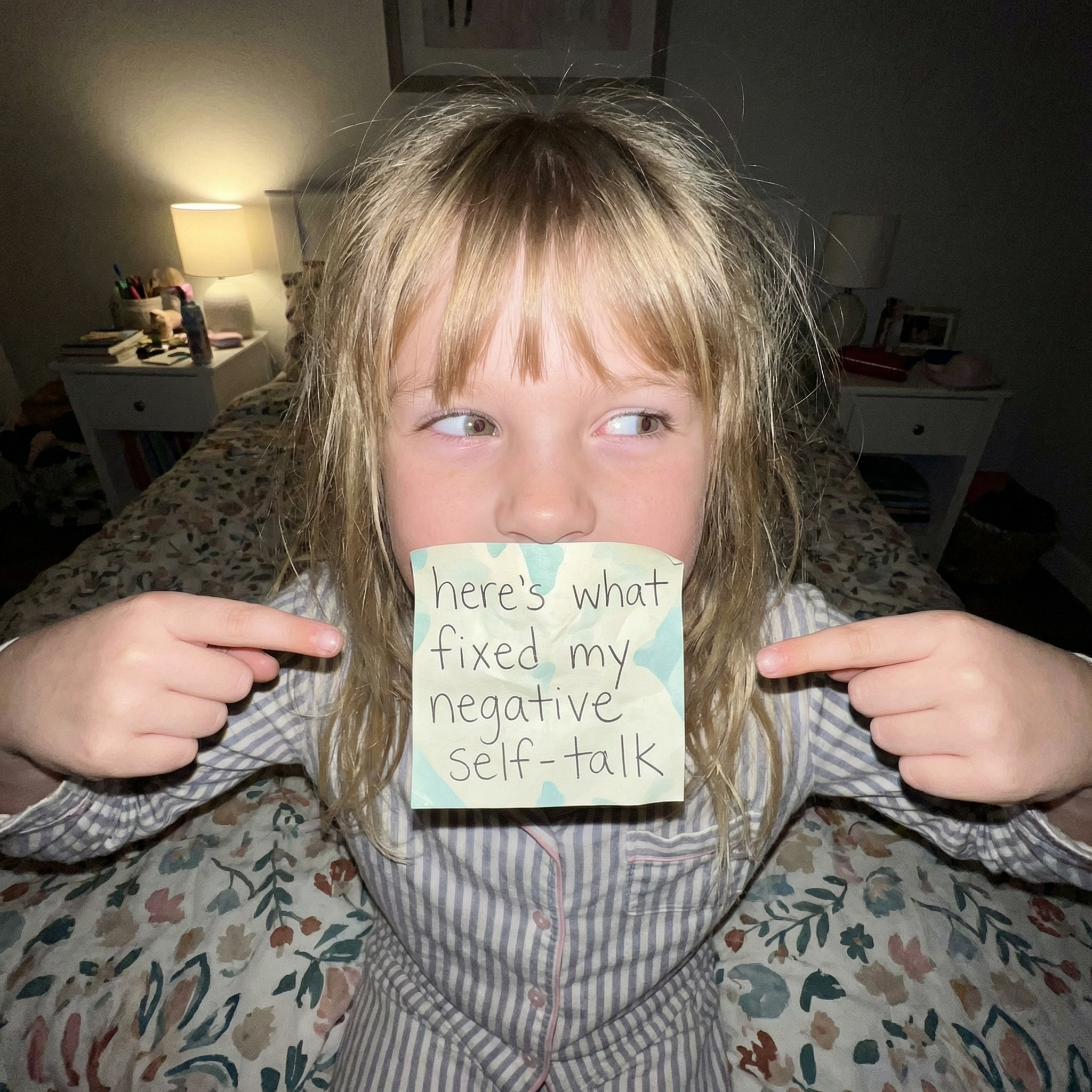
Six months ago, my son's inner dialogue was brutal. And I don't mean normal kid stuff. I mean the kind of self-talk that stops you mid-sentence when you overhear it. "I'm the worst." "I can't do anything." "Everyone's better than me." "Why am I so stupid?" He'd say these things casually. Like he was stating facts. Like the sky is blue and he's worthless. The first time I heard it, I corrected him. "That's not true! You're so smart!" The hundredth time I heard it, I realized my corrections weren't working. He'd nod. Look away. And say it again the next day. I tried everything. Positive affirmations at bedtime. He rolled his eyes. A gratitude journal. He wrote the same three things every day and nothing changed. Therapy. He liked the therapist. But one hour a week couldn't undo what he was telling himself the other 167 hours. I tried ignoring it, hoping it was a phase. It wasn't a phase. It was getting worse. And here's the part that scared me most: He wasn't just saying these things. He was living by them. He stopped raising his hand in class. Stopped trying new things. Stopped putting himself out there at all. Because when the voice in your head says "you'll just fail," the safest thing to do is nothing. My kid was disappearing. And I was watching it happen. Then I found out about a father who'd been through the exact same thing — and built something to fix it. When Sonny Caberwal's daughter was eight, she sounded just like my son. Terrified of new people and new situations. Afraid to raise her hand at school—even when she knew the answer. If things didn't go perfectly, she'd spiral. Beat herself up. Say horrible things like "I'm so stupid" and "I hate myself." Nothing he or his wife said would help. In fact, most of the time… it made things worse. They tried everything. Therapy. Pep talks. Cutting back on screens. Gentle parenting. Reward charts. None of it worked. So Sonny quit his cushy job as a corporate lawyer and spent five years building the thing that didn't exist — a way to actually train kids out of negative self-talk. He consulted child psychology experts from Yale, Harvard, and Stanford and discovered that confidence isn't a trait. It's a skill built on three pillars: Self-concept — how kids see themselves. Self-efficacy — how much they believe in their own abilities. Self-compassion — how they treat themselves when things go wrong. Negative self-talk is what happens when all three pillars are weak. The voice isn't random. It's a reflection of an untrained foundation. And you can't argue your kid out of it. You have to train them out of it. Daily reps. Small exercises. Consistent practice. That's what Sonny built. He called it Legends. Every day, Legends guides kids through a short story about real heroes — athletes, entrepreneurs, leaders — who faced setbacks, failures, and fears. Real stories about struggle and getting back up. Then comes a mini confidence exercise. Something small. Something fun. Something that rewrites the script one rep at a time. 5 minutes a day. That's it. And here's what happened with my son: Week one — he liked the stories. Thought the exercises were fun. No visible change yet. But he was doing it willingly, which was more than I could say about anything else we'd tried. Week two — I noticed something small. He got a wrong answer on his homework and didn't say "I'm so stupid." He just erased it and tried again. I almost missed it because it was so quiet. But that silence — the absence of the self-attack — was deafening. Week three — he tried out for something at school. I didn't suggest it. He just came home and told me he signed up. My jaw hit the floor. By week four — the sticky note in the photo. He wanted to hold it up himself. "Here's what fixed my negative self-talk." He's proud of it. He knows something changed. And he knows he did the work. Is he perfect now? No. Does the voice still show up sometimes? Of course. But now he has something he didn't have before — the ability to answer it. To not believe it automatically. To hear "you're stupid" in his head and think "no, I'm not" instead of "yeah, I am." That's not a miracle. That's training. The same training that's worked for over 20,000 families. Over 90% of parents report noticeable improvements in their child's confidence within 30 days. Many see changes in the first week. And here's what makes Legends different from everything else we tried: We do it together. Five minutes a day. Side by side. It's not therapy where I drop him off and hope. It's not a journal he does alone with the same thoughts that are already the problem. It's not me shouting affirmations over a voice I can't reach. It's us. Together. Building something stronger than the voice. And it's become our thing. Five minutes every day that I wouldn't trade for anything. If your kid's self-talk sounds anything like my son's did six months ago — the "I'm stupid," the "I can't," the casual cruelty they direct at themselves like it's just who they are — I'm telling you, it doesn't have to stay that way. But it won't fix itself. And pep talks won't fix it either. The voice needs to be trained, not argued with. For a limited time, you can try Legends free for 5 days. No commitment. No risk. Just 5 minutes a day with your kid. See what happens when the voice starts to change. If they love it—and you start noticing changes—you can continue for less than a dollar a day. And if it's not for you? No problem. Cancel anytime. No questions asked. The trial is free. The risk is zero. And your kid's voice deserves to be kinder. This is how you train it.
Like this ad? Make it yours.
Crush rebuilds this exact creative around your product — your brand, your colors, your offer — in about a minute.