 the.creative.chemist
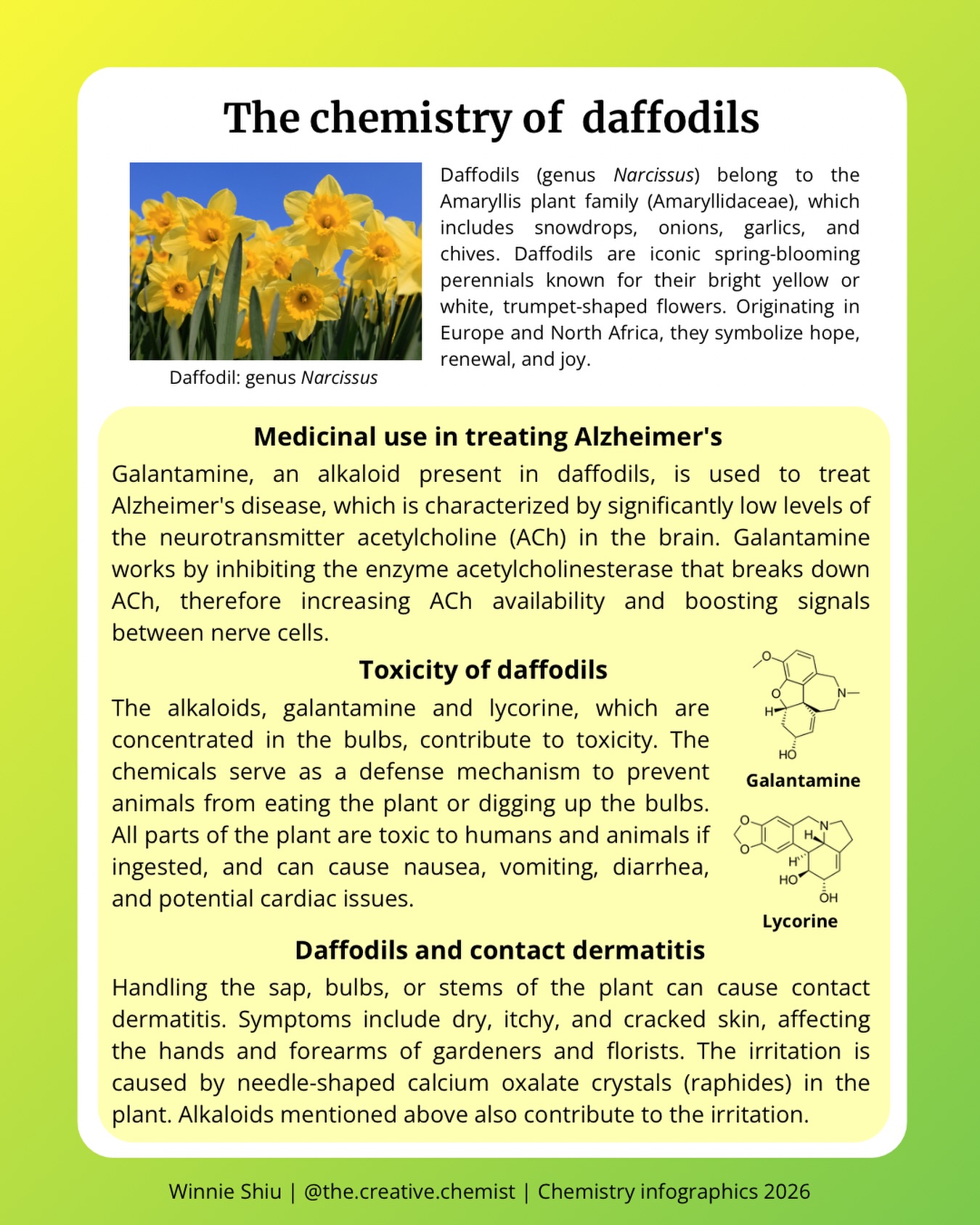
the.creative.chemist Facebook ad: “Daffodils (genus Narcissus) belong to the Amaryllis plant…”
Ran for 3 days, from March 26 to March 29, 2026, the last day Crush saw it.
Run by the.creative.chemist on Instagram. Crush is not the advertiser and does not verify its claims. See this ad in Meta's Ad Library(opens in a new tab)
Want an ad like this for your product?
Crush makes new ad images for your product from this ad: your logo, your product photo, your offer.
Trials from $19.95 USD, then $79.95 USD a month. Cancel anytime.
About this ad
- Meta Ad Library ID
- 838825402577736
- Platforms
- Relaunches
- 2
- Niche
- Skincare & Beauty
Ad text
Daffodils (genus Narcissus) belong to the Amaryllis plant family (Amaryllidaceae), which includes snowdrops, onions, garlics, and chives. Daffodils are iconic spring-blooming perennials known for their bright yellow or white, trumpet-shaped flowers. Originating in Europe and North Africa, they symbolize hope, renewal, and joy. Let’s explore the chemistry of daffodils 🌿Medicinal use in treating Alzheimer's Galantamine, an alkaloid present in daffodils, is used to treat Alzheimer's disease, which is characterized by significantly low levels of the neurotransmitter acetylcholine (ACh) in the brain. Galantamine works by inhibiting the enzyme acetylcholinesterase that breaks down ACh, therefore increasing ACh availability and boosting signals between nerve cells. 🌿Toxicity of daffodils The alkaloids, galantamine and lycorine, which are concentrated in the bulbs, contribute to toxicity. The chemicals serve as a defense mechanism to prevent animals from eating the plant or digging up the bulbs. All parts of the plant are toxic to humans and animals if ingested, and can cause nausea, vomiting, diarrhea, and potential cardiac issues. 🌿Daffodils and contact dermatitis Handling the sap, bulbs, or stems of the plant can cause contact dermatitis. Symptoms include dry, itchy, and cracked skin, affecting the hands and forearms of gardeners and florists. The irritation is caused by needle-shaped calcium oxalate crystals (raphides) in the plant. Alkaloids mentioned above also contribute to the irritation. Daffodils Narcissus science chemistry | garden plant | phytochemistry natural product medicinal plant infographics | pharmacognosy phytotherapy science communication | everyday science | sci comm | stem education | Dr Winnie Shiu | the creative chemist #daffodils #science #chemistry #scicomm #phytochemistry