James Hudson
James Hudson Facebook ad: “The Most Potent Formula Ever Created”
Ran for 2 days, from May 26 to May 28, 2026, the last day Crush saw it.
Run by James Hudson on Facebook. Crush is not the advertiser and does not verify its claims. See this ad in Meta's Ad Library(opens in a new tab)
Want an ad like this for your product?
Crush makes new ad images for your product from this ad: your logo, your product photo, your offer.
Trials from $19.95 USD, then $79.95 USD a month. Cancel anytime.
About this ad
- Meta Ad Library ID
- 843302885038909
- Platforms
- Facebook, Instagram, Audience Network, Messenger and Threads
- Relaunches
- 36
- EU reach
- 130
Ad text
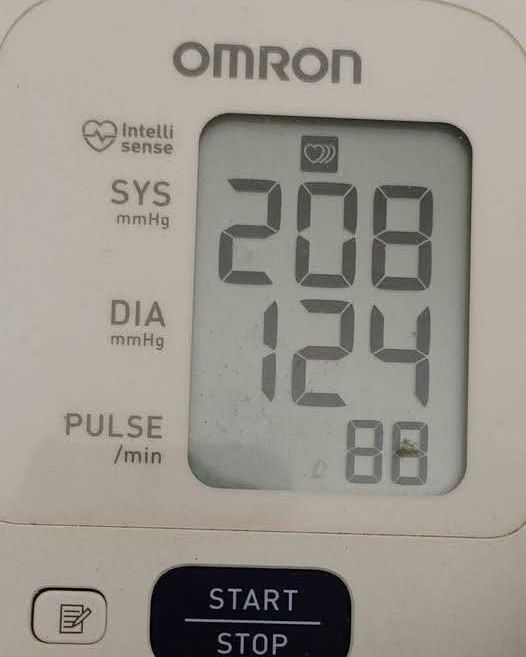
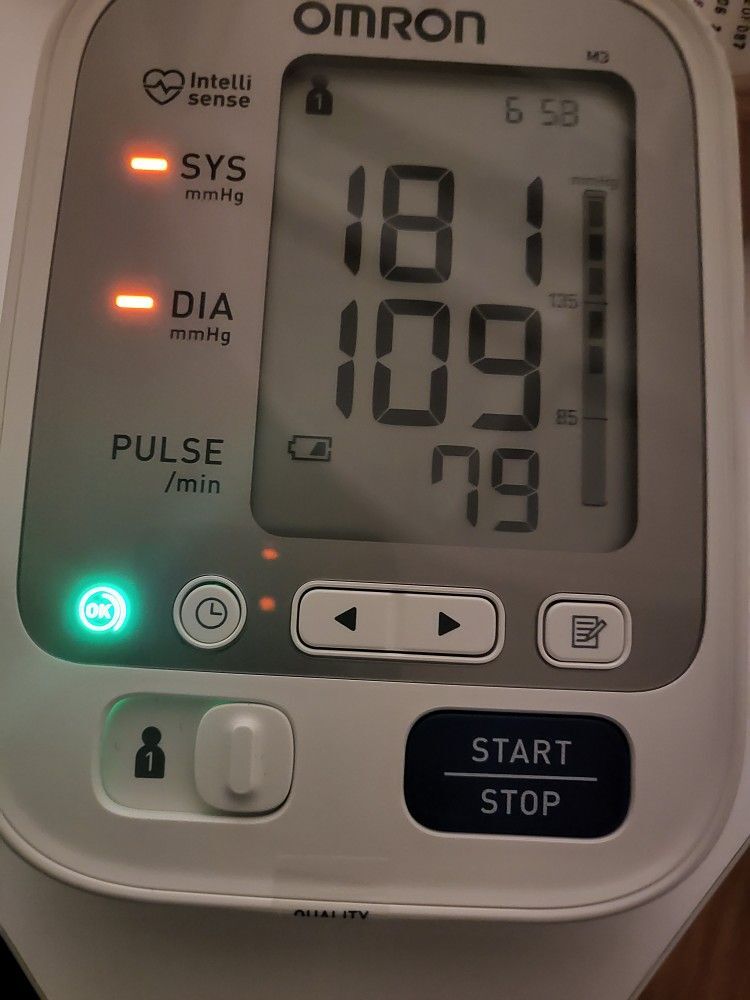
Your body produces 1,000-1,500mg of cholesterol per day on its own, regardless of diet. The liver manufactures it. Statins block that production and lower the cholesterol circulating in your bloodstream. But the cholesterol already embedded in your artery walls from the past 20 years stays embedded. And as those walls stiffen with plaque, your blood pressure rises—because your heart is now pumping against pipes that can't flex the way they used to. Last November a man named Robert sat in my office after his cardiologist referred him for a routine cardiovascular workup. He'd been on lisinopril for eight years for high blood pressure. His readings were "controlled" at 136/84. His LDL had been under 100 on atorvastatin for the past six years. Blood work looked good. Everything by the numbers said he was being managed correctly. But Robert didn't look like a man whose cardiovascular disease was being managed correctly. He looked exhausted. He'd gained 28 pounds since starting the medications despite walking every morning. The brain fog had gotten bad enough that he'd stepped back from running his electrical contracting business—handed the day-to-day to his son because he didn't trust his decision-making anymore. He couldn't read more than a few pages without losing focus. "Doc," he said, "I take every pill they give me. My numbers are all where they're supposed to be. My blood pressure is controlled. My cholesterol is perfect. Why do I feel worse than I did before any of this started?" I hear versions of this question every week. But Robert asked it differently. He wasn't confused. He was angry. Eight years of lisinopril. Six years of atorvastatin. Blood tests showing "controlled." Cuff readings showing "controlled." And he felt like his body was failing him anyway. I told him the truth. "Robert, your statin has been reducing the cholesterol circulating in your bloodstream for six years. That's important. That's slowing new damage. And your lisinopril has been managing your blood pressure reading by widening your vessels chemically. The cuff measures a lower number. But here's what nobody's told you: the cholesterol that's been building in your artery walls since your late 20s—before anyone was testing it, before anyone prescribed anything—that cholesterol is still there. It infiltrated the vessel walls. It triggered inflammation. It formed plaque. That plaque hardened. And as your arteries stiffened with that plaque, they lost their ability to flex and accommodate blood flow. That stiffness is what's been keeping your blood pressure elevated despite the medication. Your heart is pumping harder because it's pushing against rigid pipes." Robert stared at me. "So the pills are managing my numbers. But the damage that's causing the problem is just... staying there?" "Yes. The statin is protecting you from new cholesterol infiltration. The blood pressure medication is forcing the reading down. But neither one is addressing the arterial stiffness or the plaque that's causing it. And that stiffness—that's what's making your heart work harder. It's what's reducing blood flow to your brain, causing the fog. It's why you're exhausted. Your cardiovascular system is working against resistance that the medications aren't removing." Research confirms this. Statins reduce circulating cholesterol but don't reverse established plaque burden—in some cases, they accelerate calcification of existing soft plaque as a stabilization mechanism, making arteries even stiffer (Henein et al., PLOS ONE, 2023). And arterial stiffness from plaque accumulation is now recognized as a primary driver of systolic hypertension in middle-aged and older adults, independent of cardiac output (Kaess et al., Hypertension, 2012). The stiffer your arteries, the harder your heart has to pump to move blood through your body—and that's what the cuff is measuring. "So what removes it? What makes the arteries flexible again?" That question. The one Robert asked. The one I couldn't answer in that moment, because in 16 years of functional medicine practice focusing on cardiovascular and metabolic dysfunction, I'd been managing numbers the same way every other physician manages them—and I'd never been asked to solve the mechanism underneath. I told Robert I'd look into it. He left. I sat there thinking about every patient I'd sent home with "controlled" cholesterol and "controlled" blood pressure who still looked and felt terrible. Then I did something I'd been avoiding for over a year. I ran my own comprehensive panel. Full lipid profile. Inflammatory markers. Oxidative stress markers. Arterial stiffness assessment. Blood pressure tracking across multiple readings. The numbers came back. Blood pressure: 146/88 average across seven days of home monitoring. Prehypertensive trending toward Stage 1. LDL: 118. "Normal" by standard guidelines. Arterial stiffness markers (pulse wave velocity): elevated. My arteries were measurably less flexible than they should have been for my age. hsCRP (inflammatory marker): 3.2 mg/L. Elevated. I'm 52. I run four mornings a week. I eat clean most of the time. And my arteries were stiff, my inflammation was high, and my blood pressure was climbing—despite doing everything the conventional model says you should do. And the brain fog I'd been calling "busy schedule" and "long clinic hours" for the past year—the afternoons where I couldn't think clearly, where reviewing patient charts felt like moving through mud—that wasn't workload. That was reduced cerebral blood flow from stiffened arteries that couldn't deliver adequate circulation to my brain. I went home that evening. My wife was in the kitchen. I sat down and told her what my labs showed. Told her what it meant. Told her I'd been ignoring symptoms for over a year because I didn't want to face what they were telling me. She set down what she was doing and sat next to me. "So what do we do?" "I don't know yet. But I'm going to figure it out." Robert's question—"what actually removes it?"—became my question. And I spent the next four weeks researching the mechanism I'd been measuring but never treating. The disease I've been tracking in patients for 16 years has a cascade. Cholesterol infiltrates the artery wall—usually starting in your late 20s or early 30s when nobody's testing it. Inflammation drives it deeper into the vessel wall. Immune cells try to clean it up and become foam cells. Plaque accumulates. The plaque hardens. The artery stiffens. The stiff artery can't flex to accommodate blood flow. Blood pressure rises because your heart is now pumping against rigid resistance. Blood flow to your brain, your organs, your muscles decreases. You feel exhausted. Your cognition slows. Your body is working harder to do less. Statins address the first step. Lower circulating cholesterol. Slow new infiltration into the artery walls. Important. Many people should stay on them. Blood pressure medication addresses the symptom. Widens vessels chemically or slows the heart rate. The cuff measures a lower number. But it's forcing the number down without addressing why the pressure is elevated in the first place. But the steps in between? The existing plaque. The arterial stiffness. The inflammatory cascade driving it forward. The oxidative stress damaging the endothelium year after year. The mitochondrial dysfunction in the vessel wall cells that prevents them from repairing that damage. Nothing in standard cardiology reverses any of it. What I found in the research addressed every step. The centerpiece was NMN—nicotinamide mononucleotide, a direct NAD+ precursor that restores cellular energy at the mitochondrial level inside vessel wall cells. Here's what nobody talks about: between age 40 and 60, your body's NAD+ production falls by more than 50%. NAD+ is the energy molecule that powers mitochondria inside every cell, including the endothelial cells lining your arteries. When NAD+ collapses, those cells lose the energy they need to produce nitric oxide—the molecule that keeps arteries flexible and responsive. They lose the ability to repair oxidative damage. They lose the ability to prevent cholesterol from infiltrating the artery wall in the first place. Your arteries stiffen because the cells maintaining them are running on empty. Not generic NAD+ supplements that lose 80% of their content to stomach acid before absorption. NMN delivered via liposomal technology—phospholipid-wrapped particles that survive gastric breakdown and deliver to endothelial cells at 13.6 times the concentration of standard capsules. NMN restores NAD+ to the mitochondria inside vessel wall cells. The cells regain energy. Nitric oxide production resumes. The endothelium starts repairing oxidative damage. Arterial stiffness begins to reverse as the cells regain their ability to maintain vessel wall flexibility and integrity. Clinical data: 250mg NMN daily increased blood NAD+ levels by 43% in middle-aged adults, with significant reductions in arterial stiffness and blood pressure (Igarashi et al., npj Aging, 2022). Other studies show improved vascular function markers and reduced systemic inflammation. But NMN alone wasn't enough. The inflammatory cascade driving cholesterol infiltration and arterial stiffness has multiple entry points. You need the full convergence. **L-Citrulline + L-Arginine in combination**—not L-arginine alone, which breaks down in the gut before reaching the endothelium. The citrulline-arginine pairing creates a recycling loop inside endothelial cells that continuously regenerates arginine, bypassing enzymatic breakdown, supporting sustained nitric oxide production that keeps arteries flexible. Clinical trials show this combination reduces systolic blood pressure by up to 7.54 mmHg through restored endothelial function (Figueroa et al., American Journal of Hypertension, 2011). **KSM-66 Ashwagandha**—standardized root extract reducing cortisol by up to 32% in clinical studies. Chronic cortisol elevation accelerates atherosclerosis, drives inflammatory signaling that cracks open the endothelium and allows cholesterol infiltration, and directly contributes to vasoconstriction that blood pressure medications don't address. Reducing cortisol stops damage at a point completely outside what statins and antihypertensives target. **CoQ10 via liposomal delivery**—stabilizes mitochondrial function in vessel wall cells. Supports the cellular energy environment that allows endothelial repair. Standard CoQ10 capsules degrade in the digestive system before reaching target tissues. Liposomal delivery ensures therapeutic concentration where it's needed. **Resveratrol and Turmeric Extract (95% curcuminoids)**—suppress the master inflammatory signaling cascades (NF-κB, TNF-α, IL-6) that crack open the endothelium and allow oxidized cholesterol to infiltrate the artery wall in the first place. Stop inflammation at the source. Prevent new plaque formation. Allow existing arterial damage to stabilize and begin reversing. One formulation. Six mechanisms. Every checkpoint in the cascade that statins and blood pressure medications don't touch. But here's where it gets specific, and this is what almost stopped me from trying it myself. Most NAD+ supplements on the market deliver negligible therapeutic effect to vascular tissue. Standard capsules lose the majority of active compound in stomach acid. The small percentage that survives is poorly absorbed. At those levels, your vessel wall cells never receive enough NAD+ to restore mitochondrial function and restart endothelial repair. The clinical research required liposomal delivery for NAD+ precursors to reach therapeutic concentration at the cellular level, PLUS the supporting compounds targeting inflammation, oxidative stress, and nitric oxide production simultaneously. Most commercial supplements don't use liposomal technology because it's significantly more expensive to manufacture. I found one formulation that met every clinical specification from the research. Boostiva. Liposomal NMN at clinical dose. L-Citrulline + L-Arginine combination for nitric oxide restoration. KSM-66 Ashwagandha for cortisol reduction. CoQ10 via liposomal delivery for mitochondrial support. Resveratrol and Turmeric Extract at 95% curcuminoids for inflammatory cascade suppression. 14 active ingredients. Two capsules daily. Third-party tested. Every dose listed on the label. No proprietary blends hiding actual amounts. I started taking it. Didn't tell my wife I was testing it on myself. Didn't set expectations. Week one: subtle energy shift. Not stimulant energy. The kind where you realize you've been operating at 70% for so long that 70% felt normal. Week two: the afternoon brain fog lifted. I was reviewing complex patient panels at 4 PM with the same clarity I had at 9 AM. I noticed because the difference was unmistakable. Week three: I started tracking my blood pressure twice daily. Home readings that had been averaging 146/88 were trending down. 142/84. Then 138/82. Week six: 128/78 average. Consistent across multiple readings. I hadn't seen systolic readings in the 120s in over two years. Week eight: My wife commented on it without knowing what I was taking. "You seem sharper," she said. "More present. Less exhausted at the end of the day." I ran my follow-up comprehensive panel at seven months. Blood pressure: 122/76 average. No medication. NAD+ blood levels: up 39% from baseline. Arterial stiffness markers (pulse wave velocity): measurably improved. My arteries were more flexible than they'd been in years. Inflammatory markers (hsCRP): dropped from 3.2 to 1.1 mg/L. Oxidative stress markers: significantly reduced. I sat with those results for a long time. Because they confirmed what the research had been showing. The stiffness wasn't permanent. The arterial dysfunction wasn't irreversible. When you restore cellular energy to the endothelium, give it the cofactors it needs to produce nitric oxide, reduce the inflammatory signals driving damage, and support mitochondrial function—the arteries start repairing themselves. The flexibility returns. The blood pressure normalizes. Not because you're chemically forcing it down. Because the underlying mechanism is being addressed. I called Robert. He'd been on the same protocol for six months after I shared it with him during a follow-up. His home blood pressure readings had dropped from 136/84 to 124/76—without changing his medication dose. His energy was back. The brain fog had lifted within the first month. "I'm running the business again," he said. "I can think. I can make decisions. I forgot what that felt like." Here's what 16 years of functional medicine practice has taught me that most physicians will never tell you. Your cholesterol blood test and your blood pressure cuff reading measure two different things—and neither one measures the actual problem. Your cholesterol test measures what's floating in your bloodstream today. Your blood pressure cuff measures how hard your heart is pumping against resistance right now. But neither measurement tells you what's embedded in your artery walls from the past 20-30 years of cholesterol infiltration, inflammation, and plaque formation. Neither measurement tells you how stiff your arteries have become. Neither measurement tells you whether the cells lining your arteries have the energy to repair damage and maintain flexibility. A man can have "perfect" cholesterol on a statin, "controlled" blood pressure on medication, and arteries that are rigid with plaque—because both medications started after decades of damage was already done. Your internist manages blood test numbers and cuff readings. He prescribes based on those numbers. He adjusts doses based on those numbers. But he's not measuring arterial stiffness. He's not assessing endothelial function. He's not testing whether the cells in your vessel walls have adequate cellular energy to maintain vascular health. He's managing outputs without addressing mechanisms. I've spent 16 years watching men take statins and blood pressure medication while their arterial health silently deteriorated—because nobody was treating the stiffness, the inflammation, the oxidative stress, the mitochondrial dysfunction that standard medications don't touch. Your body is already telling you whether your arteries are stiff. Brain fog that gets worse in the afternoon. Fatigue that doesn't improve with sleep. Difficulty concentrating. Physical exhaustion despite being sedentary. All of those are reduced cerebral blood flow from stiffened arteries that can't deliver adequate circulation. If your cholesterol is "perfect" and your blood pressure is "controlled" and you still feel terrible—one of those measurements is lying to you. And after 16 years of comprehensive metabolic and cardiovascular panels, I can tell you which one matters more. **Dr. Chen, MD** Functional Medicine Physician Cardiovascular & Metabolic Dysfunction 16 years | 8,000+ comprehensive panels --- **P.S.** The protocol Robert and I both use is Boostiva. Liposomal NMN for NAD+ restoration at the endothelial cell level—the energy source your vessel walls need to repair cholesterol damage and restore flexibility. L-Citrulline + L-Arginine combination for nitric oxide production that keeps arteries responsive and flexible. KSM-66 Ashwagandha for cortisol reduction that stops inflammatory damage. CoQ10 via liposomal delivery for mitochondrial support. Resveratrol and Turmeric Extract (95% curcuminoids) that suppress the inflammatory cascade allowing cholesterol infiltration. Two capsules daily. Six mechanisms converging on arterial repair and blood pressure normalization at the source. Third-party tested. 60-day money-back guarantee. You can stay on your current medications. But if your cholesterol is "controlled" and your blood pressure is "managed" and you still feel exhausted, foggy, and worse than before treatment started—something in your protocol is missing. 👉 https://official.tryboostiva.shop/10-reason-why-nad
Where the ad sends people
official.tryboostiva.shop
The Most Potent Formula Ever Created
Your problem isn't "low T" or "all in your head." Researchers found 87% of men with ED have calcified arteries blocking blood flow. NAD for Men dissolves arterial plaque at the source. Within 2 weeks, oxygen-rich blood floods back, bringing your performance roaring back to life.*
See details: official.tryboostiva.shop(opens in a new tab)