
Active· since Jun 9, 2026
- 48
- days running
- 2
- relaunches
Ad copy
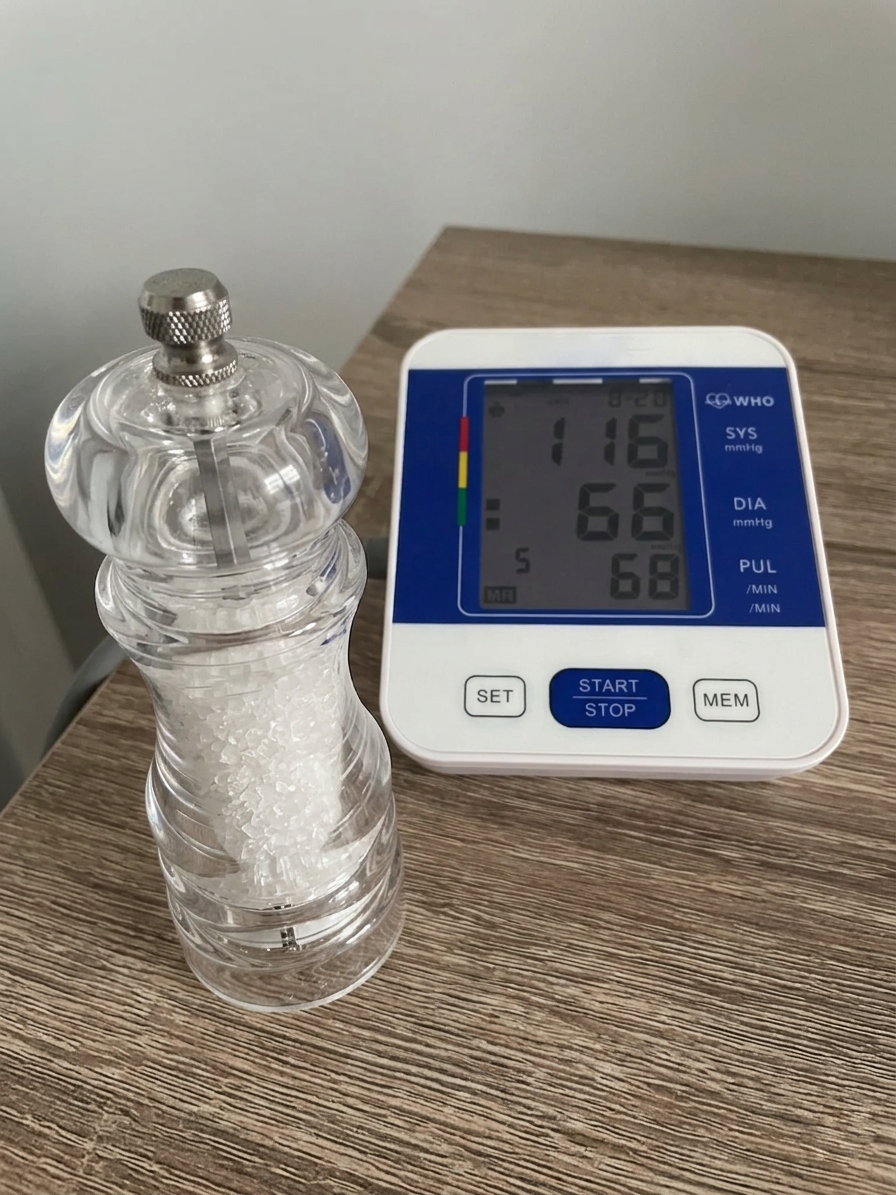
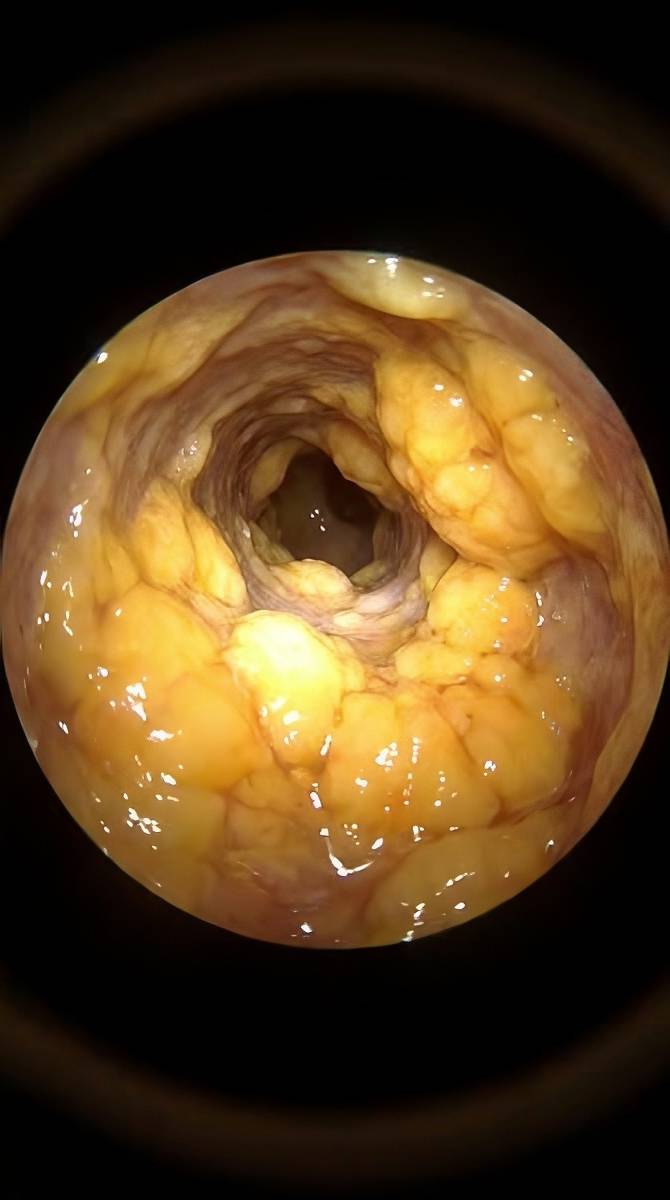
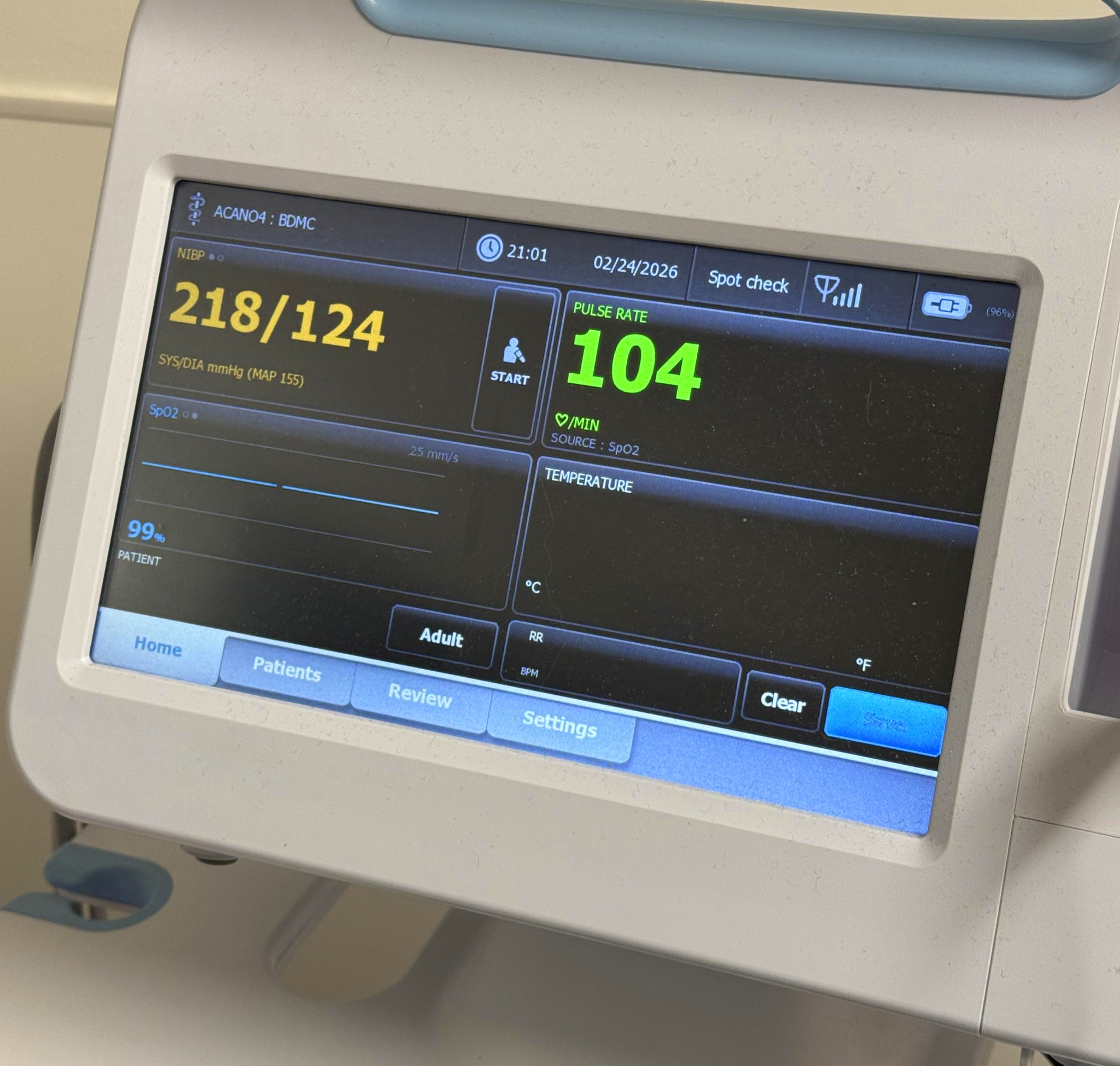
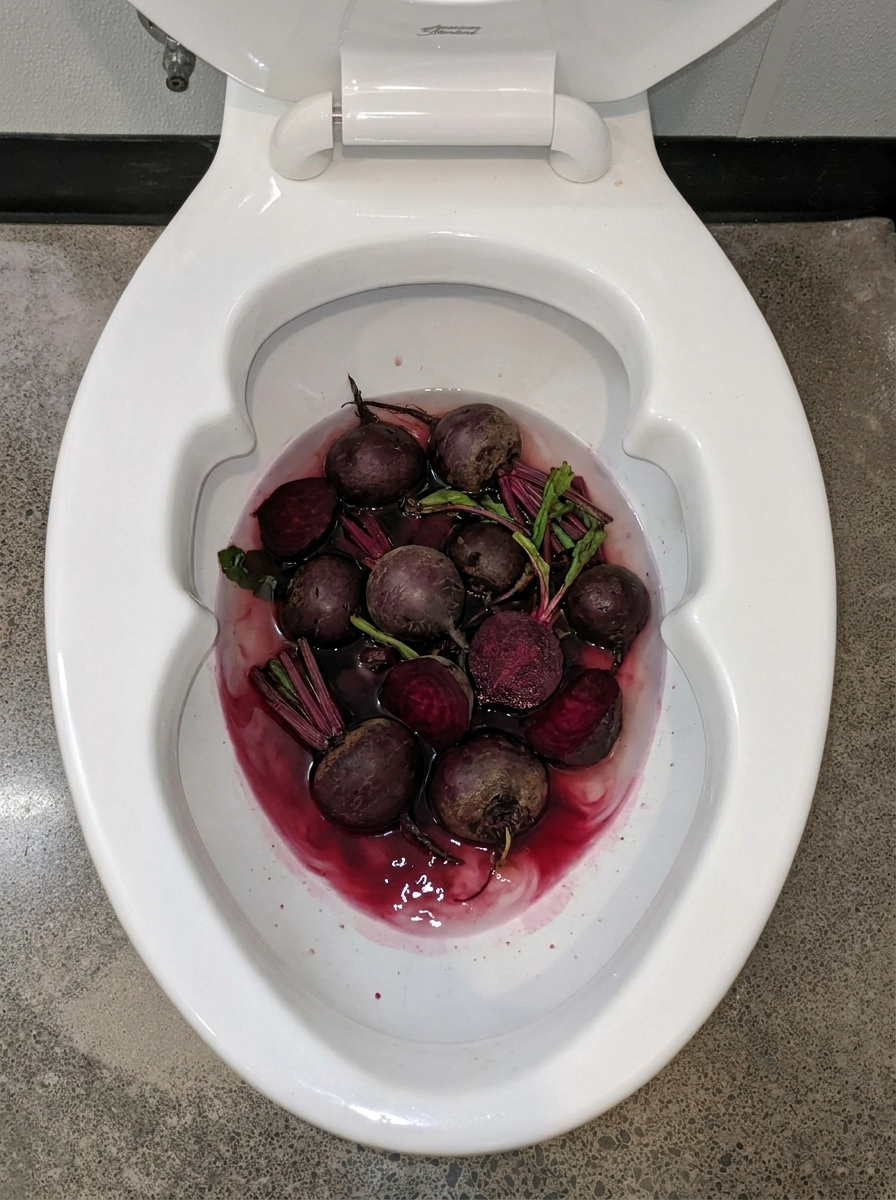
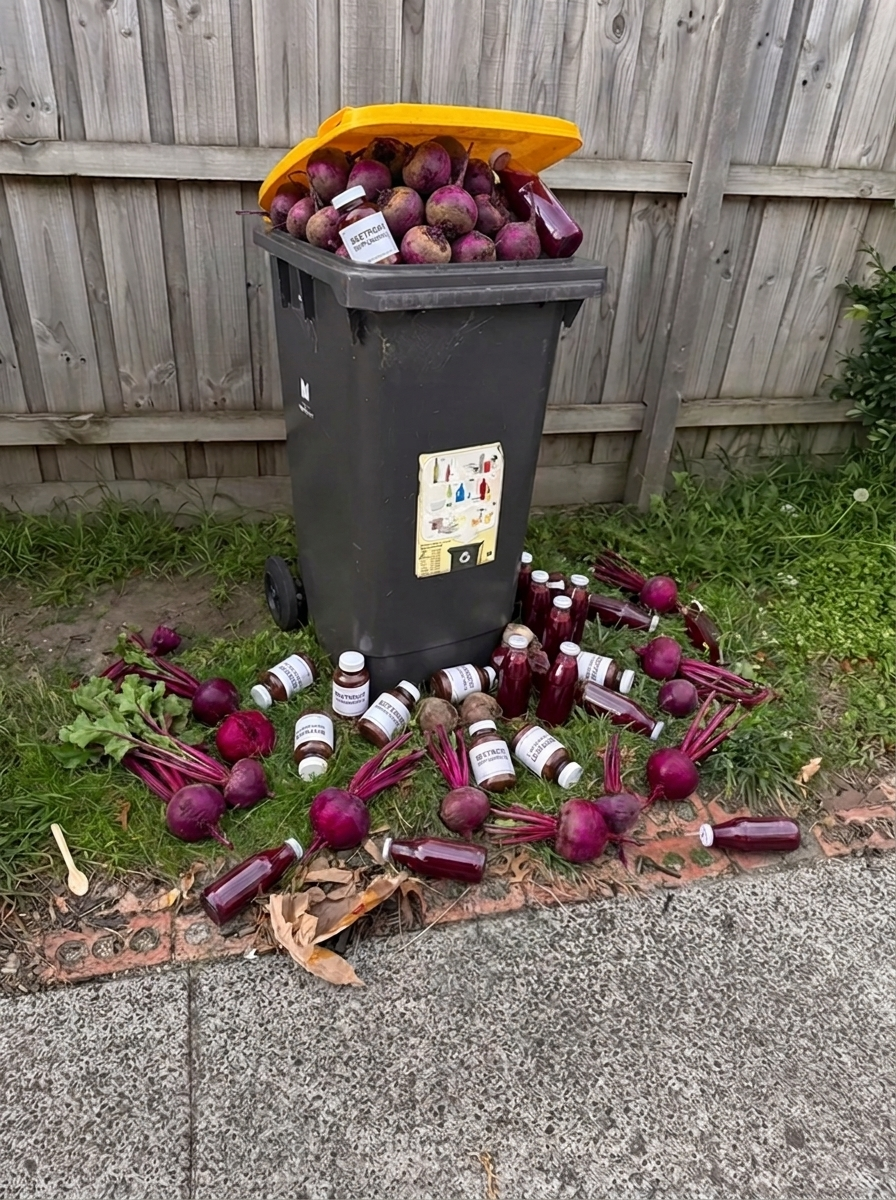
I'm a cardiac nurse, and I'm begging you to stop wasting money on beetroot for high blood pressure. YOU'RE JUST POURING WATER INTO A BUCKET WITH A HOLE IN IT! I'm not saying that to be dramatic. I'm saying it because I'm tired. Tired of watching good people pour money down the drain on something that was never going to work. Let me tell you what I see. I'm Jessica, and I've spent 19 years on a cardiac floor. Same hospital. Same hallway. I've held the hand of more people than I can count while a doctor explained what a stroke took from them. And lately, I keep hearing the same thing. A patient leans in, kind of proud, and tells me they've got their blood pressure handled. Natural. No drugs. They started taking beetroot. Beet juice. Beet powder. Little red capsules. I've seen it all. And every time, I have to keep my face still. Because their numbers are sitting right there on the monitor next to them. And the numbers tell me the truth. The beetroot isn't working. Here's the part that gets me. It's not their fault. Somebody told them beetroot lowers blood pressure. A magazine, a friend, some guy online with a good voice. And it sounds smart. It sounds like it should work. So they spend the money. Month after month. And the number on the cuff hardly moves. Then they blame themselves. They think maybe they didn't take enough. Maybe they need the stronger powder. Maybe their body is just broken. It's none of those things. Let me explain what beetroot actually does. And once you understand this, you'll never waste another dollar on it. Beetroot adds something to your body called nitric oxide. That's the molecule that tells your blood vessels to relax and open up. When your vessels relax, blood flows easy, and the pressure drops. So far it sounds great, right? Low nitric oxide, just add more. Problem solved. Except here's the thing nobody tells you. Your body already makes nitric oxide. It always has. It's been making it your whole life, every second, without you ever thinking about it. There was never a nitric oxide shortage. So if your body already makes it, why are your vessels still tight? Why is your pressure still high? This is the part that changes everything. The inside of every blood vessel you have is lined with a thin inner wall. A living wall. And that wall is the thing that produces your nitric oxide. When the wall is healthy, it makes plenty. Your vessels stay open. Your pressure stays normal. You don't think about it. But that wall takes a beating. Every bit of processed food. Every sugar spike. Every stressful day. Every year that goes by. All of it scrapes against that inner wall, hour after hour, and slowly wears it down. Like the inside of an old pipe that's been corroding for decades. Once smooth, now raw and pitted and breaking apart. And a damaged wall can't make nitric oxide anymore. So the supply gets cut off at the source. Your vessels stay tight. Blood has to force its way through. Your heart has to push harder. And the number on the cuff climbs. That's your high blood pressure. Not bad genes. Not just getting old. A damaged inner wall that stopped making the one thing it needs. Now look at what beetroot is actually doing. Beetroot adds more nitric oxide from the outside. But you were never short on nitric oxide. The problem was never the supply. The problem is the wall that's supposed to make it is broken. Adding more nitric oxide to a body with a damaged wall is like pouring water into a bucket with a hole in the bottom. Doesn't matter how much you pour in. It drains right out. You will never fill that bucket. The bucket is broken. That's why beetroot did nothing for you. That's why you drank the juice, took the powder, swallowed the capsules, and your numbers sat there mocking you. You were adding more of something your body couldn't even hold onto. Because the wall that's supposed to manage it had a hole in it. And I'll tell you, it's not just beetroot. Garlic thins your blood a little. Helpful. But it never touches the wall. Magnesium relaxes the muscle around the vessel. Eases a little tension. But it never reaches the wall. Fish oil cleans up some inflammation floating in your blood. But it can't rebuild a wall that's already breaking down. Every single one of them works on something around the wall. None of them fix the wall itself. That's why nothing has worked long term. Everybody's been treating everything except the one thing that actually matters. So you'd think the answer is medication, like Lisinopril, Losartan or Amlodipine. But that just forces your vessels open with chemicals. They pry them apart whether the wall is healthy or not. And yes, the cuff reads lower, and your doctor nods and says the medication is working. But that wall? Still damaged. Still corroding. Still not making nitric oxide. The drug never fixed it. It just forced the pipe open wider while the inside keeps falling apart. That's why the dose goes up. That's why they add a second pill, then a third. And that's where the dry cough comes from. The 2 PM exhaustion that never lifts. The brain fog. The side effects aren't random. That's the price your body pays when a drug overrides a system that was built to run itself. I'm not anti medicine. I've watched medicine save lives. But I've also watched too many people manage a number for 20 years while the real damage underneath them got worse and worse. So for a long time, I didn't have a good answer for the patients who asked me what actually fixes the wall. Until my own mother. Her pressure had been creeping up for years. Same story. A little high, then higher, then her doctor reaching for the second prescription. And she hated how the pills made her feel. Heavy. Slow. Not herself. It was my aunt, her sister, who brought it up. She'd been reading about a superfruit that Himalayan healers have been using for thousands of years. The old healers there had a name for it. They called it 'the nurse'. The thing they reached for when a person's body was breaking down from the inside and nothing else worked. I rolled my eyes at first. Of course I did. I've heard this all before. But the name stuck with me. The nurse. So I looked into it. Properly. The way I'd research anything before I let it near someone I love. And what I found stopped me cold. This superfruit contains compounds that don't just add nitric oxide from the outside like beetroot does. They go to the inner wall. The actual wall. And they help defend it from the oxidative stress that's been wearing it down for years. When the damage stops, the wall starts working the way it's supposed to again. The same way your skin recovers once you stop picking at a cut. And when the wall heals, it starts making its own nitric oxide again. On its own. The way it did when you were younger. Read that again, because it's the whole thing. You don't need more nitric oxide from a bottle. You need to support the wall that makes it. When the wall is working the way it's meant to, your vessels relax on their own. Not forced open by a drug. Not flooded with a signal that has nowhere to land. They open because the wall is finally telling them to, the way your body was designed to work. Blood flows easy. Your heart stops straining. The pressure drops. And here's the beautiful part. When the pressure drops, the wall stops getting shredded. The cycle that's been running inside you for years finally breaks. The pressure comes down. Not because something overrode your body. Because your body is doing what it always knew how to do. You just had to fix the wall first. In a clinical study, a standardized extract of this fruit went head to head with a common cardiovascular drug. It performed comparably. Pressure dropped. Cholesterol came down. The inflammation markers fell. Without the cough. Without the fog. Without the heaviness. When I read that, I called my aunt back. The superfruit is called Amla. Indian Gooseberry. And when they tested the antioxidant strength of over a thousand foods, Amla ranked towards the top. Not blueberries. Not green tea. Amla. And it wasn't close. So I got my mom on a standardized Amla extract. I was careful about which one, and I'll come back to why that matters. Her pressure that week was 154 over 96. I wrote it down, because I wanted to know if this was real or if I was just hoping. The first couple weeks, honestly, nothing dramatic. I told her to be patient. This isn't a drug forcing a number. This is your body getting the support it needs, and that takes time. Around week three she told me her head felt clearer. The heavy feeling she'd had for years was lifting. Twelve weeks in, I checked her again. 122 over 78. I made her sit down and I checked it twice more because I didn't believe it. Same reading. 122 over 78. Down from 154 over 96, without a single new prescription, without one pharmaceutical side effect. Then she went in for her regular checkup. Her doctor looked at the cuff, then looked again. Asked her what she'd changed. She just smiled. That's when I stopped being skeptical. Because I'd seen her numbers myself, for years. And I watched them come down while her energy came back instead of draining away. So now, when a patient leans in and tells me they've got it handled with beetroot, I don't keep my face still anymore. I tell them the truth. I tell them about the bucket with the hole in it. And I tell them what actually fixes the wall. I'm telling you the same thing right now. If you've been pouring money into beetroot, or garlic, or any of it, and your numbers haven't moved, please stop blaming yourself. You were using the wrong tool. Nobody ever told you about the wall. A quick word on the extract itself, because this matters more than people think. Most Amla on the shelf is cheap ground up fruit powder. No standardization. No guarantee what's in the bottle matches the label. That's the stuff that sits in your cabinet doing nothing. What you want is a standardized, third party tested extract, made in the USA, with the actual concentration of active compounds that does the repairing. The company I trust does it in small batches to keep the potency real, which is also why they sell out and you sometimes have to wait for the next run. It's 2 capsules in the morning. That's the whole ritual. Not a lifestyle overhaul. Two capsules with your coffee. And they back it with a 90 day money back guarantee. Full refund, no questions. Which is the only honest way to sell something like this, because repair takes weeks, and you should have the full window to watch your own numbers on your own cuff and decide for yourself. So here's where you are. You can keep filling a broken bucket and hoping this is the month it finally holds water. Or you can fix the wall and let your body do what it already knows how to do. I know which one I'd choose. I chose it for my own mother. 👉 https://alevia.com/amla/8 P.S. If you've tried beetroot, garlic, magnesium, the whole cabinet, and felt like a failure when nothing worked, hear me one more time. It was never you. Every one of those works on something around the wall. None of them support the wall itself. That's the difference, and that's why this approach hits where the others missed. P.P.S. They run small batches on purpose to keep it potent, and it sells out regularly. If it's in stock when you click, I'd grab it. You've got 90 days to try it with a full refund if your numbers don't move, so the only real risk is waiting another month for your wall to keep corroding while you think about it. 👉 https://alevia.com/amla/8
Like this ad? Make it yours.
Crush rebuilds this exact creative around your product — your brand, your colors, your offer — in about a minute.