
Active· since Jun 15, 2026
- 92
- days running
- 0
- relaunches
- 4,004
- EU reach
Ad copy
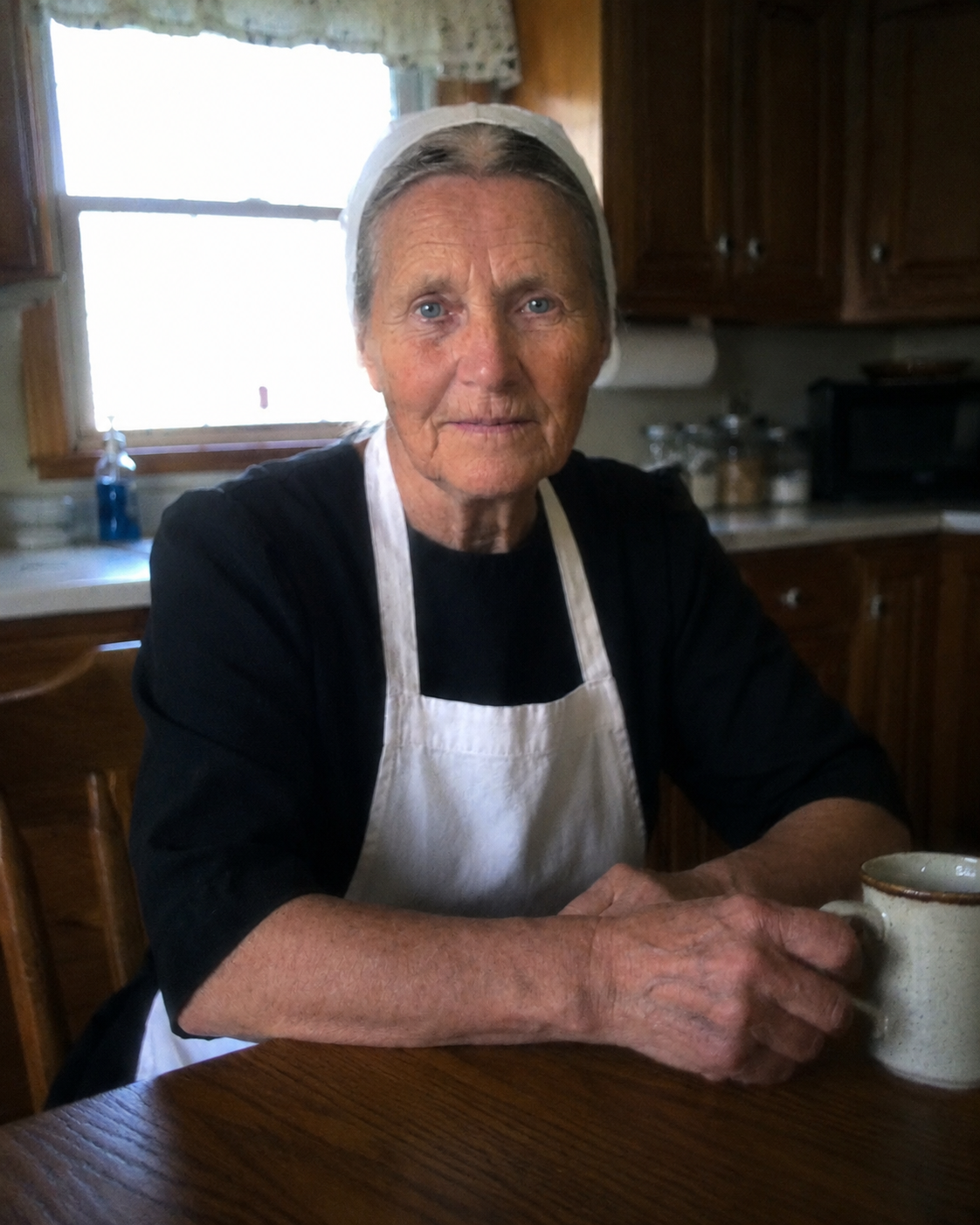
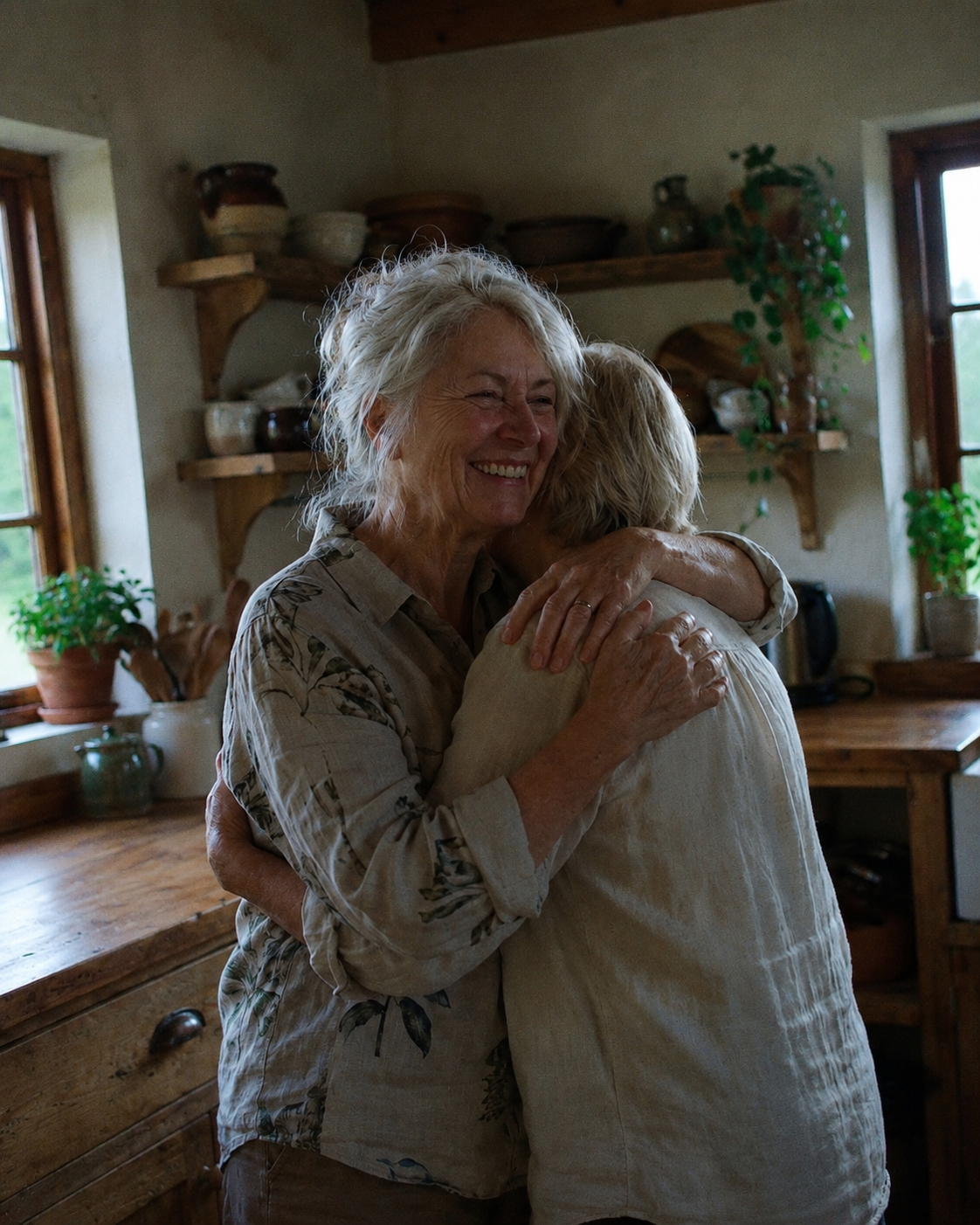
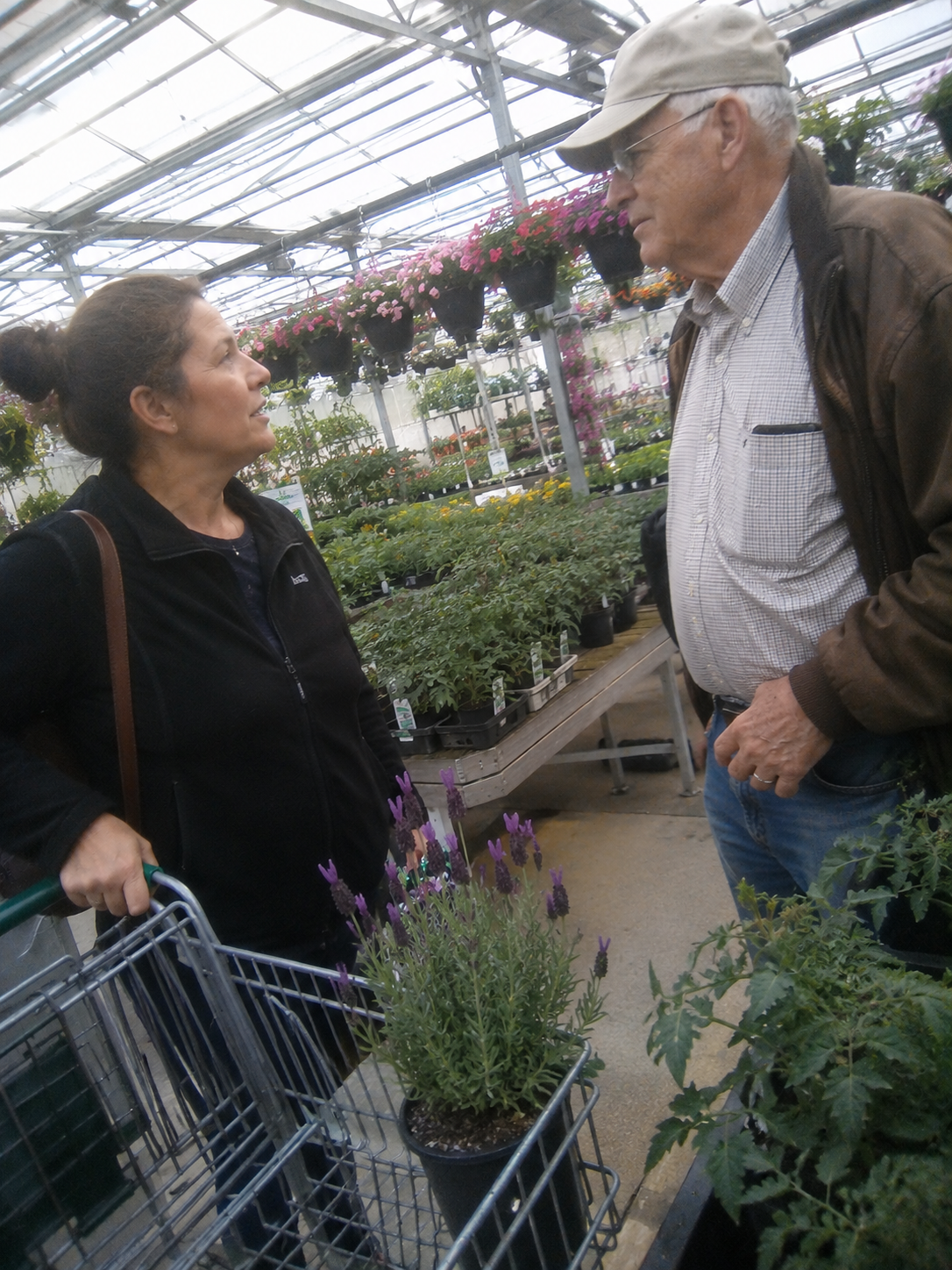
My Mother Almost Fainted at My Goddaughter's Baptism. That Was the Day I Stopped Telling Myself She Was Fine. I'm writing this because I posted something about my mom in a small Facebook group last week, and three women I haven't talked to in twenty years messaged me privately asking what we'd done. So I'm writing it down. Once. In one place. So I can send the link instead of typing it out three more times. My mother is seventy-one. She raised me alone after my father died when I was nine. She drove a school bus in the mornings, worked the cafeteria at lunch, and ran a daycare out of our living room in the afternoons. She has not been a woman who sits down for as long as I have been alive. Six months ago, at my best friend Robin's daughter's baptism, my mother almost passed out. I want to tell you about that morning because it was the morning I stopped pretending the last two years had been nothing. Robin and I have been friends since we were nine. Our mothers were best friends before us. When Robin's daughter Eliza was born, my mom held her at the hospital before either grandmother did. My mom has knit Eliza a blanket for every birthday. Eliza calls my mother Mimi. Eliza was being baptized at the church Robin grew up in. My mom had been talking about it for three weeks. She bought a dress. She bought a card. She practiced the song she wanted to sing in the car on the way over. The ceremony started at ten. Around ten thirty, when the congregation stood for a hymn, I looked over at my mom and she was white. Not pale. White. She was gripping the back of the pew in front of her. She was breathing through her nose in that careful, measured way you breathe when you are trying to convince a wave of dizziness to please, please not crest right now, not here. She lowered herself down to sit. Robin's mom, sitting on her other side, put a hand on her arm without looking at her. The way women do when they don't want to make a scene. I sat down next to her. I whispered: "Mom." She whispered back, without looking at me: "I just need to sit. I'm fine." She wasn't fine. She stayed sitting for the rest of the hymn. She stood again for the actual baptism — because she would not have missed standing for Eliza if her legs were on fire — but she held onto the pew the whole time. When we got to the parking lot afterward, she sat on a bench outside the church and asked me for water. She sat there for fifteen minutes before she felt steady enough to walk to my car. In the car, on the drive back to her house, she said, very quietly: "It's been happening for a while." I said: "How long is a while, Mom?" She didn't answer for a long time. Then she said: "Since around Thanksgiving." It was June. Once I knew, I couldn't unsee it. I went back through the last six months of memories the way you go back through a folder of photographs looking for the moment something changed. The Thanksgiving she hosted — she'd sat down twice during dinner prep. I'd told myself she was being smart. The Christmas she didn't put up the outdoor lights — she said she was leaving it to the boys to do that this year. She'd never left anything to anyone in her life. The January she canceled a planned shopping trip with me because, she said, the weather looked bad. The weather had been fine. The February she stopped driving at night. She said the headlights gave her a headache. She'd been driving at night for fifty-three years and the headlights had never given her a headache before. The March she sat down on a bench at the grocery store between the produce section and the deli counter. She said her shoe was bothering her. She bent down and adjusted her shoe and sat there for a while. Then she stood up and we kept shopping. I'd thought nothing of it at the time. Now I remembered the look on her face when she stood back up. The careful, measured breathing. The same breathing I'd seen in the church pew three months later. The April we went to the botanical garden together. She'd asked if we could sit for a bit at every bench. Every bench. I'd told myself she just wanted to enjoy the flowers slowly. She'd been showing me, for six months, and I had been refusing to read it. That night, after the baptism, I called my brother. He lives across the country. I asked him when he'd last spoken to Mom. He said: "Three weeks ago. She sounded tired. I thought she had a cold." I said: "She's been almost fainting. She told me she's had spells since November." He was quiet for a long time. He said: "What are we going to do?" I said: "I don't know yet. We're going to the doctor on Monday." Her doctor is a woman named Dr. Patel. Younger than my mother by maybe twenty years. Warm. Direct. The kind of doctor who looks you in the eye and tells you the truth as she understands it, without softening it and without bludgeoning you with it. She'd been Mom's primary for about six years. I sat in the exam room with my mom — Mom said she wanted me to, which itself was unusual; Mom had always insisted on going to the doctor alone — while Dr. Patel went through the bloodwork and the blood pressure cuff and the heart and the breathing and all the things. When she sat down across from us, she looked at my mother for a long moment before she spoke. "Carolyn. Your blood pressure has been climbing for two years now." "We've talked about it. You've cut salt. You've lost twelve pounds. You've been walking forty minutes a day. You've been doing everything I asked." She paused. "And the numbers are still going in the wrong direction. They're not in a dangerous place yet. But the dizziness you're describing — that's your body telling us something. I think it's time to talk seriously about adding a medication." My mother sat very still. Then she said something I had not heard her say in my entire life. She said: "Dr. Patel, I'm scared." I didn't look at her because I knew if I looked at her, I would cry, and I did not want to cry in that office. I wanted to be steady. For her. Dr. Patel reached across and put her hand on my mother's knee. She said: "I know. It's a real thing to start a new medication at your age. I understand. Tell me what you're scared of, and let's talk about it." My mother said: "I'm scared of being on something for the rest of my life. I'm scared of what it'll do to how I feel. I'm scared of all of it. I know that's not very logical. But it's what's true." Dr. Patel nodded. She said: "Okay. I hear you. Here's what I want to propose." "I want you to have another sixty days. I want you to keep doing what you're doing. If there is one more thing you want to try — something gentle, something additive, with your pharmacist or with me kept in the loop — try it." "Then come back and let's see where the numbers are. If they haven't moved, we are going to have to have the medication conversation seriously. Does that feel fair?" My mother nodded. She said: "That feels fair. Thank you." We walked out to the car. In the parking lot, before I started the engine, my mother said: "I don't have any idea what to try. I've already been doing everything." I said: "Mom. Let me think. Let me ask around. We'll find one more thing." She said: "Okay." She held my hand on the drive home. My mother is not a hand-holder. She held my hand the whole way home. I want to tell you about the man at the garden center. Because that conversation is what changed the next two months. The week after the doctor's appointment, I drove to a garden center about twenty minutes from my mother's house. I had this idea that I would buy her a few easy-care plants — herbs in pots, something flowering — and set them up on her back porch. Mom had been a gardener her whole life. She'd stopped putting anything in the ground two years ago. I wanted to bring some of it back. In pots. Where she could tend it sitting down. It was a Wednesday morning. The garden center was nearly empty. I was in the greenhouse looking at the lavender when an older man rolled a cart past me loaded with tomato starts. He stopped to look at the same row I was looking at. He said: "If you want lavender to actually thrive on a porch, you want the Munstead variety. Stays smaller. Doesn't get woody as fast." I thanked him. I asked which one was the Munstead. He showed me. We started talking. His name was Frank. Seventy-eight. Married to his wife Margaret for fifty-one years. He was buying tomato starts for the garden he and Margaret had kept together for forty-six years. He told me he came to this garden center every Wednesday morning because Margaret hated crowds and Wednesdays were quiet. He told me Margaret used to come with him until her hip started bothering her last year. Now he came alone and she texted him a list of what to bring home. I don't know why I told him about my mother. I think it was because he had the kind of face people tell things to. I think it was because he'd just said something true and small about his wife and that made me feel like I was allowed to say something true and small about my mom. I said: "I'm buying these for my mother. She's seventy-one and she's been having dizzy spells and her doctor wants to put her on blood pressure medication and she's terrified." Frank set down the lavender. He looked at me for a moment. Then he said: "Can I tell you what Margaret and I have been through?" I said yes. He said: "Margaret has had high blood pressure for the last twenty years. We've been managing it together this whole time. She tracks her numbers in a notebook every morning. Has done since 2005. She knows what foods spike her and what don't. She knows what her numbers do in different seasons. She's a careful woman." He picked up the lavender again. Set it in my cart for me. Kept talking. "About four years ago, a friend of ours from church recommended a beetroot supplement. I'm going to be honest with you — I rolled my eyes when Margaret first brought it home. I'm a tomato-grower. I respect plants. But I had not been impressed with the supplements aisle at the drugstore my whole life and I assumed this was more of the same." "Margaret tried it anyway. She'd told her doctor what she was taking, and her doctor had said it was a reasonable thing to add to what she was already doing." He paused. "Within a couple of months, her morning numbers were the most consistent they'd been in years. I don't know how to tell you that any more carefully than that. I'm not saying it was the only thing. She was also walking more. She was also tracking her potassium more carefully." "But the supplement was new, and the numbers were new, and she told me she could feel the difference in her body. Less of that thick-headed feeling in the late afternoon." He told me the name. Rosabella. He said it was a small company that cold-pressed their beetroot at low temperatures, which kept the active part of the plant — the deep red pigment that supports the body's natural antioxidant balance — intact in the capsule. He said: "Margaret used to hold a capsule up to the light. She said you could tell by the color it was a real plant in there. Dark crimson. The color of beet juice on a cutting board." He said: "I take it now too. Started a couple of years after Margaret. My own numbers were starting to drift, and I figured I could do worse than what was working for my wife." He smiled. "You go home and look it up. Talk to your mother's doctor. Don't take my word for it. Take Margaret's. She's a careful woman, and she doesn't bother with things that don't work." I bought the lavender. I bought a rosemary and a basil. I drove home and I sat in my car in my own driveway and I cried for about ten minutes. Then I went inside and looked up Rosabella. That night, I read about beetroot for a couple of hours. I'm not going to walk you through every article. Here's the short version. Beetroot is one of the more researched ingredients in the cardiovascular wellness category. It has been studied for decades. Its active compound — the betalains, that deep crimson pigment in the root — supports the body's natural antioxidant balance and supports healthy circulation and supports healthy blood pressure levels already within the normal range. What I learned about Rosabella specifically is that they cold-press their beetroot at low temperatures, which preserves the betalains. The capsules in the photos were the same deep, dark crimson color Frank had described. That color is the betalains. That color is what tells you the active compound made it through the processing intact. It supports healthy circulation. It supports the body's natural antioxidant defenses. It supports healthy blood pressure already within the normal range. None of those are replacements for what my mother was already doing. They are support for a layer that wasn't being addressed. The next morning, I called Dr. Patel's office. I told the nurse my mother was thinking about adding a beetroot supplement called Rosabella, and we wanted to make sure Dr. Patel was comfortable with it before Mom started. The nurse called back the next afternoon. She said: "Dr. Patel says it's a sensible thing to add. There's good research on antioxidant support for cardiovascular wellness. Add it to what your mother is already doing. Don't change anything else. We'll re-check at the sixty-day visit." I drove to my mother's house that night and told her. I told her about Frank. I told her about Margaret. I told her what the research said and what Dr. Patel had said. My mother listened. She didn't say much. When I finished, she said: "Okay. Let's try it." I ordered her first bottle that night. She started taking it the following Monday. Two capsules with a glass of water in the morning. She didn't change anything else. I'm going to tell you what I noticed over the next eight weeks. That's the part the women in the Facebook group wanted to hear about. The first thing was the late-afternoon thing. Mom had been, for as long as I could remember in the last year or so, fading around three o'clock. She'd start a sentence at three and not finish it. She'd sit down at three and not get up again until dinner. Around week two, I called her at three thirty and she answered on the third ring and asked me how my day had been. That doesn't sound like much. It was a lot. Around week three, she drove herself to my house for dinner. She'd been letting me pick her up for four months. Around week four, she went to a movie matinee with her sister. Her sister called me afterward and said: "She walked from the car to the theater without stopping. She used to need to sit at the bench halfway. She didn't tonight." Around week five, she stood up from her recliner without holding the arms. I watched her do it. I didn't say anything. I noticed. Around week six, my niece had a soccer tournament. My mother came. She sat through three games on a metal bleacher in the sun. She walked back to the car with us. She did not ask to sit down on the way. Around week seven, she planted lavender in the ground. The lavender from the garden center had been doing well in its pot all summer. One Saturday in late August, she dug a small hole at the corner of her flower bed and transplanted it into the ground. She did the digging herself. She told me about it on the phone that night, casually, like it was no big deal. I sat on my kitchen floor with the phone to my ear and tried not to let her hear me crying. We went back to Dr. Patel last week. Dr. Patel went through the bloodwork. Took the blood pressure cuff. Listened to the heart. Sat down across from my mother. She said: "Carolyn. Your numbers are in a better place than they've been in a long time." She didn't bring up the medication that day. Neither did my mother. Neither did I. In the parking lot, before we got in the car, my mother put her hand on my arm and said: "I want to write a note to that man at the garden center. The one whose wife takes it." I said: "Frank." She said: "Frank. I want to write him a note." I said: "I don't know how to find him, Mom. I didn't get his last name." She said: "Then we'll go back. Wednesday morning. He said Wednesday mornings." We went back the following Wednesday. He wasn't there. We went the Wednesday after that. He wasn't there either. The man at the register said Frank usually comes most Wednesdays but takes a stretch off in the late summer to visit his daughter in Maine. He'll be back. Some Wednesday he'll be there. When we find him, my mother will say thank you. She has already written the note. It's in her purse. Here is the part I want to be careful about. I am not a doctor. I am not in healthcare. I am one daughter who watched her mother almost faint at a baptism in June, met a stranger at a garden center in July, and is sitting here in September writing this down because three women asked me what we did. I do not know for certain that the Rosabella was responsible for what changed. I know what my mother was doing before, and I know what she added, and I know what happened after. I know the timing. I also know my mother is seventy-one, and she will keep aging, and there will come a day when no supplement and no medication and no diet will hold back the slow turning of the years. I am not pretending otherwise. What I am telling you is what we tried. What we noticed. What my mother's doctor said about it. That is all. If you have a mother — or a father, or a husband, or a wife, or a self — whose blood pressure has been creeping up despite everything they have been doing, here is what I would say. Call the doctor. Tell them what you are thinking about adding. Get their blessing. Then add it to what is already working. Do not subtract anything. Do not change anything else. Give it a few weeks before you decide anything. Bodies are different. Some people notice something shift in the first week or two. Others take longer. That is the whole story. P.S. I keep thinking about what Frank said in the greenhouse — that Margaret is a careful woman who doesn't bother with things that don't work. I think that is the highest endorsement one human being can offer another. We bother with what works. We do not bother with what does not. If Margaret has been taking it for four years and tracks her numbers in a notebook every morning, Margaret has her reasons. P.P.S. Here is what I would tell you to do if you are considering trying it. Check with your doctor or pharmacist first. That is the most important step. Then take two capsules with a glass of water in the morning. Do not change anything else you are doing. Just add this. Give it a few weeks before you decide anything. Some people notice something within the first week or two — a little more steadiness, a little less of that thick-headed feeling in the afternoon, a little more of themselves through the back half of the day. Others take longer. Be patient with your body. P.P.P.S. Rosabella has a 90-day money-back guarantee. If you are not satisfied for any reason, every penny back. No questions asked. That is a sensible policy for a supplement. It gives you time to actually see whether it helps. P.P.P.P.S. Rosabella is a small operation. They harvest and bottle on their own schedule. I keep an extra bottle in the house just in case. I started taking it myself last month. I figured if it helped my seventy-one-year-old mother get back to digging holes in her flower bed at the end of summer, it would not hurt me to support what is working in my own body before something breaks. https://track.tryrosabella.com/14309c20-4d60-44e3-9565-5ba6bb358986 Individual experiences vary. These statements have not been evaluated by the FDA. This product is not intended to diagnose, treat, cure, or prevent any disease.
Support stamina and heart health every day
LEARN MORELike this ad? Make it yours.
Crush rebuilds this exact creative around your product — your brand, your colors, your offer — in about a minute.