Jennifer Martinez
Jennifer Martinez Facebook ad: “If Your Athlete Is Too Short Read This”
Ran for 8 days, from January 18 to January 25, 2026, the last day Crush saw it.
Run by Jennifer Martinez on Facebook. Crush is not the advertiser and does not verify its claims. See this ad in Meta's Ad Library(opens in a new tab)
Want an ad like this for your product?
Crush makes new ad images for your product from this ad: your logo, your product photo, your offer.
Trials from $19.95 USD, then $79.95 USD a month. Cancel anytime.
About this ad
- Meta Ad Library ID
- 853385700919669
- Platforms
- Facebook, Instagram, Audience Network, Messenger and Threads
- Relaunches
- 0
Ad text
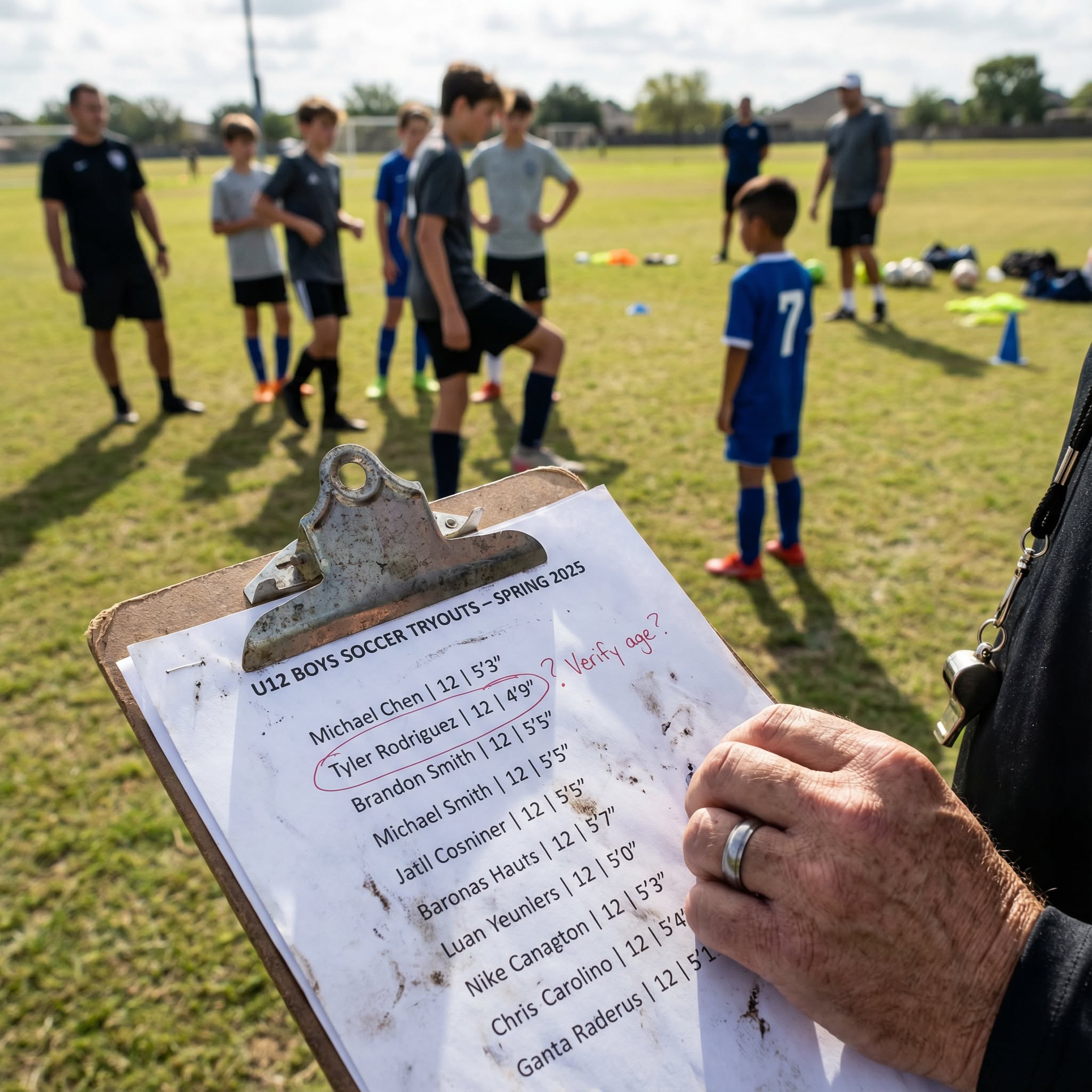
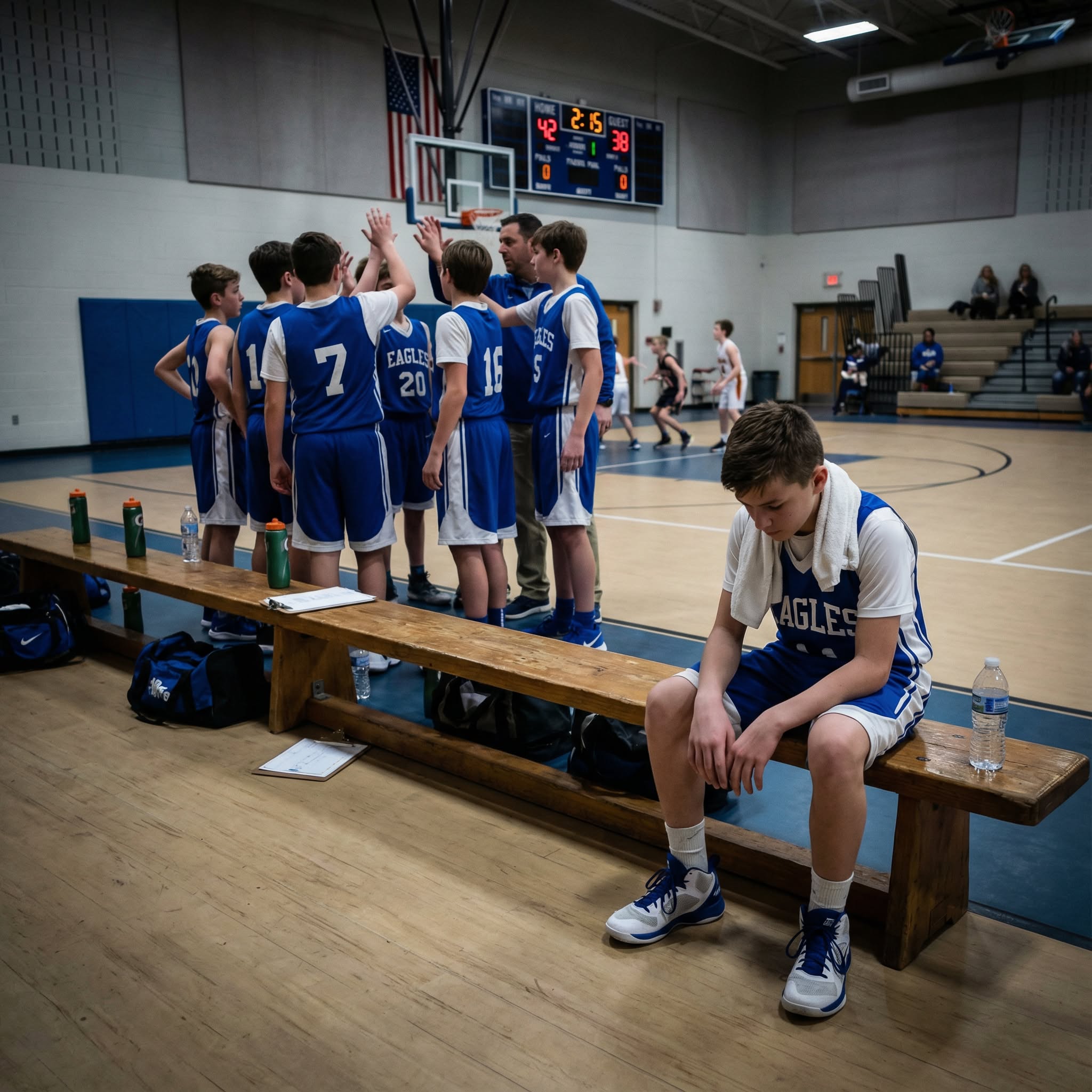
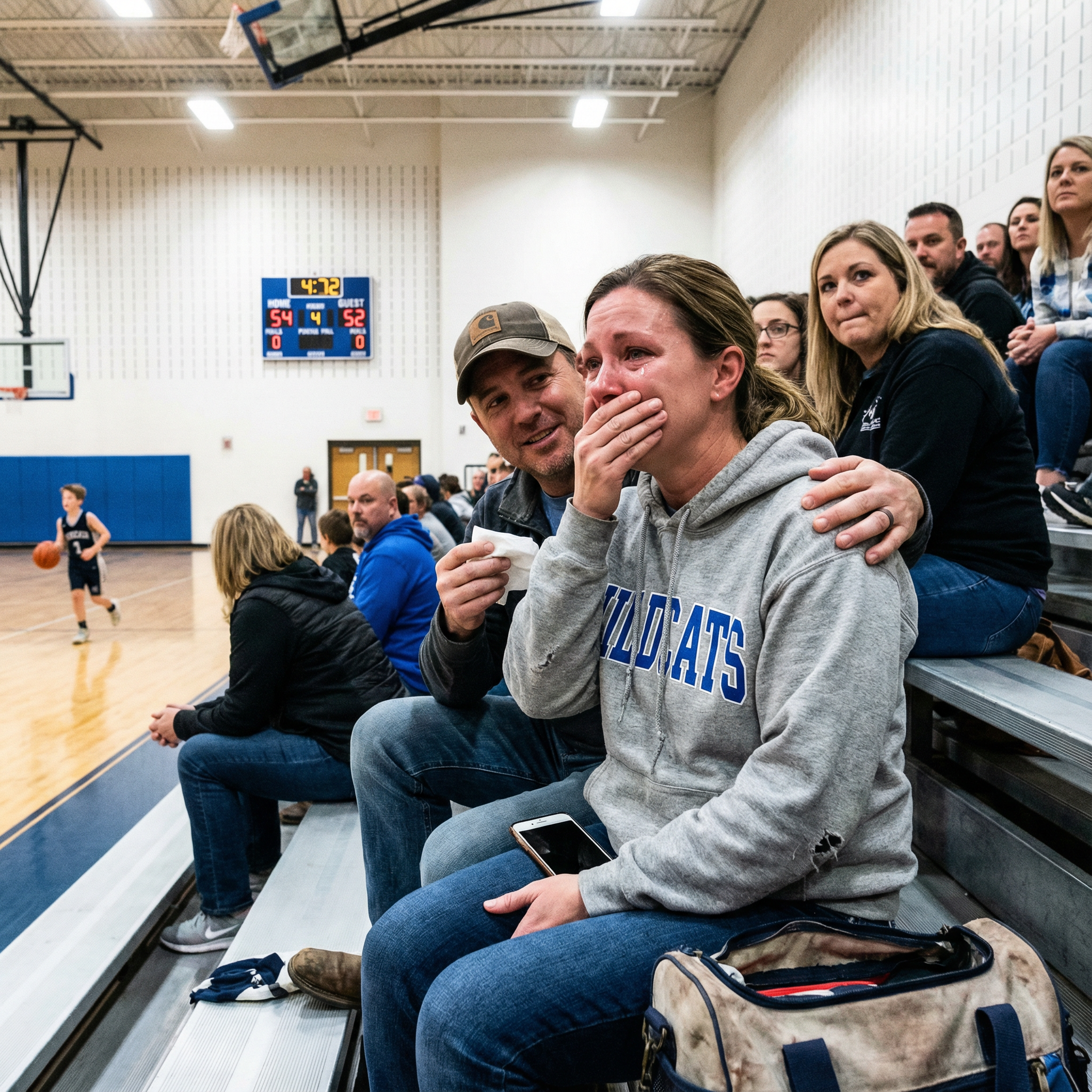
I was sitting in the bleachers when it happened. My son went down hard. The gym went silent. He laid there for three seconds—the longest three seconds of my life—before getting up. The other parents said "that's basketball, it happens." But I counted. He'd been knocked down four times that game. By four different players. All of them taller. All of them heavier. And I realized this wasn't just basketball. This was my son's body telling me it couldn't keep up. I'm Jennifer Martinez. My son Logan is 13. And what happened in the four months after that game is something every mother watching her son get physically dominated needs to hear. --- Three seconds doesn't sound like a long time. But when it's your child lying on a gym floor and the entire room has gone silent, three seconds feels like three hours. I watched him hit the ground. I watched him not move immediately. I watched the referee rush over. I watched the other team's player look down with his hands up saying "I didn't mean to." I know he didn't mean to. That's what made it worse. The collision was legal. The play was clean. This wasn't about dirty basketball or aggressive kids. This was about physics. A 5'2", 105-pound body colliding with a 5'10", 150-pound body. My son lost that equation four times in one game. --- When Logan finally got up, the gym erupted in polite applause. The game continued. The other parents went back to their conversations. But I couldn't stop shaking. The mom next to me—someone I'd been chatting with about carpools five minutes earlier—patted my arm and said "That's basketball. It happens." I nodded. I smiled. I pretended to agree. But something in my brain had clicked into a different mode. I started counting. --- First quarter: Logan went down once going for a rebound. Collision with a kid at least 5 inches taller. Second quarter: Knocked to the floor during a defensive play. The other player wasn't even trying to be aggressive—he just turned and Logan was there and physics did the rest. Third quarter: That's when the big one happened. The one that made the gym go silent. Fourth quarter: One more time. Fell going for a loose ball. Four times. Four different players. Four collisions where my son ended up on the floor and the other kid barely registered the contact. --- After the game, I met Logan outside the locker room. "You okay?" I asked. "Yeah, I'm fine." "That third one looked scary." "Mom, I'm fine. It's just basketball." In the car, he put his seatbelt on slowly. I noticed him wince when the strap crossed his shoulder. "Does your shoulder hurt?" "A little. It's fine." "Logan—" "Mom, I'm FINE. Can we not do this?" We drove home in silence. --- That night, I couldn't sleep. I kept seeing those three seconds. Him on the floor. Not moving. The entire gym silent. At 2 AM, I got up and went to his room. He was asleep on his back. His left arm was positioned carefully away from his body—his shoulder clearly still bothering him. I stood there watching him sleep and realized something that terrified me: He'd been getting knocked down in games for months. Maybe longer. I'd just stopped noticing because it happened so often. It had become normal. My son getting physically dominated had become normal. --- The next morning, I pulled up his team's game footage from the past three weeks. Parents record everything now and post it to the team app. I watched three games. I counted. Game 1: Five times on the floor. Game 2: Three times. Game 3 (the one I'd just watched): Four times. Twelve floor impacts in three games. I looked at the players who'd knocked him down. Different kids. Different teams. All of them significantly larger. This wasn't about one aggressive player. This wasn't about dirty play. This was about my son's body being outmatched every single game. --- I took Logan to our pediatrician the following Monday. "He's been complaining about shoulder pain after basketball," I told her. She examined him. Asked him to move his arm in different directions. Checked for swelling. "It's likely just a strain from repeated contact," she said. "Rest it for a few days. Ice after games. It should heal." I hesitated. Then asked: "How many times is normal for a kid to get knocked down during a basketball game?" She looked at me. "What do you mean?" "I counted. He went down four times last game. Twelve times in the last three games. Is that... normal?" She was quiet for a moment. Then she pulled up Logan's growth chart on her computer. "He's 5'2". That puts him in the 8th percentile for his age. How tall are the other players?" "Most of them are 5'8" to 6'0"." She looked at the chart. Then at Logan. Then back at me. "Mrs. Martinez, medically, he's healthy. But from a sports medicine perspective... that size difference is creating a significant physical disadvantage. His body is taking contact it's not structurally ready to absorb." "What does that mean?" "It means the repeated impacts aren't just causing shoulder strain. They're creating cumulative stress on his entire frame. And if he's falling that frequently, we're looking at increased injury risk over time." --- That conversation changed everything. I'd been thinking of Logan's height as an aesthetic issue. Something that bothered him socially. Something that would "work itself out" eventually. I hadn't been thinking of it as a safety issue. But watching him get knocked down twelve times in three games—watching his body absorb impacts from kids 30-50 pounds heavier—I couldn't ignore it anymore. His size wasn't just affecting his confidence. It was affecting his physical safety. --- I started researching that night. Not "how to help short kids feel confident." Not "building resilience in sports." I researched why some kids grow and others don't. Why some 13-year-olds are 5'2" and others are 5'10". I learned about growth plates. They're areas at the ends of bones that allow for height growth. They stay open during childhood and close between ages 14-18. Once they close, no amount of nutrition, no amount of anything makes you taller. That window closes permanently. Logan was 13. He had maybe 1-5 years left. I learned that height isn't a fixed number determined at birth. It's a range determined by genetics and environmental factors—primarily nutrition. My husband is 5'11". I'm 5'6". Logan's genetic range should be somewhere between 5'8" and 6'0". He was tracking toward the very bottom of that range. Maybe below it. --- I found study after study showing that most children never reach their genetic height potential because of nutritional gaps during critical growth years. Not starvation. Not malnutrition. Just missing the 40-50 specific nutrients bones need for optimal growth. Calcium. Vitamin D3. Vitamin K2. Zinc. Magnesium. Boron. Collagen peptides. And dozens more that work together to support bone development and height growth. I grabbed Logan's gummy multivitamin from the cabinet. The one I'd been giving him every morning for three years. I read the label. Calcium: 200mg (kids need 1,300mg daily) Vitamin D: 400 IU (experts recommend 2,000+ IU for growth optimization) Zinc: Not listed. Vitamin K2: Not listed. Magnesium: Not listed. He was getting maybe 15% of what his growing bones actually needed. For three years. While his teammates were getting complete nutrition and growing 3-4 inches per year, Logan was getting incomplete nutrition and growing 1-2 inches per year. The gap was getting worse every season. --- I scheduled an appointment with a pediatric endocrinologist two weeks later. She ordered comprehensive blood work and a bone age X-ray. When the results came back, she showed me the X-ray on her screen. "His bone age is 12.5. Chronologically, he's 13. That's actually good—it means his growth plates are still open and he has time left to grow." "How much time?" "Boys' growth plates typically close between 16-18. So he has somewhere between 3-5 years. But his blood work shows significant vitamin D deficiency, low zinc levels, and suboptimal calcium intake." "What does that mean?" "It means his body doesn't have the nutritional building blocks it needs for optimal bone growth. He's getting baseline nutrition to stay healthy, but not growth-optimized nutrition to reach his genetic height potential." "Can we fix it?" She handed me a piece of paper. "These are the nutrients he needs at therapeutic levels. You'll need to purchase them separately—most children's vitamins don't provide these at the dosages required for growth support." --- I left with a list of 14 different nutrients. I went to three different stores and bought eight different supplement bottles. Calcium citrate. Vitamin D3 drops at 2,000 IU. Vitamin K2. Zinc. Magnesium. Boron. Collagen powder. A comprehensive multivitamin with additional cofactors. Every morning, I laid out seven pills and a powder for Logan. "Mom, this is way too much," he said, staring at the pile. "It's for your bones. Just for a few months." "Can't I just take a regular vitamin?" "These are what the doctor said you need." He took them. But by week two, he was "forgetting" doses. By week three, he refused the collagen powder because it made his protein shake taste chalky. I was spending $275 a month on supplements I couldn't consistently get him to take. --- Then another basketball mom mentioned something at practice pickup. Her son had been in a similar situation—shorter, getting physically dominated, dealing with repeated contact injuries. "I found something that really helped," she said. "It's called Taller Tomorrows. It has everything our endocrinologist recommended, but all in one formula. Two gummies a day." She showed me her phone. Her son had grown 3 inches in four months. I looked it up that night. --- The ingredient list matched almost exactly what Logan's endocrinologist had written down. Calcium at optimal dosages. Vitamin D3 at 2,000 IU. Vitamin K2. Zinc at therapeutic levels. Magnesium. Boron. Collagen peptides. Plus 41 other nutrients specifically formulated for bone growth and height development during ages 5-18. All in two gummies. I read review after review from parents: "My son actually takes these every day." "Grew 2 inches in 8 weeks." "Finally something that works." "The physical contact in games doesn't knock him down anymore." I ordered it that night. --- When it arrived, I showed Logan. "Two gummies. That's it. Everything you need." He tried one. "These actually taste good. Like real gummies." For the first time in a month, he didn't complain about taking his supplements. We started on February 18th. I measured him: 5'2". I took a photo. I wrote the date in my phone. --- I'm not going to tell you I expected immediate results. I knew growth takes time. But by week seven, Logan's basketball shorts were noticeably shorter on him. "Did these shrink?" he asked one morning. I measured him. 5'4". Two inches in seven weeks. He'd grown more in seven weeks than he'd grown in the previous ten months. --- By week twelve, he needed new basketball shoes. His feet had grown a full size. By week sixteen, he was 5'6". Four inches in four months. But more than the physical changes, I noticed something else at his games. He wasn't getting knocked down as much. --- Last Tuesday—four months after that game where I counted him hitting the floor four times—I watched him play again. Same league. Same level of competition. Kids still taller than him. But not 8 inches taller anymore. More like 3-4 inches. He went for a rebound. Made contact with a taller player. This time, he held his ground. Got the ball. Outlet pass. No whistle. No fall. Just normal basketball contact between two players whose bodies could actually compete. I sat in those bleachers and cried. Not because he'd grown four inches. Because I didn't have to count anymore. --- After the game, another mom came up to me. "Logan looks great out there. Did he hit a growth spurt?" "Yeah," I said. "Something like that." She didn't need to know the details. She didn't need to know about the endocrinologist, the supplements, the research, the decision to stop waiting and start acting. She just needed to see that the kid who used to get knocked down every game was now holding his own. --- I'm sharing this because I know there are other mothers sitting in bleachers counting. Counting how many times their son hits the floor. Counting how many collisions with bigger players. Counting the seconds their child lays there before getting up. Hearing other parents say "that's basketball" while knowing in your gut that something's wrong. --- I can't promise Taller Tomorrows will work exactly the same for your son. Every child is different. Growth depends on genetics, age, overall health, and when you start. But I can tell you what happened with Logan. His endocrinologist confirmed his blood work is now optimal. His vitamin D, zinc, and calcium levels are where they should be for a growing teenage boy. His bone age is progressing normally. His growth plates are still open. And he's not getting knocked to the floor four times a game anymore. --- He's 13. He's 5'6" now. He's still not the tallest kid on the court. But he's not the smallest anymore either. And when he makes contact with other players, his body can handle it. That's all I wanted. Not for him to be the tallest. Just for him to be safe. --- Growth plates close between ages 14-18 in boys. Logan is 13. He has 1-5 years left before that window closes permanently. Four months ago, I sat in bleachers watching him get knocked down over and over, feeling completely helpless. Today, I know I'm not helpless. I can't make other kids smaller. I can't change the physics of basketball. But I can make sure Logan's body has every nutritional advantage to reach his genetic potential during the years that still matter. --- If you're sitting in bleachers counting... If you're watching your son go down hard and the gym goes silent... If other parents are saying "that's basketball" but you know it's more than that... If you're realizing his body just can't keep up anymore... You're not helpless either. --- Taller Tomorrows. 48 nutrients designed for growing bodies ages 5-18. Complete nutritional support for kids who need growth optimization during their critical years. Click the link below to give your son what his body needs while his growth window is still open. Try it risk-free for 60 days. If your child doesn't grow, doesn't show improvement, or you're unsatisfied for any reason—get your full money back. Logan grew 4 inches in 4 months. His body can handle contact now. I don't count floor impacts anymore. Your son's growth plates won't stay open forever. Boys' plates close between 14-18. Once they close, it's permanent. Don't spend the next year watching him get knocked down while his window closes. Click below to order Taller Tomorrows. Because three seconds of watching your child on the floor not moving is three seconds too long. And "that's just basketball" isn't an answer when you know his body could do better with the right support. Complete nutrition during the window that matters. That's what made the difference for Logan. That's what could make the difference for your son. Click the link below before his growth window closes.
Where the ad sends people
tallertomorrows.com
If Your Athlete Is "Too Short" Read This ☝️
TALLER TOMORROWS - Height Growth Support Gummies
Learn more: tallertomorrows.com(opens in a new tab)