
Inactive· since May 16, 2026
- 48
- days it ran
- 1
- relaunches
Ad copy
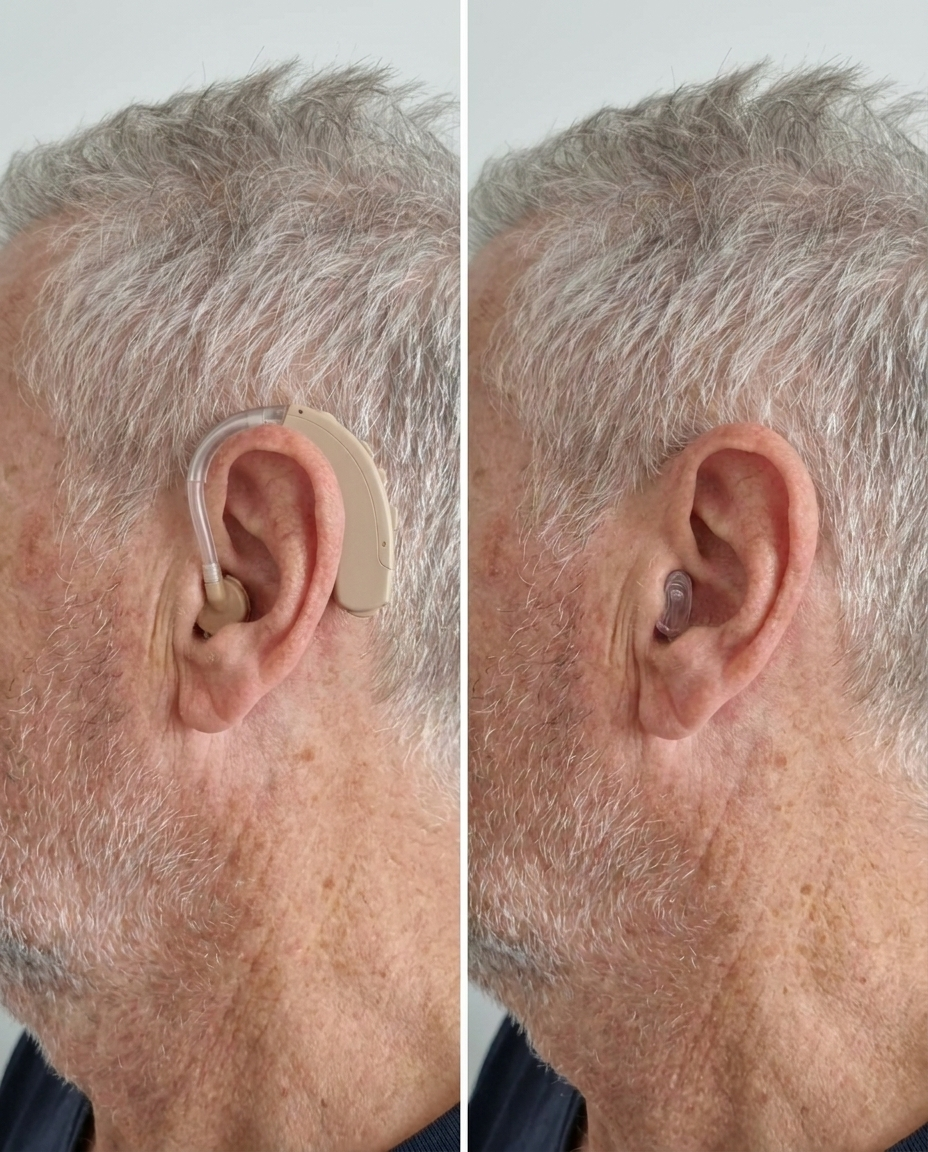
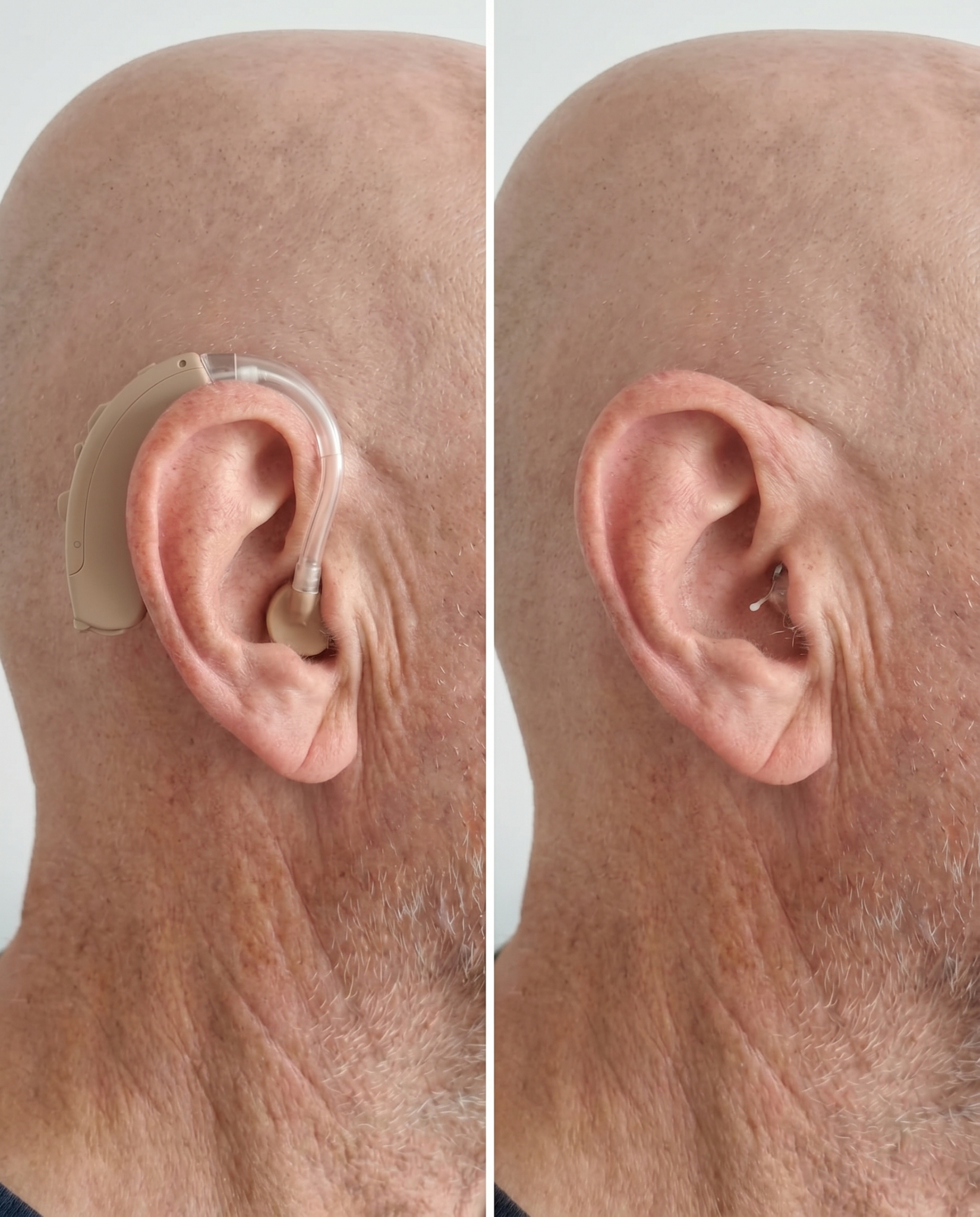
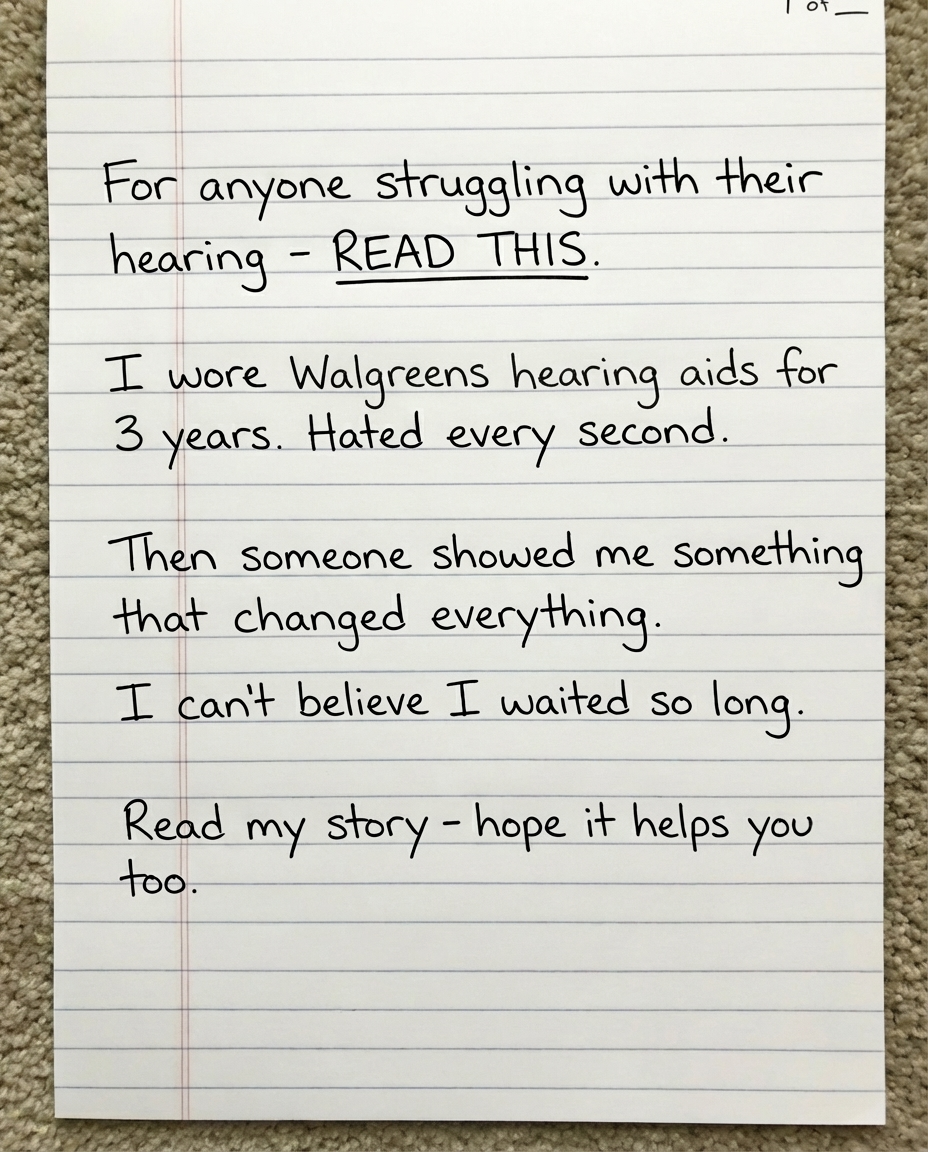
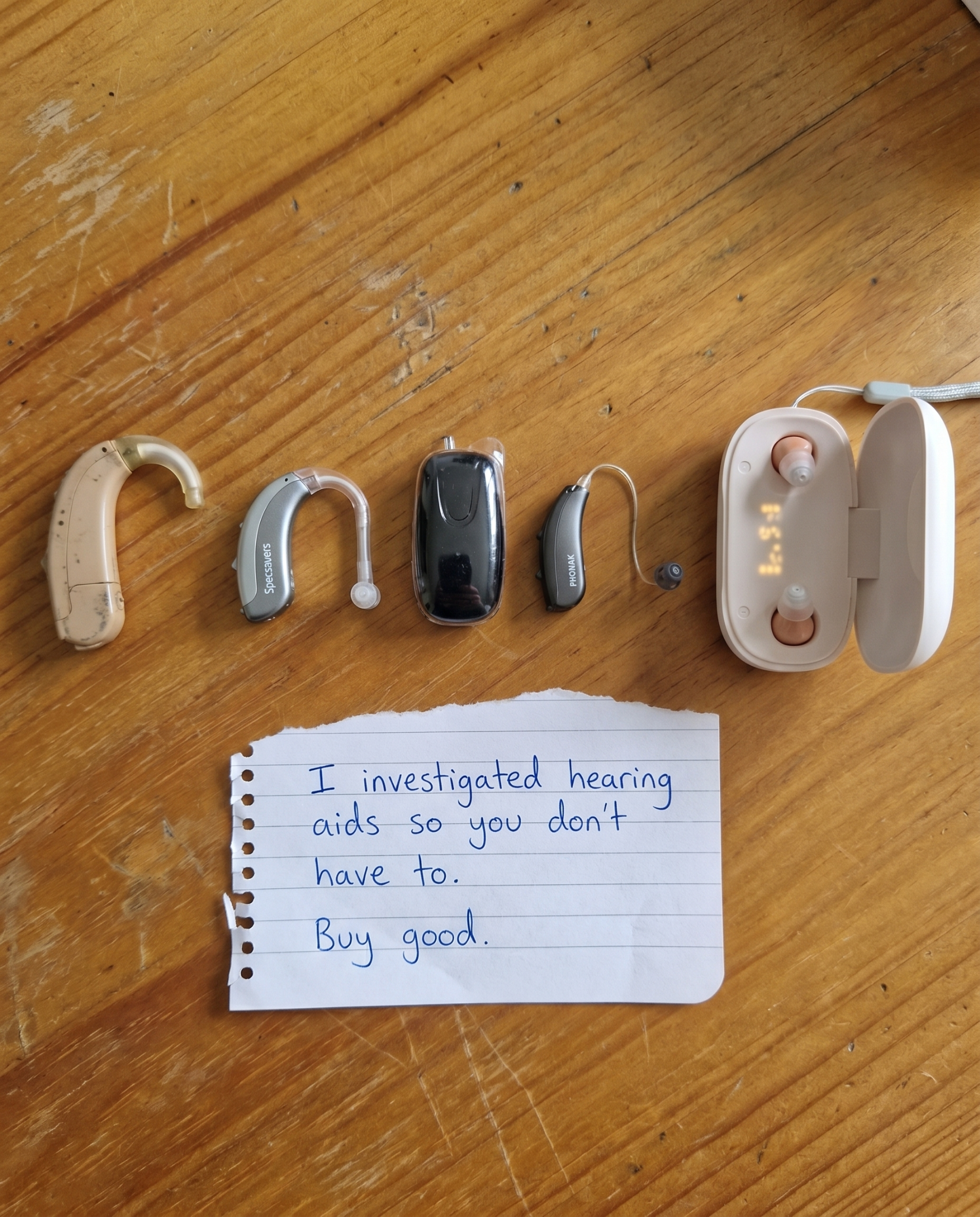
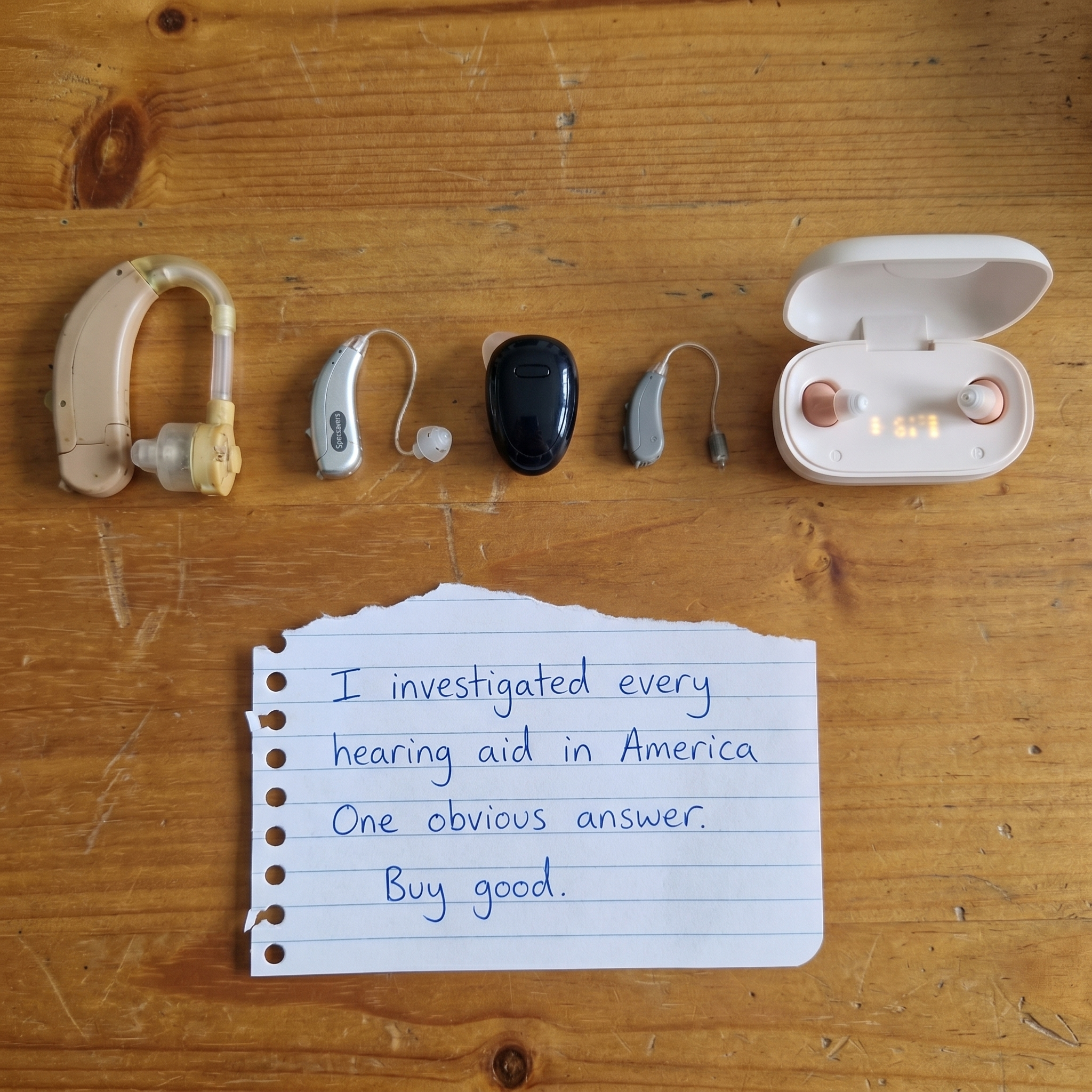
Miracle-Ear quoted me $4,995. The drugstore offered me $999. I spent three weeks investigating the hearing aid industry from the inside out. The markup on a hearing aid is one of the most aggressive in any consumer medical product in America. I sat at my kitchen table staring at two pieces of paper. Miracle-Ear invoice: $4,995. Walgreens receipt: $999 for OTC hearing aids. Five thousand dollars. Or a thousand at the drugstore. I'm Jim. 73. Retired railroad engineer from Pennsylvania. Forty-five years building track. I know what things cost to make. I know what labor and components look like when they're priced honestly. And I know when someone is ripping me off. So I didn't accept the choice. I investigated instead. Three weeks. Every hearing aid option available in America. Every price point. Every technology claim. The components, the manufacturers, the supply chains, the markup structures. Everything. Here's what I found. **Option 1: The drugstore (CVS, Walgreens, Walmart)** Available. In theory. In practice, $799 to $1,499 at the counter. Most stores carry one or two brands. The OTC category is barely three years old — FDA approval came in late 2022. When you buy one, you receive an OTC-grade device. Limited-channel processing — typically four to eight channels. Voices, background noise, the fridge, traffic, all blurred together. Rechargeable or battery-powered depending on model. OTC because it's cheaper to skip professional fitting at scale. I spoke to a retired retail audiologist during my research. She was direct about it. The drugstores buy at procurement prices across thousands of devices. What they sell is not the best available. It's the best available at what the OTC channel allows. Verdict: Technically accessible. Realistically limited. And when you buy one, basic OTC technology that costs around $999 before you've solved the actual problem. **Option 2: Miracle-Ear — $4,995** I went in. Heard test. Professional, thorough, no complaints about the audiologist herself. Then she walked me to the cabinet. Here's what my investigation found about what you're actually paying for when you spend $4,995 at Miracle-Ear. The components that do the actual work — the digital processing chip, the microphone, the receiver — cost the manufacturer approximately $80 to $100 to produce. The rest of that $4,995 is the building. The rent on a prime main street retail unit. The audiologist on commission — and commission is standard practice in private hearing aid sales, which is why the premium range comes out of the cabinet first, every time. The area manager. The regional director. The head office. The national television campaign that made you trust the name enough to walk through the door. I spoke to three former private audiologists during my investigation. All three confirmed the commission structure. All three said they were instructed to lead with premium. Verdict: Good technology. Genuine service. And a markup that would make a pharmaceutical executive blush. **Option 3: HearingLife — $4,200** Lower headline price than Miracle-Ear. Seems like the sensible middle ground. Read the contract first. During my investigation I found 47 Trustpilot reviews from HearingLife customers describing the same experience: a three-year servicing contract not disclosed clearly at point of sale. Their own-brand hearing aids are locked to HearingLife programming equipment. No other audiologist can adjust them. If your branch closes — and branches do close — you have no options. HearingLife: 2.3 stars on Trustpilot. 58% one-star reviews. The most common complaint: paid thousands, aids stopped working, can't get anyone to fix them. Verdict: Lower entry price hiding a long-term lock-in that Miracle-Ear doesn't have. The Trustpilot data speaks for itself. **Option 4: Amazon — $29 to $89** I tested two. Both went back within a week. Here's why, explained precisely. The core components of a proper hearing aid — the digital processing chip, the receiver, the microphone — cost $80 to $100 to manufacture. If a complete device sells for $39, those components are not inside it. What you're buying is a basic amplifier. A microphone connected to a speaker with a volume dial. It makes everything louder without processing any of it. No chip. No channel separation. No difference between Margaret's voice and the background noise. Just more of everything at once. This is not a cheap version of proper hearing aids. It is a fundamentally different and inferior category of product. Wearing one can actually be counterproductive — indiscriminate amplification over extended periods is not good for hearing health. Verdict: Not hearing aids. Amplifiers with hearing aid packaging. Avoid. **Option 5: Modern Hearing — $249** This is what three weeks of investigation led me to. A former VA audiologist — thirty years fitting hearing aids, VA and private — had published a comparative test of five brands. Real patients. Side-by-side performance data. Technical specifications. Every price listed. No brand paid for its position. Modern Hearing. Same Knowles components found in the Miracle-Ear and HearingLife premium ranges. 16-channel digital processing — the technology that actually separates voices from background noise rather than amplifying everything indiscriminately. Rechargeable. In-ear. FDA registered medical grade. No main street shop. No commissioned sales staff. No area manager. No head office overhead. No television advertising budget. Sold direct from a New Jersey warehouse. $249. I called the audiologist whose report I'd found. She confirmed the component sourcing. She confirmed the processing specification. She confirmed that for mild to moderate hearing loss — the most common type, the type I had — the performance was comparable to clinic devices costing ten times as much. I asked her why more people didn't know about this. She said: "Because no one in the distribution chain has any incentive to tell them." I ordered Modern Hearing that evening. Three days. Proper packaging. FDA registered. Charging case. Five ear tip sizes. English manual that made sense. Put them in at the kitchen table. Margaret was in the yard. "Any good?" she called through the window. I heard every word. Not louder. Clearer. There is a difference and I understood it immediately because I'd spent three weeks learning exactly what multi-channel processing does. The chip separates the signal. Margaret's voice comes forward. The yard noise stays back. That's the technology. That's what $80 to $100 worth of components actually does when it isn't buried inside $4,900 worth of overhead. "Say something else." "You're a stubborn old fool and I love you." Crystal clear. Two months now. Last Saturday my grandson Charlie stayed over. Bedtime, he whispered — actually whispered — "Grandpa, I'm glad you can hear me now. I thought you didn't like my stories." Three years. He'd thought I wasn't interested for three years. At golf the following Thursday everyone noticed I was following the conversation properly. "Finally went to Miracle-Ear then, Jim?" "No. Modern Hearing. $249." "You've got to be kidding." I showed them the investigation. The component costs. The markup breakdown. The audiologist's comparative test. Malcolm went quiet. He'd spent $4,200 at Miracle-Ear six months earlier. Same chip inside. He did the math himself at the bar. Terry ordered his that afternoon. Dave ordered on the spot. Malcolm ordered a pair for his father the next morning — said at least someone would benefit from what he'd learned. Week later, four of us at golf. All wearing Modern Hearing. All hearing the full conversation for the first time in years. Combined, we'd have spent over $16,000 at Miracle-Ear for the same technology. Here is what my investigation concluded. The American hearing aid market offers seniors a choice between paying $999 at the drugstore for basic OTC technology or paying thousands at the clinics for a markup that has nothing to do with the quality of the device inside. Neither is inevitable. The chip inside a $4,995 Miracle-Ear hearing aid costs $80 to $100 to manufacture. Modern Hearing sells a device containing the same chip for $249 because it removed every layer of the distribution chain that inflates the price. That is not a claim. That is a supply chain analysis. The audiologist's report is here: www.healthylivingdigest.news/pages/healthy-living-digest-we-tested-the-actual-cost-of-5-top-hearing-aids-us Thirty years in audiology. Five brands tested. Every price listed. No brand paid for it. Read it yourself. Form your own conclusion. And if you want to go straight to Modern Hearing: www.trymodernhearing.com/products/modern-hearing-comfort $249. 45-day trial. Send them back if they're not right. Jim Henderson, 73 Retired Railroad Engineer Pennsylvania Three weeks of investigation. One conclusion. P.S. Malcolm sold his Miracle-Ear hearing aids on eBay for $1,200. Still bitter about the $3,000 difference. But he can hear his grandchildren now. That, he said, is the only number that actually matters.
Like this ad? Make it yours.
Crush rebuilds this exact creative around your product — your brand, your colors, your offer — in about a minute.