
Active· since Jun 3, 2026
- 106
- days running
- 0
- relaunches
Ad copy
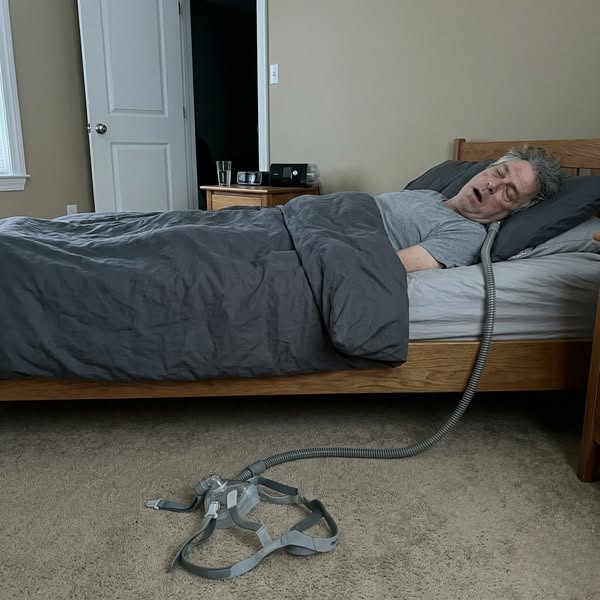
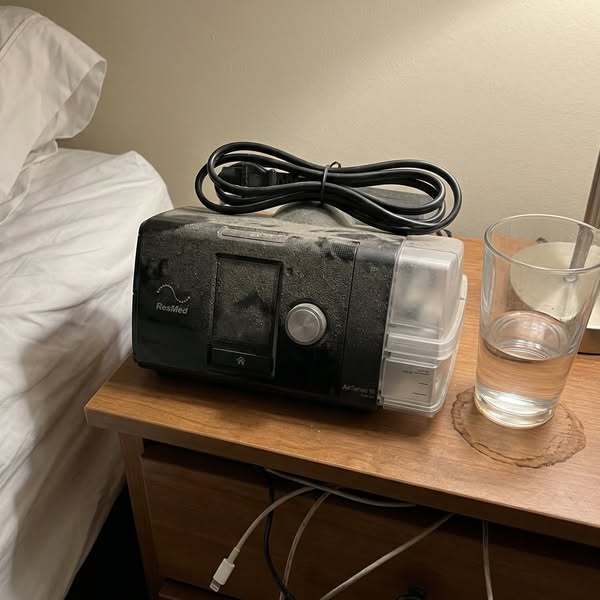
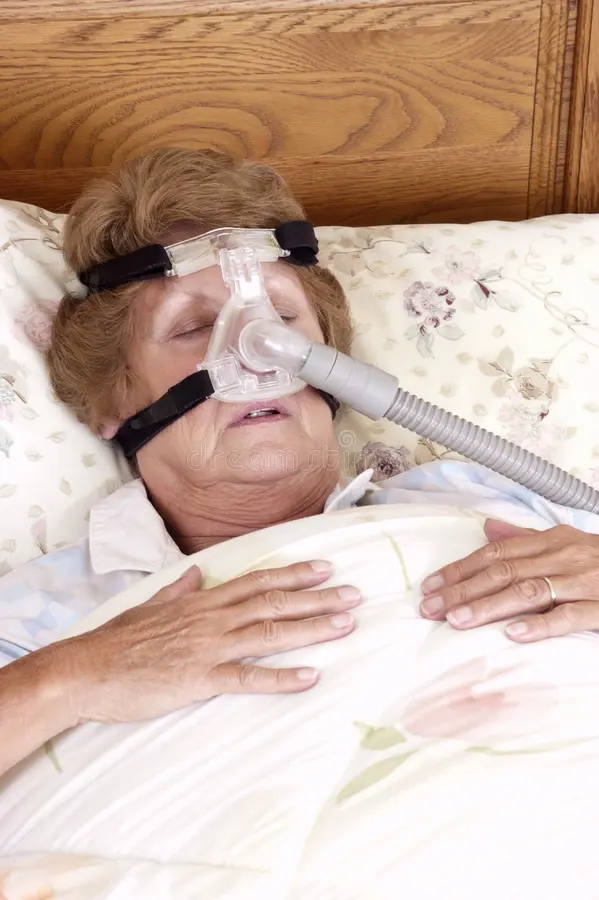
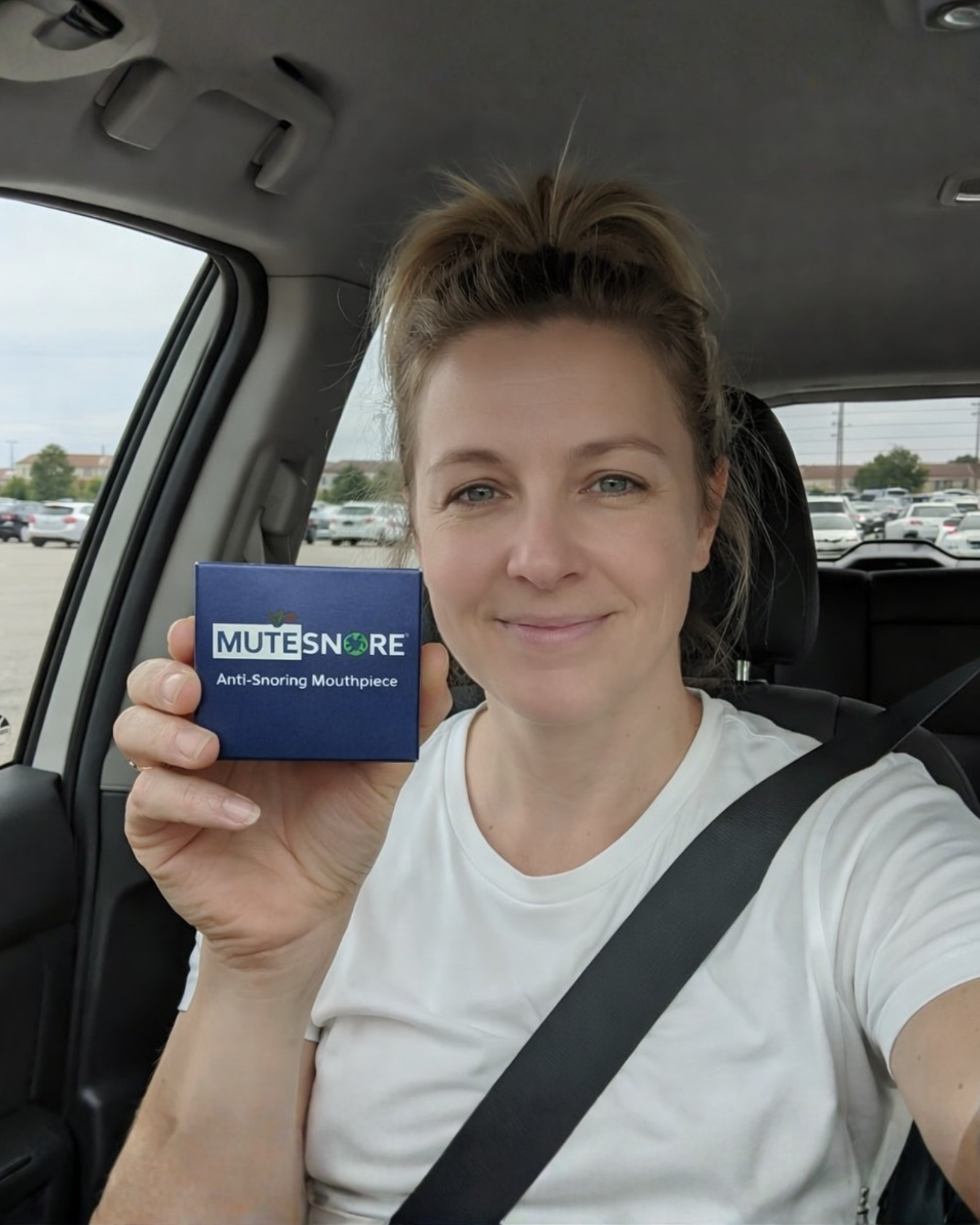
I called bullshit on this anti-snoring mouthpiece for four months. A forty-dollar mouthpiece for sleep apnea? Stopping your snoring and fixing your energy in the first week? Sounded like every internet scam targeting women who are terrified of CPAP machines. I'm not the woman who falls for this stuff. "Natural snoring solution." "What your sleep doctor won't tell you." "This one device fixes your airway overnight." It's always bullshit. So when I kept seeing MuteSnore's ads, I ignored them. A mouthpiece fixes sleep apnea? Sure. And the reason I wake up at 3am gasping is just stress. But my algorithm wouldn't stop showing me these ads. Fine. I'll research it just to confirm it's a scam. First surprise: 60-day money-back guarantee. Not 7 days. Not even 30. Sixty. Scam products don't offer 60-day guarantees. They know you'll forget to return it by day 14. Second surprise: The research on mandibular advancement and airway collapse was public. Peer-reviewed studies. Full methodology available. Universities I'd actually heard of. Here's what caught my attention: it wasn't just about reducing snoring noise. The research was about why sleep apnea becomes dangerous in the first place. The jaw slides backward during sleep. The soft tissue follows it. The airway folds shut like a garden hose someone stepped on in the middle. And every time that happens, the body floods with adrenaline and cortisol to force itself back awake — spiking heart rate, spiking blood pressure, thirty, forty, fifty times an hour. And a precision-engineered jaw advancement device — not a boil-and-bite kit, something actually built to hold the jaw in the correct clinical position — was showing the ability to stop the collapse before it ever started. I've seen fake studies. This didn't look fake. Third surprise: Found a Reddit thread of guys arguing about whether mandibular advancement devices actually work for moderate to severe apnea or whether the CPAP is the only real answer. Real arguing. Not fake testimonials. One guy said: "My wife bought this to prove her point after I refused the CPAP. Last two months I've slept through every night. Doctor asked what changed before I even mentioned it." Another guy pushed back: "These things just reposition your jaw wrong and you end up with bite problems." And then three other guys posted their before-and-after sleep tracker screenshots. With dates. Still skeptical. But curious. The breaking point: My sister-in-law calls me on a Sunday night. Out of nowhere. "How's the sleep apnea going?" She's been a respiratory therapist for eighteen years. She never asks about my health unless she's actually worried. "Same. Still can't tolerate the CPAP. Waking up four, five times a night. Michael's been in the guest room for eight months." Silence. Then: "Before you give up on this. I've been looking into something. It's a mandibular advancement device — holds your jaw forward so the airway can't collapse. No machine. No mask. No hose. I know how it sounds. But a sleep specialist I work with has been recommending one specific brand to CPAP dropout patients. I started looking at the clinical basis. Started recommending it to patients myself." My sister-in-law doesn't recommend anything she hasn't vetted herself. She's more skeptical than I am. If she's convinced, maybe I'm wrong. "How many of your patients have seen results?" "Enough that I ordered one for my neighbor's husband last month. He'd been on CPAP for six years and still waking up exhausted. Couldn't figure out why. Started using this instead three weeks ago. His wife says she's slept through the night every night since." She stopped for a moment. Then she said: "There's something you need to understand about CPAP that most doctors don't explain. The machine forces air through the collapse. But the collapse still happens. The jaw still slides back. The tissue still folds. The adrenaline still fires. The machine is just powerful enough to push through it. It manages the event count. It doesn't stop the event." I thought about my father. Dad was on a CPAP for twelve years. His compliance data was perfect at every checkup. His doctor congratulated him at every appointment. He was the ideal patient — cleaned the equipment every week, never missed a night, wore it faithfully until the morning he didn't. He died at 71. Cardiac event. In his sleep. With the CPAP on the nightstand. His numbers were perfect. His underlying mechanism was never corrected. "The device I'm recommending," my sister-in-law said, "holds the jaw forward. The jaw can't slide back. The tissue can't collapse. The airway stays open. Not because a machine is forcing it. Because the collapse is prevented before it starts. No adrenaline. No cortisol. No cardiovascular strain. First night." "What's it called?" I asked. "MuteSnore." I ordered it that night. Not because I believed it. Because I wanted to prove her wrong. Three days later: Package arrives. No setup. No boiling. No instructions more complicated than a single paragraph. I put it in that same evening. Week one: I woke up the next morning and lay there waiting for the usual inventory — dry throat, pressure headache, that particular hollow flatness of a body that had spent the night fighting for air. Throat. Not raw. Not dry. Head. No fog behind the eyes. Michael knocked on the bedroom door. Opened it. Stood there for a moment. "You didn't make a sound last night." He hadn't said that in years. "I woke up at two and lay there listening," he said. "Nothing. I almost came in to check on you." I didn't say anything. Just looked at him standing in the doorway of the bedroom he'd left eight months ago. Week two: Still no dramatic moment to report. But something was different. The fatigue I'd been attributing to getting older, to work stress, to just being someone who doesn't sleep well — it was lifting. Not gone. Lifting. I felt sharper by ten in the morning than I'd felt all day in years. I stopped needing to sit down after lunch. Stopped watching the clock for an excuse to call it a day. I didn't say anything to anyone. Could be placebo. Could be anything. Week three: Michael asked me something over dinner. I answered him. He asked a follow-up. I answered that too. Then he said: "You've been present this whole conversation. You didn't drift once." I hadn't noticed. That was the point. The week after that he moved back into our bedroom. He didn't make an announcement about it. I came upstairs and his things were back on his nightstand. "I slept better in the guest room," he said. "But I'd rather sleep here." Week four: I went to my regular doctor for my annual physical. Didn't mention the mouthpiece. Didn't mention anything. I wanted to see what she'd say. She ran her assessments. Checked my blood pressure. Checked my resting heart rate. Looked at my chart. Then looked at me. "Your blood pressure is down. Resting heart rate is lower than it's been in three years." She checked the readings again. "What changed?" I told her. The jaw advancement. The mechanism. The airway staying open. The adrenaline surges stopping. She didn't dismiss it. She typed it into my chart. I asked her about the cardiovascular implications of untreated airway collapse — the nightly adrenaline flooding, the chronic blood pressure spikes, the cumulative strain. She was quiet for a moment. Then she said: "It's more significant than most patients are told." I thought about my father's perfect compliance data. I thought about twelve years of a machine that managed the event count while the jaw kept sliding and the tissue kept collapsing and the adrenaline kept firing and the heart kept absorbing the strain of it. His numbers were fine right up until they weren't. That night: Michael and I had dinner with neighbors. I was following the conversation. All of it. Not losing my train of thought mid-sentence. Not nodding along to something I'd missed because my brain was running three beats behind. Not faking laughter at a joke that had already passed me by. Walking home, he put his arm through mine and said: "You seem like yourself again. More there. Like you came back from somewhere." "What changed?" "You started sleeping." He was right. That was the whole thing. I started sleeping. That was five months ago. Last checkup: blood pressure in normal range for the first time in four years. Resting heart rate down eleven beats from where I started. My doctor used the phrase "meaningfully improved cardiovascular profile" and then asked me to send her the product information. The morning fog is gone. Not lighter. Gone. I can read something once and retain it. I can follow a conversation from start to finish without that panicked scramble to piece together what I missed. I can remember what I walked into a room for. The mid-afternoon heaviness that I had accepted as just part of being in my fifties — gone. I went for a four-mile walk last Sunday and came home and made lunch and didn't need to sit down once. Michael sleeps through the night. Every night. He doesn't lie there with his hand on my shoulder deciding whether to wake me. He doesn't come downstairs in the morning with the look he's had for years — that mixture of exhaustion and relief that I was still there. I don't dread nights anymore. I used to go to bed with a low-level dread — the knowledge that whatever happened in the next eight hours was going to leave me worse than when I started. Now I actually look forward to it. My father wore his CPAP faithfully for twelve years. His compliance was perfect. His event count was managed. His underlying mechanism was never corrected. He died at 71 with the machine on the nightstand. I corrected the mechanism. In five months my cardiovascular profile is healthier than it's been in a decade. No machine. No mask. No hose. No pressurized air. No nightly seal check. No equipment burden. Just a jaw held in the correct position every night. That is the entire solution. I was wrong about this. Sometimes the thing that sounds too good to be true is just true. Stop being skeptical about what actually works. 60-day guarantee. MuteSnore. — Laura Brooks
I Called Bullshit on This Mouthpiece for Four Months. I Was Wrong.
I didn't want to share this...
LEARN MORELike this ad? Make it yours.
Crush rebuilds this exact creative around your product — your brand, your colors, your offer — in about a minute.