Cat Wellness Journal
Cat Wellness Journal Facebook ad: “Read if your senior cat is slowing down”
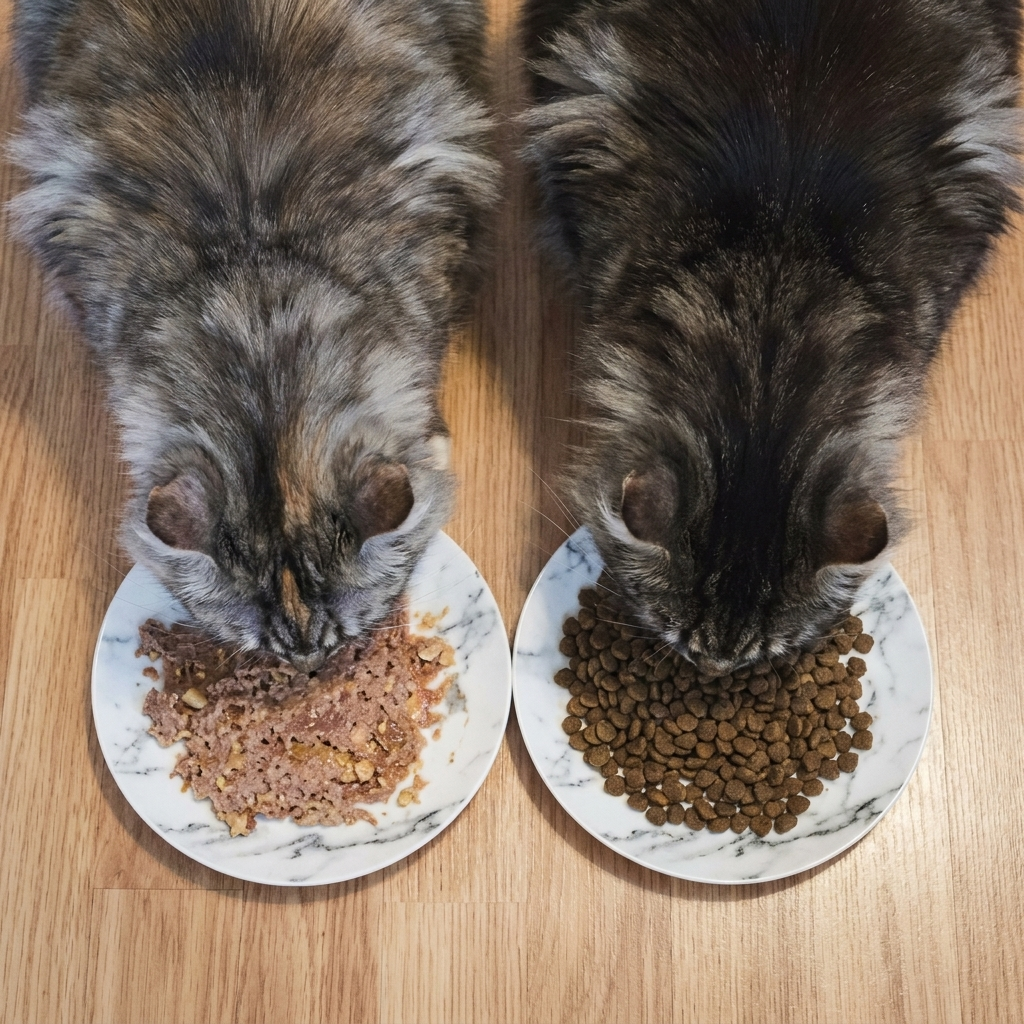
Ran for 68 days, from April 22 to June 28, 2026, the last day Crush saw it.
Run by Cat Wellness Journal on Facebook. Crush is not the advertiser and does not verify its claims. See this ad in Meta's Ad Library(opens in a new tab)
Want an ad like this for your product?
Crush makes new ad images for your product from this ad: your logo, your product photo, your offer.
Trials from $19.95 USD, then $79.95 USD a month. Cancel anytime.
About this ad
- Meta Ad Library ID
- 859394647184678
- Platforms
- Facebook, Instagram, Messenger and Threads
- Relaunches
- 0
- Niche
- Pets
Ad text
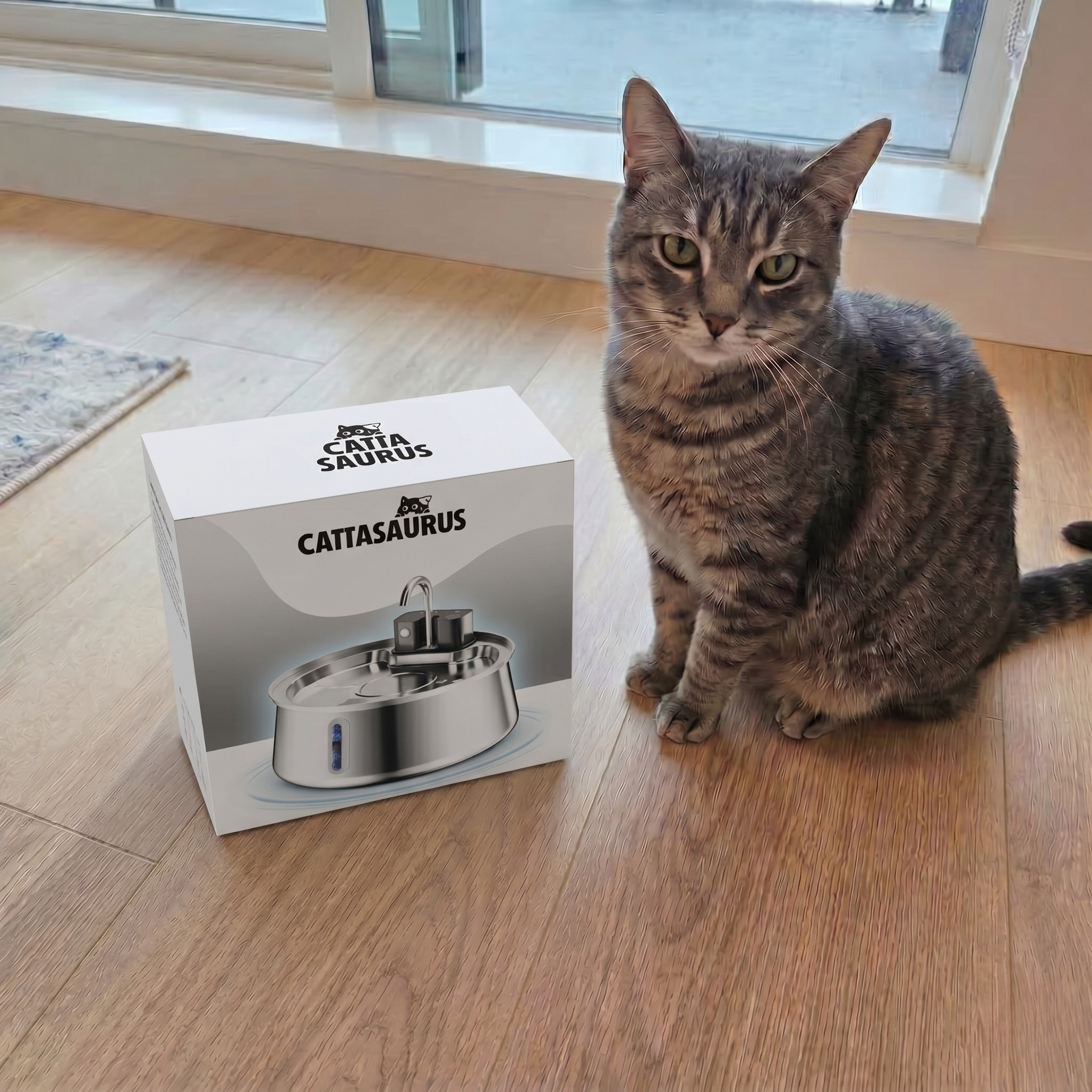
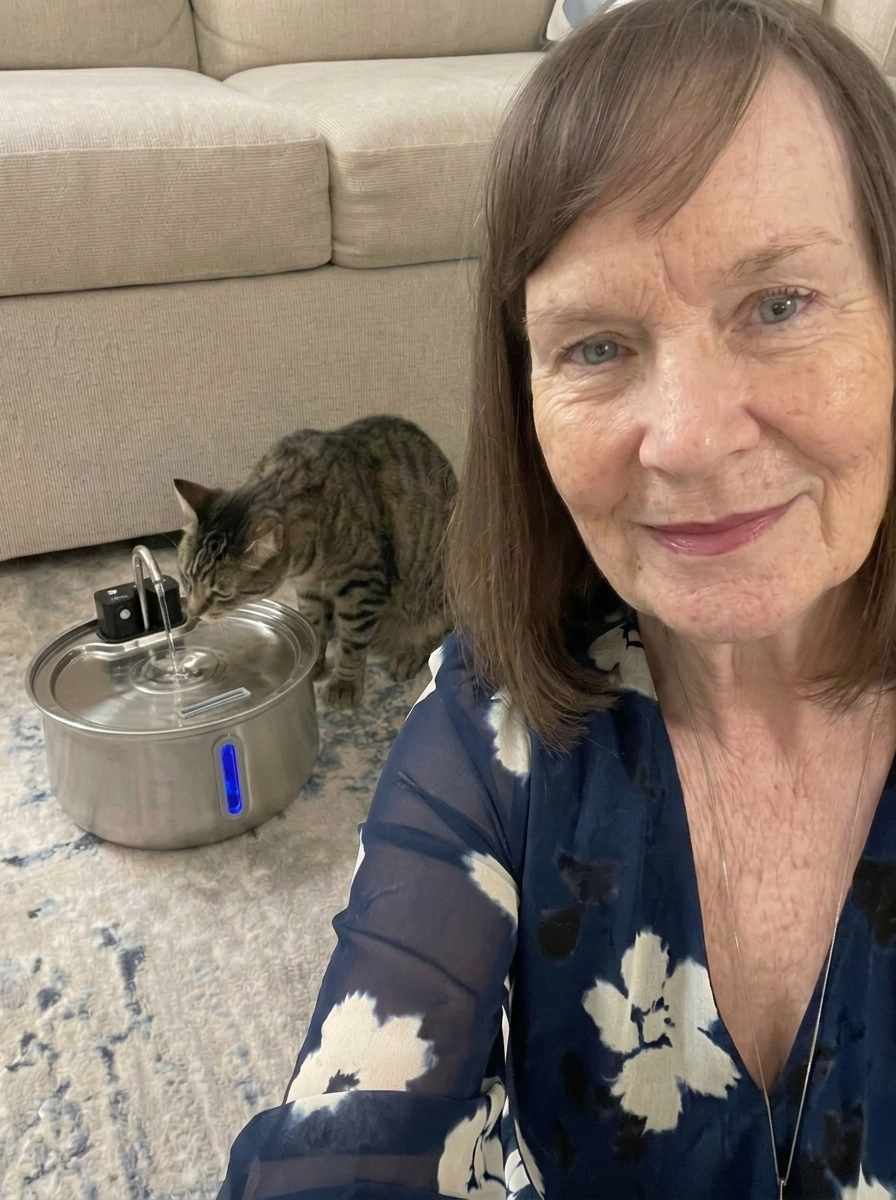
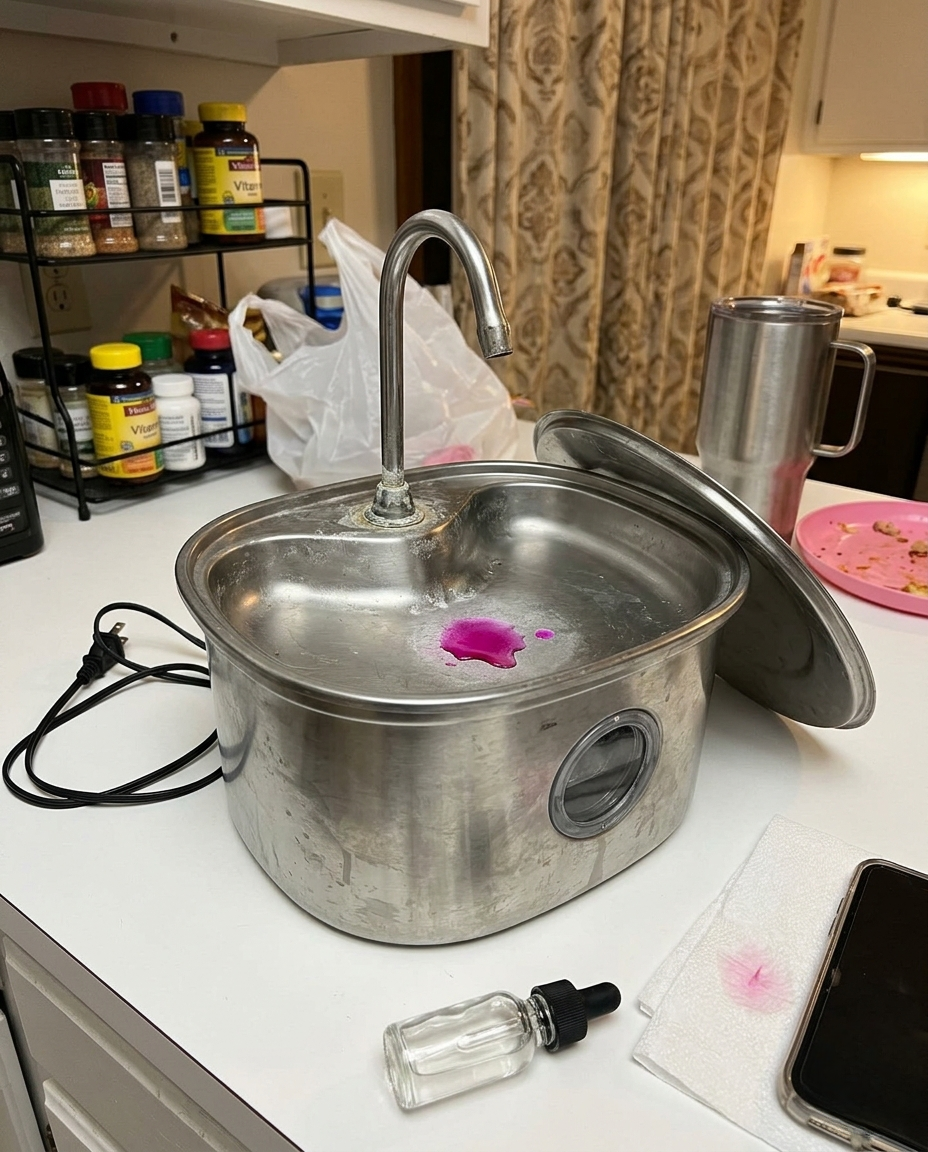
I thought running water was enough to keep my cat healthy. Then I read what a retired vet wrote about biofilm buildup—and realized it wasn't. Here's what I didn't know until three weeks ago… When a cat walks up to her water fountain, sniffs the basin, and walks away — most owners think she's being fussy. She's not. She's smelling something we can't. The plastic parts inside pet fountains — the basin, the water tank, the pump housing — get tiny scratches after just a few weeks of use. Too small to see without a microscope, but they're there. Bacteria grow inside those scratches and create a smell that no amount of scrubbing gets rid of. The fountain looks clean to us. Smells clean to us. But a cat's nose is 14 times stronger than ours. It doesn't smell clean to her. The pet industry has known this for a long time. Plastic is cheap to make, cheap to ship, and when filters clog and pumps burn out, people buy more. The whole fountain category is built around a material that starts going bad the moment it gets used. And a power cord that forces placement right next to the nearest outlet. And I spent 8 years thinking Luna was just being difficult. I retired 2 years ago after 32 years working as a dental hygienist — the person who cleans teeth at the dentist's office. My whole career was about fighting biofilm buildup. I scraped it off teeth every single day and heat-cleaned my tools in a special machine because tiny scratches on metal can hold bacteria that regular washing can't reach. I told patients every week why they need to throw out their old toothbrush. Not because the bristles are flat, but because bacteria are living in the scratches. Fighting bacteria on surfaces was my entire job. But I'll come back to that. Before Luna, there was Bella. Bella was a calico cat I adopted from a shelter when she was 2. She was with me for eleven years — the best eleven years of my life as a pet owner. When she turned 13, her blood test came back wrong — kidney numbers going up, heading toward failure. What followed was 6 months of giving her fluid shots under her skin and special food she wouldn't eat. Vet trips every 3 weeks where I watched her get smaller and weaker each time. She died on a Tuesday afternoon in my living room, and I held her for an hour after she stopped breathing. When I got Luna as a kitten that next spring, I made one promise to myself — I would not let this happen again. I put her on the best wet food from day one — high water content, low phosphorus, the brands that every cat kidney disease forum said to use. Blood tests every year without fail. I even bought her a cat water fountain — plastic, with a charcoal filter and a little pump that kept the water moving. Plugged it in next to her food dish in the kitchen, right where the outlet was. A vet I trusted completely. For seven years, Luna's numbers came back perfect. Every time the blood work was clean, I breathed a little easier and the tight feeling in my chest got a little softer. I started to believe I had actually figured it out. For the first time since Bella, I stopped looking up kidney disease symptoms at two in the morning. I let myself think: maybe I can keep her safe. Last October, Luna turned eight. Yearly vet visit, routine blood work. I dropped her off that morning and went to get coffee while I waited. The vet called at 11:40. "Her kidney numbers are going up. Not a lot. But they're heading in a direction I want to keep an eye on." Early Stage 2 kidney disease. My hands went cold around the phone. I know what those words mean. I heard them about Bella. "We'll keep watching it," she said. "It might level off. Let's check again in 6 months." I drove home without thinking, pulled into the driveway, and just sat there. Luna was in the living room window watching me through the glass, and I couldn't make myself go inside. I sat in that car for twenty minutes. I had done everything right. The best food, a water fountain, blood tests every year. Every single thing the forums said to do, every single thing the vet told me. And it was happening again. Maybe some cats are just prone to it, and maybe it doesn't matter what an owner feeds them or how careful she is. Maybe I was foolish to think I could stop something that already took Bella. I almost gave up. Three weeks later, at 1:47 AM, I was still awake. I opened my laptop. The things I searched that night still make me cringe. "why do cats get kidney disease on wet food" "cat won't drink water but drinks from faucet" "is plastic water fountain bad for cats" "early stage 2 kidney disease cats" Somewhere around the third page, I found a blog post by a retired veterinarian named Dr. Sarah Langford. She'd been treating cats with kidney problems for 23 years. The post was long but easy to follow, written for regular cat owners like me. She started with a line that stopped me cold. "In my practice, the most overlooked cause of kidney disease in cats is not their food. It is the material they drink from and where that water source sits." She talked about the scratch problem first. Plastic fountain basins and water tanks get tiny surface scratches within two to three weeks of normal use — even if washed every day, even with the soft side of the sponge. Even with a filter and a pump moving the water around, the basin itself is still plastic, still scratching, still full of bacteria. Bacteria grow inside those scratches and give off a smell. So faint that no human can detect it, but strong enough that a cat's nose picks it up right away. The cat walks up to the fountain, sniffs the basin, and leaves. The owner thinks she's picky, but she's not — she's smelling something her body is telling her to stay away from. Then Dr. Langford mentioned a study I had never heard of. A group called NSF International tested household items for bacteria. Pet water dishes came in as the 4th dirtiest item in the average home. More bacteria than a toilet seat. And that was on smooth surfaces — scratched-up plastic, which is what every fountain basin turns into after a few weeks, is far worse. I kept reading, and she moved on to where the water sits. In the wild, cats won't drink near a dead animal because rotting meat brings bugs, germs, and bad water. Over tens of thousands of years, cats learned to avoid any water source close to food — it's just built into them. House cats still have that same instinct. Putting a water source right next to the food dish — which is exactly what happens when a corded fountain has to plug into the kitchen outlet — sets off an alarm in the cat's brain. She can't ignore it or turn it off. She doesn't know why the water feels wrong. She just knows it does. Then Dr. Langford put the last piece together, and it's the one that broke me. Even cats eating nothing but wet food only get water from it during the time they're eating and digesting. That's about 20 minutes per meal. For the other 23-plus hours every day, the kidneys need the cat to drink water on her own. If the cat won't drink — because the water smells wrong to her, or because the fountain is sitting in a spot her instincts say to avoid — those 23 hours turn into slow, quiet damage. Day after day. Month after month. Year after year. Until the kidney numbers start creeping up on a blood test. And the vet says: "We'll keep watching it." I leaned back from the screen. The bedroom was dark. Luna was curled up at the foot of the bed. Biofilm buildup on scratched-up plastic, making a smell the cat can pick up but the owner can't. I'm a dental hygienist, and I spent 32 years fighting this exact thing. I know what biofilm buildup does to scratched surfaces. I've seen it up close through a magnifying lens and scraped it off teeth that patients swore they brushed twice a day. I heat-cleaned my tools because tiny scratches on metal become hiding spots for bacteria that regular washing can't kill. I told patients about this thousands of times. Thousands. "Your toothbrush looks clean. But after 3 months, the bristles are scratched up and packed with germs that rinsing can't reach. That's why we tell you to get a new one." I said those words at least once a week for thirty years. And Luna had been drinking from a plastic fountain for eight years. A fountain I cleaned every week, with a basin that looked spotless but was covered in tiny scratches I couldn't see, packed with bacteria I couldn't smell. Plugged into the kitchen outlet. 3 feet from her food dish. But Luna could smell it, and every single day she walked past it, sniffed the basin, and turned away. And I told myself: "She's just not a big water drinker." I stared at the ceiling for a long time after that. Then I went back to the laptop. I wasn't looking up "best cat fountain" anymore — I already had a fountain and it wasn't working. My searches had changed. "stainless steel cat fountain" "cordless cat water fountain no plastic" Every fountain on Chewy had a plastic bowl part, every one on Amazon had a plastic water holder or plastic pump housing or both, and every single one had a power cord — which meant it had to sit wherever the closest outlet was. They were all just versions of what I already owned. In most homes, the outlet is in the kitchen, right next to the food. Exactly where mine had been sitting for 8 years. I found one company that made what I needed — Cattasaurus. Medical-grade stainless steel basin and water tank, wireless, battery-powered, no cord at all. My first thought: I already have a fountain. How is this one different? My second thought: I know this metal — my dental tools were made from the same kind of steel. It's called 304 stainless — the same material used in surgical tools. The surface is so smooth at a tiny level that bacteria can't grab onto it and grow. That's why hospitals trust it, and that's why I trusted it against my patients' gums every day for thirty years. The basin and water tank — both stainless. Not just the outside. The parts that actually touch the water. And wireless meant I could put it anywhere. Not next to the food. Not tied to an outlet. Wherever Luna feels safe. I ordered it on a Wednesday night. It came on Saturday. I unpacked it, filled it with filtered water, and put it in the upstairs hallway — far from any food, any litter box, any power outlet. A quiet spot Luna walks past a dozen times a day. I unplugged the old plastic fountain in the kitchen and put it in the garage. 8 years of bacteria I couldn't see, thrown out in 30 secs. No cord to deal with, no outlet to find, no training needed. Just clean water in a surface bacteria can't ruin, in a spot her instincts won't fight against. That's it. Luna found it within an hour. She circled it twice, watched the water moving, and put her head down. She drank. I stood in the doorway, barely breathing. 40 minutes later she came back and drank again. She hadn't chosen to drink water twice in one day in years. By the end of the first week, she was drinking 3 to 4 times a day. More than I had ever seen her drink from the old fountain — even when it was brand new. Week two, her fur started looking different — not a huge change, but it felt fuller and softer, less dry at the ends. My sister came for dinner and said: "What are you feeding her? She looks amazing." I wasn't feeding her anything new. She was just finally drinking. By month 2, Luna was playing with toys she hadn't touched in over a year. Batting a crinkle ball across the floor, jumping up on the windowsill to watch birds. Moving around the house with an energy I had forgotten she had. I booked the six-month blood test for April, and I didn't sleep the night before. Same clinic, same room, same vet. She took the blood, sent it to the lab, and called me the next afternoon. "Her kidney numbers are back in the normal range. Steady. Everything looks gorgeous." I couldn't speak. My hand was shaking so hard I almost dropped the phone. "Whatever you changed," she said, "keep doing it." I pulled into the driveway after the appointment and sat in the car. Same spot as October. Same window Luna watches me from. Tears ran down my face. Different reason for the tears this time, though. If your cat barely touches her fountain — if she sniffs the basin and walks away — if you've been telling yourself she's just not a big drinker... If she only drinks from the bathroom faucet and you think it's cute... If you're feeding the best wet food and doing everything right and still lying awake worrying about kidney disease... If you bought a fountain thinking that would solve it and nothing changed... If your vet said "we'll keep watching it" and you're trying not to think about what comes next... It's probably not her. It's what the fountain is made of. And where the cord is forcing you to put it. A plastic fountain with a filter and a pump is still a plastic fountain. You have to change what it's made of and cut the cord. 👉 https://cattasaurus.com/pages/wf-advert-02 Try it for 90 days. If Luna hadn't drunk from it — if I hadn't seen any change — I could have sent it back for a full refund. No questions asked. That's what made me try it when I wasn't sure. I lost Bella to kidney disease at thirteen. I swore I wouldn't let it happen again. I almost did. Not because I didn't care enough, and not because I picked the wrong food or skipped vet visits or stopped trying. Because I didn't know what I was putting her water in. I knew what biofilm buildup was. I fought it every single day for 32 years. I just never looked at Luna's fountain. Now I have. And her blood work shows it. 👉 https://cattasaurus.com/pages/wf-advert-02
Where the ad sends people
cattasaurus.com
Read if your senior cat is slowing down 👆
Cattasaurus
Learn more: cattasaurus.com(opens in a new tab)