USA Ready Families
USA Ready Families Facebook ad: “If You Care About Your Family Read This”
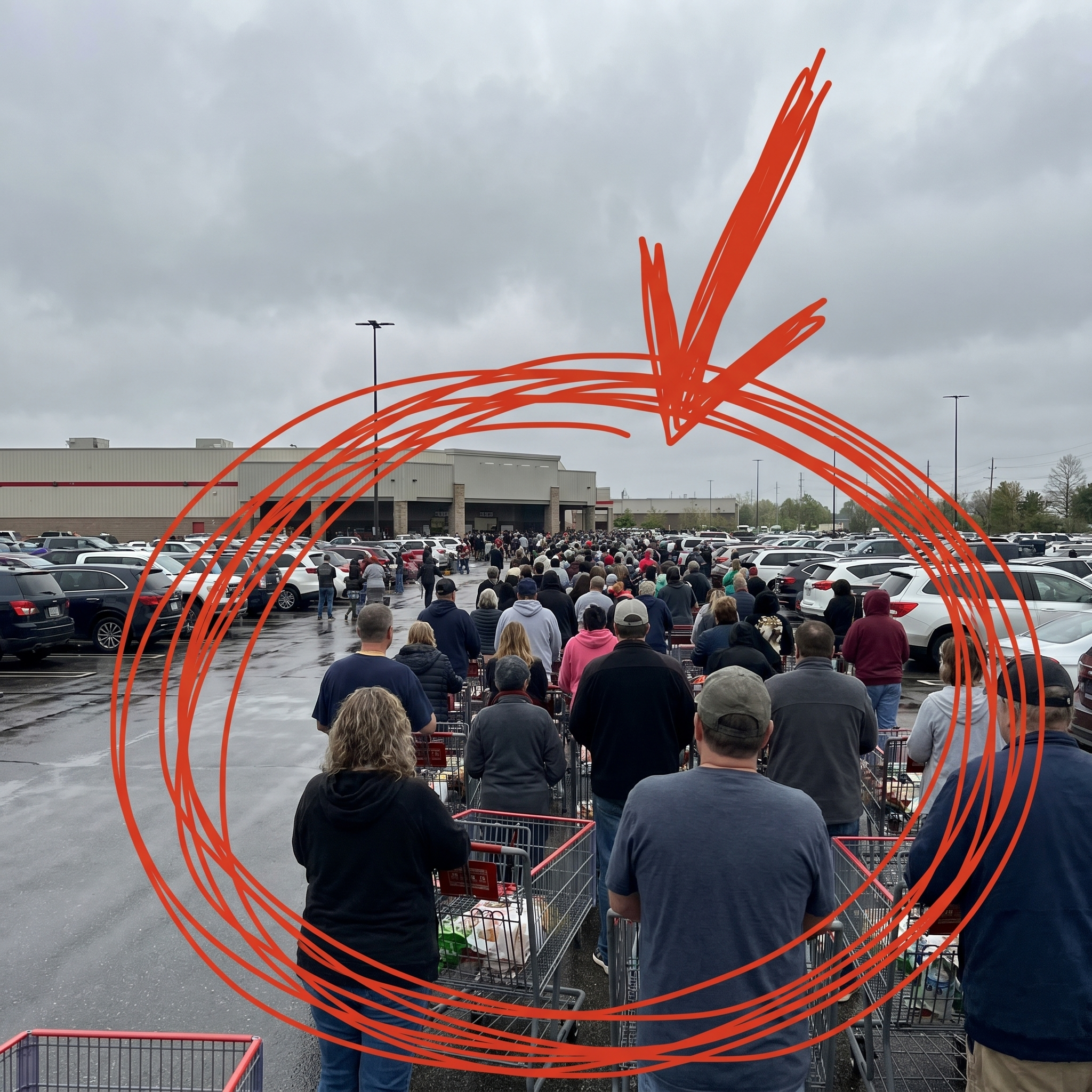
Ran for 15 days, from June 16 to June 30, 2026, the last day Crush saw it.
Run by USA Ready Families on Facebook. Crush is not the advertiser and does not verify its claims. See this ad in Meta's Ad Library(opens in a new tab)
Want an ad like this for your product?
Crush makes new ad images for your product from this ad: your logo, your product photo, your offer.
Trials from $19.95 USD, then $79.95 USD a month. Cancel anytime.
About this ad
- Meta Ad Library ID
- 859999236718877
- Platforms
- Facebook, Instagram, Audience Network and Messenger
- Relaunches
- 0
- Niche
- Home & Garden
Ad text
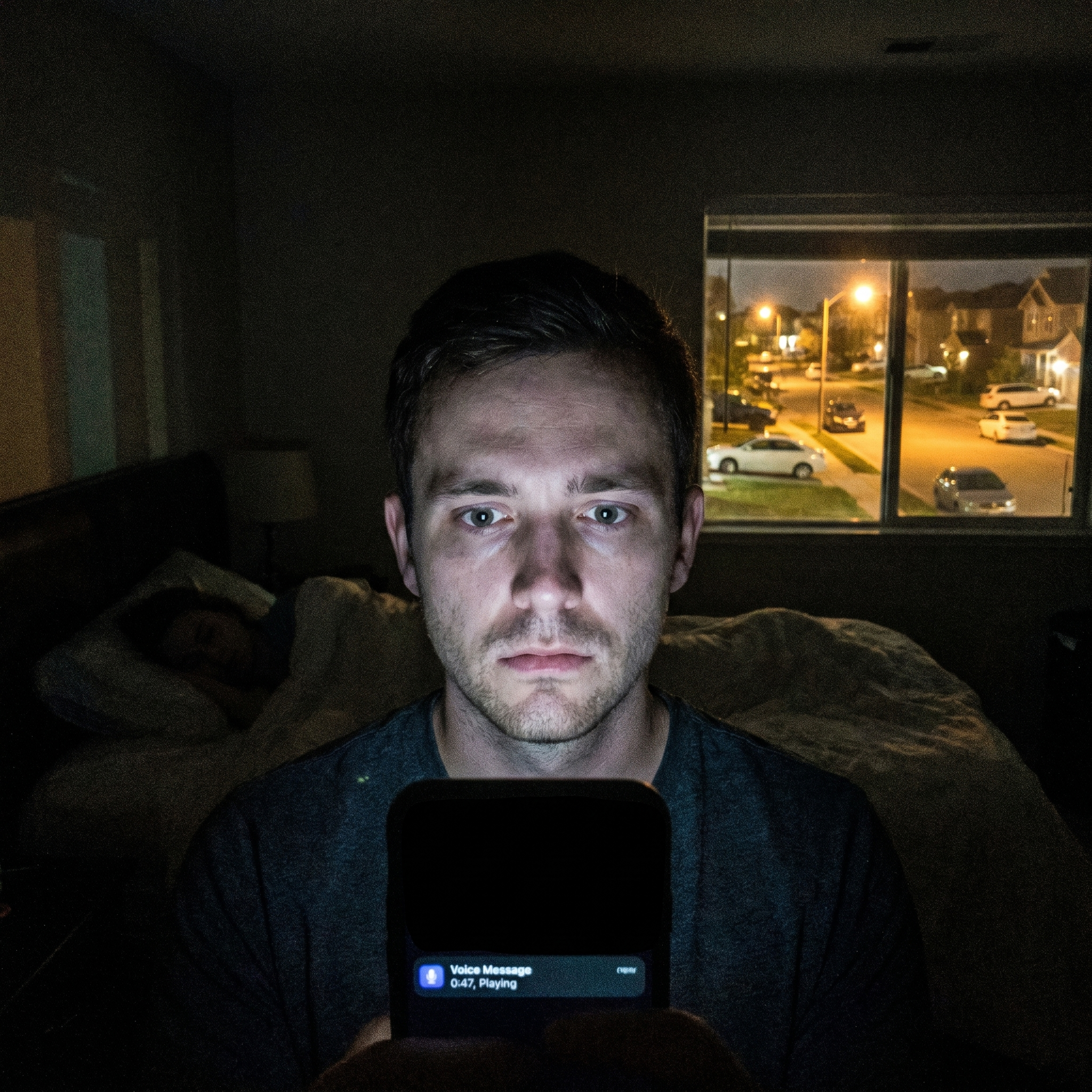
Something is happening at every Costco, Home Depot, and Walmart in America right now. And almost nobody is talking about it. I noticed it three Saturdays ago. Went in for paper towels and dog food. Normal run. Walked past the outdoor power section on my way to checkout and stopped. The entire solar generator shelf was empty. Not low. Not picked over. Empty. Just yellow price tags hanging off bare metal shelving. EcoFlow. Jackery. Bluetti. Every single unit. Gone. I almost kept walking. But something about it stuck with me. So I asked the guy stocking shelves next to it. He did not even look up. "Yeah man. We get a shipment Monday mornings. Gone by Tuesday afternoon. People buying two, three at a time now. Been like this for weeks." I stood there for a second longer than I should have. Then I went out to my truck and started looking it up on my phone. That twenty minutes in the Costco parking lot sent me down a path I was not expecting. And by the end of it, I realized I had been thinking about my family's safety completely wrong. Look. I am not a paranoid guy. I do not have a YouTube channel about the end of the world. I do not own a bunker. I coach my son's baseball team and I am usually thinking about what is for dinner, not doomsday. But I am the kind of dad who notices things. And once I started looking, I could not stop seeing it. Amazon. EcoFlow Delta 2, sold out for three weeks straight. Waitlisted. Bluetti running restock alerts because they could not keep inventory. Jackery Explorer backordered into mid-March. I figured maybe it was some seasonal thing. Some TikTok trend. So I started reading the reviews. The comments. The Reddit threads. That is where it got weird. These were not camping guys buying these. These were not van-lifers or off-grid homesteaders looking for a weekend toy. These were regular people. Families. Dads like me. And the comments did not sound like hobbyists. "Got mine before the next grid attack." "After what happened in Texas, I'm done gambling." "Cyber attacks on power infrastructure are up 300% since 2020. Not waiting around." "With everything going on overseas right now..." That last one did not even finish the sentence. Did not need to. Millions of Americans were quietly stockpiling backup power. Not because some conspiracy channel told them to. Because they were watching the same news I was watching. And doing math I had not bothered to do yet. And I have got three kids who count on me to think ahead. So I kept digging. The Colonial Pipeline hack in 2021 shut down fuel distribution for the entire East Coast. A water treatment plant in Oldsmar, Florida got breached remotely. The Department of Energy has publicly flagged the power grid as a critical national vulnerability. Then you look at what has already happened with just regular weather. The Texas freeze. 4.5 million without power. People melting snow in bathtubs just to have something to drink. Hurricane Helene. Entire towns dark for weeks. California wildfires. Hundreds of thousands of homes losing power as a preventive shutoff. And here is the thing that kept nagging at me. Those were relatively small-scale events. Regional. Temporary. Help eventually showed up. Now imagine something bigger. A coordinated cyberattack on multiple grids at once. A sustained fuel disruption. Not one state going dark for a few days but large sections of the country losing power with no clear timeline for restoration. If 4.5 million Texans could not handle a week-long freeze with the rest of the country still functioning and sending aid, what happens when there is no one left to send aid. I sat with that for a while. Then I looked at what my family actually had in place. A case of water bottles in the garage. Maybe eight gallons. A flashlight with batteries I had not checked in a year. That was it. That was my entire plan. So I did what most dads do when they realize they are behind. I started looking at solutions. Generators seemed like the obvious move. That is what everyone else was buying, right. A decent solar generator. $800 to $2,000. For one unit. A gas generator needs fuel you have to store, it is loud enough to announce to your entire neighborhood that you have power when they do not, and it produces carbon monoxide. A whole-home backup system north of $5,000 installed. I started pricing out what a real setup would look like. Solar generator, extra battery packs, panels to keep them charged. I was staring at $3,000 minimum. And I was about to pull the trigger on it. But then something happened that completely changed my thinking. My neighbor Dave had people over the following weekend. Nothing big. Game on TV, couple beers, kids running around the backyard. Dave's brother-in-law Mike was visiting from out of state. I had met him once before at a birthday party. Quiet guy. Twenty-two years Army. Did logistics for forward operating bases overseas, basically the guy responsible for making sure soldiers had power, food, and communications in places that had none of the above. We were standing by the grill and I brought up the generator thing. Just making conversation. Mentioned the empty shelves, the prices, how I had been going back and forth on which one to get. Mike listened. Nodded a couple times. Took a sip of his beer. Then he said something real casual that I have not been able to get out of my head since. "You know what's funny? Everyone's racing to solve the wrong problem." I kind of laughed. "What do you mean?" "The generators. They're fine. You'll keep your phone charged. Maybe run your fridge for a day or two. But let me ask you something. What happens to your signal when the power goes out?" I did not really have an answer. "Your cell signal, everything that lets you call your wife, check the news, get an emergency alert, find out what's actually happening, needs electricity to reach you. The towers that carry your signal run on the grid. They have backup batteries. Eight hours at standard load. But in a real emergency when every family in your county is calling at once, the load runs three or four times higher. Those batteries exhaust in two or three hours." He said it the same way you would explain how a lawnmower works. No drama. Just fact. "When the power goes out for real, your signal goes out with it. Usually within hours. And brother, no solar generator on earth is going to restart a cell tower." I just stood there. Because I had spent three weeks researching generators and battery packs and solar panels and not once had I thought about the signal. Not once. "You can charge your phone all day with a $2,000 generator," he said. "If there's no tower to connect to, your phone is just a flashlight." I went home that night and could not sleep. Started looking it up. And everything Mike said checked out. It is not even debatable. It is just how infrastructure works. Cell towers run on grid power. The backup batteries are rated for eight hours at standard load. Under real emergency conditions when everyone is calling at once, two to three hours at many installations. After that, complete blackout. No calls. No texts. No internet. No emergency alerts. No way to reach your kids if they are somewhere else. No way to know what is happening outside your own street. No way to know if it is safe to stay or leave. Nothing. Upper floors in apartment buildings lose signal pressure almost immediately when the tower nearest them goes dark. Treatment plants have backup generators but they carry enough fuel for 24 to 72 hours. After that the lights go. And the towers that depend on the grid go right along with them. And suddenly everything I had been reading about made more sense. That is why the Texas freeze was an information crisis as much as a power crisis. That is why Helene left people not just without lights but without any way to know what was happening. Every disaster I could find followed the same pattern. Power goes first. Signal follows right behind it. And remember. Those were mild, regional events with the rest of the country still sending trucks and resources. Scale that up to anything nationwide. Anything sustained. Every solution I had been looking at, the generators, the battery banks, the solar panels, they solve for comfort. Keeping the lights on. Charging your phone. Nobody was solving for the thing that keeps your phone useful. A charged phone with no tower to connect to is just a flashlight. You cannot call for help. You cannot get an emergency alert. You cannot know what is happening anywhere outside your own house. You can live without electricity for a long time. Uncomfortably, sure. But you will live. You cannot make good decisions for your family with no information. And that realization hit me like a truck. I saw Mike again the following weekend. Dave had him over for dinner before he flew home. I told him I had been down the rabbit hole all week. The grid-signal connection. How every disaster plays out the same way. How I had been about to spend two grand solving for phone charging when the actual problem was that a charged phone with no tower is just a flashlight. He just kind of smiled. "Yeah. That's the thing nobody thinks about until it's too late." I asked him what guys in his world actually did about it. Overseas. Forward bases. Places with zero infrastructure. How did they handle communications when the towers were gone and the grid was gone and there was nothing. He reached into his jacket hanging on the back of the chair and pulled something out of the inside pocket. It was smaller than a TV remote. Compact. Orange and black rubberized casing. Solar panel on top. Antenna folded alongside. "Every soldier in my unit carried one of these. Every logistics officer. Before we'd set foot in any environment without infrastructure, this was already in our pocket." He handed it to me. I turned it over a couple times. "Four independent power sources. Solar on top. Hand crank on the back. USB rechargeable. AAA battery backup as a last resort. When one runs out you move to the next. No grid required. No towers required. No internet required." He tapped the front panel. "AM. FM. NOAA weather band. The government emergency broadcast system. The signal that does not run on cell towers. Dedicated infrastructure that was specifically designed to survive grid failures. Has been running continuously through every American disaster for over seventy years. It kept broadcasting through Puerto Rico when ninety-five percent of towers went dark. Through Texas. Through every grid failure ever documented." He held it up. "Shelter locations. Road conditions. Evacuation routes. What is actually happening versus what the panicked neighbor at your door thinks is happening. Real information. Without needing anything from the infrastructure that just failed." "How long does it last?" "As long as the sun comes up and your hand still turns the crank. There is no running out." He set it on the table between us. "The thinking overseas was simple. Power goes out, you've got options for some things. Candles, blankets, canned food, whatever. But real information with no infrastructure? There's really only one way to handle that. You carry something that pulls the broadcast that's already there out of the air. No grid required." I sat there holding something that weighed less than my phone. And for the first time in a month of researching, I felt like I had actually found the answer to the right question. I ordered four that night. One for my truck. One for my wife's car. One in the kitchen emergency drawer. One in the go-bag I finally put together that weekend. Total cost, less than what I spent on pizza last Friday. I thought about what I had almost done. Two thousand dollars on a solar generator. So I could charge my phone and run a fan while my family had no idea what was happening and no way to find out. Meanwhile the actual solution, the thing that gives my family real information if the grid goes down for real, was small enough to fit in a jacket pocket. My kids do not need a charged iPad in an emergency. They need to know what is happening. I am not a prepper. I do not have a bunker. I do not have a YouTube channel. I am a dad who finally asked the right question. And the question is not how do I keep the power on. It is what does my family know when the power does not come back on. Everyone in America is buying generators right now. Almost nobody is thinking about the signal. I fixed that for my family in about ten minutes. If you have noticed the same thing I noticed, the empty shelves, the backorders, the comments from people who clearly know something is shifting, you already feel it. Something is coming. Maybe not tomorrow. But the smart money is moving and it's moving fast. And most of those people are solving for the wrong thing. Your city's cell infrastructure runs on the same electrical grid everyone's buying generators to replace. When one fails, the towers follow within hours. No generator changes that math. The Tactical RadioX. Four independent power sources. Solar. Hand crank. USB rechargeable. AAA battery backup. AM. FM. NOAA weather band. No towers needed. No grid needed. No internet required. USB port charges your phone. Receives the government emergency broadcast that has been running through every American disaster for over seventy years. No power. No infrastructure. No government response required. As long as that broadcast is transmitting, and it has transmitted through every disaster this country has ever had without stopping, you know what is happening. Military grade. Lifetime warranty. 60-day money-back guarantee. The best time to prepare was before the shelves started emptying. The second best time is right now. https://try.thegreatproject.com/tr-lis12-v3
Where the ad sends people
try.thegreatproject.com
If You Care About Your Family Read This
Shop now: try.thegreatproject.com(opens in a new tab)