
Active· since May 17, 2026
- 120
- days running
- 1
- relaunches
Ad copy
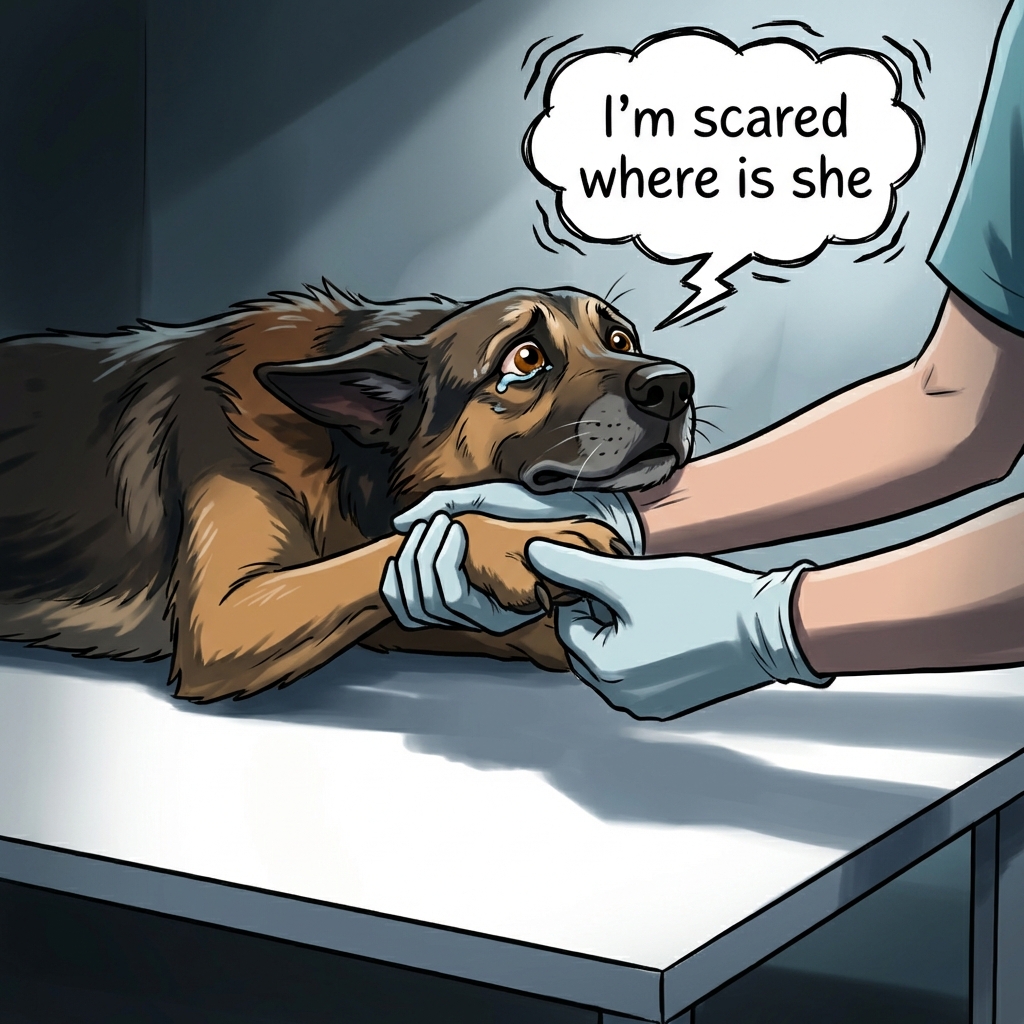
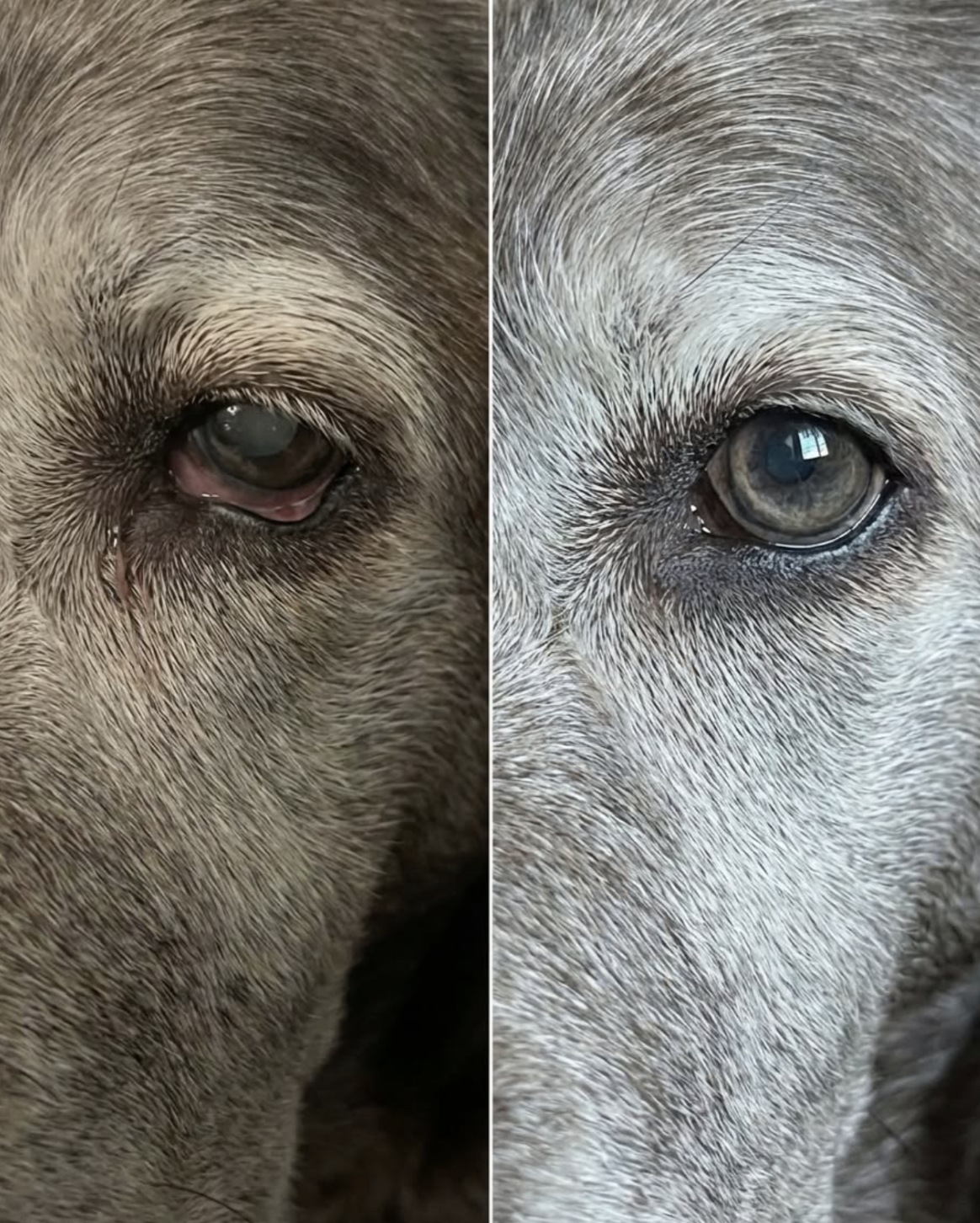
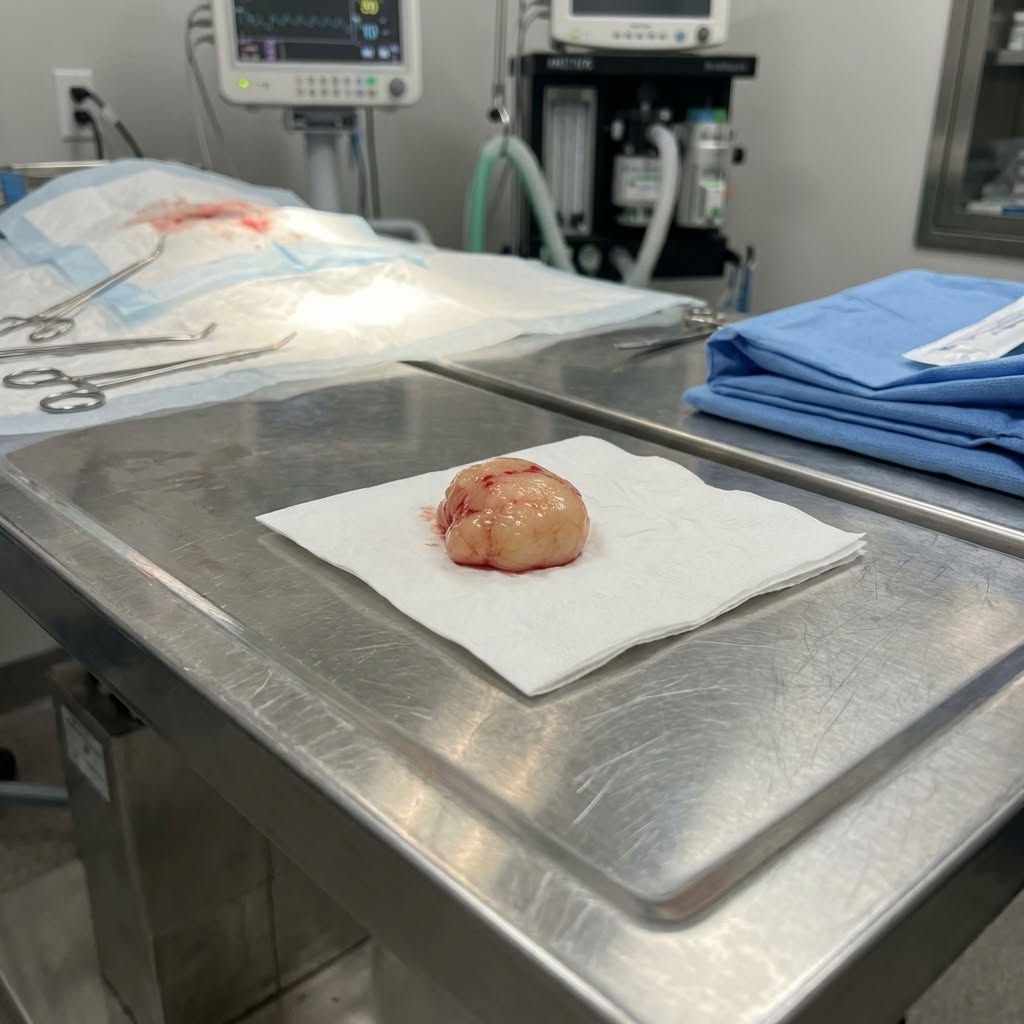
We tracked every dog we euthanized last year. 79% had the same thing written in their file from 3 years earlier. The same note. Over and over. Exposed but ignored. At the end of every year, Riverside Veterinary Clinic does a case review. We look at outcomes. Patterns. Anything we could do better. This year, Dr. Harrison asked a question nobody had thought to ask before: "For the dogs we put down — is there anything in their files from years earlier that could have predicted it?" My name is Dr. Sarah Mitchell. I've been a veterinarian at Riverside Veterinary Clinic for 16 years. That question led to the most disturbing discovery of my career. We pulled the files for every dog euthanized in the past 12 months. 73 dogs. All euthanized for "quality of life." Mobility loss. Bodies that stopped working. Not cancer. Not organ failure. Not emergencies. The slow decline. The same one we see every week. Then we went back in each file. Three years. Four years. Looking for anything that might have signaled what was coming. We found it. 58 out of 73 dogs — 79% — had some version of the same note from 2-4 years before they died: "Owner reports excessive grass eating — recommend grain-free diet." "Dog eating grass on every walk — normal behavior, monitor." "Obsessive grass consumption noted — suggest digestive enzymes." "Grass eating persists despite diet change — within normal limits for age." Grass eating. Every time. The note that predicted death. And in every single file, we'd dismissed it. Dr. Harrison pulled up one file as an example. Max. Golden Retriever. Euthanized at 11. Age 5 appointment: "Owner concerned about constant grass eating. Recommend grain-free food. Normal dog behavior." Age 6: "Grass eating continues. Small lipoma noted on shoulder — benign, monitor." Age 7: "Grass eating worsening. Three additional lumps found. Owner tried premium mushroom supplements." Age 8: "Multiple lipomas now present. Surgery to remove 5 lumps — $4,600." Age 9: "All lumps returned within 8 months. New ones forming. Grass eating resumed." Age 10: "Body covered in masses. Largest lump 5 inches, pressing on shoulder joint. Mobility significantly impaired." Age 11: "Euthanasia. Quality of life." Six years of notes. The grass eating at 5. The first lump at 6. Multiple lumps at 7. Surgery at 8. Recurrence at 9. Gone at 11. We'd documented the entire cascade — without ever realizing it was a cascade. "It's the same story," Dr. Harrison said quietly. "Every file. The grass eating comes first. Then the lumps. Then everything else." She was right. We went through all 58 files with grass eating notes. Average age at first grass eating note: 5.3 years. Average age when first lipoma appeared: 6.2 years. Average age at euthanasia: 10.9 years. Five and a half years of warning. Exposed in the file. Ignored by us. I started digging into why. Why would grass eating predict lipoma formation and death? That's when I found the research that explained everything. A 2018 study on canine enzyme deficiency. One sentence buried in the data: "Dogs exhibiting chronic grass consumption alongside progressive lipoma formation both demonstrate chitinase enzyme insufficiency. The grass-seeking behavior represents desperate nutrient acquisition attempts while lipomas indicate immune dysfunction — both stemming from inability to break down fungal compounds." Grass eating and lipomas aren't separate problems. They're the same problem — enzyme deficiency — showing up in different ways at different times. Here's what we finally understood: Dogs need PSK compounds from Turkey Tail mushroom to support immune function and clear fatty deposits. But they can't produce chitinase enzyme. Without that enzyme: The body desperately seeks nutrients anywhere it can. That's the grass eating at 4-6. The "normal behavior" we'd noted 58 times. It wasn't normal. It was the body screaming for help. The immune system fails next. Can't clear fatty deposits. That's the first lipoma at 6-7. The "benign, monitor." Then more lumps. The immune dysfunction continues. That's the multiple masses at 7-9. The "common in breed." Then surgery. Then recurrence. Then mobility collapse. Then the conversation. The note in the file wasn't a behavioral observation. It was a death sentence we failed to read. We'd been trained to treat each symptom separately. Grass eating? Diet change. First lipoma? Monitor it. Multiple lumps? Surgery. But they're all the same thing. Enzyme deficiency cascading through the body. And nothing we prescribed addressed the actual cause. Diet changes? A 2022 review: "no evidence grain-free diets address nutrient-seeking behaviors." Grass eating might stop temporarily. Returns because the deficiency remains. Surgery? A 2020 review: "recurrence rates 60-80%." It removes lumps. Doesn't fix why they form. Premium Turkey Tail? If the dog can't break down chitin walls, compounds pass through. Body gets almost nothing. We'd been documenting the disease and treating the wrong thing for years. Dr. Harrison asked the obvious question: "Why don't we just enable enzyme production?" We'd tried recommending supplements. Owners had tried. Real Mushrooms. Host Defense. VetriScience. They don't work. Without chitinase enzyme, chitin walls stay intact. Compounds stay locked. Pass straight through. That's why owners try supplements, grass eating continues, more lumps form. The activation method matters. Probiotic-activated Turkey Tail is different. Lactobacillus acidophilus produces chitinase enzyme in the digestive system. 94% absorption. Compounds released and used the same day. We tested every Turkey Tail supplement we could find. Most failed. No activation. Wrong strains. Chitin intact. One passed: Turkey Tail+ from Lumiqour. 500mg organic Turkey Tail. 2 billion CFU Lactobacillus acidophilus. Third-party tested. Lab verified: 94% chitin breakdown, enzyme production confirmed, no contamination. The only one we now recommend. We started a new protocol. Any dog with grass eating — we flag it. Check for lumps. Explain what both mean. Recommend Turkey Tail+ immediately. The results in the first eight months: Cooper, 6, Lab. Grass eating noted at 5. Small lump found. Started Turkey Tail+. Week 4: Grass eating stopped. Week 8: Lump 60% smaller. Cooper is 9 now. No grass eating. One tiny stable lump. Bella, 7, Golden. Obsessive grass eating for 2 years. Three lumps. Started Turkey Tail+. Week 3: Grass eating reduced. Week 6: Grass eating stopped. Two lumps disappeared. Bella is 10 now. No grass eating. Surgery avoided. Duke, 9, Retriever. Grass eating since 5. Post-surgery recurrence. Five lumps back. On Real Mushrooms for 8 months with no improvement. Switched to Turkey Tail+. Week 4: Grass eating stopped. Week 12: Down to 2 small lumps from 5. Euthanasia cancelled. Duke is 12 now. Still here. We don't write "grass eating — normal behavior" anymore. We write: "Grass eating noted — enzyme deficiency — check for lipomas — protocol initiated." Because we finally understand what that note actually means. If your dog shows ANY of these signs, the cascade has started: → Eats grass frequently or obsessively → Small lump appeared (even if "benign") → Grass eating won't stop despite diet changes → Multiple lumps forming → Licks paws constantly → Seems to be "seeking something" The grass eating is the first warning. We ignored it 58 times last year. Don't let your vet ignore it with your dog. One scoop in food. Once a day. $39 for 4 months. Grass eating stops in 2-4 weeks. Lumps soften in 4-6 weeks. New lumps stop forming in 6-8 weeks. 90-day money-back guarantee. Turkey Tail+ from Lumiqour. → lumiqourcom.pagedeck.app/5-reasons-turkeytail — Dr. Sarah Mitchell, DVM — Dr. James Harrison, DVM Riverside Veterinary Clinic | 32 Combined Years P.S. We've changed how we read files now. When I see "grass eating" in a dog's history, I don't move past it. I stop. I check for lumps. Because I know what comes next if we don't act. The first lipoma. The multiple masses. The surgery. The recurrence. The mobility loss. The conversation. That note isn't an observation — it's a countdown. If your dog eats grass obsessively, the countdown has started. You can stop it. But only if you start now. → lumiqourcom.pagedeck.app/5-reasons-turkeytail ✅ Buy 1 Get 1 FREE ($39 total) ✅ 60-Day Supply for Price of 30 DAYS ✅ 90-Day Money-Back Guarantee
Like this ad? Make it yours.
Crush rebuilds this exact creative around your product — your brand, your colors, your offer — in about a minute.