
Inactive· since Apr 28, 2026
- 137
- days it ran
- 0
- relaunches
Ad copy
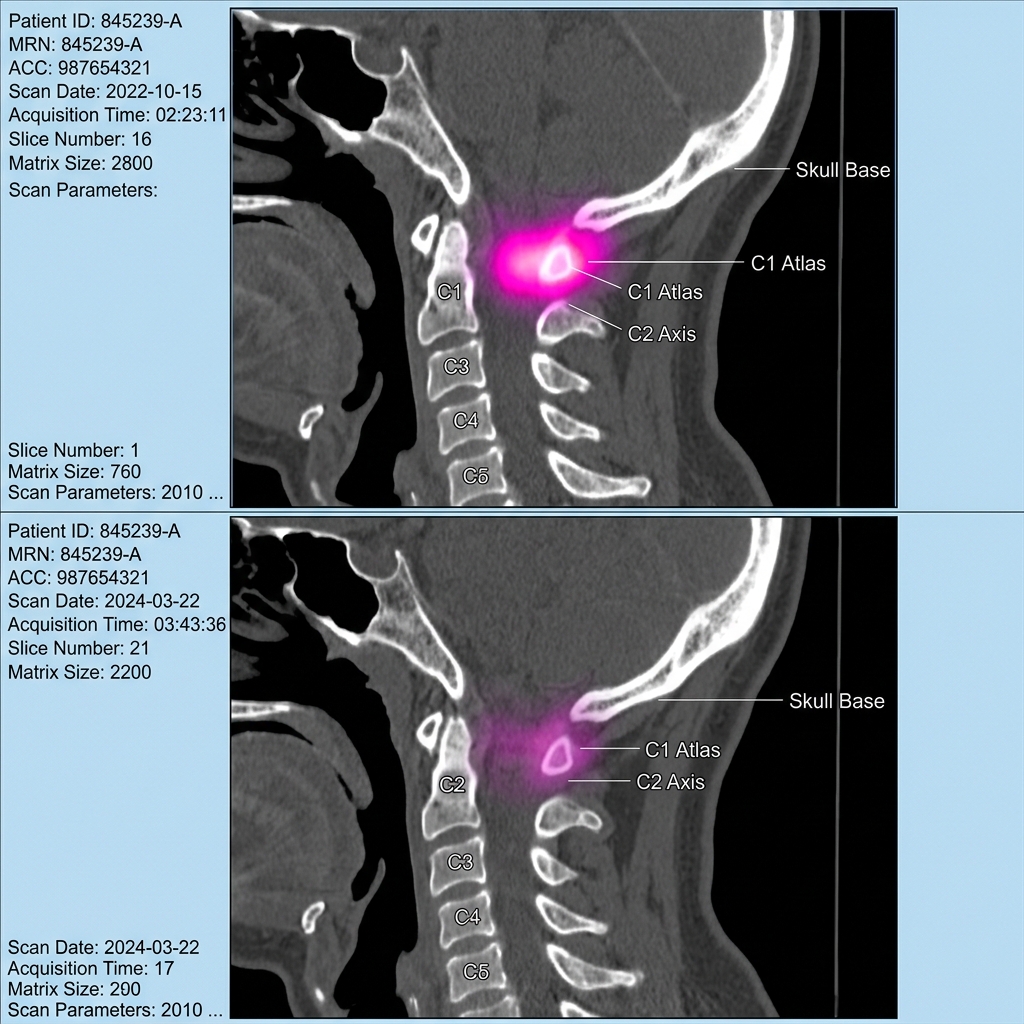
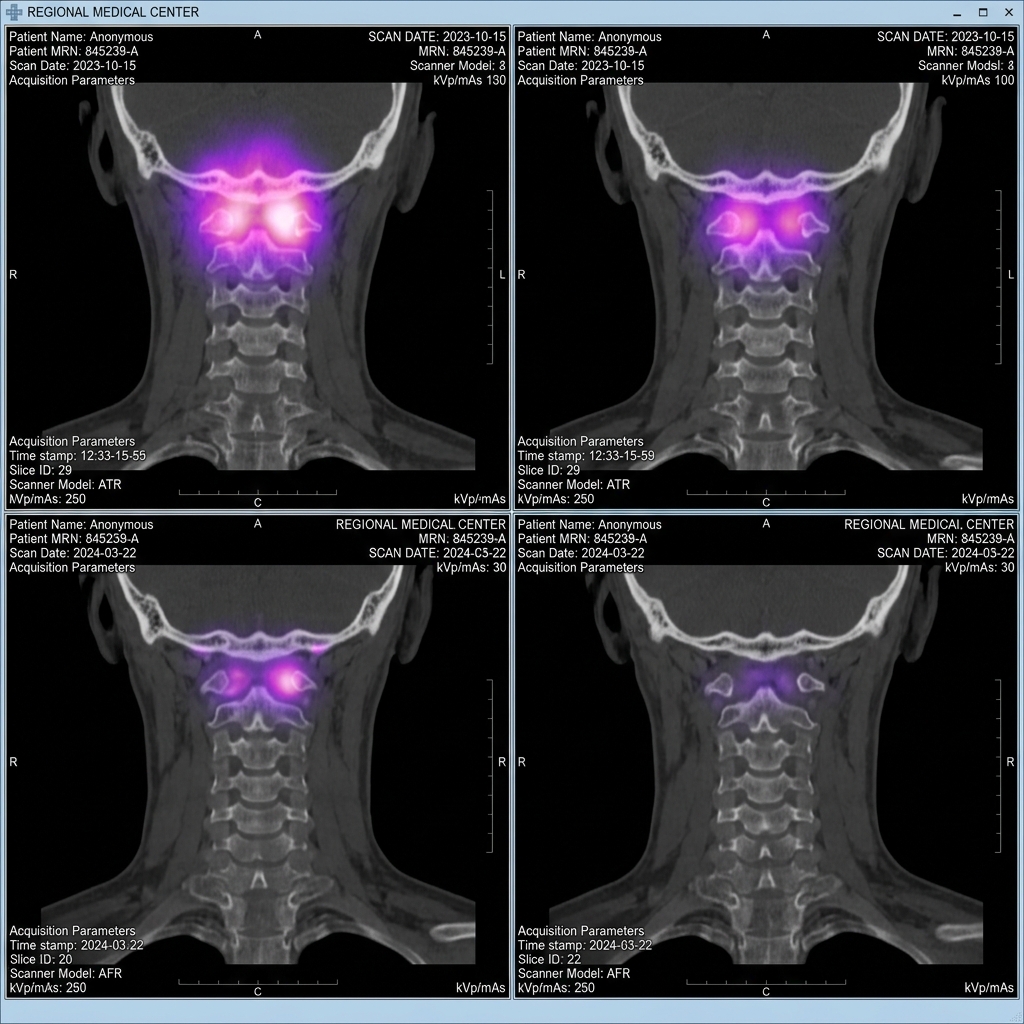
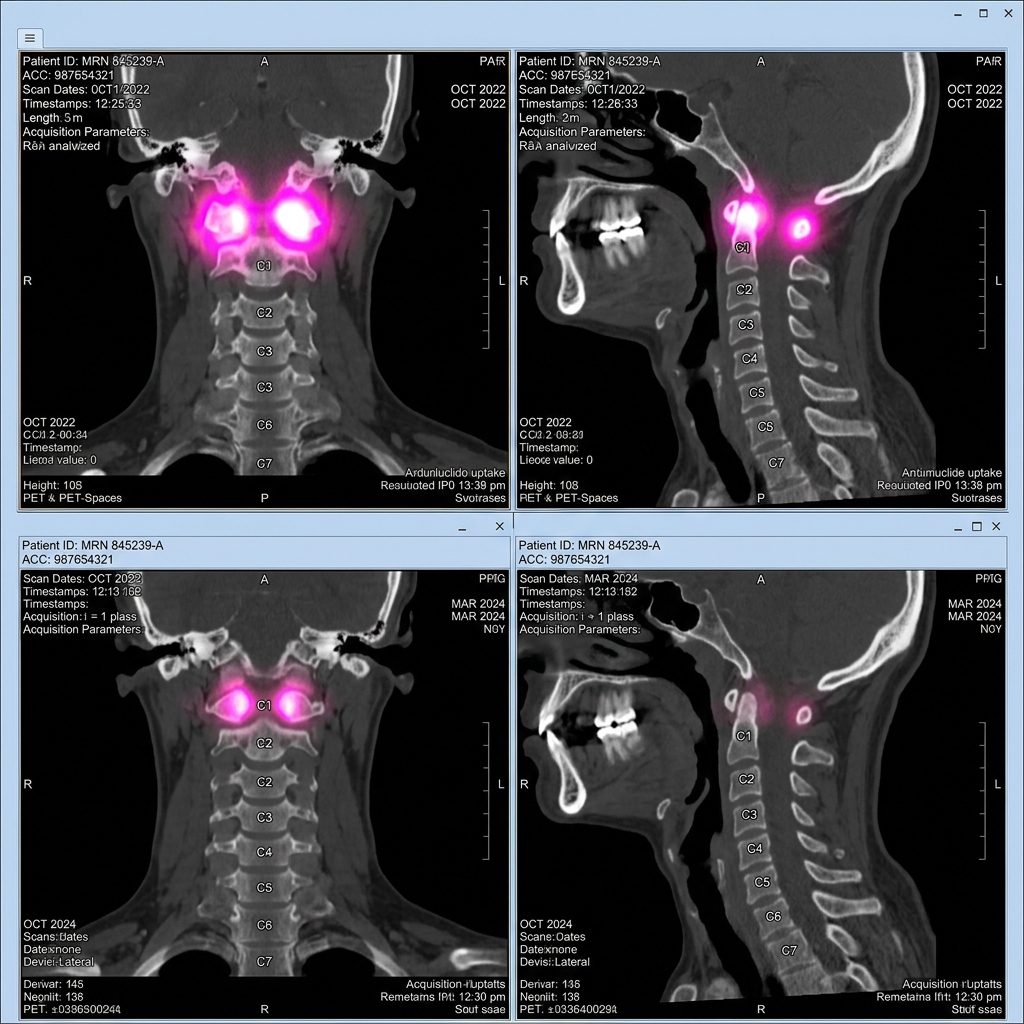
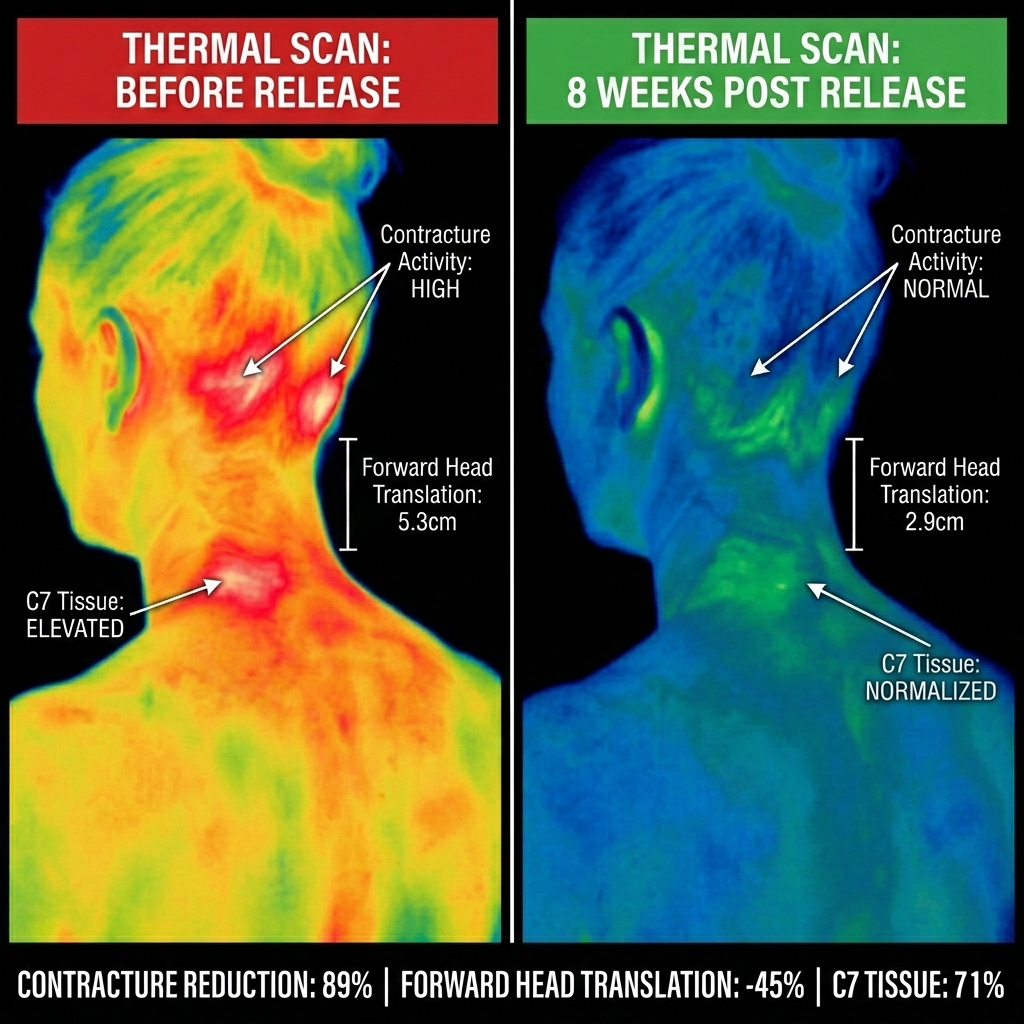
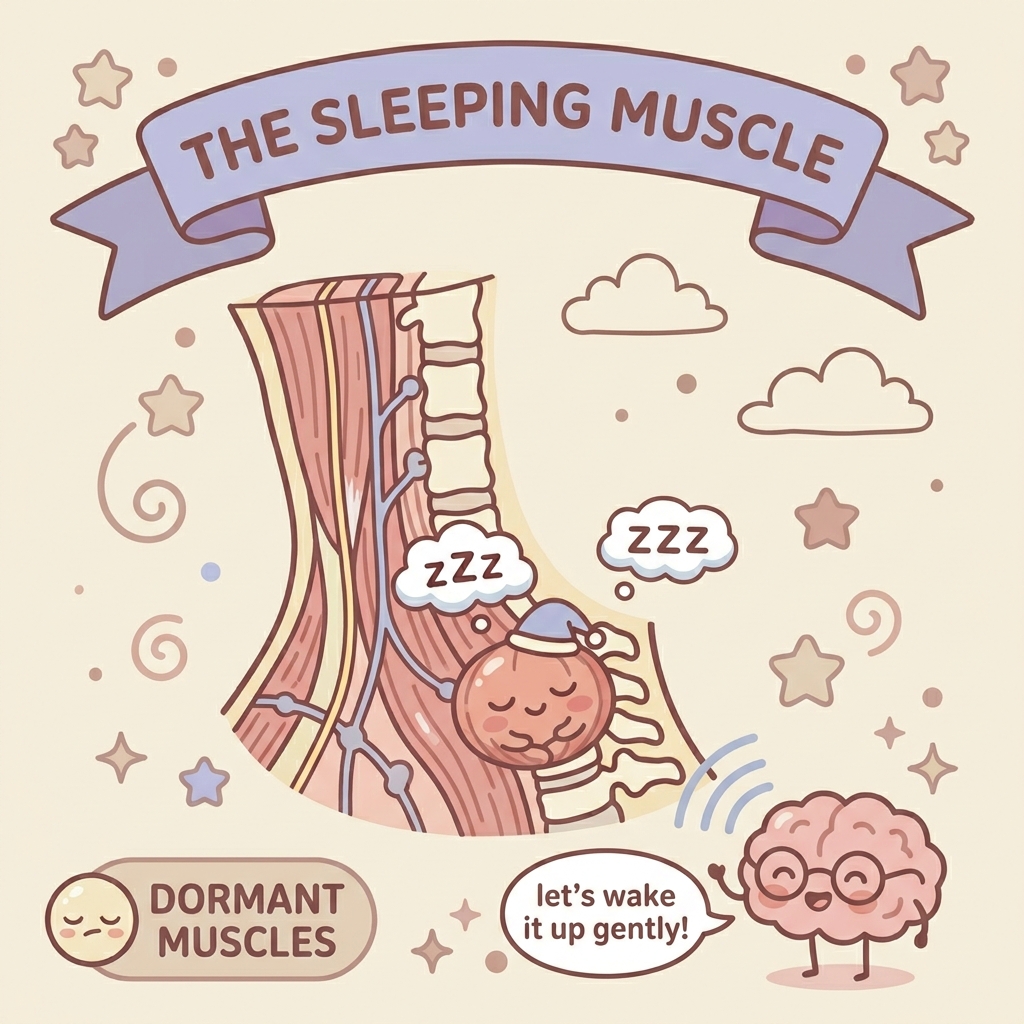
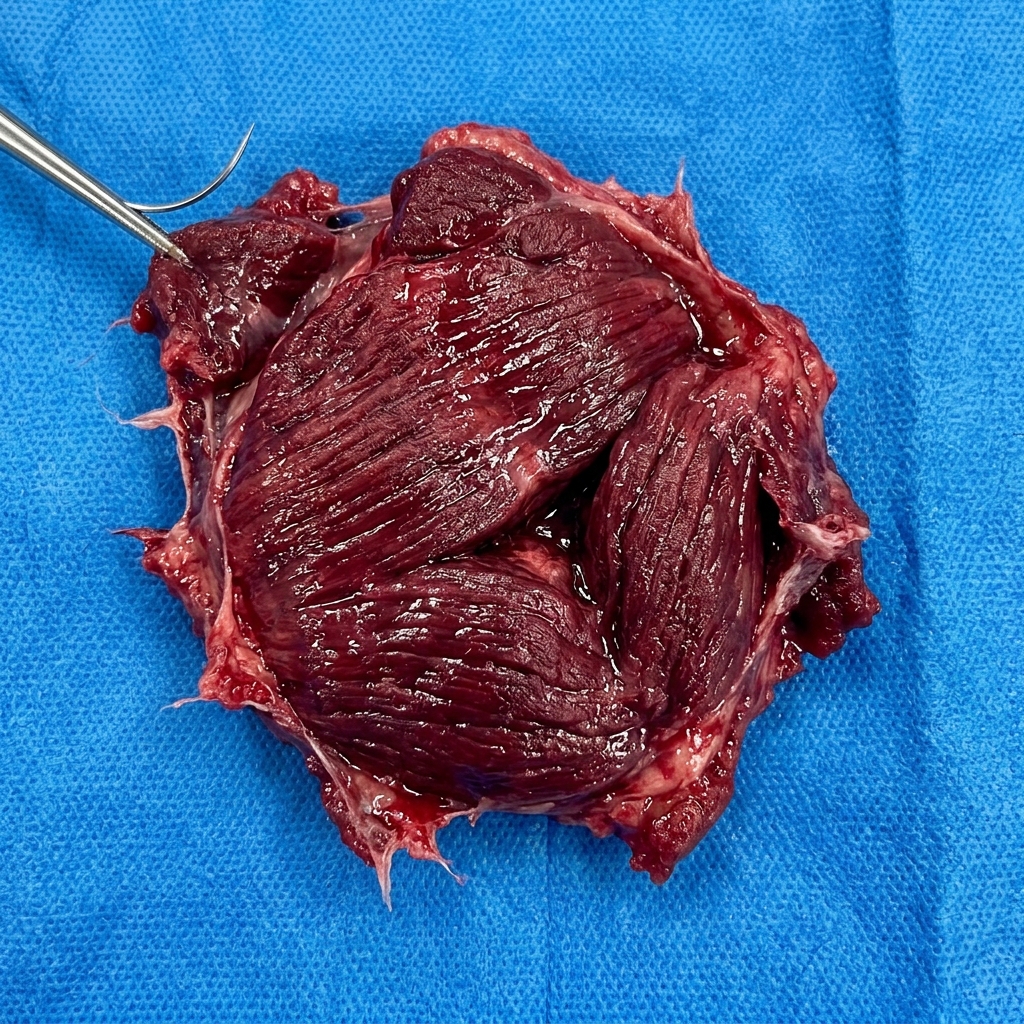
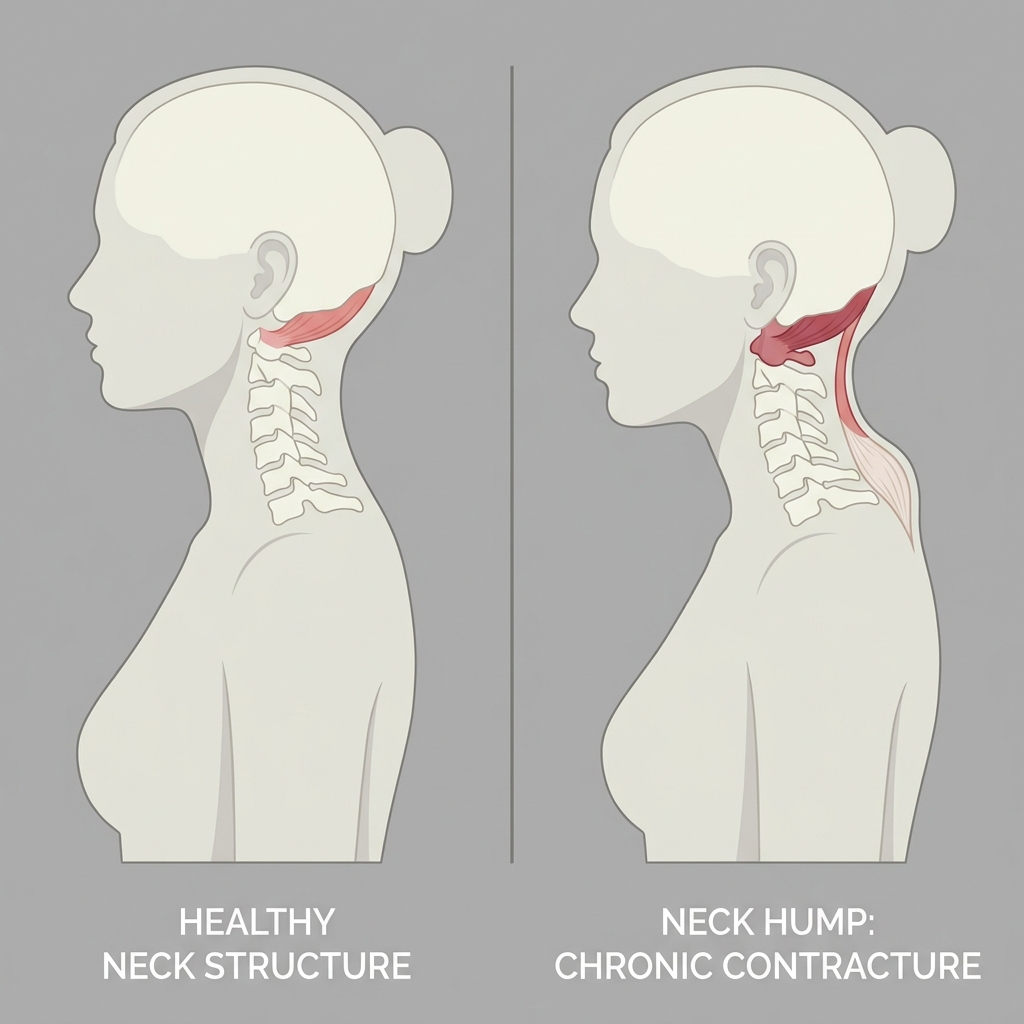
I've done too many posture assessments to not tell you this. If your neck hump keeps growing and everyone has told you it can't be reversed, I need to tell you something that the recurring appointment model hopes you never find out. I'm a board-certified manual therapy specialist with 21 years of experience. I've managed hundreds of progressive neck hump cases. I trained inside one of the most respected cervical rehabilitation programs in the country. For the first decade of my career, I told every patient the same thing: "The hump doesn't reverse. Once the tissue builds, management is your only option." I believed it completely. Because that's what I was taught. And I never thought to question who benefits from teaching it. Then a colleague in Munich asked me something I couldn't answer: "Why are you only managing what's already built — instead of releasing what's still causing it to build?" That question changed how I practice. And it's going to change how you think about what's happening in your neck. They once said scar tissue couldn't remodel. Then research showed it could — given the right input. The whole time, it was possible. They just hadn't looked at the right structure. They're saying the same thing about your neck hump right now. Here's what's actually happening in your neck. The visible tissue at the base of your neck is not the problem. It is the result. At the exact base of your skull — right where your head meets your spine — sit a group of muscles called the suboccipitals. These muscles control whether your head sits back in its natural position or gets pulled forward under chronic load. After decades of forward flexion, these muscles lock into a chronic neurological contracture. They stop releasing. Like a fist clenched so long it has forgotten how to open. That lock pulls your head forward continuously. For every inch of forward head tilt, your cervical spine carries an extra ten pounds of load. Your body builds compensatory tissue at the base of your neck to absorb that constant stress. That tissue is the hump. Chiropractic adjustments mobilize the joint above the contracture. They do not release the contracture itself. Within 48 hours the contracted muscles re-tighten. The head drifts forward again. The body resumes building tissue. So the hump keeps growing. And the standard protocol keeps adjusting it while the actual cause goes completely untouched. This is not a posture problem. It is a contracture problem. And contractures can be released. Here's the part your chiropractor almost certainly doesn't know — because it wasn't in her training. Standard posture tools apply pressure broadly across the upper back or general base of the neck. They never reach the exact C1-C2 suboccipital pressure points where the contracture lives. The pressure goes to the wrong location. The contracture is never touched. This is why foam rollers and braces don't move the needle — the input never reaches the structure where it's needed. What changed everything was understanding the exact release mechanism. The suboccipital contracture requires sustained compression at the exact C1-C2 pressure points — held for 8 to 10 minutes — with gravity-assisted delivery so the force never lets up. At that duration, the proprioceptive receptors in the suboccipital musculature activate. The neurological release signal fires. The contracted muscles receive the input they've been waiting for. They let go. Think of it this way. A standard adjustment is a brief force applied to the joint — it moves the joint but never reaches the contracture. Sustained gravity-assisted compression at the exact C1-C2 points is the input the contracture actually needs. It reaches the right structure. And when it does, it doesn't just temporarily relieve the tension. It triggers the release. In 2019, researchers at the University of Heidelberg published a clinical study on exactly this mechanism. 486 patients with documented neck hump progression. All treated with direct sustained suboccipital compression protocol. Within 12 weeks — 91% of patients showed tissue stabilization. And the detail that changes everything: as the contracture released, compensatory tissue at C7 began to reduce in 38% of patients. The hump reversed. The study's conclusion: direct suboccipital contracture release is a reliable, effective method for stabilizing and reversing neck hump progression — and allows patients to achieve results that recurring adjustment protocols cannot produce. This research is published. Peer-reviewed. Available to anyone who looks. Your chiropractor just wasn't taught to look. One of my patients — 61 years old, faithful to her protocol her entire treatment history — came to me after two years of twice-weekly adjustments. She'd had her forward head translation monitored since she was 59. Two years of measuring. Two years of "keep doing the exercises." Two years of watching the hump keep building despite doing everything right. She was skeptical. Understandably. "If being consistent was going to fix this," she told me, "it would have worked by now." She was right. It was never going to work. Because consistency with the wrong target was never the problem. She agreed to 12 weeks of direct suboccipital contracture release before making any decisions about escalating her protocol. Week 2: the morning tightness at the base of her skull — there every day for two years — began to ease. Week 4: she was turning her head without bracing for the pull. Week 8: her forward head translation had measurably reduced for the first time since she started treatment. Week 12: I measured the C7 prominence. Then measured again. Forward head translation: reduced from 5.1cm to 2.9cm. C7 tissue: measurably softer on palpation. She didn't need the intensive escalation protocol. Your chiropractor isn't wrong. She was trained inside a system that had no financial reason to teach direct contracture release — and she has practiced inside a profession that measures success by session outcomes, not by whether ongoing sessions were necessary in the first place. But you are not required to wait for the system to catch up. The research exists. The mechanism is understood. The delivery tool works. If your neck hump has been monitored for years with nothing to show but continued progression — if you've been told management is your only option — if you've accepted "the hump doesn't reverse" as biological fact — You were never out of options. You were just never told about the one that actually works. I'll leave a link below to the tool I now recommend to my own patients. I have no financial relationship with this company. I recommend it because the mechanism is sound, the research is published, and I've seen what happens when people finally address the right structure. Your neck hump isn't permanent. The information pipeline is broken. 👉 https://trycevera.com/pages/adv-womens-wellness-report
Like this ad? Make it yours.
Crush rebuilds this exact creative around your product — your brand, your colors, your offer — in about a minute.