Karen Pascale, dermatologist
Karen Pascale, dermatologist Facebook ad: “Say Goodbye to Hair Fall”
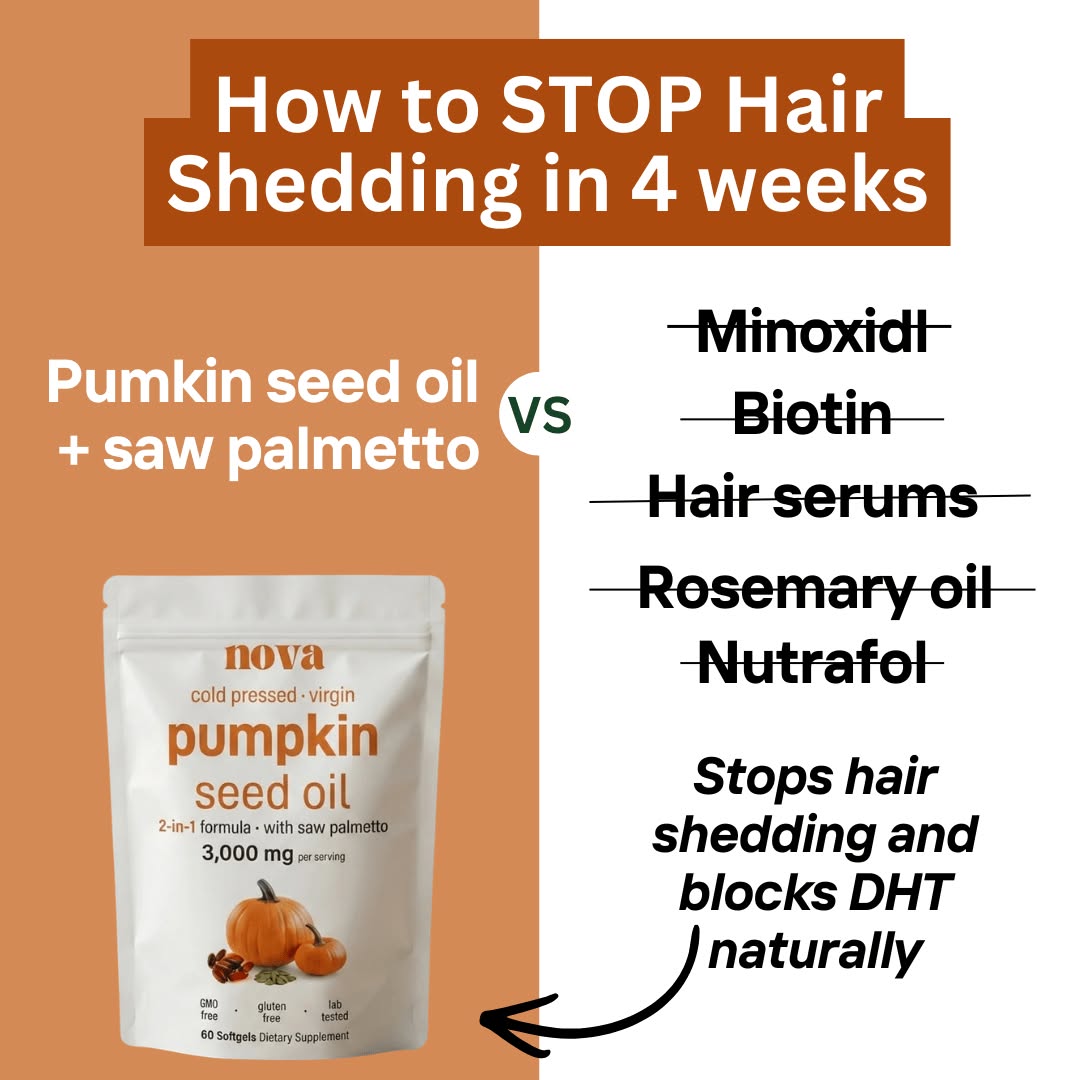
Ran for 5 days, from July 6 to July 11, 2026, the last day Crush saw it.
Run by Karen Pascale, dermatologist on Facebook. Crush is not the advertiser and does not verify its claims. See this ad in Meta's Ad Library(opens in a new tab)
Want an ad like this for your product?
Crush makes new ad images for your product from this ad: your logo, your product photo, your offer.
Trials from $19.95 USD, then $79.95 USD a month. Cancel anytime.
About this ad
- Meta Ad Library ID
- 879664521868676
- Platforms
- Facebook, Instagram, Audience Network, Messenger and Threads
- Relaunches
- 0
- Niche
- Hair Care
Ad text
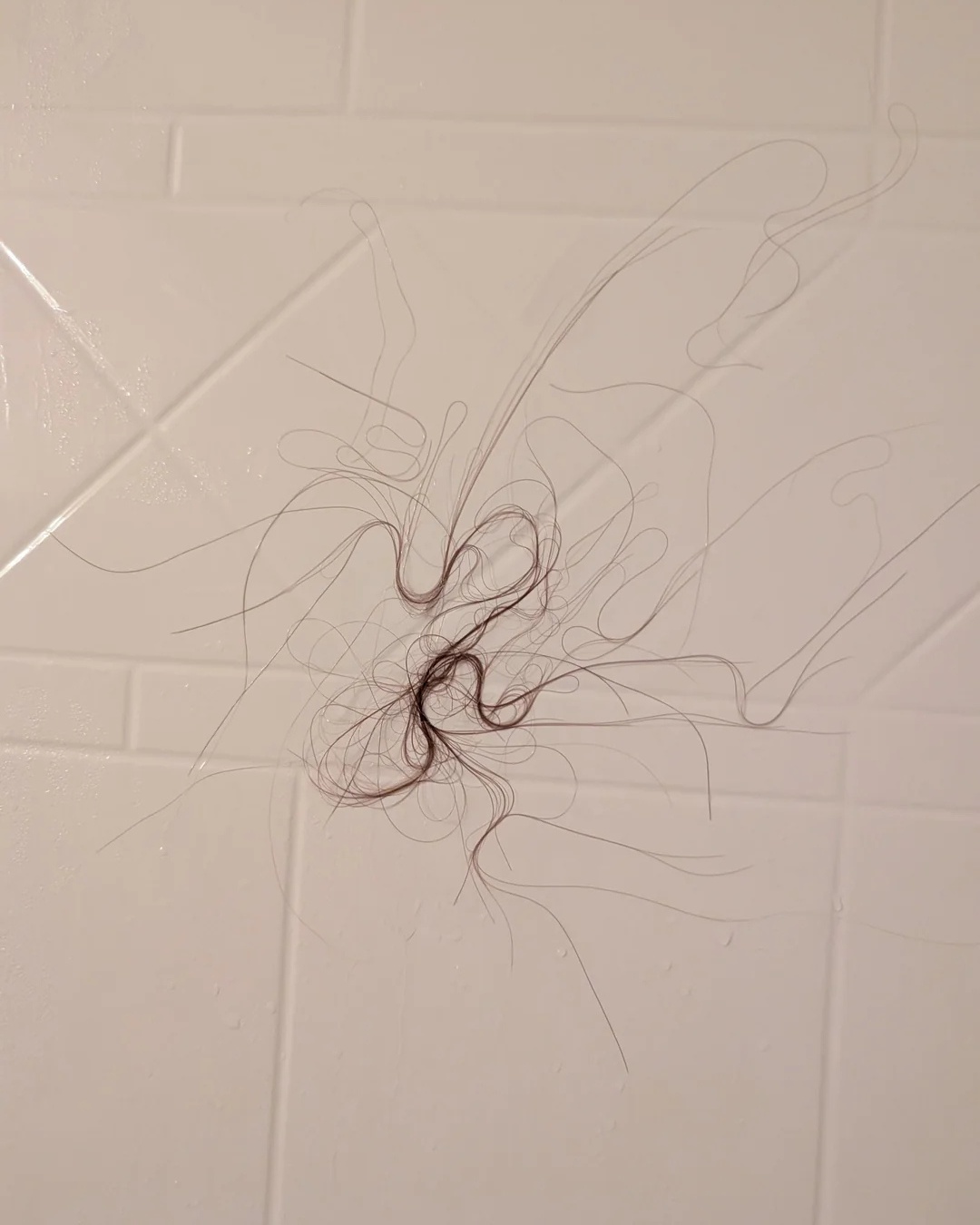
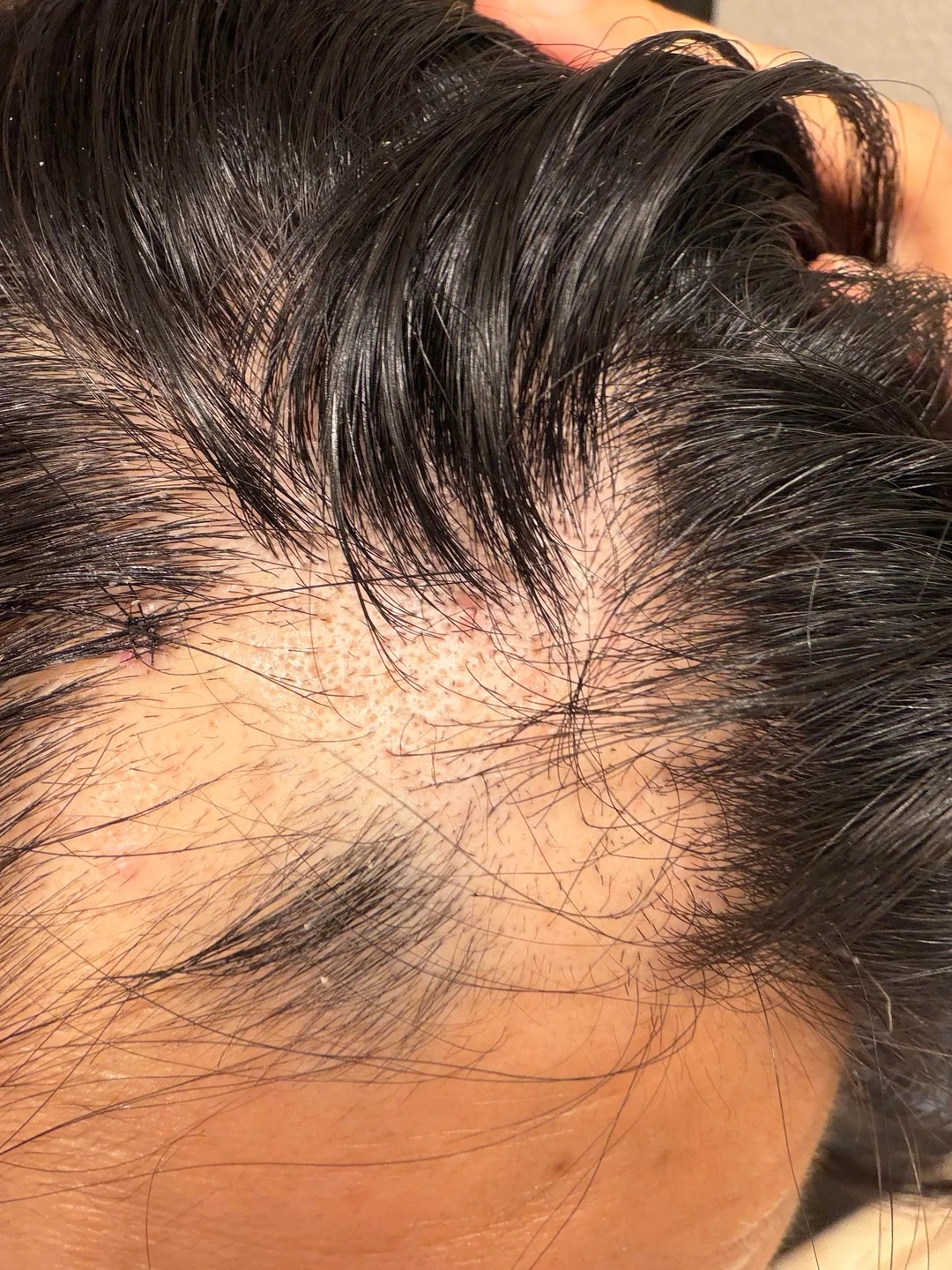
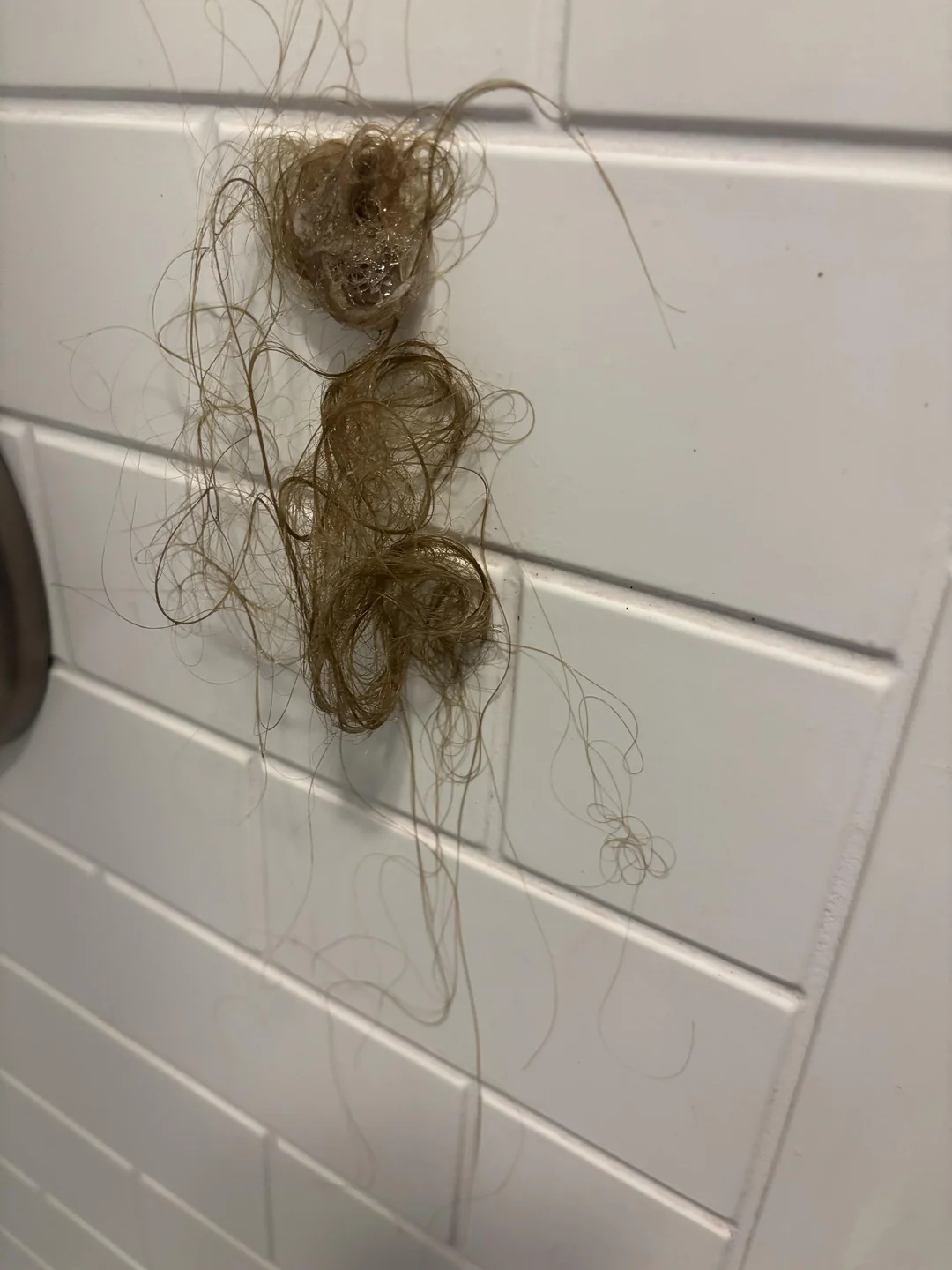
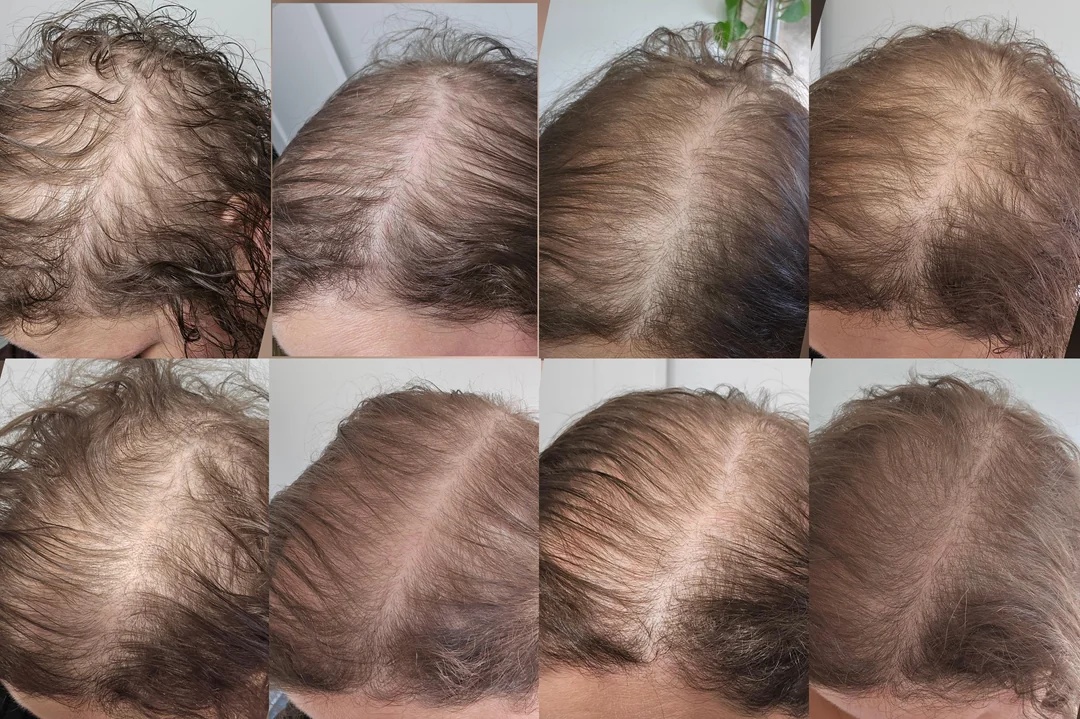
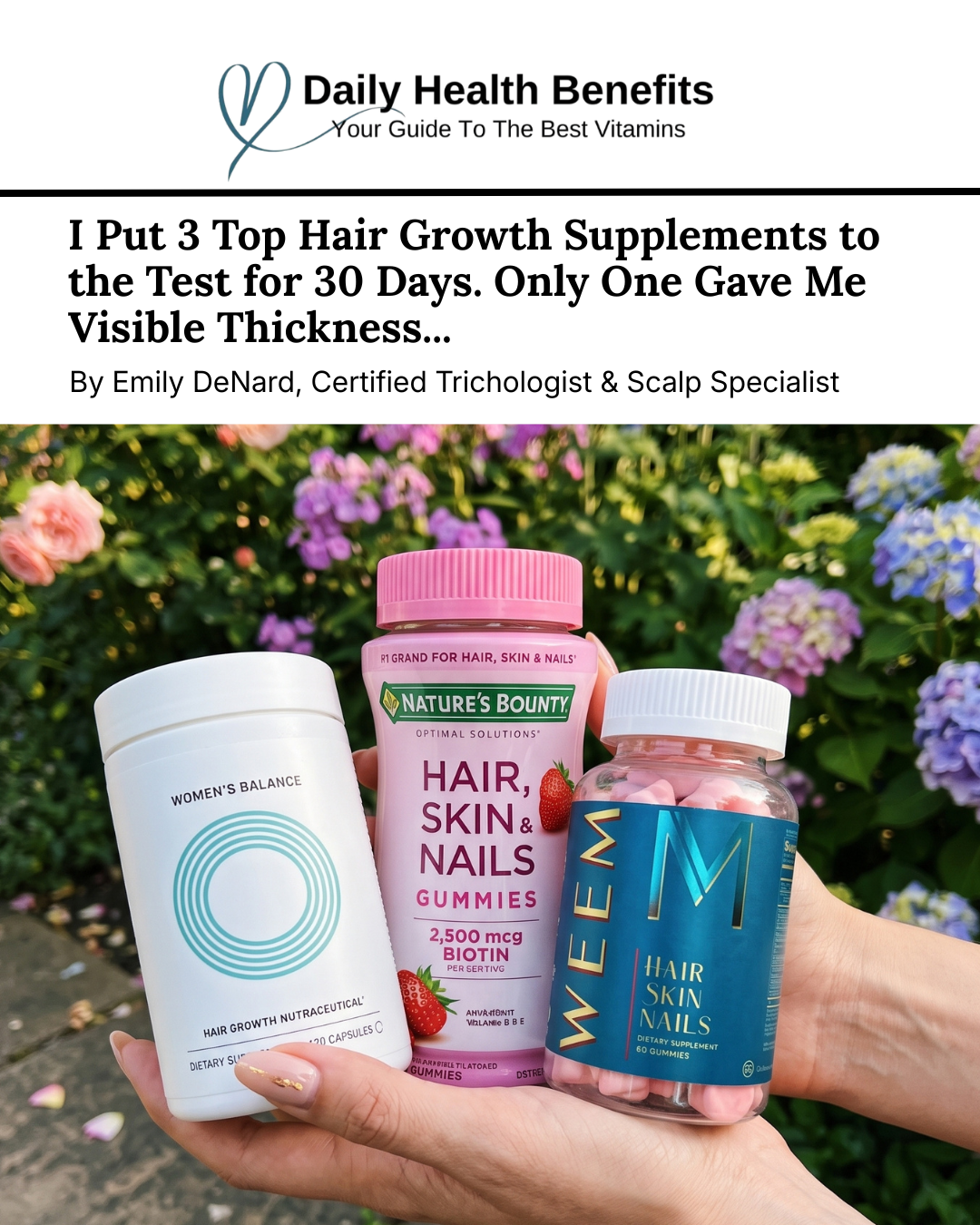
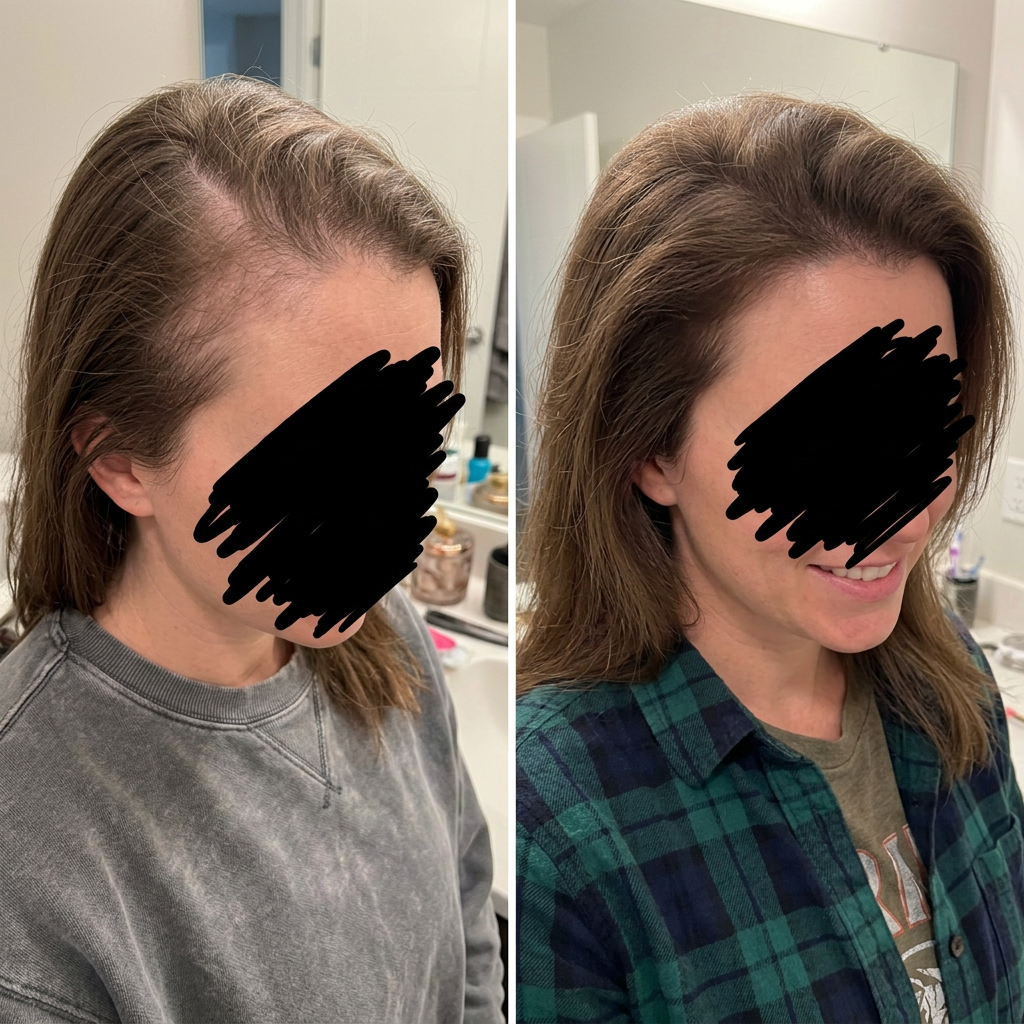
As a dermatologist I've been treating hair loss for over 15 years. And I want to be honest with you about something most doctors won't tell you. Most of what we recommend — or what you find on your own — doesn't work the way you think it does. So I'm going to walk you through every major solution I've seen my patients try. I'm going to rate each one. And then I'm going to tell you what I now recommend first. Biotin — 1/10 Biotin is where almost everyone starts. It's cheap, it's everywhere, and it sounds logical. "Hair is made of keratin. Biotin supports keratin. So biotin grows hair." That's the pitch. Here's the reality. Biotin only helps if you have a genuine biotin deficiency — which is rare. If your levels are normal, taking more biotin does nothing for your hair. Nothing. I've had patients spend two years on biotin supplements with zero change in shedding. Some even broke out in acne from the high doses. It's not dangerous. It's just not doing what you think it's doing. Rating: 1/10. Harmless. Mostly useless. Rosemary Oil — 2/10 Rosemary oil went viral. I had patients coming in with bottles of it, asking me to confirm it was the answer. And I understand why — there was one small study that compared it to 2% minoxidil and found similar results at six months. What that study didn't tell you: the minoxidil concentration used was half the standard dose. The sample size was tiny. And applying oil to your scalp every day does not address what's actually shrinking your follicles — DHT. Rosemary oil has no meaningful effect on DHT. It may improve scalp circulation slightly. But it does not stop hormonal hair loss at the root. My patients who relied on it exclusively continued to shed. Rating: 2/10. Smells nice. Doesn't fix the problem. Caffeine Shampoo / Ketoconazole Shampoo — 3/10 These are better than nothing. Ketoconazole (Nizoral) has some evidence behind it — it reduces scalp inflammation and may have a mild anti-androgen effect. Caffeine shampoos have shown some ability to extend the anagen growth phase in lab studies. But here's the problem: shampoo is on your scalp for 90 seconds. The active ingredient barely penetrates. These are supportive tools at best. I recommend them as add-ons, never as primary treatments. Rating: 3/10. Fine as a supporting player. Not a solution. Nutrafol / Viviscal — 4/10 These are the premium supplement options. Nutrafol is $88 a month and contains a mix of saw palmetto, ashwagandha, biotin, and marine collagen. Viviscal uses a marine collagen complex. Both have clinical studies. I've seen real results in some patients — particularly those whose hair loss is driven by stress or nutritional deficiency. But for patients with androgenetic alopecia — the hormonal kind — the results are inconsistent. The DHT-blocking component in Nutrafol (saw palmetto) is underdosed. And at $88 a month, patients often stop before they see meaningful change. I've also had patients report bloating, acne, and nausea from Viviscal's marine collagen. Rating: 4/10. Decent for stress-related or nutritional loss. Overpriced and inconsistent for hormonal hair loss. Topical Minoxidil (Rogaine) — 4/10 Minoxidil works. I won't pretend otherwise. It extends the anagen phase of the hair cycle and increases blood flow to the follicle. For the right patient, it produces real regrowth. But here's what my patients don't get told before they start. There is a "dread shed" — an initial phase of increased shedding that can last 2 to 3 months. Most patients panic and stop. The ones who push through often see results. But it has to be applied twice a day, every day, forever. Stop using it and the hair you gained comes back out within months. It can cause scalp irritation, itching, and — in women — unwanted facial hair growth. It treats the symptom. It does not address the DHT that is actively shrinking the follicle. Rating: 4/10. Works for some. But the lifetime dependency, the dread shed, and the side effects make it a hard sell when better options exist. Oral Minoxidil / Finasteride / Spironolactone — 5/10 These are the prescription-grade options. Oral minoxidil is more effective than topical and easier to use. Finasteride is the most powerful DHT blocker available and produces significant regrowth in men. Spironolactone is often prescribed to women as an anti-androgen. They work. But the trade-offs are serious. Finasteride carries a risk of sexual dysfunction, depression, and hormonal disruption — what's known as post-finasteride syndrome. Spironolactone requires ongoing blood pressure monitoring. Oral minoxidil can cause fluid retention, heart palpitations, and unwanted body hair. These are not supplements. They are drugs with real systemic effects. I prescribe them when the situation warrants it. But I never prescribe them lightly. Rating: 5/10. Clinically effective. But the risk profile means I only reach for these when everything else has failed. Pumpkin Seed Oil + Saw Palmetto — 10/10 This is what I now recommend first for patients with androgenetic alopecia — the hormonal, DHT-driven kind. Here is why. In 2014, a randomized, double-blind, placebo-controlled trial — the gold standard of clinical evidence — found that men taking 400mg of pumpkin seed oil daily for 24 weeks experienced a 40% increase in hair count. No other natural ingredient has that kind of data behind it. Pumpkin seed oil works by inhibiting 5-alpha reductase — the same enzyme that converts testosterone into DHT, the hormone that shrinks hair follicles. This is the same mechanism as finasteride. But without the prescription. Without the hormonal side effects. Without the lifetime dependency. When you pair it with saw palmetto — which has been shown in clinical trials to reduce DHT levels by up to 30% while improving hair quality by 60% — you get a dual-action DHT defense that addresses the root cause of hair loss from the inside. No dread shed. No scalp irritation. No facial hair. No doctor visit required. My patients who have been through the full cycle — biotin, rosemary oil, minoxidil, Nutrafol — and then switch to a properly dosed pumpkin seed oil and saw palmetto softgel are the ones who finally stop asking me "why is nothing working?" This is the one I wish I had recommended first. Rating: 10/10. If you've been through the list above and you're still shedding, this is where I'd start. One softgel a day. Clinical dose. No side effects. 100-day risk-free guarantee. Your follicles are still there. They just need the right signal to wake back up. Get it here: https://www.hernovabottle.com/products/pumpkin-seed-oil-softgels
Where the ad sends people
hernovabottle.com
Say Goodbye to Hair Fall
Our daily softgel targets the root cause of hair thinning, supports natural DHT balance, reduces shedding, and promotes thicker, fuller hair from within.
Learn more: hernovabottle.com(opens in a new tab)