
Inactive· since Mar 27, 2026
- 21
- days it ran
- 1
- relaunches
Ad copy
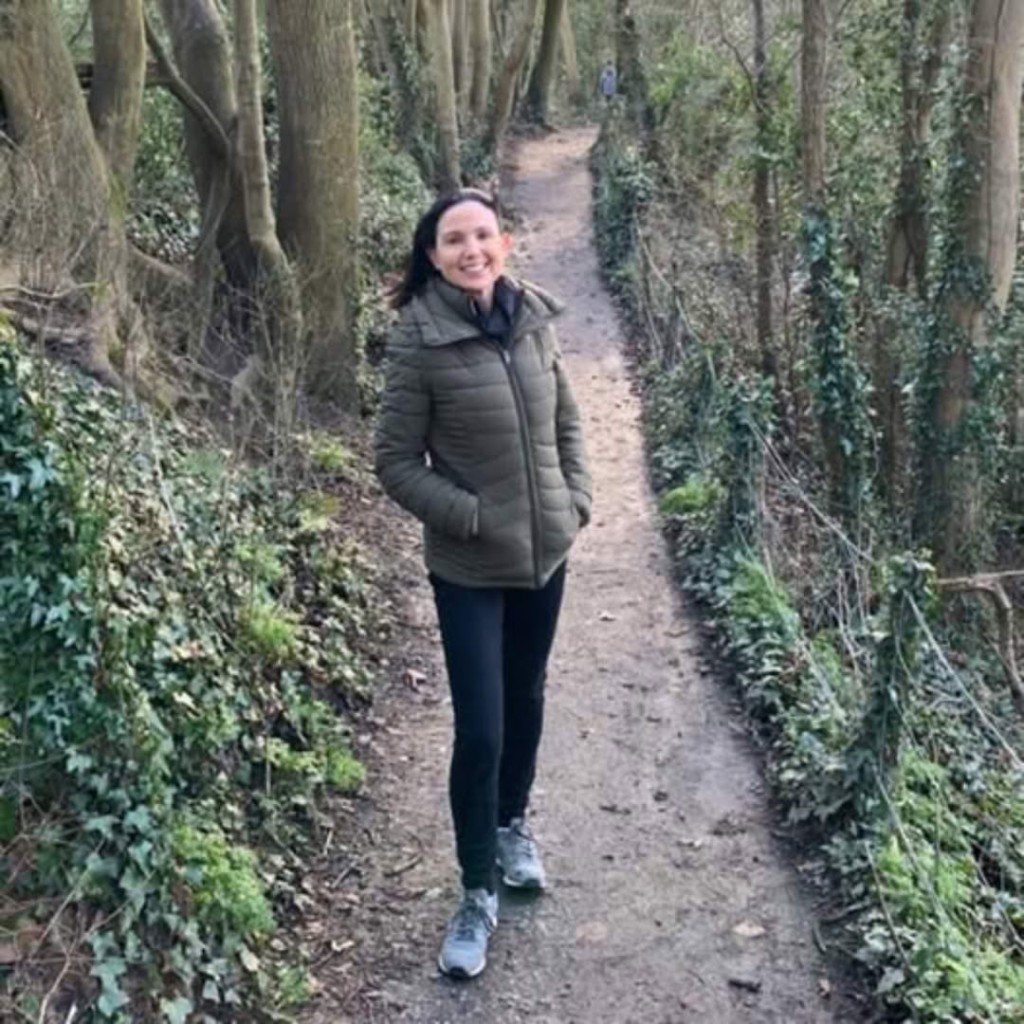
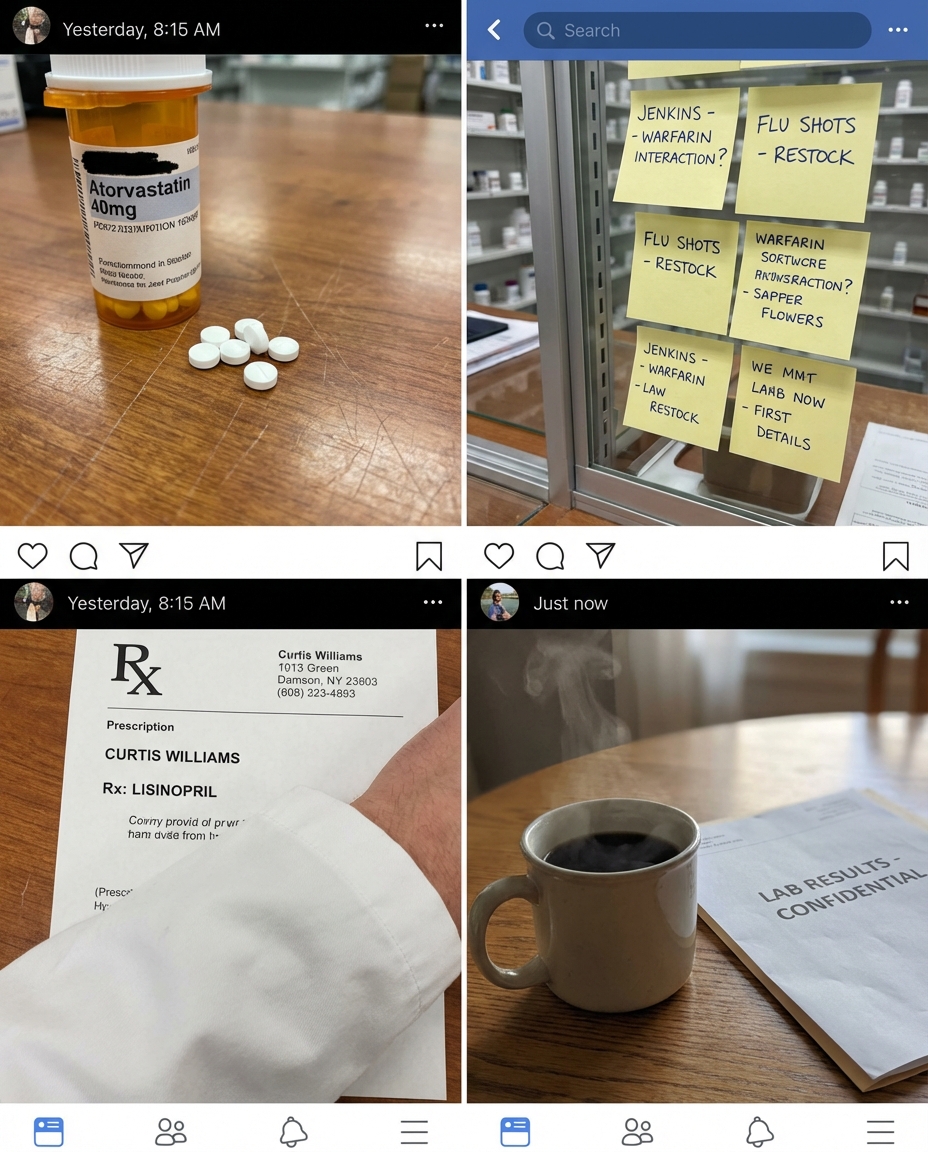
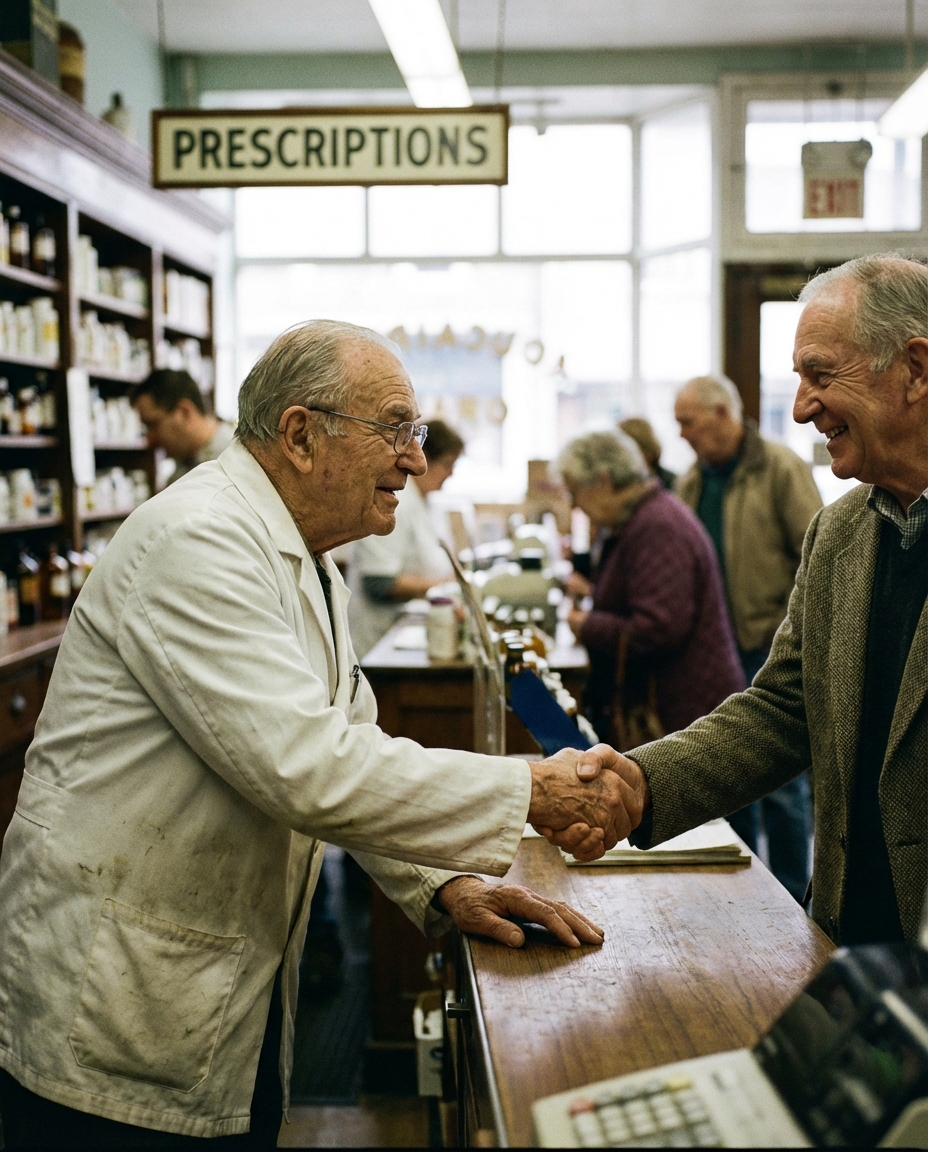
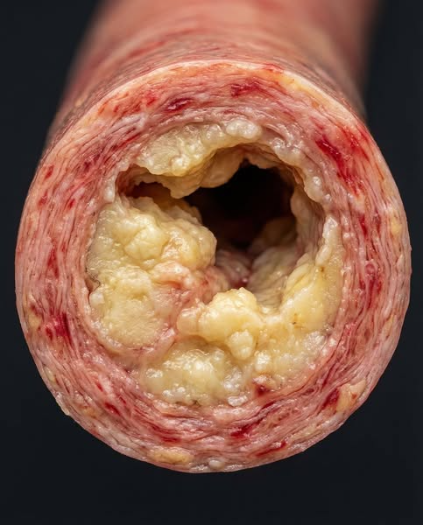
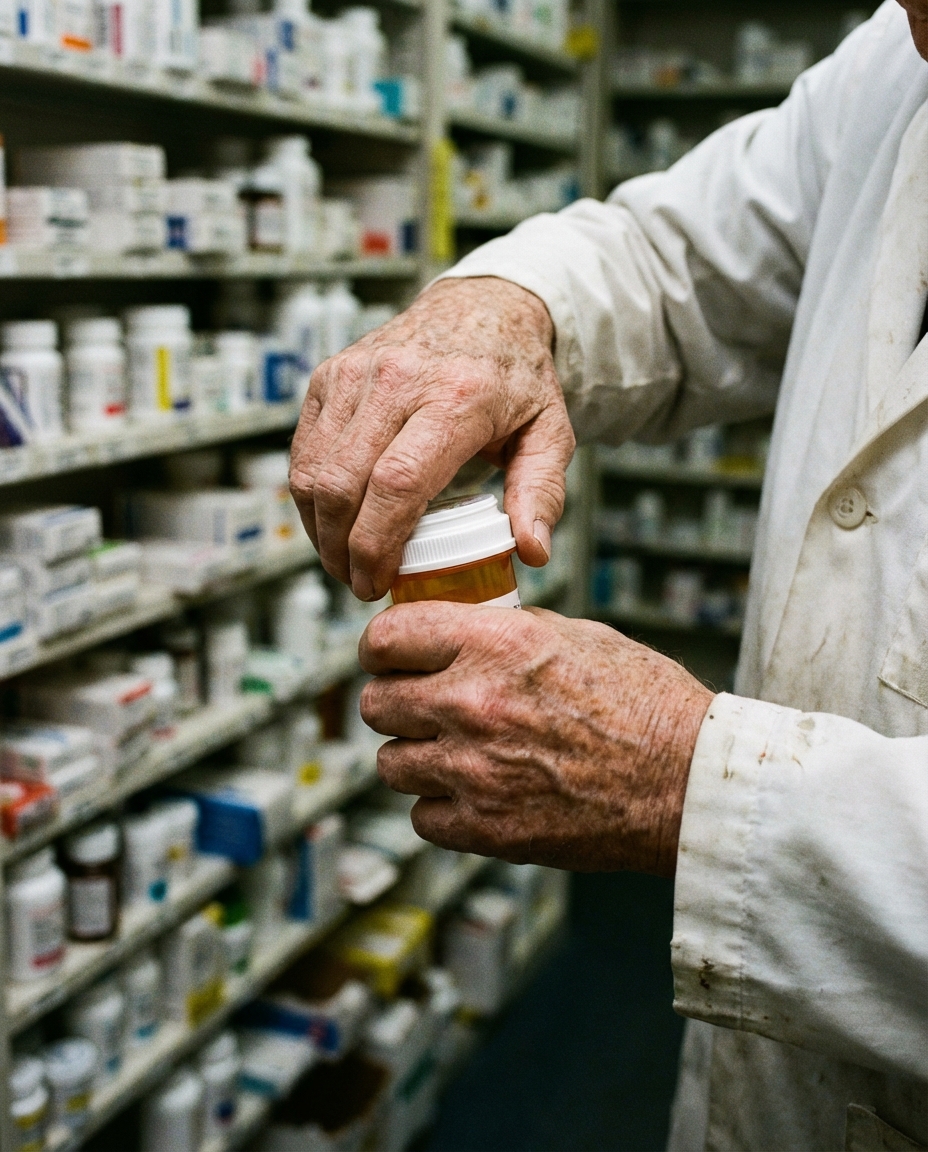
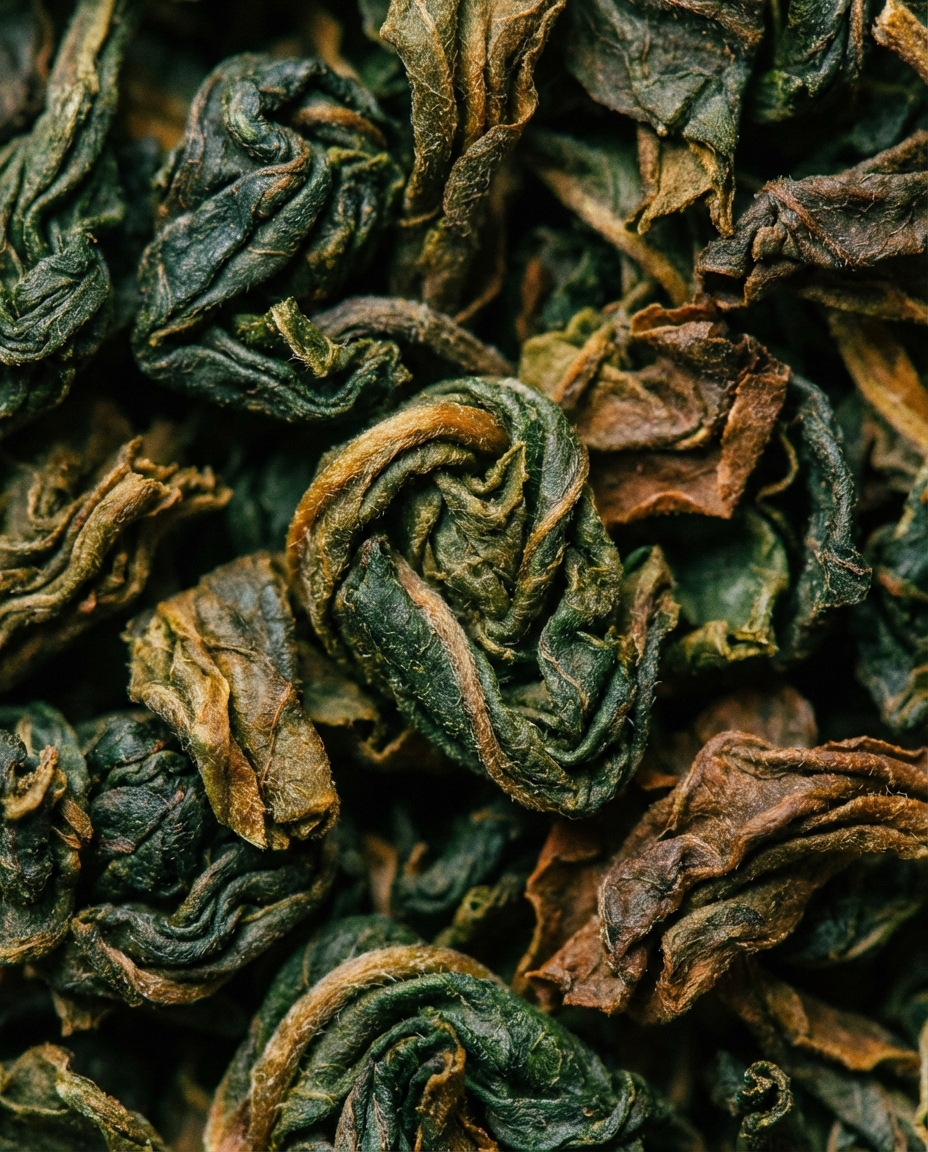
A pharmacist stopped his Atorvastatin after 9 years. His cholesterol didn't go up. It went down. His HDL — the number the statin never moved — jumped 17 points in 12 weeks. His doctor didn't put him back on it. I've been a pharmacist for 28 years. A husband for 24. A father for 19. I've filled over 300,000 prescriptions. I carry 400 patients in my head — their names, their medications, their allergies. The man behind the counter who never forgets a name, never misses an interaction, never lets a bad prescription leave his hands. I've been on Atorvastatin for nine. It gave me perfect cholesterol. Then it took my memory. I stopped four months ago. And what happened to my cholesterol — and to my mind — after I stopped is the reason I'm writing this instead of standing behind my counter right now. If your doctor put you on a statin and you've been taking it because you trust the system — the way I trusted the system, the way I WAS the system — you need to read this. All of it. My name is Marcus. I'm 54 years old. I own a pharmacy in a neighborhood I've served since I was 26. I'm not a chain store. No drive-through. No robot counting pills. I'm the pharmacist who knows your name. Knows your mother's name. Knows your medications, your allergies, your dosages, and the drugs your doctor prescribed that I had to call and question because the interaction would have put you in the hospital. I carry 400 patients in my head. Not in a computer. In my HEAD. That's not a system. That's 28 years of relationships built one prescription at a time in a neighborhood that doesn't trust hospitals, doesn't trust insurance companies, and barely trusts doctors — but trusts me. Which is why what I'm about to tell you guts me. Because for nine years, I was filling my own statin prescription with the same blind trust I warned my customers against. My doctor found my cholesterol at 258 when I was 45. LDL was 171. He prescribed Atorvastatin, 40 milligrams. I didn't argue — I'm a pharmacist. I understood the mechanism. I'd dispensed thousands of statin prescriptions. I knew the clinical profile better than most doctors writing them. I filled it myself. Peeled off the label, stuck it on the bottle, dropped it in my own bag. Routine. Ninety days later my LDL was 118. Total cholesterol 204. The drug was performing exactly as the pharmacokinetics predicted. For the first three years, I noticed nothing unusual. Then the forgetting started. Small things at first. A customer's name I'd known for a decade — gone. Just blank. I covered it — "Hey, sweetheart, how are you" — but I was scrambling inside. Flipping through mental files that had always opened instantly. Except I don't forget things. That's literally my job. My memory IS my pharmacy. Without it, I'm just a guy in a white coat counting pills. By year four the fog had a pattern. Worst in the afternoons. By 2 PM my head felt wrapped in gauze. I'd look at a prescription I'd dispensed a thousand times and the interaction profile would blur. I started writing things down. Sticky notes behind the counter. Drug interactions I'd had memorized since graduate school. Customer names. Things I could recite in my sleep were suddenly things I needed on paper. My pharmacy technician noticed. One afternoon she said — carefully, the way you talk to someone you respect — "Marcus, you okay? You seem a little off lately." A little off. Twenty-eight years into a career built on precision. And my own technician could see my mind slipping. I told my doctor. He ran bloodwork. "Your cholesterol is 198. LDL is 112. These are excellent numbers, Marcus." I said: "I'm not asking about my cholesterol. I'm asking about my memory." He said the cardiovascular benefit significantly outweighed any potential cognitive concern. I've read those words on package inserts. I've recited them to customers who came to me worried about side effects. "The benefits outweigh the risks." I'd said it hundreds of times across the counter. Now those same words were being recited back to me. And for the first time, I heard what they actually mean: we've decided your side effects are an acceptable price. Acceptable to who? The hands came next. Opening childproof bottles — something I'd done 50 times a day for 28 years — started taking effort. Some mornings I'd struggle with the first bottle and have to run my hands under warm water before I could pop the cap. A pharmacist who can't open a pill bottle. Think about that. And the whole time, I was watching the same pattern unfold behind my own counter. A patient starts a statin. Cholesterol drops. Doctor's happy. Six months later — a new prescription. CoQ10 for the muscle pain. A year later — Tramadol or ibuprofen. Two years later — Ambien for the cramps. Three years in — sometimes an antidepressant. One prescription becomes six. Every new drug treating a side effect of the previous one. A pharmaceutical cascade. I watched it happen hundreds of times and never said a word. Until I became the patient. The day that broke me was a Tuesday in September. Curtis Williams walked in. Been coming to my pharmacy for 19 years. I'd filled prescriptions for him, his wife Gloria, his mother before she passed, his daughter in college. I knew his blood pressure medication. His diabetes medication. His statin. He walked up to the counter and his name — the name of a man I'd known for almost two decades — was gone. Not fuzzy. Not on the tip of my tongue. GONE. I stood there with my white coat on and a smile that was pure panic and said: "Hey, brother. How you doing today?" He slid his prescription across the counter. I looked at the name on the paper and felt sick. Curtis Williams. I'd known his name for 19 years. I didn't know it for those 15 seconds. And in those 15 seconds, I saw everything I was losing. Not a word. Not a fact. My IDENTITY. The pharmacist who knows everyone's name didn't know the name of a man he'd served for two decades. He said "Thanks, Marcus" and walked out. He knew MY name. I was the one forgetting. I locked the pharmacy that night and sat in the back room staring at the shelf of Atorvastatin bottles. The same drug I'd put in my body for nine years. The same drug I'd dispensed to hundreds of people who trusted me. For the first time in 28 years, I didn't trust what was on my own shelf. I went home and opened my laptop. I didn't search "Atorvastatin side effects" — I already knew those. What I searched was different: "Why do compliant statin patients still have cardiac events." Because I'd seen that too. From behind the counter. Patients on statins for a decade — compliant, consistent — suddenly disappearing for a month. Then the wife coming in with a new stack of prescriptions. Post-cardiac event. Blood thinners. Beta blockers. The statin still on the list, plus four new drugs. Perfect compliance. "Excellent numbers." Still ended up in the ICU. What I found in the next two weeks destroyed everything I thought I understood about the drugs I'd been dispensing for 28 years. Here's what pharmacy school taught me: High LDL is dangerous. Statins block it. LDL drops. Risk drops. Simple. Here's what pharmacy school never mentioned: Regular LDL cholesterol is not inherently pathogenic. Your body produces LDL on purpose. It carries essential lipids to cells. Your brain is roughly 25% cholesterol by dry weight. LDL is a delivery system, not a toxin. The problem — the thing that actually initiates arterial plaque — is what happens when LDL gets OXIDIZED. Free radicals attack LDL particles and change their structure. Your immune system no longer recognizes oxidized LDL as your own cholesterol. It treats it as a foreign invader. White blood cells engulf it, become foam cells, and embed in arterial walls. That's plaque. That's the blockage. That's the heart attack. Not LDL. OXIDIZED LDL. And Atorvastatin — the drug I'd put in my body for nine years — does absolutely nothing to prevent LDL oxidation. It lowers the total amount. Carpet bombs everything. But the oxidation process continues unchecked. In 28 years of pharmacy practice, nobody — not a drug rep, not a CE course, not a single prescriber — ever explained the distinction between LDL and OXIDIZED LDL to me. And nobody was testing for it. Not on my patients. Not on me. Then the CoQ10 research clicked everything into place. Statins block the mevalonate pathway. Every pharmacist knows that. What I'd never fully internalized was that the SAME pathway produces Coenzyme Q10 — the molecule your mitochondria need to produce cellular energy. Your heart runs on it. Your brain runs on it. Your muscles run on it. Statins reduce CoQ10 production by up to 40%. My brain fog. My hands. Curtis's fog — he'd mentioned it across the counter once. Mrs. Patterson's daughter saying her mother "wasn't as sharp." Mr. Hendricks saying his legs ached so bad he needed deliveries. All on statins. All the same symptoms. All their doctors charting it as "age-related." Age-related. The most convenient diagnosis in medicine. The one that explains everything and investigates nothing. And when cells are under oxidative stress, the body produces MORE cholesterol as an emergency defense. More cholesterol under those conditions means more gets oxidized. More oxidation means more damage. A vicious cycle. The statin was suppressing one part while the root cause kept spinning underneath. Every supplement my customers tried was doing the same thing. Fish oil in the bloodstream. Oatmeal in the gut. Plant sterols in the intestine. Green tea capsules that stripped out everything but one isolated compound. All working DOWNSTREAM. None addressing the oxidation at the cellular level where the damage was actually happening. None restoring the metabolic signals that govern how your body processes cholesterol in the first place. The research that changed everything was on oolong tea. I almost closed the laptop. Tea. Twenty-eight years in pharmaceutical practice and the peer-reviewed research trail was pointing me toward TEA. But the data wasn't from a wellness blog. It was published in the Journal of Nutritional Biochemistry. The European Journal of Clinical Nutrition. Randomized controlled trials. Published research going back decades on a specific compound profile that no supplement on my shelf could replicate. And in 28 years of pharmaceutical practice, nobody had ever mentioned it. Here's what stopped me from closing the laptop: oolong tea contains a specific combination of polyphenols that no other tea type has. Green tea is unoxidized. It has catechins — including EGCG, one of the most studied antioxidants in cardiovascular research. But green tea loses theaflavins entirely. Black tea is fully oxidized. It develops theaflavins but destroys most of its catechins in the process. Oolong is partially oxidized. Sits between the two. And that partial oxidation preserves BOTH — the catechins AND the theaflavins. A compound profile that exists in no other tea on the planet. Why does that matter? Because EGCG and theaflavins are the specific polyphenols shown in peer-reviewed research to neutralize the oxidation of LDL cholesterol. Not all free radicals. Not a carpet-bomb approach. The specific oxidative process that turns harmless LDL into the arterial plaque that actually kills people. The SAME process my Atorvastatin had been ignoring for nine years. And oolong's polyphenols cross the blood-brain barrier — something almost no supplement can do. Into the brain cells where nine years of CoQ10 depletion had been erasing a pharmacist's memory. Into the mitochondria where no statin, no fish oil, no capsule on my shelf could reach. When oxidative stress drops, the body stops overproducing cholesterol. The vicious cycle breaks. Without blocking enzymes. Without depleting CoQ10. Without the pharmaceutical cascade. A randomized controlled trial — gold standard research — showed oolong tea consumption reduced LDL cholesterol by 21 mg/dL and improved the total cholesterol-to-HDL ratio by 6.8% over twelve weeks. The second piece nearly knocked me out of my chair: these same polyphenols restore adiponectin production. Adiponectin — the metabolic hormone that tells your liver how to process fats correctly. When adiponectin drops, your liver stops clearing cholesterol efficiently. Cholesterol builds. Arteries stiffen. The cardiovascular system never fully recovers. Statins suppress cholesterol by blocking an enzyme. Oolong polyphenols restore the hormonal signal that governs how your body PROCESSES it. Not suppression. Restoration. I had never ONCE seen a prescriber test adiponectin levels alongside a lipid panel. Never. In 28 years. The product that matched the research was a small company called PiPi Tea. 100% organic whole-leaf oolong from Pu'er, Yunnan Province — the growing region cited in the most rigorous polyphenol research. Grown above 4,500 feet, where altitude stress forces the tea plant to produce higher concentrations of the protective compounds. Hand-picked at peak harvest. Traditional processing that preserves the partial oxidation — the exact level that keeps both catechins and theaflavins intact. One cup. Every morning. I almost didn't try it. I'm a pharmacist. I evaluate drugs for a living. Drugs. Not tea. But the mechanism was different. Not different the way bergamot is different from fish oil — both working downstream, both missing the target. Different at the fundamental level. Working upstream. At the metabolic level. Restoring the signals the statin was overriding. Where the damage was actually happening. I tapered the Atorvastatin with monthly bloodwork. Ordered PiPi Tea that night. Day four — the fog was thinner. Like someone peeled off one layer of film. I stopped arriving an hour early. The drug names were there. The files were opening faster. Week three — the hands. The stiffness that made opening bottles a daily humiliation was gone. I walked into the pharmacy, picked up the first bottle, popped the cap. The way I'd done it for 28 years without thinking. Week six — Curtis Williams walked in. I saw him come through the door. And his name was RIGHT THERE. Not just his name — his medication history. His wife Gloria. His mother Annie Mae, God rest her. His daughter Keisha. All of it. Restored to exactly where it belonged. "Curtis. How you doing, brother." He grinned. "Same old, same old, Marcus. You know how it is." I did know. I knew again. Bloodwork at twelve weeks. Completely off Atorvastatin for the last four. Total cholesterol: 201. On Atorvastatin it had been 204. LOWER without the drug. LDL: 118. Within optimal range — without a single pharmaceutical molecule suppressing it. HDL: 56. On Atorvastatin it had been 39. Seventeen-point increase. The protective cholesterol the statin never moved in nine years. Seventeen points in twelve weeks. Triglycerides: 128. Down from 198. Better than any statin result I'd ever had. I brought the results to my doctor. He looked at the numbers. Looked at me. "Your numbers are better than they've been in nine years. And you look like a different man than the one who sat here six months ago telling me he couldn't remember things." He didn't tell me to go back on Atorvastatin. First time in nine years. I'm writing this for every person who trusts the system the way I trusted the system. Who takes the pill because a professional said to. Who's noticed their mind getting slower, their hands getting stiffer, their body getting heavier — and been told the benefits outweigh the risks. Maybe it's not aging. Maybe it's the drug. And maybe the number your doctor is celebrating has nothing to do with whether you're actually protected. PiPi Tea addressed the problem at the source. One cup. Every morning. The polyphenols target the oxidative stress the statin ignored. The adiponectin restoration repairs the metabolic signaling the statin overrode. No CoQ10 robbery. No cascade. No fog. No stiff hands. No forgetting the names of people you've known for 20 years. My numbers are better off the drug than they were on it. My HDL moved for the first time in nine years. My memory is back. Curtis Williams' name is right where it belongs. Twenty-eight years behind the counter. I thought I knew everything on my shelf. The most important thing wasn't on my shelf at all. https://shop.pipitea.com/ppch/7-benefits P.S. — I started keeping PiPi Tea behind my counter. Not because anybody asked me to. Because I couldn't stand behind my counter watching the cascade happen and NOT offer an alternative. The first person I told was Mrs. Patterson — been on Crestor for twelve years. She started drinking PiPi Tea alongside it three weeks ago. Came in last Tuesday and said her morning stiffness was gone. Said it quietly, like she was afraid to believe it. Three more customers started after she told them. I didn't push it. I just put the information out there. That's what a good pharmacist does. I've been the wrong kind of good pharmacist for 28 years — accurate, careful, trusted, but inside a system I never questioned. Now I'm the right kind. P.P.S. — Here's my pharmacist challenge: boil water. Steep one cup of PiPi Tea for three minutes. Drink it. Set a timer for 20 minutes. If you don't feel something shift — a clarity, a sharpness, like somebody cleaned a lens you didn't know was smudged — then maybe this isn't for you. But if you feel it — and almost everyone I've given it to feels it — that's not placebo. That's polyphenol compounds your body has been starving for, crossing your blood-brain barrier for the first time. Something your statin has never done and never will. Something every supplement on my shelf can't do because they can't deliver the full compound profile in a bioavailable form. I'm a pharmacist. I don't say things work unless I've seen the mechanism and the data. Both are real. The twenty-minute clarity is something I felt on day one and have felt every morning since. P.P.P.S. — PiPi Tea has a 90-day money-back guarantee. If your numbers don't improve, every penny back. No questions. In 28 years of pharmacy, I have never seen a pharmaceutical company offer to refund your money if their drug doesn't work. Your Atorvastatin comes with a lifetime commitment, guaranteed CoQ10 depletion, and a doctor who reads one number on a chart. PiPi Tea comes with a guarantee. The drug doesn't. P.P.P.P.S. — PiPi Tea is a small company. They sell out. I'm telling you this as someone who reorders inventory for a living — I had to wait 10 days for a restock and had customers asking. If your next blood draw is in 30 to 60 days and you want real numbers instead of statin-managed results your doctor's been rubber-stamping — check if they have stock now. Not next week. Now. Every day you wait is another day the vicious cycle keeps spinning and another day your statin keeps draining CoQ10 from the brain and muscles that need it most. I waited nine years. Don't be me. P.P.P.P.P.S. — Do not forget about their 90-day money-back guarantee. https://shop.pipitea.com/ppch/7-benefits
Natural Relief in Weeks
Struggling with high cholesterol that won't respond to diet changes? Here's why adding PiPi Tea to your routine can make a real difference, without statins or harsh side effects.
LEARN MORELike this ad? Make it yours.
Crush rebuilds this exact creative around your product — your brand, your colors, your offer — in about a minute.