
Inactive· since Feb 5, 2026
- 22
- days it ran
- 2
- relaunches
Ad copy
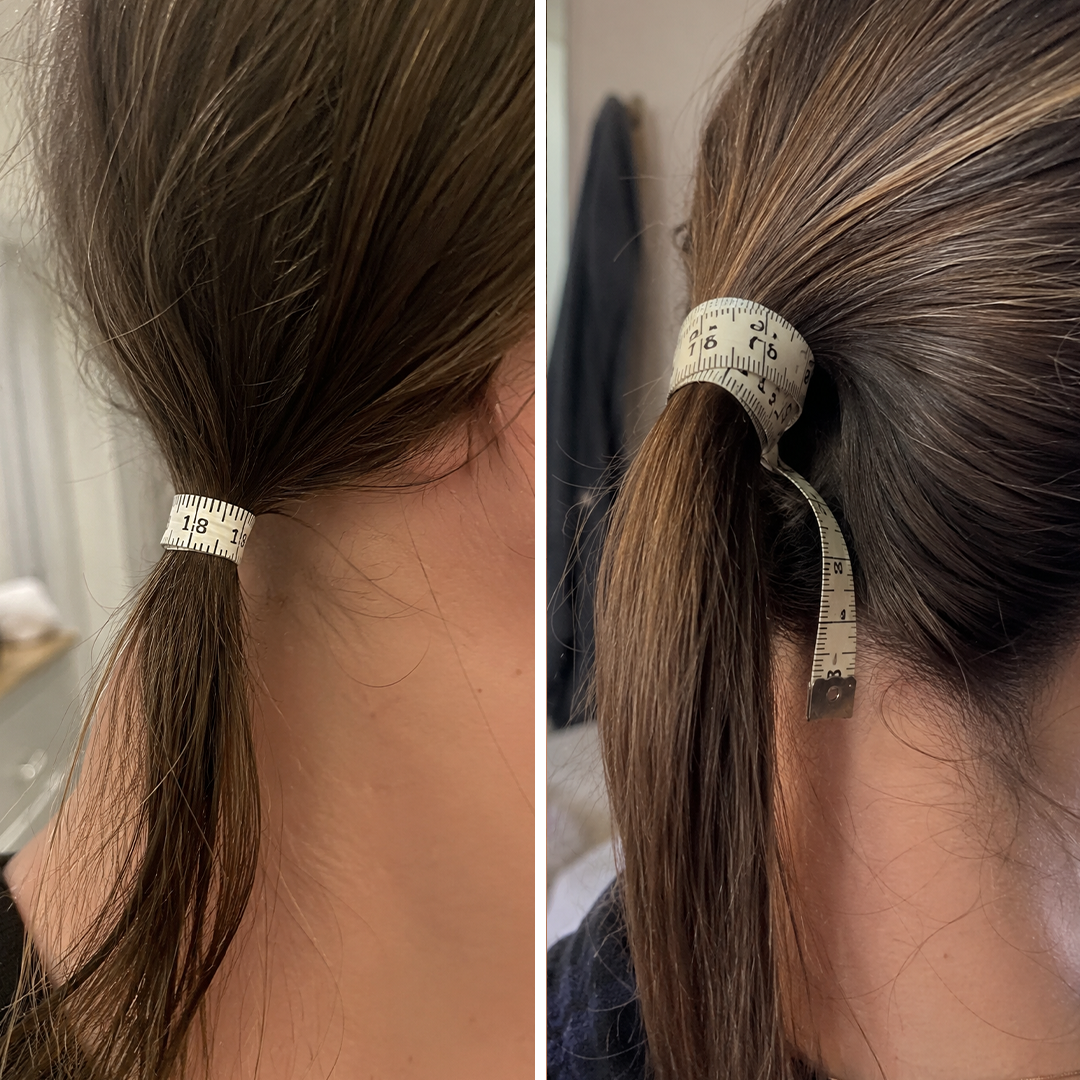
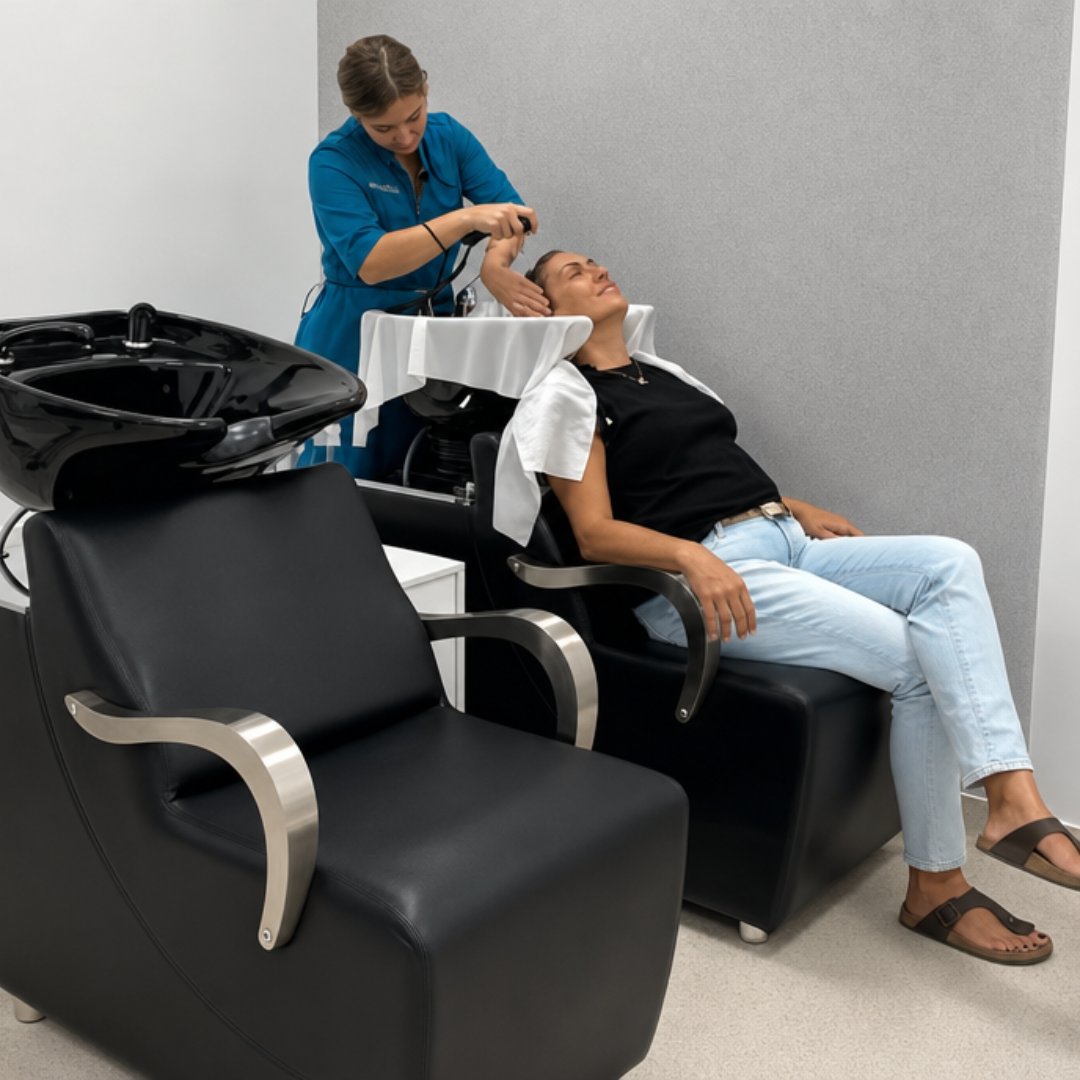
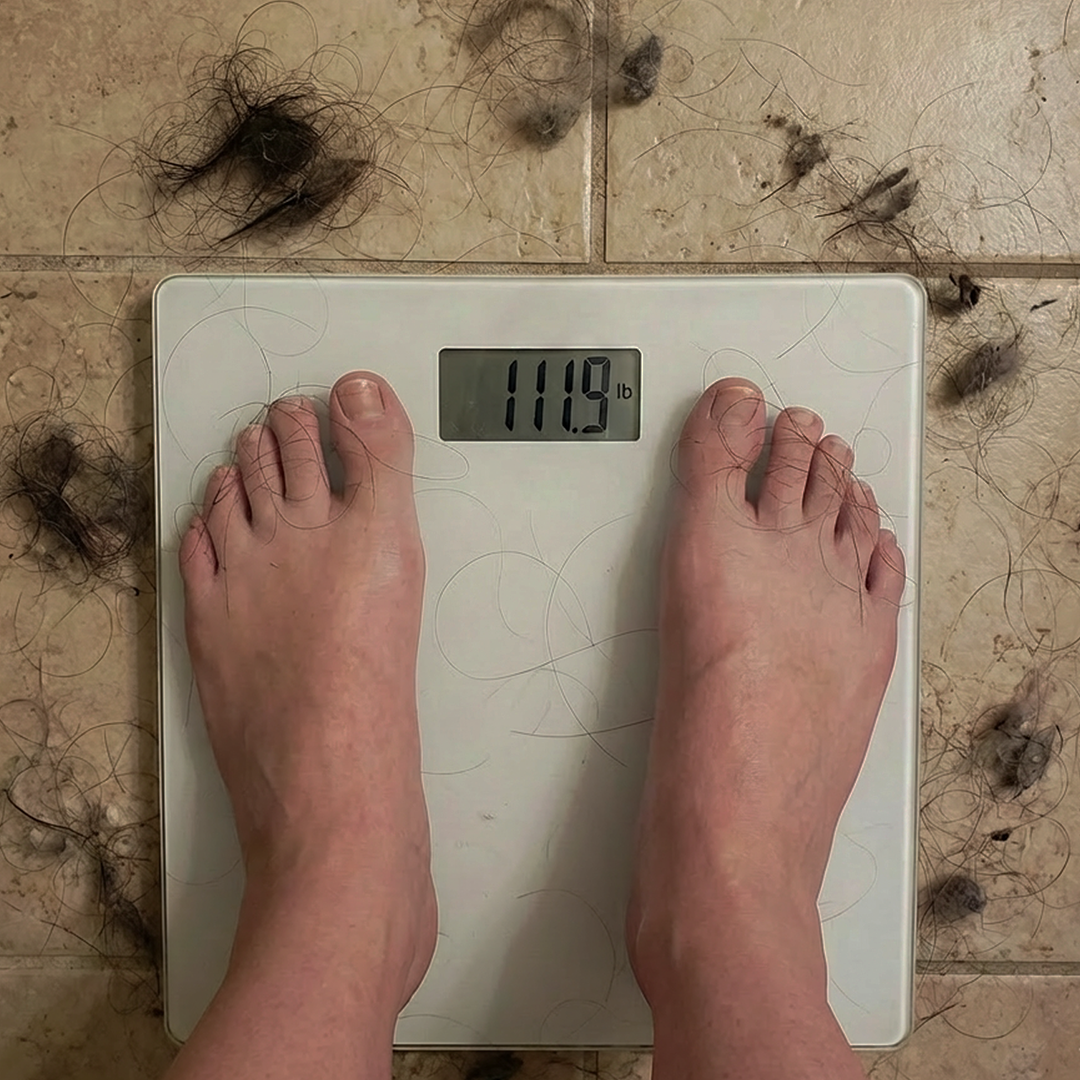
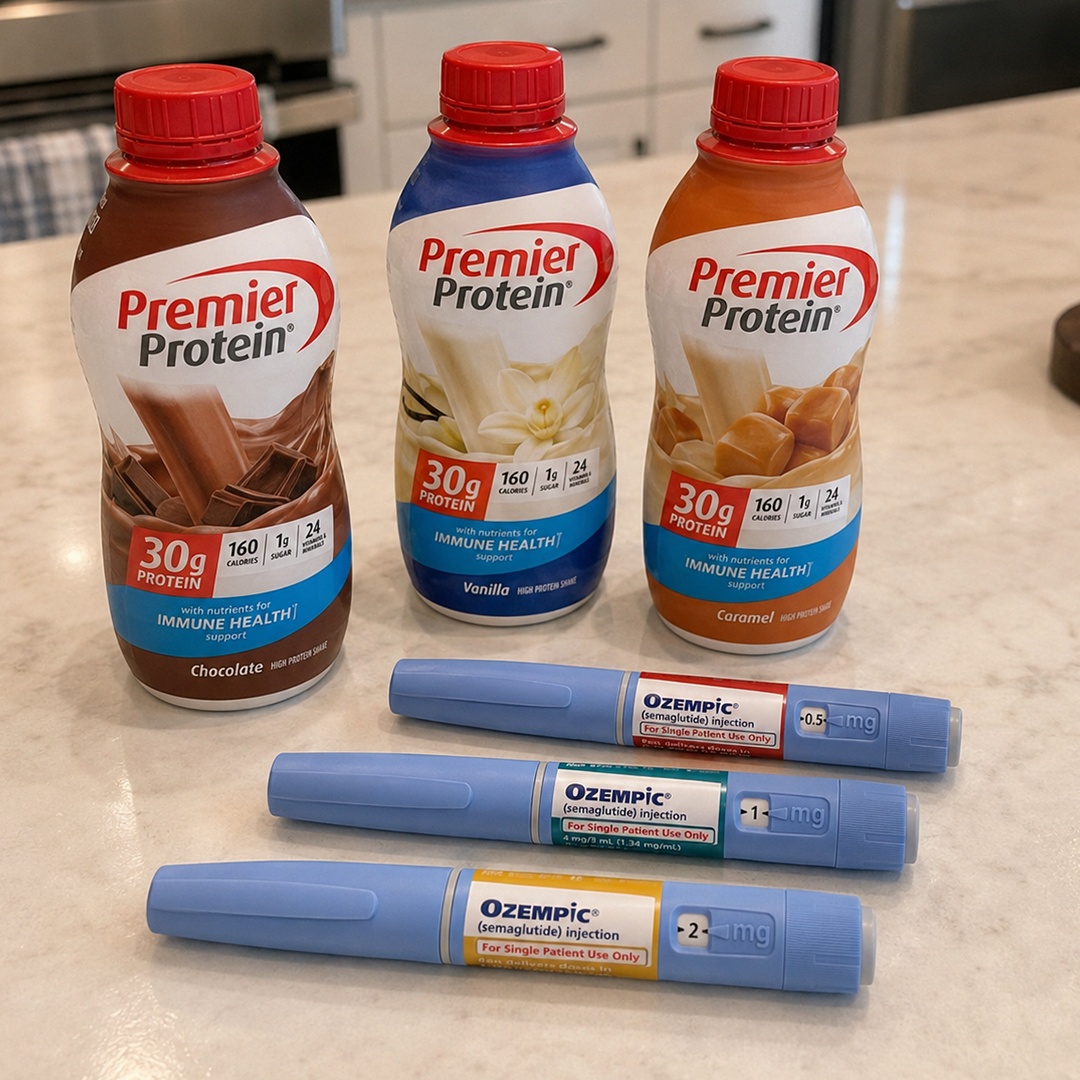
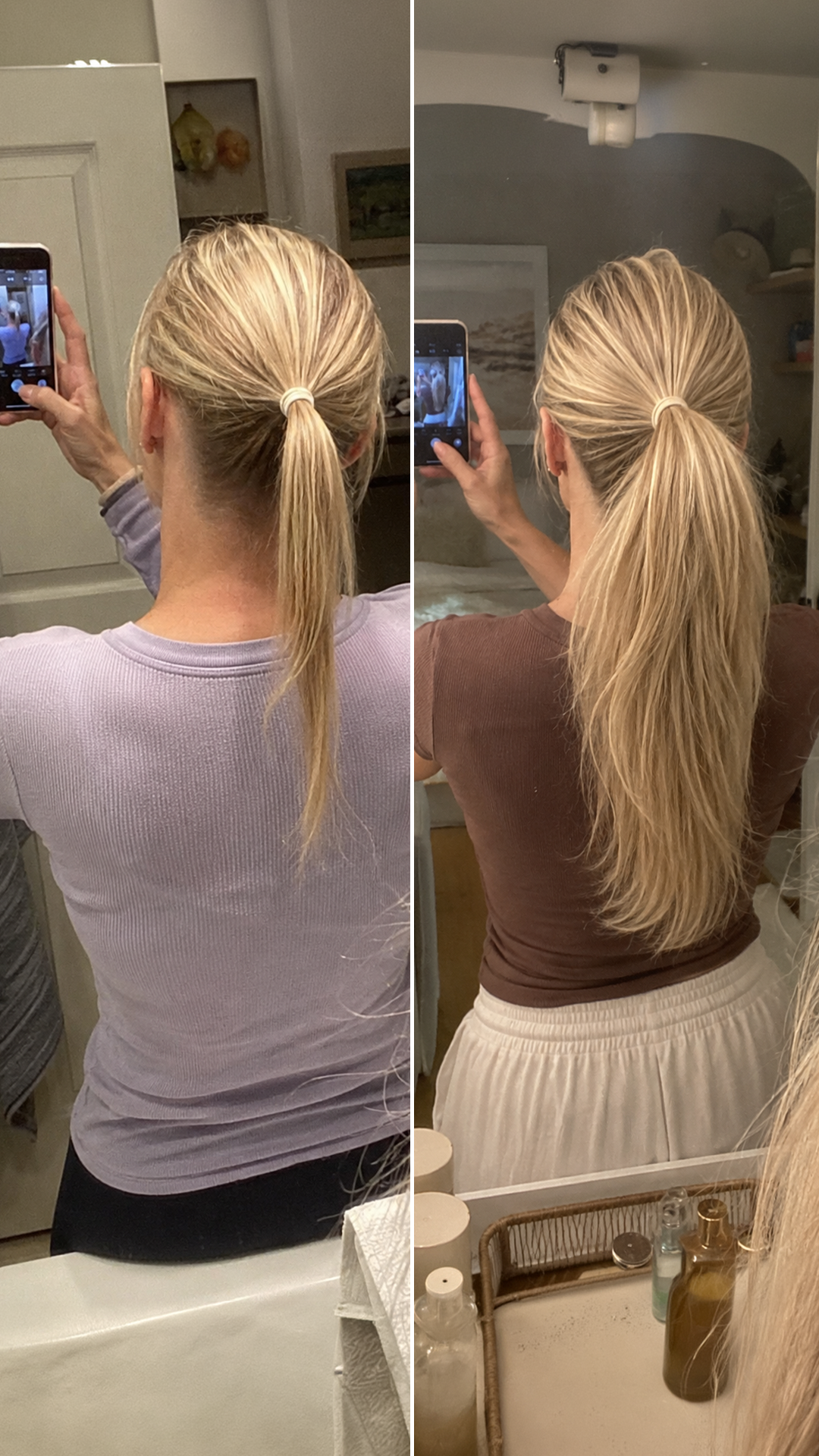
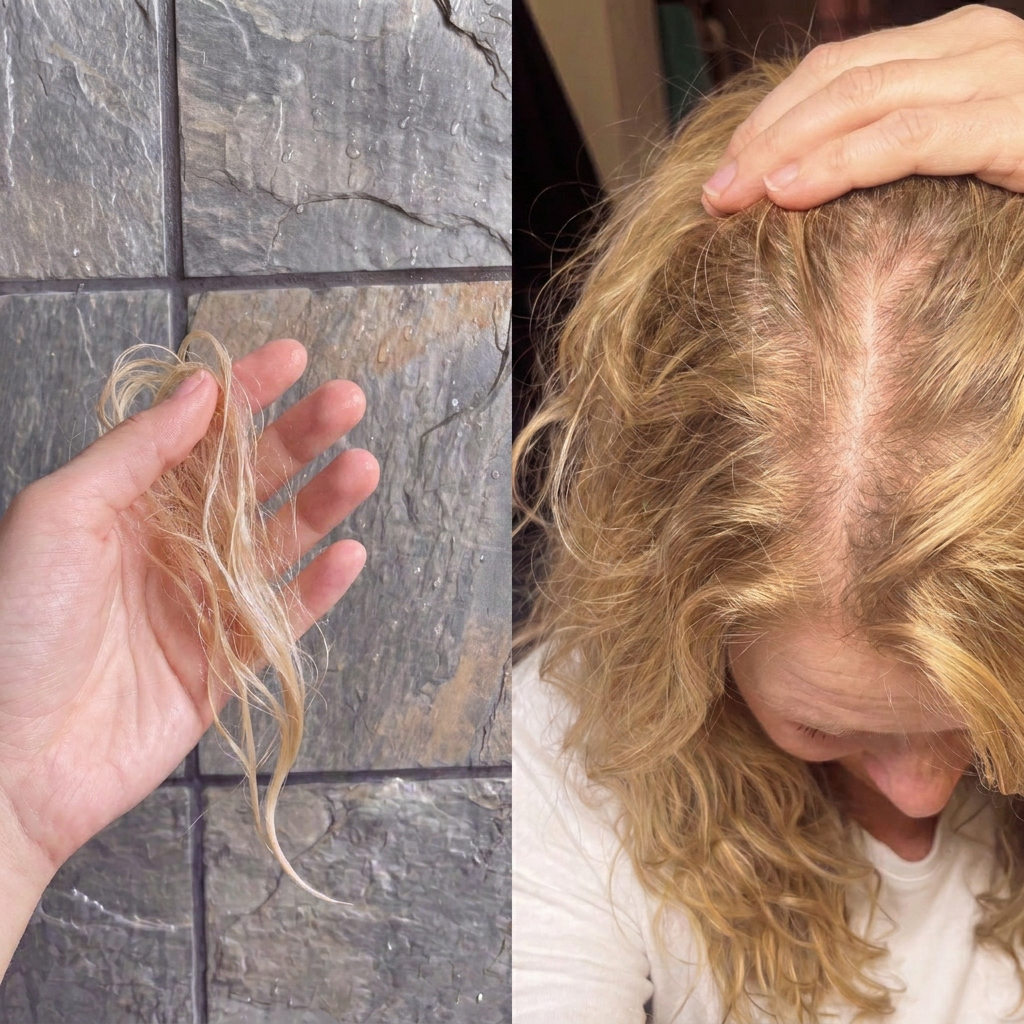
Please stop trying to regrow your hair on weight loss medication. I know that sounds crazy, but every time you take biotin, force down protein shakes, or buy another supplement, you're throwing money at something that has nothing to do with why your hair is actually falling out. I used to be just like you. Standing in the supplement aisle at Target, reading every label on every biotin bottle, desperately hoping the 10,000 mcg ones would be different from the 5,000 mcg ones I'd already tried. Ordering that $47 bottle of collagen powder from Amazon, mixing it into everything even though it made me gag, because the reviews said it saved their hair. Tracking my protein intake obsessively on MyFitnessPal, forcing myself to hit 100+ grams every single day even when I had zero appetite, because everyone in the weight loss medication groups kept saying that's what I needed to do. Spending $89 on Nutrafol because surely something that expensive had to work. Watching my bank account drain while my hair kept falling out. I tried everything. I mean everything. Every supplement the forums recommended. Every miracle solution someone swore by. I did exactly what I was told to do. And my hair loss got worse. Not better. Worse. The shower drain clogs got bigger. My ponytail got thinner. My part got wider. Every single day, handfuls of hair on my brush. Clumps in my hands when I shampooed. I lost 60 pounds on my medication. My blood work improved across the board. My doctor called my progress remarkable. But none of that mattered when I looked in the mirror and could see my scalp through my hair. I was finally getting the health wins I'd worked so hard for. My family kept telling me how proud they were. I felt like I'd finally gotten my life back. But every shower ended with me staring at the drain. Every ponytail felt thinner. Every photo was a calculation — what angle hides my part, what lighting won't expose the thinning. I started wearing my hair down all the time, even in the summer heat. Strategically positioning myself in group photos. Avoiding overhead lighting because it made everything so much worse. The worst part? I felt ungrateful. Here I was, healthier than I'd been in years, and all I could think about was my hair. But it wasn't vanity. It was grief. I was watching a piece of myself disappear, and nothing I did stopped it. I made an appointment with my doctor. Told him everything. He did a full workup — thyroid, iron, vitamin D, B12, protein. Everything. The results came back normal. Every single marker. "Your labs look great," he said, smiling like this was good news. "Whatever you're doing is working." I wanted to scream. If everything was normal, why was I going bald? I posted about it on Reddit. The responses were the same as always: "It's from the rapid weight loss, nothing you can do but wait it out." "You're probably not eating enough protein, even if your labs say you are." "It's just your body adjusting. Give it six months." But here's what kept bothering me. If it was malnutrition, wouldn't my labs show that? If it was just rapid weight loss, why are women 14 times more likely to lose hair on these medications than men taking the same drug at the same dose? Men lose weight faster. They should lose more hair. They don't. Not even close. Nothing added up. And I was running out of hope. Then one night — I remember it was past 2 AM because I'd been lying awake for hours — I grabbed my phone and typed something different into Google. "Why doesn't anything work for hair loss on weight loss medication" That's when I found an article by a Stanford-trained dermatologist that changed everything. He wasn't talking about protein. He wasn't talking about rapid weight loss. He wasn't talking about nutrition at all. He was talking about scalp age. He explained that a 2024 Oxford study proved these medications directly accelerate skin tissue aging. You've seen it in faces. The hollow cheeks. The sagging. Doctors call it "oz*mpic face." But your scalp is skin too. And it already ages up to 10 times faster than your face. Your scalp is the farthest point from your heart. It gets blood flow last. Nutrients last. It's always been aging faster than the rest of you — you just couldn't see it because it's hidden under your hair. So while your face ages a few years on your medication, your scalp ages decades. And that's when he said something that made my stomach drop. A 55-year-old woman on her medication for 8 months can have a scalp functioning like a 97-year-old's. And 97-year-old tissue can't hold onto hair. Can't feed follicles. Can't support new growth. Your hair isn't falling out. It's being pushed out by tissue that's too old to grip it. And suddenly everything made sense. That's why biotin didn't work. Biotin travels through your bloodstream. Your scalp gets blood supply last. And by the time your medication has aged your scalp tissue, the circulation to your follicles has collapsed. You're trying to deliver nutrients through a system that's shut down. That's why collagen didn't work. Your body breaks collagen down into amino acids during digestion. Those amino acids go wherever your body needs them — not to your scalp. And even if they did, aged tissue can't rebuild its collagen matrix from the inside. You can't fix a collapsed foundation by eating more concrete mix. That's why N*trafol didn't work. Same problem. Supplements need functioning circulation to reach your follicles. If your scalp tissue has aged past the point where blood vessels can deliver anything, it doesn't matter what you swallow. That's why minoxidil didn't work. It needs an enzyme called sulfotransferase to activate. Up to 70% of women can't produce enough of it. And aged scalp tissue produces even less. So you get the side effects — the burning, the facial hair — but zero results. That's why waiting didn't work. Because while I waited, my scalp kept aging. Every month I gave it time was another month of tissue collapse. I wasn't crazy. I wasn't doing something wrong. My scalp was aging decades in months, and every single thing I tried was designed for a completely different problem. For the first time since this started, I could breathe. Because if the problem was my scalp tissue, not my nutrition, that meant there might be something I hadn't tried yet. Something that actually addresses what's happening. I spent the rest of that night on this dermatologist's site. Reading everything. His name is Dr. James Kilgour. Stanford-trained. Board-certified. And he'd been researching this specific problem because the same thing happened to his own mother during menopause. He'd built something in his lab at Stanford specifically designed to reverse scalp tissue age. Not stimulate follicles. Not block hormones. Not force blood flow. Actually make aged scalp tissue biologically younger. Two patents. 18 months of development. Active compounds at full clinical doses that no one else was combining. And a delivery system that gets those compounds 5 times deeper than standard topicals — because most products just sit on the surface of your scalp and never reach your follicles. But here's what got me. He didn't just build it and start selling it. He ran a clinical trial. The first non-drug clinical trial ever designed for this exact type of hair loss. Independent lab. 43 women. Dermatologist-supervised. Every strand counted by hand. Women shampooed at the lab in special showers designed to catch every single hair. Those hairs were collected, dried for 48 to 72 hours, and counted one by one. They even separated short hairs from long hairs — because long hairs falling out means your scalp can't hold onto mature growth. That's the real sign your tissue is failing. No other hair brand has ever done anything close to this. Because most products can't survive that level of scrutiny. The results were the fastest regrowth and shedding reduction ever recorded from a topical treatment. 68% less shedding in 6 weeks — not baby hairs, the long strands that give your hair its body. The ones clogging your drain every morning. One full Ludwig grade improvement in 4 months. Minoxidil takes 12 months. Three times faster. No shedding phase. No side effects. 88% of women responded. Minoxidil sits at 30 to 40%. Zero side effects. No burning. No facial hair. No shedding phase. No dependency. I ordered it that night. Told myself not to get my hopes up. I'd been disappointed too many times. It arrived two days later. Two serums. The instructions said 50 seconds before bed. That's it. The first two weeks, nothing dramatic. Same hair in the drain. Same thinning when I looked in the mirror. I almost gave up. Almost added it to the pile of things that didn't work. But I kept going. Because for the first time, the science actually matched what was happening in my body. This wasn't another supplement hoping nutrients would magically reach my scalp. This was something designed to fix the actual tissue. Week three is when I noticed the first change. Subtle. Almost missed it. But one morning after my shower, I looked at the drain and there was less hair than usual. Not dramatically less. But noticeably less. I told myself I was imagining it. But the next day, same thing. And the day after that. By week four, I wasn't imagining it. The clumps on my brush were getting smaller. The drain wasn't clogging. I was still shedding, but it felt normal. Like what shedding felt like before all this started. Week six is when my husband noticed. He didn't say anything at first. Then one night he looked at me and said, "Is your hair getting thicker?" I ran to the bathroom mirror. Pulled my hair back. Looked at my part under the light. He was right. My scalp wasn't as visible. The thinning wasn't reversing overnight, but it had stopped getting worse. Like someone pressed pause. By week eight, tiny baby hairs started appearing along my hairline. Little short pieces that stuck up when I pulled my hair back. I took a photo and compared it to one from three months earlier. The difference was undeniable. My hair was coming back. Month three, my hairstylist said something without me even bringing it up. She was trimming my hair — I'd finally felt confident enough to actually go — and she stopped and said, "Whatever you're doing, keep doing it. Your hair feels completely different than last time." I told her about scalp aging. About how everything I'd tried before was targeting the wrong thing entirely. She said she wished more of her clients knew about this. It's been five months now. I still use it every night. 50 seconds before bed. I haven't stopped my medication. I don't plan to. My hair isn't fully back to where it was before this started. But it's so much better. The shedding is normal now. The thin spots at my crown are filling in. My part looks like a part again, not a highway. I wear my hair up. I take photos without thinking about angles. I stopped doing the mental math of how much worse it'll be next month. But more than that, I don't feel like I'm choosing anymore. I don't have to pick between my health and my hair. Between staying on my medication and keeping what's left on my head. If you're reading this and you see yourself in my story — if you're losing hair on your medication and everyone keeps telling you it's protein or rapid weight loss, but nothing works — I need you to understand something. It's probably not nutritional at all. It's your scalp tissue aging decades in months. And if that's the problem, all the biotin and collagen and protein shakes in the world won't fix it. Because they can't reach follicles through tissue that's already collapsed. I wasted months trying to fix a nutrition problem I didn't have. Months of forcing down protein I didn't want, taking supplements that didn't work, watching my hair fall out while everyone told me to be patient. The moment I addressed the scalp aging — the actual root cause — everything changed. And because your medication already costs enough, every woman on a weight loss medication can try this risk-free for 90 days. That covers the first three checkpoints in the clinical trial — where women saw 68% less shedding and 3x faster growth than minoxidil. If you don't love your results, you get your money back. No questions. Below is a 60-second quiz that calculates your scalp age based on your medication, symptoms, and history. If your results match the women in the study, you'll see the routine and the full clinical data on the next page. You don't have to choose between your health and your hair. You just have to fix what's actually causing the problem. And for me, that changed everything.
The only study on glp-1 hair loss
Dermatologist-developed, the best hair growth products for thinning hair. Reduce hair fall by 30% in two months, and stimulate hair follicle growth by 200%. No known side effects.
LEARN MORELike this ad? Make it yours.
Crush rebuilds this exact creative around your product — your brand, your colors, your offer — in about a minute.