
Better Living Daily
Active· since Jun 7, 2026
- 107
- days running
- 0
- relaunches
Ad copy
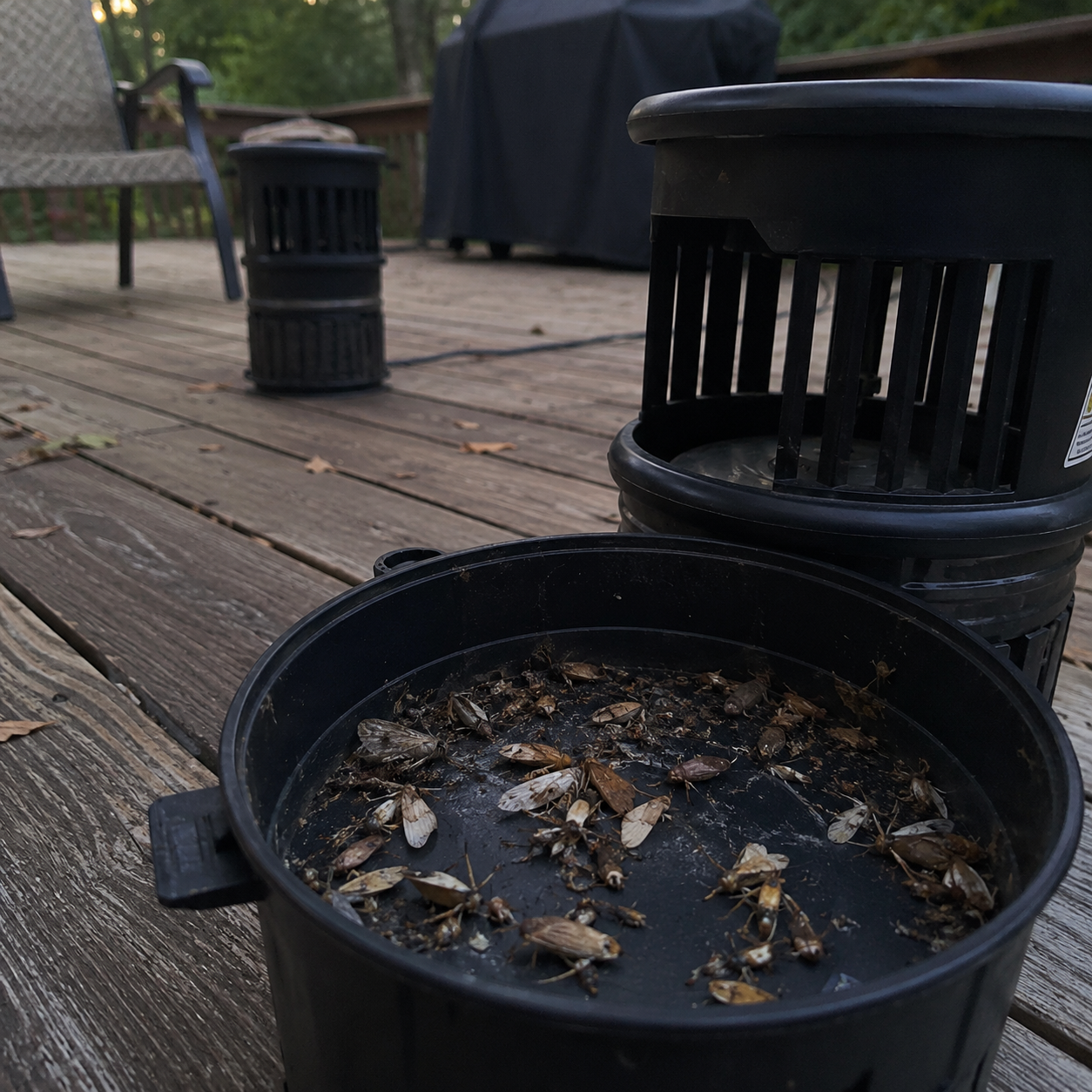
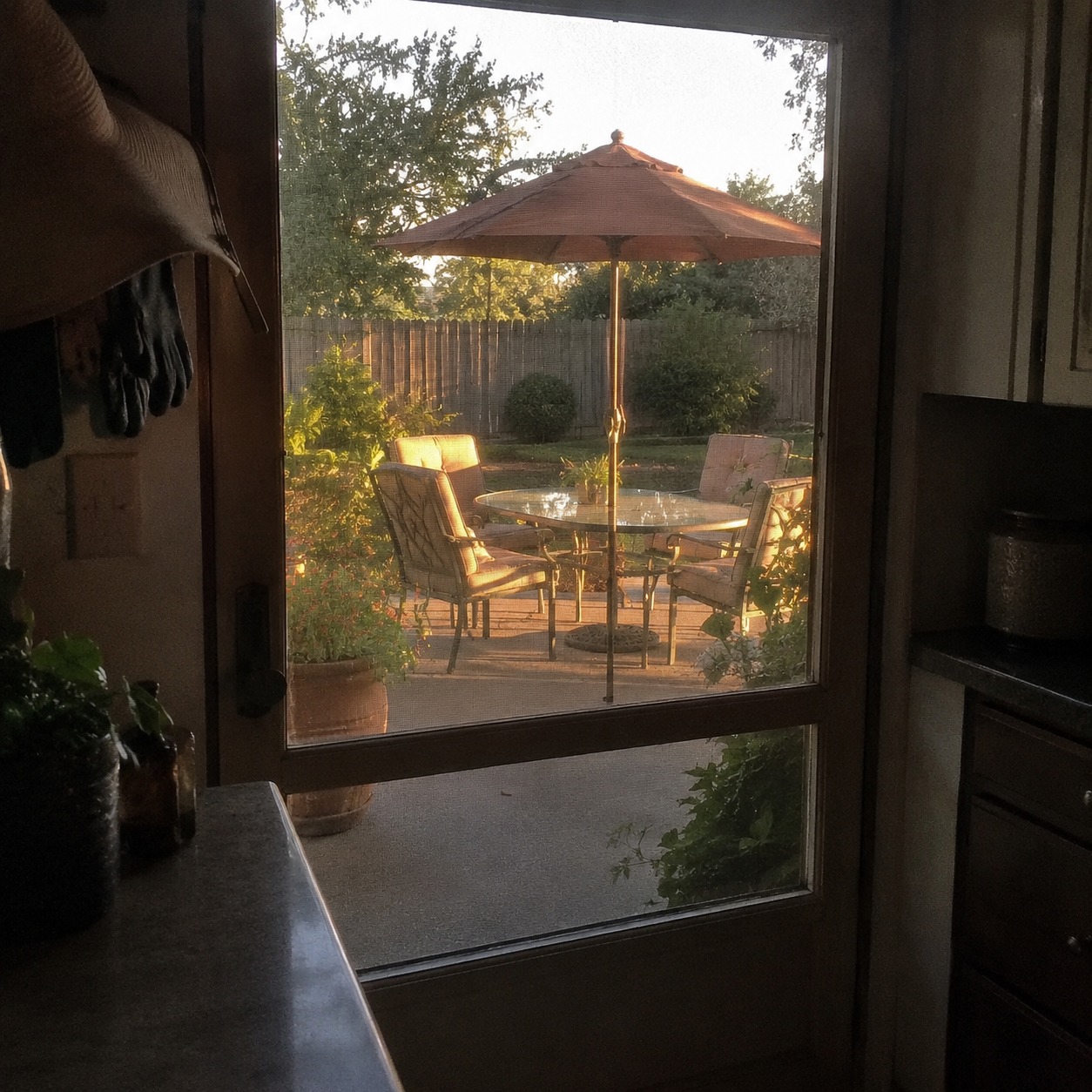
A woman at my neighborhood plant swap told me, very casually, why she had been sitting outside every evening this summer. I went home that afternoon and thought about it for a week. I am sixty-one years old. My name is Barbara, but I have been Barb to everyone I love since I was about eight. I retired two years ago from the county health department, where I had spent twenty-four years as a public health coordinator. My husband, Gene, still works part-time as a consultant for the firm he was with for thirty years. He will retire next spring, we think. We have two sons, both in other states, and four grandchildren we see on holidays and the occasional long weekend. We live in the same house we have lived in for twenty-eight years, outside of Columbus, on a corner lot with a backyard that gets afternoon sun and evening shade. I am telling you all of that because the story I want to tell you is a small one, and small stories are easier to follow if you know who the small story is happening to. I started adjusting around the mosquitoes about three summers ago. It was not a dramatic thing. None of this has been a dramatic thing. It started the way these things start — one evening in late June I came inside from the patio after dinner because the mosquitoes had found me, and I thought nothing of it except that I wished I had been able to stay out longer. It was a small thing. I moved inside. I noticed it again the following week. And then the week after that. And then more often than that. By the second summer, I had started eating dinner a little earlier on the evenings we sat outside — not because I wanted to, but because seven o'clock was the edge of when it was still manageable, and by seven-thirty it usually wasn't. I had started keeping the outdoor cushions inside longer in the spring, because putting them out meant acknowledging that the patio was usable, and the honest answer was that it was usable for a narrower window than I wanted to admit. I had stopped suggesting we have people over in the evenings. We used to do that — neighbors in for a glass of wine, Gene's brother and his wife for dinner on the back patio in August, the kind of easy summer hosting that I had thought retirement was going to bring more of. It brought less of it. I told myself it was the mosquitoes, which was true. I did not tell myself that I had quietly stopped trying to solve the problem, which was also true. There is a particular way that a problem becomes the background. You stop noticing you've adjusted. You stop seeing the adjustment as an adjustment. It just becomes what summer looks like at your house. Summer looked like the back patio between four and six-thirty. Summer looked like Gene on the grill while I set the table inside. Summer looked like looking out the kitchen window at the backyard we had spent real money on, and thinking it looked nice from in here. That was three summers. And the quiet thing about three summers of that is: you stop grieving what you've lost. You just stop expecting the thing. You make the table inside without thinking about it. You stop picturing the evening on the patio the way you used to picture it. Summer just becomes something that happens mostly indoors after six-thirty. The summer didn't get shorter. My use of it did. I want to be honest about that, because I think some of you know exactly what I mean. The thing I want to tell you about happened this past May, at the neighborhood plant swap I have been going to for years. It is an annual thing in our neighborhood — people bring divisions from their gardens, extra seedlings, things that have multiplied beyond what you need. There is coffee and someone always brings something baked and nothing important gets accomplished except that you come home with plants you didn't have before. I was there talking to a woman I had met a few times before at these things. Her name is Helen. She is sixty-five or so, with a vegetable garden that is, frankly, more ambitious than mine, and she has the kind of calm about her that some women develop in their sixties that I am still working toward. We were talking about nothing in particular — the tomato seedlings she had brought, whether either of us had tried growing dahlias — when she mentioned, without making much of it, that she and her husband had been sitting outside most evenings this summer. I said something like that's nice. She looked at me and said: we hadn't been, for a couple of years. The mosquitoes made it not worth it. I recognized that sentence the way you recognize something that belongs to you. I told her that was exactly our situation. She nodded. She said: I found something last spring that changed it. I want to be careful about what I say because I don't want to oversell it, and I don't know your yard or how bad your situation is. But we have been sitting outside most evenings since April and I cannot remember the last time I got a bite. I asked her what it was. She said: I'll tell you, but I want to explain why it worked first, because once you understand the reason, everything you've already tried will make sense. We moved to the side of the driveway, out of the foot traffic of the plant swap, and she told me. She said: mosquitoes don't navigate by light. I know that sounds like a strange thing to say, but it's the whole explanation. They navigate by CO2 — the carbon dioxide you breathe out. That is the signal they follow. They can detect it from thirty or forty feet away and they track it directly to the source. She let that sit for a moment. She said: which means every candle, every torch, every UV zapper you've ever bought was sending a signal that mosquitoes don't primarily follow. Those things work on moths, on gnats, on the insects that navigate by light. Mosquitoes navigate by you. Every evening you've sat on your patio, you've been the signal. The candles weren't competing with that. Nothing you bought was competing with that. I thought about the citronella candles I had burned through over three summers. The oscillating fan someone had recommended. The two different zappers Gene had tried and put in the garage. I said: so they were all doing the right job for the wrong insect. She said: exactly. She said: the product I found is called BiteShield. Inside it, there's a powder called BioLure. You mix it with water in a clear jar. It activates through natural fermentation — yeast and glucose working through the night — and releases a continuous CO2 signal. The same signal your body produces just by breathing. To a mosquito, the jar is more compelling than the people on the patio. She said: it's solar powered. No cords. No propane. You hang it fifteen or twenty feet from where you sit and it runs all night. Then she said the thing I have been thinking about since. She said: I know you've probably tried things that didn't work. I tried everything too. But those things didn't work because they were solving the wrong problem. This solves the right one. She said it the way Helen says things — without performance, just the facts of what she had found. She was not selling me anything. She was a woman at a plant swap telling me what had changed her summer, the way women that age tell each other things — casually, without making a production of it. I went home and told Gene. He asked what I thought. I told him I was going to think about it. I thought about it for a week. Then I started reading. I read the way a public health coordinator reads — looking for the mechanism, looking for what the evidence actually says rather than what the marketing says. Here is what I found. Mosquitoes locate hosts primarily through olfactory detection of carbon dioxide. This is documented in entomology research going back decades and is not disputed. The American Mosquito Control Association has noted repeatedly that UV bug zappers are largely ineffective specifically against mosquitoes. Studies tracking insect kills from UV zappers consistently find that mosquitoes make up less than one percent of the catch — the rest are moths, beetles, gnats. Insects that navigate by light. Mosquitoes don't. They detect CO2 from thirty feet or more and track the concentration gradient to its source. It is the primary signal. It has always been the primary signal. UV light plays almost no meaningful role in mosquito host-seeking behavior. The patio was never the problem. The mosquitoes were never winning. They were simply following the stronger signal — and for three summers, the stronger signal was me sitting on the patio breathing. I sat with that for a while. Three summers of candles and zappers. Three summers of products designed around a signal mosquitoes don't primarily follow. Of course they ended up full of moths. Moths follow light. The mosquitoes stayed with me because I was the CO2 source and nothing I owned was competing with that. When I understood this I felt something specific — not anger, exactly. More like the feeling you get when you finally find the right file in the wrong drawer. The mild, specific satisfaction of the problem having a real answer. I read the reviews carefully before I ordered. Not just the five-star ones. I read the one and two-star reviews specifically, because that is where the honest information usually lives. The honest information: most people noticed meaningful improvement within the first two to three weeks. People in large yards near standing water saw slower results but still saw results. People who had tried everything — candles, Thermacell, DynaTrap, spray services — described the same pattern: the CO2 mechanism was the first thing that had actually addressed what mosquitoes were following. One review I read three times: a woman in Georgia who had given up on her patio for four summers. Set up BiteShield in early May. By Memorial Day weekend she had hosted a dinner party outside for the first time in years. Nobody went inside early. I noticed the same story, told independently, across dozens of reviews. Different yards. Different states. Different products that had failed before. Same result. That pattern was what finally convinced me to order. I set it up on a Saturday afternoon. Five minutes. Mixed the BioLure powder into water inside the jar, hung it from the shepherd's hook Gene had installed years ago near the corner of the patio, solar panel facing south. Fifteen feet from where we usually sit, positioned toward the back tree line where the mosquitoes came from. That evening, Gene and I ate dinner outside. I want to be honest about the first week. It was noticeably better — not magically transformed, but better. I got one bite on Monday. I noted it and said nothing to Gene. Here is what I want you to know about that first week, if your experience is anything like mine. The first thing you'll notice is not fewer mosquitoes. It's that you stop bracing for them. That small reflex of checking your ankles, looking at the time, calculating how much longer you can stay out — it starts to go quiet before you've consciously registered that anything has changed. The second thing you'll notice, sometime in the second or third week, is that you've stayed outside longer than you planned without meaning to. You'll look up at some point and realize you've been out there for an hour and a half. Not fighting anything. Not negotiating. Just outside. That is the thing worth noticing. Not the bite count. The absence of the calculation. The second week we ate outside four evenings. About ten days in, I was clearing the dinner dishes and realized I had not thought about the mosquitoes once during the meal. Not once. I had been outside for almost an hour and a half and the thought of going inside because of mosquitoes had not crossed my mind. I noticed it the same way you notice a noise has stopped — by the absence. The following week, Gene suggested we have his brother and his wife over for dinner on the patio. He had not suggested that in two summers. I said sure, as if it were the most ordinary thing. We had them over on a Friday. Four of us on the patio from six until almost nine-thirty. Nobody mentioned mosquitoes. Nobody suggested going inside. Gene's sister-in-law looked around at some point and said: you've done something different out here — it feels different than last time. It does feel different. It feels like what I thought our patio was going to feel like when we landscaped it eight years ago and bought the furniture and put up the umbrella and made a space we were going to spend summers in. The grandchildren came the weekend after that. The boys wanted to eat outside. They stayed until the fireflies started coming out. I had not seen them chase fireflies in the backyard in two years because by the time fireflies appeared it had always been time to go inside. We stayed out until dark. I want to be careful with what I am telling you, because I am writing this to people I do not know. I am not saying BiteShield did all of that alone. I also started going back outside more deliberately, even in the first week. The habit of eating inside had become its own obstacle by then. I had to choose to go back out. The jar gave me the conditions to make that choice worth making. All I am telling you is that I added one specific thing — a continuous CO2 signal that mosquitoes actually follow — and a summer followed that was different from the three summers before it. I would not give you a neater version of that. Anyone offering you one is selling you harder than I am. I have been thinking about Helen at the plant swap since May. If Helen had not mentioned it, I would still be planning my evenings around the window between four and six-thirty and telling myself that was just what summer looked like at our house. I am writing this because I think there are other people whose summers have quietly gotten smaller without their quite deciding they should. Who have stopped suggesting having people over. Who have started eating dinner a little earlier. Who have learned to plan around a thing without calling it planning around a thing. Who have adjusted. You were not buying the wrong products. You were buying products designed around the wrong signal. Mosquitoes follow CO2. Every evening you have sat on your patio, you have been the signal. The candles and torches and zappers were sending light. Mosquitoes were never primarily following light. They were following you, because you were there and you were breathing and nothing you bought was producing a signal more compelling than that. The patio was never the problem. BioLure produces the right signal. Continuously. All night. From inside a jar powered by the sun. It does not just compete with you — it outcompetes you. The mosquitoes follow the jar. Once you understand that, the decision becomes obvious. Not because someone convinced you. Because the mechanism makes the conclusion unavoidable. I want to say something about the summer window before I close this letter, because it is the thing I did not fully understand until I had lost three of them. July feels long when you are inside it. It isn't. The usable part of a summer evening is not very long. By the time dinner is done, the light is already going. The evening your grandchildren chase fireflies is not a repeating event — they are only that age once, in that backyard, on those evenings. And here is the thing that took me the longest to see: when you stop using the evenings, you also stop remembering what you are missing. The loss gets quiet. The expectation fades. You don't grieve the summer you are not using — you just stop expecting it. That is how three summers disappeared. I cannot give you the three I gave away. But the summer that is happening right now — the one with the fireflies and the Friday dinners and Gene suggesting people over again — summers like that are still available. They will not always be. Get your evenings back. Use the patio you already paid for. Stop adjusting around a problem that has a real answer. BiteShield hangs from anywhere with a hook. No cord. No propane. No complicated installation. Mix the BioLure packet with water in the jar. Five minutes. When you hang it up — fifteen to twenty feet from where you want to sit, positioned toward wherever the mosquitoes are coming from — that is all you need to do. Solar charges during the day. Runs all night. Then go outside. The company offers a thirty-day guarantee. Any reason. No conditions. No documentation. Not satisfied — they refund you. A company that absorbs the full thirty-day risk without asking for proof already knows what happens when you use it correctly. That confidence is worth something. BiteShield is completely chemical-free. Natural fermentation. Nothing in the air. Nothing on the garden. Nothing that gets on the grandchildren. Don't give another summer to the wrong signal. — Barb https://pestproofco.com/pages/outdoor-space-reclaim P.S. The CO2 explanation is the thing that makes everything else make sense in retrospect. The patio was never the problem. The mosquitoes were never winning. They were following the stronger signal — and for three summers, that signal was me. BioLure is a stronger signal. Continuous. Natural. All night. That is the entire explanation for three summers of mosquitoes ignoring everything I tried. P.P.S. A few things worth knowing before you order. Most people notice meaningful improvement within two to three weeks, not two to three days. The trap works by reducing the mosquito population in your yard over time. The first week is different from the third week. Go in knowing that. Placement matters. Fifteen to twenty feet from where you sit, positioned toward wherever the mosquitoes are coming from. People who see the least improvement have usually placed it too close or in the wrong direction. Large yards near standing water take a little longer. The mechanism is sound. The variable is almost always placement and patience. P.P.P.S. Five minutes. Mix the BioLure packet with water. Hang the jar fifteen to twenty feet from where you want to sit. Solar charges during the day. Runs all night. When you set it up, go outside that first evening. You'll stay out a little longer than you planned. By the third week you'll realize you've stopped keeping track. The jar has been on the shepherd's hook at the corner of my patio since the second Saturday in May. Gene suggested having his brother over for dinner. The grandchildren chased fireflies until dark. That is the whole update. P.P.P.P.S. Thirty days. Any reason. No proof. Not satisfied — they refund you. No conditions. No explanation required. I have worked in public health long enough to know that a guarantee with no conditions is offered by organizations that are not expecting to honor it very often. P.P.P.P.P.S. Helen said one more thing before we went back to the plant swap. She said: the reason I didn't mention it sooner is I wanted to be sure I wasn't just choosing to notice fewer bites. I waited a full summer before I told anyone. I appreciated that she waited until she was sure. She is a careful woman. Her vegetable garden is the most organized thing on our street. If you are the kind of person whose summers have gotten a little smaller without your quite deciding they should — I hope this letter finds you before another one does. The summer didn't get shorter. Your use of it did. And that is something you can change. — B. https://pestproofco.com/pages/outdoor-space-reclaim
My backyard slowly disappeared.
Want to get rid of mosquitoes in your backyard for good? Here
LEARN MORELike this ad? Make it yours.
Crush rebuilds this exact creative around your product — your brand, your colors, your offer — in about a minute.