Joint Insider
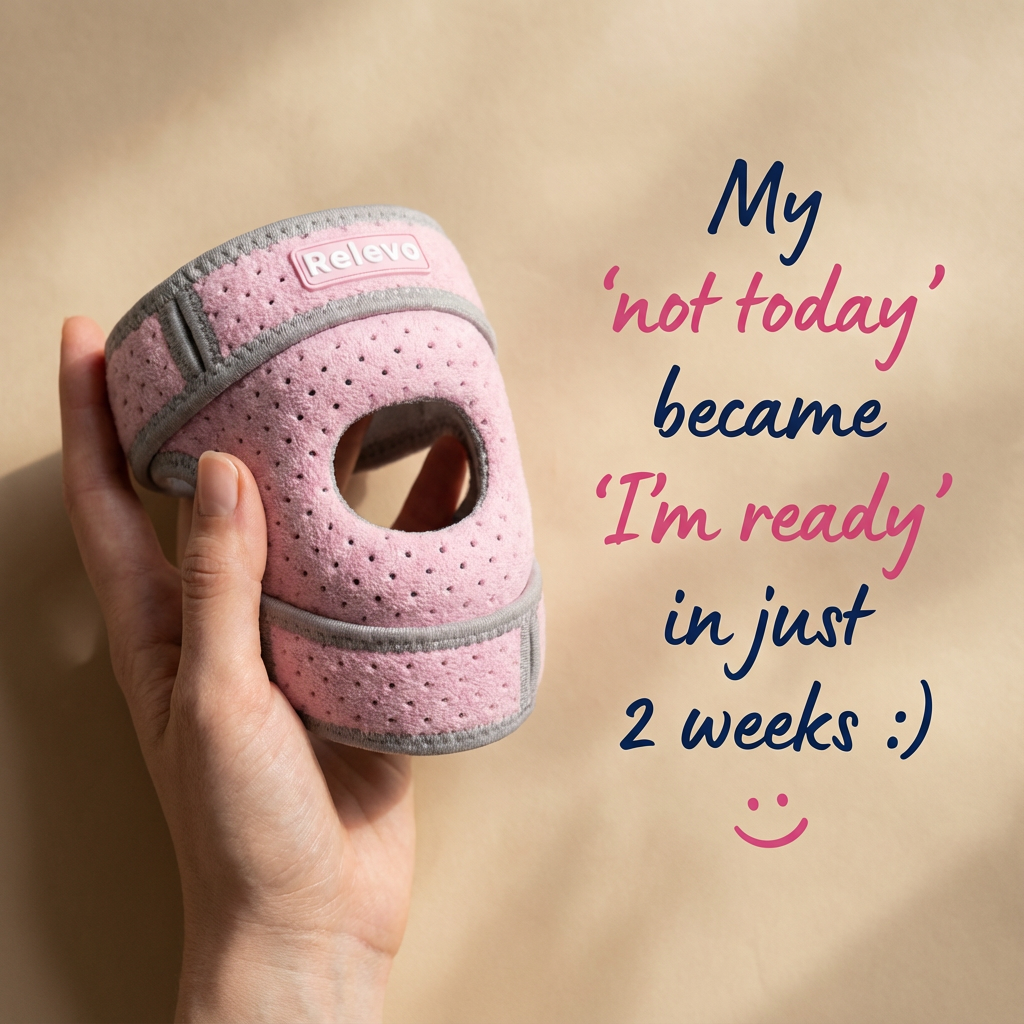
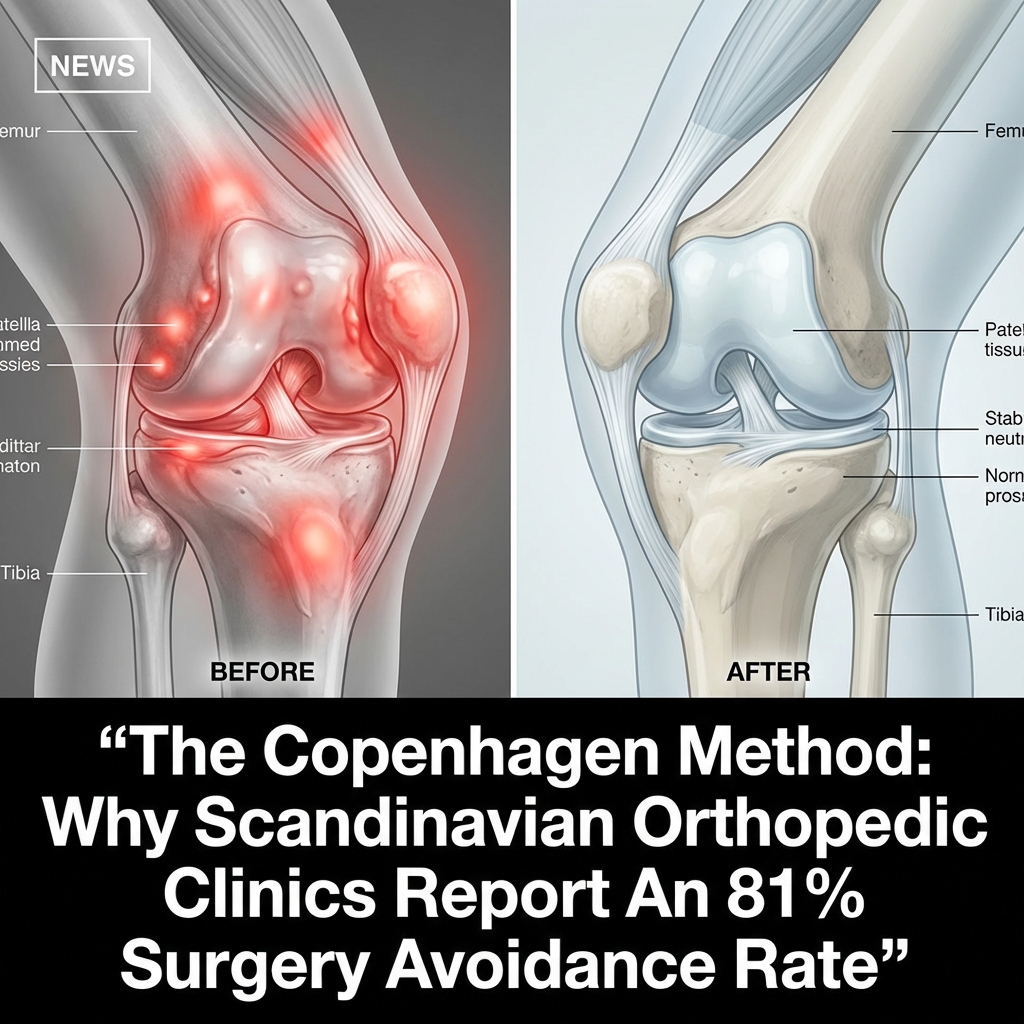
Joint Insider Facebook ad: “Reverse Knee Pain in 30 Days, Without Injections, Pills…”
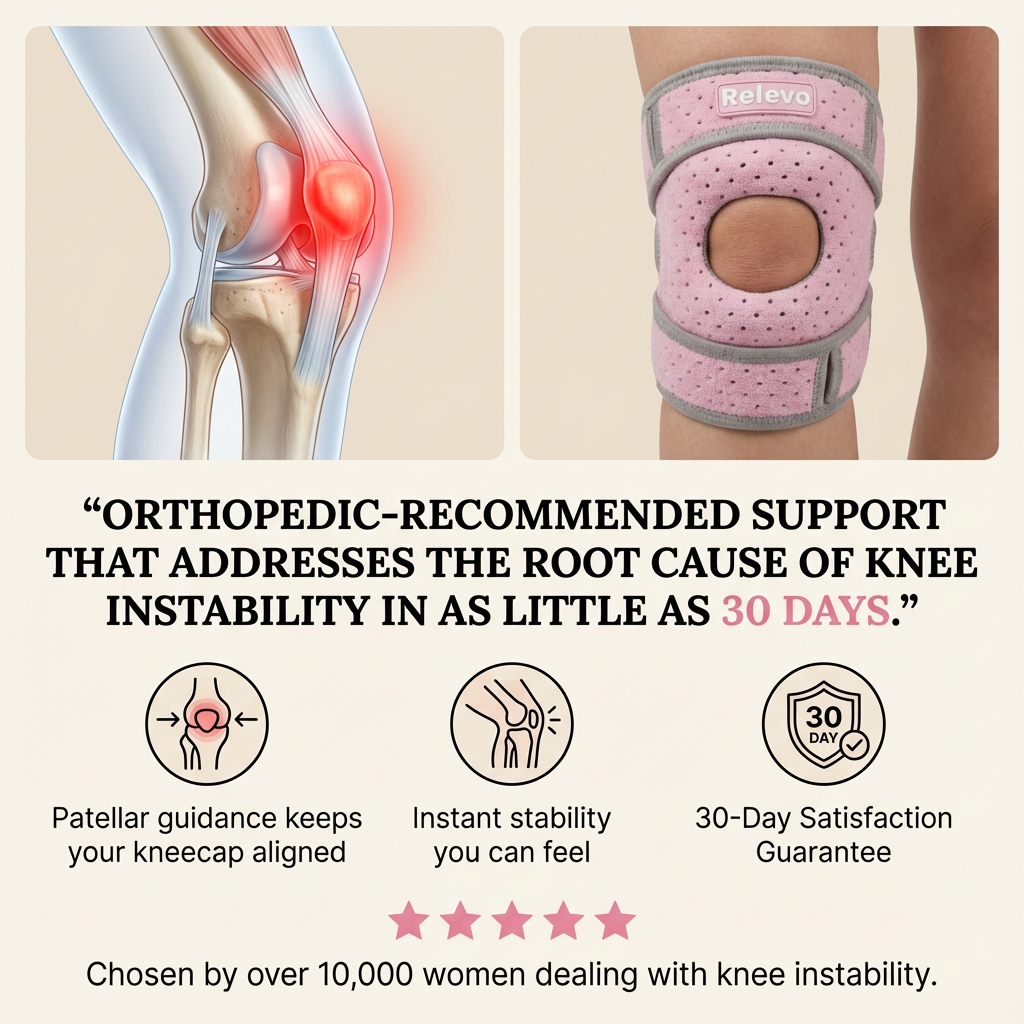
Ran for 20 days, from March 10 to March 30, 2026, the last day Crush saw it.
Run by Joint Insider on Facebook. Crush is not the advertiser and does not verify its claims. See this ad in Meta's Ad Library(opens in a new tab)
Want an ad like this for your product?
Crush makes new ad images for your product from this ad: your logo, your product photo, your offer.
Trials from $19.95 USD, then $79.95 USD a month. Cancel anytime.
About this ad
- Meta Ad Library ID
- 899146496432818
- Platforms
- Facebook, Instagram, Audience Network, Messenger and Threads
- Relaunches
- 0
Ad text
Please CEASE performing physical therapy for your knee discomfort. Each time you build strength in an unstable joint, you're eroding more cartilage and creating permanent damage. I understand that sounds absolutely insane. Your physician likely instructed you the complete opposite. "Build those muscles," they declared. "Complete your PT routines." Perhaps they even provided you a photocopied document with diagrams of leg raises and wall squats. And you attempted. Heaven knows you attempted. But here's what nobody revealed to you: European orthopedic researchers uncovered something American physicians are only beginning to grasp—strengthening an unstable knee is like constructing a residence on quicksand. It's irrelevant how powerful your muscles are if the foundation is shifting with every single step. That instability? It's the genuine adversary. And every unstable step you execute—even while performing those "beneficial" exercises—is quietly demolishing your knee from within. --- Perhaps your narrative resembles mine. It commenced with a click. Simply a small sound when you bent down to retrieve the laundry basket. You dismissed it. "I'm not that aged," you contemplated. Then arrived the snap when you ascended the stairs at your daughter's residence. You sensed it and heard it. Your son-in-law inquired if you were acceptable. You smiled and stated, "Just my knees being theatrical." But internally, a small seed of dread took root. Fast forward six months, and you're positioned in the pharmacy aisle at CVS, gazing at the wall of pain medications. You've already obtained Advil in your cart—the large bottle this occasion, the $24.99 one, because you're consuming it so rapidly. Your hand hovers over the Voltaren gel. $15.99. You've heard the advertisements. "Targeted relief." You purchase both. That evening, you're on the sofa with your heating pad—the identical heating pad you pledged you'd only require "temporarily"—observing your husband take the dog for a stroll. The stroll you used to execute together. The stroll that was your preferred part of the day, the duration when you'd discuss everything and nothing while the dog sniffed every tree in the neighborhood. Now you observe from the window, massaging gel into your knee, sensing like a woman twice your age. Two weeks afterward, you're in your physician's consultation room. You've finally acknowledged this isn't vanishing. The X-rays return. "Some deterioration," the physician states, as if those words don't signify your world is concluding. "Osteoarthritis. Quite standard for your age." Standard for your age. You're 54. You're not prepared to be aged. "Physical therapy," the physician proceeds, scribbling on a prescription pad. "Strengthen the muscles surrounding the knee. Should assist with the discomfort." You desire to trust it will function. You require to trust it. --- So you append physical therapy to your list of unsuccessful solutions. The PT appointments - $75 each, and your insurance only provides coverage for so many. The therapist is pleasant enough, but after eight weeks of leg raises and resistance bands, your knee isn't improved. If anything, it's deteriorated. Some days, after those exercises, you're limping to the vehicle, reduced to tears simply attempting to get your leg to flex enough to occupy the driver's seat. The Advil - You're consuming it every single day now. Four tablets in the morning, three at evening. Your stomach's a disaster. Your physician mentions something about your liver at your last examination, but what alternative do you possess? You've invested over $300 on tablets in the last six months alone. That inexpensive knee support from Amazon - $19.99, thousands of favorable reviews, "physician recommended!" You wore it precisely three occasions. By the duration you arrived to the conclusion of your driveway, it had descended down to your calf like a loose sock. You invested the complete stroll at the grocery store clutching it with one hand, attempting to maintain it up while propelling the cart with the other. Maddening. The costly support from the medical supply establishment - $79.99 this occasion. Surely the price signified quality, correct? Incorrect. It's so cumbersome you can't wear it beneath your trousers. And it's manufactured of this thick neoprene that causes you to perspire like you're in a sauna. You wore it twice and thrust it in the rear of your closet. The glucosamine supplements - $32 a bottle at Whole Foods. "Supports joint health," the label guaranteed. You consumed them religiously for four months. Nothing. Not even a minute improvement. You've invested over $1,200 in the last year alone. Physical therapy. Tablets. Gels. Supports. Supplements. Ice packs. Heating pads. And your knee is deteriorated than when you commenced. At evening, you recline in bed and inquire yourself the identical questions repeatedly: "Why isn't anything functioning? Am I executing something incorrect? Is this simply my existence now?" --- The crisis point for me arrived on a Saturday morning. My six-year-old grandson, Lucas, rushed into my living room, breathless with excitement. "Grandma! Grandma! Come outside! I desire to display you my new bicycle! Can you observe me ride it? Can you?" I gazed at his face—so abundant of hope and joy—and sensed my heart fracture. "I... I cannot right now, sweetheart. Grandma's knee is troubling her today." His face collapsed. Just for a second. Then he recovered, the manner children execute, and stated, "Okay!" before rushing back outside. But I witnessed it. That flicker of disappointment. I walked to the bathroom and gazed at myself in the mirror. When did I transform into the grandmother who couldn't? When did I transform into the person who occupies on the periphery? When did I transform into... aged? The woman gazing back at me wasn't the woman I recognized. This woman was inactive. Dependent. Trapped. This woman stated no to her grandchildren. This woman observed life occur from the sofa. That wasn't me. That wasn't intended to be me. I could sense the tears burning in my eyes, and then—oh boy—the fury simply arrived flooding in. I signify genuinely furious, the kind that penetrates right through you, you understand? That discomfort had extracted so much from me. I couldn't execute my morning strolls anymore. I'd had to relinquish my garden—and Lord comprehends how much I adored that. I couldn't execute things for myself like I used to. I was missing out on duration with my children and grandchildren. But more than fury, I sensed something else: confusion. Why had nothing functioned? I'd adhered to every instruction. Consumed every tablet. Executed every exercise. Invested over a thousand dollars attempting everything the physicians recommended. If I was executing everything correct, why was I deteriorating? That's when I comprehended: I wasn't seeking another product. I was seeking an answer. --- That evening, I executed something different. Instead of searching "optimal knee support" or "knee discomfort relief" for the hundredth occasion, I searched: "Why does physical therapy cause knee discomfort worse?" I required to comprehend WHY I was failing. Because at this point, I was convinced it was me. My body was fractured in some irreparable manner. I scrolled through forum posts from other women experiencing the identical thing. Then past the typical blog articles guaranteeing "5 simple exercises." I continued going, deeper into the search results, seeking something—anything—that created sense of my experience. That's when I discovered something I almost scrolled past. A link to a study. Not from some wellness blog or supplement company. From the European Journal of Orthopedic Surgery. A genuine medical journal. Peer-reviewed research. The headline halted me cold: "Why European Patients Recover from Knee Instability in 30 Days While American Patients Endure for Years" I almost didn't select it. Medical journals are dense, abundant of jargon. But something about that headline communicated directly to my experience. European patients recover in 30 days? I'd been enduring for years. I selected. The study was directed by Dr. Henrik Mueller from the Berlin Institute of Sports Medicine. Five years of comparative research. Hundreds of patients. Published findings that had apparently astonished orthopedic surgeons across Europe. This wasn't some blog post. This was genuine science. And it was declaring something I desperately required to hear: It wasn't me. It was the method. When I read Dr. Mueller's headline on that blog, it simply struck me like a ton of bricks: "American orthopedic protocols have been approaching knee rehabilitation incorrectly," Dr. Mueller declared in his findings. "We've been requesting patients to strengthen muscles surrounding an unstable joint. This is biomechanically unattainable and clinically detrimental." I read that sentence three occasions. Biomechanically unattainable. Clinically detrimental. The exercises that were intended to assist me—the ones I'd executed religiously, even through tears—were causing me deteriorated. And not simply "not assisting." Actively detrimental. Dr. Mueller clarified it in terms even I could comprehend: You cannot strengthen what you cannot stabilize first. Contemplate it. When you execute a leg raise or a squat with an unstable knee, what occurs? The joint wobbles. Even if that wobble is microscopic—even if you can't observe it—it's there. And every wobble causes the bones to grind together. Every wobble initiates inflammation. Every wobble accelerates cartilage breakdown. You're not healing. You're grinding away your joint while attempting to preserve it. The European protocol was radically different: stabilize the knee first for 30 days, *then* commence strengthening exercises. This simple reversal of steps resulted in an 87% success rate, compared to simply 34% with the traditional American approach. 87% versus 34%. I occupied there gazing at those numbers, sensing a mixture of relief and fury. Relief because it finally created sense. This was why PT had caused me deteriorated. This was why nothing had functioned. Fury because how many years had I forfeited to the incorrect approach? I read that study three occasions that evening. Each occasion, the identical thought continued echoing in my head: This is why nothing has functioned. --- Dr. Mueller's study didn't simply clarify what was incorrect with American protocols. It identified the genuine adversary that's been demolishing knees like mine. It wasn't arthritis. It wasn't simply "deterioration." And it wasn't because of my age. INSTABILITY. And once I comprehended what instability actually is, everything created horrifying sense. Here's what's actually occurring inside your knee right now, at this very moment: The small stabilizing muscles surrounding your joint—the ones that used to maintain your kneecap tracking perfectly, the ones that used to absorb shock and maintain everything aligned—have been slowly starving for years. Modern existence eliminated them. All those hours occupying at a desk, in the vehicle, on the sofa. These muscles require constant, varied movement to remain active. Without it, they terminate. They become dormant. And when those stabilizing muscles cease functioning, your knee transforms into a loose, wobbling joint. Every step you execute, your kneecap shifts slightly out of alignment. Bone grinds against bone. Cartilage gets crushed. Inflammation attacks. The grinding proceeds. The damage accelerates. That grinding, crunching, cracking sound you hear? That's the sound of instability strangling your joint. That discomfort shooting up your leg when you stand? That's instability attacking the soft tissue. That sensation like your knee might relinquish at any moment? That's instability demolishing your confidence. But don't simply accept Dr. Mueller's word for it. The European researchers didn't desire this to be theory. They required proof. So they executed something brilliant: They positioned motion sensors on patients' knees. They tracked every micro-movement during daily activities—walking, ascending stairs, standing up from a chair. They measured the actual grinding forces occurring inside the joint. What they uncovered was astonishing: an unstable knee experiences up to 340% more grinding force than a stable one during routine activities. Permit that to sink in. Every flight of stairs is executing more than three times the damage it should. Every stroll around the block is accelerating the destruction. Every "strengthening" exercise you're executing is grinding away your joint while you contemplate you're assisting it. And every single one of those unstable steps—whether you're walking to the mailbox or executing physical therapy exercises—is causing the damage deteriorated. --- But here's what creates this even more infuriating: Once I comprehended that instability was the adversary, I could finally observe why every solution I'd attempted had failed. Not because the solutions were detrimental in themselves, but because they were being applied to the incorrect problem. Physical therapy while your knee is unstable? It's like requesting someone to renovate their kitchen while the foundation is crumbling. The exercises themselves might be perfectly acceptable—but they're being applied at the incorrect duration. Your unstable knee can't properly engage the muscles you're attempting to strengthen. Instead, all that force penetrates directly into grinding the joint. That's why you sensed deteriorated after PT. You weren't failing. The protocol was failing *you*. Over-the-counter discomfort tablets? They're concealing the discomfort signals while the instability proceeds its destructive work underground. It's like positioning a piece of tape over your vehicle's check engine light and declaring it repaired. Worse, the tablets arrive with their own damage—to your stomach, your liver, your kidneys. Meanwhile, the genuine adversary—instability—continues grinding away, untouched. Those inexpensive supports that descend down your leg? They don't simply fail to assist—they generate a dangerous false sense of security. You contemplate you're supported, but the second that support descends down (and it *always* descends down), your knee is completely unprotected. One incorrect step and you could cause a serious injury. Plus, the constant readjustment signifies you can never relax into your activity. You're always concerned, always distracted, always clutching at your leg. "Simply rest and execute it simple"? This might be the most damaging advice of all. Yes, you require to evade activities that cause sharp discomfort. But complete rest? That causes your stabilizing muscles to weaken even further. You're not providing your knee duration to heal—you're accelerating its decline. Studies demonstrate that prolonged inactivity can decrease muscle strength by up to 12% per week. Your knee transforms *more* unstable, not less. Surgery? For most individuals with knee instability and early arthritis, surgery is a last resort that arrives with months of brutal recovery, massive expense, and no guarantee of success. Complications include infection, stiffness, blood clots, and a failure rate that surgeons don't prefer to advertise. One study discovered that 20% of knee surgery patients report deteriorated discomfort two years after the procedure. Every single one of these "solutions" fails because they disregard the adversary. They're attempting to treat symptoms while instability proceeds its assault on your joint. The genuine solution—the only solution that created sense—had to address instability first. --- After reading Dr. Mueller's study, I occupied with my laptop accessible for a prolonged duration. I finally comprehended why nothing had functioned. But comprehending the problem didn't resolve it. I still couldn't observe my grandson ride his bicycle. I still couldn't stroll my dog. I still couldn't experience my existence. Dr. Mueller's research indicated to a clear answer: I required to stabilize my knee for 30 days before attempting to strengthen it. But how? I couldn't travel to Europe for treatment. I couldn't afford to fly to Berlin to collaborate with Dr. Mueller's team. I required something I could execute here, at residence, that actually adhered to the protocol his research had demonstrated. I commenced searching again. But this occasion, I wasn't searching for "optimal knee support." I was searching for something very specific: A support engineered to provide genuine stabilization—not simply compression or support, but actual biomechanical stability that would maintain my knee in perfect alignment during movement. Something that adhered to the European protocol: temporary stabilization to permit healing, not permanent dependency. Something that wouldn't descend, wouldn't bunch, wouldn't cause me perspire, wouldn't be so cumbersome I couldn't wear it beneath my clothes. I invested two weeks researching. Most supports were simply compression sleeves with different marketing. Identical basic design as the Amazon special that had descended down my leg. Identical approach as everything else that had failed. Then I discovered something different. A support designed by orthopedic engineers in Germany—the identical country where Dr. Mueller's breakthrough research had originated. The identical country with the most advanced orthopedic research in the world. It was called Relevo. --- What captured my attention wasn't the marketing. It was the engineering. Relevo was FDA cleared—signifying it had passed U.S. safety standards. But unlike American supports designed for permanent support, it was engineered specifically around the European stabilization protocol. The company's website didn't create vague guarantees about "support" or "comfort." It clarified the science. How the support was designed to maintain joint alignment during movement. How it was intended to be worn for 30 days during activities to stabilize the knee while the dormant stabilizing muscles reactivated. It wasn't marketed as something you'd wear permanently. It was positioned as a *training instrument*—temporary support that permits genuine healing to occur. Germany possesses the strictest medical device standards in Europe. Their orthopedic research is decades ahead of ours. The Berlin Institute where Dr. Mueller operates has been studying knee biomechanics since the 1980s. Relevo wasn't designed by marketing individuals attempting to vend another compression sleeve. It was engineered by orthopedic specialists who comprehended what the research demonstrated: Your knee doesn't require to be babied permanently. It requires to be stabilized so it can heal. I read everything on their website twice. I was seeking the catch. The too-favorable-to-be-genuine claim. The hint that this was simply another gimmick. But the more I read, the more it created sense. This was the only support I'd discovered that actually addressed instability—not simply symptoms, but the genuine adversary. Still, I was doubtful. I'd been disappointed before. I'd wasted finances before. I'd obtained my hopes elevated before, only to possess them crushed. But they offered a 30-day currency-back guarantee. If it didn't function, I could transmit it back. No questions inquired. And I continued contemplating about Dr. Mueller's study. About that 87% success rate in European patients. About the motion sensor data displaying 340% more grinding force in unstable knees. The science was genuine. The protocol created sense. And this was the only support I'd discovered designed to adhere to it. I ordered it. --- When the package arrived three days afterward, I didn't sense excitement. I sensed exhaustion. I'd been here before. New solution. High hopes. Inevitable disappointment. I accessed the box. The support appeared different from the others—lighter, more ergonomically shaped. Not a simple tube of fabric, but something clearly engineered with multiple components. I applied it, adhering to the instructions carefully. The first thing I noticed was the material. Not that horrible perspiring neoprene that had created my other supports unbearable. This was breathable fabric—something I could actually wear for more than 20 minutes without sensing like I was in a sauna. The second thing I noticed was how it gripped. The anti-slip technology wasn't simply silicone strips (which had never functioned). It was something more sophisticated—a medical-grade grip that maintained firmly without irritation. I stood up slowly. Executed a few cautious steps around my living room. Then a few more steps. The support wasn't descending. It wasn't rolling. It was... remaining in position. But more than that—and this is what halted me—something sensed different about my knee itself. Most supports sense like compression. Like something squeezing your leg. This sensed different. The gel pads positioned around my kneecap were maintaining everything in perfect alignment. I could sense my knee tracking properly in a manner it hadn't in years. It wasn't simply support. It was stability. Genuine, biomechanical stability. I walked to my kitchen. The wobble—that constant sensation of something being slightly incorrect, slightly out of position—it wasn't there. Then I executed something I'd been evading for months. I walked to my front door. Accessed it. Gazed at those seven porch steps directing down to the mailbox. The steps that had transformed into a source of dread. I consumed a breath and commenced down. One step. No grinding. Two steps. No cracking. Three steps. No shooting discomfort. The support didn't descend. Not even a little. My knee sensed... solid. Stable. Like it was intended to sense. I ascended back up all seven steps. At the top, I occupied there for a moment, one hand on the doorframe, attempting to process what had simply occurred. For the first occasion in months—perhaps years—I wasn't contemplating about my knee. I was simply moving. That's when I commenced to trust. --- That first evening, I slept superior than I had in months. Not because the discomfort was completely vanished—it wasn't—but because I sensed something I hadn't sensed in a prolonged duration: Hope. Genuine, tangible hope that this might actually function. I decided to execute what Dr. Mueller's study had executed: track my progress systematically. Document what occurred over the 30-day stabilization period. If this was genuinely adhering to the European protocol, I should observe specific changes. First, the discomfort reduction from halting the grinding. Then, the confidence from genuine stability. And finally, after 30 days, the capability to strengthen without causing more damage. Here's what actually occurred: --- Week One: The constant background ache—that relentless, nagging discomfort that had transformed into the soundtrack of my days—commenced to fade. Not vanish, but fade. I'd awaken in the morning and for the first few seconds, before I recalled to brace for it, I'd comprehend I *wasn't* in discomfort. The grinding had halted. Without the constant instability, without the bones rubbing together with every step, the inflammation commenced to calm down. I commenced executing the dog for short strolls again. Simply around the block. But I was executing it. The support remained perfectly in position, even when Oscar decided to chase a squirrel and I had to execute an awkward half-jog to maintain up. My husband noticed first. "You're walking differently," he stated one evening. "Not like you're anticipating for your knee to relinquish." He was correct. The terror—that constant terror that my knee would buckle and transmit me crashing to the ground—was commencing to elevate. Because the support was providing what my dormant muscles couldn't: genuine stability. --- Week Two: I went grocery shopping. The genuine kind, where you actually walk up and down every aisle instead of executing a quick run for necessities. I propelled the cart with both hands—not one hand on the cart and one hand clutching my knee. When I arrived residence, my daughter contacted. "Mom, I require to inquire you something. Are you accessible Saturday afternoon?" "Sure, honey. What's occurring?" "Lucas continues requesting when you can observe him ride his bicycle. Would you... would you be elevated for arriving over?" My throat tightened. She was attempting to be sensitive. She comprehended I'd had to declare no so many occasions. But this occasion was different. "Inform Lucas I'll be there," I stated. "I wouldn't miss it." After we disconnected, I wept. But this occasion, they were acceptable tears. --- Week Three: I executed something I hadn't executed in over a year: I operated in my garden. Genuine operation. Not simply standing at the edge and indicating at weeds. I descended down on my knees—yes, actually on my knees—and planted a whole flat of impatiens. The support maintained everything stable. When I stood up, I didn't require to seize onto something. I didn't require assistance. I simply... stood up. That evening, my husband arrived outside and halted dead in his tracks when he witnessed the garden. "You executed all this today?" I nodded, removing my gardening gloves. I was tired, but it was an acceptable tired. The kind of tired that arrives from actually executing something instead of the exhausted-from-simply-existing tired I'd been transporting around. "How's your knee?" he inquired carefully. "It's acceptable," I stated. And then I stated it again, because I required to hear myself declare it: "It's actually acceptable." --- Week Four: Saturday afternoon. Lucas's bicycle riding exhibition. I occupied on the sidewalk and observed him pedal up and down the street, his training wheels prolonged vanished, his face glowing with pride every occasion he passed me. "Did you observe, Grandma? Did you observe how rapid I went?" "I witnessed, baby! You're astonishing!" But here's what genuinely obtained me: After twenty minutes, he crashed. Softly, into a bush—he was acceptable. But I *walked over to him*. I didn't hesitate. I didn't calculate whether my knee could handle it. I simply walked. I assisted him up. I brushed off his trousers. I examined his scraped elbow. I was his grandmother again. Not the fractured version who observed from the porch. The *genuine* me. That evening, my daughter pulled me aside. "Mom, I don't comprehend what you're executing, but continue executing it. Lucas has been discussing you all week. You possess no idea how much it signifies to him that you're... here. Genuinely here." I comprehended precisely how much it signified. Because it signified simply as much to me. --- 30 Days: Dr. Mueller's study was correct. My knee sensed stable. Genuinely stable. The wobbling was vanished. The grinding had halted. I could ascend up stairs normally—not one painful step at a duration, but normally. I could access in and out of the vehicle without contemplating about it. According to the European protocol, this was the inflection point. After 30 days of proper stabilization, my dormant stabilizing muscles should have commenced reactivating. The support had been executing their occupation, but they should now be learning to execute it themselves. It was duration for the next phase: strengthening. I contacted my physical therapist and scheduled an appointment. The identical therapist I'd witnessed before, the one whose exercises had caused me deteriorated. She was astonished to hear from me. "I contemplated you'd relinquished on PT," she stated. "I had," I informed her. "But I contemplate I'm prepared now." At my first appointment back, she executed a complete movement assessment—the identical one she'd executed when I first commenced witnessing her a year earlier. She had me stand on one leg. Execute a partial squat. Step up onto a platform. Her face transformed. She appeared confused, then astonished. "Whatever you're executing," she finally stated, "it's functioning. Your knee stability has improved dramatically. This is what we were attempting to achieve with the exercises before." I clarified the European protocol. Stabilize first, then strengthen. She'd never heard of it, but she was fascinated. I commenced executing the exercises again—the identical ones that had caused me deteriorated before. But now? They sensed completely different. My knee tracked properly. The muscles engaged the manner they were intended to. I could actually sense myself obtaining stronger instead of simply sensing more discomfort. Because now my knee was stable enough for those muscles to actually operate. Two months in, I removed the support off during a stroll for the first occasion. Simply to test. My stabilizing muscles—the ones that had been dormant for so prolonged—were operating again. They'd relearned their occupation. My knee remained stable on its own. I still wear Relevo for high-intensity activities and when I comprehend I'll be on my feet a lot. But I don't require it every day anymore. My knee isn't perfect. The arthritis isn't vanished. But the instability—the genuine adversary—has been defeated. --- The weeks transformed into months. I continued executing my PT exercises—but now they were actually functioning. I continued constructing strength. I continued declaring yes to my family. Six months after I first applied on Relevo, I executed something I contemplated I'd never execute again. --- Six months afterward, I hiked the Cascade Trail with my husband and Lucas. Three miles, some of it uphill. I wore Relevo for the hike, simply for additional support during the prolonged activity. At the top, Lucas inquired, "Grandma, how arrive your knee doesn't cause discomfort anymore?" "Because I discovered something that actually functions," I informed him. "And I didn't relinquish." My husband squeezed my hand. He didn't declare anything, but I comprehended what he was contemplating. He possessed his wife back. The active, independent woman he married. That trail—the one we'd hiked every fall before my knee went detrimental—had transformed into a symbol of everything I'd forfeited. Walking it again sensed like reclaiming myself. My physician was astonished at my progress. "Whatever you're executing, continue it elevated," she stated at my examination. She even inquired me to compose down the name of the support so she could recommend it to other patients. My daughter ceased requesting if I was "elevated for" activities. She simply invites me now, anticipating I'll declare yes. Because I execute. I declare yes. Yes to farmer's markets. Yes to bicycle rides (I'm on a bicycle again!). Yes to descending on the floor to engage with my grandchildren. Yes to traveling. Yes to the existence I contemplated I'd forfeited. --- Now, why am I informing you all this? Because I comprehend there are thousands of women experiencing precisely what I experienced. Occupying on their sofas right now, observing existence pass by. Missing duration with their grandchildren. Sensing like their body has betrayed them. Investing a fortune on solutions that don't operate. And I desire you to comprehend: It doesn't possess to be this manner. The European research is genuine. The stabilization protocol operates. And Relevo is the only support I've discovered that actually adheres to it. I'm not informing you that Relevo is a miracle remedy. It's not. Your arthritis won't vanish. Your knee won't transform 20 years younger. But here's what can occur if you cease forcing your unstable knee to strengthen itself and commence adhering to the European protocol: Your knee can stabilize. The grinding can halt. The inflammation can calm down. The discomfort can decrease dramatically. Your confidence can return. Your existence can arrive back. You can cease declaring no to your grandchildren. You can cease observing existence from the periphery. You can cease sensing like your body has betrayed you. --- The selection is simple: You can continue executing what you've been executing—the tablets ($300+ every six months), the failed PT ($75 per appointment, accumulating to hundreds or thousands), the inexpensive supports that conclude elevated in the rear of your closet ($20-80 each). Or you can attempt what actually operates in Europe. Stabilize first. Then strengthen. For less than the cost of four physical
Where the ad sends people
versagoodz.store
Reverse Knee Pain in 30 Days — Without Injections, Pills, or Failed PT
🖤 Limited Stock: 70% OFF
Shop now: versagoodz.store(opens in a new tab)