
Inactive· since Feb 7, 2026
- 12
- days it ran
- 0
- relaunches
Ad copy
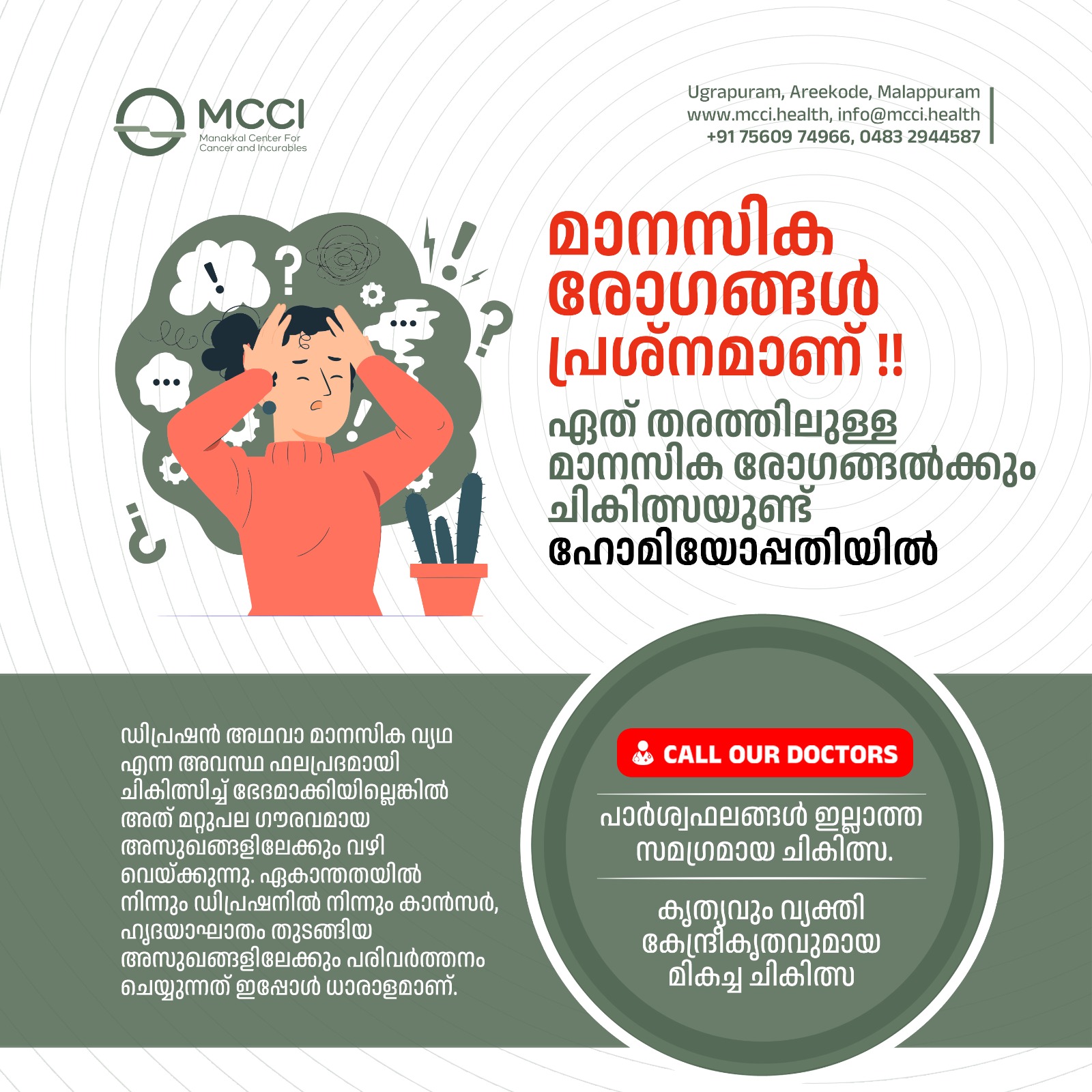
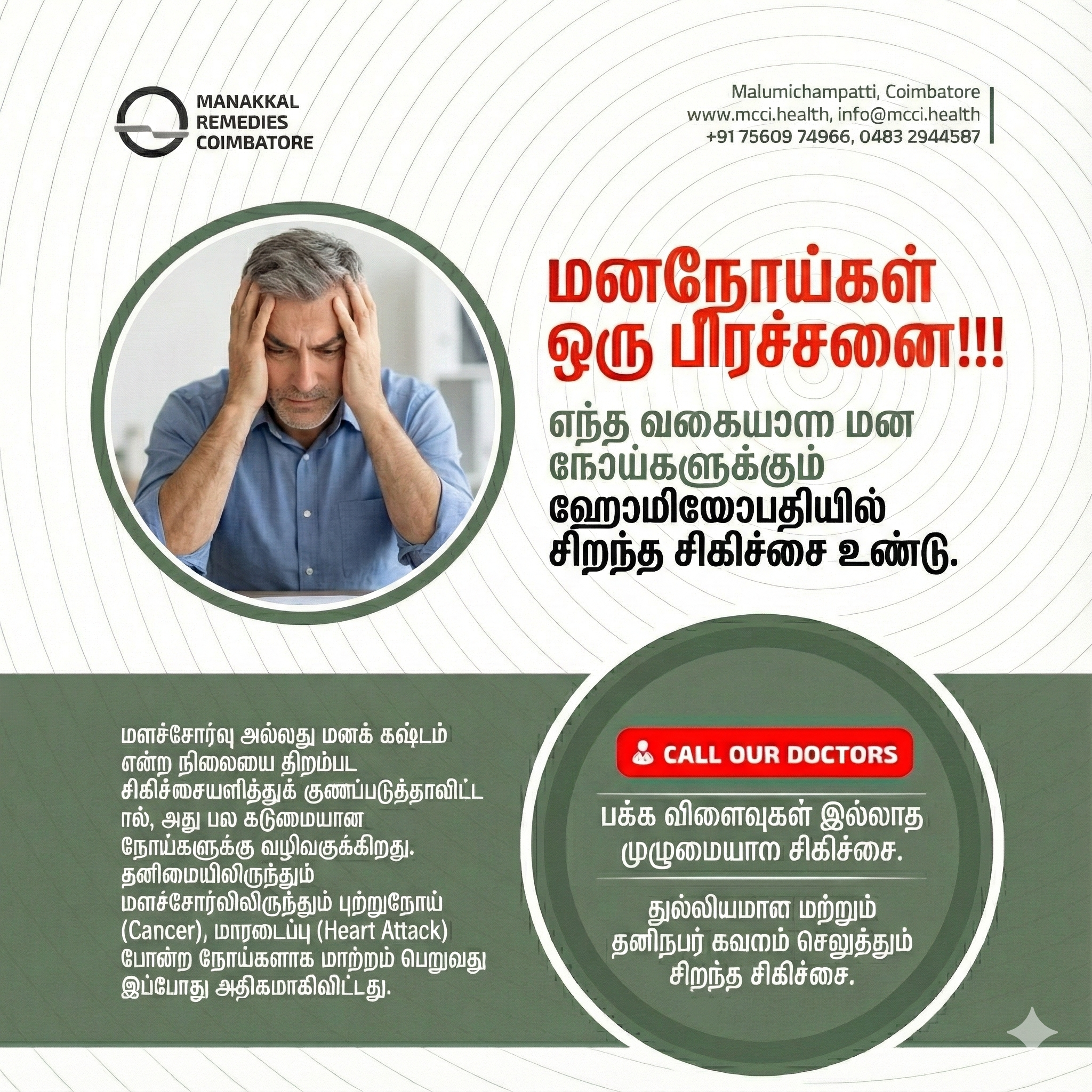
Mental health disorders, also referred to as behavioral health disorders, disrupt normal thinking and behavior patterns. They can lead to mood changes and impact a person’s ability to function in various settings, such as at home, work, or school. It’s essential to note that poor mental health does not always indicate a mental health disorder; individuals can experience fluctuations in mental well-being without having a diagnosed condition. Types of Mental Health Disorders Mental health disorders can be categorized into several types, each with distinct characteristics: Anxiety Disorders: These include generalized anxiety disorder (GAD), panic disorder, social anxiety disorder, and specific phobias. Individuals may experience excessive worry, fear, and panic attacks that interfere with daily activities. Mood Disorders: This topic includes different mood disorders like major depressive disorder, bipolar disorder, and dysthymia. Major Depressive Disorder: This is when a person feels very sad for a long time. They may lose interest in things they used to enjoy. Other symptoms can include not sleeping well, sleeping too much, changes in appetite (eating more or less), feeling very tired, and thinking they are not good enough. It can make it hard to enjoy life and be around others. Bipolar Disorder: This disorder includes mood swings. People can feel very happy and energetic (this is called mania) and then feel very sad or low (this is called depression). These mood changes can happen over days or even longer. It’s important for people with bipolar disorder to get help to manage these changes. Dysthymia (Persistent Depressive Disorder): This is a milder but long-lasting form of depression. It can last for at least two years in adults. People with dysthymia often feel down and may have low energy or feel hopeless. Even if the symptoms are not as severe as in major depression, they can still make life difficult. All these mood disorders can be caused by different factors, including genetics, life events, and mental health. Treatment often includes therapy, medication, and lifestyle changes. Getting help early is important to feel better and improve quality of life. Disruptive Behavior Disorders: Common in children and adolescents, these disorders include oppositional defiant disorder (ODD) and conduct disorder. They involve patterns of behavior that violate social norms or the rights of others. Eating Disorders: Conditions like anorexia nervosa, bulimia nervosa, and binge-eating disorder are characterized by unhealthy eating habits and a distorted body image. They can have severe physical and psychological consequences. Obsessive-Compulsive Disorder (OCD): This disorder involves unwanted and intrusive thoughts (obsessions) that lead to repetitive behaviors or mental acts (compulsions). Individuals may feel compelled to perform these actions to relieve anxiety. Personality Disorders: Personality disorders are generally categorized into three clusters: Cluster A (Odd or Eccentric Disorders): Paranoid Personality Disorder: Characterized by pervasive distrust and suspicion of others. Schizoid Personality Disorder: Marked by a lack of interest in social relationships and a restricted range of emotional expression. Schizotypal Personality Disorder: Involves eccentric behavior, cognitive distortions, and discomfort in close relationships. Cluster B (Dramatic, Emotional, or Erratic Disorders): Antisocial Personality Disorder: Characterized by a disregard for the rights of others, impulsivity, and often deceitful behavior. Borderline Personality Disorder: Involves instability in emotions, self-image, and relationships, often leading to impulsive actions. Histrionic Personality Disorder: Characterized by excessive emotionality and a strong desire for attention. Narcissistic Personality Disorder: Marked by an inflated sense of self-importance, a need for admiration, and a lack of empathy for others. Cluster C (Anxious or Fearful Disorders): Avoidant Personality Disorder: Involves social inhibition, feelings of inadequacy, and hypersensitivity to negative evaluation. Dependent Personality Disorder: Characterized by a pervasive and excessive need to be taken care of, leading to submissive and clingy behaviors. Obsessive-Compulsive Personality Disorder: Not to be confused with OCD, this disorder is marked by a preoccupation with orderliness, perfectionism, and control. Post-Traumatic Stress Disorder (PTSD): PTSD can develop after experiencing or witnessing a traumatic event. Symptoms may include flashbacks, nightmares, severe anxiety, and uncontrollable thoughts about the event. Schizophrenia and Other Psychotic Disorders: These disorders are characterized by distorted thinking, perceptions, and emotions. Individuals may experience hallucinations, delusions, and disorganized thinking, which can significantly impair daily functioning. Substance Use Disorders: These involve the problematic use of alcohol or drugs, leading to significant impairment or distress. Conditions range from mild substance use to severe addiction. Who is Affected? Mental health disorders can affect anyone, regardless of age, gender, or background. Various factors, including genetics, environment, and life experiences, contribute to the development of these conditions. Symptoms and Causes What Causes Mental Health Disorders? Mental health disorders can arise from a combination of genetic, biological, environmental, and psychological factors. Potential causes include: Genetic predisposition or family history Chemical imbalances in the brain Substance abuse Poor nutrition Lack of social support Chronic medical conditions Traumatic life events or abuse Symptoms of Behavioral Health Disorders Symptoms can vary widely but may include: Social withdrawal or isolation Changes in mood, energy, or appetite Difficulty concentrating or making decisions Irritability or anger Suicidal thoughts or self-harm Hallucinations or delusions Excessive worry or fear In children, signs may manifest as changes in school performance, increased anxiety, or behavioral issues.
வாட்ஸ்அப் மூலம் ஆர்டர் செய்யவும்
Mental health disorders, also referred to as behavioral health disorders, disrupt normal thinking and behavior patterns. They can lead to mood changes and impact a person’s ability to function in various settings, such as at home, work, or school. It’s essential to note that poor mental health d...
WHATSAPP MESSAGELike this ad? Make it yours.
Crush rebuilds this exact creative around your product — your brand, your colors, your offer — in about a minute.