Rooie Esther
Rooie Esther Facebook ad: “Finally free from neuropathic pain?”

Ran for 5 days, from September 15 to September 20, 2026, the last day Crush saw it.
Run by Rooie Esther on Facebook. Crush is not the advertiser and does not verify its claims. See this ad in Meta's Ad Library(opens in a new tab)
Want an ad like this for your product?
Crush makes new ad images for your product from this ad: your logo, your product photo, your offer.
Trials from $19.95 USD, then $79.95 USD a month. Cancel anytime.
About this ad
- Meta Ad Library ID
- 903496532583365
- Platforms
- Facebook and Instagram
- Relaunches
- 0
Ad text
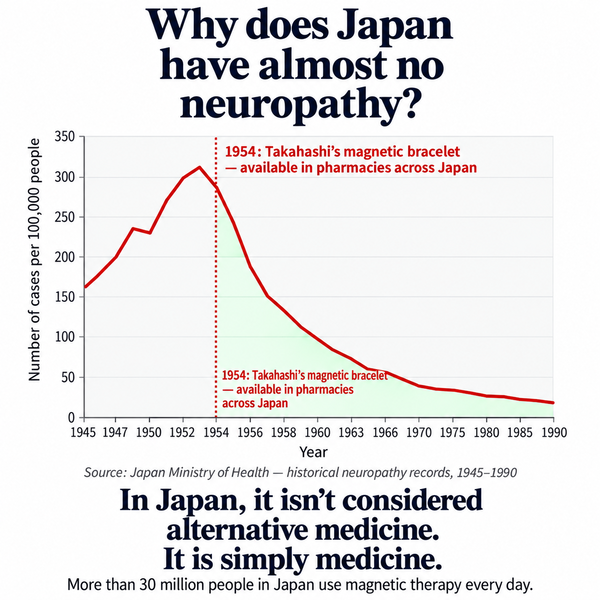
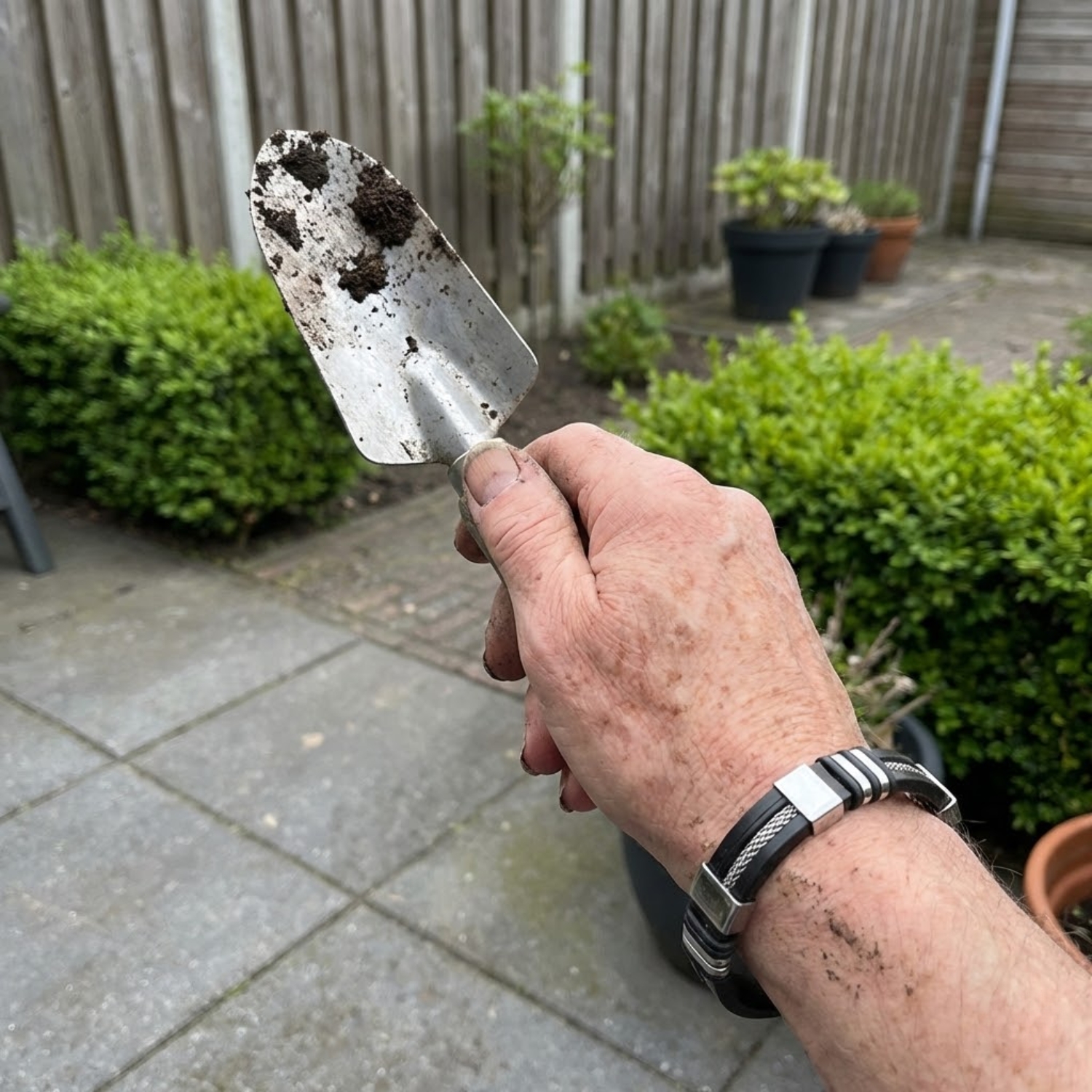
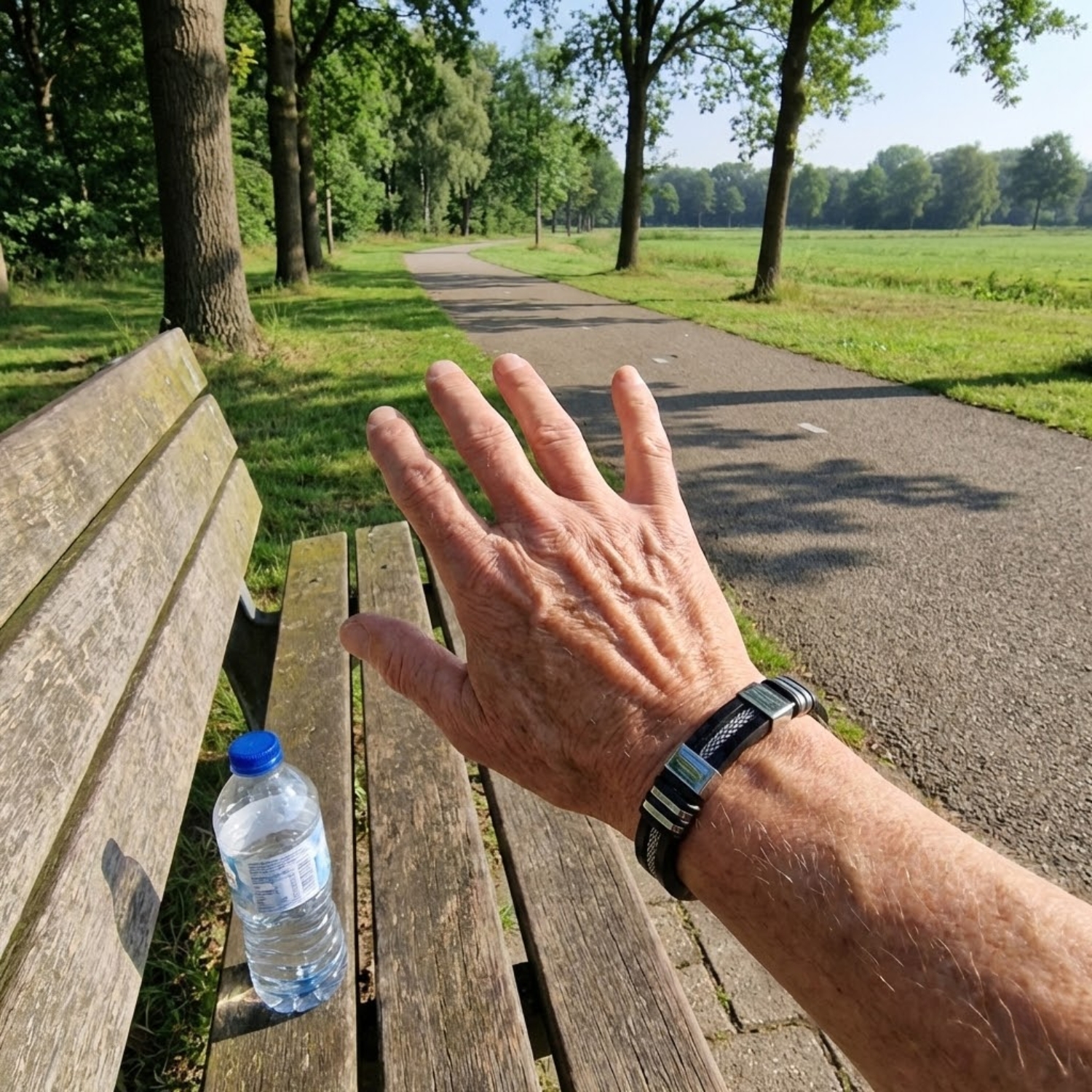
I have specialised in neuropathic pain for 19 years. And if your feet burn, tingle or go numb… I am going to tell you exactly what is being kept from you — and why no one will ever tell you the truth. By the time you reach the end of this, you will be angry. --- My name is Dr James Moreton. I am a neurologist here in London. For nineteen years, I have treated chronic neuropathic pain — burning feet, numbness, tingling, electric shocks, and precisely the kind of nerve pain that robs people over 60 of their sleep, balance and independence. And I am breaking ranks with my own colleagues to tell you what follows. Because three things are happening at the same time right now. First: your feet are screaming that something is wrong. Second: the medical system is leading you to believe that neuropathic pain is simply part of “normal ageing”. Third: there is a billion-pound industry making money every day you continue swallowing tablets that block pain signals without ever helping your nerves recover. --- Let me tell you about one of my patients. Because her story will open your eyes to how serious this really is. Her name was Mary. She was 72 and had lived with type 2 diabetes for eleven years. She had endured this continuously for three years. The burning in her feet was so intense that — in her own words — it felt like walking barefoot on scorching tarmac. At night came the pins and needles. Electric shocks shot through her toes. The numbness became so severe that she could no longer feel the floor properly beneath her feet. --- She had been active all her life. Every morning in the garden. Walks around the neighbourhood. Book club. Playing with the grandchildren. Then, little by little, her feet began to let her down. First came the tingling. Then the burning. Then the shooting pains. Then the numbness. Eventually, she was frightened to cross her own kitchen without holding on to the worktop. She stopped driving in the evening because she could not feel the pedals properly. She stopped going for walks because she was afraid of falling. She stopped attending book club because sitting for too long made the burning worse, while standing for too long left her feet buzzing as if they were live with electricity. --- And the worst part? She no longer slept. Every night was the same. She would finally lie down, exhausted, and her feet would begin to burn as though they had been plugged into the mains. She tried cooling socks. Ice packs. Heat pads. Foot baths. Different shoes. Nothing lasted. --- And this is the part that makes me furious. She had seen several doctors: her GP, a neurologist, a podiatrist — and me, the specialist. Thousands of pounds spent on appointments, blood tests, nerve tests, prescriptions and follow-ups. And do you know what every one of us told her? “Your nerves are damaged.” “It is normal at your age.” “Try gabapentin.” “Try an antidepressant.” “Try a stronger painkiller.” “Learn to live with it.” Learn to live with it. This woman’s feet were burning like fire, night after night, and in effect we were telling her she simply had to accept it. --- Then we put her on gabapentin. And do you know what happened? She became drowsy. Dizzy. Exhausted. Her balance worsened. She said it felt as though she were wading through wet concrete all day. And her feet? Still burning. Still tingling. Just as numb as before. The tablets numbed her brain more effectively than they numbed her feet. Because that medicine was never designed to repair what was deteriorating in her nerves. It was designed to block the pain signals. Nothing more. --- I watched this woman do everything I asked, spend thousands of pounds and follow my prescriptions — only to get worse. Not better. Worse. And I could not understand why. Until a neurology professor from Tokyo approached me at a conference and, in 30 minutes, taught me more about neuropathic pain than I had learnt in two decades of practice. --- October 2024. Vienna. The International Congress of Peripheral Neurology and Pain Medicine. I was standing alone during the coffee break, rubbing the sole of my foot through my shoe. Because 14 months earlier, my own feet had begun burning at night. At first, I ignored it. Then came the tingling. Then the electric shocks. Then numbness in my toes. And none of the treatments I had prescribed to my patients for 19 years helped me either. --- That was when I saw him. Dr Watanabe, professor of neurology at Keio University in Tokyo. He had been standing in the exhibition hall for hours. Calm. Relaxed. Steady. A man in his sixties who had been on his feet all morning, yet moved as if his nerves were twenty years younger. No shifting his weight from one foot to the other. No grimacing. No stopping to rub his ankles. No sign of the burning and buzzing I was hiding inside my own shoes. I went over to him. “Excuse me. At your age, after an entire morning on your feet — how is it that your feet are not burning?” He smiled. The smile of someone who knows something you do not. --- He looked at my feet and did not even need to ask. “Dr Moreton, may I show you something? It will take thirty minutes. But it will completely change the way you understand neuropathy.” He picked up a notepad and drew a simple sketch. “Your treatment model views neuropathy as a problem of damaged nerves. So you numb them with gabapentin. You sedate them with antidepressants. You block them with injections.” Then he tapped the page. “That is like silencing the smoke alarm while the house continues to burn.” He looked me straight in the eye. “Neuropathic pain is not just nerve damage. The nerve damage is the consequence. The real problem is that the blood supply your nerves depend on has been quietly and gradually collapsing.” --- And this is how it really works. Every nerve in your feet is supplied by a network of tiny blood vessels. That blood carries the oxygen and nutrients your nerves need to function, settle down and protect themselves. The protective sheath around your nerves depends on it. Your nerve endings depend on it. Every recovery signal your body sends depends on that continuous blood flow. When you are young, this happens almost effortlessly. Blood reaches the feet. The nerves stay nourished. The nerves stay protected. No burning. No tingling. No shooting pains. No numbness. --- But after 60 — particularly with blood-sugar problems, poor circulation, inflammation or years of strain — something changes. The tiny vessels feeding your nerves narrow and weaken. Circulation to the feet — the point furthest from the heart — is the first to decline. And the nerves at the end of the line begin to waste away. Starved of oxygen. Starved of nutrients. Starved of the fuel they need to remain calm and stable. And a starving nerve does not stay quiet. It sends the wrong signals. That is where the burning begins. That is where the tingling begins. That is where the electric shocks begin. That is where the numbness sets in. Because your nerves are not simply “damaged”. They are trapped in a circulation deficit. --- Dr Watanabe pointed at the sketch again. “This is what most doctors fail to see. The pain is not the disease. The pain is the alarm signal. The body is losing the battle to keep the nerves nourished.” I felt sick. Because I immediately thought of Mary. And every patient like her. Everyone I had told, “Your nerves are damaged. You must learn to live with it.” I had been treating the alarm. Not the fire. --- Then Dr Watanabe said something I will never forget. “There is something that helps restore that blood flow. But in the West, almost no one discusses it in connection with neuropathy.” Magnetic therapy. Not a fridge magnet. Not decorative jewellery. A specific magnetic field, at a precise strength, worn at a precise point on the body. “In Japan,” he said, “we have used this for more than 800 years.” --- For eight centuries, physicians at the Japanese imperial court fastened magnetised stones to the wrists of older people — positioned to support healthy nerves and circulation. This was not folklore. It was a documented medical practice, used continuously until Japan’s westernisation caused it to disappear in the late nineteenth century. And when the magnetic stones disappeared, neuropathy quietly returned. After the war, a Japanese scientist named Takahashi reconstructed the original device. Japan’s rate of neuropathy fell and remained the lowest in the industrialised world. More than 30 million people in Japan still wear magnetic-therapy devices every day — sold in chemists, right next to aspirin. “And this is what modern research has finally confirmed,” he said. He opened a study on his phone. A 2019 systematic review from the University of Manchester had examined magnetic therapy in patients with neuropathy. Eighty per cent showed measurable improvements in nerve function. Not pain scores. Nerve function. The nerves themselves were responding differently. And the review identified the optimal therapeutic range as 700 to 900 gauss — precisely the strength used for centuries in traditional Japanese devices. “But this is the crucial point,” he said. “Field strength is everything. Below about 500 gauss, the magnetic field cannot penetrate deeply enough into the tissue to reach the artery. In that case, it does nothing. That is why the cheap 200- or 300-gauss bracelets people buy are nothing more than decoration disguised as therapy.” Then he explained the part that changed everything for me. “And placement matters just as much as strength. You do not wear it on your feet.” I must have looked baffled, because he smiled again. “The pain is in the feet. But the gateway is at the wrist.” --- He turned my hand over and placed two fingers on the inside of my wrist, over the radial pulse. “The artery is closer to the surface here than almost any other major artery in the body. And it runs directly alongside the radial and median nerves. Place a sufficiently powerful magnetic field at precisely this point and mild vasodilation occurs. The vessel widens. Circulation improves.” Then he traced a line from my wrist up my arm. “And that improved circulation does not remain in the wrist. It carries through the entire peripheral circulatory system — the same network that supplies your hands and feet.” You support circulation precisely where it is most accessible — and the effect travels down to where the nerves are wasting away. The ancient court physicians called this point the body’s “gateway”. Modern anatomy has simply proved them right. --- And when blood finally reaches the starving nerves, two things happen at once. The nerves finally receive the oxygen and nutrients they have been missing. And as they are nourished, the chaotic firing that causes the burning can begin to settle. The undernourished nerve. And the overactive, burning nerve signal. Both are addressed by restoring the one thing they were missing. Blood flow. --- I stood there thinking about every patient I had put on gabapentin. Blocking nerve signals. Not restoring circulation. Sedating the brain. Not feeding the nerves. Silencing the smoke alarm. Not helping put out the fire. --- And this is what makes me truly angry. The medical system knows that circulation matters. We talk about poor circulation. We talk about narrowed vessels. We talk about oxygen-starved tissue in the feet. We talk about people with diabetes losing circulation in their limbs. But the link between a calibrated magnetic field over the radial pulse, improved peripheral circulation and burning neuropathic pain in the feet? That link is almost never made in clinical practice here. Because there is no money in it. You cannot patent a magnet. You buy one and wear it for years. No repeat purchases. No follow-up appointments. No monthly prescriptions generating revenue. The money lies in keeping you on tablets that block the pain signal while your nerves continue wasting away underneath. Not in restoring the blood flow that helps those nerves finally settle. Every prescription I wrote for 19 years worked at the end of the chain. Not one sent a single extra drop of blood to a single starving nerve. --- After that conversation, I searched for a device that matched what the research called for. 800 gauss. Inward-facing magnets positioned over the radial pulse. A design capable of maintaining that field strength continuously. Most of what I found was rubbish. Decorative 200- or 300-gauss bracelets too weak to reach the artery. Fashion magnets scattered outwards around the bracelet rather than directed inwards towards the wrist. Expensive jewellery that looked the part and did nothing. Until I found Neurivane™. --- An 800-gauss Neurivane™ magnetic-therapy bracelet built to Takahashi’s original specifications. Not a tablet that masks pain. Not a numbing trick. Not a cheap bracelet that gleams without producing a meaningful field. Medical-grade 800-gauss magnets, calibrated precisely to the range confirmed by the University of Manchester. An inward-facing arrangement over the radial pulse, not scattered decoratively around the bracelet. Designed to be worn day and night — the Takahashi protocol. When I saw its design, it matched exactly what Dr Watanabe had explained. They understood the mechanism. And they had built the device accordingly. --- I wore it myself first. Days 1–2: I placed it on my wrist over the pulse point and left it there. I carried on with my day as normal. At night, my feet still burned. In my head, I was already drafting a sceptical review. Day 3: The night-time burning that normally began the second I lay down was noticeably calmer. Turned down, as though someone had reduced the volume by half. Day 9: I slept without electric shocks in my toes waking me. Week 3: The tingling was no longer constant. I could cross the kitchen in the morning without my feet feeling as though they were live with electricity. Week 8: I realised I had not thought about my feet all day. That had not happened for more than a year. --- Then I rang Mary. And every other patient I had failed. “I need to tell you something. The treatments I prescribed were incomplete. I treated your neuropathic pain as a signalling problem when I should have been looking at the underlying circulation. I did not understand the difference. Now I do.” --- Mary wore Neurivane™ day and night, on her wrist over the radial pulse. She left it on while she slept, while she gardened and while she made her tea. Week 1: “The burning at night is not as intense.” Day 11: “I slept for 5 hours without waking. I cannot remember the last time that happened.” Week 4: “The electric shocks no longer wake me.” Week 6: “Dr Moreton, I walked to the postbox without holding the handrail. I had not realised how frightened I had become.” Week 9: “I drove myself to book club. I could feel the pedals again.” --- That sentence nearly floored me. Because this had never been only about pain. It was about independence. Sleep. Walking without fear. Driving without panic. Standing in the kitchen without burning. Playing with the grandchildren without wondering whether her feet would let her down. --- This is the mechanism they do not want you to know about. Because the moment you understand that neuropathic pain is not simply “dead nerves”, you stop accepting symptom management as your only option. You stop believing that gabapentin is the end point of treatment. You stop thinking that burning feet after 60 are simply something you must learn to live with. --- Your nerves are not screaming because your body has forgotten how to repair itself. They are screaming because they are starving. Narrowed vessels. Poor circulation to the feet. Oxygen-starved nerve tissue. Nutrients that never arrive. A blood supply that has collapsed at the point furthest from the heart. And if you never restore that blood flow, the burning keeps coming back. The tingling spreads. The numbness worsens. Your balance becomes less reliable. Walking becomes risky. And your world becomes smaller and smaller. --- But when you directly support the circulation feeding those nerves, something else can happen. The nerves can finally receive nourishment. The burning can ease. The tingling can lessen. The electric shocks can settle. Your feet can begin to feel more secure again. And you can start trusting your body again. --- Now you need to understand one thing about timing. Circulatory problems build over time. The longer your nerves remain starved of oxygen and nourishment, the harder it becomes for your body to recover. Early cases often respond more quickly. Long-standing cases may require more consistent wear. But doing nothing while the burning spreads is the worst decision you can make. --- If you know the feeling of burning feet, tingling toes, electric shocks, numbness or those awful pins and needles at night — do not wait any longer. It is not simply because you are getting older. It is not because your nerves are “too far gone”. It is because the circulation feeding those nerves has never been properly supported. And no one is talking about it. --- Neurivane™ comes with a 60-day money-back guarantee. If it does not help, you pay nothing. And honestly? Even if you are sceptical, try it for a month. Wear it on your wrist over the radial pulse, day and night. See whether your body responds as mine did. As Mary’s did. Because the medical system is not coming to save you. We make far too good a living keeping you on tablets that block pain while your nerves continue wasting away underneath. A professor from Tokyo taught me more in 30 minutes than I had learnt in two decades of practice. It is time I passed that lesson on. Get yours now. --- P.S. I no longer see burning neuropathic pain as merely a “nerve-damage problem”. I see it as a circulation problem. If all you do is block the signal, you never restore the blood flow that helps the nerves finally settle. P.P.S. Gabapentin may turn down the volume of the pain signal, but it does not widen a single blood vessel, send one extra drop of oxygen to your feet or restore the circulation your nerves need to function. That is why so many people remain stuck. P.P.P.S. Mary: “Three years of burning feet, tablets and sleepless nights. A few weeks with this bracelet and I finally felt as though my feet belonged to me again. I wish someone had told me sooner.”
Where the ad sends people
try.zenicx.com
Finally free from neuropathic pain?
At 61, living with diabetes, I had already tried everything, until I stumbled across a Japanese imperial secret, a post-war scientist and a bracelet that changed everything within weeks.
Learn more: try.zenicx.com(opens in a new tab)