
Active· since Jul 6, 2026
- 73
- days running
- 0
- relaunches
Ad copy
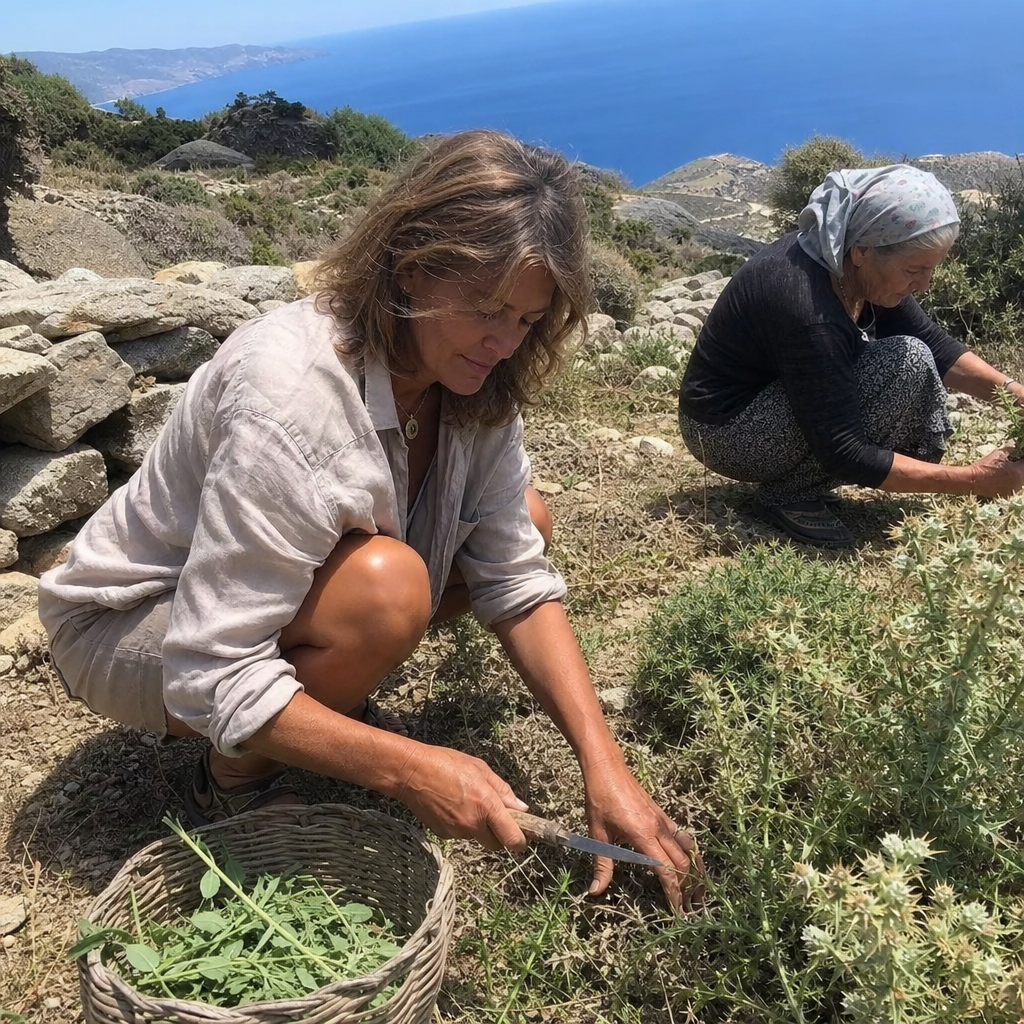
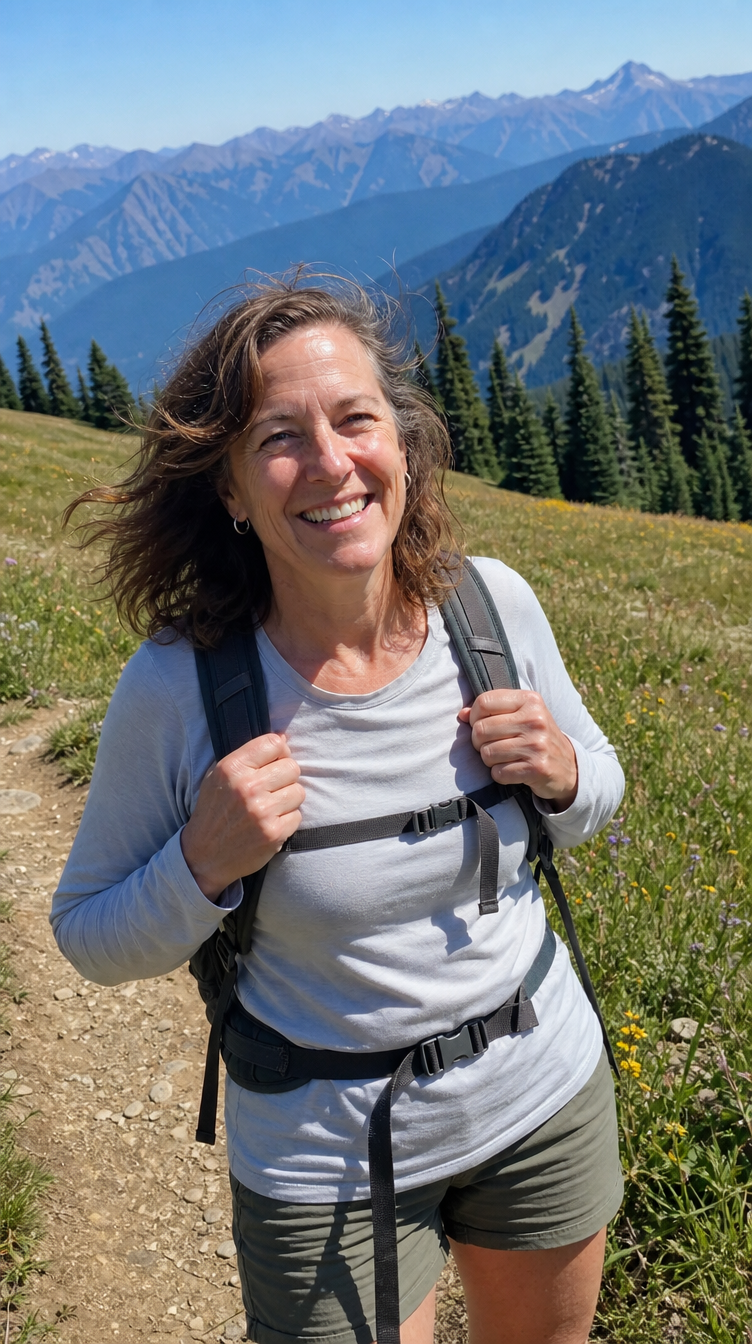
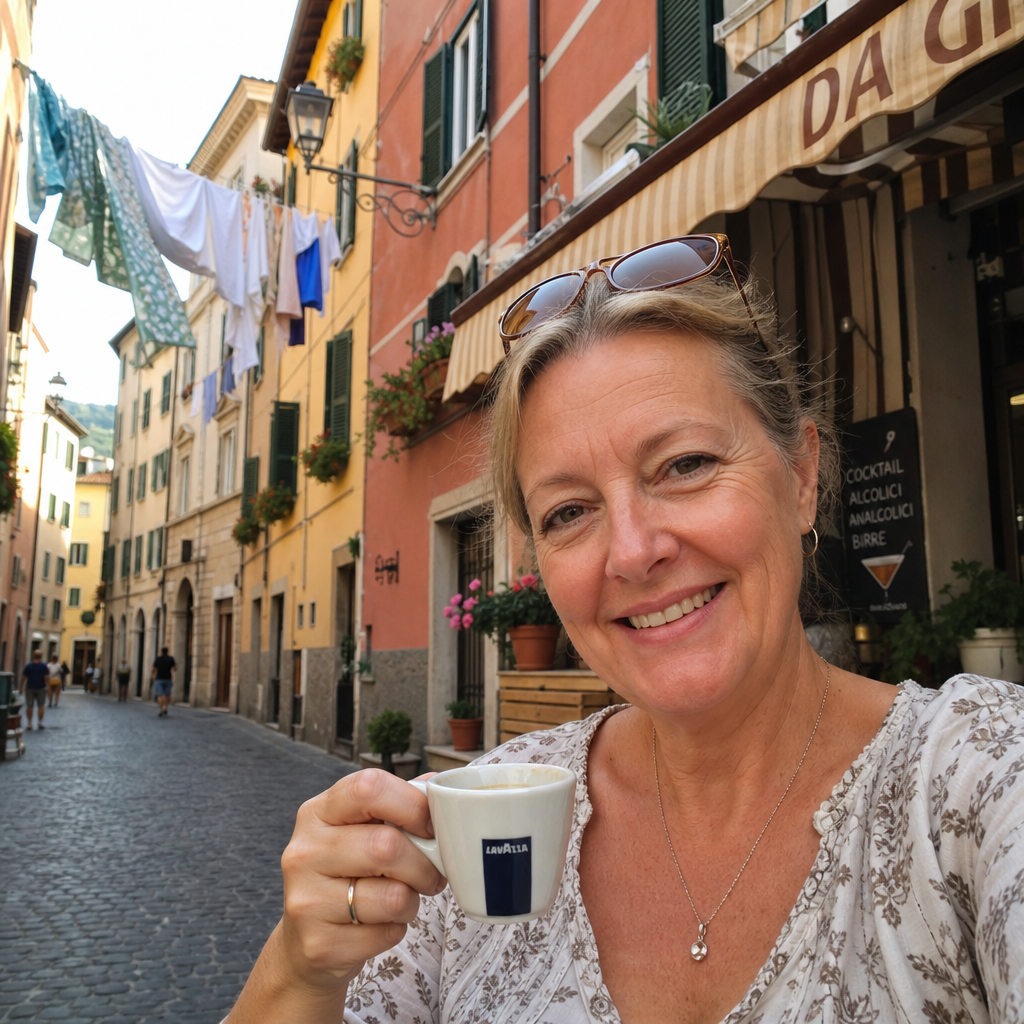
I'm a sleep specialist. I've been one for 12 years. The first thing you learn in my field is that alcohol is the enemy of sleep. A drink before bed knocks you out fast, then wakes you at 3 AM. Alcohol fragments the deepest part of the night. A nightcap is one of the first things every sleep doctor in America tells an insomniac to give up. Then I went to Italy. A country that drinks dark red wine like water — every day, with every meal, well into old age. What I found there broke everything I thought I knew. Let me back up. I run a sleep clinic in the Northeast. Women come to me when their own doctors have run out of answers. They've been on sleep medication for years. A lot of them are also pouring a glass or three of wine at night, on top of the pill, just to get themselves under. Their sleep studies look fine on paper. But they still wake at 3 AM, and lately they're losing words. By the time a patient reaches my office, I already know what her chart is going to say. Because it always says the same thing. Patient presents with trouble falling asleep. An hour, two hours, staring at the ceiling before her mind lets go. Doctor's notes: stress. Recommend better sleep hygiene. Patient returns. Exhaustion that sleep doesn't fix. Foggy by mid-afternoon, losing her train of thought. Doctor's notes: run down. Prescribe Ambien. Patient returns. Now waking at 3 AM, unable to fall back. Pouring a glass of wine at bedtime to take the edge off. Reaching for words that aren't there. Doctor's notes: sleep deprivation. Sleep study normal. Increase the dose. Patient returns. Brain fog. Reading the same page three times. Short with everyone. Doctor's notes: anxiety. Add a low-dose antidepressant. Patient returns. Telling the same story twice in one conversation. Nodding off on the couch by eight, then wide awake at three. Doctor's notes: consider a memory screen. Five visits. Five years. Five separate diagnoses. Five separate prescriptions. Then someone finally sends her to me. I pull her chart. I look at her sleep study. And in less than thirty minutes I find what explains every single one of those visits. It is not her sleep hygiene. It is her deep sleep. The one stage her pill — and the glass she pours to fall asleep — have both been quietly stealing from her for years. The only stage in which the brain cleans itself. Your sleep doctor runs your sleep study. The neurologist runs your brain scan. The problem sits between them — and nobody is paid to look there. So when I got invited to a sleep-medicine conference in Rome last spring, I added two extra weeks to the trip. Because something had been bothering me for years. Italy drinks wine like other places drink water. A glass of dark red with lunch. Another in the afternoon sun. Two more across a long dinner. And on the island of Sardinia, the old women drink it every single day of their lives. In my field, that is the cardinal sin. Alcohol at night is the first thing we tell every insomniac to eliminate. But Sardinia has one of the highest concentrations of hundred-year-olds on earth — and its old women reach those years with their minds fully intact. They stay sharp, lucid, themselves, decades past the age when American women start forgetting names. Based on my training, the women of Sardinia should be the foggiest, most sleep-wrecked, most cognitively ruined population in the developed world. All that wine. Every night. They should have more of what is erasing American women like you. Not almost none. I needed to understand why. After the conference I flew down to Sardinia and drove up into the mountains of the Ogliastra — the stretch of the island with one of the highest concentrations of clear-minded ninety-year-olds anywhere on the planet. I arranged a homestay through a local research program. The woman I stayed with was named Assunta. She is 98 years old. Lives alone. Tends her garden and her few old vines every morning. Walks down to the village. Cooks all her own meals. She drinks two glasses of dark red wine with her dinner. Every night. Has for eighty years. I'm sitting at her table on the third evening, watching her pour the wine from a plain glass jug, and my sleep-specialist brain is going haywire. I'm thinking about every patient I've ever told to stop drinking at night. Every woman I've put on a strict no-alcohol regimen for six months and sent home feeling like she'd failed. This woman has done the exact opposite for eighty years. By everything I know, she should not be able to reach deep sleep at all. And her mind should be long gone. But she is 98. She is sharp. Clear eyes. She remembers the name of every vine in her yard and every neighbor who ever lived on her road. She has more clarity than most of my 55-year-old patients back home. I had to ask. "Assunta, doesn't the wine wreck your sleep?" She stops. Looks at me. Starts laughing. "The wine? The wine is for the table. For the food, for the talking, for the evening. It is not for sleeping." She shook her head, still smiling. "You American women drink to fall down. You pour it alone, in the dark, to make the night stop. That is your mistake. We do not drink to sleep. For sleep, we take something else." She wipes her hands and tells me to sit down. "You came here because something is telling you. You lie awake at three in the morning. You sleep the hours they tell you to sleep and you wake up tired anyway. The words are starting to slip. The doctors say you are fine. Yes?" I nodded. She leaned across the table and looked me in the eye. "You are not crazy. You are not getting old before your time. Your body is telling you the truth. The doctors have not been listening." She tapped the side of her head. "And I will tell you something the doctors will not. Your mind is going to go. Maybe in ten years. Maybe in five. The road is already in front of you. I have watched many women walk it." She set her hands flat on the table. "I had a sister. Grazia. Two years older than me. We grew up in this house. She moved to the mainland when she was twenty-four, to marry a man in the city. She kept the wine — but she started drinking it the way you do, at night, alone, to put herself down. And the thing we take before bed, she threw away. She said it was peasant superstition. Her doctors told her she was healthy her whole life. She started forgetting small things at sixty. By sixty-eight she did not know her own children. She died not knowing her own name, in a chair by a window, and her doctor told the family she was simply getting old." She looked at me. "You are walking my sister's road. Unless you turn now, you will end the same way." She stood, walked to a small cabinet, and took down a dark glass jar with a little wooden spoon resting beside it. Inside was a deep, almost black concentrate. Bitter. Earthy. "Your pill does not give you sleep," she said. "It gives you something that looks like sleep. And that glass you pour at night to go under — that is the same lie. Both push you down. Neither takes you deep." She sat back down. "Your body used to make its own sleep. Enough to put you down before eleven and hold you there till morning. But somewhere in your forties that begins to fail. The part of the brain that makes it makes a little less every year. By the time most women are in their fifties they are running on a fraction of what they had at thirty. That is not a weakness. That is just the years." She tapped the table once. "And here is what almost no one knows. That sleep-maker does not only make you sleepy. It carries you down into the deepest part of the night — and that deep part is the only time your brain washes itself. Every day your brain makes waste, the way your body does. There is a tide up there that rinses it out overnight — like washing the dishes before bed instead of letting them pile up in the sink. But that tide only runs in the deep sleep. Miss the deep sleep, and the waste just sits there. Night after night. Year after year. It hardens. It builds. And that pile is the thing they finally put a name to. They call it dementia." I stared at her. "Now hear me. Your pill knocks you down, but it blocks the deep sleep. And the wine, taken late and alone to make you sleep, does the very same thing — worse. It drops you fast. Then in the small hours it lets go all at once and throws you awake. Three in the morning. Eyes open. That is the wine leaving your body. On the chart it looks like you slept. But the tide never came in. So every night on that pill and that glass, your brain looks asleep while the waste keeps piling up underneath. The pill hides how bad it is getting. And the worse it gets, the more they raise the dose." She shook her head slowly. "And the little bottles from the chemist — the ones that add the sleep-maker from outside — they are not the answer either. Give it from outside and your body stops making its own. It makes even less. And still you never reach the depth where the brain cleans itself. The pile keeps growing." She lifted the little wooden spoon of dark concentrate and held it in the light. "You think it is our wine that keeps us well. It is not. A little of what lives inside it, maybe — but the drink itself steals as much as it gives, and we know it. That is why we keep the wine at the table, with the food, in the light of the evening — never alone in the dark to fall asleep. What keeps us is this." She turned the spoon. "The same darkness that colors the wine is in this jar — but stronger, and without the drink in it. This is what you take before bed. The wine you leave at the table." She looked me dead in the eye. "That is why the women who cannot sleep are the women who lose their minds. It is not bad luck. It is the same emptiness. It shows up in your sleep tonight. It shows up in your memory ten years from now. Same fire. Different room." My eyes started to burn. "That is why you still wake at three when the hours look right. That is why the words are starting to slip. No pill fixes it. No glass fixes it — the glass makes it worse. Nothing from the chemist fixes it. Because none of them give your body back the one thing — the deep sleep where the brain washes itself clean." She tapped the jar. "This wakes your body's own sleep-maker again. Not from outside. Your own. The way it made it when you were young. One spoonful before bed. That is the only road off this road. My mother taught me. Her mother taught her. For more than a thousand years the women of this island have made the same medicine. Every woman in this village who lives past ninety with her mind takes it. Every one. In America, even the doctors do not know it. Here, every grandmother does." She lifted the jar and set it in front of me. "Sour cherry," she said. "Pressed cold, the way my mother pressed it. A spoonful of the dark before bed." I almost laughed. I had tried it — grocery-store cherry juice, for weeks, back home before the trip. It had done nothing. She read it on my face. "What you buy in America is dust," she said. "They boil it so it survives a year on a shelf, and the heat kills the very thing that matters — the dark part, the part that wakes your sleep-maker. What is left they thin with water and sugar. You drank colored water and called it cherry. You never tried the cherry." I sat there staring at her. I have a medical degree. Twelve years of practice. Hundreds of sleep studies. And this 98-year-old woman had just described, in plain language, what I had spent fifteen years confirming in journals. Alcohol collapses the deep stage and rebounds you awake in the second half of the night — the 3 AM wakeup, textbook. The sedative hypnotics — Ambien, the Z-drugs — suppress slow-wave sleep the same way. Slow-wave sleep is when the brain's glymphatic system flushes metabolic waste, including the amyloid that builds toward dementia. Block the deep sleep, and the clearance never runs. The waste accumulates. And the body's own melatonin — the very thing that carries you into that deep stage — collapses with age and shuts down further the moment you start swallowing it from a bottle. She had skipped the journals and gone straight to the answer. And she had put her finger on the one thing no one ever tells you: it is not that a Sardinian drinks — it is that she never drinks to sleep. I spent the rest of that week talking to every old woman in the village. Assunta's 93-year-old neighbor takes the medicine every night. Has since she was a girl. Her cousin, also in her nineties, sharp as a blade, same practice, same dark jar handed down from her grandmother. All of them drink their wine at the table, with dinner, and not one of them touches it to fall asleep. These women have done everything my field forbids — dark wine every single night of their lives — and they have clearer minds at 95 than my patients have at 60. Then I thought about those patients. Five visits. Five wrong answers. Five prescriptions. The dose climbing every year. A bottle of wine on the nightstand. Falling asleep on the couch by eight and still waking at three. Losing words. Being told it was stress. Being told it was age. While the deep sleep that cleans the brain quietly disappeared for thirty years, and no sleep doctor in America ever once thought to protect it. The contrast made me sick. When I got back to the States, everything Assunta taught me lined up with the research. The sour cherry was one of the few foods on earth that feeds the body's own production of the sleep hormone — and the deep sleep that hormone unlocks. The very same class of dark pigment that gives the dark red wine of Sardinia its color and its reputation — except concentrated, and with none of the alcohol that fragments the night. But what stopped me was that Sardinia was not alone. Persian physicians prescribed sour cherry for a restless mind a thousand years ago. Eastern European grandmothers pressed the cherries and took a spoonful of the dark juice before bed for generations. Anatolian villages crushed the fresh fruit and drank it down at night. Different cultures. Different continents. No contact with each other. Same cherry. Same hour of the night. That is not coincidence. In medicine, when independent traditions arrive at the same answer without ever meeting, we take it very seriously. Meanwhile Assunta drinks her two glasses at dinner at 98 with a mind like glass. And American women who did everything right — who followed every rule, who tried everything the doctors gave them — are losing themselves at 68. I came home and I changed two things. I moved the wine to dinner, with food, where it belongs — and I stopped pouring it at bedtime to knock myself out. And every night before bed, I took the dark cherry instead. Week one. Slept through the night twice. The other nights I woke once and fell back within the hour. For the first time in years, I wasn't watching the clock at 3 AM. Week two. I pulled up my sleep tracker. 5.9 hours average. Up from 4.4. I checked it twice. Week three. This is the week that matters. Every supplement I have ever tried quits on me at week three — the bad nights come roaring back, often worse. Nothing came back. The sleep held. And somewhere around day 19, a word I'd been groping for on the phone with my sister just... arrived. On its own. I hadn't realized how long I'd been losing them until they started coming back. Week four. Sleep average 6.5. And my head was clear. Not wine-clear, not the fake heaviness that lifts by noon. Actually clear. The fog I'd spent two years blaming on getting older had lifted. My resting heart rate, which had crept into the high seventies, came back down into the sixties. A colleague stopped me in the hallway and said, "Did you change something? You look sharper." Month two. Sleeping seven hours most nights. Blood pressure down twenty points. Mind sharp through a full clinic day. I was fifty-three years old and thinking more clearly than I had at forty. Not because I found some new breakthrough. Because I finally listened to a 98-year-old woman who understood the sleeping brain better than my entire field has been willing to admit. Don't try to source it yourself, either. Assunta had already shown me why the grocery shelf is useless — the juice boiled to survive a year of shipping, the heat gone straight through the compounds that matter. The pharmacy capsules are no better: heat-dried powder cut with filler, most refusing to print the active content at all, because if they did you'd see how little is really there. I'd wasted six weeks on both before I ever got on the plane. Your body never gets what it needs to restart its own sleep. Your nights stay broken. And the pile keeps building. The brand I use now is a small company called GoodGrove. Cold-extracted sour cherry concentrate, not heat-dried powder. 3,600 milligrams of anthocyanin-standardized extract per serving — a real, therapeutic dose, not the token amount in a drugstore capsule. Third-party tested in the USA. No fillers. Two capsules a day. It is the modern version of what Assunta's family has made by hand for generations. Try GoodGrove for 90 days. Track your nights — your phone already does it. Notice how clear your head feels by week three. Tell your doctor what you're doing and ask about your sleep — and your memory — at your next visit. If your nights haven't changed, if the fog hasn't lifted, if you're still waking at 3 AM... full refund. No questions. If your sleep study is normal but you still wake at 3 AM. If you've done everything right — cut the caffeine, blackout curtains, the white-noise machine, the magnesium — and you still lie there watching the ceiling. If you've started pouring a glass at night just to get under, and you wake at 3 AM anyway. If the pill stopped working and they just raised the dose. If you've started losing words mid-sentence. If you walk into a room and forget why you went in. If you've started to wonder, quietly, whether you're becoming your mother. Listen to me. You are not crazy. You are not getting old before your time. The 3 AM wakings are real. The fog is real. The words slipping out from under you are real. The pill and the nightcap have been delivering something that looks like sleep, and the deep sleep where your brain cleans itself has not been happening, and your mind has been paying for it every single night for years. Your sleep doctor will not find it. The sleep study will not catch it. The neurologist won't look until it's already too late. Drugstore cherry will not finish the job. I have spent twelve years proving that. But a 98-year-old woman in Sardinia showed me what actually works. Keep the wine at the table if you love it — but stop drinking to sleep. Protect the deep sleep. Restart your body's own ability to reach it. One spoonful a night. Now two capsules. You are at a crossroads. One path. Keep the pill and the bedtime glass. Keep waking at 3 AM and calling it managed. Add the antidepressant when your doctor runs out of ideas. Add the higher dose when this one stops working. Add the memory drug when you start forgetting names. Spend the next twenty years managing a sleep log while the deep sleep your brain needs never comes. End up like Grazia. In a chair by a window, not knowing your own name. Another path. Do what I did. Move the wine back to the table where it belongs. Give your body back the deep sleep it has been missing. Let your brain finally run the rinse it was built to run every night. Protect your mind while you still can. I chose the second path. It gave me my nights back. And it may have saved my mind. Your sleep doctor isn't looking at your brain. Your neurologist isn't looking at your sleep. Nobody is looking at your deep sleep. Every night you sleep without this is another night the tide never comes in. Another night the waste keeps piling up. Another night closer to the chair by the window. Assunta is 98, pouring her two glasses at dinner, sharp as the day she was born. She is never going to forget her own name. Because she figured out what every grandmother in her village has known for a thousand years — the wine is for the table, and the medicine is for the night. You can start tonight. But GoodGrove is a small company and they sell out constantly. If you click and they're out of stock, sign up for the restock notice. It is worth the wait. Be the woman you were before. https://trygoodgrove.com/cherry-sleep P.S. I slept through the night twice in my first week. My average went from 4.4 hours to 6.5 by week four. The fog lifted by week three — I stopped losing words mid-sentence for the first time in years. No antidepressant and no dose increase at my two-month follow-up. Blood pressure down twenty points. And I moved my wine back to dinner, where it never cost me a thing. Your timeline will be different. But you won't know until you try. P.P.S. My patient Maggie started GoodGrove four weeks after I did. She's 58, insomnia for sixteen years, had been drinking two glasses of wine a night to fall asleep and was about to add an antidepressant and get her first memory screen. Last visit she was sleeping almost seven hours, off the bedtime wine, and told me the crossword had started coming easy again. She refused the memory screen. She said, "I'm not going to disappear the way my aunt did." Neither am I. Neither should you.
Everyone with sleep issues needs to see this ☝️
Clean, science-backed supplements crafted without anything artificial. Vegan, non-GMO, and third-party tested, with a 90-day money-back guarantee so you can shop with confidence.
LEARN MORELike this ad? Make it yours.
Crush rebuilds this exact creative around your product — your brand, your colors, your offer — in about a minute.