
Active· since Jul 11, 2026
- 64
- days running
- 0
- relaunches
Ad copy
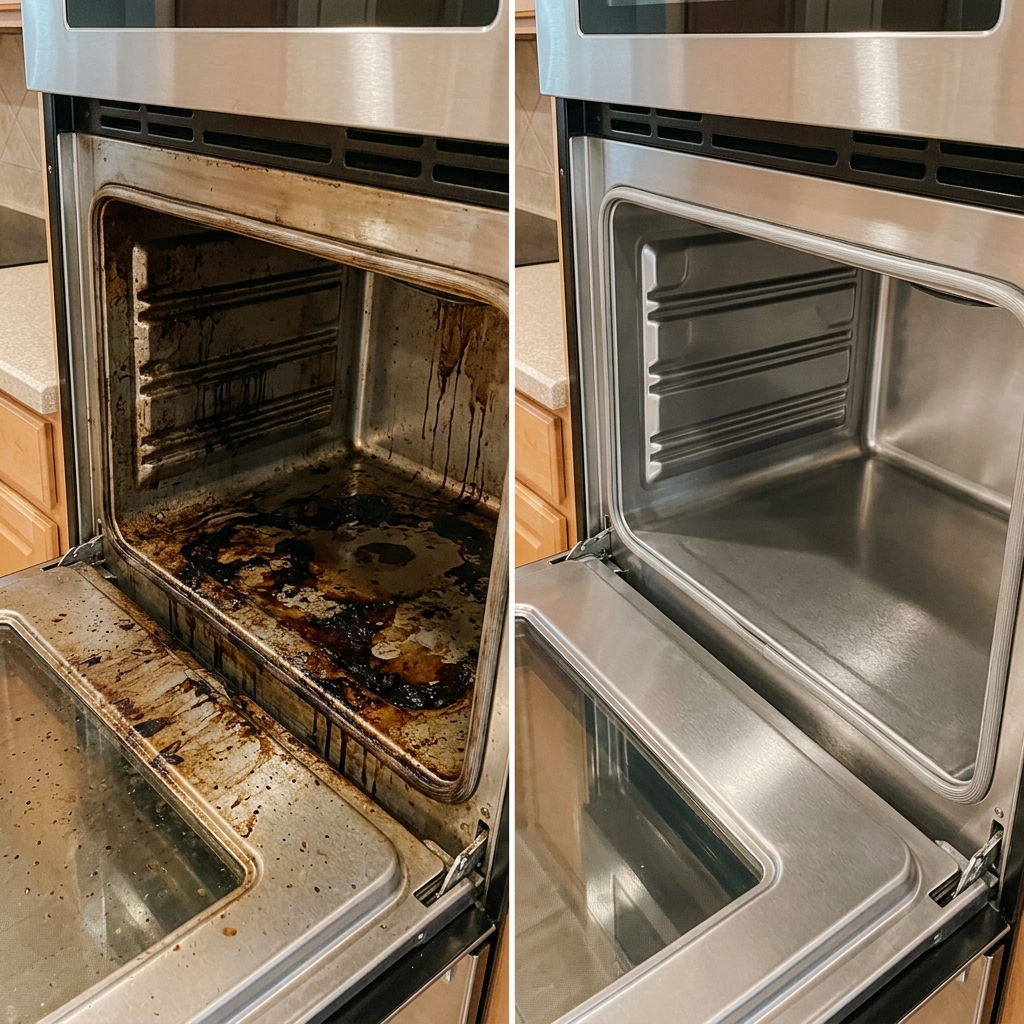
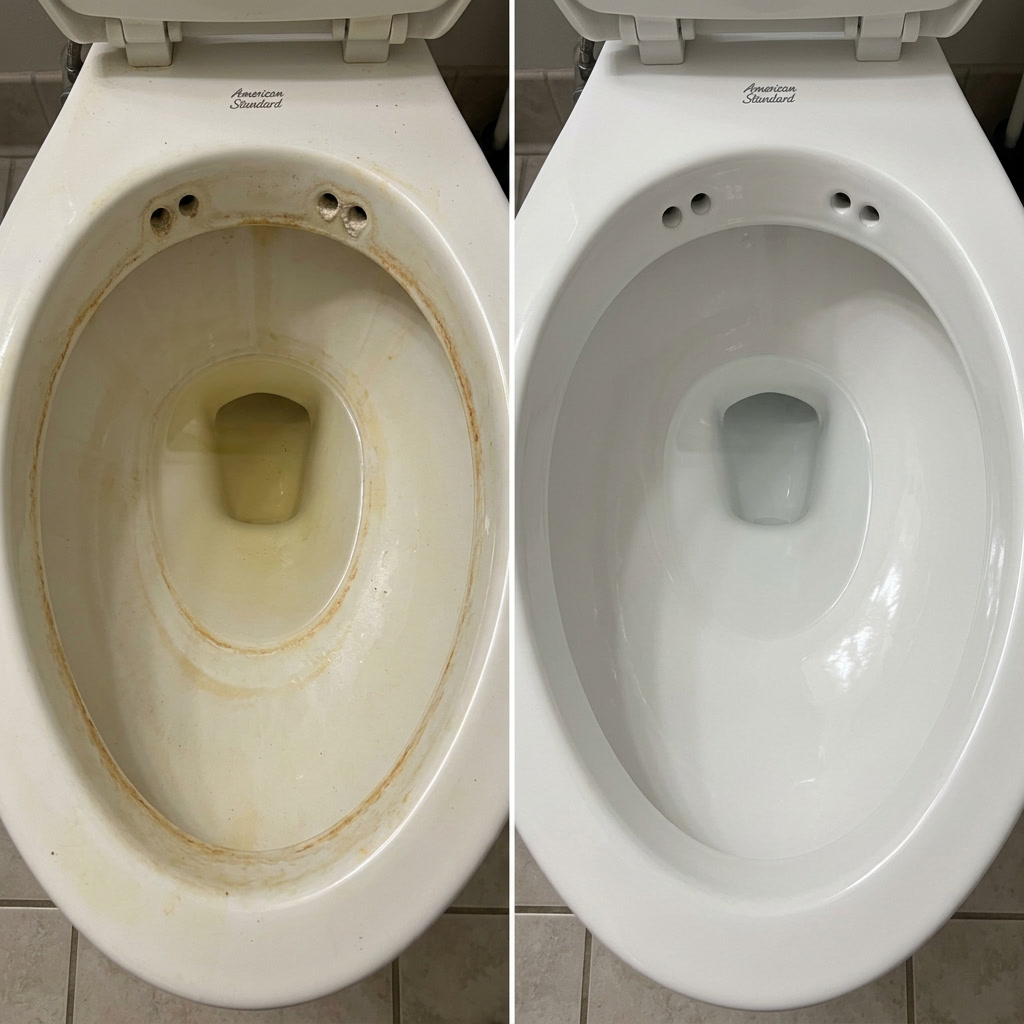
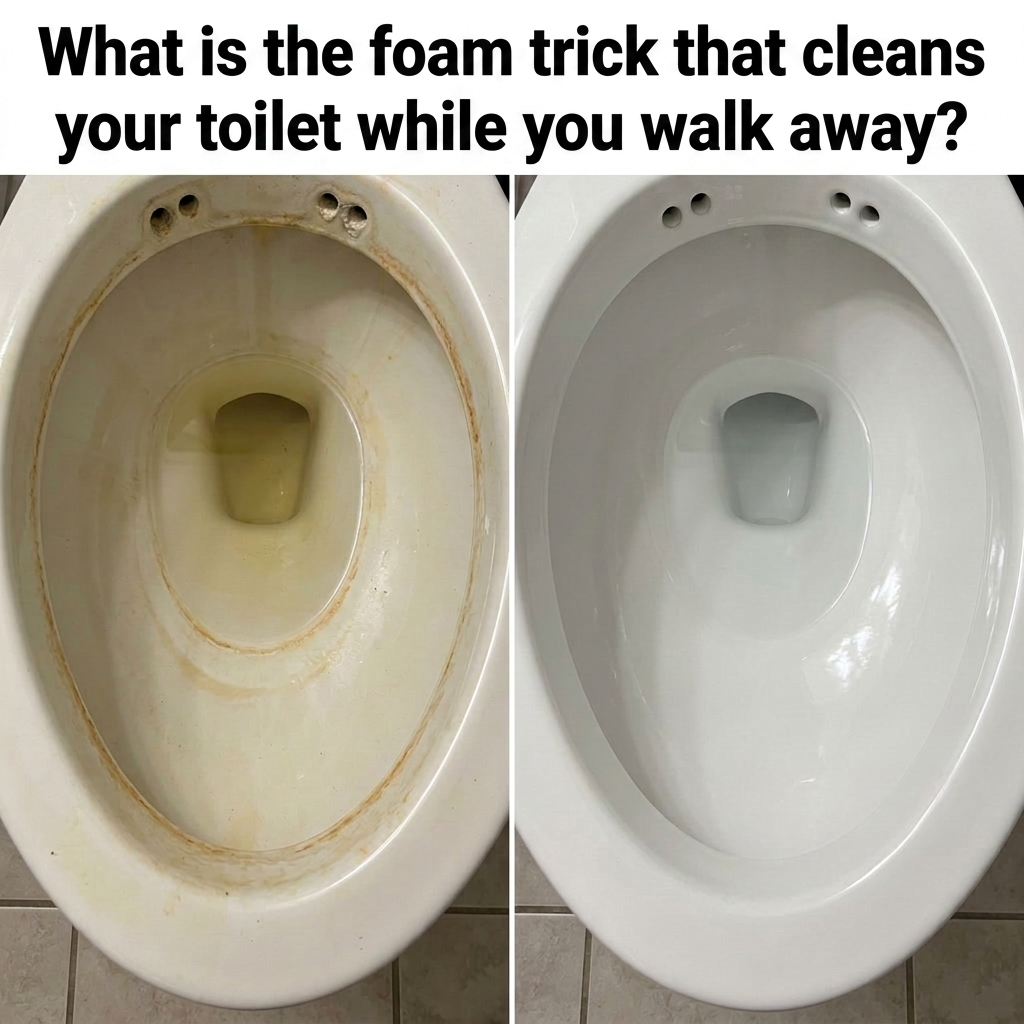
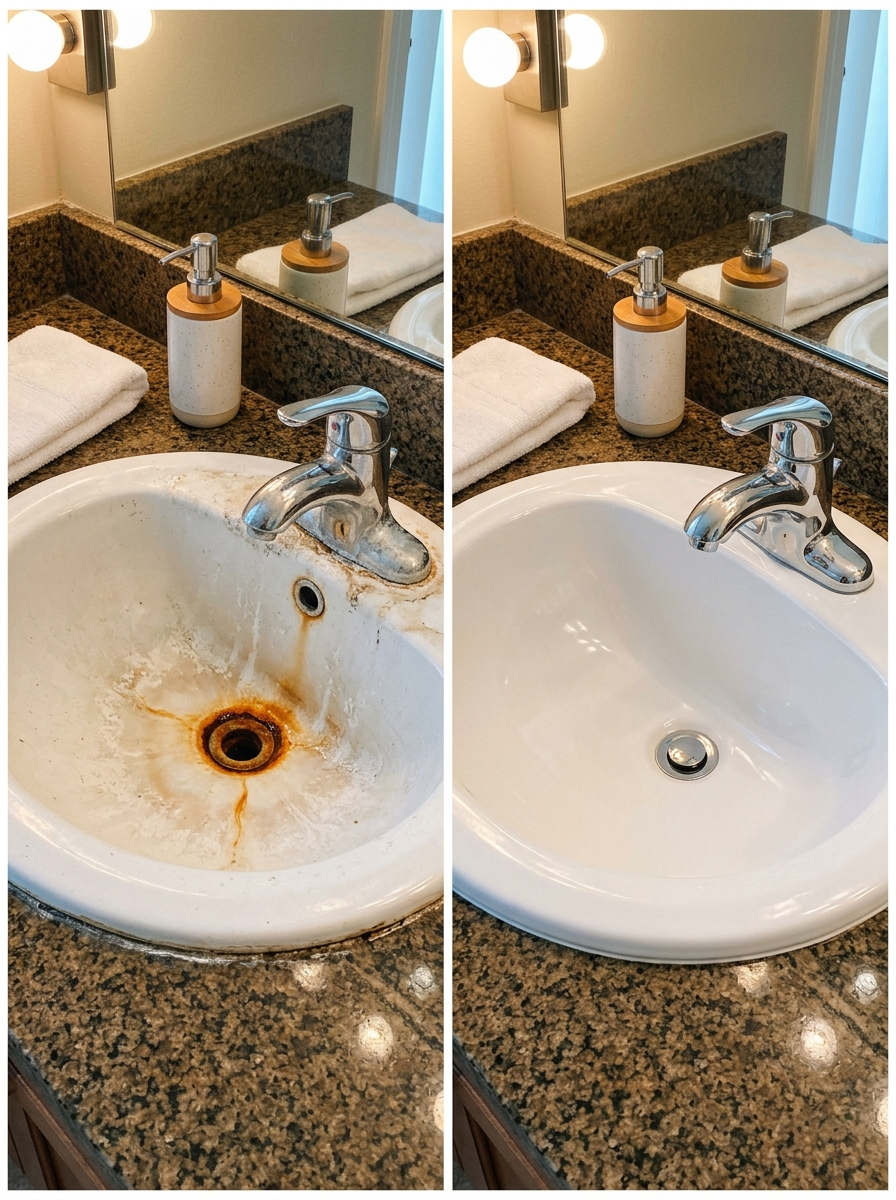
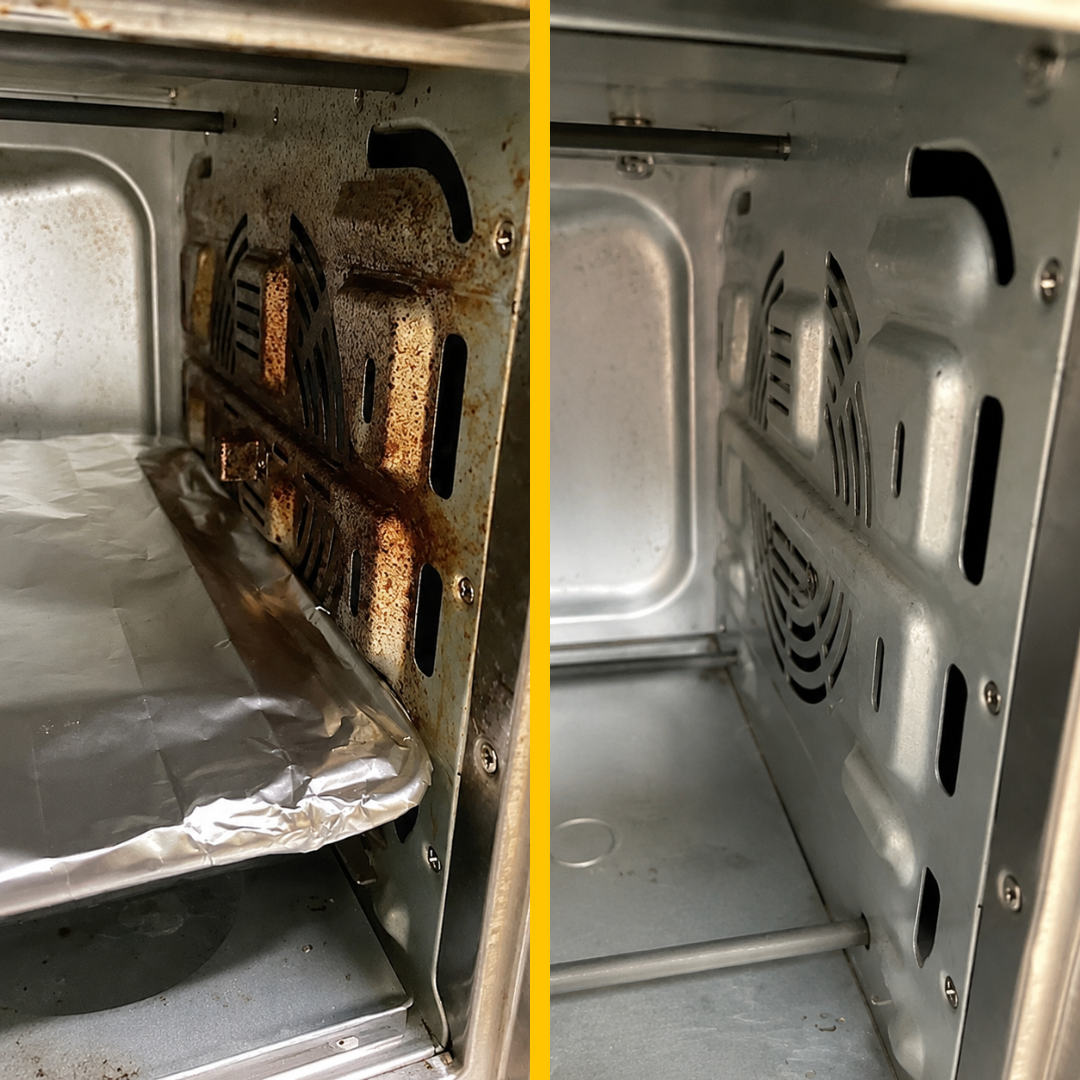
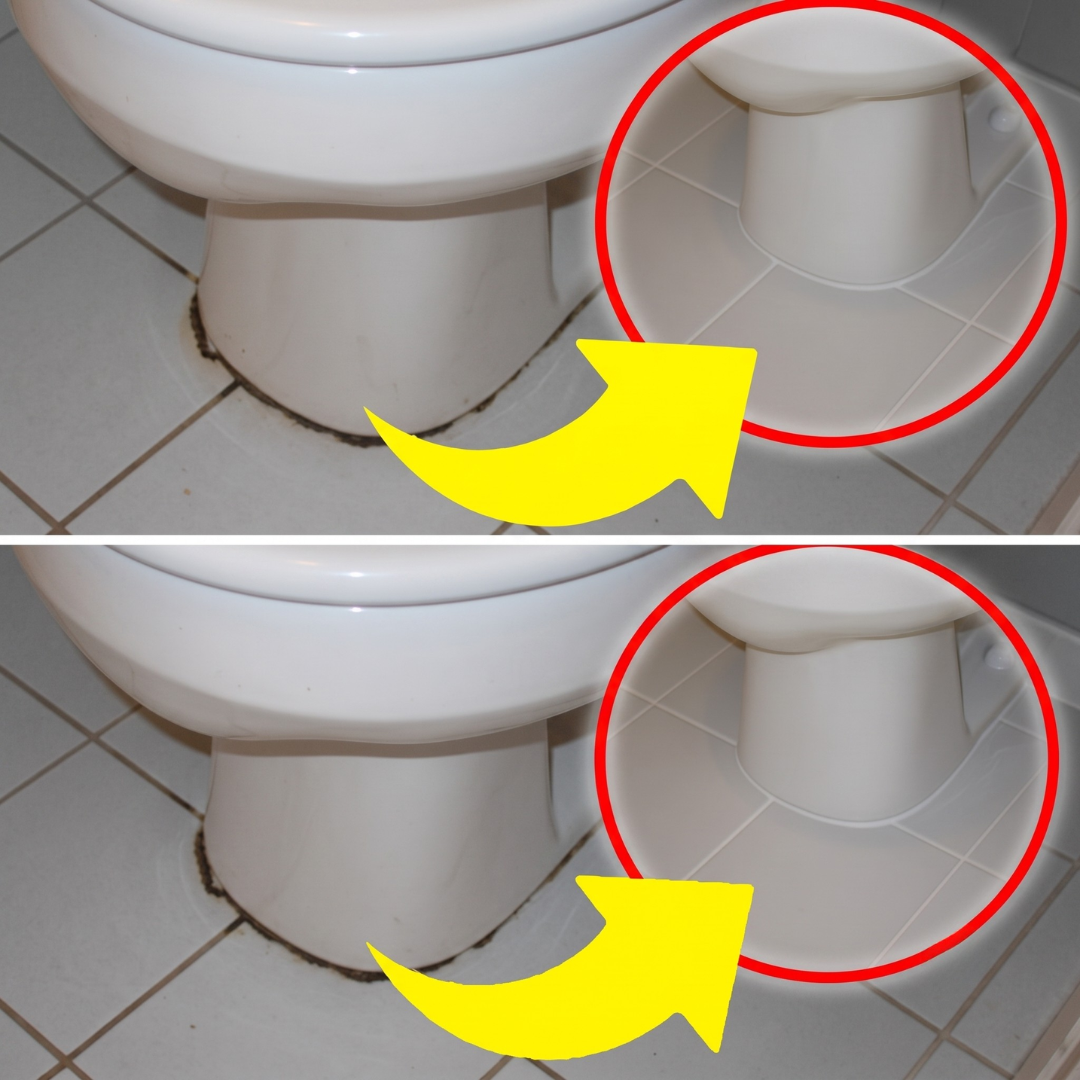
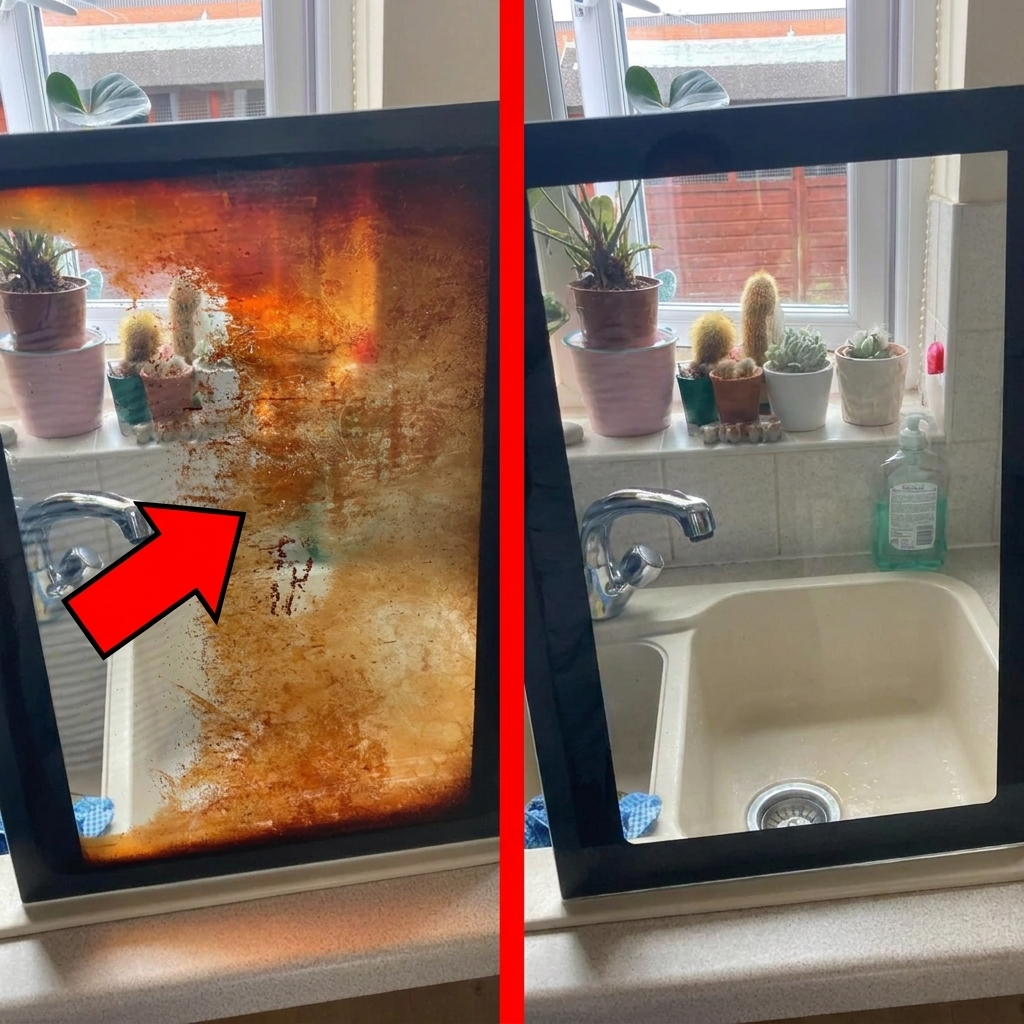
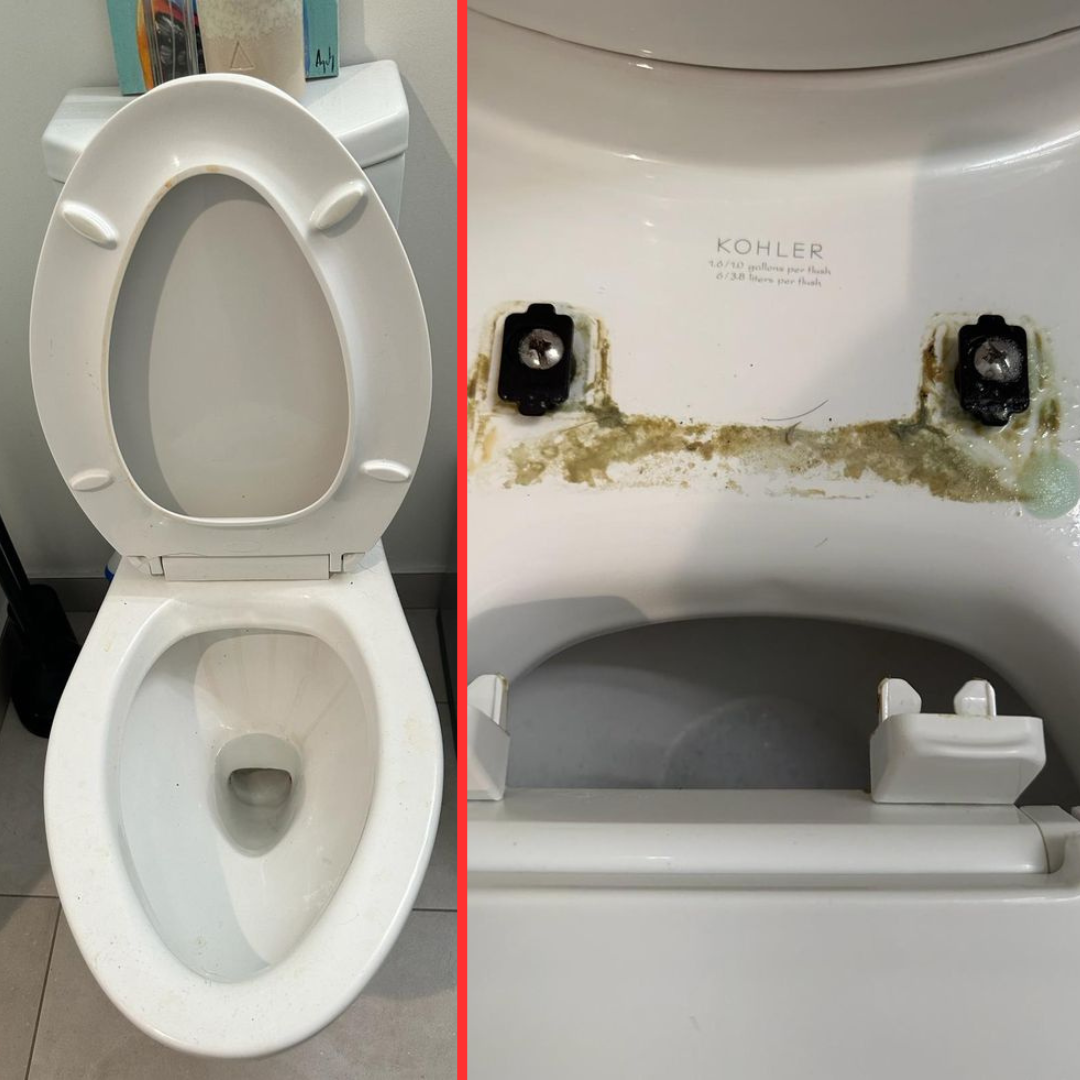
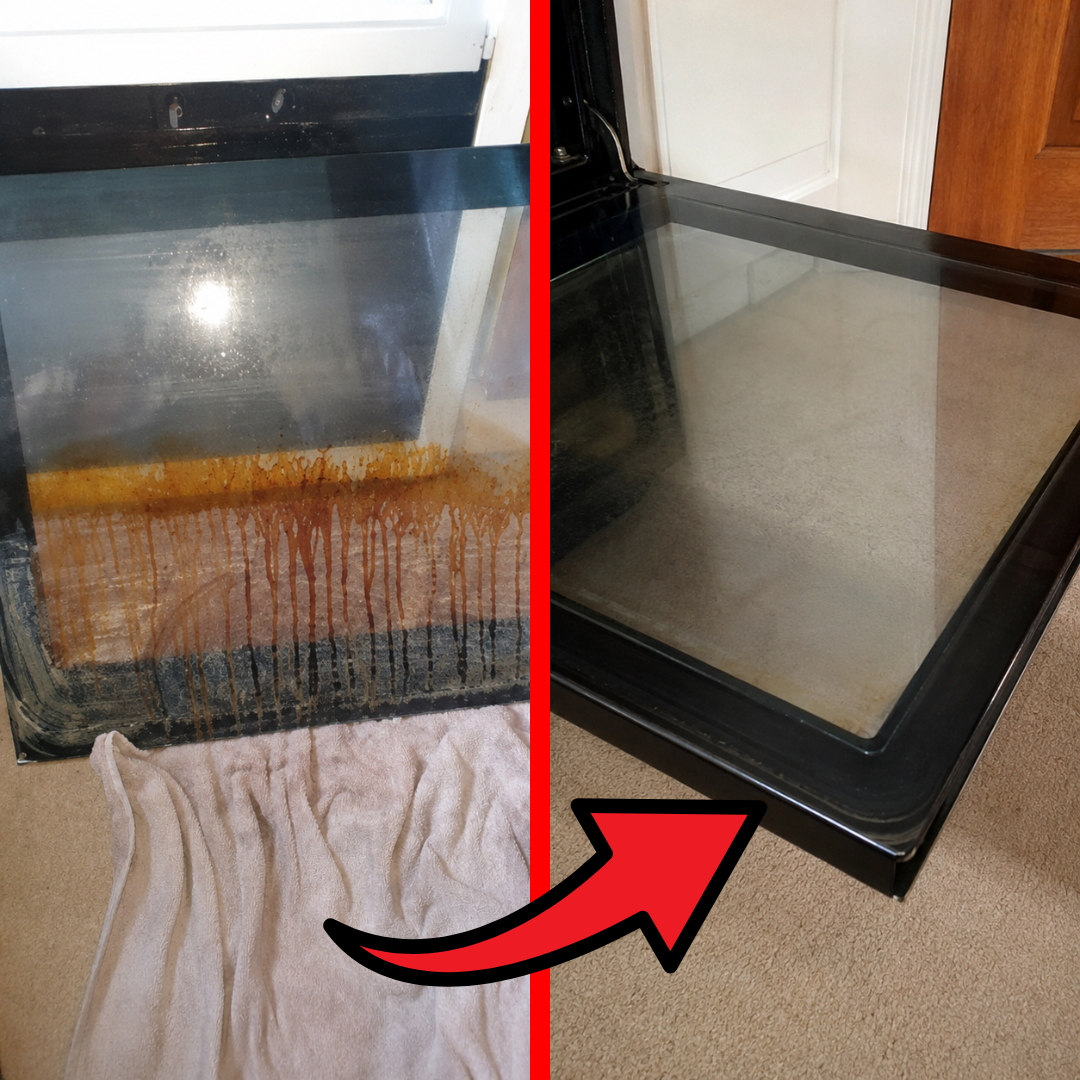
😳 In 1996, on her first day cleaning houses, my housekeeper was told she was never to let a client see the label on her bottle. Twenty-eight years later, I finally got her to. Her name is Maria. She has been coming to my house every other Thursday for six years. She is fifty-eight. She has a waiting list of eleven families who want her. In six years I never once thought about what was in her caddy. I assumed it was whatever I used, only stronger. The lavender bottle with the plant on the front. The yellow can I have bought since college because my mother bought it and nobody ever stopped to ask whether it works. I was wrong about that for six years. I have to tell you about the oven door before I tell you the rest, or none of this will land. Not the inside of the oven. Everybody talks about the inside of the oven, and there is a whole aisle of products screaming about it. I am talking about the glass. The window in the door that you look through to check on the roast, that has not actually let you see the roast in about four years. Mine had gone amber. From the outside it looked fine, more or less. From the inside, with the door open, it was a horror. A brown-orange film across the whole pane, darkest in a band low down where the drips had run and pooled and dried, and above that band a spray of freckled brown spots fanning upward like something had been flung at it, which in a sense it had, every Sunday, for years. And the worst part is that the film is on the inside face of the glass, in the sealed cavity between the two panes, where you physically cannot reach it. There is a sheet of glass, then a gap, then another sheet of glass, and the stain is on the far side of the near pane, and no cloth on earth gets in there. So I looked through an amber window at a blurry orange oven for four years and I told myself there was nothing to be done about it, because the part that was dirty was sealed inside the door. I am not a person who lets a house go. I vacuum under the beds. I wipe the baseboards. I have a label maker. That door was the thing I could not fix, and for four years it sat there quietly telling me I was not the person I thought I was. 😳 Here is everything I tried. I sprayed the outer pane with glass cleaner every week. Of course it did nothing. The stain was not on the outer pane. I was polishing a clean sheet of glass in front of a dirty one, like wiping your glasses when the smudge is on the inside of the lens. I bought the blue foam sold for exactly this, the one with the oven on the label, and sprayed it around the edges hoping it would somehow get in. It ran down the outside of the door onto my kitchen floor and I mopped it up and the amber band did not move. I looked up how to take the door apart. There are videos. Some ovens let you slide the glass out and some do not, and mine is one of the ones that does not, or at least not without removing the entire door from its hinges, laying it on a towel, and taking out fourteen screws that a forum told me were often seized, and reading the words often seized was the moment I closed the laptop. I did the baking soda paste on the parts I could reach, an hour, which is what the internet said, and came back to a crust of dried baking soda around the edge of a door that was still amber in the middle. I did the vinegar. My kitchen smelled like a chip shop for two days and the band did not move. I got a razor scraper into the bottom edge where the two panes are closest and worked it in as far as it would go, which was about a centimetre, and I scratched the glass and got a centimetre cleaner and gave up. I looked at a new door. The part alone, glass and frame, was three hundred and forty dollars, before anyone came to fit it, for a functioning oven whose only crime was that I could not see through it. Three hundred and forty dollars to see my own roast. And in the meantime, the thing nobody talks about. We host. My husband's family at the holidays. Book club on the second Tuesday. My sister and her kids every summer. My kitchen is open plan. The island looks straight at the oven. When people are over, they are in my kitchen, holding a glass of wine, standing three feet from a door that looks like the window of an abandoned building. And people help. That is the thing. A good guest opens your oven to check the potatoes because you asked them to, and the door swings down, and now the amber side is face up under the kitchen lights, in front of everyone, and there is a small pause. I started doing the cooking so nobody else would open that oven. I would physically intercept people. Oh, I'll get that, sit down. For years. Rather than let a friend see the inside of my oven door. And here is the sentence I said, over and over. "The glass on these old ovens just goes like that, it's sealed, you can't clean it, it's not dirty, I promise." I said it to my mother in law. To my sister. To a woman from book club I had known four months and wanted very badly to like me. You do not know what it does to you to apologize for your own oven, in your own kitchen, in front of people, until you have done it a dozen times. Which brings me to the Thursday in March. I was working from home and walked into the kitchen while Maria was there, and the oven door was open, laid all the way down, and she was wiping the glass with a cloth, and I opened my mouth to tell her not to bother, that one is sealed, you cannot get it. And then I actually looked. The glass was clear. Not lighter. Not better. Clear. I could see straight through it to the racks inside. The amber band low down was gone. The freckled spray above it was gone. She was wiping the last of something off in one long stroke and the pane behind her cloth was the colour of nothing at all. She had not taken the door apart. There were no screws on my floor. The hinges were intact. She had cleaned the inside face of a sealed pane without opening the sealed pane, and I did not understand how that was physically possible. I had spent four years believing that glass was permanently amber and sealed away where nobody could reach it. She did it in about five minutes with one bottle. 🤯 I went to her caddy. I picked up the bottle. It had no label. A plain bottle with a clear liquid in it and a simple spray top. Nothing on it indicating what brand it was, where it had come from, what was in it, nothing. I asked her what it was. She smiled the way you smile at a friend who has finally noticed something obvious. She said, "I cannot tell you. I am sorry." I thought she was joking. She was not. She told me that on her first day cleaning houses, in 1996, her boss sat her down and gave her two rules. Never tell a client what you are paid by another client. Never let a client see the label on your bottle. Her boss was an older woman named Rosa who had been cleaning houses since the early 1970s. Rosa learned the same two rules from her own mother, who cleaned houses in the 1950s. The bottle is what keeps them in business. Think about it from her side. If every client knew what was in the bottle, a good number would buy it themselves. She is not selling her time. Anyone can scrub. She is selling the fact that when she leaves, the house looks like that. Three generations of working women had kept that rule and she had never once broken it. I asked her what she would charge me to break it. She laughed. I was not laughing. I told her I would pay her $200 in cash, right then, to show me what was in the bottle and where she gets it. She looked at me for a long moment. It was not greed and it was not offense. I think she was doing arithmetic on a rule written in 1950 for a world that no longer exists. Then she said okay. She came back from her car with the unlabeled bottle and a small foil pouch. The pouch had a tablet in it, about the size of a coin. Bottle, tap water, one tablet dropped in. It fizzed for a minute and dissolved, and that was the whole thing. Then she showed me the thing that had been driving me mad, the sealed glass, and she told me what it actually was, and I want to do that part first because it is the part that changed everything. 🫧 First, the glass is not as sealed as you think. On almost every oven door there is a gap. Vents along the top edge, or a slot where the panes meet the frame, and that gap is deliberate, because the door needs to let heat move so the outer pane does not crack. That same gap is how the greasy vapour got in there in the first place, over years, one Sunday roast at a time. And a liquid that is thin enough and low enough in surface tension can travel back in along the exact same path the grease came in on. A cloth cannot. A spray that sheets can. Second, and this is the part that matters, the amber is not baked-on carbon and it is not rust. It is oil. Think about what happens when you roast. Fat vaporizes. It rises. Every oven vents, and the vapour carries a fine mist of oil out through those vents and along the inside of the cool glass, where it condenses, exactly the way steam condenses on a cold window. A microscopic film of fat, laid down on the glass, every time you cook. Then it does what every fat left in the open does. It oxidizes. It goes yellow, then tan, then amber, then brown. Layer on layer, one roast at a time, for years. That amber lacquer on your oven glass is the same substance as the brown film on the underside of your range hood, and the same substance as the ring around your kitchen drain. It is old oxidized fat. It is not a stain that landed on the glass. It is a stain that grew on the glass, out of the air, out of your own cooking. And here is why nothing I owned could touch it. Glass looks perfectly smooth and at the scale that matters it is not. Oxidized fat grips it, and every cleaner I sprayed beaded up and slid off, because you cannot fight an oily film with a watery spray. Water beads on oil. Watch it happen next time. The two things refuse each other. My glass cleaner was water with a little alcohol in it and it had no way to key into the grease, so it sat on top in droplets and ran off and left the amber exactly where it was. Now here is what is in the bottle. It is a fatty acid called undecylenic acid. It comes from the castor bean. Eleven carbon atoms in a chain, with one end that is drawn to water and one end that is drawn to oil. Read that sentence again, because it is the entire product. One end of the molecule keys into the oxidized fat on your glass. The other end holds on to the water. And because the whole molecule is lopsided, it lowers the surface tension of the water it is dissolved in, so the solution stops beading and lies down flat instead. It sheets. It spreads. It creeps into the gap in the door frame. It reaches the film, the oil end grabs it, the water end carries it away. Then you wipe, and the amber lifts in one continuous sheet instead of the smeared patches you are used to. That is how a woman cleaned the inside of my sealed oven glass without opening it. The solution went where the grease went, and did the one thing water alone can never do to oil. Now, the part I found hardest to believe. This is not a new molecule. Before 1946 it was ordinary. It was in household cleaners all over the country and nobody thought it was remarkable, because it was not. It was simply what cleaner was made of. Then the war ended. The petroleum industry came home with enormous synthetic detergent capacity built for the war effort and one simple piece of arithmetic in front of them. A synthetic molecule invented in a lab can be patented. You own it, you set a price, you defend it for twenty years. A fatty acid pressed out of a castor bean cannot be patented. It is a plant. You cannot own it, so you cannot make a margin on it, so you cannot justify advertising it. And a product nobody advertises loses its shelf space to one that somebody does, and within a single generation nobody remembers it existed. I want to be precise, because it would be easy to make this sound like a conspiracy and it is not one. It was not banned. It was not suppressed. Nobody hid anything from you. It was simply less profitable than the alternative, so it quietly left the shelf and the yellow can took its place. That is the whole story. It is not sinister. It is economics, and economics is why you cannot see through your own oven door. 🫶 It survived in exactly one place. The hands of the women who clean houses for a living and cannot afford a product that fails. Maria explained that professional cleaners have a network. They talk. They share what works and then they protect it. She said the wealthier the client, the more delicate the surfaces, and the smaller the margin for error. Marble. Polished brass. Travertine. Glass they cannot afford to scratch. You get one attempt, and if you ruin a surface you do not have a career. So what they use is the thing that worked for a hundred years before any of the big brands existed. I asked her why the rule from 1996 still exists in a world with the internet in it. Nobody asks, she said. Across hundreds of houses, almost no client has ever picked up her bottle and looked at it. I was one of those clients for six years. And the molecule is not patented. Nobody has ever spent a dollar putting it on television. There is no celebrity holding the bottle, no advertisement with palm leaves and soft focus. It has no marketing budget because it cannot have one, so it lives in a quiet network that has kept it alive for eighty years, and you were never going to stumble across it in a store. Now let me be honest with you about what it does not do, because Maria was honest with me and I am not going to be less honest with you than she was. It works on the film, not on carbon. The amber and orange haze is oxidized oil and it comes off. But a hard black lump of something that boiled over and carbonized onto the glass is charcoal now, not grease, and this softens it and helps but you may still need to work at that one spot. The film is the easy part. The burnt-on lump is the hard part. It is not instant. She sprays and she waits, and the waiting is the part that matters. On my glass the amber did not begin to lift until around the sixty second mark, and getting the solution into the door gap and back out again is not a ten second job. If you spray and wipe immediately you will think it does not work. The dwell time is not optional. It is the mechanism. It did not do everything in one pass. The dark low band, the oldest and thickest part, took a second application. First pass, amber to pale. Second pass, gone. Getting into a sealed door takes patience the first time. You work the solution in through the gap, let it sit, coax the film off from the inside, then wipe what runs back out. It is easier every time after, because the heavy old layer only has to come off once. Now I do it as part of wiping the front of the door and it never builds up again. That is what I got. A window I can see my roast through, for the first time in four years, with one small scratch in the bottom corner that I put there myself with a razor blade before I knew any better. The brand name on the foil pouch is X-All. It is a tablet you drop into a refillable bottle of water, formulated by a chemist named Janet Tan. Maria orders it by the case, which is why her bottle never had a label. A case of foil pouches does not come with one. She also told me, a little reluctantly, that there is now a public website where anyone can buy it. Some of the older housekeepers in her network are not happy about that. The rule from 1996 is getting harder to keep every year. That was eight months ago. The same bottle went around the whole house. The oven glass. The inside of the oven, which is the same oxidized fat spread over a bigger surface and took the same dwell time and the same second pass. The stovetop. The range hood, which I did last and which was the worst thing in my kitchen and which I am not going to describe. The kitchen sink, and the brown ring around the drain, which was the same oil the whole time and which I had also thought was rust. The bathroom. The tub. The tile. Four bottles gone, one in their place. I have not bought the yellow can since. But the thing I actually want to tell you is not about the oven. Book club came in June. I roasted a chicken. And when the timer had ten minutes left, a woman I had wanted to like me for two years said something smells amazing, can I peek, and before I could get up and intercept her she had crossed the kitchen and opened the oven door. And she looked through the glass at the chicken, the way you are supposed to, because the glass was glass. She said nothing at all about my oven, and it was the best thing anyone has ever not said to me. You have been buying the wrong product your entire adult life. You have probably also been fighting the wrong stain, in a place you thought you could not reach. The professionals have been doing neither the entire time. Now you know. 👉 X-All is 60% off for new customers and it comes with a 30 day money back guarantee. If the amber comes back, you send it back. Link is in the post. I gave Maria the $200 anyway. I told her she should be charging her clients $400.
Offered my cleaner $200 for what's in her bottle 😳
Most people would agree that today’s housing market is nuts. Which meant, if we really wanted to buy a home, we had to consider homes we would normally pass on.
SEE DETAILSLike this ad? Make it yours.
Crush rebuilds this exact creative around your product — your brand, your colors, your offer — in about a minute.