Rachel Morison
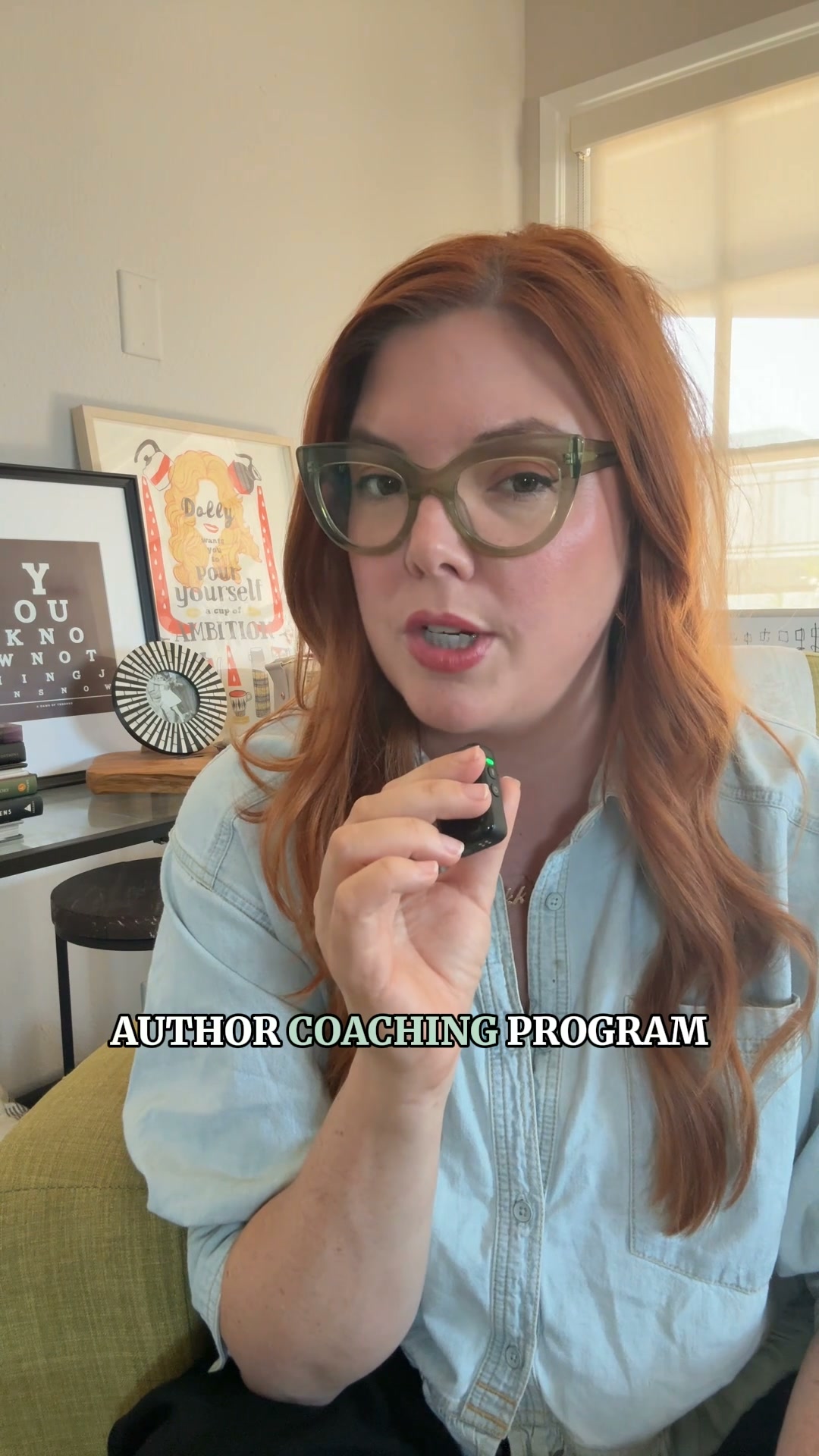
Rachel Morison Facebook ad: “Read This If You’re Tired of Healing But Still Feeling…”
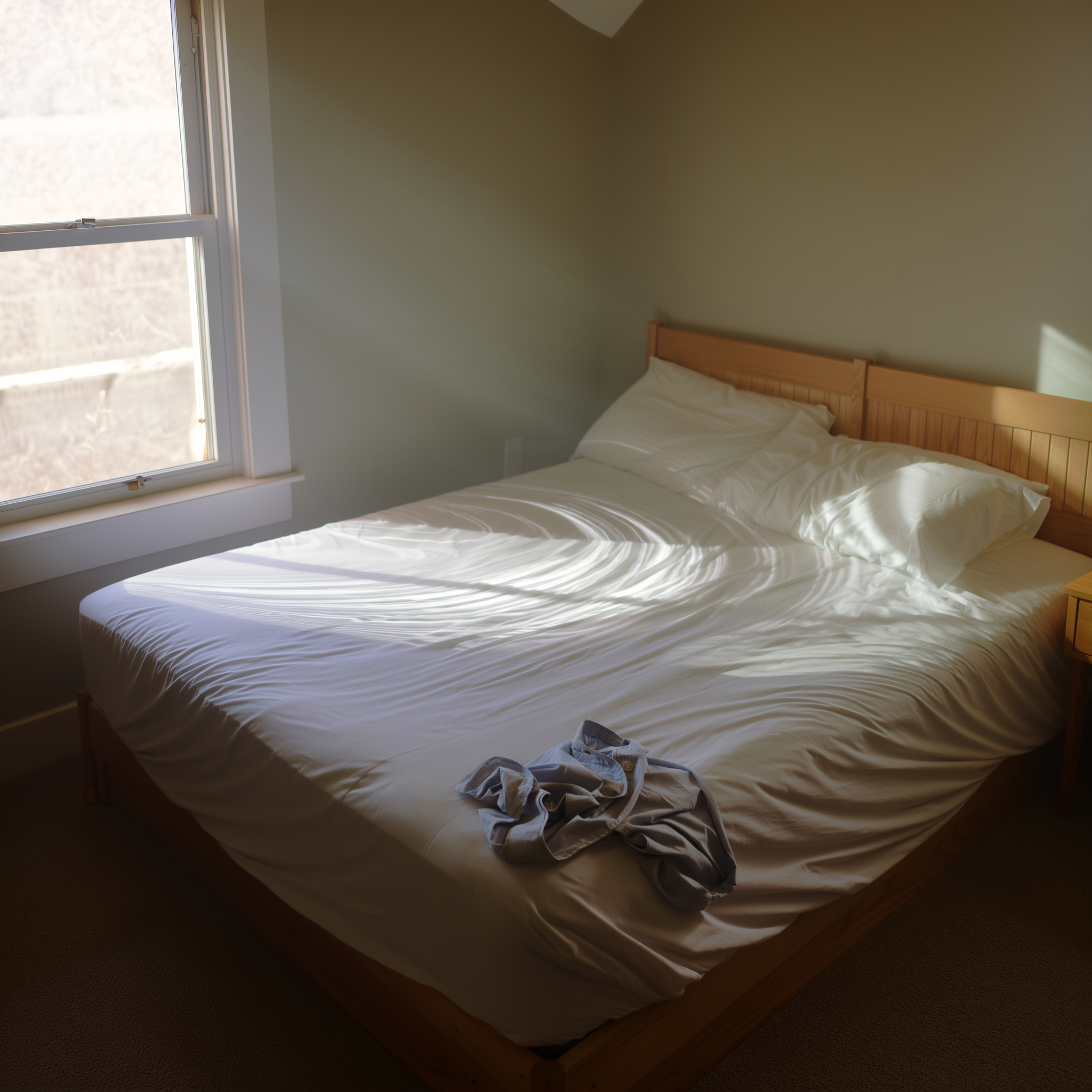
Ran for 1 day, from February 13 to February 14, 2026, the last day Crush saw it.
Run by Rachel Morison on Facebook. Crush is not the advertiser and does not verify its claims. See this ad in Meta's Ad Library(opens in a new tab)
Want an ad like this for your product?
Crush makes new ad images for your product from this ad: your logo, your product photo, your offer.
Trials from $19.95 USD, then $79.95 USD a month. Cancel anytime.
About this ad
- Meta Ad Library ID
- 909430555112307
- Platforms
- Facebook, Instagram, Audience Network, Messenger and Threads
- Relaunches
- 0
Ad text
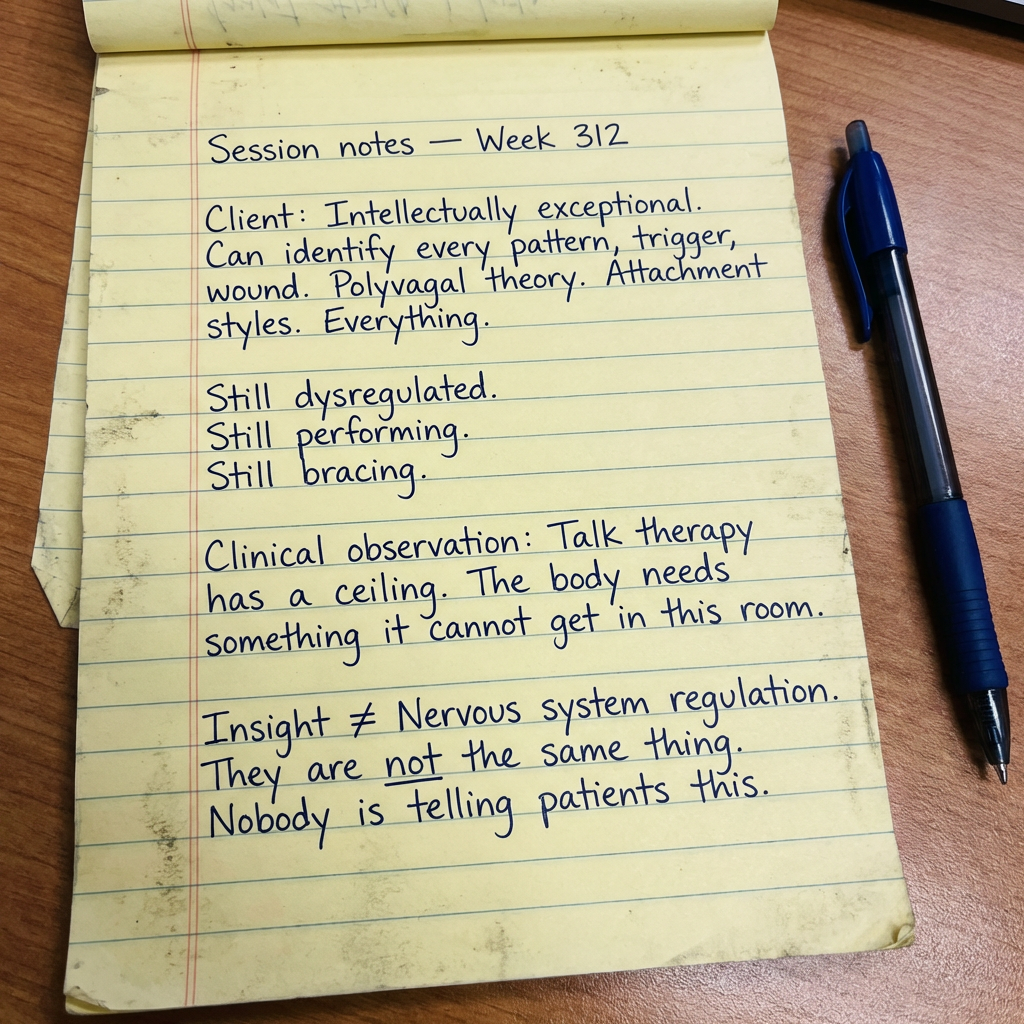
I heard my therapist say it once and I didn't understand it then. "Your body won't let you heal because it still thinks you're in danger." I wrote it down in my notes app. Closed my phone. And kept moving through my day like nothing had changed. But three weeks later, I was sitting at my desk at 11 p.m., heart pounding for no reason, watching my hands shake over my keyboard. I wasn't doing anything stressful. I was just... existing. And my body was convinced I was about to die. Here's what nobody tells you about survival mode: It doesn't care that your life is objectively better now. It doesn't care that you left the relationship, got the promotion, moved to the safer city, started therapy, read the books, did the breathwork. Your nervous system doesn't speak English. It doesn't listen to logic. It only understands one language: proof. And until your body gets daily, repeated, undeniable proof that the danger is over… It will keep you locked in fight-or-flight. I'd been in therapy for two years when she said that. Two. Years. I knew why I was anxious. I could name my triggers. I understood my childhood. I'd done EMDR. I'd tried CBT. I journaled sporadically when I remembered. But my body? My body still thought it was 2019. The year my nervous system decided the world wasn't safe and flipped a switch I couldn't find again. I was the "high-functioning" one. You know the type. Job? Check. Healthy habits? Mostly. Therapy every other week? Yes. From the outside, I was doing fine. But inside, I was running on fumes and adrenaline, white-knuckling my way through every single day. I couldn't relax without feeling guilty. I couldn't say no without feeling selfish. I couldn't slow down without feeling like I'd fall apart. And the worst part? I thought it was just who I was now. Then one night, I was lying in bed — wide awake at 2 a.m. again — Googling things like: "Why does my body feel unsafe when nothing bad is happening" "Can your nervous system get stuck" "How to convince your brain you're safe" And that's when I found it. Not in a Reddit thread or a wellness influencer's carousel. A friend sent it to me. She didn't make a big deal out of it. Just: "This helped me. Thought of you." A journal. Not another gratitude journal or a "manifest your best life" planner. A journal designed for people whose bodies won't let them heal yet. Here's what made it different: Most journals assume you're ready to go deep on Day 1. They ask you to "reflect on your biggest fear" or "write about your childhood trauma" right out of the gate. And if you're like me — if your nervous system is already maxed out — those prompts feel like being thrown into the deep end when you're still learning to float. This one didn't do that. Day 1 was gentle. Almost too gentle. "What's one small thing that made you feel calm today?" That's it. No performance. No forcing insight. No digging into wounds I wasn't ready to touch. But here's the thing: By Day 47, the prompts had shifted. They weren't asking me to think about my feelings anymore. They were asking me to feel them. "Where in your body do you hold tension right now? Stay with it for 30 seconds. What does it need?" It sounds simple. But for someone who spent years living entirely in her head, avoiding her body because her body felt like a war zone… That question changed everything. Because here's what I didn't understand before: Talking about trauma keeps it in your head. Feeling it in your body is how you release it. My therapist had been telling me this for months. But I didn't know how to do it. This journal taught me. Not by lecturing me. Not by making me "work harder." By walking me there, one day at a time, at the exact pace my nervous system could handle. Day 1: Gentle. Day 100: A little deeper. Day 365: The kind of question that would've shut me down on Day 1 — but by then, I was ready. The first thing I noticed? My body stopped screaming at me all the time. The 11 p.m. panic attacks? They didn't disappear overnight. But they got quieter. Less frequent. I started waking up and realizing I hadn't clenched my jaw in my sleep. I'd go a whole afternoon without checking my phone compulsively. I'd sit at dinner with friends and actually be there — not planning my escape route or scanning for danger that didn't exist. And then one morning, I woke up and realized: This was the first day in years I didn't brace for something bad to happen. Not because I'd "fixed" myself. Not because I'd manifested peace or done enough shadow work or finally "let go." Because my nervous system finally believed me when I said: "You're safe now." Here's what I wish someone had told me sooner: You're not broken. You're not lazy. You're not "too sensitive" or "overthinking it." Your body learned to protect you. And now it needs daily, repeated proof that it's safe to stop. That's not something you can think your way out of. That's something you have to show your body. Over and over. Until it stops asking, "Am I safe?" And starts believing the answer is yes. I'm sharing this because I know there's someone reading this who feels exactly how I felt. You've tried everything. You know what's wrong. But your body won't let you rest. If that's you? This might be the tool that finally bridges the gap between understanding your trauma and actually healing from it. Not overnight. Not perfectly. But one day at a time, at the pace your nervous system can actually handle. You don't have to do this alone. And you don't have to keep white-knuckling your way through life, waiting to feel safe. You're allowed to start healing now.
Where the ad sends people
heldhonest.com
Read This If You’re Tired of “Healing” But Still Feeling Unsafe
Held & Honest
Learn more: heldhonest.com(opens in a new tab)