
Stopped· since Mar 17, 2026
- 120
- days it ran
- 4
- relaunches
Ad copy
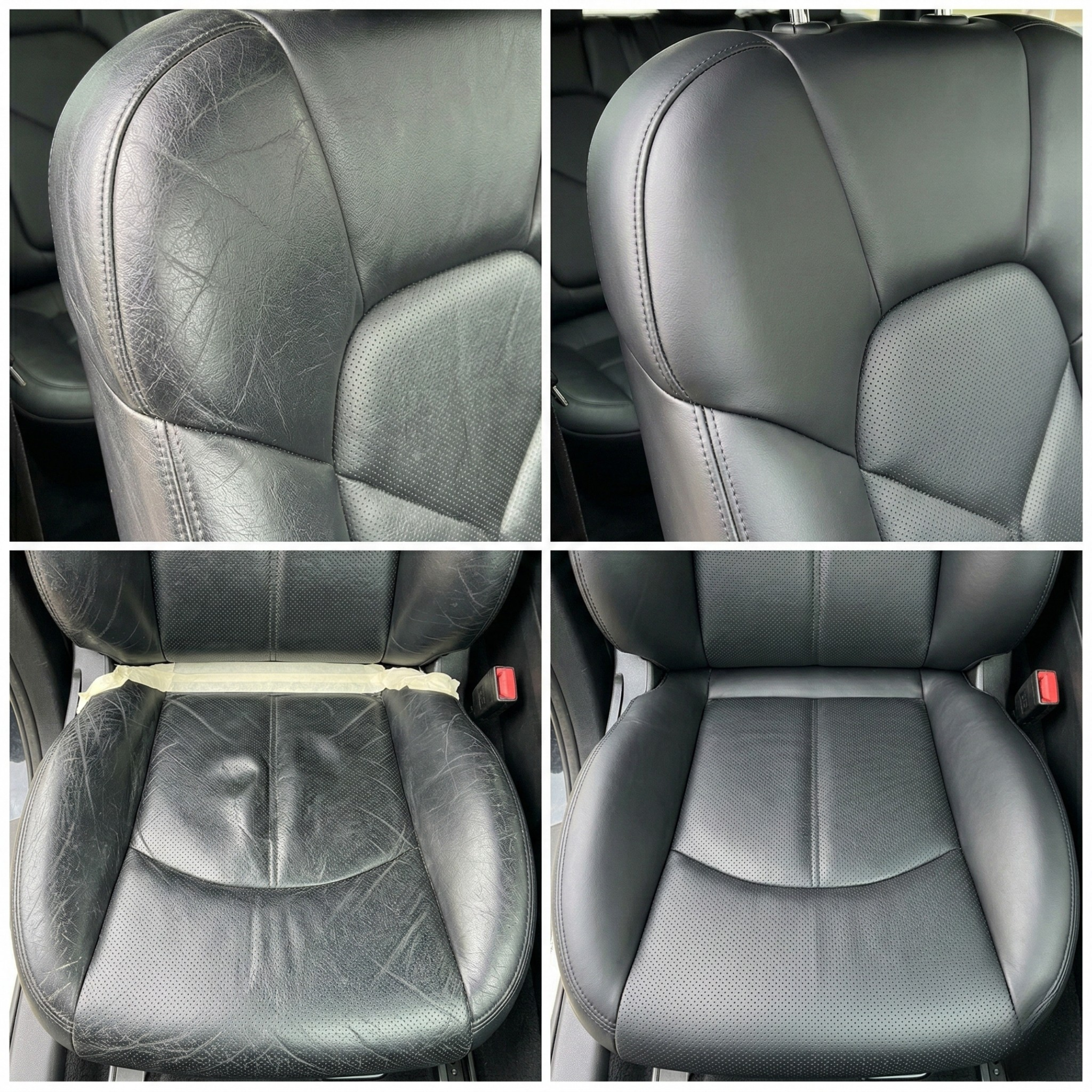
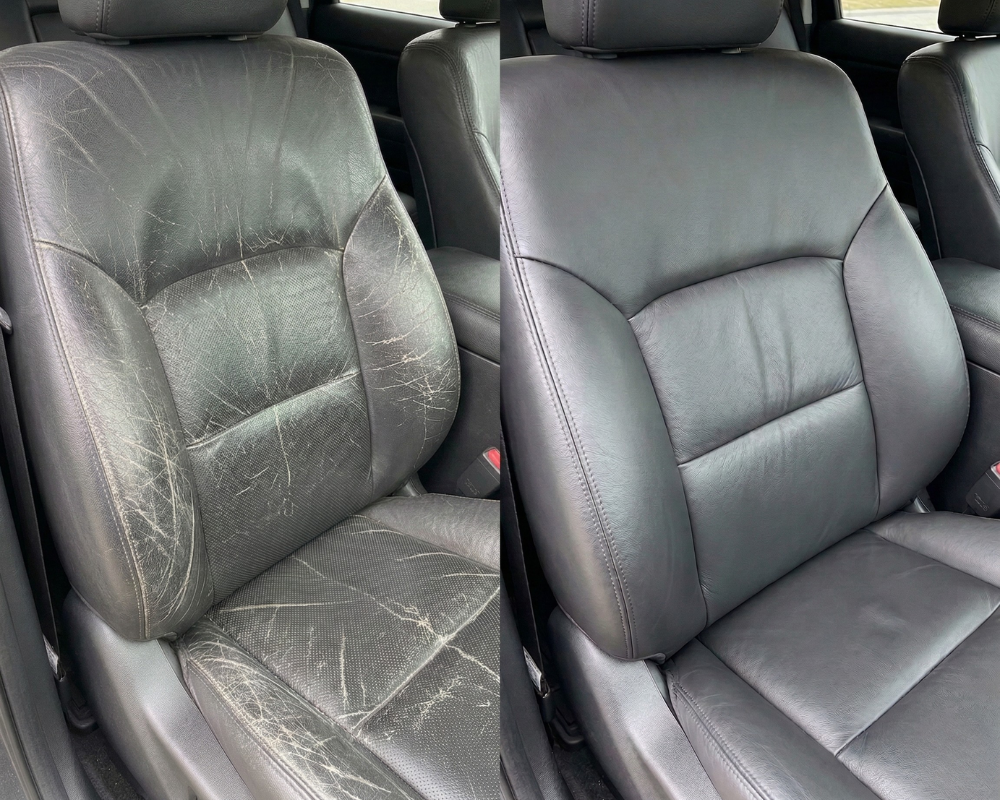
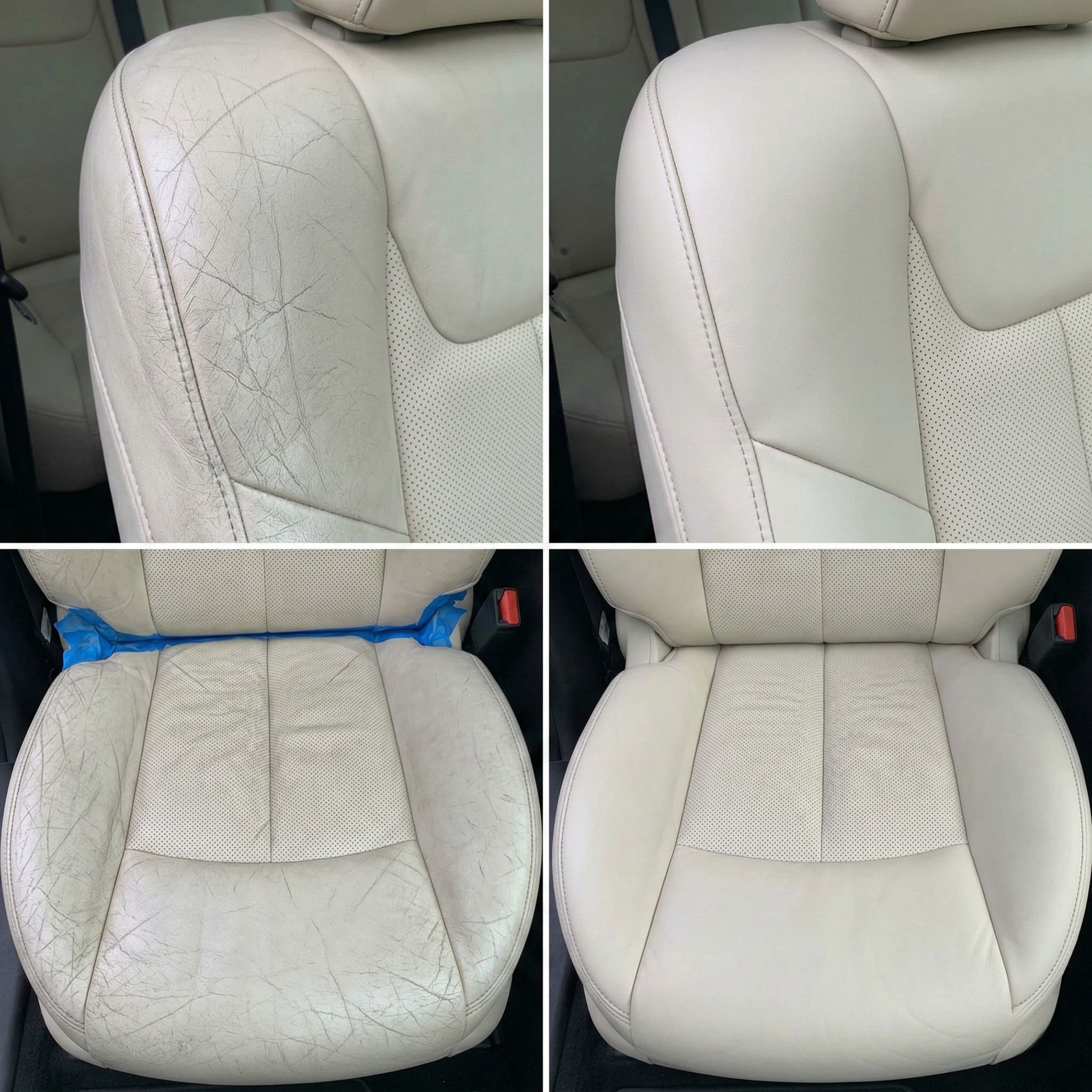
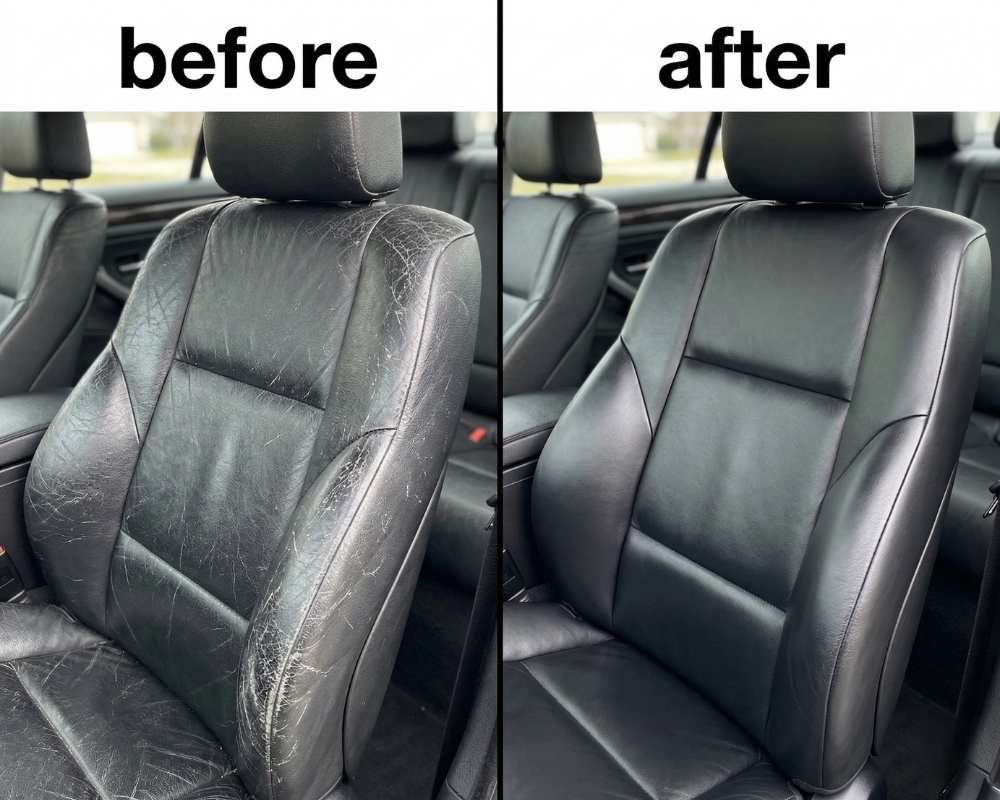
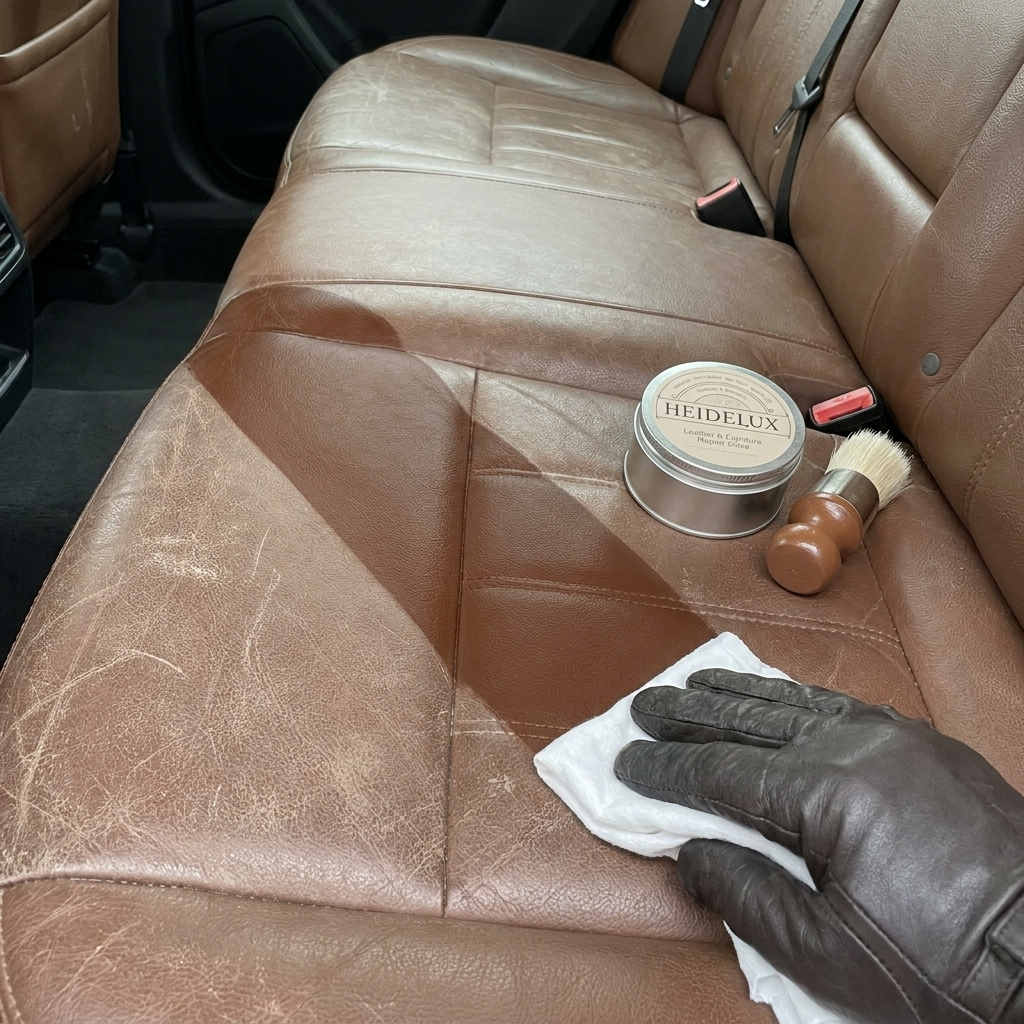
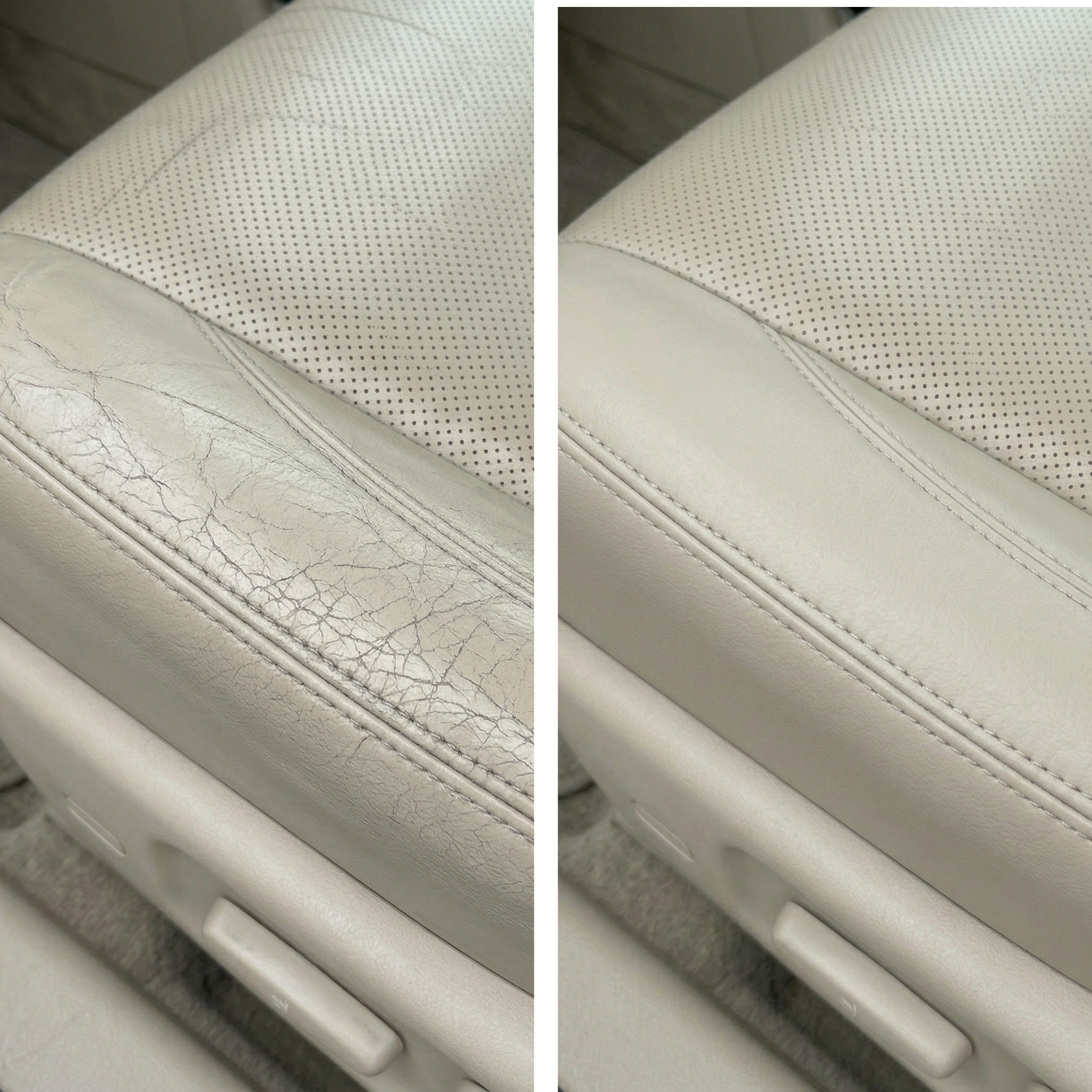
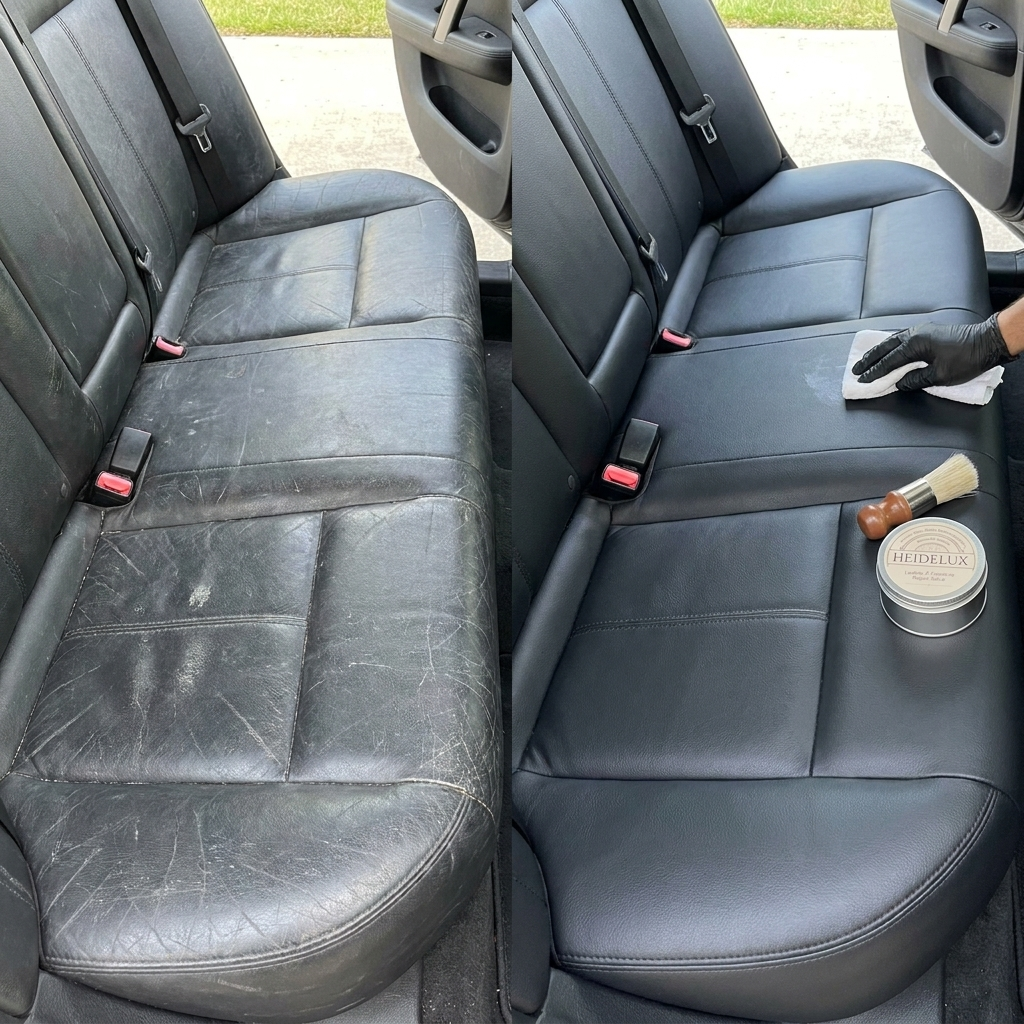
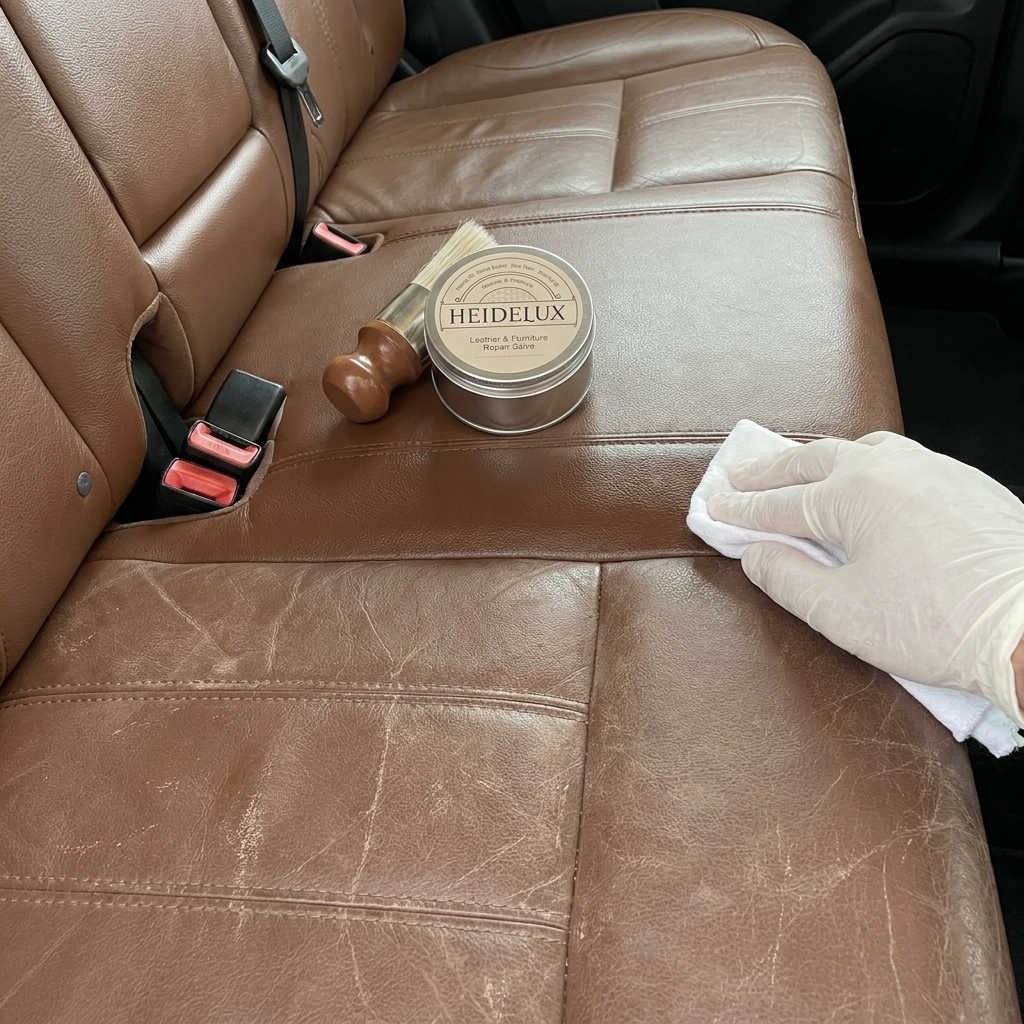
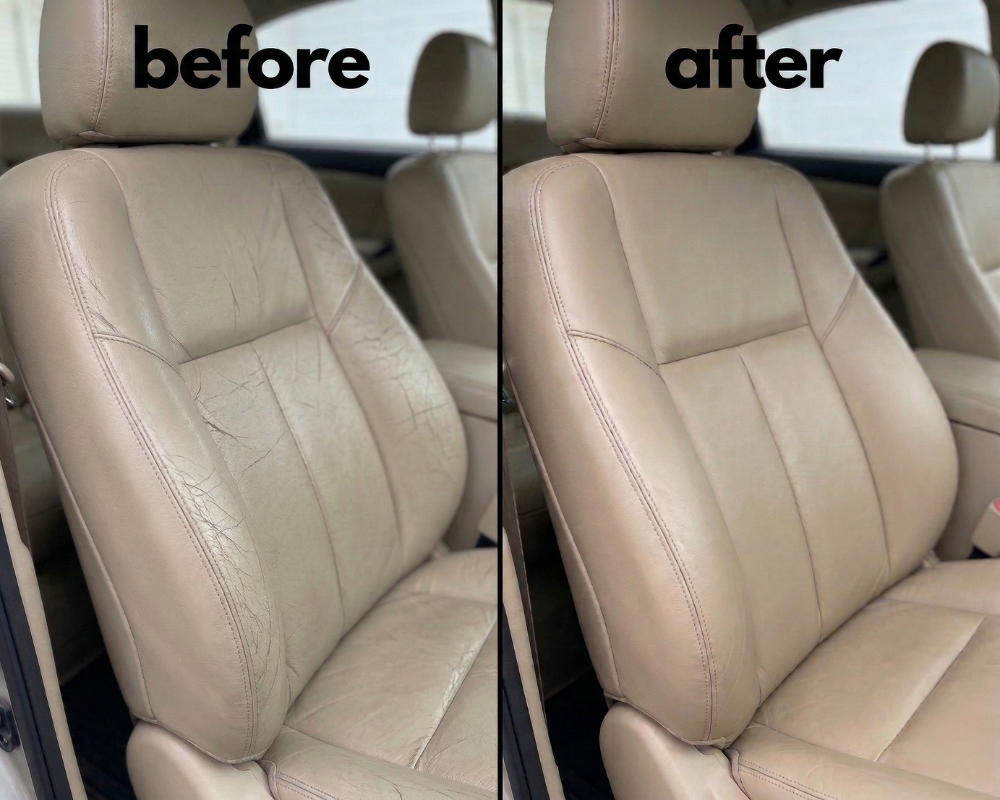
I got a $1050 lease return bill for “damaged leather”. I fixed it myself for $54. Three months before my lease ended, I brought the car in for the routine pre-return inspection. The lease inspector spent maybe 10min looking at it before hitting me with her quote: $1050 in excess wear-and-tear charges. The reason? A few scratches on the leather car seats that accumulated over 3 years of use. A zipper from my laptop bag catching the seat as I got in. My kids' backpacks sliding across the back seat on the school run. The occasional scratch from the keys. Regular wear and tear. Not something you would expect a $1050 bill for. I sat in the car with the engine off. Just staring at the scratches. I was too scared to even call my wife. We’d been saving for months to go on a proper holiday. For the first time since the kids moved out. Now this money would go straight to the dealership. I figured a decent leather conditioner would sort it out. Every evening I'd work it into the seats with a microfiber cloth. $25 a bottle from Amazon. The scratches looked the same. Then worse. I went down the DIY rabbit hole. Forum posts, YouTube tutorials, all pointing to the same approach. Sand the surface, fill the damage, paint over it. Kits ran $55-85 each. I tried three. The first one left a brownish tint across the whole seat. The second peeled off after a few days. The third somehow made the scratches more visible, like pale marks etched into the leather. I'd spent close to $280 and made things worse. That's when I started calling repair shops. "Leather reconditioning" - $1050 "Interior restoration" - $950 "Full leather treatment" - $1150 Basically the same or even more than the dealership charge. The last place I visited was a shop called Premier Auto Interiors. Five stars on Google. Specialized in lease returns. The technician, a guy named Dale, examined my seat like a surgeon reviewing a chart. "Yeah, this is going to be a big job. Sand the whole thing down, prime it, base coat, three layers of dye, sealant coat. Two days minimum." I watched him make notes on his clipboard. Behind him, one of his guys was working on a white BMW. I watched him reach into a small metal can, scoop out some cream with a cloth, and wipe it across the driver's seat. The scratch on that BMW seat disappeared. "What's that?" I asked, nodding toward the BMW. Dale stepped between me and his assistant. "Oh that's just the finishing step. After all the prep work has been done." But I'd been watching. There was no prep work on that BMW. There was no sanding. No primer. Just the cream from the can. That night, I couldn't sleep. Something felt off about the whole thing. At 1 AM I was back on Google, but searching differently this time: "automotive leather supply wholesale." Page after page of industrial suppliers. Companies that sold to shops, not to people like me. On page four I found a supplier catalog PDF from 2023. Downloaded it. I scrolled through page after page of products I'd never heard of. Industrial compounds. Professional equipment. Then on page 47, I stopped. "Heidelux Leather Repair Cream - Professional Use Only" My hands were shaking. I kept reading. And that's when something clicked that I'd never understood before. Car leather is actually far more durable than most people think. It's protected by a transparent coating that sits on top of the leather itself. When something scratches across it, in 90% of cases the leather underneath is completely untouched. What gets damaged is that transparent coating. And once it's gone, the exposed leather beneath dries out and changes colour. That's the scratch you're looking at. Not damaged leather. Dried, exposed leather that's lost its protective layer. That's why the conditioner never worked. Most consumer products are silicone-based. They coat the surface, add a shine, and never actually reach the dried leather underneath. They're not made to fix anything. They're made to make leather look shiny. That's all they do. And the repair kits? Filling and painting over leather that didn't need filling or painting in the first place. At 3 AM, I found a supplier that sold to individuals. Price with shipping: $54. I used my credit card. The one I save for emergencies. The can arrived Tuesday. Plain silver metal with black lettering. Heidelux. "Apply with brush or microfiber cloth. Buff for 30 seconds." My hands were steady this time. I wasn't nervous. I was angry. The first scratch I tried was the worst one. A long mark across the centre of the seat from my laptop bag zipper. I scooped out a small amount onto a microfiber cloth and rubbed it in. Thirty seconds of buffing. It didn't fade. It vanished. The leather looked wet and new, like it had just left the factory. What was happening finally made sense. The cream was rehydrating the dried leather, pulling it back to its original colour. And as it absorbed in, it was sealing over the area where the transparent coating had been removed. I did every scratch on the seats in twenty minutes. Then I drove straight back to Premier Auto Interiors. "Actually, I've decided to handle the reconditioning myself before the return," I told Dale. He came out to look at the seat. His mouth dropped open. "Who did this?" I didn't answer. But I could see, on the shelf behind him, the same silver can I now had at home. Here's what made me sick. Every repair shop I called — and most likely the dealership itself — uses Heidelux. I've seen it now, on their shelves, in their supply cabinets when they think nobody's looking. They buy it for $54 and charge you a week's salary to apply it. My neighbor is two months out from his lease return on a Range Rover. They quoted him $1540. I dropped the can at his house that evening. He fixed his seats in his driveway in thirty minutes. "This is what they charge $1540 for?" he said, running his hand over where the scratches had been. "Yeah." The thing is, there's no special technique involved. No certification. No equipment. The leather does the work itself once you give it what it actually needs. The elaborate process Dale described — sanding, priming, base coats, dye layers — that exists to justify the invoice. The actual fix is a cream, a cloth, and thirty seconds per scratch. I returned the car two weeks later. The lease inspector went through her checklist. Ran her hand across the driver's seat. No excess wear-and-tear charges. I called my wife on the way home. We booked the holiday that evening. If you're reading this with a lease return coming up, staring at scratched leather and dreading that conversation at the dealership, stop. Don't pay a penalty you don't have to pay. Don't hand $980 to a repair shop for fifteen minutes of work. The damage that's been bothering you every time you get in your car is fixable. In minutes. By yourself. For $54. Heidelux. One can handles a full interior. Costs less than a tank of gas. Takes less time than the inspection itself. The penalty estimate was $1050. The fix was $54. And the holiday we almost gave up? We're leaving next month.
Like this ad? Make it yours.
Crush rebuilds this exact creative around your product — your brand, your colors, your offer — in about a minute.