
Stopped· since Mar 10, 2026
- 126
- days it ran
- 4
- relaunches
Ad copy
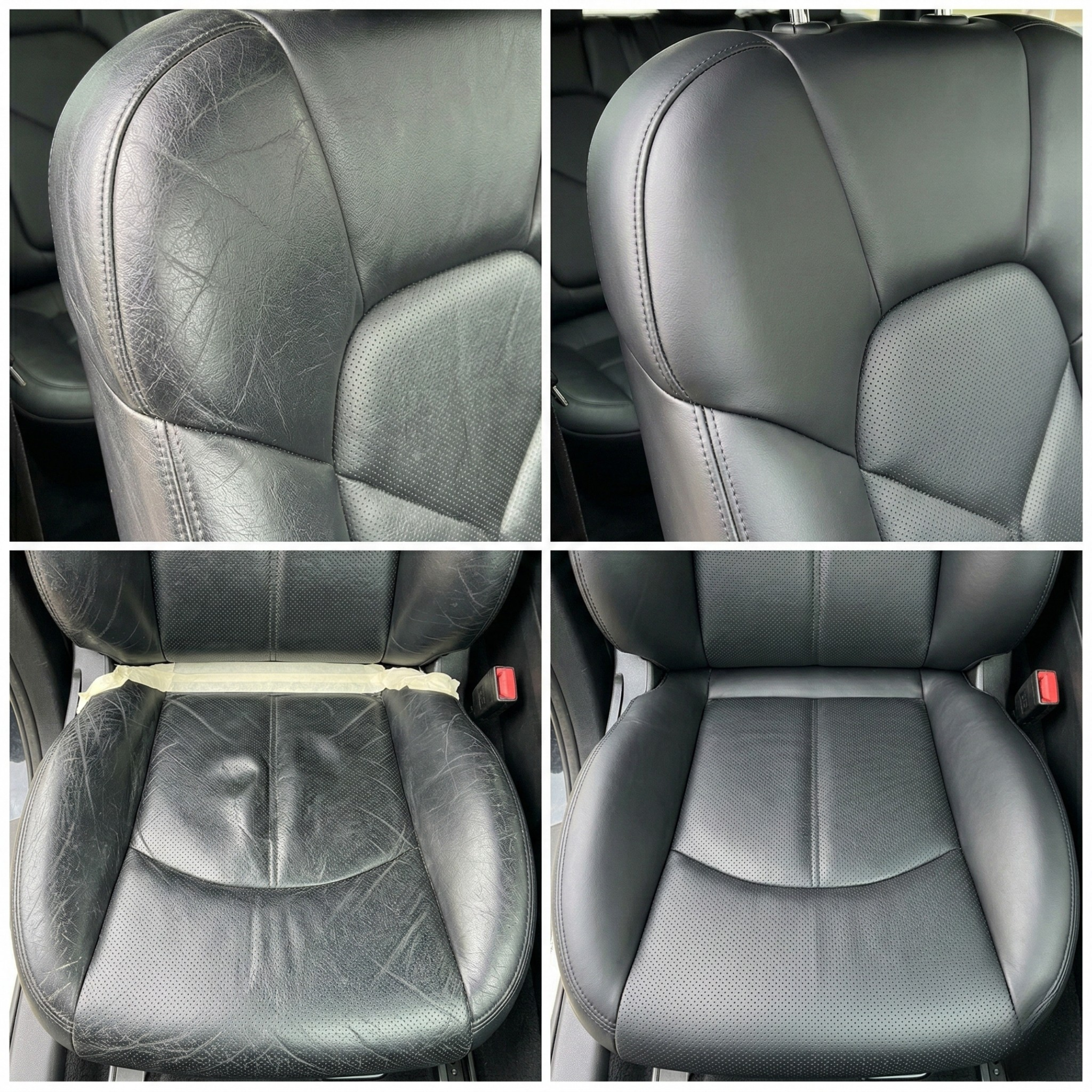
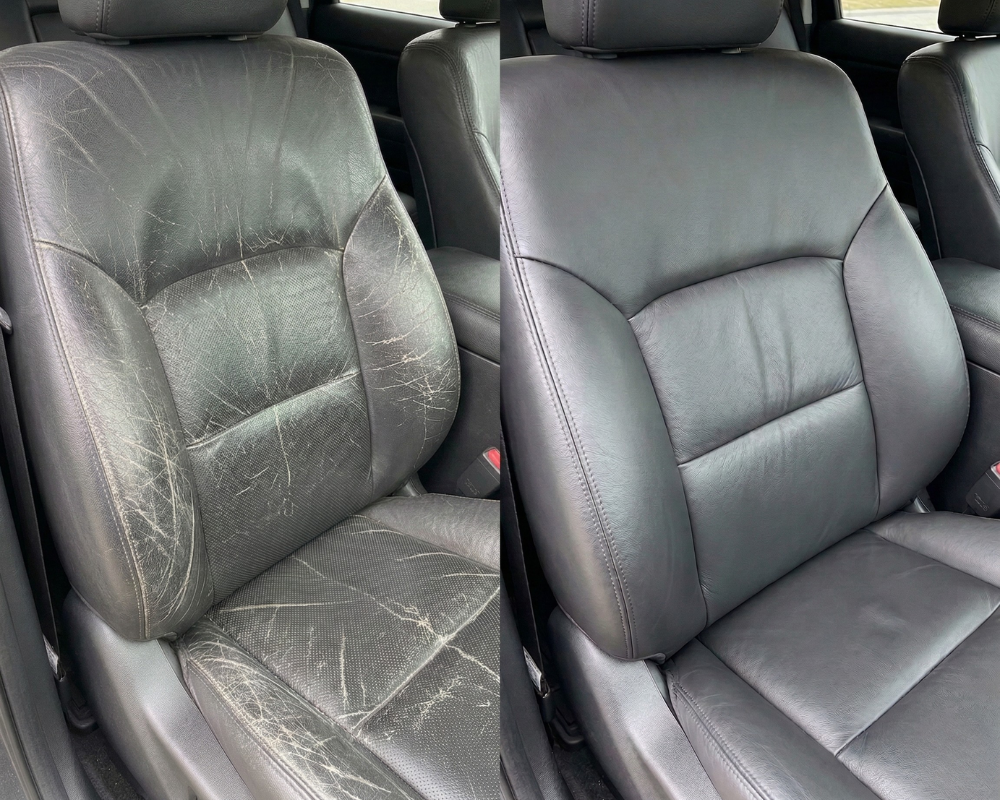
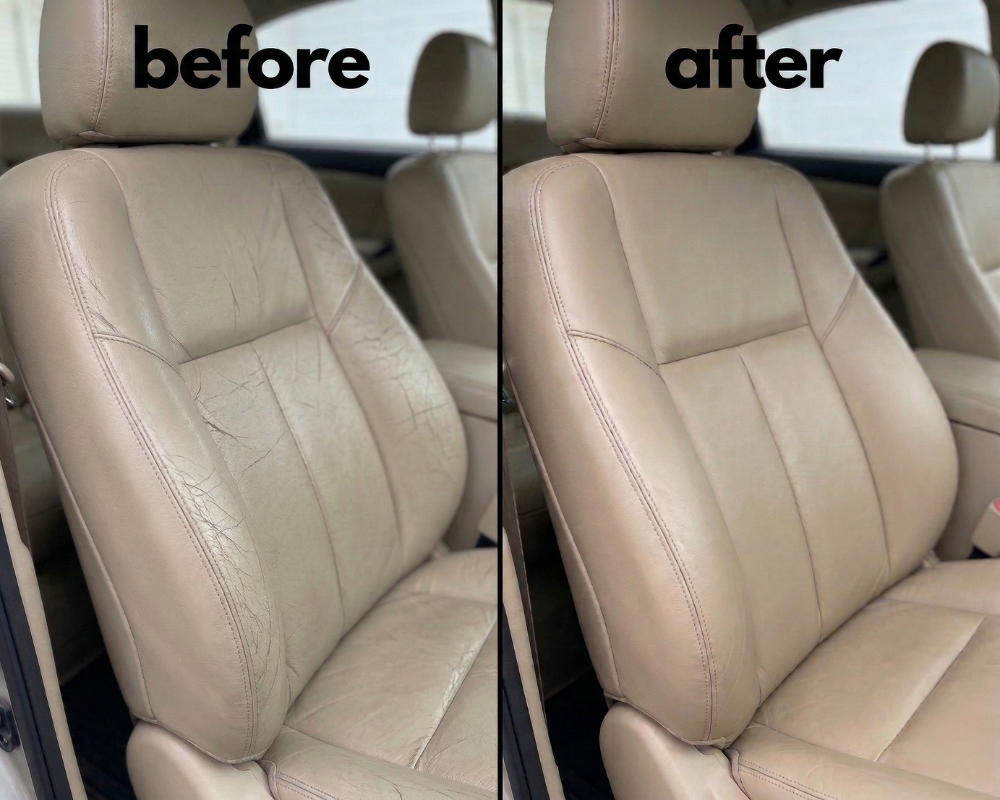
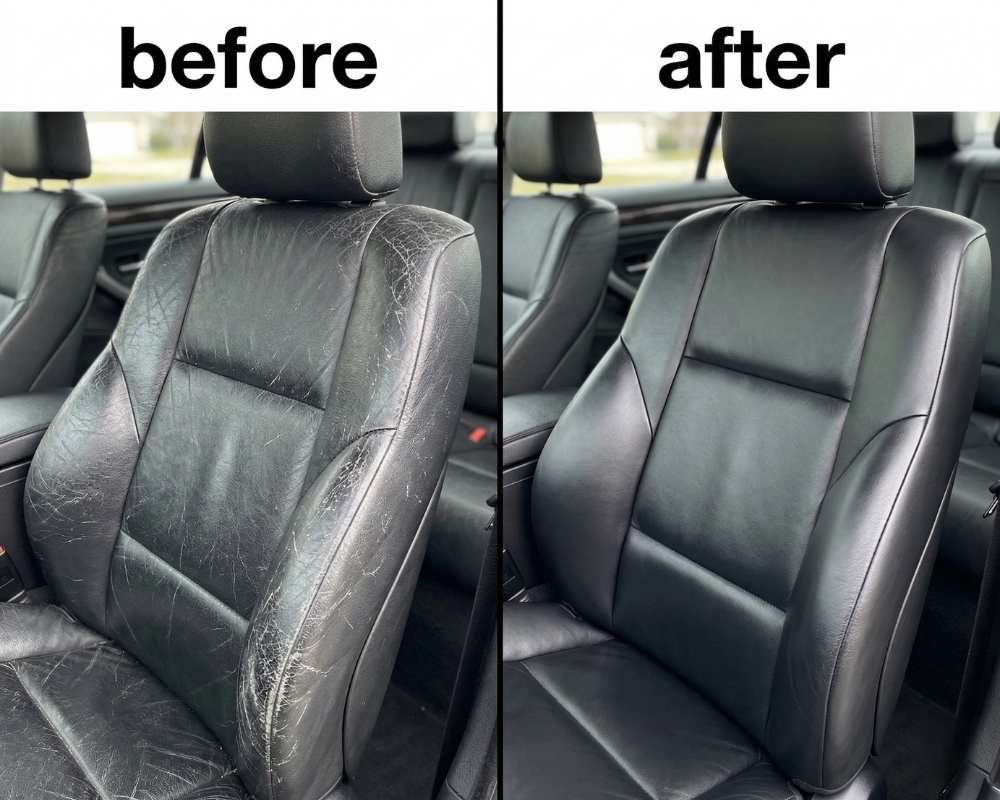
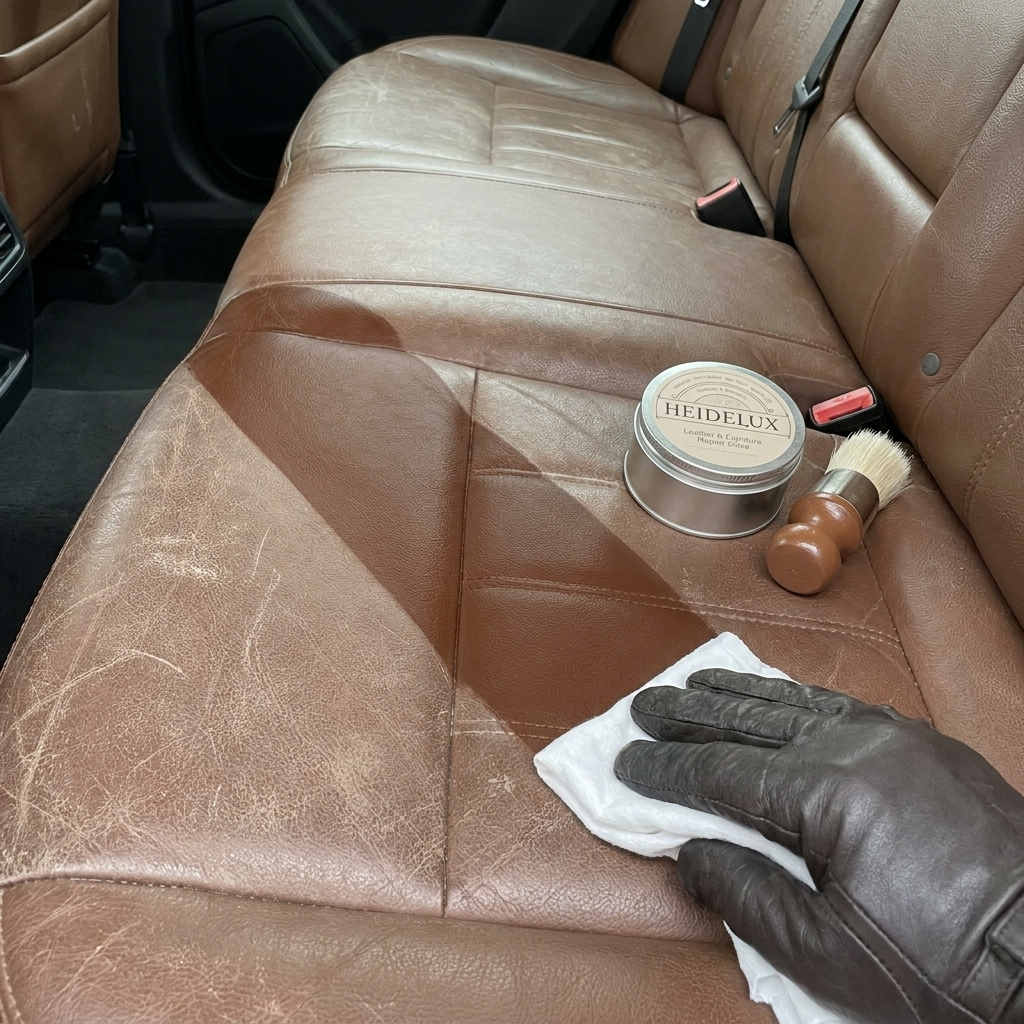
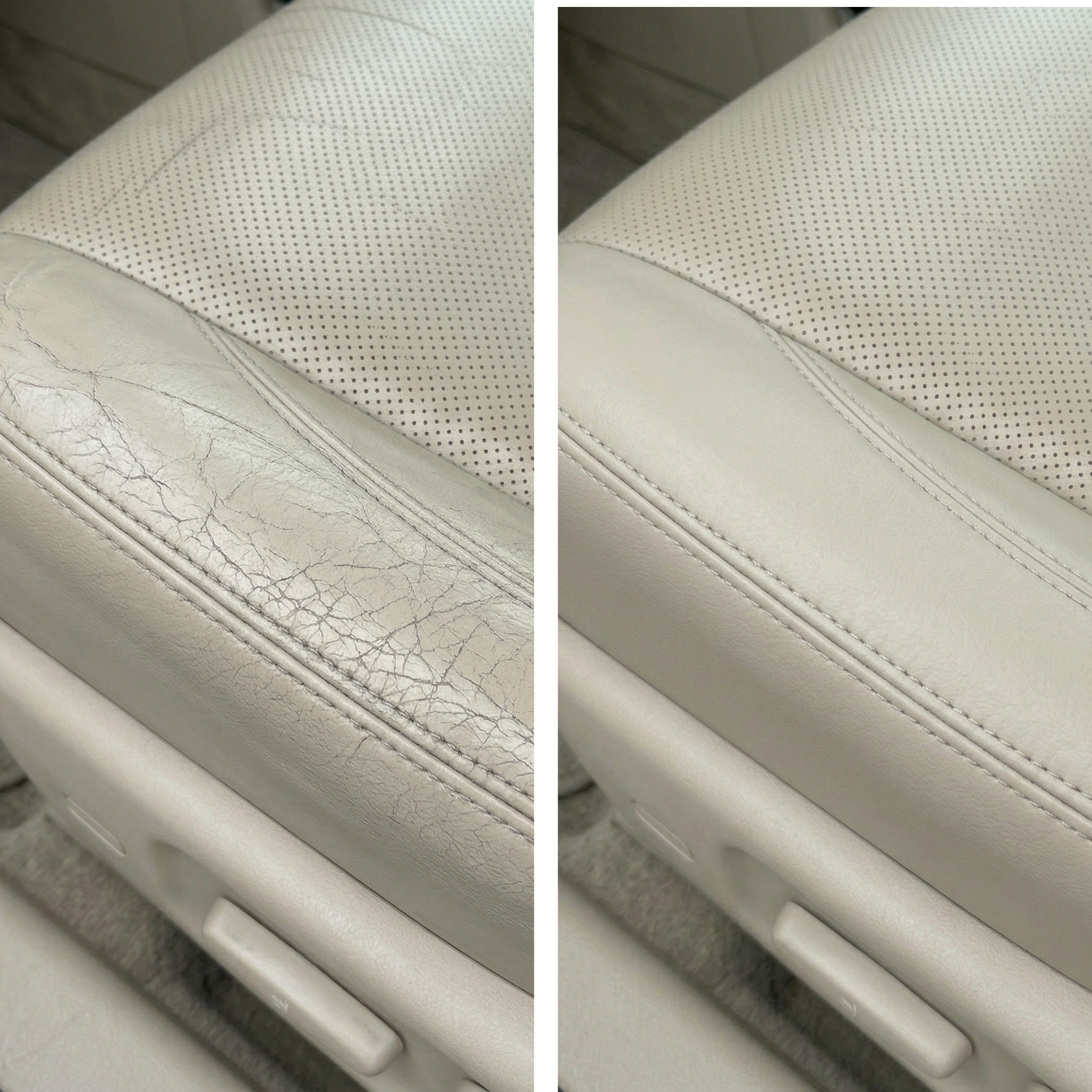
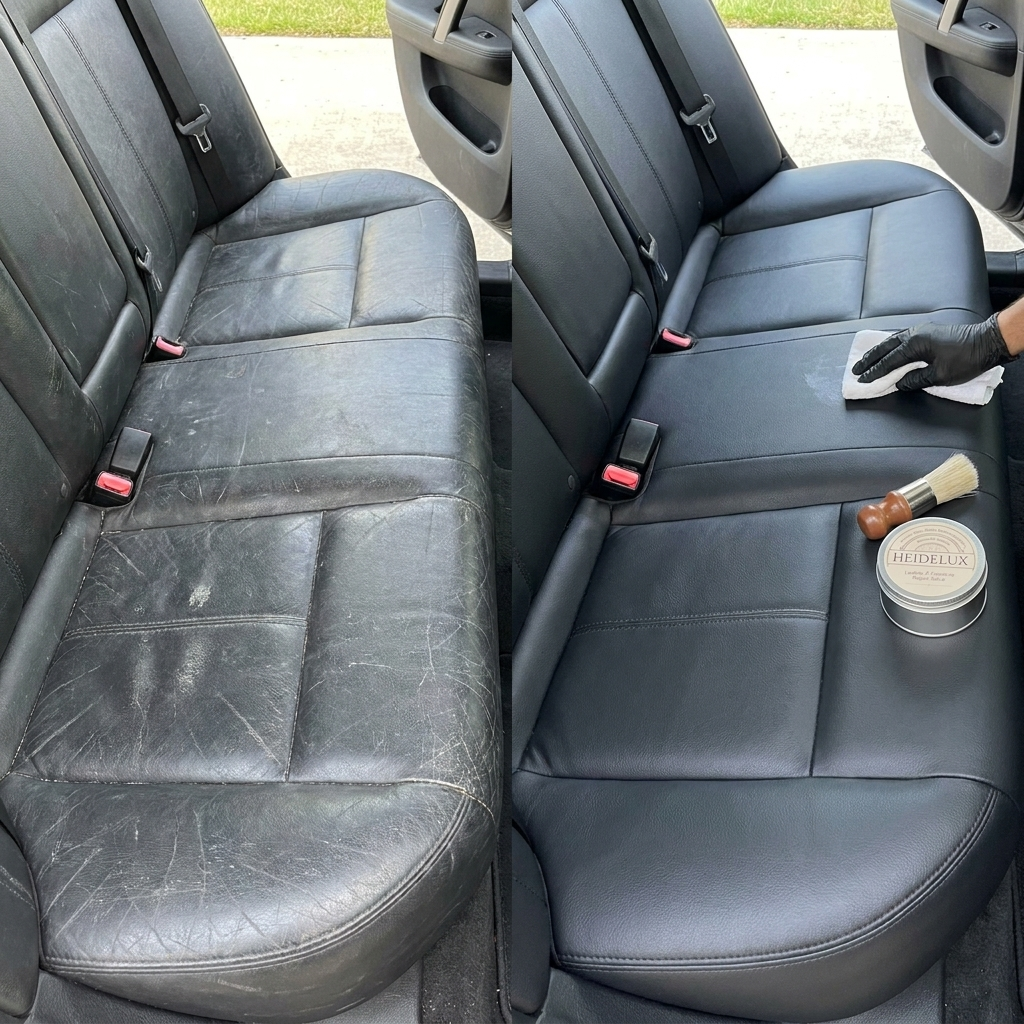
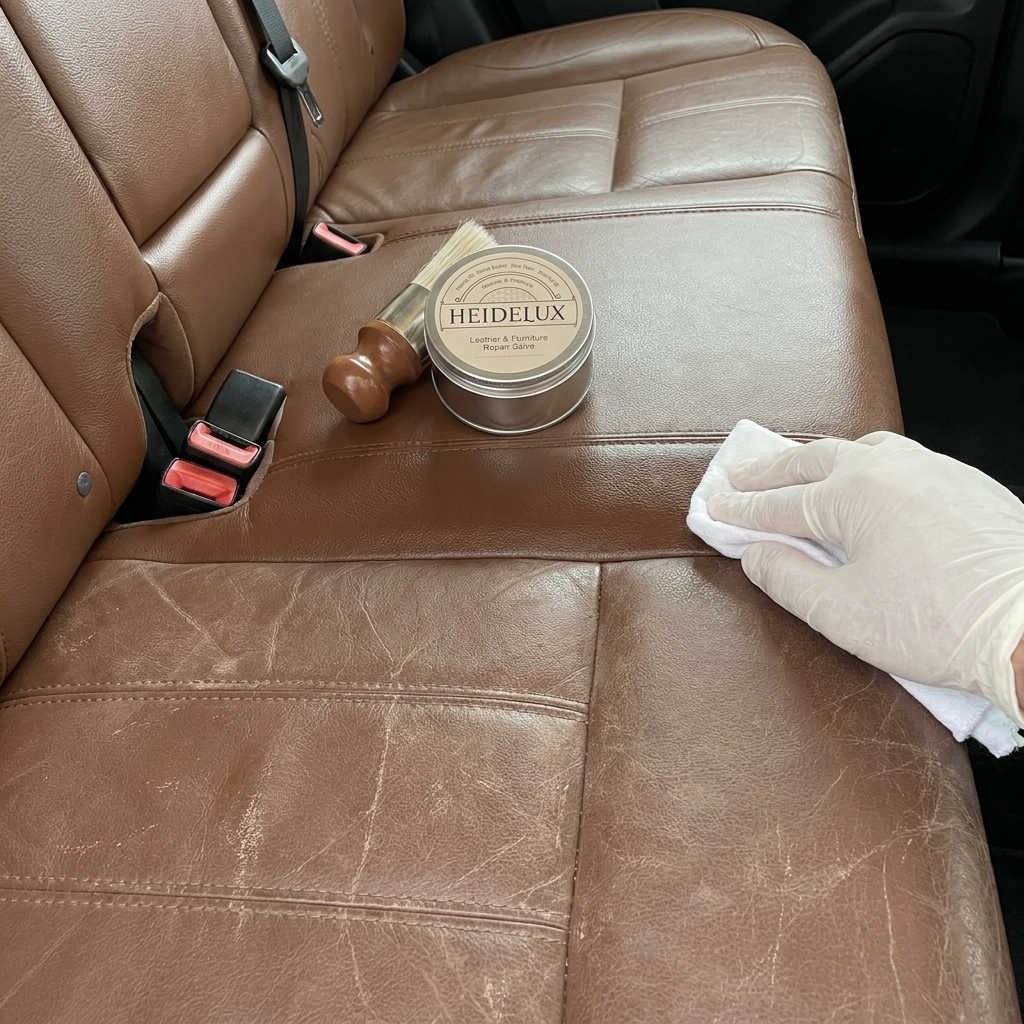
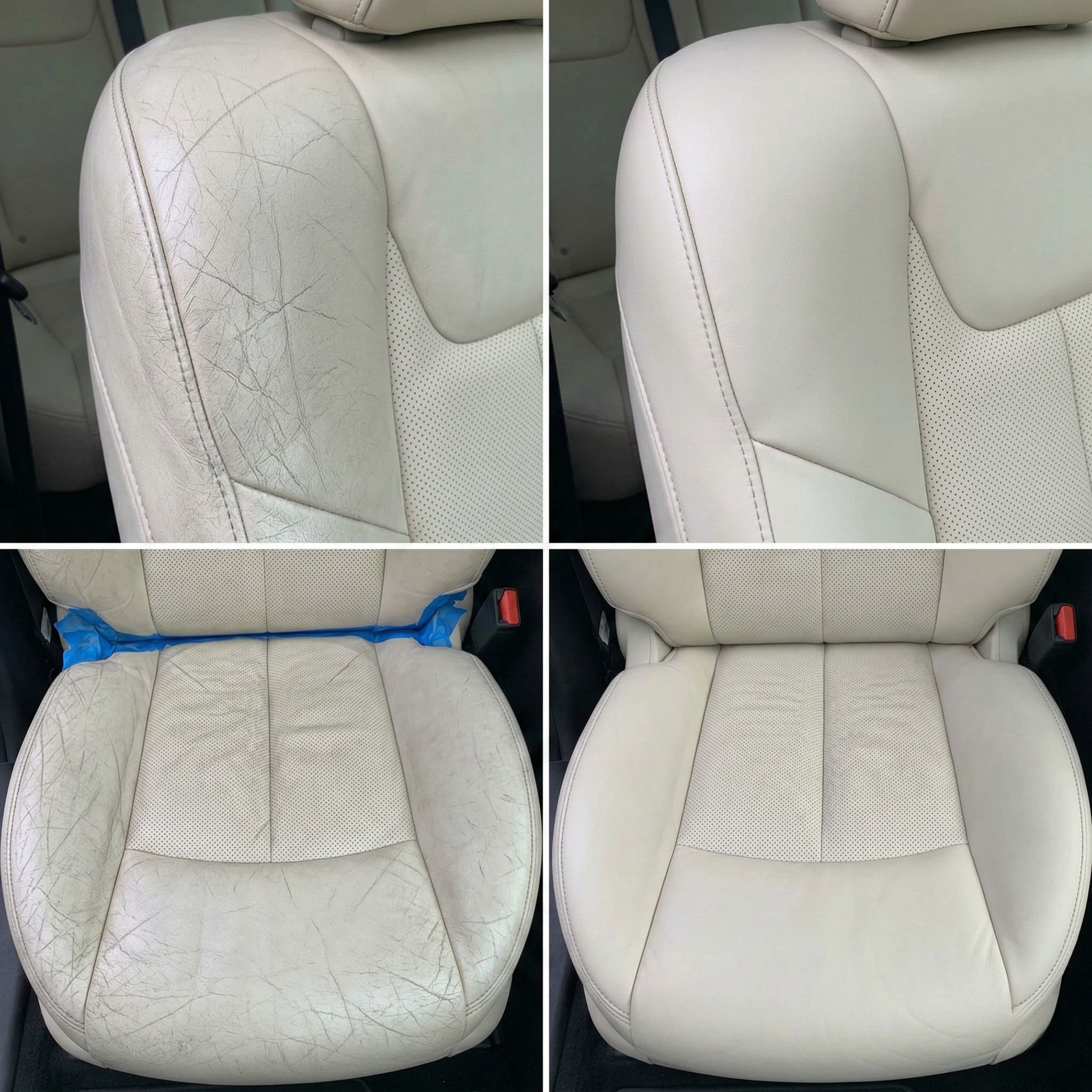
A £600 "professional leather restoration" takes 20 minutes and uses a £29 product you can buy yourself. I know because I watched it happen in my own driveway. Let me back up. My 8-year-old Audi had countless small scratches on the driver's seat that I couldn't ignore anymore. Not huge. Not terrible. But visible. The kind that catch your eye every time you get in the car. My wife mentioned it twice. "Are you ever going to do something about that seat?" I'd been putting it off because I knew what it would cost. I'd already gotten two quotes. One shop wanted £650. Another wanted £580. Both said the same thing: "We'll need the car for a day, maybe two." I couldn't afford either the money or the time. So I decided to handle it myself. I figured leather conditioner would do the trick. Every Sunday morning I'd spend twenty minutes rubbing in the expensive stuff from Halfords. £15 a bottle. The scratches kept getting deeper. I moved on to DIY repair kits. Every video online showed the same process. Sand it down. Apply filler. Paint over it. The kits were £35-50 each. I bought three different ones. The first kit turned my black seats orange-brown. The second one flaked off within a week. The third made the scratches look worse somehow, like white scars on dark leather. I'd wasted months and close to £160 trying to fix this myself. That's when I gave up and called a mobile detailing service. Guy named Rob. Five-star reviews. Charged £600 for "leather seat restoration." Still expensive, but at least he'd come to my house. He showed up on a Saturday morning with a rolling toolbox and a confident smile. "Yeah, I can fix these no problem," he said, examining my seat. "Forty-five minutes, maybe an hour." I felt relieved. Finally dealing with it. I went inside to make coffee and let him work. Twenty minutes later, my wife came in from the driveway. "I've been watching him. He's only conditioning the leather. Nothing more." I looked out the window. Rob was sitting in my driver's seat, applying something from a small metal container to the scratches. Just rubbing it in with a cloth. Then buffing. That was it. No heat gun. No mixing compounds. No spray equipment. Just... rubbing. I watched for five more minutes. He moved to a different scratch. Same process. Apply. Rub. Buff. Move on. Something felt off. I walked back outside. "How's it going?" I asked. "Almost done, actually. Just got a few more spots." Almost done? He'd been there maybe twenty-five minutes. I looked at the scratches he'd finished. They were gone. Completely gone. The seat looked perfect. I couldn't stop staring at that metal can sitting on my passenger seat. "What is that stuff?" I asked. "Professional-grade leather repair cream," Rob said, not looking up. "Industry standard." He finished the last scratch, stood back, and inspected his work. "Alright, you're all set. That'll be £600." I paid him. What else was I going to do? But after he left, I couldn't let it go. £600 for twenty-eight minutes of work. And he'd used maybe a quarter of the can on the entire seat. That night, after my wife and kids were asleep, I googled "professional leather repair cream." Nothing helpful. I tried "what do auto detailers use for leather scratches." A few product names came up. Some Amazon kits. Some professional supplier sites. Then I saw an image that stopped me cold. A metal can. Same size, shape and name as what Rob had used. The product was called Heidelux Leather Repair Cream. It cost £29. I sat there staring at my screen. £29. I kept reading. I found myself deep in an automotive detailing forum, reading through threads I never knew existed. And that's when I learned something about leather I'd never understood before. Car leather is actually incredibly durable. It's protected by a transparent coating that sits on top of the leather itself. When something scratches across it, in 90% of cases it doesn't damage the leather underneath at all. What it does is scratch off that transparent coating. And once the coating is gone, the exposed leather dries out and changes colour. That's the scratch you're seeing. Not damaged leather. Dried, exposed leather that's lost its protective layer. That's why the Halfords conditioner never worked. Most consumer conditioners are silicone-based. They sit on the surface, create a shine, and do nothing for the dried leather underneath. They're not designed to repair anything. They're designed to make leather look shiny. That's it. And the repair kits? Filling and painting over leather that didn't need filling or painting. But there's a different category of conditioner — oil-based, professional-grade formulas — that can actually get through. They rehydrate the dried leather, restore its original colour, and fill and seal the area where the transparent coating was removed. The scratch doesn't just fade. It becomes invisible. That's exactly what Heidelux is. Not a repair kit. Not a filler. A professional-grade oil-based conditioner specifically formulated to do what consumer products can't. The same result Rob had achieved on my car — but for £29. The reviews were full of detailers. People who detailed cars for a living. "This is what we use on client vehicles." "One can lasts me 15-20 cars." "Professional results in minutes." My stomach dropped. Rob had charged me £600 to apply maybe a third of a can of a product I could've bought for £29. I felt stupid. Angry. Cheated. But also... curious. Could I really have done this myself? I kept reading reviews. Watching application videos. Every single one showed the same simple process Rob had used. Apply with cloth. Rub in circular motions. Buff with clean cloth. Done. No mixing. No sanding. No complicated steps. Just... apply and buff. The next morning, I wanted to make sure I never made that mistake again. My wife's Lexus had scuff marks on the back seat from our kids' backpacks. My daughter had accidentally scratched the centre console with her phone case. I'd been ignoring those too because I didn't want to pay another £600. But if this £29 product was really what professionals used... I ordered it. It arrived two days later. Same metal can. Same label I'd seen in the photos. I took it to my wife's car. Found the worst scuff on the back seat. Dark mark, maybe two inches long, from where my son had dragged his soccer bag across the leather. I followed the same process I'd watched Rob do. Squeezed out a small amount onto a microfiber cloth. Rubbed it into the scuff. Kept buffing in circles. The scuff started disappearing. Not fading. Disappearing. Within sixty seconds, it was gone completely. The leather was smooth. The colour matched perfectly. You couldn't tell there'd ever been damage there. What was happening made sense now. The conditioner was rehydrating the dried leather, pulling it back to its original colour. And as it absorbed in, it was sealing over the area where the transparent coating had been removed. I just stood there in my garage, staring at my wife's seat. This was the exact result Rob had achieved on my car. For £29. I spent the next twenty minutes going through my wife's car, finding every scratch and scuff I could. All of them disappeared with the same simple process. Apply. Rub. Buff. Gone. By the time I was done, her car looked better than it had in years. The metal can was still more than half full. I called my brother that afternoon. He drives a BMW. Beautiful car. Scratched leather on the driver's seat he'd been complaining about for months. "Don't pay anyone to fix that," I told him. I explained what happened. What I'd discovered. "Are you serious?" he said. "I was literally about to schedule an appointment next week. They quoted me £575." I drove the can over to his house that evening. He fixed his seat in his driveway while I watched. Took him maybe five minutes. When he was done, he just kept running his hand over the spot where the scratch had been. "This is insane," he said. "This is what they charge £600 for?" "Yeah." "And nobody knows about this?" "I didn't. Not until I watched a guy do it in my driveway and charged me £600." Here's what I learned. The "professional leather restoration" industry isn't based on skill. It's based on information. They know something you don't. They know this product exists. They know it's £29. They know it takes three minutes per scratch. And they charge you £400-800 for that information gap. Every shop I called uses Heidelux. I've seen it now, on their shelves, in their supply cabinets when they think nobody's looking. They buy it for £29 and charge you a week's salary to apply it. The work itself? A child could do it. There's no special technique. No certification required. No expensive equipment. Just a metal can and a microfiber cloth. I'm telling you this because I needed someone to tell me. Before I handed over £600 to Rob, I wish someone had pulled me aside and said "Don't do that. Buy the product yourself. It takes five minutes." You don't have to live with worn leather seats. You don't have to accept that this is just what happens to car interiors over time. And you definitely don't have to hand over £500, £600, £700 to someone who is going to spend twenty minutes applying a £29 product. The damage that's been bothering you every time you get in your car? It's fixable. In minutes. By yourself. For £29. The company is called Heidelux. One product. One metal can. That's it. I don't work for them. I'm not getting paid to tell you this. I'm sharing it because I paid £600 to learn it. You don't have to. The professionals are using the same thing you can buy. They just don't want you to know that.
Like this ad? Make it yours.
Crush rebuilds this exact creative around your product — your brand, your colors, your offer — in about a minute.