
Inactive· since Jul 13, 2026
- 3
- days it ran
- 1
- relaunches
Ad copy
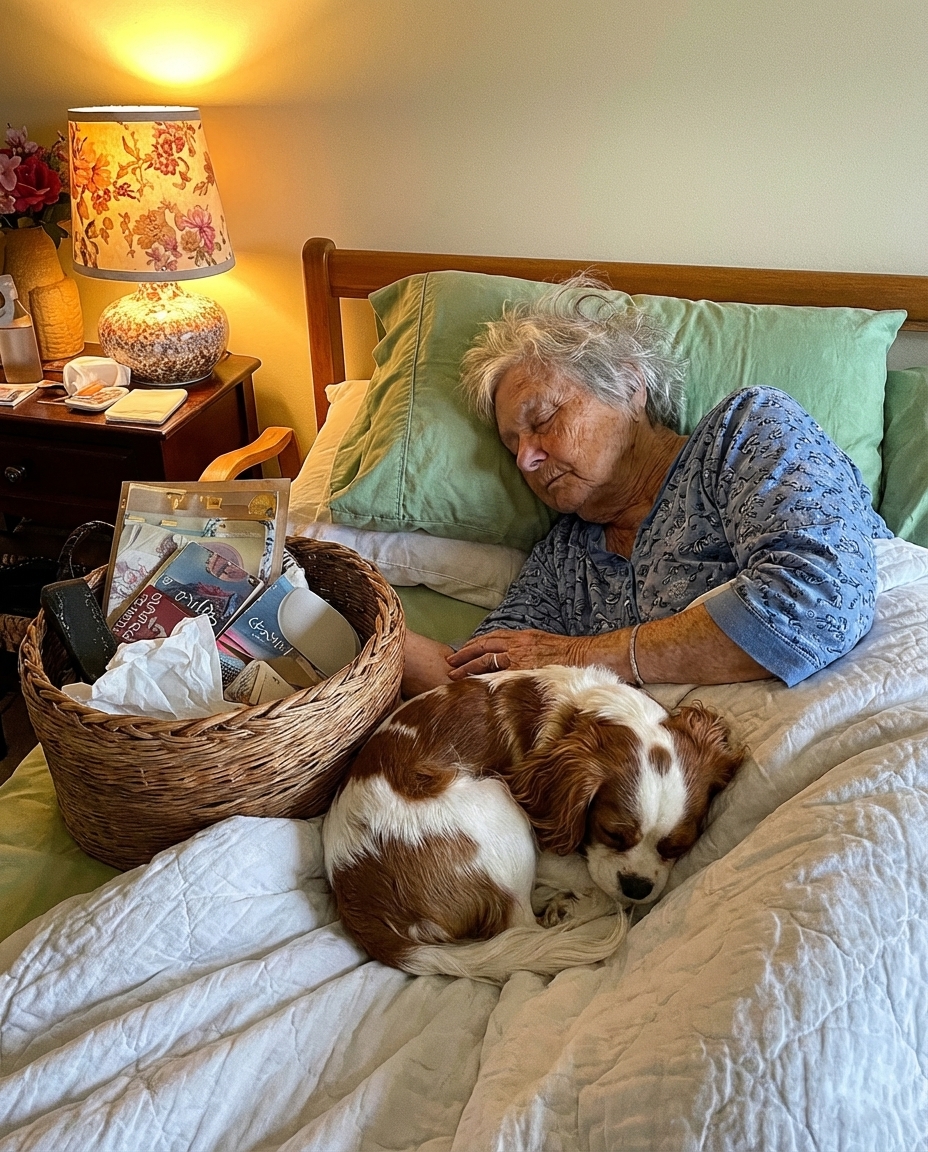
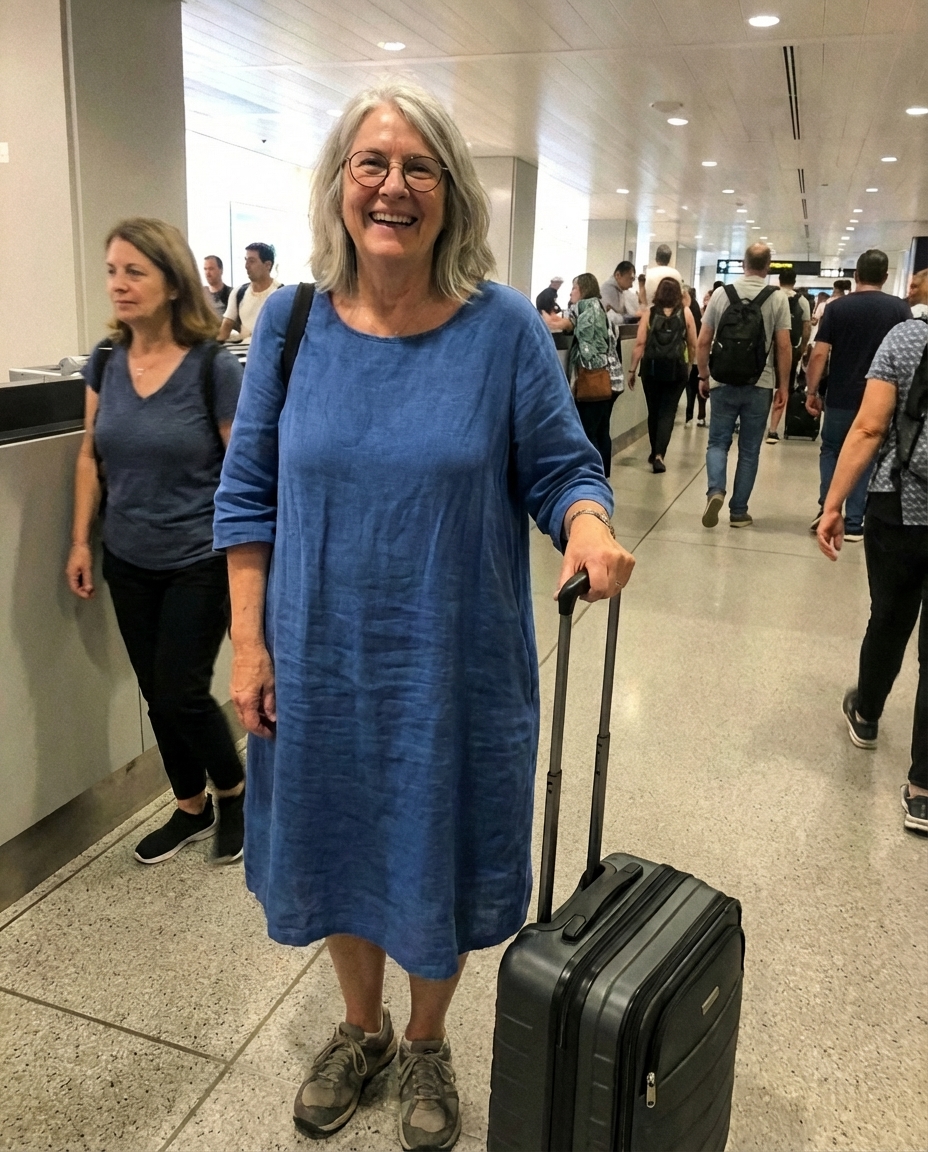
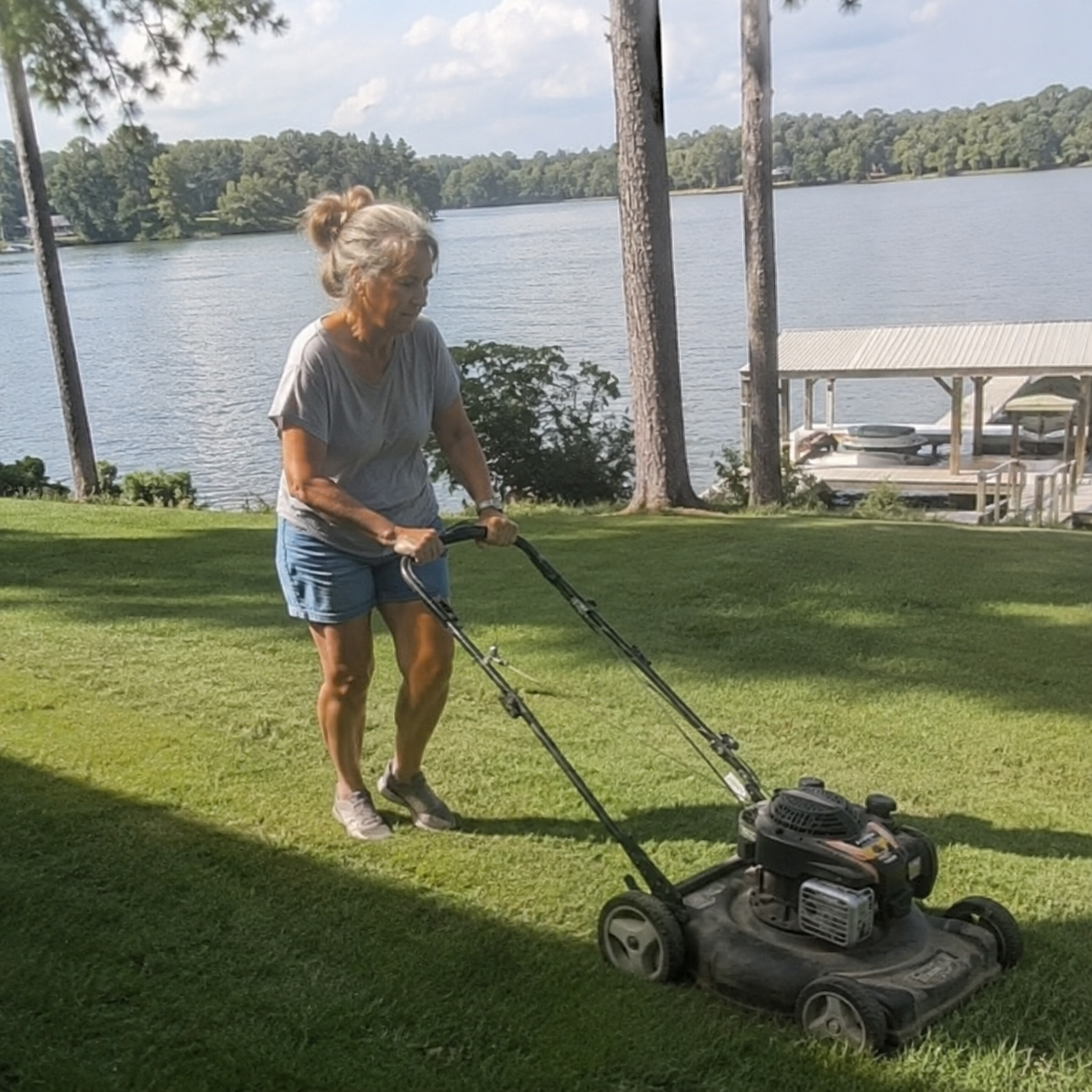
I Manage a Lake House Airbnb. Last Week a Guest Left Something Behind That Made Me Cry. Not a bad review. Not a noise complaint. Not a missing towel. A photo. And four words I haven't stopped thinking about. Let me start from the beginning. My name is Carol. My husband Jim and I have been hosting guests at our lake house for six years. Hundreds of families have come through. We've seen it all — the red wine on the white couch, the dog that wasn't supposed to be there, the group of college kids who thought the kayaks were indestructible. Normal stuff. But about eight months ago, something started happening we'd never experienced before. Guests started asking about the book on the coffee table. Not the local restaurant guide. Not the trail map. Not the house manual. The small hardcover book with a woman's name on the spine. See, I keep a copy of my own Memowrite memoir on the coffee table — the book I had made last year from answering 50 simple questions about my life. There's a handwritten card next to it that says: ""Feel free to read. This is my life story. I wrote it without writing a single word."" Most guests flip through it the way they'd flip through a magazine. But the checkout messages started shifting. ""My mother read your book in one sitting and didn't say anything for a long time afterward."" ""My wife called her mother the next morning and talked for two hours. First real conversation they'd had in years."" ""My husband asked me things on the drive home he's never asked me in 31 years of marriage."" One couple — both in their late 60s — rebooked specifically because the wife told her husband she needed more time to finish reading it. A retired nurse extended her stay by one night. She sat on the porch until dark with the book open in her lap, occasionally wiping her eyes. When I asked if she was alright she said: ""I'm fine. I just keep thinking about everything I haven't written down yet."" Something was happening. Something real. Then six weeks ago, something happened that still keeps me up at night. A woman named Margaret checked in on a Friday with her daughter. Mid-60s. Warm, soft-spoken, organized. Her daughter was chattier. More urgent. There was something in the way she watched her mother — like someone keeping quiet track of something she was afraid to say out loud. They stayed four nights. On checkout morning, Margaret left the place spotless. But when I went to flip the house, something was wrong. The book was gone. Not the trail map. Not the house manual. The hardcover memoir from the coffee table. Gone. I texted her: ""Hi Margaret — hope you and your daughter had a wonderful stay. I noticed the book from the coffee table isn't here. Everything okay?"" Thirty minutes later, my phone rang. She was crying. ""I'm so sorry. I know it was wrong. I'll pay for it. I just —"" ""My daughter has been asking me for years to write my story down. Not in a pushy way. Quietly. The way daughters ask things they're afraid to say too directly. And I kept telling her I would. Someday. When I had time. When I figured out how."" ""I've tried three times. A journal I bought at the pharmacy. A document I started on my laptop. A voice memo I recorded in my car that I never listened back to. Every time I started I felt the size of it and just stopped. I didn't know where to begin. I didn't know if anyone would even want to read it."" ""My daughter found your book on the coffee table Saturday morning. She read the first chapter while I made coffee. When I came in she was sitting very still on the couch."" ""'Mom,' she said. 'This is what I've been trying to ask you for.'"" ""We spent the whole afternoon reading it together. My daughter kept stopping and saying — 'Did you ever do anything like this?' Or 'What was your version of this?' Questions she'd never thought to ask before. Questions I'd never thought to answer."" ""We talked for six hours. Six hours. My daughter and I have never talked for six hours straight in our lives. Not since she was a teenager."" ""By Sunday I was reading the questions printed at the back of the book — the ones you answered to create it — and I started crying. Not because they were sad. Because they were exactly right. Every single one of them was the question I never knew how to start with."" ""'What was your childhood home like?' 'What is the hardest thing you have ever survived?' 'What do you want the people you love to know about you?'"" ""I sat at your kitchen table Sunday night and answered four of them in my notebook. Just four. And I filled six pages."" ""Monday morning my daughter found me still at the table."" ""She didn't say anything. She just put her hand on my shoulder and stood there."" ""When we were loading the car she picked up the book from the coffee table and looked at me. I looked back. Neither of us said anything. She put it in her bag."" ""I let her. Because I'd watched my daughter find the version of me she'd been looking for — and I could not let that end when we got home."" I was crying too. She could have been telling my story. Word for word. Because three years ago, I was Margaret. My own children had been asking me gently, for years, to write something down. Not a novel. Not a published memoir. Just something. Anything. The stories I told at the dinner table that they'd grown up hearing and never wanted to end. The ones about my mother, about the farm I grew up on, about the year I drove across the country alone at 24 and nobody could reach me for three weeks. I kept saying I would. I kept saying someday. I bought two journals. I opened a document on my laptop so many times the file was dated across three different years with nothing inside it but a title and a single paragraph I'd rewritten eleven times. I told myself my life wasn't interesting enough. That memoirs were for people who had done something remarkable. That nobody needed a book about an ordinary woman from Ohio. Then one evening I was sitting at my own kitchen table while my grandchildren played in the next room. My youngest granddaughter climbed up next to me and said: ""Grandma, tell me again about when you were little."" And I thought: when I'm gone, she won't be able to ask me that. That thought sat in my chest like a stone for months. What I need to tell you is what I found when I finally stopped waiting. A friend in my book club mentioned it first. She pulled out a small hardcover at our Thursday morning meeting. Her name on the cover. Her photograph on the back. She set it on the table like it was nothing. It was everything. ""I didn't write a single word,"" she said. ""I just answered questions."" She explained it to me. A service called Memowrite. Fifty simple questions about your life. Your childhood, your loves, your losses, your proudest moments, the things you want your family to carry forward. You answer at your own pace — on your phone, your laptop, your tablet, whatever you're comfortable with. You can type or record your voice. No writing experience needed. No blank page staring back at you. Their team takes everything you share and turns it into a real, full-color hardcover book. Printed. Bound. Shipped free to your door. I went home that afternoon and looked it up. I was skeptical. I want to be honest about that. My first thought was: that sounds too easy. My second thought was: this is probably expensive. My third thought — the one that kept coming back — was: what if this is the thing that finally gets it out of me? I ordered it that evening. The questions arrived the next morning. I sat at my kitchen table with my coffee. I opened the first question. *""What was your childhood home like?""* I started typing. I typed for forty-seven minutes without stopping. I described the farmhouse. The kitchen that always smelled like something baking. The way the floorboards creaked in a specific pattern that I still know by heart. My mother's hands. My father's laugh. The window above the sink where she stood every morning looking out at the fields. Forty-seven minutes. For one question. I sat back and looked at what I'd written. This was never going to fit in a journal that I stopped after three pages. By the end of the first week I had answered twelve questions. Each one unlocked something I hadn't thought about in decades. Not just memories — the texture of them. The smell of them. The weight of them. By the end of week three I had answered all fifty. I submitted my answers. Attached my photographs. Waited. Six weeks later a box arrived on my doorstep. I opened it at the kitchen table. Alone. The way you open something you've been waiting for without knowing exactly what you were waiting for. My name was on the cover. My life was inside. I held it for a long time before I opened it. Then I called my daughter. ""I need you to come over."" She drove forty minutes. Walked in. Saw the book on the table. She sat down and started reading. She didn't stop for two hours. When she finally looked up, she couldn't finish a sentence. She kept starting one and stopping. She put her hand over her mouth. She looked at me the way you look at someone when you realize you've been missing them without knowing it. ""Mom,"" she finally said. ""I didn't know half of this. I didn't know who you were before us."" My granddaughter Becca read it the following Sunday. She's eight years old. When she finished she came and found me in the garden and held on without saying anything for a long time. She's eight years old. I felt, for the first time in years, like I was going to last. --- So here's what I told Margaret on the phone that day: ""Keep the book. Keep all of it. But let me send you the link so you can get your own made. Because what's in that book needs to be in yours. Not mine. Yours."" She laughed through her tears. ""How long does it take?"" ""About twenty-eight days. Fifteen minutes a day. Fifty questions. That's all."" She went quiet. ""My daughter is going to cry."" ""Yes,"" I said. ""She is."" She signed up that afternoon. Last week — exactly five weeks after their stay — she sent me a photo. Margaret and her daughter sitting at a kitchen table. A hardcover book between them. Both of them leaning in. Her daughter's hand covering her mouth. Four words underneath the photo: ""She finally knows me."" That's the message from the beginning of this story. That's what made me cry. --- If you're reading this, I know exactly where you are. You've been meaning to write it down. For years. You've started and stopped. You've told yourself someday. You've told yourself nobody would want to read it. You've told yourself your life wasn't interesting enough. You're wrong about all of it. The people who love you are not waiting for a perfect memoir. They're waiting for you — the real you, the one who existed before they were born, the one who survived things they'll never fully know, the one who has been carrying stories they'd give anything to hear. They just don't know how to ask. And you don't have to know how to write. You just have to answer the questions. One path: keep waiting for the right time, the right words, the right moment — until the moment runs out. Another path: answer fifty simple questions at your kitchen table, fifteen minutes a day, and let Memowrite turn everything you've lived through into a real hardcover book your family holds onto long after you're gone. I chose the second path. Margaret chose the second path. My book is on my coffee table. Margaret's is on her kitchen table. And my granddaughter Becca knows, now, exactly who her grandmother was before she was anyone's grandmother. — Carol *P.S. — Margaret left us a five-star review last week. It didn't mention the lake or the deck or the kayaks. It said: ""This place gave me back my mother's story. I didn't know how much I needed it until I had it."" If your mother, your grandmother, or the woman you love has been putting off writing her story — the link is below. Memowrite. Fifty questions. Fifteen minutes a day. A real hardcover book shipped free to your door. That's it. That's the whole thing. *P.P.S. — Answer the first question yourself before you decide. Just one. ""What was your childhood home like?"" Set a timer for fifteen minutes and just write. If nothing comes out, maybe this isn't for you. But if you find yourself still writing when the timer goes off — that's not nothing. That's sixty years of living finally finding somewhere to go. *P.P.P.S. — Memowrite has a satisfaction guarantee. If your family doesn't treasure it, they'll make it right. Nobody offered you a refund for the years of stories that almost went untold. Memowrite stands behind what they've built. That difference tells you exactly who believes in what they're selling.
A guest stole something from my Airbnb
Memowrite is an easy-to-use platform designed to help individuals capture their personal or family stories and turn them into beautiful, professionally crafted memoirs
LEARN MORELike this ad? Make it yours.
Crush rebuilds this exact creative around your product — your brand, your colors, your offer — in about a minute.