
Inactive· since Feb 15, 2026
- 17
- days it ran
- 7
- relaunches
- 3,398
- EU reach
Ad copy
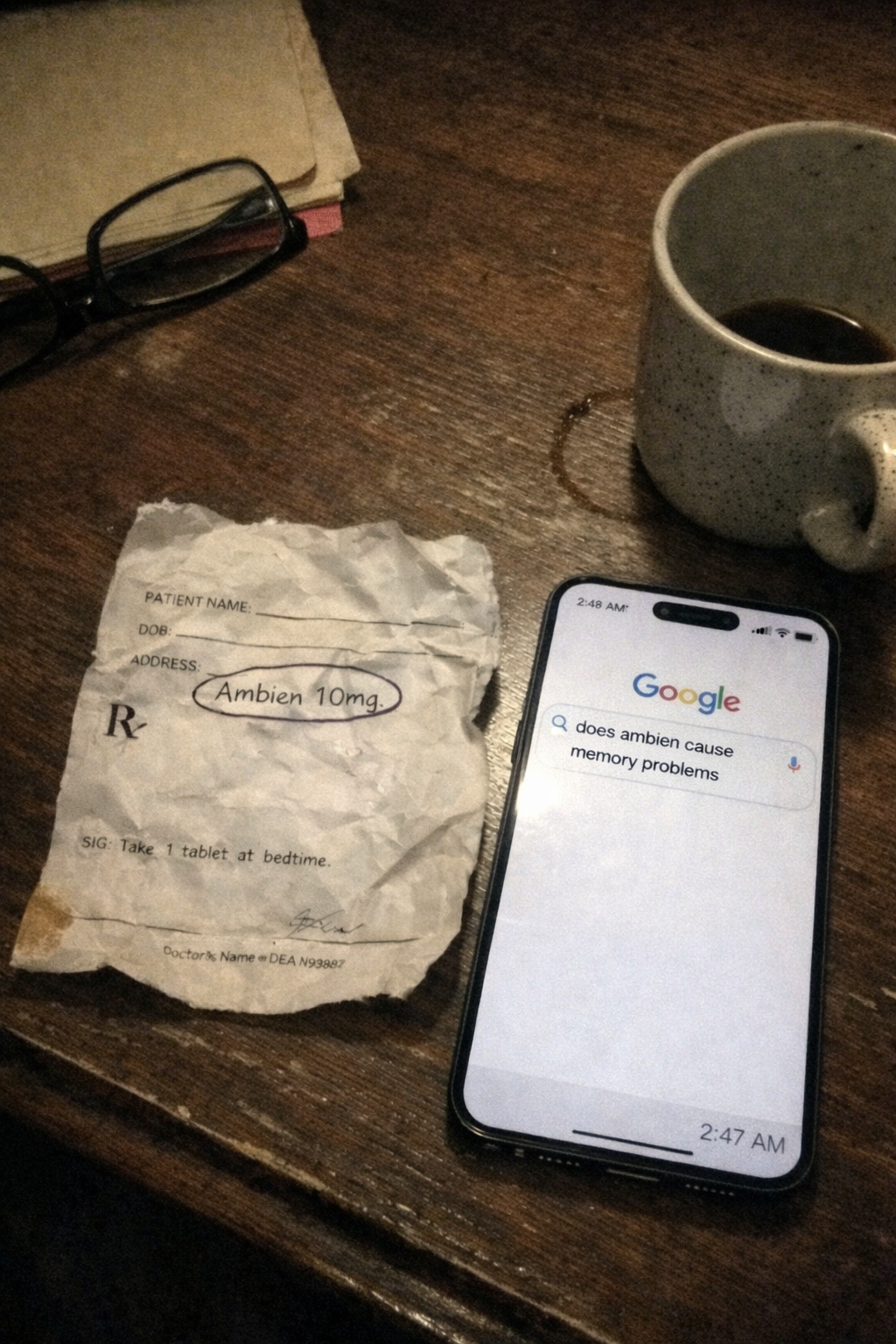
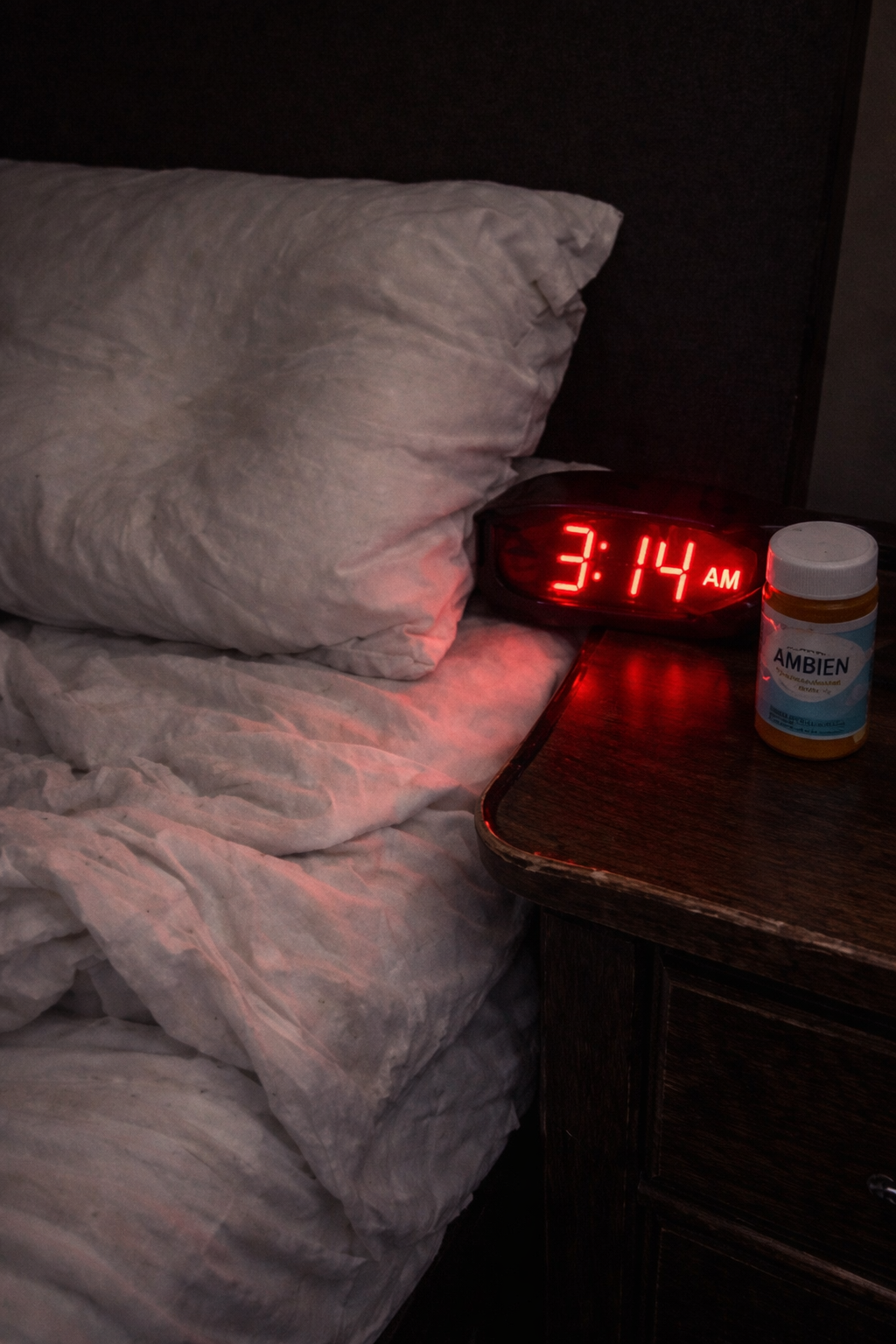
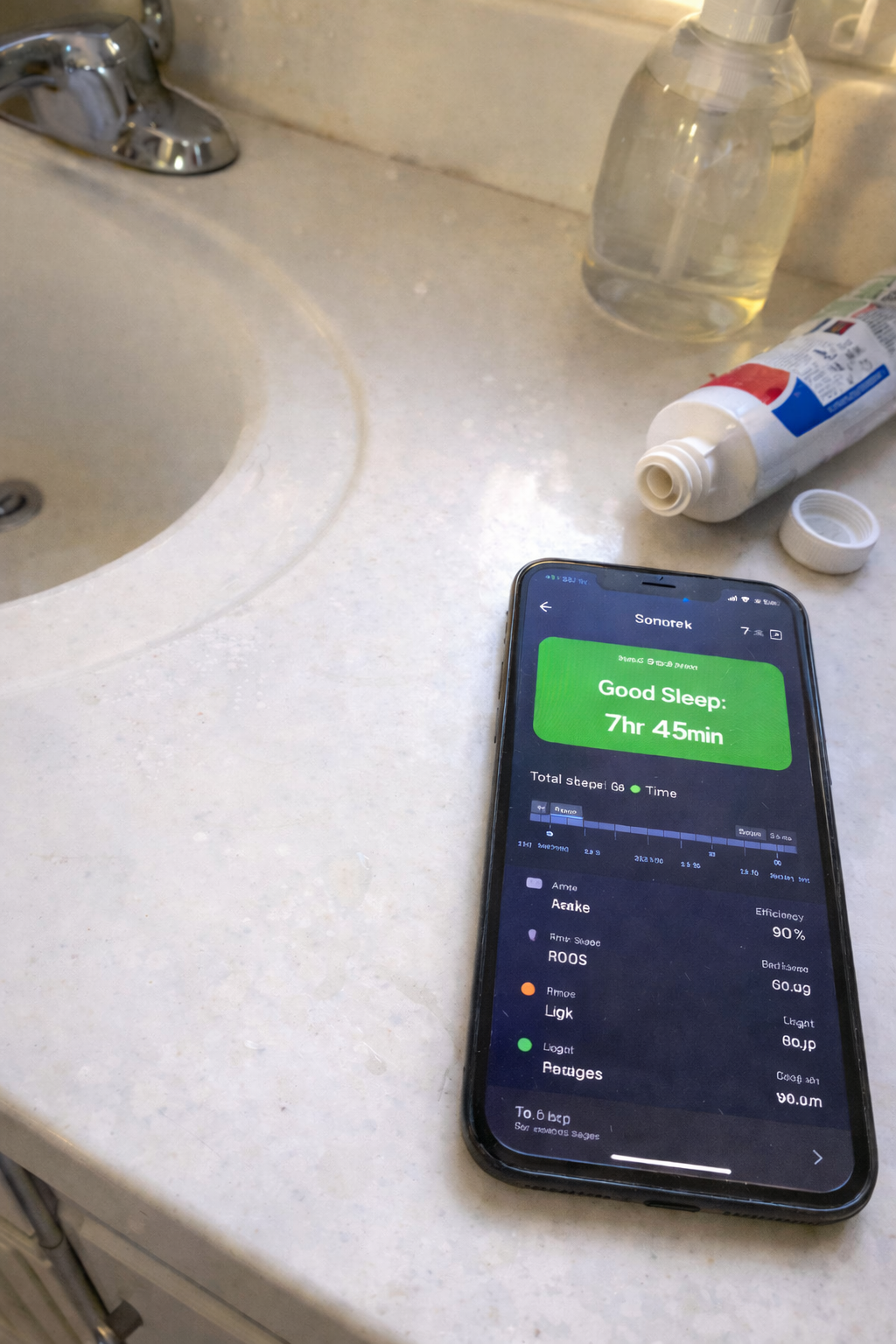
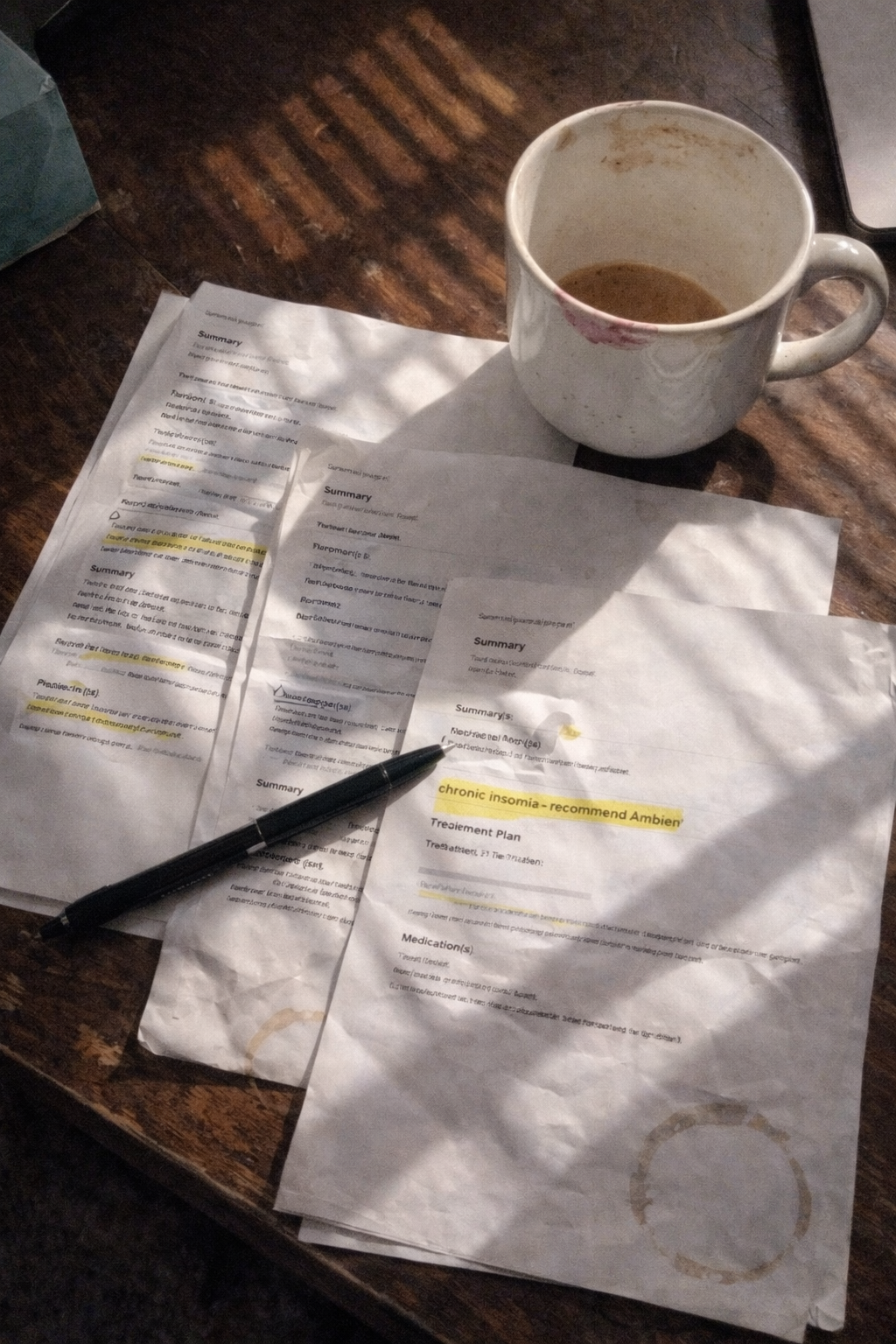
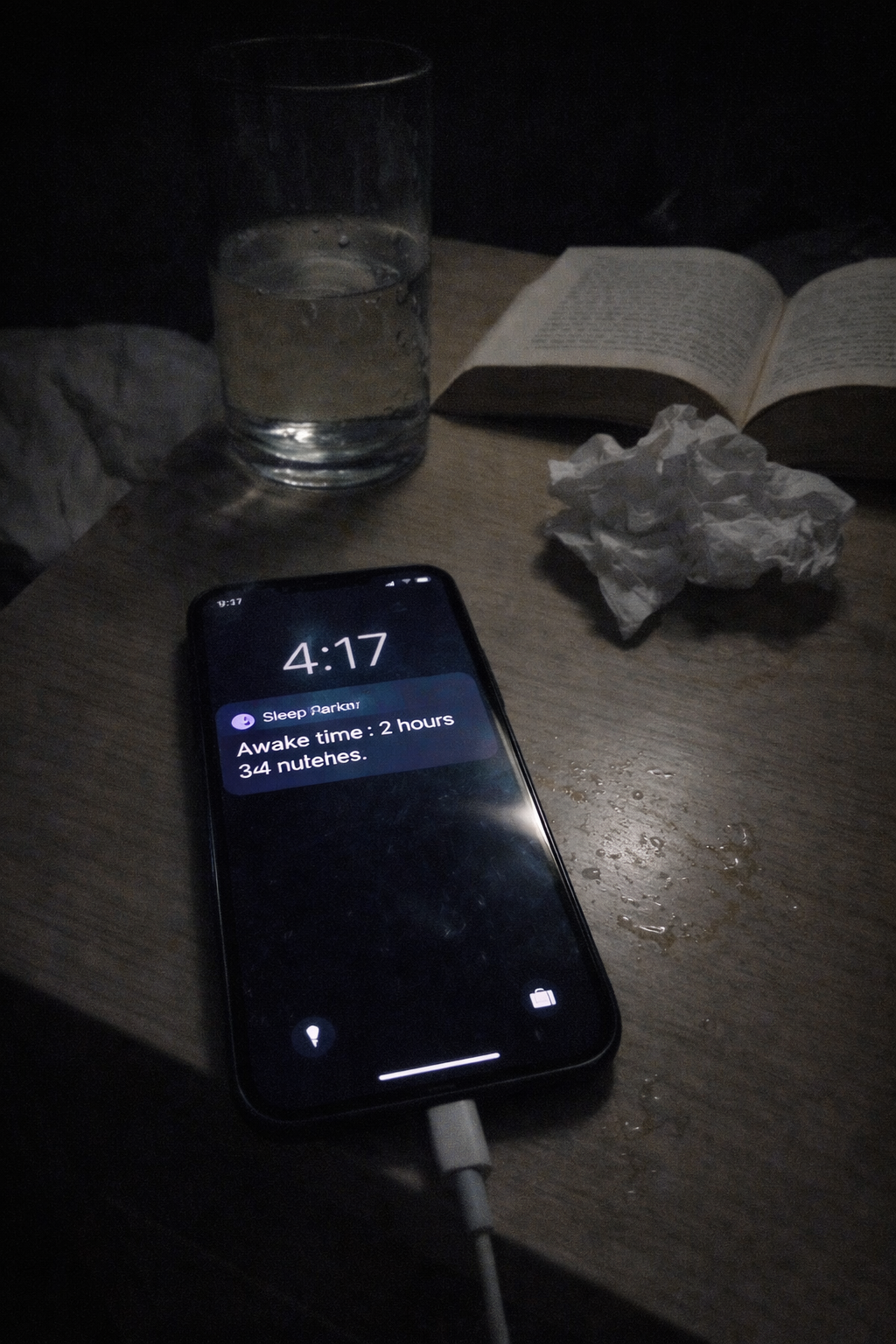
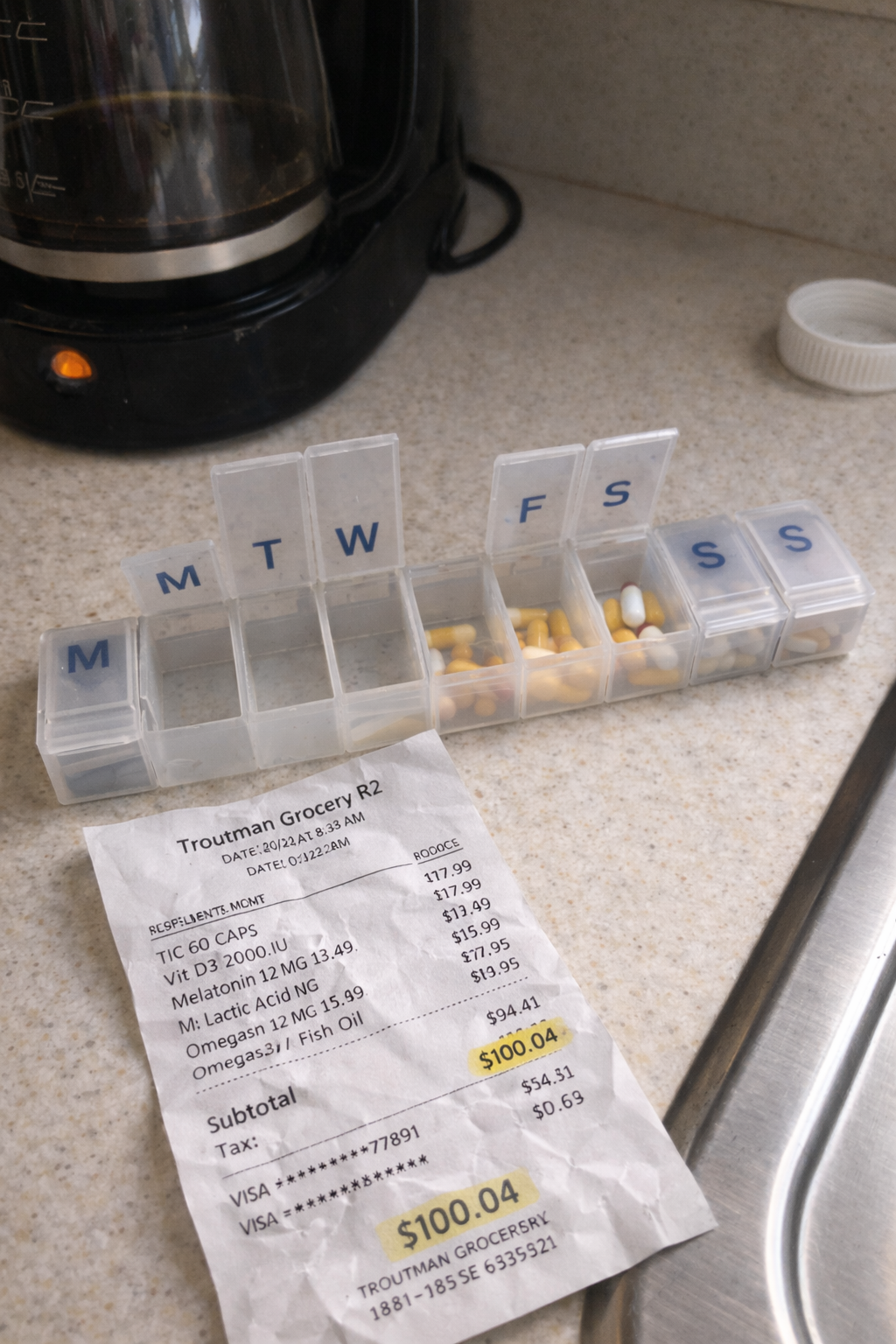
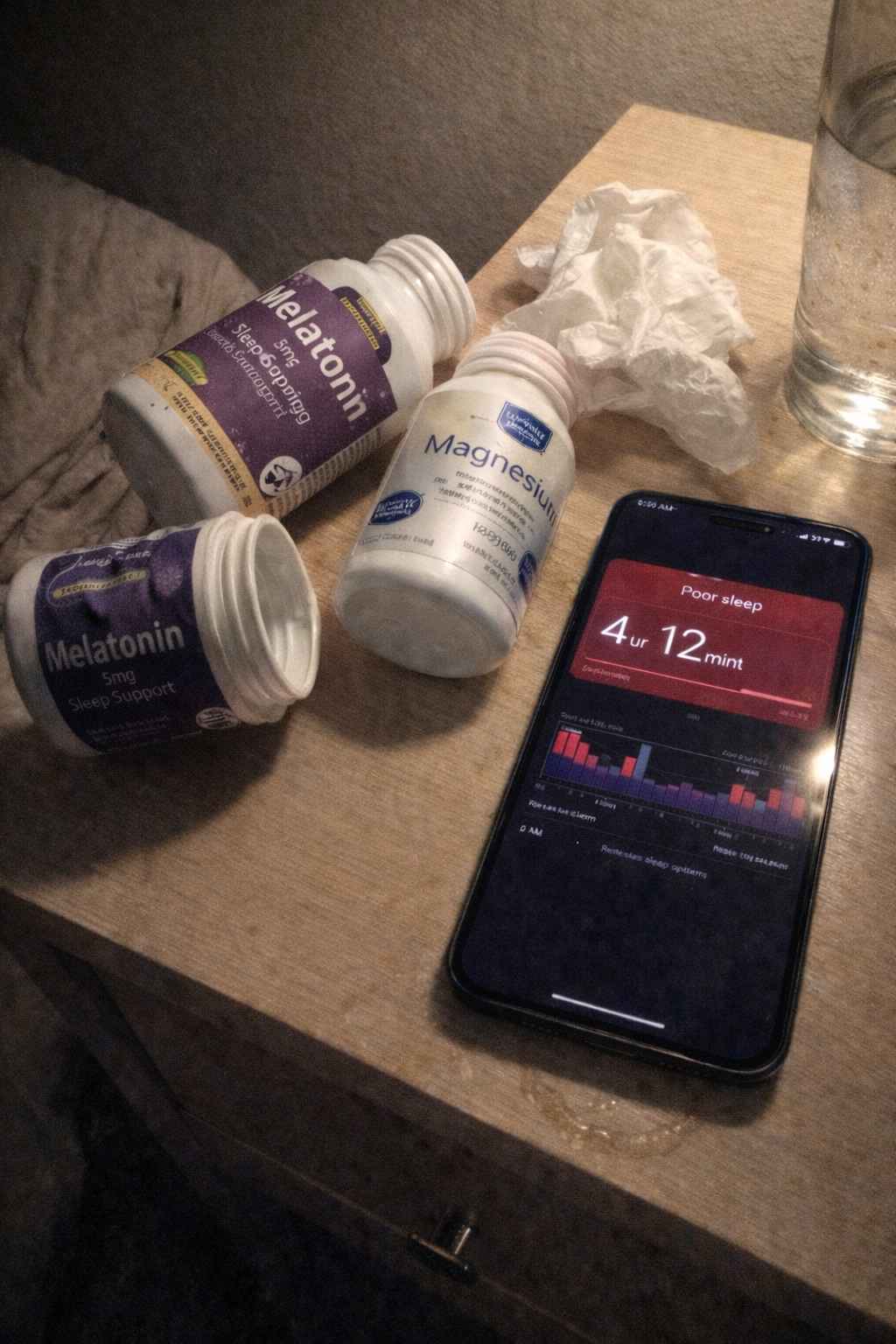
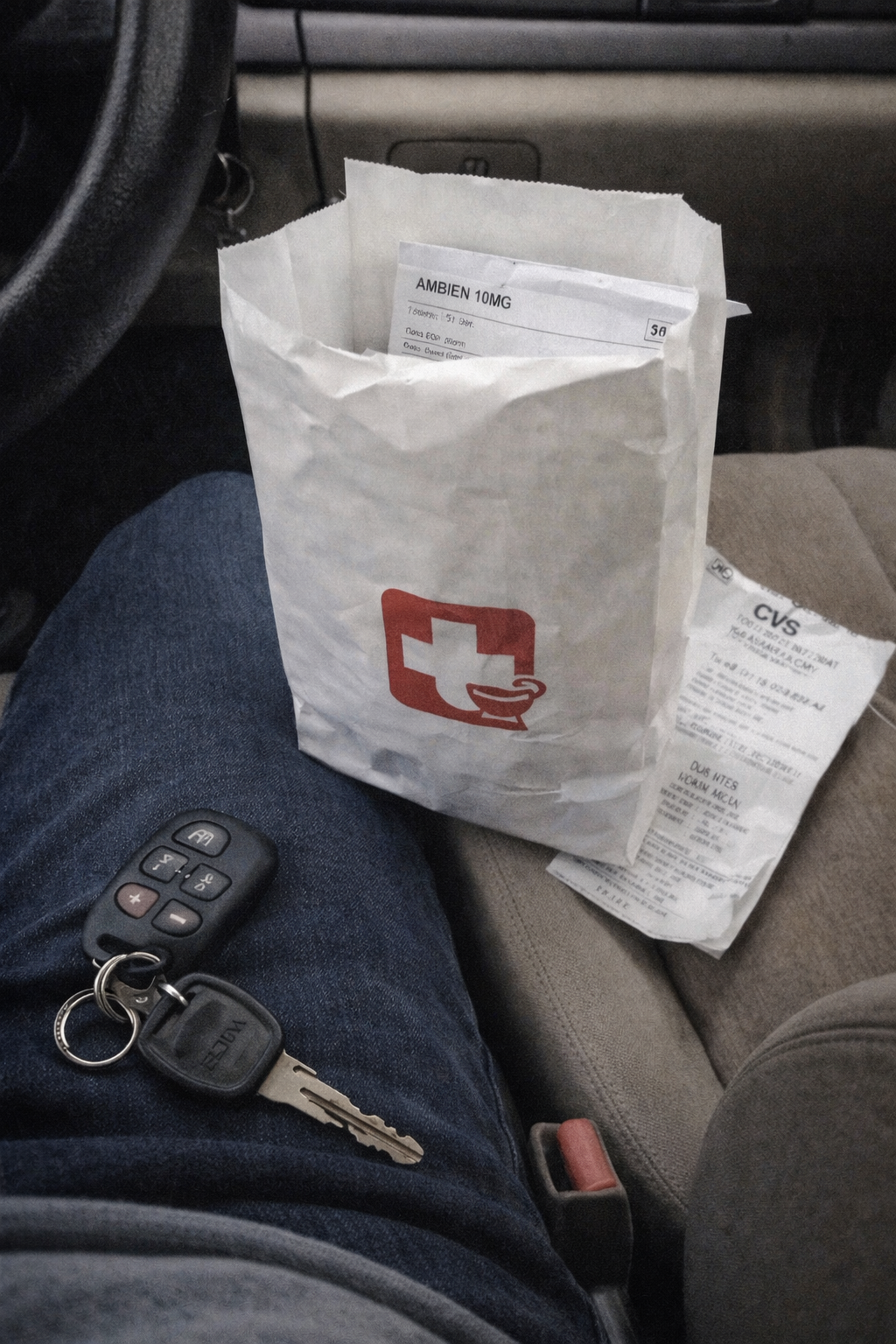
Got prescribed Ambien today. The same medication that destroyed my father before he even realized what was happening. Doctor says my insomnia is "chronic and treatment-resistant." Whatever that means. She's starting me on 10mg. One pill. Every night. For the foreseeable future. I took the prescription. Walked to my car. Sat there. Couldn't drive. Couldn't move. Just sat there holding this piece of paper. Ambien 10mg. My father took this for sixteen years. I don't know what to do. March 12th Didn't fill it yet. Husband asked why. I couldn't answer. Just keep thinking about Dad. He took it every single night. 10 PM. Never missed a dose. Had this little amber bottle on his nightstand. Would shake one out right before bed. Show me the empty bottle at the end of each month. "See? I'm taking it. I'm doing everything right." He'd tell his doctor too. Every six months. After the follow-up appointments. "It works perfectly. I fall asleep in twenty minutes. Sleep straight through." But he wasn't sleeping. Year 5, they moved him off the morning strategy meetings. "Performance issues." He'd been leading those meetings for twelve years. Never missed one before the sleep thing. But then he was showing up late. Foggy. Making mistakes. "I sleep eight hours," he'd say. "I don't understand why I can't think straight." His boss thought he was losing interest. Checked out. He wasn't checked out. He was being poisoned. But the medication was "working." I keep coming back to that. If the Ambien was working—if he was sleeping eight hours—why couldn't he think? That doesn't make sense. March 15th Doctor's office called. "You haven't picked up your prescription." I said I needed more time. The nurse sounded annoyed. "You said you've been awake until 4 AM for the past three weeks. This is urgent." Urgent. Dad took Ambien for sixteen years. "Working perfectly." What's urgent is I don't want to end up like him. March 19th Can't stop thinking about the tolerance. Dad's prescription changed every two to three years like clockwork. I found the records after he died. Went through his medical files. Year 1: Ambien 10mg. Doctor's notes: "Patient reports excellent response. Falling asleep within 20 minutes. Sleeping through the night." Year 3: Ambien 15mg. Doctor's notes: "Patient reports decreased efficacy at 10mg dose. Increasing to 15mg." Year 5: Ambien 20mg. Doctor's notes: "Tolerance developing. Maximum dose approved." Year 7: Ambien 20mg + Trazodone 50mg. Doctor's notes: "Ambien alone insufficient. Adding Trazodone for maintenance." Year 9: Ambien 20mg + Trazodone 100mg + melatonin 10mg. Three pills. Every single night. Year 11: Added Lunesta to the mix when traveling. "Just in case the Ambien doesn't work." I watched him standing at the kitchen counter every Sunday evening. Organizing his weekly pill organizer. Sunday through Saturday. Three pills per night slot. Sometimes four. "Dad, why do you need so many now?" I asked. I was maybe nineteen. "My body got used to the Ambien," he said quietly. "It doesn't work alone anymore." He looked defeated. Trapped. "Can't you just... stop taking it?" I asked. He looked at me. His eyes were tired. "I tried once. Didn't sleep for four days. Not one hour. I thought I was losing my mind." He never tried to stop again. I'm thirty-eight. I have insomnia. What if I start now and in sixteen years I'm taking four pills every night and still not resting? What if I can't stop even when they stop working? March 23rd The memory issues. God, the memory issues. Year 11. Dad just started forgetting things. Conversations we'd had that morning. Whether he'd taken his medication. Where he parked at the grocery store. "I think I'm developing early-onset dementia," he told Mom. They went to a neurologist. Dr. Patterson. I remember because I drove him to the appointment. Cognitive testing. MoCA assessment. MRI. Bloodwork checking for B12, thyroid, everything. MRI came back normal. Bloodwork normal. MoCA score: 24 out of 30. Dr. Patterson's notes (I found them later): "Mild cognitive impairment. Below expected range for age and education level. Likely age-related. Monitor annually." "Are you sleeping well?" Dr. Patterson asked. Dad pulled out his phone. Showed his Fitbit data. "Eight hours every night. I take Ambien. It works perfectly." I was sitting right there. I watched the doctor look at the screen. Watched him nod. "Sleep looks good. Let's monitor cognition yearly. May be early signs of age-related decline." Age-related. Dad was fifty-nine. Nobody questioned whether the Ambien was actually producing restorative sleep. They saw "takes sleep medication, Fitbit shows 8 hours" and moved on. I'm forgetting things now. Lost my car in the parking garage yesterday. Row C. I was parked in Row C. Wandered Rows B, D, E, F for twenty-five minutes before I found it. At work I read emails three, four times and still can't comprehend them. Yesterday I was in a meeting. Someone asked me a question. I opened my mouth to answer. Nothing. My mind was completely blank. I knew I knew the answer. I just... couldn't access it. Ten seconds of silence. Everyone staring. "Sorry, can you repeat the question?" They repeated it. I answered. But I saw the looks. This is how it started with Dad. Year 11. MoCA score 24. I'm on Year 0. What's my score at Year 11? March 27th Husband found me up at 3 AM last night. Sitting at the kitchen table with my laptop. Research articles everywhere. "Rachel. What are you doing?" "Research." He sat down. Looked at the screen. I'd typed: "does ambien stop working over time" First result: Medical journal. "Benzodiazepine receptor agonists show significant tolerance development. Efficacy decreases 40-60% within 6 months of nightly use. Sleep duration may remain stable, but polysomnography reveals marked suppression of slow-wave sleep and REM architecture disruption. Patients report continued sleep but measurable decline in sleep quality and daytime cognitive function." Forty to sixty percent. Within six months. He didn't say anything. Just sat there reading with me. Clicked another link. Patient forum. "I've been on Ambien for nine years. I take it every night. I 'sleep' eight hours according to my tracker. But I wake up feeling like I didn't sleep at all. My doctor says I'm fine because I'm sleeping. But I'm not fine. I can barely think straight during the day." That could be Dad writing that. Another post: "Started on 10mg. Worked great for four months. Then stopped working. Doctor raised it to 15mg. Worked for six months. Then stopped working. Now I'm on 20mg plus Trazodone and it barely works. I'm terrified of what happens when this stops working." Another: "I can't remember the last time I had a dream. I sleep, but I don't dream. I wake up exhausted. My brain feels foggy all day. Like I'm thinking through mud." Another: "Tried to stop Ambien after twelve years. Didn't sleep for four days straight. By day three I was hallucinating. Panic attacks. Thought I was dying. Had to go back on it. I'm trapped." Another: "My doctor ran a sleep study. I'm 'sleeping' but I'm getting almost no REM sleep. Almost no deep sleep. Just light sleep for eight hours. He said the Ambien is suppressing my natural sleep architecture. But I can't stop taking it because I can't sleep without it." My husband looked at me. "These people... they sound exactly like your dad." "I know." "But their doctors say they're sleeping." "I know." "So what's happening?" "I don't know. But I'm not filling that prescription until I figure it out." April 4th Found something. Was searching "why ambien causes memory problems" and found a study. "Hypnotic medications force unconsciousness through GABA-A receptor modulation but do not replicate natural sleep architecture. Polysomnography reveals significant suppression of slow-wave sleep (Stage N3) and REM sleep. Result: Non-restorative sleep despite adequate sleep duration. Patients experience anterograde amnesia and progressive cognitive decline." Read it four times. Ambien doesn't make you sleep. It makes you unconscious. Those are completely different things. Natural sleep cycles through stages every 90 minutes: light sleep (N1, N2), deep sleep (N3), REM sleep. Your brain needs all of them. Deep sleep is when your brain does physical restoration. Immune system repair. Hormone regulation. REM sleep is when your brain consolidates memories. Processes emotions. Clears metabolic waste. But Ambien forces you into a flat, shallow unconscious state. You don't cycle through the stages properly. You're lying there unconscious for eight hours. But your brain isn't resting. Isn't repairing. Isn't clearing waste. The Fitbit says "8 hours sleep." But your brain is starving. Oh my god. What if that's what happened to Dad? April 6th Couldn't sleep. Back at the laptop. 2:47 AM. Searched: "deep sleep brain waste clearance" Found a study on something called the glymphatic system. "The glymphatic system is the brain's waste clearance mechanism. Active primarily during slow-wave sleep (Stage N3). Cerebrospinal fluid flushes through brain tissue, clearing beta-amyloid, tau proteins, metabolic waste. Chronic suppression of slow-wave sleep impairs glymphatic function. Result: Accumulation of neurotoxic proteins. Cognitive decline. Increased Alzheimer's risk." I sat back from the screen. Read it again. The glymphatic system. Your brain's waste disposal system. It only works during deep sleep. Ambien suppresses deep sleep. So the waste doesn't get cleared. Beta-amyloid. Tau proteins. Neurotoxic waste. It just... accumulates. Night after night. Year after year. For sixteen years, Dad's brain couldn't take out the trash. That's why he couldn't remember things. That's why his MoCA score was 24. Not because he wasn't sleeping enough hours. Because he was "sleeping" in a way that prevented his brain from cleaning itself. Found another study. Recent. 2024. "Patients on chronic hypnotic therapy show beta-amyloid accumulation rates comparable to untreated insomniacs despite reporting adequate sleep duration. Sleep quantity does not equal sleep quality. Glymphatic clearance requires uninterrupted slow-wave sleep." They compared Ambien users to people with untreated insomnia. Same beta-amyloid accumulation. Same cognitive decline trajectory. Taking the medication every night for sixteen years didn't protect Dad's brain. Because the medication prevented the one type of sleep his brain needed to clear waste. Oh my god. April 8th Went back through Dad's medical records. Year 5: Started gaining weight. 22 pounds in eight months. Eating the same. Doctor's notes: "Counsel on diet and exercise." Year 7: Fasting glucose elevated. 118 mg/dL. Prediabetic range. Doctor added Metformin. Notes: "Likely metabolic syndrome. Patient reports sleeping well on Ambien, so sleep not a factor." Year 9: Type 2 diabetes diagnosis. HbA1c 7.2%. Added insulin. Notes: "Poorly controlled despite medication compliance." Year 11: MoCA score 24. Mild cognitive impairment. Year 13: Major depressive disorder diagnosis. Started Lexapro. Doctor's notes: "Patient reports anhedonia, low motivation, difficulty concentrating. Sleep adequate on current regimen." Year 14: Hypertension. 145/92. Started Lisinopril. Year 16: Neurologist suggesting early Alzheimer's evaluation. Doctor's notes: "Cognitive decline accelerating. Family history negative. Etiology unclear." I laid all the records out on the table. One after another after another. Like dominoes. What if it wasn't six separate health problems? What if it was one problem—poor sleep quality despite medication—cascading through six different systems? The Ambien knocked him unconscious. But suppressed deep sleep. So his glymphatic system couldn't clear waste. Beta-amyloid accumulated. Memory declined. And chronic poor sleep quality—even while medicated—triggers inflammation. Inflammation dysregulates insulin. Metabolic syndrome. Diabetes. Inflammation increases cortisol. Cortisol disrupts mood. Depression. Inflammation damages blood vessels. Hypertension. And the beta-amyloid just kept building. Year after year. By Year 16, the neurologist was talking about Alzheimer's. Dad had six different specialists. Endocrinologist for the diabetes. Psychiatrist for the depression. Cardiologist for the blood pressure. Neurologist for the cognitive decline. Primary care managing everything. Sleep specialist who prescribed the Ambien in the first place. Sixteen years. Six specialists. Not one of them ordered a sleep study to check if the Ambien was actually producing restorative sleep. Not one measured his glymphatic clearance. Not one questioned whether the medication forcing him unconscious was the same thing as letting his brain rest. They saw "takes Ambien, sleeps 8 hours" and moved on. While his brain filled with toxic waste. For sixteen years. Until he died. April 12th I'm showing the same warning signs now. Not just insomnia. The exhaustion. When I do sleep—six, seven hours—I wake up more tired than when I went to bed. Brain fog. I'll be talking and lose my train of thought mid-sentence. Just... gone. Can't regulate my temperature. Freezing in the morning. Wake up sweating at 2 AM. Blood sugar feels unstable. Shaky if I don't eat every three hours. Craving sugar constantly. At work yesterday I was reading a report. Simple financial summary. Read it four times. Could not comprehend it. Asked my coworker to explain it to me. She looked confused. "It's just the Q3 numbers. Revenue, expenses, profit." I knew that. But the words wouldn't connect to meaning. Later I went to the bathroom. Looked at myself in the mirror. I looked like Dad. Year 8. That same exhausted, foggy, defeated look. I'm on Year 0. He's showing me the next sixteen years. I don't want to see Year 16. April 15th Okay so it's sleep quality. But what am I supposed to do about that? Can't just "sleep better." That's the problem. I have insomnia. Can't afford a sleep clinic. Insurance won't cover a sleep study unless I try medication first. "Try Ambien for three months. If that doesn't resolve the insomnia, we'll refer you for polysomnography." But I don't have three months to waste building tolerance to something I've watched fail. Everyone says "sleep hygiene." I've tried. Blackout curtains. Room at 67 degrees. No screens two hours before bed. Magnesium. Meditation app. Sleepy tea. Consistent bedtime. Tried all of it. For months. Nothing changed. Because my brain won't turn off. I lie there. 11 PM. Midnight. 1 AM. 2 AM. Racing thoughts. Replaying conversations from work. Worrying about tomorrow's meetings. Thinking about Dad. Thinking about insomnia. The anxiety about not sleeping makes me more awake. How do I fix that without medication? I need something that actually works. Not in my mind. In my body. Biochemically. April 18th Searched "natural sleep supplements" Melatonin came up everywhere. Clinical studies. "Supports sleep onset in adults with insomnia. Generally well-tolerated." Okay. Ordered it. Amazon. Natrol brand. Top rated. 4.6 stars. 15,000 reviews. 10mg fast-dissolve tablets. Started taking it Monday night. May 5th Two and a half weeks on the melatonin. Week 1: Maybe fell asleep slightly faster? Hard to tell. Still woke up at 3 AM. Week 2: Vivid, disturbing dreams. Woke up anxious. Heart pounding. Took an hour to calm down and fall back asleep. Week 3: No effect at all. Like taking nothing. Wasted two and a half weeks. May 12th Tried magnesium glycinate instead. Whole Foods. Doctor's Best brand. 400mg. Read that glycinate is the form that crosses the blood-brain barrier. Started last night. June 3rd Three weeks on magnesium. Nothing. No difference in how long it takes to fall asleep. No difference in wake-ups. No difference in morning energy. Tried increasing the dose to 800mg. Nothing. Wasted three more weeks. June 9th Tried L-theanine. 200mg. Supposed to promote relaxation without drowsiness. First night: Maybe felt slightly calmer? Unclear. Second night: No effect. Week 1: Nothing. Stopped taking it. June 20th Tried CBD gummies. Everyone at work swears by them. £65 for a 30-day supply. 25mg per gummy. Took one at 9 PM. Nothing. Took two the next night. Still nothing. Took three. Felt slightly relaxed but didn't help me sleep. Ran out after 20 days because I was taking 2-3 per night. £65 for less than three weeks of placebo effect. Wasted. July 8th Tried valerian root. 600mg capsules. Took two before bed. Fell asleep... maybe? Hard to tell. Woke up at 4 AM feeling groggy and drugged. Laid in bed until 7 AM feeling heavy and foggy but not asleep. Got up for work. Felt hungover. Took three days to clear the grogginess. Stopped taking it. July 22nd I've spent $487 on supplements in four months. Melatonin: 3 brands, 9 weeks total. Nothing. Magnesium glycinate: 2 brands, 5 weeks total. Nothing. L-theanine: 2 weeks. Nothing. CBD gummies: 3 weeks. Expensive placebo. Valerian root: 1 week. Made me groggy but didn't help me sleep. Passionflower extract: 1 week. Nothing. Sleepy tea blend: Daily for 6 weeks. Tastes nice. Does nothing. None of them work. Follow-up appointment is in eight days. Every night I lie awake. 1 AM. 2 AM. 3 AM. Watching the ceiling. Doing the math. If I fall asleep right now, I'll get four hours. Three hours. Two hours. Every morning I drag myself out of bed. That heavy, dead exhaustion where brushing your teeth feels impossible. Every afternoon at work I need two cups of coffee just to stay conscious at my desk. Every time I forget something—where my phone is, what I was just saying, why I opened this browser tab—I see Dad. Year 1: Insomnia. Started Ambien. Year 5: Dose increased. Weight gain. Metabolic problems. Year 11: MoCA score 24. Memory problems. Year 16: Alzheimer's evaluation. I'm on Year 0. What comes at Year 11? What's my MoCA score going to be? July 30th Something weird happened today. I was at Whole Foods. Supplement aisle. Just staring at all the melatonin bottles. I'd tried three different brands. Nine weeks combined. Zero results. Didn't have money to waste on more supplements that won't work. Can't afford a functional medicine doctor. Insurance doesn't cover it. My primary care already dismissed me. "Try Ambien. If that doesn't work, we'll talk about a sleep study." I can't try Ambien. I don't know how I keep going. But I do. Two women talking one aisle over. "—it's not that melatonin doesn't work. Most oral supplements lose 60 to 80 percent of their potency in your digestive system. Your stomach acid breaks them down before they reach your bloodstream. First-pass metabolism through the liver destroys even more. You're basically getting 15 to 20 percent of what's on the label. Sometimes less." I froze. Stomach acid? I walked over. "Excuse me. What did you say about digestion?" Older woman. Maybe mid-sixties. Name badge said "Sleep Health Consultant." She turned. Smiled. "Most sleep supplements—melatonin, magnesium, L-theanine, valerian, 5-HTP—are pills or gummies or powders. You swallow them. They go through your stomach. Stomach acid is designed to break things down for digestion. It destroys 60 to 80 percent of the active compounds before they can be absorbed into your bloodstream. Then what's left has to pass through your liver—first-pass metabolism—which breaks down even more. By the time anything reaches your brain, you're getting maybe 15 to 20 percent of the original dose. Often less. Sometimes nothing." My chest tightened. "I've been taking melatonin for three months. Three different brands. Nothing changed." "Probably destroyed in digestion. What are you taking it for?" "Insomnia. I can't fall asleep. Or I wake up at 3 AM and can't get back to sleep. I lie there for hours. My doctor wants to put me on Ambien. But my father took that for sixteen years and—" My voice cracked. "He developed memory problems, diabetes, depression, high blood pressure. Ended up on six medications. Died at sixty-three." The consultant's face changed. Softened. "And nobody ever tested whether the Ambien was actually producing restorative sleep." "How did you—" "They never do. They prescribe a hypnotic. You report sleeping eight hours. They assume you're fine. But hypnotics don't replicate natural sleep architecture. They suppress REM sleep and slow-wave sleep. You're unconscious, but your brain isn't cycling through the stages it needs. Your glymphatic system can't clear waste. So beta-amyloid accumulates. Memory declines." She knows. Someone finally knows. "And chronic poor sleep quality—even while medicated—triggers systemic inflammation," she continued. "Inflammation dysregulates insulin signaling. Blood sugar problems. Diabetes. Inflammation increases cortisol. Cortisol disrupts neurotransmitter production. Depression. Inflammation damages endothelial cells. Blood pressure rises. It cascades. One problem creates six diagnoses." "So the Ambien didn't cause my father's health problems..." "No. But it didn't prevent them either. Because the medication doesn't produce real restorative sleep. It produces unconsciousness. Your body needs actual slow-wave sleep and REM sleep to repair itself, clear waste, regulate hormones, consolidate memories. If you're not getting that—even if you're 'sleeping' eight hours—everything breaks down." I couldn't breathe. Everything she's saying—it's what I found at 2 AM. All those studies. All those articles. The glymphatic system. Beta-amyloid accumulation. The cascade. But nobody in the medical system told me this. Dad had six doctors. Sixteen years. This woman at Whole Foods just explained in three minutes what they never figured out. "How do I actually get restorative sleep?" I asked. "I tried melatonin. Magnesium. L-theanine. CBD. Valerian. Nothing worked." "Because you took them orally. Your digestive system destroyed them before they could work. There's a bioavailability problem with oral supplements. They have to survive stomach acid at pH 1.5 to 3.5—which denatures proteins and breaks down botanical compounds. Then they have to be absorbed through your intestinal lining—which is selective and inefficient for many compounds. Then they pass through your liver via the hepatic portal vein—first-pass metabolism—where cytochrome P450 enzymes break down 40 to 90 percent of what's left. By the time they reach systemic circulation and cross the blood-brain barrier, there's almost nothing left." She pulled out her phone. "There's a delivery method that bypasses all of that. Transdermal. Through the skin. The active compounds absorb directly into capillaries in the dermal layer. Straight into your bloodstream. No stomach acid. No intestinal absorption barrier. No first-pass liver metabolism. No enzymatic breakdown. The compounds go directly where they need to go." Transdermal. Through the skin. "Like a patch?" I asked. "Exactly. You apply it to your shoulder or upper arm 30 to 60 minutes before bed. The botanical compounds—lavender oil, valerian root extract, hops extract, cedarwood oil, and a small amount of melatonin and 5-HTP—release slowly through your skin over six to eight hours. Steady, sustained delivery while you sleep. Your body gets the full dose. Nothing lost to digestion." "But how do I know it actually works?" I asked. "I can't afford to waste more money. I've already spent almost five hundred dollars on supplements that did nothing." "You'll feel your nervous system downshift within thirty to forty-five minutes of applying the first patch. That calming sensation when your parasympathetic nervous system activates. Your jaw unclenches. Your shoulders drop. The racing thoughts quiet. That's proof the compounds are reaching your bloodstream and binding to GABA receptors, activating your body's natural relaxation response. Not in three weeks. Not 'eventually.' Within the first hour. Then over the next few nights, you'll notice: falling asleep faster, fewer middle-of-the-night wake-ups, waking up actually rested instead of groggy." Within forty-five minutes? I don't have to wait weeks wondering if it's working? "And if it doesn't work?" I asked. "There's a 60-night trial. You track your sleep. If it doesn't work, you return it. Full refund." I pulled out my phone. "What's it called?" "Londira. Sleep patches. Small company. They publish third-party testing results on their website—you can see the botanical potency verification, the adhesive safety testing, everything. Before you buy. Most supplement companies don't do that. But if you're going to put something on your skin for eight hours every night, you should know exactly what's in it." I could verify the testing before buying? I searched for it right there. Found the website. Found the third-party lab results page. Certificate of Analysis. Botanical potency verified. Heavy metal testing. Adhesive biocompatibility. All published. I ordered it standing there in the Whole Foods aisle. Overnight shipping. August 2nd The package arrived this morning. 10:23 AM. Opened it. Small white box. Clean design. Inside: thirty individually wrapped patches in a foil pouch. Instructions card: "Apply to clean, dry skin on shoulder, upper arm, or upper back 30-60 minutes before bed. Remove upon waking. For best results, rotate application site nightly." Took one out. 8:34 PM. Washed my left shoulder. Dried it. Peeled the backing off the patch. Small. Maybe two inches square. Thin. Beige color. Placed it on my shoulder. Pressed gently. It stuck. Barely felt it. Sat on the couch. Waited. Didn't believe it would work. Been disappointed too many times. 8:51 PM. Nothing. 9:03 PM. Nothing. 9:09 PM. My jaw. I didn't realize how tightly I'd been clenching it—back molars grinding, tension radiating up into my temples—until it... released. Like someone pressed an "off" button. My jaw relaxed. The tension melted. Then my shoulders. They'd been up near my ears. I didn't even know. Constant bracing. They dropped. The tightness I didn't even know was there—gone. 9:17 PM. The racing thoughts. The constant mental noise—the to-do lists, the replaying of work conversations, the anxiety about not sleeping, the fear of ending up like Dad, the mental calculations of "if I fall asleep right now I'll get X hours"— It quieted. Not gone. Still there. But softer. Distant. Like someone turned down the volume on my nervous system. I stood up. Walked to the bathroom. Looked at myself in the mirror. My face looked different. Softer. The tension lines between my eyebrows—the ones I get from constant worrying, constant bracing for the next bad thing—they weren't as deep. My forehead was smooth. My eyes looked... calmer. 9:34 PM. Checked again. The calm is still there. It's real. Oh my god. It's actually doing something. August 3rd Last night. Applied the patch at 9:11 PM. Felt the downshift by 9:47 PM. Same as the first night. Jaw unclenched. Shoulders dropped. Thoughts quieted. Got into bed at 10:38 PM. Normally I lie there. 11 PM. Midnight. 1 AM. Mind racing. Anxiety building. Checking the clock. Calculating remaining sleep time. Getting more anxious. More awake. Last night: I closed my eyes. I felt... tired. Not wired. Not anxious. Just tired. I don't remember falling asleep. I don't remember lying there awake. I just... fell asleep. Woke up at 6:52 AM. Alarm was set for 7:00 AM. Hadn't gone off yet. I just woke up. Opened my eyes. Felt rested. Sat up. Got up. Didn't lie there for an hour hitting snooze. Didn't feel that heavy, impossible weight pinning me to the mattress. Didn't need to bargain with myself to move. Just got up. Husband noticed. "You're up before your alarm." I couldn't explain it. I didn't sleep more. Maybe seven hours. Same as usual when I do sleep. But I felt... rested. Different kind of rested. Not "I was unconscious for seven hours." "My brain actually repaired itself during sleep." Made breakfast. Took a shower. Got dressed. Didn't need to lie down between tasks. Didn't need to immediately make coffee just to be conscious enough to function. I just... functioned. August 6th Night 4. Starting to notice a pattern. Apply patch around 9 PM. By 9:45 PM: Nervous system calms. Jaw relaxes. Shoulders drop. By 10:30 PM: Actually feel sleepy. Not wired. Not anxious. Just naturally tired. Get into bed. Fall asleep within 10-20 minutes. Sleep through until 6:30-7:00 AM. Wake up rested. Last night I woke up once at 3:47 AM. Old habit. Anxiety started creeping in—"you're awake, you won't fall back asleep, you're going to be exhausted tomorrow." But my body felt calm. The patch was still working. Closed my eyes. Fell back asleep. Woke up at 6:41 AM. Rested. I haven't been able to fall back asleep after a middle-of-the-night wake-up in months. Last night I did it in less than twenty minutes. August 10th One week. Seven nights. Seven patches. Night 1: Fell asleep without lying awake for hours. First time in months. Night 2: Fell asleep. Woke at 3 AM. Fell back asleep within 20 minutes. Night 3: Fell asleep quickly. Slept through until 6:30 AM. Night 4: Same. Night 5: Woke up from a dream. An actual dream. Colors. Narrative. Emotions. I haven't remembered a dream in six months. Night 6: Fell asleep in what felt like twelve minutes. Night 7: Slept straight through. No wake-ups. Woke up at 6:47 AM feeling rested. At work yesterday, someone asked me a question in a meeting. "Rachel, what's your take on the Q3 forecast revision?" I answered immediately. Clear. Coherent. Full sentences. Referenced data from the report. Didn't lose my train of thought halfway through. Didn't have that foggy, underwater, grasping-for-words feeling. After the meeting, my coworker said, "You seem sharper lately." I didn't know how to explain. Later I realized: I didn't forget where I parked that morning. Didn't walk into the break room and forget why I was there. Didn't reread the same email four times trying to comprehend it. The brain fog is lifting. August 17th Two weeks. Fourteen nights. Fourteen patches. I'm sleeping. Not every night is perfect. Last night I woke up at 2 AM. Took about thirty minutes to fall back asleep. But I'm sleeping. More importantly: I'm resting. I can feel the difference. It's not just "I was unconscious for seven hours." It's "my brain cycled through the stages it needed." I'm dreaming again. Almost every night now. Vivid dreams. I remember them in the morning. That means I'm getting REM sleep. Real REM sleep. Not suppressed, not shallow. Actual memory-consolidating, emotion-processing REM. And I'm waking up without an alarm. 6:30 to 7:00 AM. Just naturally waking. Feeling rested. Yesterday I went for a walk after work. Just around the neighborhood. Thirty minutes. Didn't feel anxious about "wasting time when I should be trying to sleep." Didn't feel exhausted from the effort. Just walked. Came home. Made dinner. Applied the patch at 9 PM. Got into bed at 10:30 PM. Asleep by 10:45 PM. This morning I woke up and realized: I'm not dreading nighttime anymore. For months—years, honestly—I'd feel anxiety building as the sun went down. Because nighttime meant lying awake. Watching the clock. Panicking. Failing. Now I just... go to bed. And I sleep. August 24th Three weeks. My husband said something last night. We were sitting on the couch. Watching TV. I was just... sitting there. Relaxed. "You're different," he said. "What do you mean?" "You're... calmer. You don't seem like you're constantly braced for something bad to happen. You're not clenching your jaw all the time. You're not checking your phone obsessively. You're just... here." I didn't realize I'd been doing all that. But he's right. The constant background anxiety—the tightness in my chest, the feeling like I'm always behind, always failing, always waiting for disaster— It's quieter. Not gone. I still have stress. Still have worries. But it's not this constant, overwhelming static anymore. It's manageable. I can think clearly again. At work I'm keeping up with emails. Following conversations in meetings. Making decisions without second-guessing myself into paralysis. I feel like myself again. August 31st Four weeks. Had coffee with my friend Lauren yesterday. Haven't seen her in two months. "You look good," she said. "Like... really good. What are you doing differently?" "I'm sleeping." She looked shocked. "How? You've had insomnia for years. Since college." I explained. The oral supplements getting destroyed in digestion. The first-pass metabolism. The bioavailability problem. The transdermal delivery. The patches. "You fell asleep the first night?" "Not exactly. First night, I felt my nervous system calm down within about thirty-five minutes of applying it. Like someone turned down the volume on the anxiety. My jaw unclenched. My shoulders dropped. The racing thoughts quieted. Then when I got into bed, I actually felt tired instead of wired. And I fell asleep faster than I have in months. Maybe fifteen minutes. And I've been sleeping through most nights ever since." She pulled out her phone. "What's it called?" "Londira." "I'm ordering it right now," she said. "I've been on Ambien for three years. I hate it. I sleep but I don't feel rested. I wake up foggy every morning. And my doctor keeps increasing the dose. Started at 10mg. Now I'm at 20mg and it barely works anymore." "Don't start the way my dad did," I said. Her hand stopped. She looked at me. "What happened to your dad?" I told her. All of it. The sixteen years. The dose increases. The tolerance. The memory problems. The metabolic syndrome. The diabetes. The depression. The blood pressure medication. The cognitive decline. The Alzheimer's evaluation. The glymphatic system that couldn't clear waste because the Ambien suppressed slow-wave sleep. The beta-amyloid that accumulated for sixteen years. The six specialists who never questioned whether "sleeping eight hours on Ambien" was the same thing as "getting restorative sleep." She was quiet for a long time. Then: "I don't want that to be me." "Then try something else first. Before you're three years in and dependent." She ordered it at the table. Overnight shipping. September 7th Five weeks. My sister called last night. "Rachel. You sound different." "Different how?" "I don't know. Lighter. Less... exhausted." "I'm sleeping," I told her. Silence on the other end. "How?" I explained everything. The digestion problem. The first-pass metabolism destroying 60-80% of oral supplements. Why melatonin pills don't work for most people. The transdermal delivery method. The patches. The published third-party testing I verified before buying. "I felt it working within thirty-five minutes," I said. "First patch. My nervous system just... calmed. Like someone flipped a switch. Jaw unclenched. Shoulders dropped. Racing thoughts quieted. Then over the next week—falling asleep faster, staying asleep, waking up rested. I'm dreaming again. Real REM sleep. My brain fog is gone. I can think clearly. I'm not anxious all the time. I don't dread going to bed anymore." Her voice cracked. "If this works—if you don't end up like Dad—" "It's working. I promise. I'm not on the same path." "I'm ordering it," she said. "Right now." I heard her typing. "Rachel... thank you. I've been so scared for you." My throat tightened. "I was scared too." September 12th Six weeks. Follow-up appointment with Dr. Roberts today. Checked in. Waited. Nurse called me back. "How have you been sleeping?" "Better," I said. She looked skeptical. Made a note. Dr. Roberts came in. Sat down. Pulled up my chart on her tablet. "So. Your prescription for Ambien. You never filled it." "No." "It's been six months since we discussed your chronic insomnia. You were lying awake until 3 and 4 AM. Severe daytime impairment. I recommended medication." "I tried something else first." She waited. "I've been using transdermal sleep patches. Botanical compounds. Lavender, valerian, hops, cedarwood. Small amount of melatonin and 5-HTP. Delivered through the skin. Bypasses digestive breakdown." She typed notes. Nodding slowly. "And?" "I'm sleeping. Falling asleep within fifteen to twenty minutes most nights. Sleeping through until 6:30 or 7 AM. Sometimes I wake up once, but I fall back asleep quickly. I'm dreaming again. Waking up rested. No morning grogginess. My brain fog is gone. I can concentrate at work. I'm not anxious all the time." She closed the tablet. Looked at me. Really looked at me. "You do look better," she said. "Less... tense. Your affect is brighter." "I feel better." She leaned back in her chair. "Look. I'm not going to pretend I know much about transdermal delivery for sleep compounds. That's not something we typically discuss in conventional practice. But I'm also not going to argue with results. You were severely sleep-deprived six months ago. Cognitive impairment. Anxiety. You were headed for serious health consequences. If you've found something that works—that's safe, non-addictive, and actually letting you sleep—then keep doing it." I felt something release in my chest. Validation. From a doctor. "We'll recheck in six months," she said. "But honestly? Whatever you're doing, continue. You're a different person than you were in March." I walked to my car. Got in. Sat there. Then I called my husband. "The doctor said to keep doing what I'm doing. Said I look better. Said I seem like a different person." I heard him exhale. "Thank God, Rachel. I was so scared you'd end up like your dad." "I know. Me too." Today — September 28th It's been eight weeks. Fifty-six nights. Fifty-six patches. I sleep. Not perfectly. Not every single night. Two nights ago I only slept five hours because I had anxiety about a work presentation. But I sleep. I don't lie awake until 3 AM anymore. I don't wake up exhausted with that heavy, dead weight that makes existing feel impossible. I don't forget what I was saying mid-sentence. I don't need three cups of coffee just to be a functional human. I dream. Every night. Vivid, narrative dreams. Colors. Emotions. Stories. That means my brain is getting REM sleep. Real, restorative REM. And I'm waking up rested. Naturally. Without an alarm most mornings. My brain is clearing waste again. The glymphatic system is working. I'm not accumulating beta-amyloid. I'm not on the path to Year 11 cognitive impairment. I'm not following Dad's trajectory. Yesterday my daughter asked if we could go hiking this weekend. "There's a trail I want to try. It's supposed to be really pretty. Four miles. Is that okay?" Four miles. Six months ago I would have said no. I was too exhausted. Too foggy. Too anxious about everything. Yesterday I said yes. We went this morning. Four miles. Up a mountain trail. Elevation gain. Switchbacks. I carried a backpack with water and snacks. Didn't get winded. Didn't need to stop every ten minutes. Didn't feel exhausted. At the summit she grabbed me in a hug. "Mom! You did it! You have so much energy now! Can we do this every weekend?" My throat tightened. My eyes burned. Because the answer was yes. And because I thought about Dad. Who never got to say yes. Who spent sixteen years "sleeping" eight hours but never resting. Too foggy to think clearly. Too exhausted to do anything. Too dependent on medication to stop taking it even when it stopped working. While his doctors kept saying the Ambien was working perfectly. While his brain filled with toxic waste. While his memory declined. While his body broke down system by system. Until he died at sixty-three. I'm not following his path. I found the exit before the trap closed. What I Know Now: Sleep duration doesn't measure sleep quality. You can be unconscious for eight hours and still not rest. You can "sleep" without cycling through the stages your brain needs. You can take sleep medication every night for sixteen years and still have insomnia—if the medication forces unconsciousness but suppresses slow-wave sleep and REM sleep. Health problems don't "just happen." They cascade. Poor sleep quality—even while medicated—prevents glymphatic clearance. Beta-amyloid accumulates. Memory declines. Poor sleep triggers inflammation. Inflammation dysregulates insulin. Metabolic syndrome. Diabetes. Inflammation increases cortisol. Depression. Inflammation damages blood vessels. Hypertension. Your body breaks down system by system. First one diagnosis, then another, then another. Standard medical protocols don't measure sleep quality. Not because it doesn't matter. Because it's not in the protocol. They prescribe medication. You report sleeping eight hours. They assume you're fine. They don't order polysomnography to check if you're actually cycling through sleep stages. They don't measure glymphatic clearance. They don't check beta-amyloid accumulation. Most oral sleep supplements don't work. Not because the ingredients are bad. Because digestion destroys 60-80% of them before they reach your bloodstream. Stomach acid denatures proteins. Breaks down botanical compounds. Then first-pass metabolism through the liver destroys another 40-90% of what's left. By the time anything reaches your brain, there's almost nothing. Transdermal delivery bypasses all of that. The compounds absorb directly through your skin into capillaries in the dermal layer. Straight into your bloodstream. No stomach acid. No intestinal absorption barrier. No first-pass liver metabolism. Full dose reaches your brain. You'll feel it working within thirty to forty-five minutes. The nervous system downshift. Jaw unclenches. Shoulders drop. Racing thoughts quiet. Proof the compounds are active and reaching GABA receptors. Then over nights: you fall asleep faster, stay asleep longer, wake up rested. You dream again. Your brain cycles through the stages it needs. Glymphatic system clears waste. Memory consolidates. Emotions process. Body repairs. Your brain can finally do what it's supposed to do during sleep. Because you're actually sleeping. Not unconscious. Sleeping. I'm writing this down because I want to remember. Six months ago I was terrified. Holding a prescription for the medication that failed my father. Watching my brain fog worsen. My memory slip. My anxiety spiral. My body show the same warning signs Dad showed at Year 5. Lying awake every night until 3 AM. No options. Thought I was trapped. Thought I had to choose between: Chronic insomnia that would destroy my health Ambien that would destroy my health differently But I wasn't trapped. The trap was believing: Sleep medication always works if you sleep eight hours (it doesn't—unconsciousness isn't rest) Oral supplements should work if the ingredients are good (they don't—digestion destroys them) Doctors test for everything relevant (they don't—they measure duration, not quality) Health decline is random bad luck (it's not—it's cascading consequences of poor sleep quality) Insomnia is just psychological (it's not—it's biochemical, and biochemistry can be fixed) All delivery methods are the same (they're not—transdermal bypasses the barriers that destroy oral supplements) Once I stopped believing those things—once I saw the contradictions Dad's doctors never questioned—the path became clear. Oral delivery loses most of the dose to digestion and metabolism. Transdermal delivery bypasses digestion entirely. Simple. Not easy. But simple. I don't know who will read this. Maybe no one. Maybe just me in ten years, looking back. But if you're reading this and you see yourself in my story— If you've been lying awake for hours every night. 1 AM. 2 AM. 3 AM. Watching the ceiling. Doing the math on how little sleep you'll get. Getting more anxious. More awake. If you wake up exhausted every morning. That heavy, impossible, dead-weight exhaustion where getting out of bed feels like lifting a truck. Where showering and getting dressed takes everything you have. Where you need coffee immediately just to be conscious enough to function. If you've tried melatonin. Magnesium. L-theanine. Valerian. CBD. Passionflower. Sleepy tea. Meditation apps. Sleep hygiene. Blackout curtains. White noise. Nothing worked. You've spent hundreds of dollars. Nothing worked. If you're on Ambien—or Lunesta, or Sonata, or Trazodone—and it's not working anymore. You need higher doses. You're building tolerance. You're dependent but it doesn't even help. You're trapped. If you're being told you should start sleep medication but you're terrified. Because you've seen it fail for someone else. Seen the tolerance. The dependence. The cognitive side effects. The morning grogginess. The health decline. If you have brain fog. Forget where you parked. Walk into rooms and can't remember why. Lose your train of thought mid-sentence during meetings. Reread emails four times and still can't comprehend them. If you're anxious all the time. That constant background tension. Chest tight. Jaw clenched. Shoulders up by your ears. Braced for disaster. If you've been told "it's just stress, you need to relax" but you can't relax because your nervous system won't turn off. If you can't afford a sleep specialist. Insurance won't cover a sleep study. Your doctor just wants to prescribe medication and move on. But you know something's wrong. You know you're not fine. What I want you to know: If I hadn't overheard that conversation at Whole Foods, I'd be on Ambien right now. I'd probably be "sleeping" eight hours within two weeks. My Fitbit would show a blue bar. Eight hours. My doctor would see that and say "great, the medication is working." And in five years, I'd probably need a higher dose. In eight years, I'd probably have blood sugar problems. In eleven years, I'd probably have memory problems. MoCA score dropping. In sixteen years, I'd probably be evaluated for early-onset Alzheimer's. Just like Dad. Because the Ambien would "work"—I'd be unconscious for eight hours every night. But I wouldn't be resting. My brain wouldn't cycle through slow-wave sleep. My glymphatic system wouldn't clear waste. Beta-amyloid would accumulate. And my body would break down. System by system. Year by year. Over and over and over. But I had a choice I didn't know existed. I fixed the delivery method first. Not instead of sleep support. Not against biochemical help. Just bypassed the blocker—digestion—so the compounds could actually reach my bloodstream and work. That choice changed everything. The product is Londira Sleep Patches. Transdermal delivery. Botanical compounds that support sleep: organic lavender oil, valerian root extract, hops extract, cedarwood oil. Small amounts of melatonin and 5-HTP to support natural sleep architecture. You apply one patch to your shoulder or upper arm 30-60 minutes before bed. The compounds absorb through your skin. Bypass stomach acid. Bypass first-pass liver metabolism. Bypass all the barriers that destroy oral supplements. Release slowly over six to eight hours. Steady, sustained delivery while you sleep. I felt it working thirty-five minutes after applying the first one. The nervous system downshift. Jaw unclenched. Shoulders dropped. Racing thoughts quieted. Proof the compounds were active and reaching my brain. Then night by night: fell asleep faster, stayed asleep, woke rested. No grogginess. No dependence. No tolerance. Just sleep. Real, restorative, REM-cycling, glymphatic-clearing, memory-consolidating sleep. The kind that lets your brain actually rest. There's a 60-night trial. Try it. Track your sleep. If it doesn't work, return it. Full refund. They publish third-party testing results on their website. You can verify botanical potency, adhesive safety, heavy metal testing—everything—before you buy. I verified it before I ordered. Then I ordered. I risked nothing. And got my sleep back. Got my brain back. Got my life back. I'm writing this because I needed to process what happened. How close I came to following Dad's path. How one conversation in a supplement aisle changed everything. How questioning each assumption—one by one—revealed the truth underneath. Sleep medication doesn't equal restorative sleep. Sleep duration doesn't equal sleep quality. Oral supplements don't work if digestion destroys them. Health decline isn't random—it cascades from one root problem. If you read this and something clicks— If you see the contradictions I saw— If you realize that "I've tried melatonin and it didn't work" might mean "digestion destroyed 80% of it before it reached my brain"— If you understand that your father or mother or spouse taking sleep medication for years while their health declined doesn't mean sleep support doesn't work—it means the delivery method failed— Then maybe this finds you at the right time. Maybe you're standing where I was six months ago. Holding a prescription. Terrified. Trapped. You're not trapped. There's an exit. I found it. You can too. — Rebecca Chen September 2026 https://londira.com/pages/londira-wellness-sleep-patches
Still Can’t Sleep?
Transdermal sleep patches that bypass digestion for consistent, restorative sleep. No prescription. No dependency. 30-day money-back guarantee.
LEARN MORELike this ad? Make it yours.
Crush rebuilds this exact creative around your product — your brand, your colors, your offer — in about a minute.