
Inactive· since Sep 3, 2026
- 7
- days it ran
- 0
- relaunches
- 898
- EU reach
Ad copy
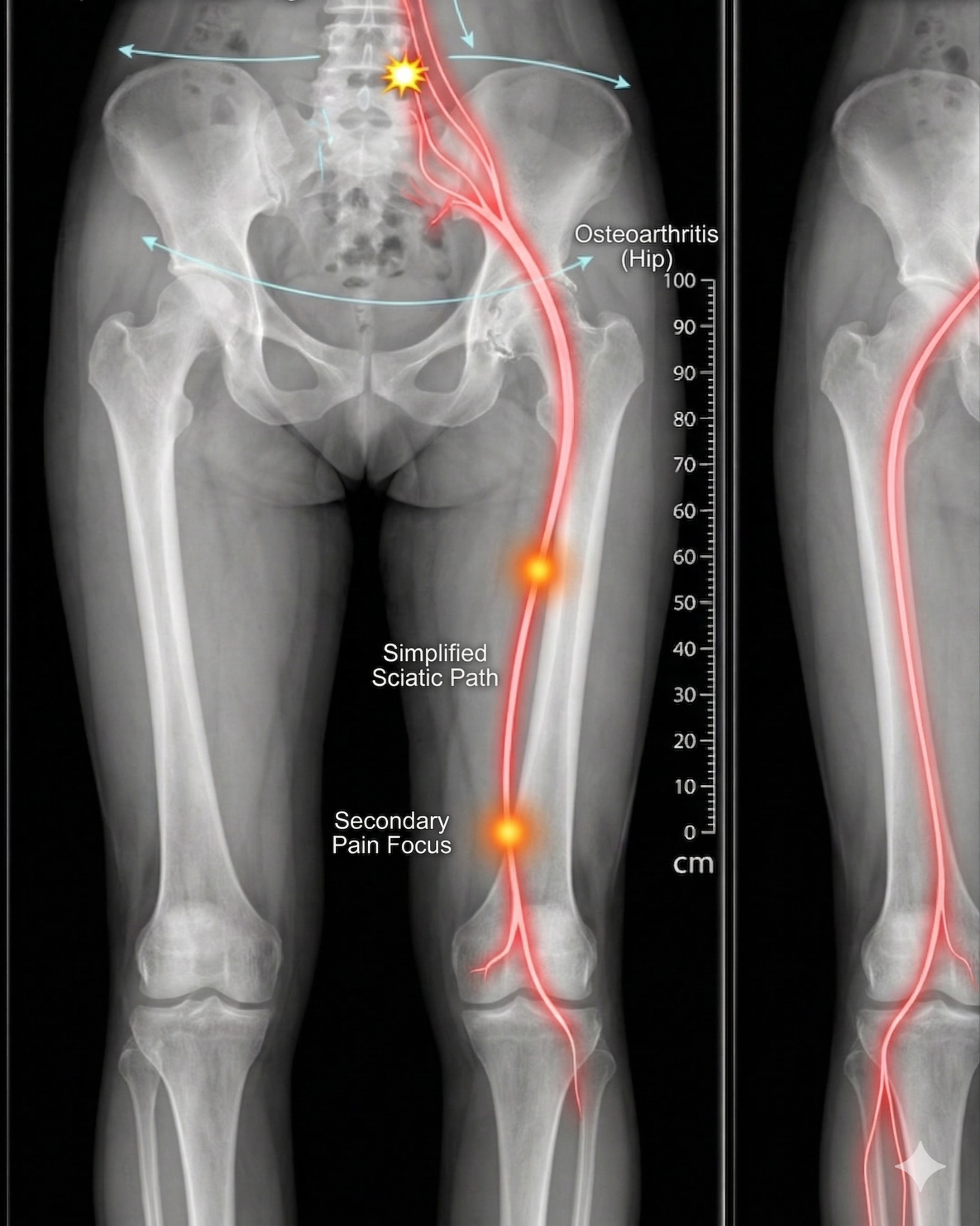
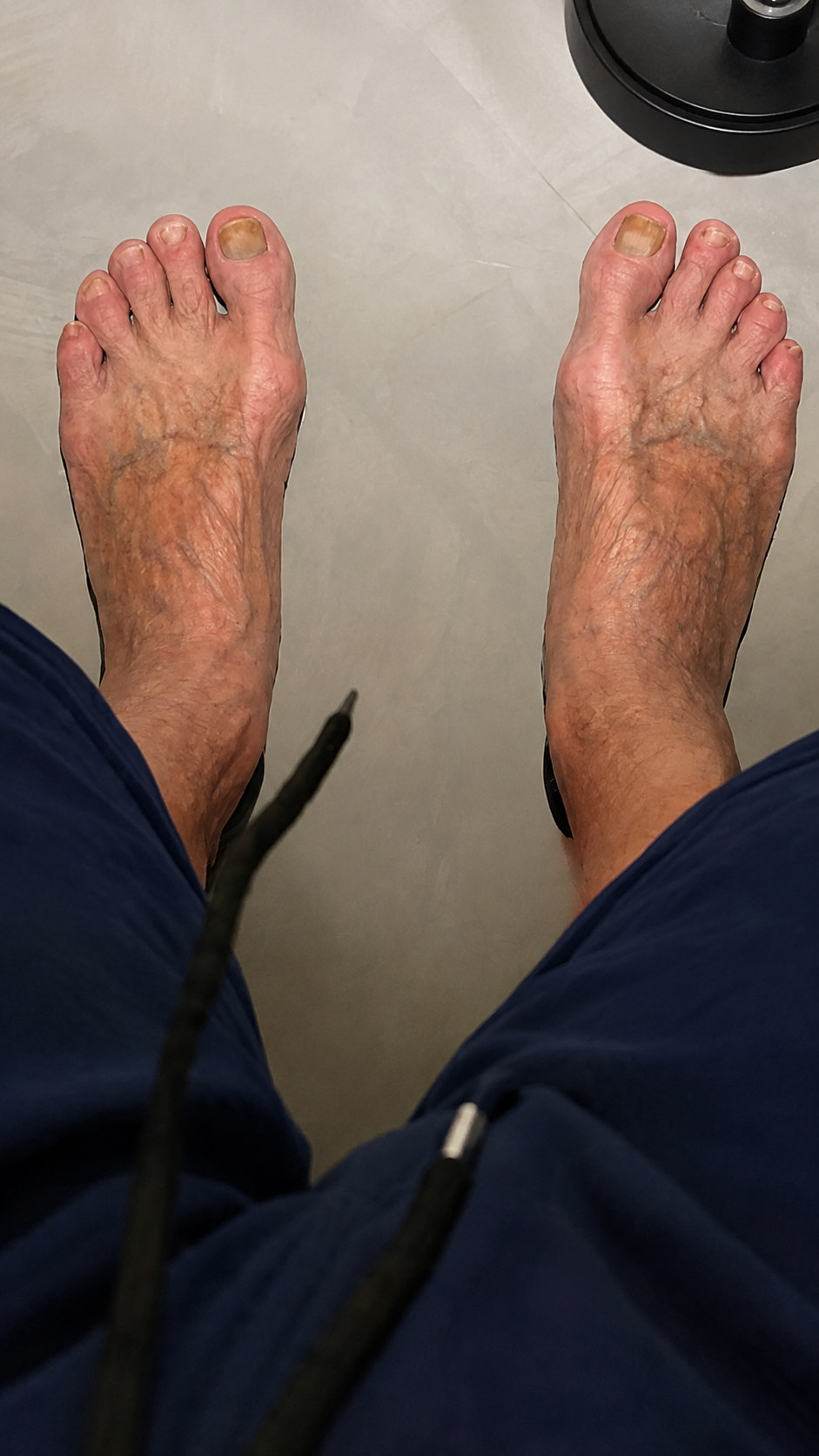
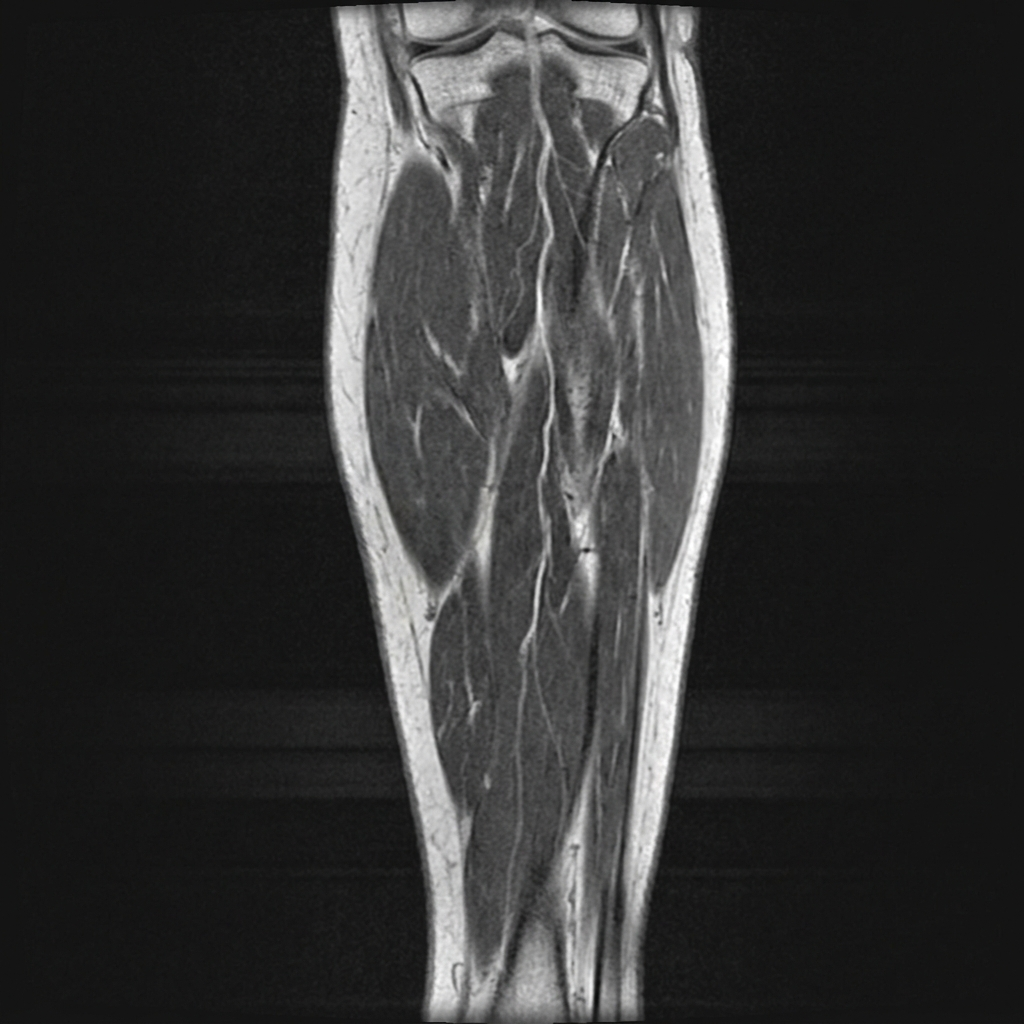
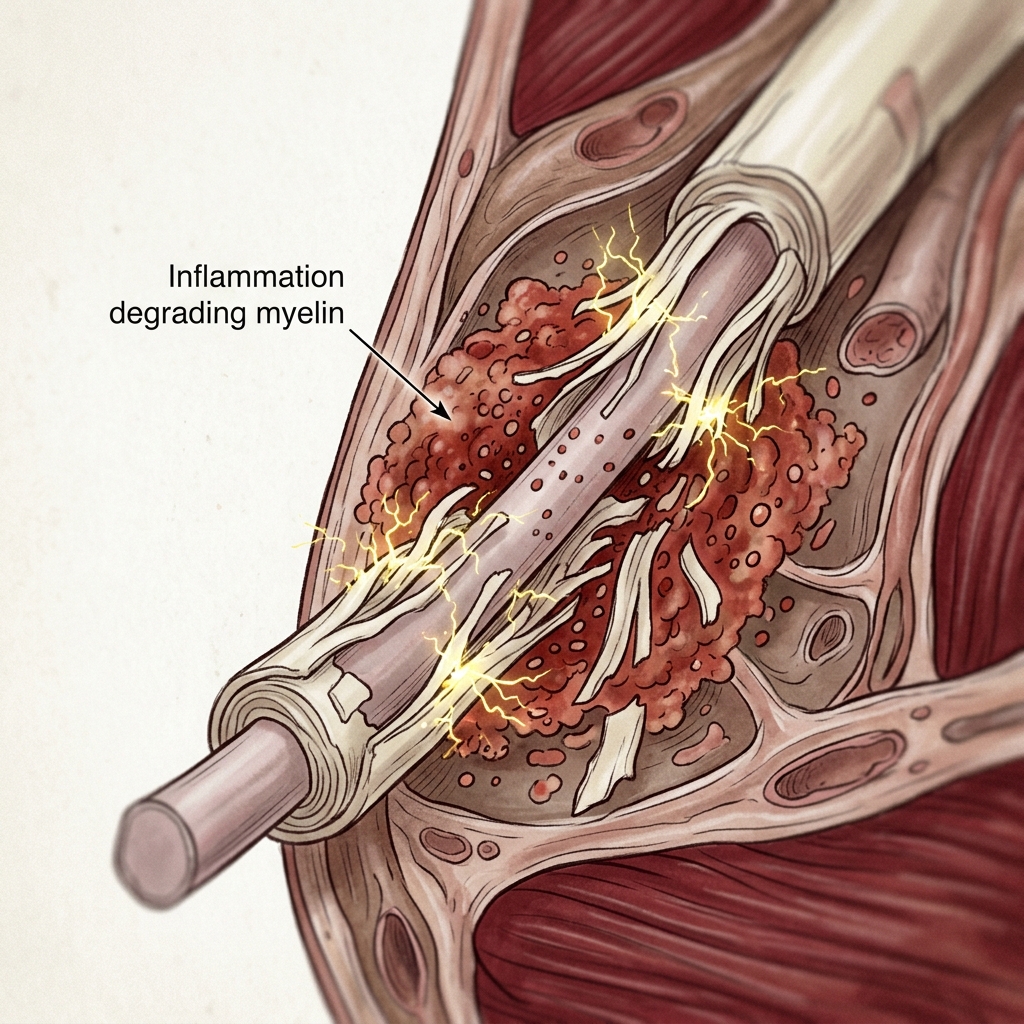
If Your Nerve Medication Is Working And You're Still Not Sleeping. Here's Why. ⠀ If you're taking your prescribed nerve medication exactly as directed, and it's helping, and you're still waking up at 2 or 3am with burning feet, or a jolt of pins and needles that pulls you straight out of sleep — I want to explain something that has nothing to do with whether your medication is working correctly. It is. This is a separate piece. ⠀ I'm Dr. Emily Hartman. Board-certified neurologist. Twenty-four years treating peripheral neuropathy. ⠀ Curtis was the patient who made me start explaining this properly instead of just nodding when patients told me their medication was "working, mostly." ⠀ He'd been on gabapentin for two years, worked up to a dose that genuinely helped him most nights. He wasn't complaining about the medication. He liked his neurologist. He just wanted to know why, two or three nights a week, the burning still broke through anyway, strong enough to wake him. ⠀ Before we ever talked about anything topical, he'd already tried filling in the gaps himself. A cooling gel from the pharmacy that felt good for about ten minutes. A second, smaller dose of gabapentin some nights, which his doctor didn't love and neither did his mornings. Ice packs, which numbed the surface and did nothing for what was happening underneath. ⠀ Medications like gabapentin do real, legitimate work — they reduce the central nervous system's response to the electrical noise a damaged nerve produces. For a lot of my patients, that's genuinely the difference between unbearable and manageable. I'm not here to talk anyone out of a treatment that's helping them. ⠀ What that kind of medication isn't designed to do is change the inflammation immediately surrounding the nerve — the chronic inflammation and the reduced local circulation that are producing the misfiring signal in the first place. It quiets what you feel centrally. It doesn't necessarily change what's happening at the site. ⠀ Here's the piece underneath that. Every peripheral nerve is wrapped in a myelin sheath, a protective coating made up largely of fat. Chronic inflammation degrades that coating, and a degraded sheath is what actually produces the misfiring — the burning, the tingling — independent of how well your medication is managing the signal centrally. ⠀ That's why some of my patients on a well-managed medication regimen still have nights where the burning breaks through. The medication is doing its job. It was just never designed to do this other job too. ⠀ That's the piece I started layering in, topically, at the site itself — Senzio Miracle Balm, a formula built specifically with botanical compounds studied for peripheral nerve inflammation and circulation, delivered through a carrier designed to penetrate and reach that tissue. ⠀ And one of the botanicals inside that formula is frankincense. Its boswellic acids have been studied for their ability to calm inflammatory pathways — giving the formula another layer of support for irritated, inflamed nerve tissue. ⠀ Second, Angelica Sinensis restores circulation to that nerve-adjacent tissue, supporting its ability to maintain itself. ⠀ Next, Comfrey supports that same maintenance and repair capacity, which chronic inflammation suppresses. ⠀ Myrrh reinforces the anti-inflammatory action, and peppermint oil gives immediate, receptor-level cooling relief — something you feel in minutes, while the deeper compounds go to work underneath. ⠀ Because the myelin sheath is fat-rich tissue, it takes a fat-based carrier to actually reach it — Which is why this is built on a sesame oil base, sealed with beeswax, instead of a water-based cream. ⠀ Applied it morning and night, massaging it in for two to three minutes each time — giving the botanicals consistent contact with the tissue while the massage helped distribute the balm and support local circulation. ⠀ I gave Curtis a jar and told him not to change his medication at all — just add this every night and tell me what happened on the nights it used to break through. ⠀ Week one: no dramatic shift, but the nights it broke through, the burning settled faster once he applied it. ⠀ Week two: one full week with no 2am wake-ups. First time in longer than he could remember. ⠀ Week four: he stopped keeping the ice packs in the freezer. He told me he'd forgotten they were even there. ⠀ I've since recommended this same approach to other patients whose medication was helping but not covering every night, and the pattern holds more often than not — fewer nighttime breakthroughs within the first two weeks, and more consistently uninterrupted sleep by the one-month mark. ⠀ It's 50% off right now with a 60-day money-back guarantee — if your nights haven't changed, every dollar comes back. Tap the link below. ⠀ *— Dr. Emily Hartman, MD Board-Certified Neurologist, 24 Years in Peripheral Neuropathy* ⠀ *P.S. — I get this question a lot: "If my medication is working, why would I need anything else?" Because "working" and "complete" aren't the same thing. Your medication is quieting a signal. This is addressing where the signal comes from. Both jobs matter, and most people have only ever had one of them covered.* ⠀ *P.P.S. — Curtis still keeps his gabapentin exactly as prescribed. He just doesn't dread the nights it used to miss anymore.*
Twenty-Four Years Treating Nerves Taught Me This
Unlock the power of nature with Senzio Miracle Balm. This herbal powerhouse soothes, heals, and rejuvenates your skin—experience the magic!
LEARN MORELike this ad? Make it yours.
Crush rebuilds this exact creative around your product — your brand, your colors, your offer — in about a minute.