
Inactive· since Jan 31, 2026
- 170
- days it ran
- 0
- relaunches
- 6,718
- EU reach
Ad copy
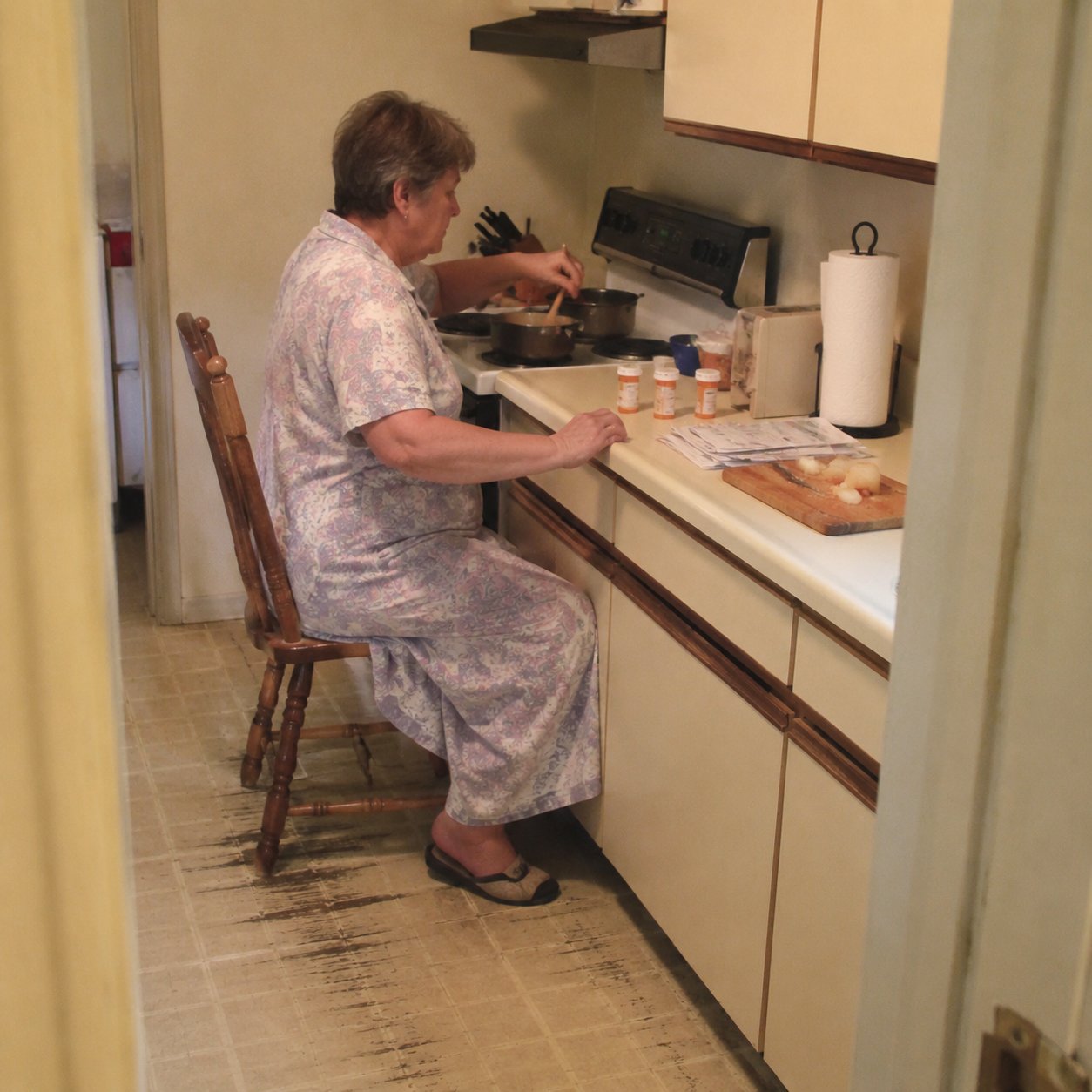
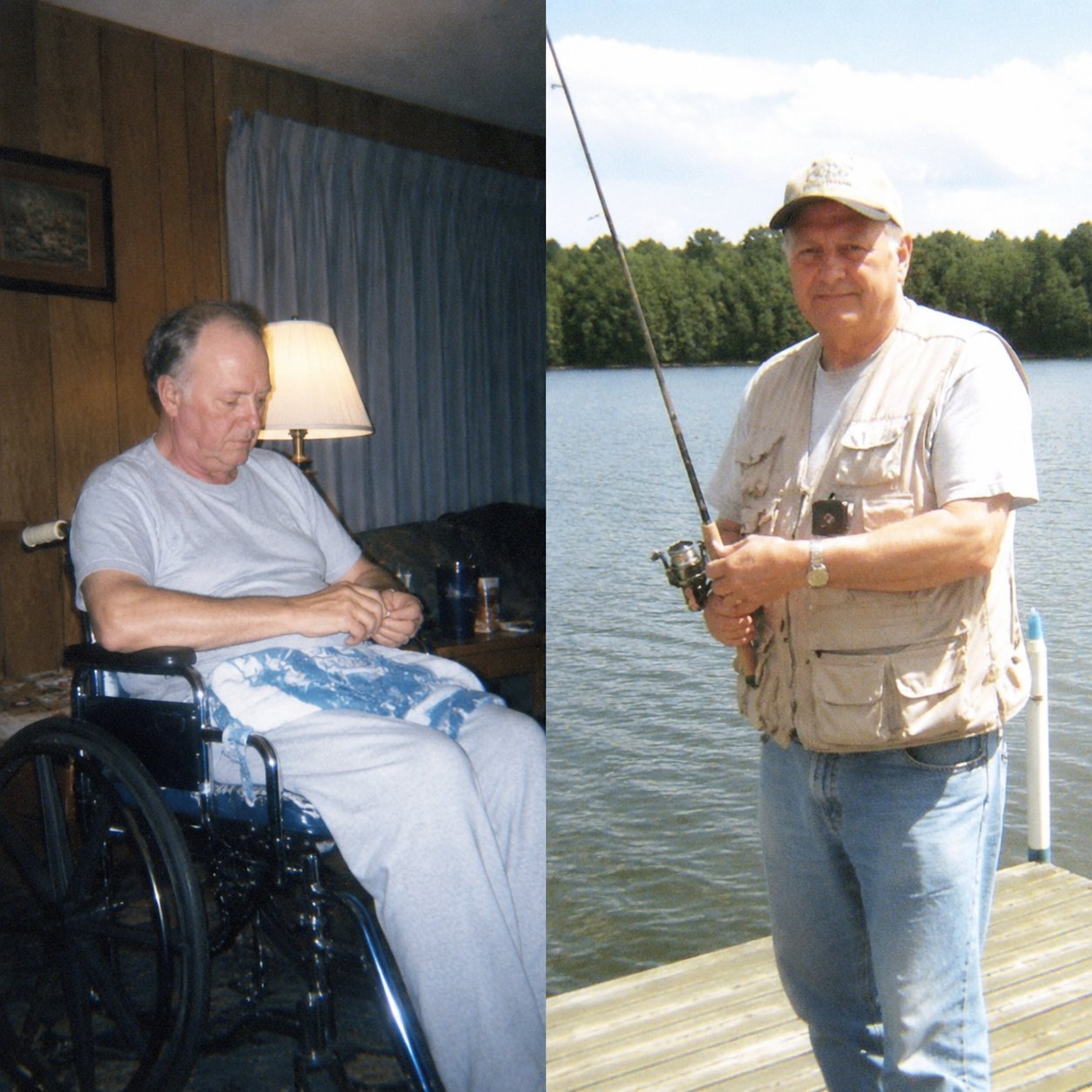
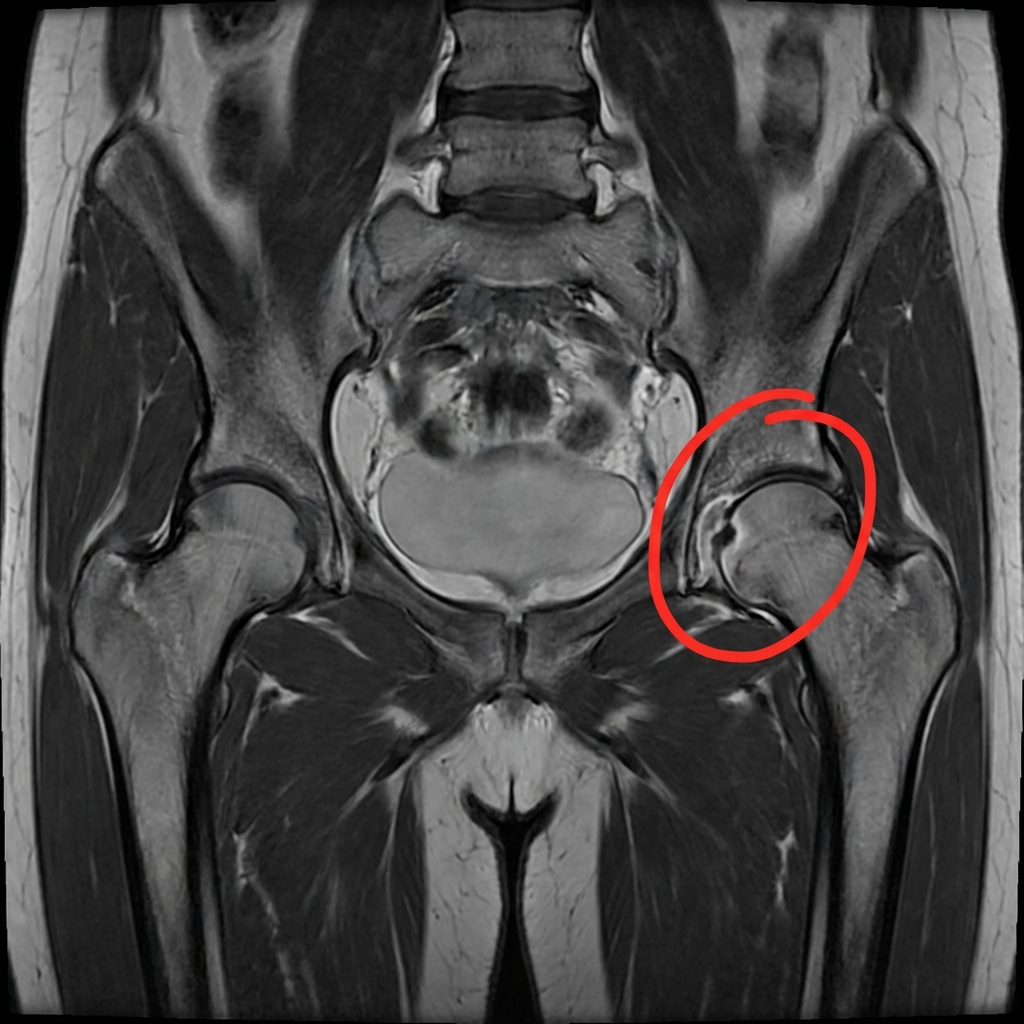
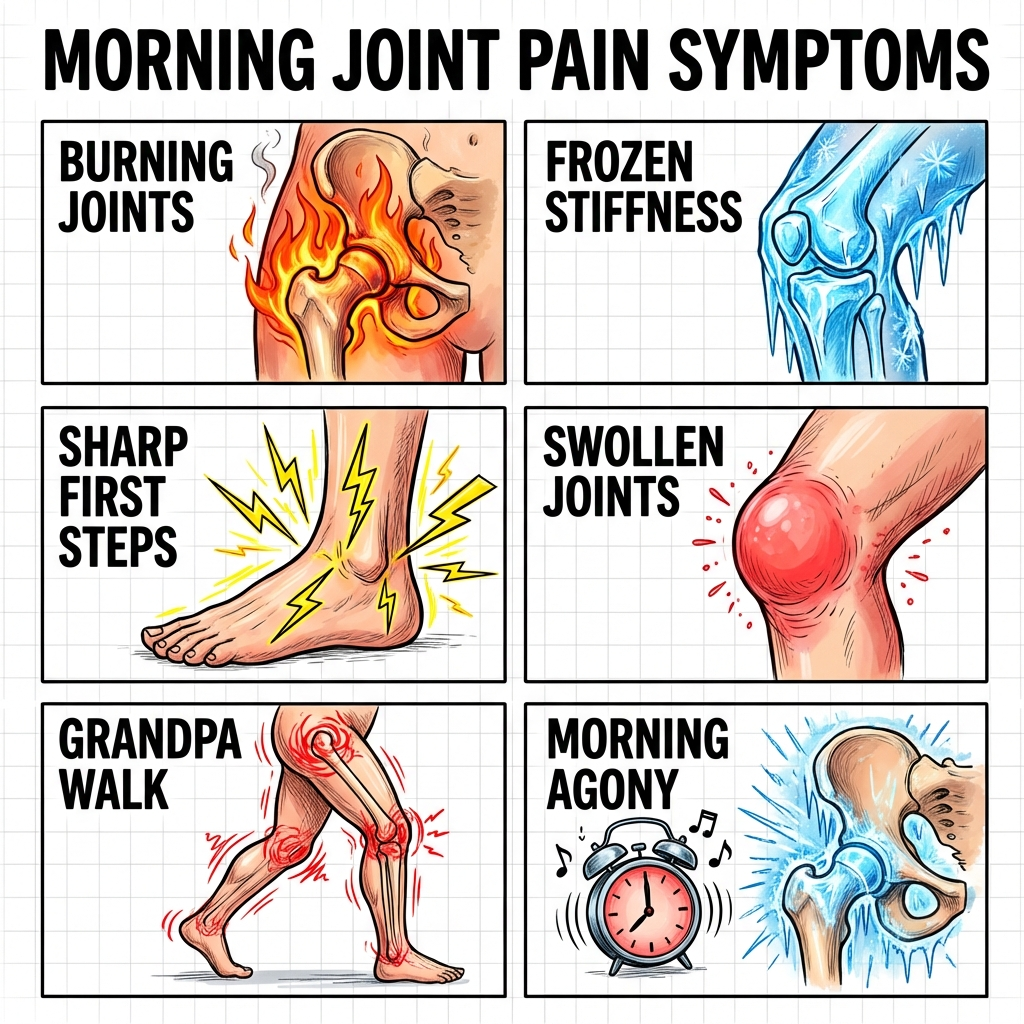
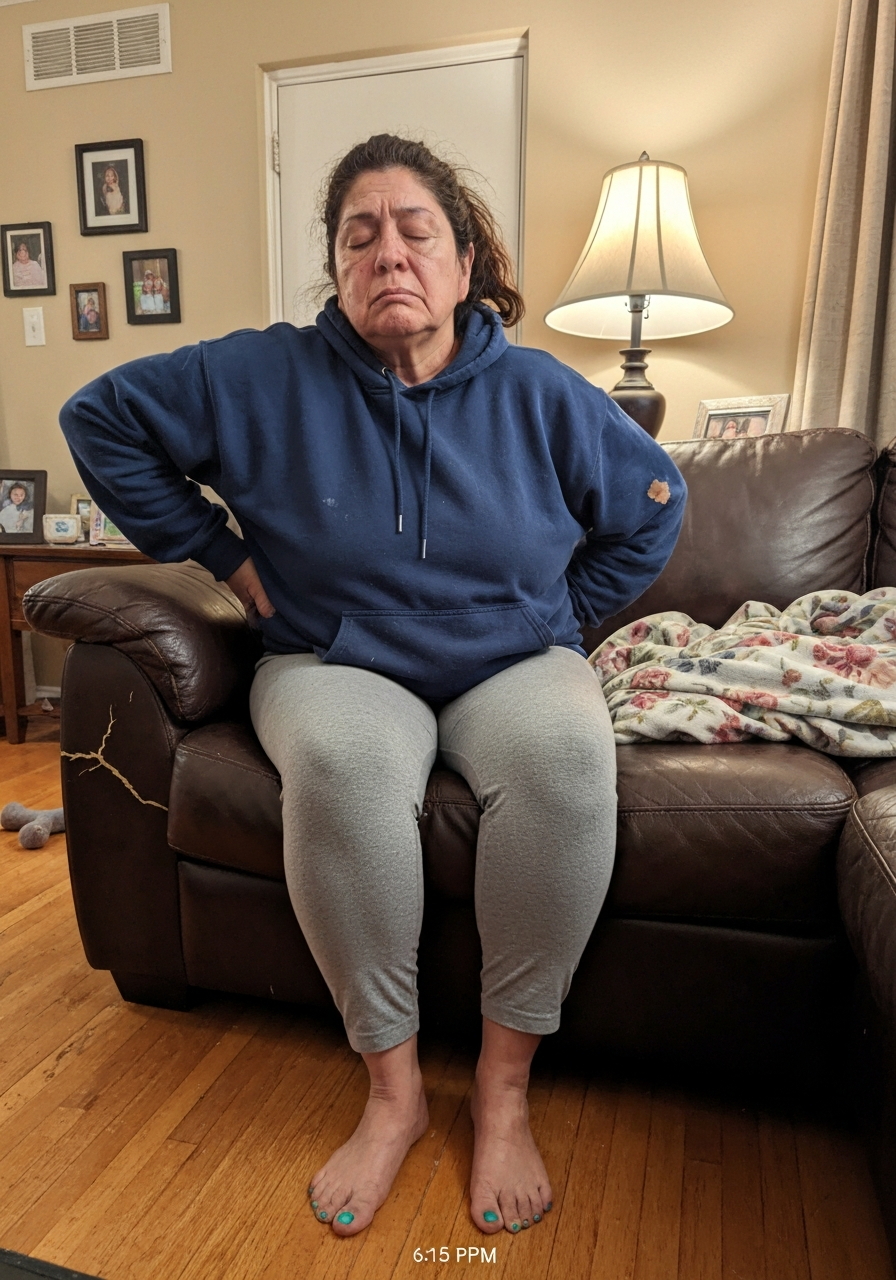
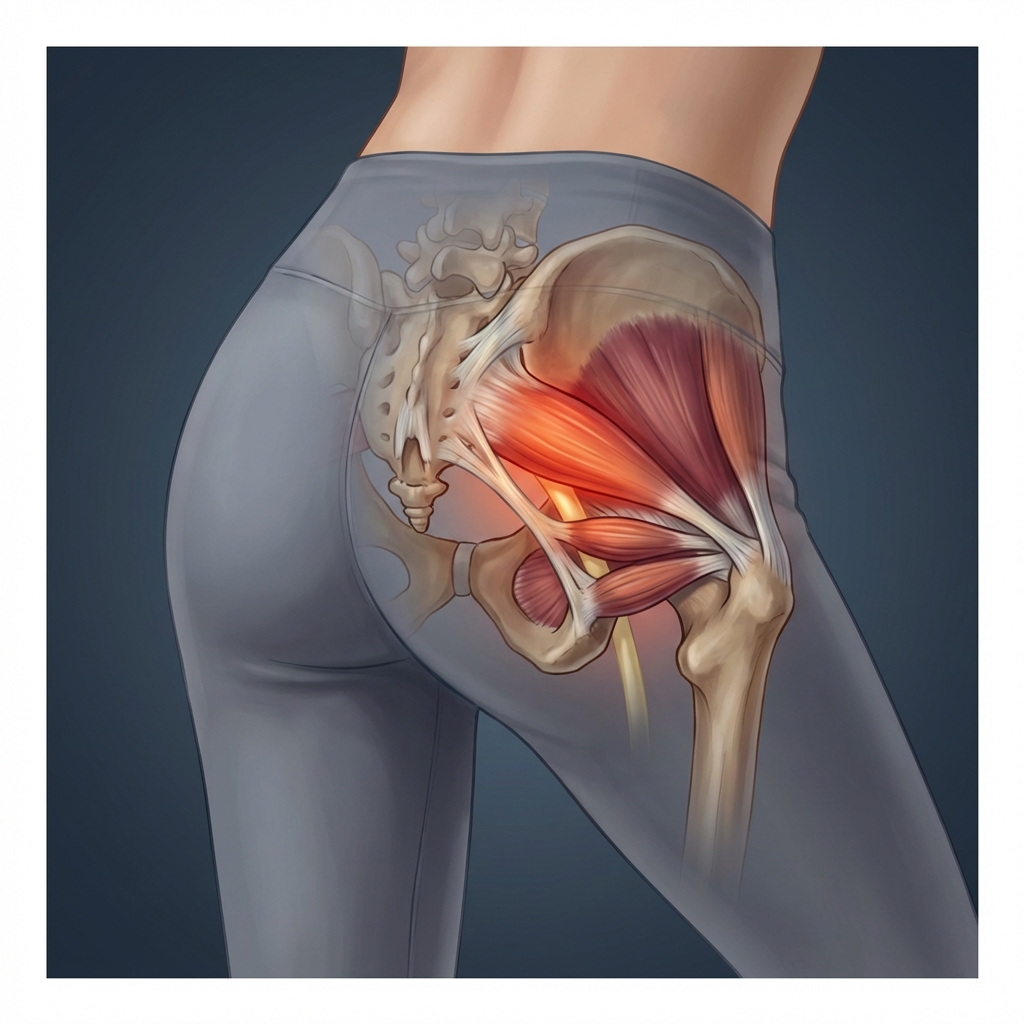
3 signs your hip pain might not be arthritis — even if that's what they told you. Many write it off as "just arthritis" because the symptoms seem similar. But these three signs reveal something completely different may be going on. And understanding the difference changes everything about what could actually help. Sign number one: you have a deep ache that radiates, not grinding. Real arthritis feels like bone-on-bone. Grinding. Clicking. That gritty sensation when you move. But if your pain is a deep, dull ache that radiates down your thigh or into your groin — that's not cartilage wearing away. That's your tendons and connective tissue breaking down. Sign number two: it's worse in the morning, but better with movement. Arthritis typically hurts more the more you use it. But if your stiffness is worst first thing in the morning, then improves as you move around — that's not wear-and-tear. That's stiff, brittle tissue that needs movement to loosen up. Sign number three: it started or got worse after 45. Here's the tell. If your hip pain started — or got dramatically worse — somewhere after 45, there's a reason. And it has nothing to do with how many miles you've walked. Something changes in your body around that age that makes your tendons and connective tissue start to break down. If any of this sounds familiar, you're not imagining things. This pattern is extremely common in women between 45 and 70. Many have been told "it's just arthritis" when the real issue is structural breakdown of the connective tissue surrounding the joint. Not the joint itself. The reason they miss it: imaging shows the joint looks fine. Or it shows some normal age-related changes, so they label it arthritis and move on. But the pain isn't coming from the joint. It's coming from the tissue around it. So what's actually happening inside your body? Collagen is the protein that gives your tendons strength and flexibility. It's literally the glue that holds your joints together. When your body can't produce enough new collagen, those tendons become stiff and brittle. They don't cushion and support the joint like they should. And that creates pain — not from bone grinding on bone, but from tissue that's lost its ability to do its job. Why does this happen around 45? Estrogen doesn't just affect reproductive health. It's one of the main signals that tells your body to produce collagen. When estrogen levels drop — as they do starting in your 40s and accelerating through menopause — collagen production can drop by 70 percent or more. Your body is literally making less of the material it needs to maintain healthy connective tissue. But here's the piece almost no one talks about. Even if your body has the raw materials to make collagen, it needs energy to do the work. That energy comes from something called NAD+ — a molecule your cells use like fuel. Think of it like a rechargeable battery in every cell. By age 45, NAD+ levels can drop by nearly half. So your cells are running on empty. They can't produce the collagen your tendons desperately need. And they can't use whatever collagen they do make for repairs. The good news? Once you understand what's actually happening, there's something you can do about it. Now, you might be thinking: "Okay, so I need more collagen. I'll just take a collagen supplement." Collagen supplements are great. They provide the raw materials your body needs. But here's the problem. Taking collagen when your cells don't have the energy to use it is like buying bricks without hiring any construction workers. The materials just sit there. There are two reasons collagen supplements alone often don't work as well as people hope. First, the absorption problem. Most collagen supplements have terrible absorption. Your digestive system breaks them down before they ever reach your joints. Studies show standard collagen pills might only deliver a fraction of what's on the label to the tissues that need it. It's like pouring water into a bucket with holes. Most of it never gets where it's supposed to go. Second, the double whammy. Even if collagen did get absorbed, remember the energy crisis? Your cells need NAD+ both to produce new collagen and to use that collagen for repairs. Without adequate cellular energy, you're stuck. Your body can't manufacture collagen efficiently. And it can't deploy whatever collagen it has to fix the damage. Taking more collagen doesn't solve either problem. What your joints actually need is a way to restore cellular energy so your body can start producing and using collagen again. Plus a way to clear out the "zombie" cells that accumulate with age and drive chronic inflammation — making everything worse. So if you can't just take collagen, and anti-inflammatories only mask the symptoms, and you're not ready for injections or surgery — what can you actually do? That's exactly the question one of my clients asked me. And what happened next surprised both of us. She was 58. Active her whole life. Told by her doctor it was "just arthritis" and to take Aleve. She'd tried glucosamine, turmeric, even those gel injections. Nothing helped for long. I suggested she try something different. A formula designed to restore cellular energy and support the body's own repair processes. Honestly, I wasn't expecting dramatic results. But six weeks later, she told me her morning stiffness had gone from 45 minutes to about 15. And she'd started walking her dog again without dreading the next day's payback. I didn't think it would work so well. That's why I now recommend Vasozi NAD, a formula that combines NR (a precursor to NAD+), Resveratrol (which activates repair pathways), and Quercetin (which helps clear out inflammatory zombie cells) — all in a liposomal delivery system that actually gets absorbed. It's not a painkiller. It's not a band-aid. It's designed to give your cells the energy and support they need to do what they're supposed to do: maintain and repair your connective tissue. The company that makes it is a small, family-owned business that third-party tests every batch. That matters to me. Here's what you might expect if you try this. The first few days, you probably won't notice much. This isn't a painkiller. It's working at the cellular level, and that takes time. After a week or two, some people tell me they start noticing subtle changes. Maybe the morning stiffness isn't quite as bad. Or they have a little more energy in the afternoon. Nothing dramatic, just small signals. At two to three months, this is where the real cellular work happens. As your NAD+ levels build and your cells start functioning better, you may notice meaningful improvements in comfort and flexibility. Many people tell me this is when they realize they're doing things they'd stopped doing — walking further, sleeping better, not thinking about their hip every time they stand up. The key is consistency. Your cells didn't get depleted overnight, and they won't recover overnight either. If those 3 signs sound familiar — the deep ache, the morning stiffness, the timing — I'd encourage you to at least look into this. Click below to learn more about how it works. https://vasozi.com/products/nad2 There's a full money-back guarantee, which tells you the company stands behind it. They give you enough time to actually see if it helps. This isn't about masking symptoms. It's about giving your body what it actually needs to address the real problem. Your joints might thank you. https://vasozi.com/products/nad2
If you’re struggling with joint pain, this is how I...
This explains something most people haven't heard of for people over 40.
LEARN MORELike this ad? Make it yours.
Crush rebuilds this exact creative around your product — your brand, your colors, your offer — in about a minute.