
Inactive· since Mar 4, 2026
- 19
- days it ran
- 0
- relaunches
Ad copy
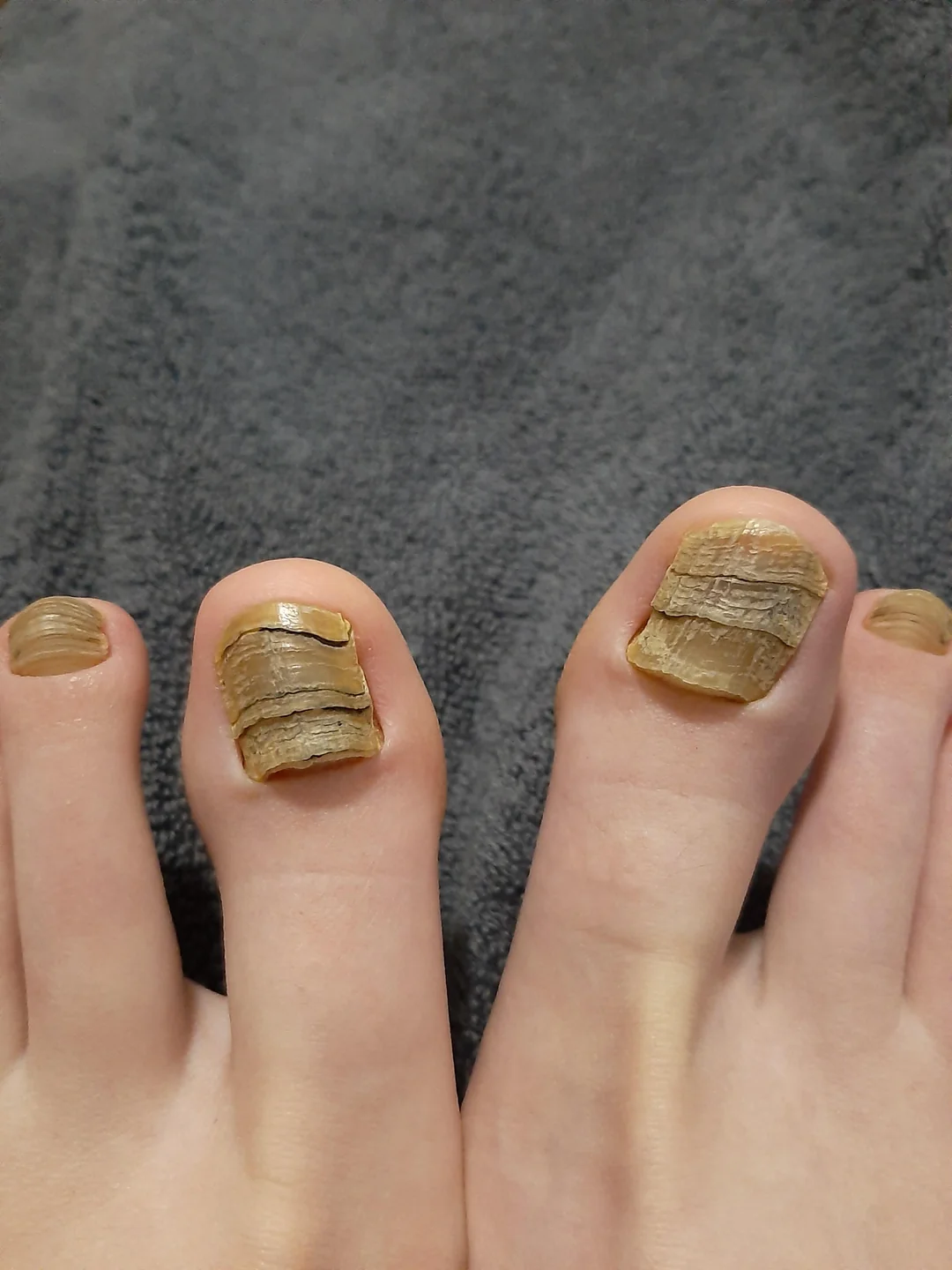
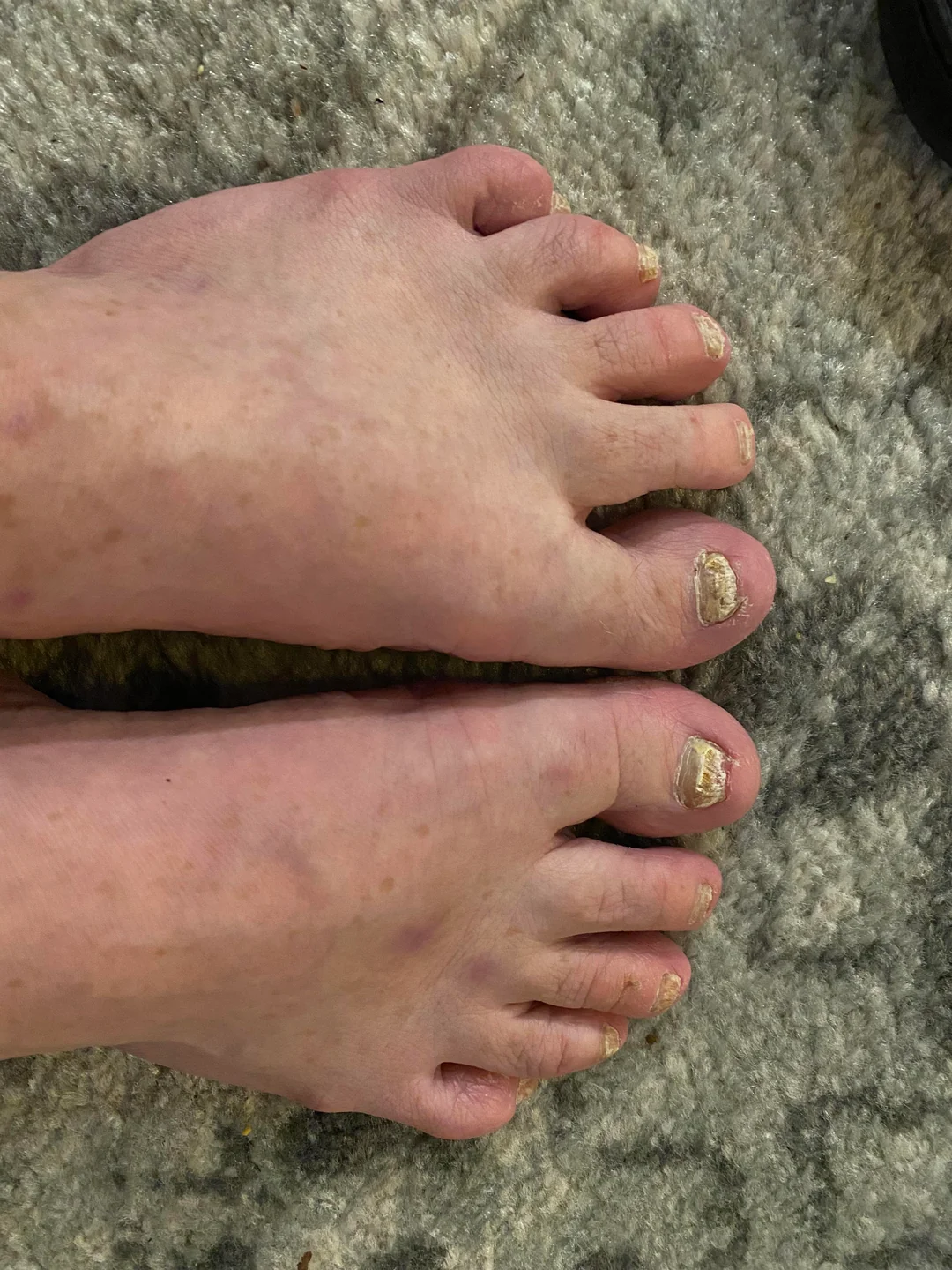
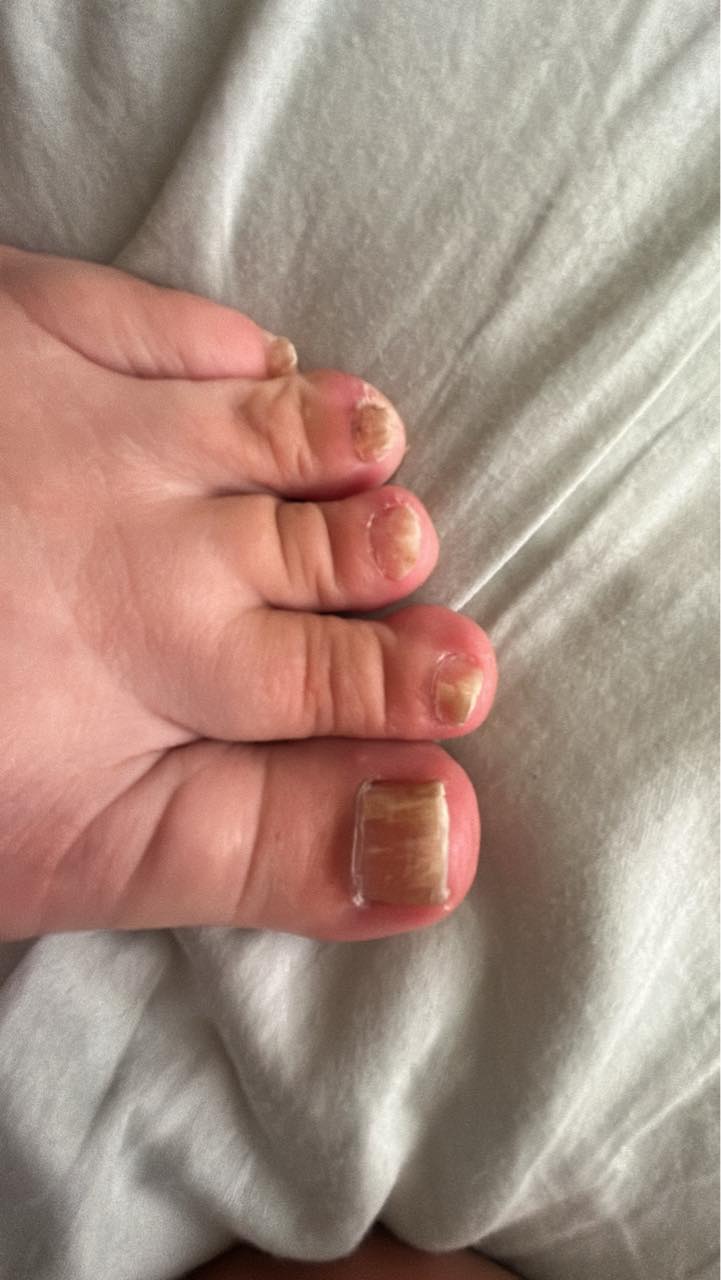
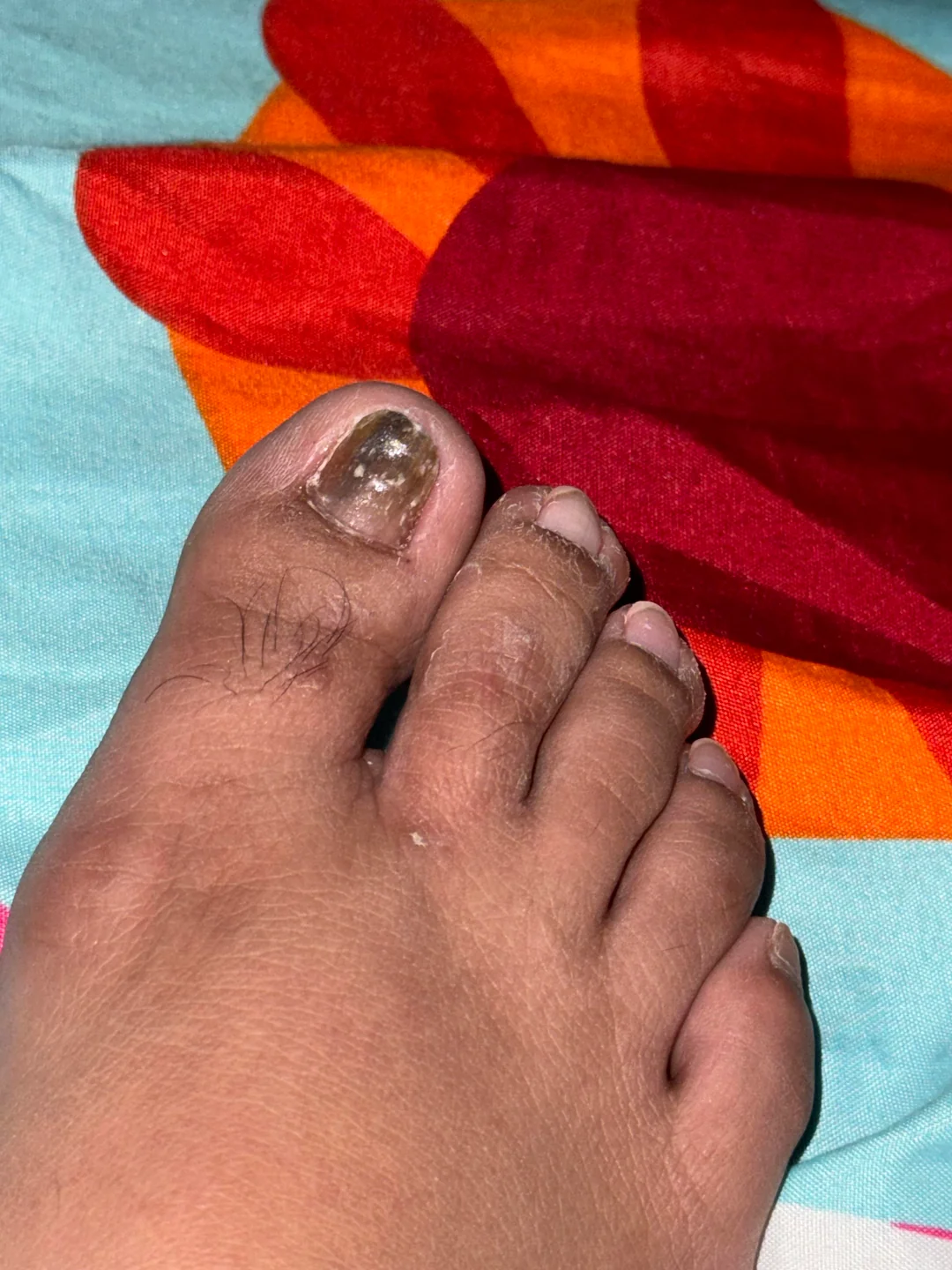
I've been a dermatologist for 22 years. And if your toenail fungus keeps spreading to more nails, your creams aren't doing a damn thing, and your doctor keeps telling you to "be patient"... I'm about to tell you exactly why it's getting WORSE and why the beauty and pharmaceutical industry will NEVER tell you the truth. And by the end of this, you're gonna be pissed. My name is Dr. Sarah Miller. Board-certified dermatologist. Twenty-two years treating chronic fungal infections and onychomycosis. Published in the Journal of the American Academy of Dermatology. Over 3,100 patients. And I'm breaking ranks with my own profession to tell you this. Because there are three things happening right now: One - The fungus on your nail is not "just sitting there." It is actively spreading — and every day you don't stop it at the source, it colonizes more tissue Two - The treatment you've been prescribed was never capable of stopping that spread, and your dermatologist knows it And three - There's a multi-billion-dollar topical treatment industry that profits every single month your fungus comes back So let me tell you what happened with one of my patients, because her story is gonna open your eyes to how messed up this really is. Her name was Jennifer. 43 years old. For YEARS, and I mean like six straight years, she was dealing with this. Her toenails? It started on one big toe. A tiny white spot at the edge. She came to me early — month two. I told her we'd handle it. No big deal. I prescribed ciclopirox lacquer. Paint it on every night. "Be patient," I said. "Nails grow slowly." She was patient. She painted that lacquer on her nail every single night for eight months. Religiously. Never missed a day. And you know what happened? The spot didn't go away. It spread. It went from a little white patch to covering 60% of her big toenail. Yellow. Thick. The edges started crumbling. And then it jumped. Her second toe. Then her third. Then her pinky toe on the same foot. By the end of year two, she had four infected toenails on her right foot. And the fungus had crossed to her left big toe. She stopped wearing sandals. Stopped going to the pool with her daughter. Started wearing socks to bed so her husband wouldn't see. She told me once: "I bury my feet in the sand at the beach so nobody looks down." And the fear? It wasn't just shame anymore. She was terrified it would spread to her fingernails. She'd started noticing a slight discoloration on her thumbnail and she was PANICKING. She had a 7-year-old and a crawling baby and she was wearing socks and slippers 24 hours a day, vacuuming obsessively, checking her kids' toes every bath time, losing her mind over whether the fungus on her feet was going to infect her children. And here's what makes me sick to my stomach: I was the doctor she trusted. Multiple visits. Year after year. We're talking hundreds of dollars in appointments, prescriptions, lacquers, creams... the whole nine yards. And you know what I kept telling her? "The lacquer needs more time." "Try adding tea tree oil to your routine." "It's just cosmetic. Don't worry." "Be more consistent with application." BE MORE CONSISTENT. This woman was painting her nails every single night, watching the infection spread to more toes, and I was telling her she wasn't being consistent enough. But here's where it gets worse—and this is the part that haunts me now. I switched her to a different topical. Then another. Then I added vinegar soaks. Then undecylenic acid. Then a filing protocol. You know what happened? The infection kept spreading. Five toes. Then six. Then seven. Over six years, I watched this woman's fungus march across her feet—one nail at a time—while I kept prescribing treatments that sat on the surface. I watched this woman—who did everything I told her, spent hundreds of dollars, followed my protocols—get WORSE. Not better. Worse. And I didn't understand why. Until a 68-year-old naturopathic physician taught me more about stubborn nail fungus in 20 minutes than I learned in two decades of dermatology training. March 2024. Scottsdale. American Academy of Dermatology Annual Meeting. I was wearing closed-toe flats despite it being 87 degrees outside. Because at 54, my own big toenail had turned yellow nine months earlier. And nothing I'd been prescribing to patients for 22 years worked on me either. Worse—the second toe had started showing signs. That's when I saw her. Dr. Evelyn Santos. 68 years old. Wearing open-toed sandals. Her toenails looked like they belonged to a woman half her age. Clear. Smooth. Pink. No hint of the crumbling yellow I saw on my own toes every morning. I walked over. "Excuse me—I'm a dermatologist. I've seen your patient history. You had Stage 3 onychomycosis on multiple nails five years ago. How are your nails so clear?" She smiled. The kind of smile that knows something you don't. Then she asked to see my toes. And I—a dermatologist who couldn't fix her own nails—slipped off my shoe in shame. She examined the yellow covering 70% of my big toenail and the early discoloration on the second toe. "Dr. Miller, when did this start?" "About nine months ago. And it's already spreading." Her face changed. And what she said next made my stomach drop. "It's not spreading randomly. It's spreading systematically. The fungal colony under your nail has built a biofilm fortress. That biofilm produces spores. Those spores migrate to adjacent nails through micro-contact. While you're painting lacquer on the surface, the colony underneath is actively COLONIZING new territory through the nail bed." She looked at me seriously. "Every month you spend applying topicals that can't penetrate the nail is another month the biofilm matures, produces more spores, and infects more nails. You're not treating it. You're giving it time to spread." I felt sick. Then she said: "The problem isn't your hygiene or your effort. It's your delivery system. You're fighting a fortress by painting the outside walls." She gestured to an empty table. "May I show you something? It will take twenty minutes. But it will change how you understand this completely." What she taught me in 20 minutes changed everything. She drew a simple diagram on a napkin. "Your treatment model treats fungus as a surface problem. So you paint it with lacquer. Soak it in acid. File it down. That's like trying to kill termites by painting the outside of the house while they eat the walls from inside." She tapped the napkin. "But this isn't a surface problem. It's a fortress problem. The fungus has built a Biofilm—an invisible shield underneath your nail—and your topicals never get past the keratin barrier to reach it." Now pause for a second. You know what's insane? We learned in dermatology school that nails are made of keratin. That keratin is waterproof. That topical penetration through the nail plate is extremely poor. We KNOW this. It's in the textbooks. And yet we keep prescribing topical treatments for an infection that lives underneath a barrier we know is impenetrable. And that's not an accident. Because once you understand that topicals can't reach the biofilm, you realize why Jennifer's fungus kept spreading. Why MY fungus kept spreading. Why the infection marches from nail to nail to nail while you paint and soak and file. Here's what's actually happening underneath: The fungal colony lives in the nail bed. It builds a slimy biofilm fortress that makes it up to 1,000 times more resistant to antifungals. Your nail—made of dense, waterproof keratin—acts as a physical barrier on top. The fungus is doubly protected. When the biofilm is intact and the colony is thriving? It produces spores. Those spores spread through micro-contact to adjacent nail folds. Each new nail becomes a new colony site. Each new colony builds its own biofilm. So the infection doesn't just persist. It EXPANDS. Actively. While you watch. And here's the key thing I learned: Topical antifungals don't work for biofilm-protected infections underneath waterproof barriers. Lacquers and creams are designed for surface fungal infections—when the organism is exposed. Athlete's foot on skin? Topicals work great. Fungus underneath an impermeable nail plate behind a biofilm shield? The drug never reaches the target. But Jennifer's nail wasn't the problem. MY nail wasn't the problem. The problem was that the infection was INSIDE, the treatment was OUTSIDE, and the nail blocked delivery. So the lacquer sat on the surface. The tea tree oil evaporated. The vinegar did nothing. And the fungus underneath kept spreading to the next nail. And the next. And the next. Because it's not a surface problem. It's a FORTRESS problem. And here's the part that made my blood boil: The dermatology industry KNOWS about biofilms. We know nails are waterproof. Researchers publish papers about topical penetration failure rates. But we keep prescribing the same lacquers and creams because that's what we're trained to do. Why? Because pharmaceutical companies don't make systemic plant-based antifungals. They make patentable prescription drugs and expensive topicals. You can't patent oregano oil. There's no money in telling you your nail is waterproof and creams are physically incapable of working. There IS money in selling you $275 lacquer bottles, $45 antifungal creams, and $200 dermatologist visits for the REST OF YOUR LIFE. See how that works? Evelyn showed me the actual PROTOCOL for breaching the biofilm and stopping the spread from the inside. It involves three specific things happening simultaneously: 1. Systemic biofilm disruption — A compound that enters the bloodstream and dissolves the protective fortress the fungus hides behind, exposing the colony for the first time 2. Bloodstream-delivered antifungal action — Bypassing the waterproof nail barrier entirely by delivering the active compound through the blood to the nail bed, where the infection actually lives 3. Immune system reactivation — Waking up the body's dormant antifungal defense so your immune system recognizes the infection it's been ignoring for years and starts clearing it There are actual peer-reviewed studies showing that carvacrol from oregano oil disrupts fungal biofilms and that thymoquinone from black seed oil reactivates antifungal immune response. Nature already built the protocol. We just stopped paying attention when Big Pharma offered something more profitable. But you'll never hear most dermatologists mention it. Because pharmaceutical companies don't make plant-based systemic antifungals. They make liver-toxic prescription pills and surface-level lacquers. So that's what we're trained to prescribe. The financial model is backwards. A patient on traditional topical protocols pays $100-400 monthly. Indefinitely. Average lifetime value: $6,000-15,000. A systemic plant-based protocol that breaches the biofilm? No recurring revenue. The system isn't designed to solve the problem. It's designed to manage it forever — one spreading nail at a time. Now here's the problem I ran into... Most "antifungal supplements" on the market are garbage. I tried a cheap oregano capsule. Low potency. No standardized carvacrol. Did nothing. I tried another one that claimed to "support nail health." Just biotin and zinc in a fancy bottle. Surface marketing. No biofilm disruption. I tested nine different supplements after Scottsdale. Spent over $300 total on capsules that were either too weak or didn't target the actual biofilm. Because here's the thing: A generic oregano capsule is NOT the same as a biofilm-disrupting systemic protocol. Most supplements use low-grade oregano powder with negligible carvacrol — the specific compound that actually dissolves biofilms. It's like buying a water gun and wondering why it didn't put out the house fire. True biofilm disruption requires high-potency, standardized carvacrol delivered through the bloodstream at concentrations that actually reach the nail bed. Combined with thymoquinone to reactivate your immune system's ability to clear the exposed colony. Every supplement I tested failed at least one of the three requirements. Until I found Orgatics. They had an Oregano + Black Seed Oil capsule. Not a generic multivitamin. Not a low-dose oregano powder. An actual dual-action systemic antifungal. With ALL THREE requirements. Standardized carvacrol for biofilm disruption. Concentrated thymoquinone for immune reactivation. Bloodstream delivery that bypasses the waterproof nail entirely. When I dug into the formulation? It was based on the exact compounds studied in peer-reviewed mycology research. The same mechanisms that scientists have documented for disrupting fungal biofilms. The same approach naturopathic physicians have used for over a decade. They weren't just selling a supplement. They understood the science. They knew WHY the biofilm protects the fungus. They built something to actually breach it. And here's where I had to face what I'd done to my patients: When Jennifer was buying lacquers from me? $275 every few months. Plus the undecylenic acid. Plus the tea tree oil kits. Plus my office visits every 8-12 weeks. Plus I'd recommended filing tools and vinegar soaks that consumed 30 minutes of her evening every single night. She was spending hundreds of dollars a year. Every single year. Just to manage symptoms that kept spreading to more nails. The Orgatics capsules? A fraction of what she'd been spending on treatments that failed. Uses the actual biofilm-disruption protocol. Standardized carvacrol that enters the bloodstream and reaches the nail bed. Thymoquinone that wakes up the dormant immune response. Two capsules a day. Five seconds. Done. I started using them myself first. Week 2: The inflammation around my cuticle — tenderness I'd stopped noticing because it became my normal — began subsiding. The infection was being challenged from the inside for the first time. Week 4: I examined my big toenail under magnification. At the cuticle, a thin crescent of clear, pink nail was emerging. New growth. Healthy growth. Week 6: The crescent was visible without magnification. Approximately 3 millimeters of clean, smooth nail growing in from the root. And my second toe — where the infection had been spreading — showed zero new discoloration. The spread had stopped. Week 12: Full assessment. Over 7 millimeters of clear regrowth. The yellow zone was being pushed forward by healthy nail. No new infection on any other nails. The biofilm had been breached. The spread had been stopped. The fortress was falling from the inside out. Then I called Jennifer. And every other patient I'd failed. "I need to tell you something. The treatments I prescribed were wrong. I was treating the surface when I should have been treating the bloodstream. I was fighting the wall when I should have been going around it. I didn't know the difference. But I do now." Jennifer, Week 8: "Dr. Miller, the clear nail is growing in on three toes now. And for the first time in six years, it hasn't spread to a new nail. Not one. It actually stopped." Before: 7 out of 10 toenails infected. Spreading to new nails every 4-6 months despite continuous topical treatment. After 8 weeks: Clear regrowth visible on 3 nails. Zero new infections. Cost of lacquers and creams that failed her: over $2,000 across six years. Cost of what worked: a fraction of that. She wore sandals to her daughter's soccer game last Saturday. First time in four years. Her daughter said: "Mom, your toes look normal." Jennifer told me she went to her car and cried. The spreading? Stopped. She walked barefoot in her own house for the first time since her baby started crawling. No socks. No slippers. No paranoia about the floors. She got her life back. This is the protocol they don't want you to know about. Because the second you breach the Biofilm Fortress from the inside, the fungus stops spreading. You don't need their surface-level lacquers anymore. You don't need their 30-minute nightly soaking rituals. Your body starts FIGHTING THE INFECTION ITSELF the way it's supposed to. Now here's what I need you to understand about timing: The urgency Evelyn warned me about is real. Fungus doesn't wait. Every month the biofilm matures, it produces more spores. Those spores colonize new nails. The longer you wait, the more nails get infected, and the more fortresses you have to breach. One infected nail at month 3 can become four infected nails by month 12. I've seen it happen to over 40 patients. I watched it happen to Jennifer. If you're at one or two infected nails right now — you have a chance to stop it before it spreads further. Every week matters. If you're already at five, six, seven infected nails — the biofilms are mature and deeply embedded. You can still breach them. But it takes longer, and the window for easy reversal narrows. If you're reading this and the infection has started appearing on your FINGERNAILS — act now. Fingernail infections are visible to everyone. You can't hide your hands in the sand. If you're someone who's been dealing with this — yellow nails, thickening, crumbling, spreading — and nothing has worked? It's not because you're dirty. It's not because you didn't file hard enough or soak long enough. It's because the fungus is hiding behind a biofilm fortress underneath a waterproof barrier. And every product you've been prescribed was physically incapable of reaching it. Orgatics has a money-back guarantee — if it doesn't work, you're not out anything. And honestly? Even if you're skeptical, try it for two months. See if your body responds the way mine did. The way Jennifer's did. Watch for the clear crescent at your cuticle. That's your proof. Because the dermatology industry isn't coming to save you. We profit too much from selling you lacquers that sit on the surface while the fungus spreads underneath. A 68-year-old naturopathic physician taught me more in 20 minutes than I learned in two decades of dermatology training. It's about time I passed that lesson on. Go get it. P.S. — I still prescribe topical antifungals—but only for surface skin infections like athlete's foot. For chronic nail fungus caused by Biofilm Fortress Failure, only systemic biofilm disruption works. P.P.S. — If your fungus has already spread to multiple nails, every week you wait is another week it can colonize the next one. Don't spend another six years painting a waterproof nail while the infection spreads underneath. P.P.P.S. — Jennifer: "Six years. Seven infected nails. Hundreds of dollars on creams that couldn't get through. Two capsules a day stopped the spreading in weeks. I can see clear nail growing in. Don't wait like I did."
I spent $800 on creams, lacquers, and soaks that did nothing.
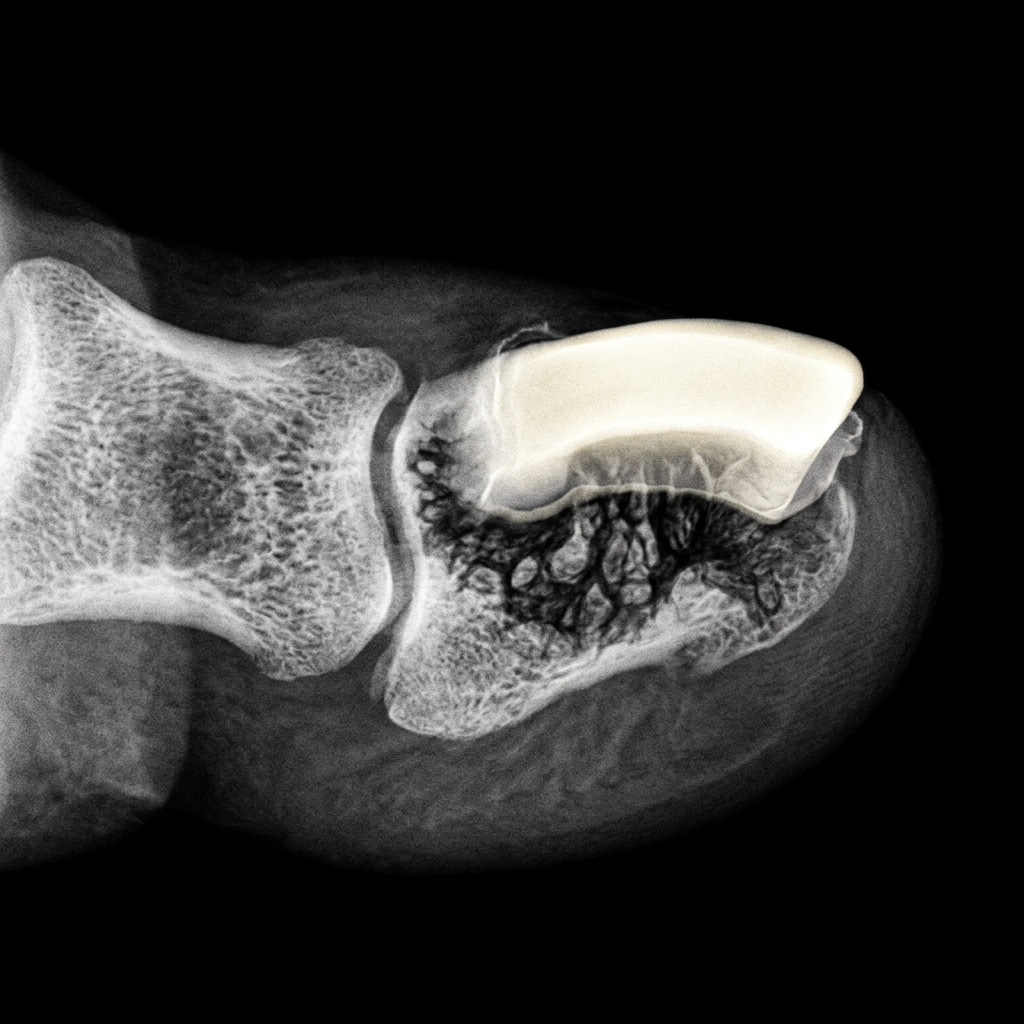
The secret to clear, pink nails. Deep systemic absorption that dissolves the 'Biofilm Shield'.
LEARN MORELike this ad? Make it yours.
Crush rebuilds this exact creative around your product — your brand, your colors, your offer — in about a minute.