
Inactive· since Mar 26, 2026
- 14
- days it ran
- 0
- relaunches
Ad copy
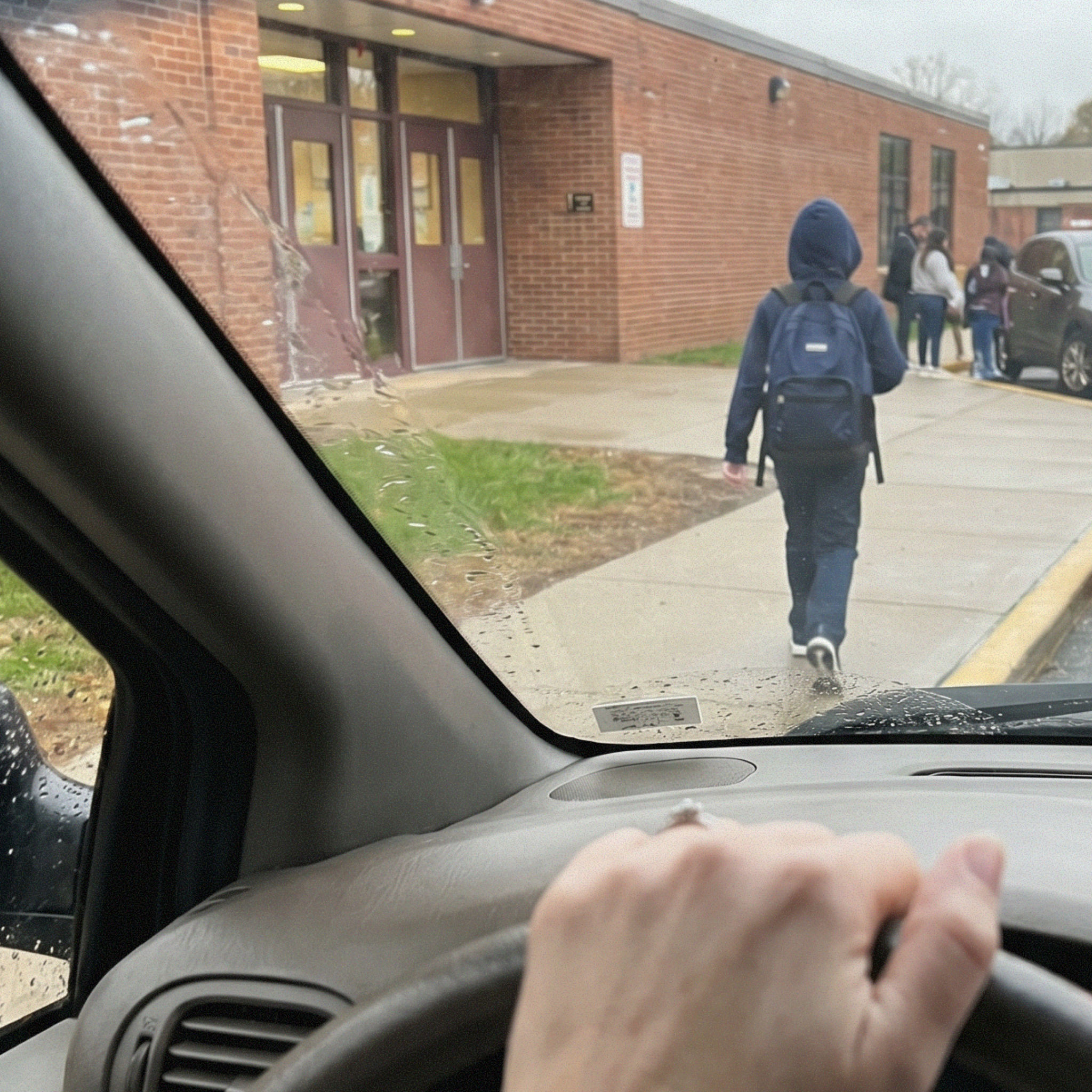
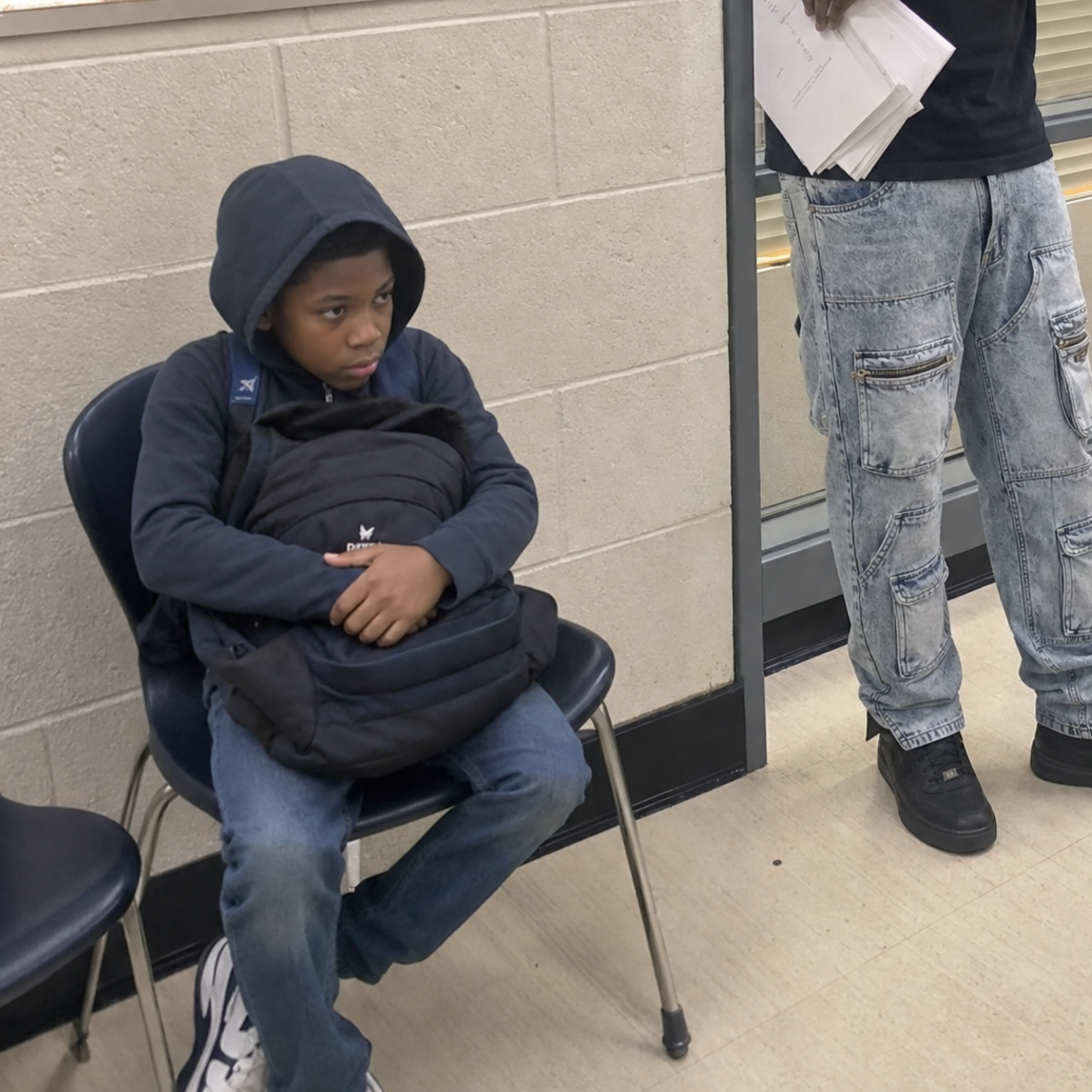
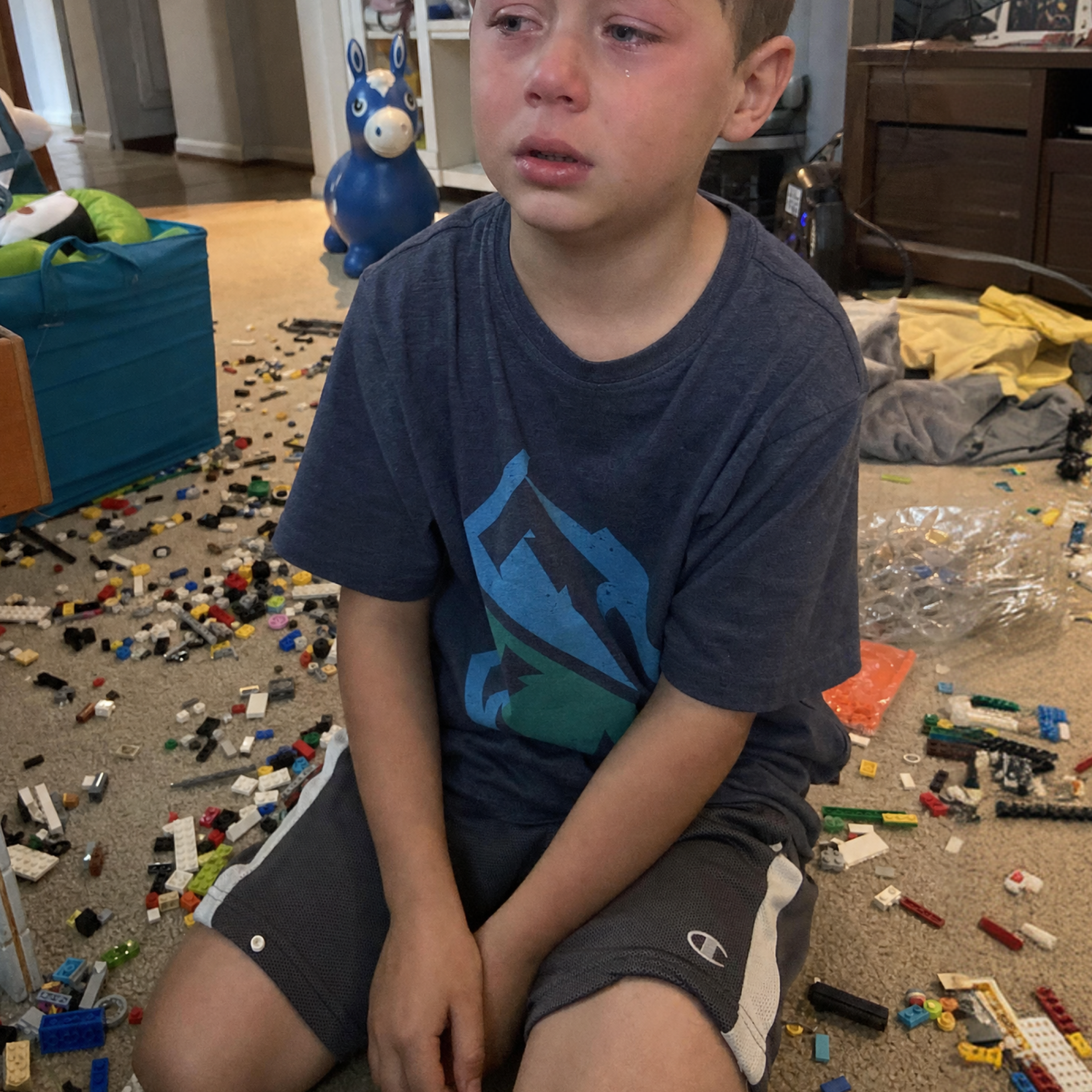
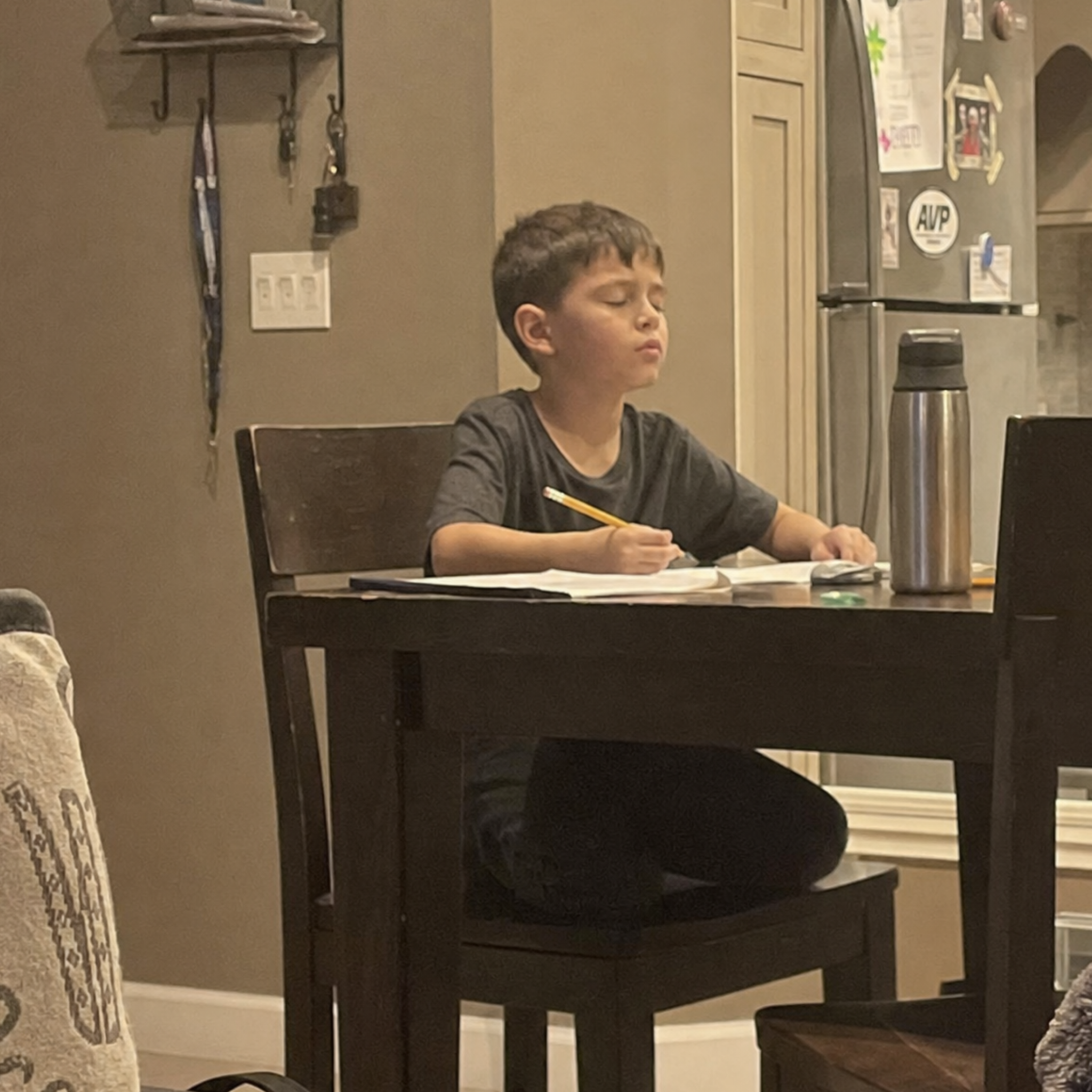
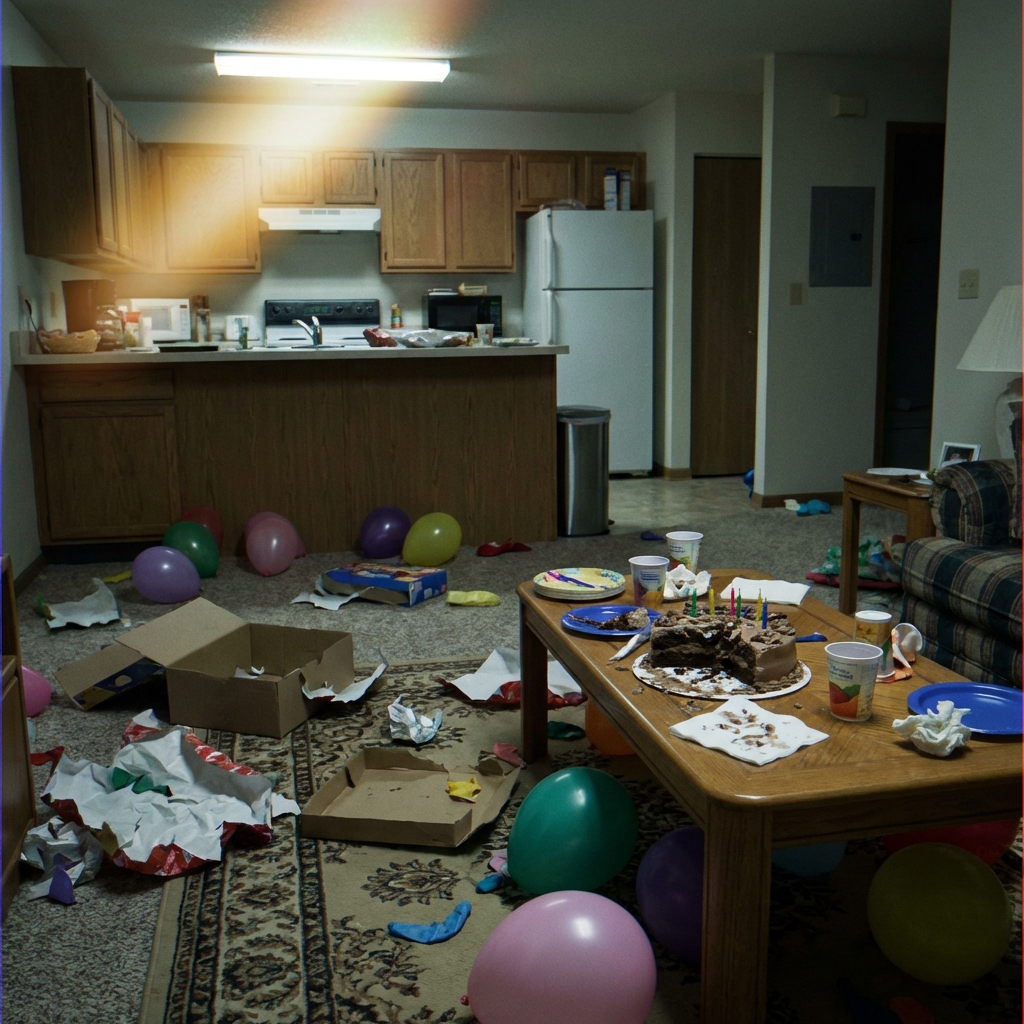
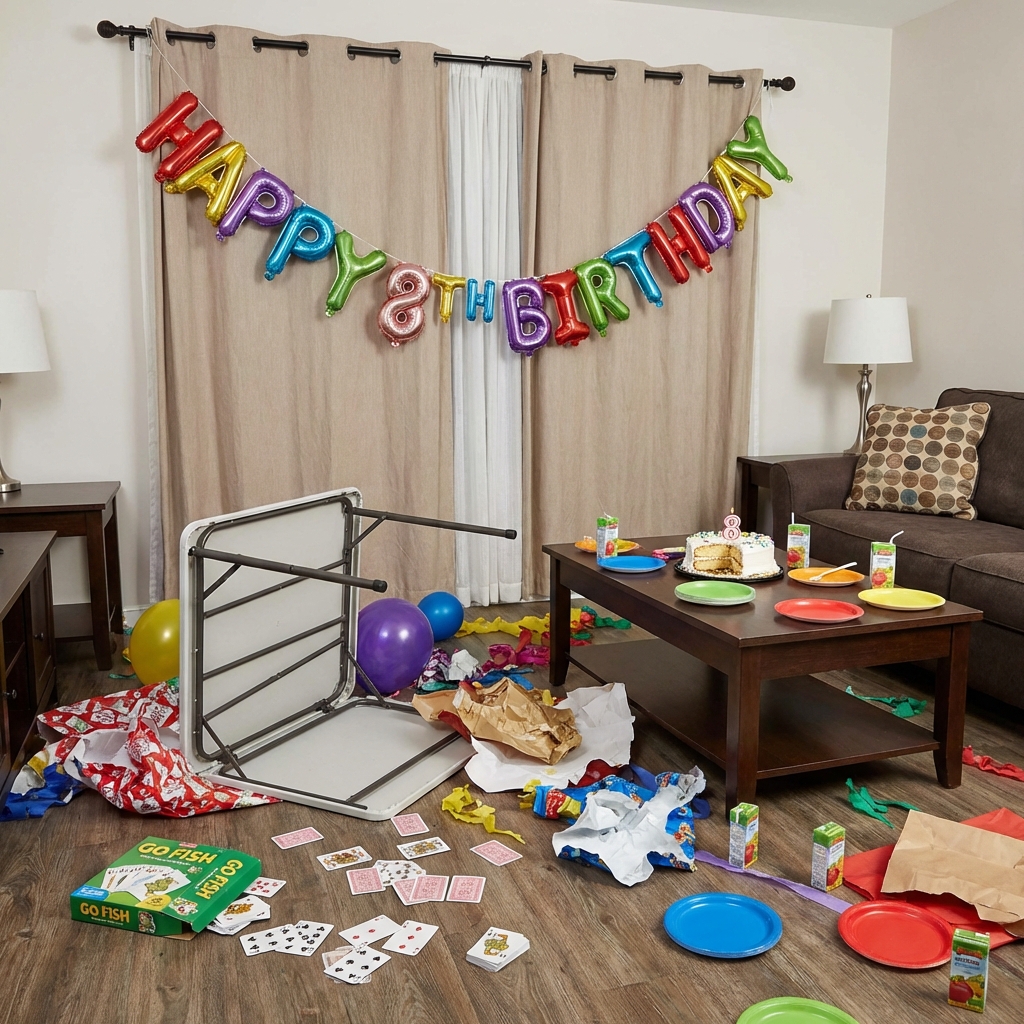
My son destroyed his own birthday party over a card game. He's 8. And when it was over — when the frosting was scraped off the carpet and the half-deflated balloons were shoved into a trash bag — he sat down and wrote "I'm sorry I ruined everything" on a handmade card. Nobody asked him to. Nobody had to. His brain always knows. It just can't stop. The house went quiet that night. Not peaceful quiet. The kind that presses down on your chest. My son was asleep. The apology cards were stacked on the counter. And I sat on the kitchen floor and thought: We just survived another one. Another one. Because that's the part nobody sees from the outside. The birthday party wasn't a freak accident. It wasn't a "bad day." It was a Tuesday. A Thursday. A Sunday morning over a board game. A Wednesday night over homework that he knew how to do but couldn't make his hand start writing. Different triggers. Same explosion. Same wreckage. Same kid — sobbing afterward, apologizing with a vocabulary no 8-year-old should need. The cycle never breaks. It just… rotates. And somewhere inside that rotation, something in me started to crack. Not all at once. Slowly. The way you stop trusting your own instincts. The way you flinch when your kid's voice gets a little too loud at a restaurant. The way you start scanning every room for what might set him off. I wasn't parenting anymore. I was performing triage. And the thought I couldn't shake — the one that sat on my chest at 2 AM and wouldn't move — was this: If he falls apart over Uno at 8… what happens at 14? At 17? What happens when the stakes are real? So I did what any desperate parent does. I called in the professionals. We found a child psychologist within two weeks. CBT. Cognitive reframing. $175 a session, every Tuesday at 4:15. And honestly? I had hope. Real hope. Because the therapist was teaching him to "name the emotion" and "use his words"… and he took to it like a natural. My 8-year-old could explain his anger with the precision of a tiny professor. He could articulate feelings most adults can't even identify. And then he'd flip the table anyway. The therapist called it "progress." Said emotional literacy takes time. So we kept going. We added the calm-down corner with weighted blankets and a laminated poster of breathing exercises he helped design himself. He could teach other kids box breathing. He still shattered the moment he started losing. That's when it hit me — standing in the doorway, watching my son calmly narrate his own meltdown while his hands were already on the edge of the table: We'd been treating this like a thinking problem. But his thinking was never broken. Every book, every strategy, every Tuesday at 4:15… they all assumed he needed to UNDERSTAND his emotions better. But understanding was the one thing he never lacked. He could describe the plane going down in perfect detail. He just couldn't stop the crash. And nobody — not the therapist, not the books, not the school counselor — had ever once asked: what if the problem isn't in his head at all? The tools weren't just failing. They were designed for the wrong problem. I didn't know that yet. All I knew was this: I was out of books. Out of strategies. Out of Tuesday sessions I could afford. And my son was still writing apology cards in his too-neat handwriting… for things his body did before his brain ever got a vote. I was done. Not done caring. Done believing anyone had the answer. And then at 1 AM on a Thursday — in a parenting thread I almost didn't click — a stranger's comment stopped me cold. Another mom. Another kid who "understood everything and controlled nothing." But she wasn't talking about therapy or breathing charts. She was describing something completely different. She said: "We stopped trying to fix his brain. We started training his body. Confidence isn't something you talk a kid into. It's something you build into their nervous system… like a skill." And she linked to a study I'd never seen — one that explained exactly why every tool we'd tried had failed. Here's the short version: Think of your child's nervous system like a smoke detector. My son's detector wasn't broken. It was just set to go off when someone burned toast. Every small frustration — losing a card game, a pencil breaking — tripped the same full-body alarm as actual danger. His thinking brain never got a chance. By the time he could "use his words," his body had already hit the fire alarm and flooded him with adrenaline. The meltdown wasn't a choice. It was a reflex. And no amount of naming the emotion will stop a reflex. I sat back in my chair and felt something I hadn't felt in two years: relief. It wasn't bad parenting. It wasn't a character flaw. It wasn't him being "difficult." His alarm system was just miscalibrated… and every strategy we'd tried was teaching him what to do AFTER the alarm had already gone off. That was never going to work. I didn't need more cognitive tools. I needed something that could reach the part of my son that fires BEFORE the thinking — and teach it to stop treating every lost card game like a house fire. So I signed us up. And the first thing that hit me was how stupidly simple it was. Five minutes a day. That's it. One short workout on the app — my son and me, side by side. No driving across town. No waiting rooms. No $175 invoices. Just five minutes before bedtime that replaced two years of exhausting, expensive failure. And here's the part I didn't expect: he actually likes it. Not tolerates it. Not "goes along with it because Mom said so." He asks for it. He reminds ME. Those five minutes have quietly become the most peaceful part of our entire day — this little pocket where we're not managing a crisis or bracing for impact. We're just… together. I haven't felt that with him in a long time. And unlike the gentle parenting Instagram posts and the trending "emotion wheel" printables that cycle through my feed every six months… this isn't a fad. It's built on decades of research into self-concept, self-compassion, and self-efficacy from the same researchers cited at Harvard and Yale. Hard science. Not a parenting trend with a shelf life. But here's what really changed: I stopped outsourcing my son's future. No more handing him off to a therapist every Tuesday and praying. No more waiting for a school counselor to "keep an eye on things." I'm the one doing this with him now. Every day. Five minutes. I'm not treating symptoms anymore — I'm building something in him, from the ground up, with my own hands. Unlike everything else we've tried, this is actually something that works. I'm starting to really see a difference. And "a difference" doesn't even cover it. Let me just tell you what actually happened. Week 1: His little sister knocked over his Lego tower — a build he'd spent an hour on. I braced for impact. But instead of the scream, there was just… a long exhale. A frustrated huff. And then he started rebuilding. No tears. No thrown pieces. I stood in the hallway with my hand over my mouth. Week 3: We were running late for school. His backpack zipper jammed. Old version of my son? That's a 20-minute meltdown and a missed first period. But he tugged it twice, stopped, looked at me, and said, "Can you help me with this?" Like it was nothing. Like it was just… a stuck zipper. I almost cried in the car. Week 6: His cousin's birthday party. Capture the Flag in the backyard. His team lost. Badly. And my son — my son who six weeks ago would've flipped a table over Uno — shrugged, said "we'll get 'em next time," and grabbed a slice of cake. No apology cards. No early exit. No quiet drive home replaying the wreckage. Just a kid… eating cake at a birthday party. The way it's supposed to be. For a second, I wondered if we just got lucky. A good phase. A growth spurt. So I opened the app's parent community… and what I found knocked the wind out of me. I wasn't the only one. A mom from Texas whose 9-year-old had been through therapy, meds, and years of the same cycle we'd lived through wrote: "This app has been, hands down, one of the best things to happen to my kid. Therapy, meds, years of worrying — but he BEGS for Legends every single night. It's really made a difference in the way he sees himself." A dad named Brandon, seven days in with his kids, posted: "The change after one week is seriously crazy good. It's the most impactful, meaningful time we spend together every day." Then I found a mom named Lisa — her son is 9, just like mine. Negative self-talk. Hard on himself. The kind of kid who knows he's smart but can't stop telling himself he's not. She'd been at it for six months: "It has truly improved my son's ability to handle stressful situations. His confidence has greatly improved. These are life lessons my son will take with him." Another parent, Alisa, has a 10-year-old who was getting redirected "a million times a day." Then one afternoon, for the first time all year, the school called — not to report a meltdown… but to say her son had deescalated a situation on the playground by himself: "He used breathing techniques. He used inner critic self-talk tools. That call was worth bazillions of dollars to me." And a mom named Cathleen posted about her son's very first session. He finished it and started crying — not from frustration, but from relief: "He told me how happy he was that I bought this for him. He said he really talks to himself in a negative way and wants to stop." Thousands of parents. Thousands of kids who sound exactly like mine. All finally breaking the same cycle that no therapist, no book, and no breathing poster on the wall could crack. I wasn't lucky. I was just late to the movement. And now you're standing exactly where I stood. You've got two roads in front of you. That's it. Road one: Close this page. Go back to the cycle. The meltdowns, the apology cards, the 2 AM chest-tightening dread. Keep hoping something clicks on its own… while the stakes keep getting higher every year. Road two: Give your child five minutes tonight. Five minutes to start building the thing no therapist could hand them — bone-deep, body-level confidence that catches the storm BEFORE it hits. That's not a gamble. That's a decision. And Legends makes it the easiest decision you'll ever make… because you risk absolutely nothing. Try it for a full 30 days. Do the five-minute sessions with your kid. Watch what happens at the dinner table, on the playground, in the moments that used to end in wreckage. If you don't see a real shift — in their reactions, in their self-talk, in the way your home FEELS — you get every penny back. No questions. No hoops. No awkward email chain. That's their "Empty Chair" Guarantee. The chair at the birthday party that used to sit empty because your kid had to leave early… finally gets filled. One session costs less than a single co-pay. Less than one Tuesday at 4:15. And unlike those Tuesdays, your child will actually ask for this one. Click the link below to check Legends' current availability and start your child's first 5-minute session today. Don't wait for the next meltdown to make this decision for you. P.S. — I keep thinking about those apology cards. The stack on the counter. His too-neat handwriting. "I'm sorry I ruined everything." He was 8 years old and already believed he was the problem. Your kid might be writing their own version of that card right now — out loud, or just silently, inside their own head. You can't think them out of that. But you can build them out of it. Five minutes. Tonight. Before the next card gets written.
Like this ad? Make it yours.
Crush rebuilds this exact creative around your product — your brand, your colors, your offer — in about a minute.