Wooffy
Wooffy Facebook ad: “Read This If Your Dog Has Bad Breath”
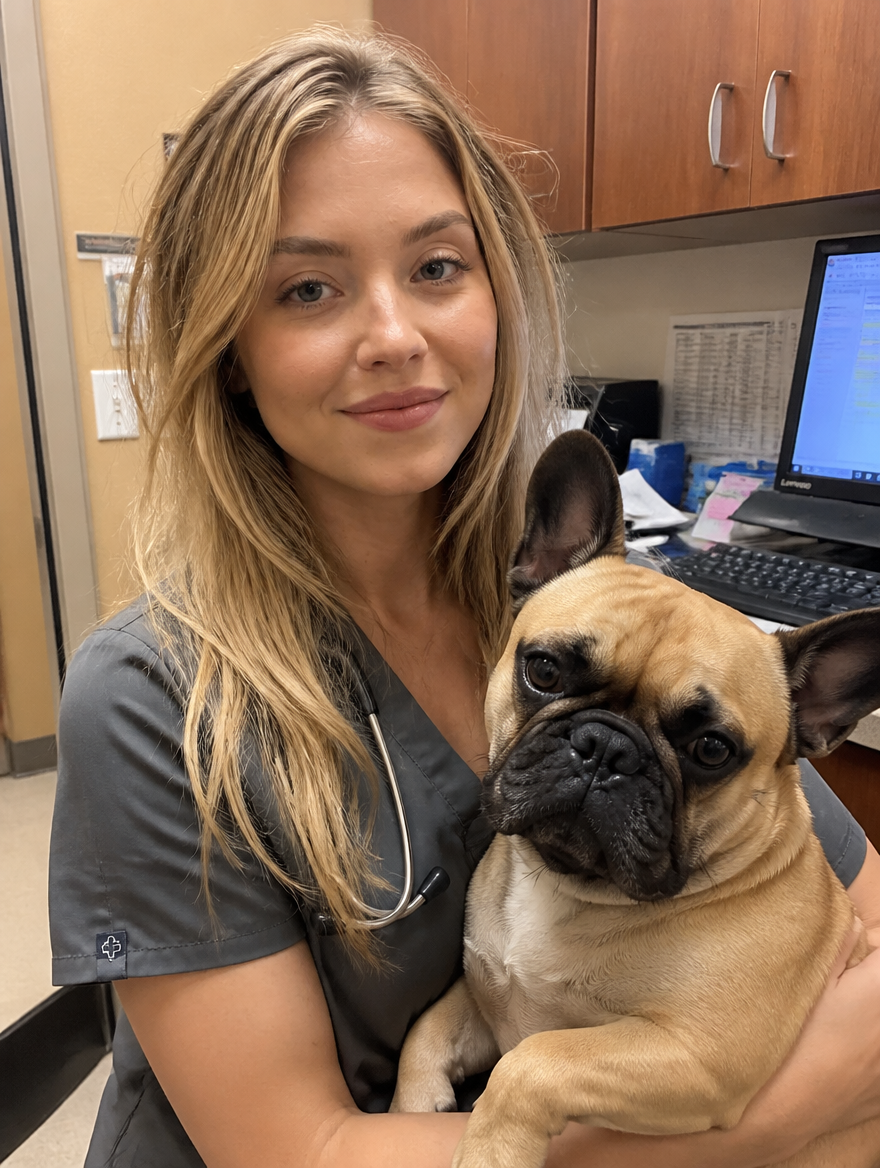
Ran for 2 days, from June 12 to June 14, 2026, the last day Crush saw it.
Run by Wooffy on Facebook. Crush is not the advertiser and does not verify its claims. See this ad in Meta's Ad Library(opens in a new tab)
Want an ad like this for your product?
Crush makes new ad images for your product from this ad: your logo, your product photo, your offer.
Trials from $19.95 USD, then $79.95 USD a month. Cancel anytime.
About this ad
- Meta Ad Library ID
- 927944790298947
- Platforms
- Facebook, Instagram, Audience Network, Messenger and Threads
- Relaunches
- 3
Ad text
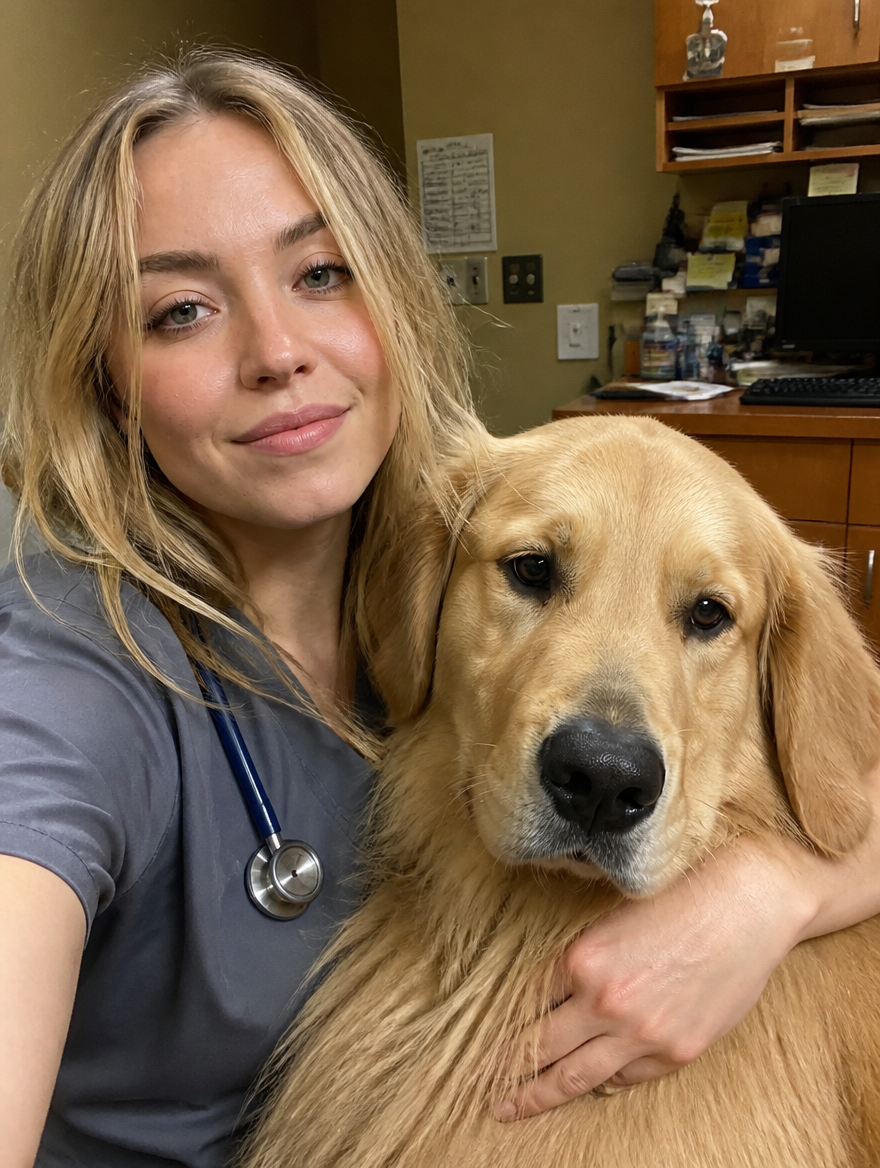
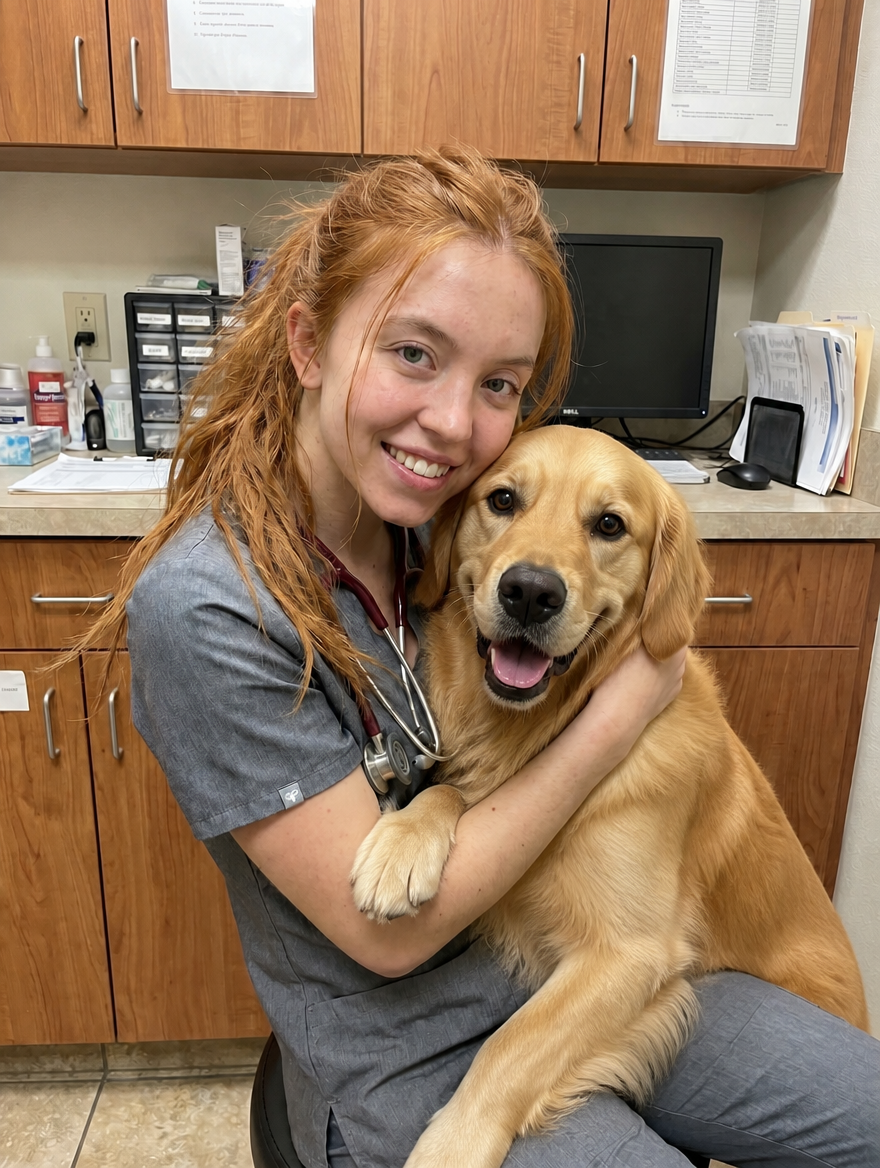
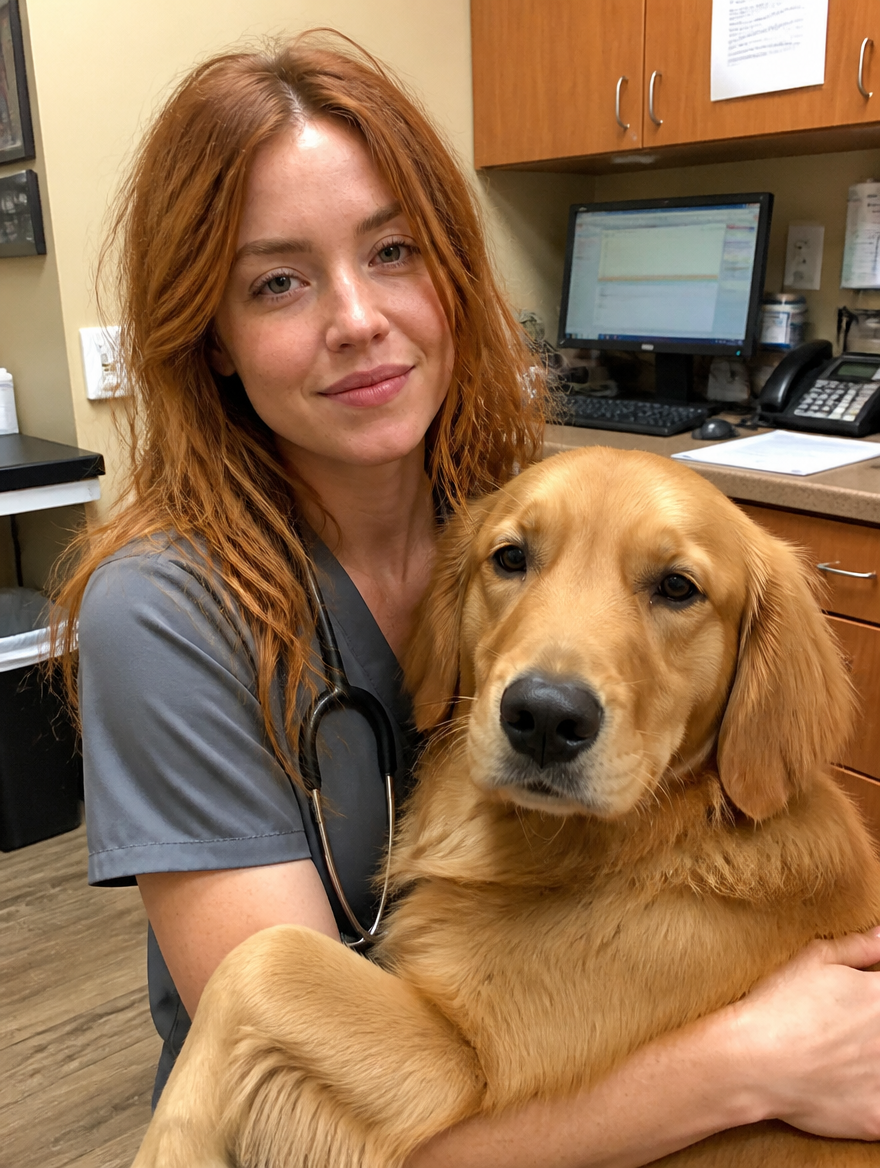
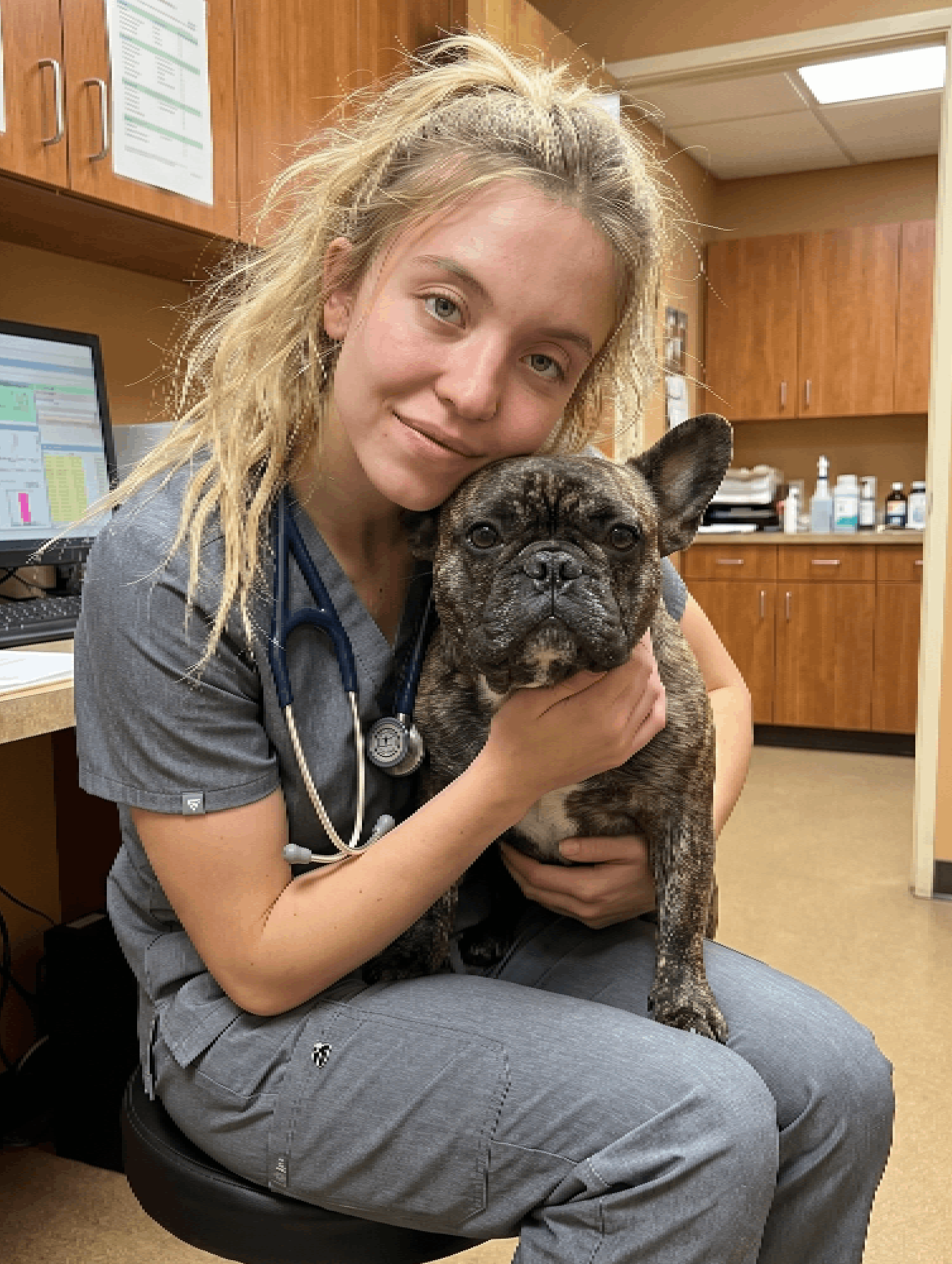
In 19 years as a veterinary technician, I have held thousands of dogs on exam tables while vets told their owners bad breath was normal. Some of those dogs came back six months later needing extractions. Some came back with infections that had been building for years. Some did not come back at all. I knew what the vets were missing. I was never in a position to say it. My name is Ellen Marsh. I am 48 years old. I have worked in veterinary medicine in New York for 19 years across four different clinics. I am not a veterinarian. I cannot diagnose. I cannot prescribe. I cannot direct treatment or formally recommend anything to an owner sitting in an exam room. What I can do is watch. And in 19 years of watching, I have seen the same thing repeat so many times that I stopped being surprised by it and started being angry about it instead. A dog comes in. Somewhere between 5 and 10 years old. Owner says the breath has gotten worse. Fishy. Sour. Rotten. The vet lifts the lip, looks at the front teeth, says some version of “there’s some tartar, but that’s common for his age.” The owner nods. They leave with dental chews, toothpaste advice, or a recommendation to “brush more if he lets you.” I watch them go. Six months later, the dog comes back for a dental cleaning under anesthesia. Or an extraction estimate. Or antibiotics. Or a full mouth X-ray because the back molars are worse than anyone expected. And the vet says what vets say in those moments. These things happen. Dental disease is common. You did everything right. I have heard that sentence hundreds of times. I have also spent 19 years knowing that something in the exam room was being missed. Not out of negligence. Not out of indifference. Out of a gap in the standard routine that nobody in the room was trained to question. I want to tell you about Dr. Patricia Hayes. Dr. Hayes was the second veterinarian I worked under in my career. I was with her practice for five years, from 2012 to 2017. She was in her late fifties, calm, precise, and almost annoying in the way she refused to rush a dental exam. She was the only vet I worked with in 19 years who routinely asked one question before giving dental advice: “How long does the chew actually last?” Not “does the owner buy dental chews?” Not “do they brush sometimes?” Not “do they use a fresh-breath product?” How long does the routine actually last inside the dog’s mouth? I noticed it early because it added a step to my intake process. I was the one asking owners. I was the one writing down the answers. I was the one holding the dog while Dr. Hayes checked the back molars, lifted the lips properly, looked at the gumline, and asked owners to describe the smell. Fishy after naps. Sour after meals. Rotten at night. Comes back after chews. Dog refuses brushing. Dog runs from the spray. Dog swallows Greenies whole. After the third or fourth time, I asked her why she cared so much about chew time. She explained it the way she explained everything. Directly. Without condescension. “Because a dog dental chew that disappears in 41 seconds is not a dental routine. It’s a snack.” That sentence stayed with me. Then she said something I had never heard another vet say out loud: “The mouth is active 24 hours a day. Most owner routines are active for less than one minute.” That was the first time I heard the phrase she used in her notes: The 24-Hour Biofilm Loop. She explained it like this. Food particles sit in the mouth. Bacteria feed on them. Bacteria create a sticky film. That film clings to the gumline. The gumline gets irritated. The breath gets worse. The owner gives a chew. The dog swallows it in 41 seconds. The owner feels responsible. Then the bacteria keep rebuilding for the next 23 hours. Some oral bacteria can start multiplying again in as little as 20 minutes. So by the time the mint smell fades, the loop is already running again. I asked her why other clinics did not talk about it this way. She said because the assumption built into pet dental advice is that owners either brush daily or give dental chews. That assumption makes the chart look responsible. It does not make the routine real. I started paying closer attention to her caseload after that conversation. What I saw over five years confirmed everything she had told me. The dogs she examined properly had gumline inflammation that owners had never seen. Back molars with tartar while the front teeth looked “not that bad.” Breath that owners had normalized for months. Dental chews that disappeared in under one minute. Owners who had spent hundreds of dollars on products and still felt like they were failing. The dogs she put on a daily water-bowl routine after those exams improved in ways that the standard “just brush more” dogs in other practices did not. Breath became less rotten. Owners stopped avoiding kisses. Kids stopped pulling away. The dogs did not become perfect dental patients. They did not magically love toothbrushes. They did not suddenly chew dental sticks for ten minutes. The difference was simpler than that. They finally had a routine that happened every day. I left Dr. Hayes’s practice in 2017 when the clinic was acquired and she retired six months later. I have worked in two practices since then. Neither of them asks how long the chew lasts. Neither of them talks about the 24-Hour Biofilm Loop. Neither of them routinely tells owners that a dog swallowing a dental stick in 41 seconds is not the same thing as a daily mouth routine. I have gone back to watching. The pattern has not changed. Dogs come in. Owners say the breath is worse. Standard exam happens. The front teeth get checked. The owner gets told to brush more, use chews, or schedule a cleaning if it gets worse. The dog goes home. Some come back in crisis. Some come back with infected molars. Some come back with a $1,972 dental estimate. And I stand in the exam room holding the dog while the vet talks to the owner and I know what question did not get asked. How long does the routine actually last? I am not in a position to say it. My role does not allow me to redirect clinical decisions. I can suggest. I can ask questions. I have learned to ask questions carefully and specifically in ways that sometimes lead a vet to look deeper. But I cannot walk into an exam room and tell an owner that their dog’s “daily dental chew” is disappearing in 41 seconds while the mouth problem runs for 24 hours. What I can do is write this. Here is what I have watched for 19 years that I want you to know. The dog that comes in at seven years old and the vet says “his teeth look okay for his age.” That phrase does not mean the mouth is healthy. It means nothing severe was visible in the quick front-mouth check. It does not mean the back molars were properly evaluated. It does not mean the gumline was measured. It does not mean the breath was treated as a warning sign. It does not mean the daily routine is working. In 19 years, I can count on one hand the number of vets I’ve worked with who consistently asked owners how fast their dog finished dental chews. The dog the owner describes as “just having dog breath.” Every one of those justs is the owner explaining away something that has a mechanism. Just fishy after naps. Just sour after meals. Just worse at night. Just older. Just a small dog. Just normal. But breath does not get fishy for no reason. Rotten breath does not fill the couch area because the dog is “just aging.” That smell is bacterial waste coming from a mouth that is already losing the fight. The dog with daily chews that still has bad breath. I have watched owners pull out bags of Greenies, Dentastix, Whimzees, mint treats, and dental bones like evidence in their defense. They are not lazy. They are not neglectful. They are trying. But if the dog swallows the chew in 41 seconds, the mouth gets 41 seconds of chewing and 23 hours of false confidence. That mechanism does not respond to buying more chews. It responds to daily contact. The dog that hates brushing. I have watched owners feel ashamed when they admit they stopped trying. They say it quietly. Like they are confessing something. “He won’t let me.” “She clamps her mouth shut.” “He runs when he sees the toothpaste.” “I tried for a week and felt like I was betraying him.” These owners are not failing because they do not care. They are failing because the routine they were given does not fit their dog. The dog that comes back for extractions at nine or ten and the owner is told these things happen. Sometimes they do. But sometimes they happen because fishy breath was dismissed for two years, chews were treated like a routine, and nobody asked whether the mouth was getting daily contact. I have no way of knowing which is which after the fact. That is exactly the problem. I am writing this because Dr. Hayes is retired and no longer practicing. Because the two clinics I have worked in since her practice closed do not ask the chew-time question. Because the dog sitting in someone’s home right now showing exactly the signs I have been describing for 19 years has a very low probability of having the real routine problem discussed at their next appointment unless the owner asks directly. Ask directly. At your next vet appointment, say these exact words: “My dog’s breath has changed. I want you to check the back molars and under the gumline.” Not just the front teeth. Not just “does he need a cleaning?” The back molars. The gumline. The periodontal pockets. Then ask this: “If his dental chew is gone in under one minute, what is protecting his mouth for the other 23 hours?” Watch what happens. If your dog is showing any of these signs right now, ask before you leave: Fishy breath after naps. Sour breath after meals. Breath that comes back after dental chews. Breath that fills the couch area. Yellow buildup near the gumline. Red or irritated-looking gums. Chews swallowed in under one minute. Refusing toothbrushes. Turning away when you touch their mouth. Running when they see toothpaste or spray. Your child or partner commenting on the smell. You pulling away from kisses without meaning to. These are not signs of “normal dog breath.” They are signs that the 24-Hour Biofilm Loop is already running. And by the time your dog stops eating, chews on one side, or needs extractions, the loop has been building for months or years. If you want to start building a daily routine today without waiting for another failed brushing attempt, the logic fully supports that decision. Your dog already drinks water. Every day. After meals. After walks. After play. After chewing toys. After naps. Before bed. Sometimes in the middle of the night. The water bowl is the one routine your dog never skips. That is where daily contact should start. Dr. Hayes was specific about product quality when she recommended a water-bowl routine. She had seen owners fail because the products they bought were too minty, too harsh, too vague, or made the dog drink less. She cared about three things: Would the dog drink normally? Was it made for daily water-bowl use? Could an owner keep the routine without fighting the dog? The only product I am aware of that passes the standard she applied is Wooffy. Made for daily water bowl use. Xylitol-free. Chlorhexidine-free. Clear dosage. No toothbrush battle. No mouth handling. No extra treat calories. No chew swallowed in 41 seconds. No spray bottle. No forcing your dog’s mouth open. Just fresh water. One measured amount. Daily. I reviewed a 37-dog water-bowl compliance trial. Different breeds. Different ages. Different dental histories. Golden Retrievers. French Bulldogs. Yorkies. Labs. Doodles. Chihuahuas. Cavapoos. Senior dogs. Picky dogs. Dogs that hated toothbrushes. Dogs that swallowed chews whole. 35 out of 37 drank normally on day one. 32 were still using it daily by day 30. 30 owners reported noticeably fresher breath within 30 days. That is 81%. It is what I give my own dogs. It is what I would tell every owner in every exam room I have ever stood in if my role allowed me to say it. It does not allow me to say it there. So I am saying it here. Go to getwooffy.com/products/wooffy-dental-water-additive P.S. In 19 years, I have worked alongside perhaps thirty veterinarians across four clinics in New York. One of them consistently asked how long the chew actually lasted. Her patients had better routines. That is not a controlled study. It is 19 years of observation by someone who was in the room for all of it. Ask your vet to check the back molars and gumline. If they say dental chews are enough, ask them how long your dog’s chew has to last to protect a mouth for 24 hours. They will not have a comfortable answer. Dr. Hayes always had an answer. That is the difference. P.P.S. I have no financial relationship with Wooffy. I found it through the same water-bowl standard Dr. Hayes used before she retired, and I verified the routine logic myself. It is the only daily dental routine I trust for dogs who hate toothbrushes, swallow chews too fast, and still struggle with bad breath. After 19 years of watching what happens when the routine gap goes unfilled, I am not willing to give my own dogs anything that depends on a 41-second chew. Your dog deserves the same standard. Go to getwooffy.com/products/wooffy-dental-water-additive
Where the ad sends people
getwooffy.com
Read This If Your Dog Has Bad Breath 👆
Wooffy
Shop now: getwooffy.com(opens in a new tab)