
Inactive· since Apr 9, 2026
- 49
- days it ran
- 0
- relaunches
Ad copy
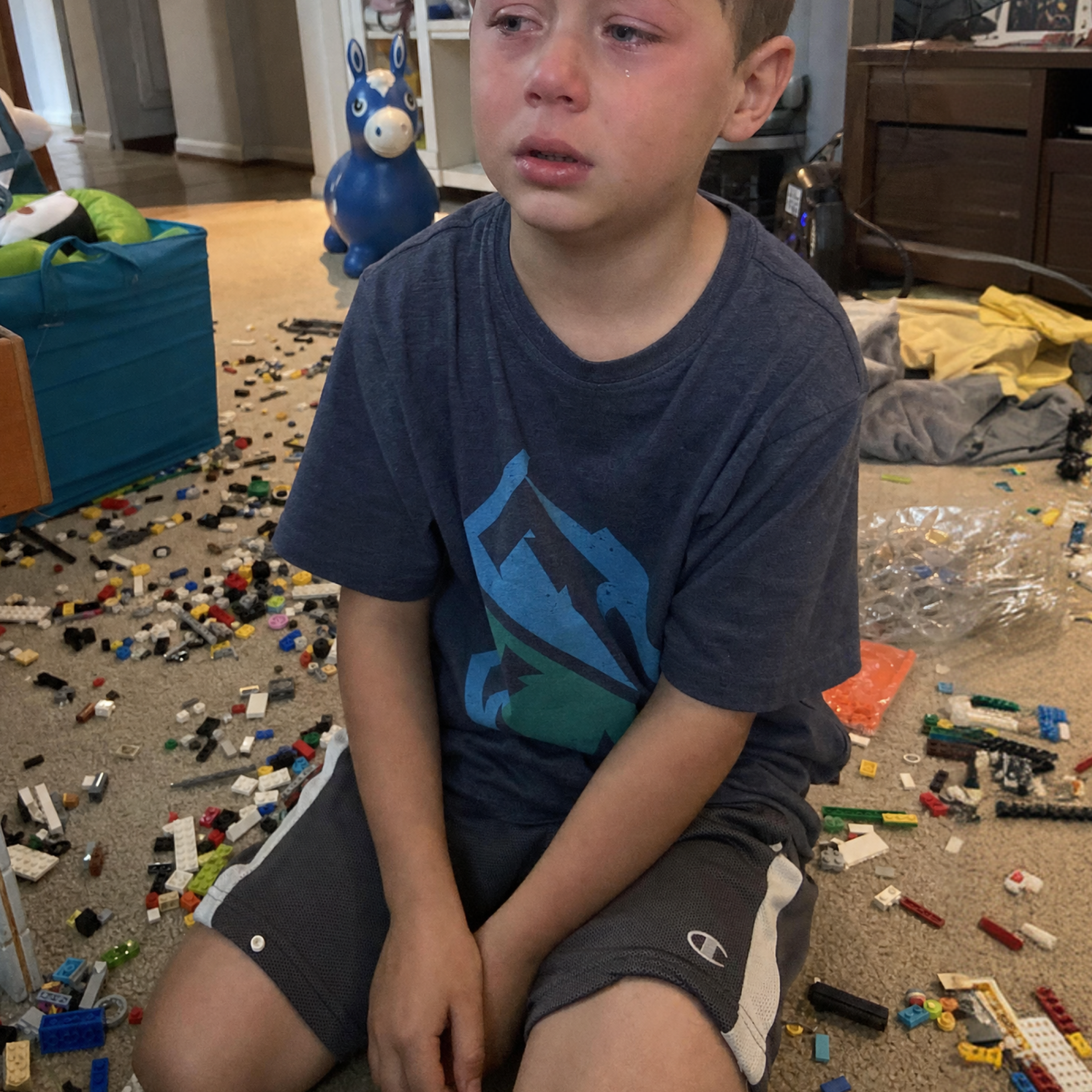
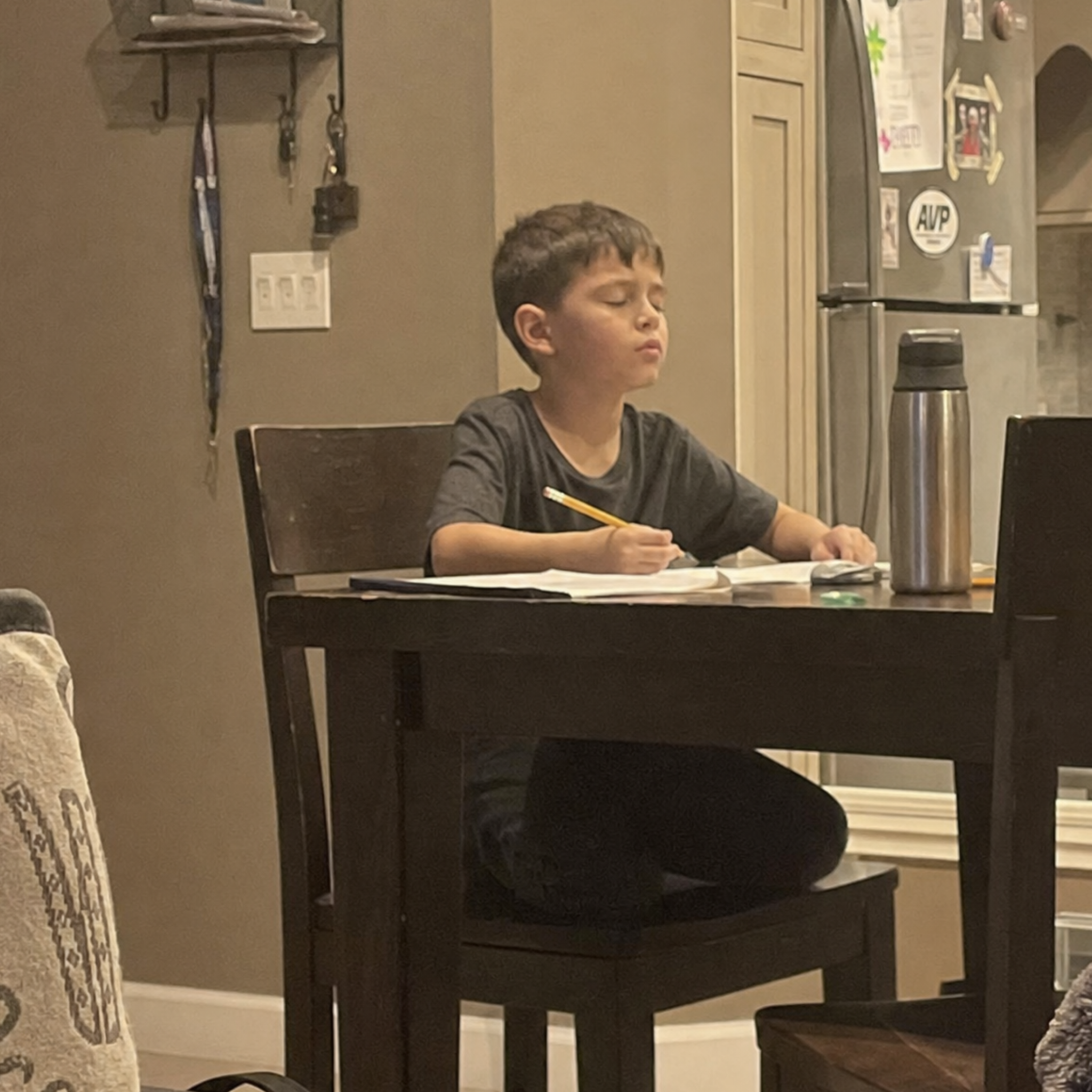
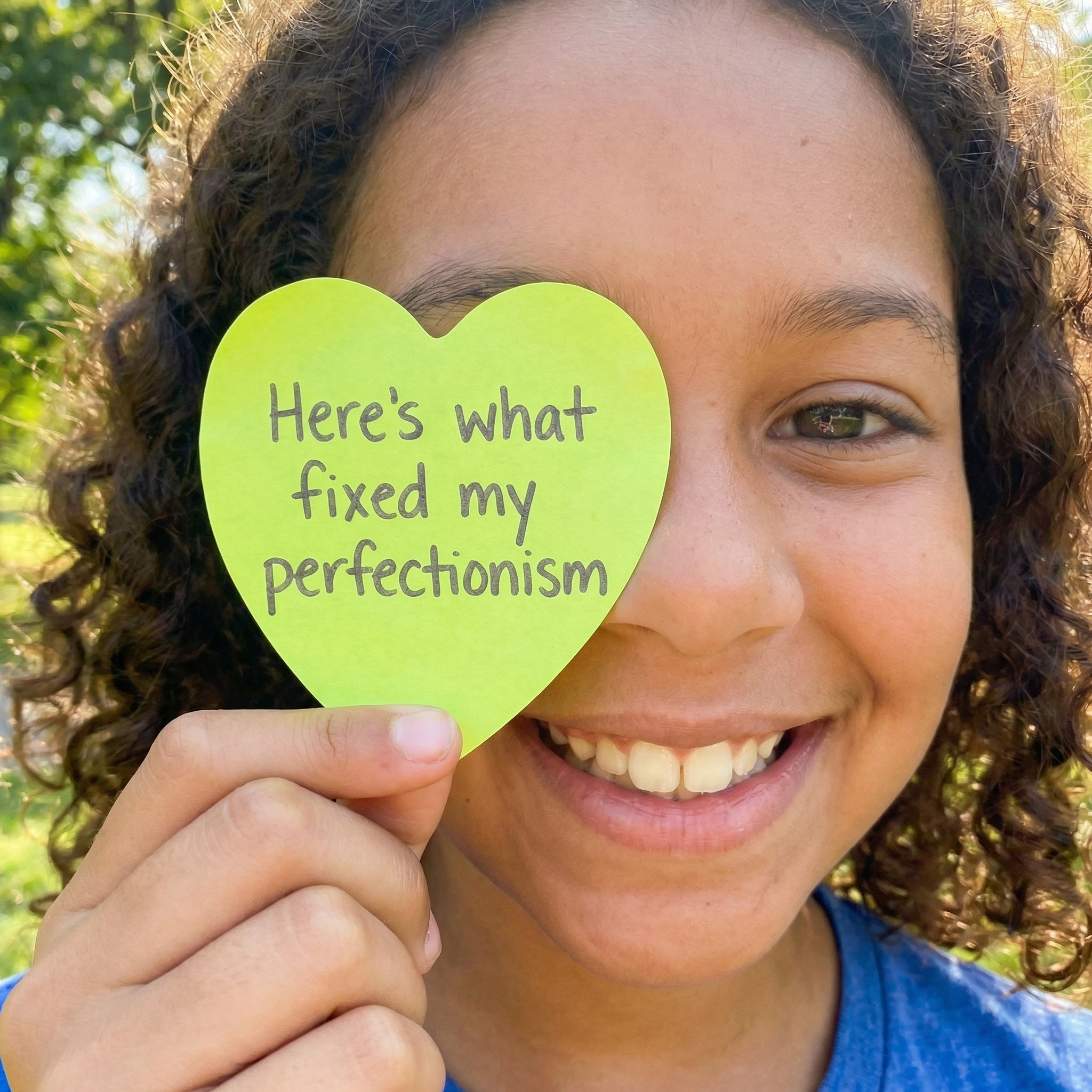
My son used to erase his homework until there were holes in the paper. Not because he couldn't do it. Because it wasn't perfect. One wrong letter. One crooked number. One answer he wasn't 100% sure about. And the whole page had to be redone. Homework that should've taken 20 minutes took two hours. And by the end, we were both in tears — him because nothing was ever good enough, and me because I didn't know how to help. But homework was just where it was most visible. The perfectionism was everywhere. He wouldn't try new things unless he was guaranteed to be good at them. He'd quit activities after one bad day — not because he didn't like them, but because he wasn't immediately the best. He'd freeze during tests. Not because he didn't know the material. Because the pressure of getting everything right paralyzed him. And the things he'd say to himself when he fell short of perfect? "I'm so dumb." "I can't do anything right." "What's wrong with me?" He wasn't being dramatic. He meant every word. In his mind, anything less than perfect was failure. And failure meant something was fundamentally broken about him. I tried everything to fix it. I tried telling him "it doesn't have to be perfect." He'd nod and keep erasing. I tried lowering the stakes. "It's just homework, it doesn't matter." But to him, it mattered more than anything. Because it wasn't about the homework. It was about proving he was okay. I tried praising effort instead of results. "I'm so proud of how hard you worked." He'd look at me like I was giving him a consolation prize. I tried therapy. The therapist was great. But one hour a week couldn't undo a perfectionism loop that ran 24/7. Nothing worked. And the perfectionism was getting worse, not better. He was starting to avoid anything with a risk of failure. Which meant he was avoiding basically everything. My kid wasn't reaching for things anymore. He was retreating. And calling it "not caring" so nobody would see that he cared too much. Then I found out about a father who'd watched the exact same pattern in his own daughter — and spent five years building something to fix it. When Sonny Caberwal's daughter was eight, perfectionism had her in a chokehold. Terrified of new people and new situations. Afraid to raise her hand at school—even when she knew the answer. If things didn't go perfectly, she'd spiral. Beat herself up. Say horrible things like "I'm so stupid" and "I hate myself." Nothing he or his wife said would help. In fact, most of the time… it made things worse. They tried everything. Therapy. Pep talks. Cutting back on screens. Gentle parenting. Reward charts. None of it worked. So Sonny quit his cushy job as a corporate lawyer and spent five years building the thing that didn't exist — a way to actually retrain how kids relate to imperfection. He consulted child psychology experts from Yale, Harvard, and Stanford and discovered that perfectionism isn't about high standards. It's about a missing pillar. Confidence is built on three things: Self-concept — how kids see themselves. Self-efficacy — how much they believe in their own abilities. Self-compassion — how they treat themselves when things go wrong. Perfectionists are usually strong in the first two. They know they're capable. They have high standards. That's not the problem. The problem is the third pillar is completely absent. They have zero self-compassion. Zero tolerance for falling short. Zero ability to be human without treating it as evidence of being broken. And you can't talk a kid into self-compassion. You have to train it. Daily reps. Small exercises. Consistent practice that gradually teaches their brain: imperfect doesn't mean worthless. That's what Sonny built. He called it Legends. Every day, Legends guides kids through a short story about real heroes — athletes, entrepreneurs, leaders — who faced setbacks, failures, and fears. Not people who got everything right. People who got things wrong, publicly, painfully — and kept going anyway. Then comes a mini confidence exercise. Something small. Something fun. Something that builds the self-compassion muscle one rep at a time. 5 minutes a day. That's it. Here's what happened with my son: Week one — he liked the stories. Especially the ones about famous people who failed before they succeeded. I could see something clicking — like he'd never considered that struggle was part of the process, not proof of a defect. Week two — the erasing slowed down. Not completely. But noticeably. He still wanted things to be right, but the urgency — the panic — started to soften. Week three — he turned in a homework assignment with a mistake on it. Didn't erase it. Didn't redo it. Just handed it in. I almost fell over. By week four — the sticky note in the photo. He's smiling in that picture. Holding up "Here's what fixed my perfectionism" like it's a trophy. Because to him, it is. He's not a different kid. He still has high standards. He still cares about doing well. But now there's a floor beneath him. A foundation that catches him when he falls short instead of letting him crash through to self-hatred. He can be imperfect and still be okay. That's new. And it changed everything. That's not a miracle. That's training. The same training that's worked for over 20,000 families. Over 90% of parents report noticeable improvements in their child's confidence within 30 days. Many see changes in the first week. And here's what makes Legends different from everything else we tried: We do it together. Five minutes a day. Side by side. It's not therapy where I drop him off and hope. It's not me telling him "it doesn't have to be perfect" for the thousandth time. It's not lowering standards or removing challenges. It's building the thing that was missing — the ability to fall short and still be whole. And it's become our thing. Five minutes every day that I wouldn't trade for anything. If your kid's perfectionism looks anything like my son's did — the erasing, the avoiding, the meltdowns over small mistakes, the impossibly cruel self-talk when things aren't flawless — I'm telling you, it doesn't have to stay that way. But it won't fix itself. And "just relax, it doesn't have to be perfect" will never work. The missing pillar needs to be trained, not talked about. For a limited time, you can try Legends free for 5 days. No commitment. No risk. Just 5 minutes a day with your kid. See what happens when imperfect stops feeling like the end of the world. If they love it—and you start noticing changes—you can continue for less than a dollar a day. And if it's not for you? No problem. Cancel anytime. No questions asked. The trial is free. The risk is zero. And your kid deserves to be imperfect without it destroying them. This is how you train that.
Like this ad? Make it yours.
Crush rebuilds this exact creative around your product — your brand, your colors, your offer — in about a minute.