
Inactive· since Mar 20, 2026
- 16
- days it ran
- 1
- relaunches
- 59
- EU reach
Ad copy
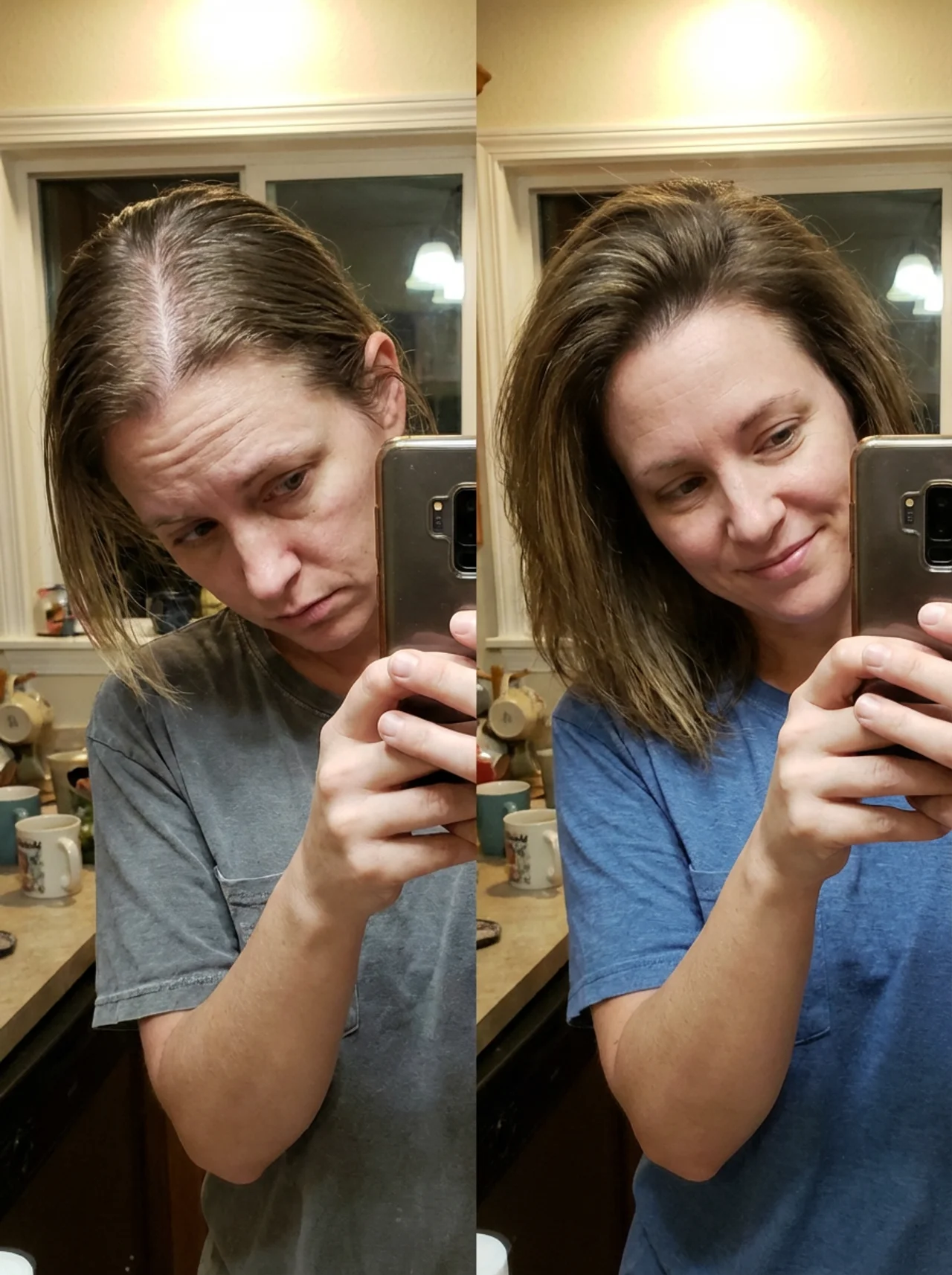
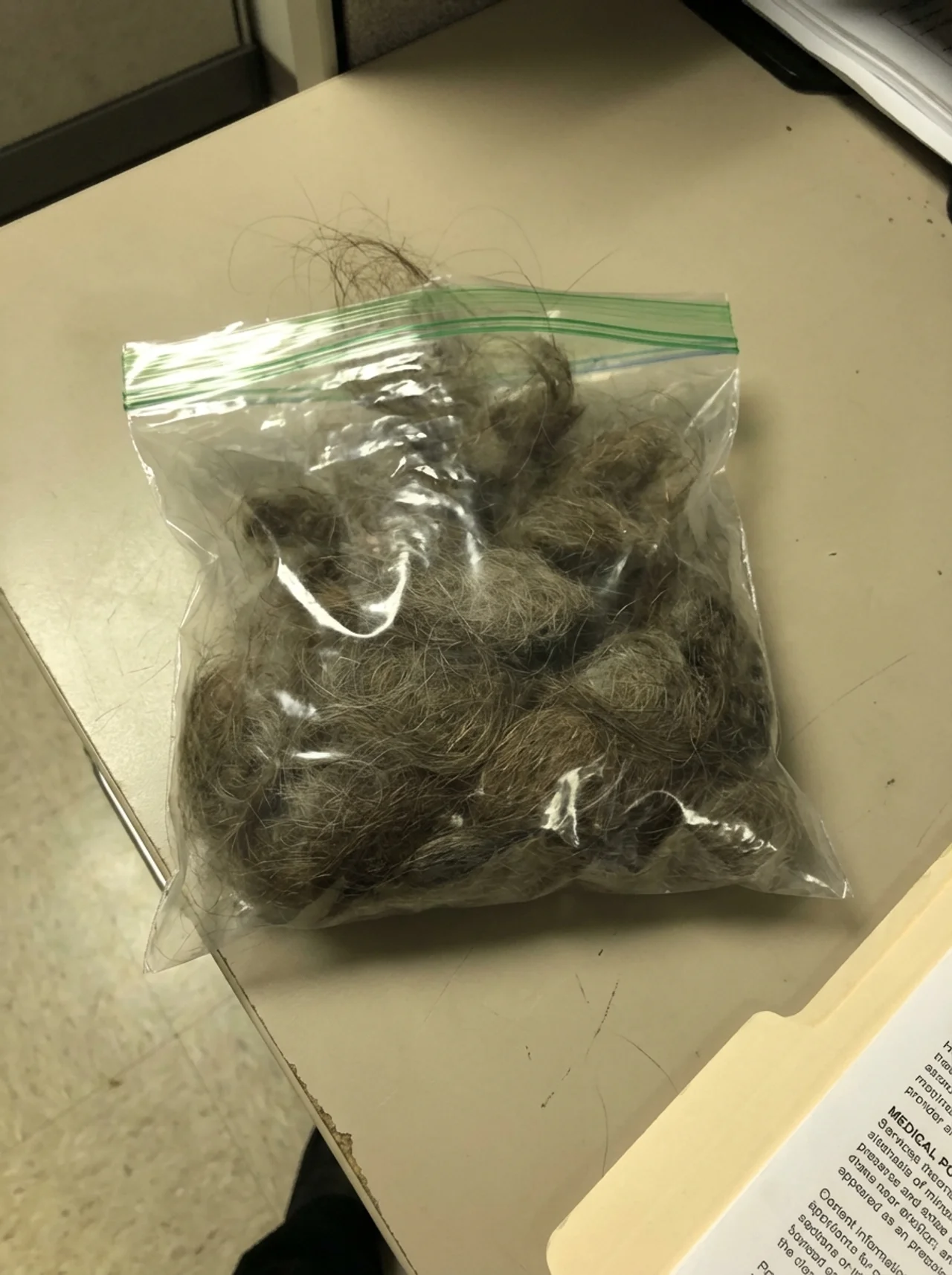
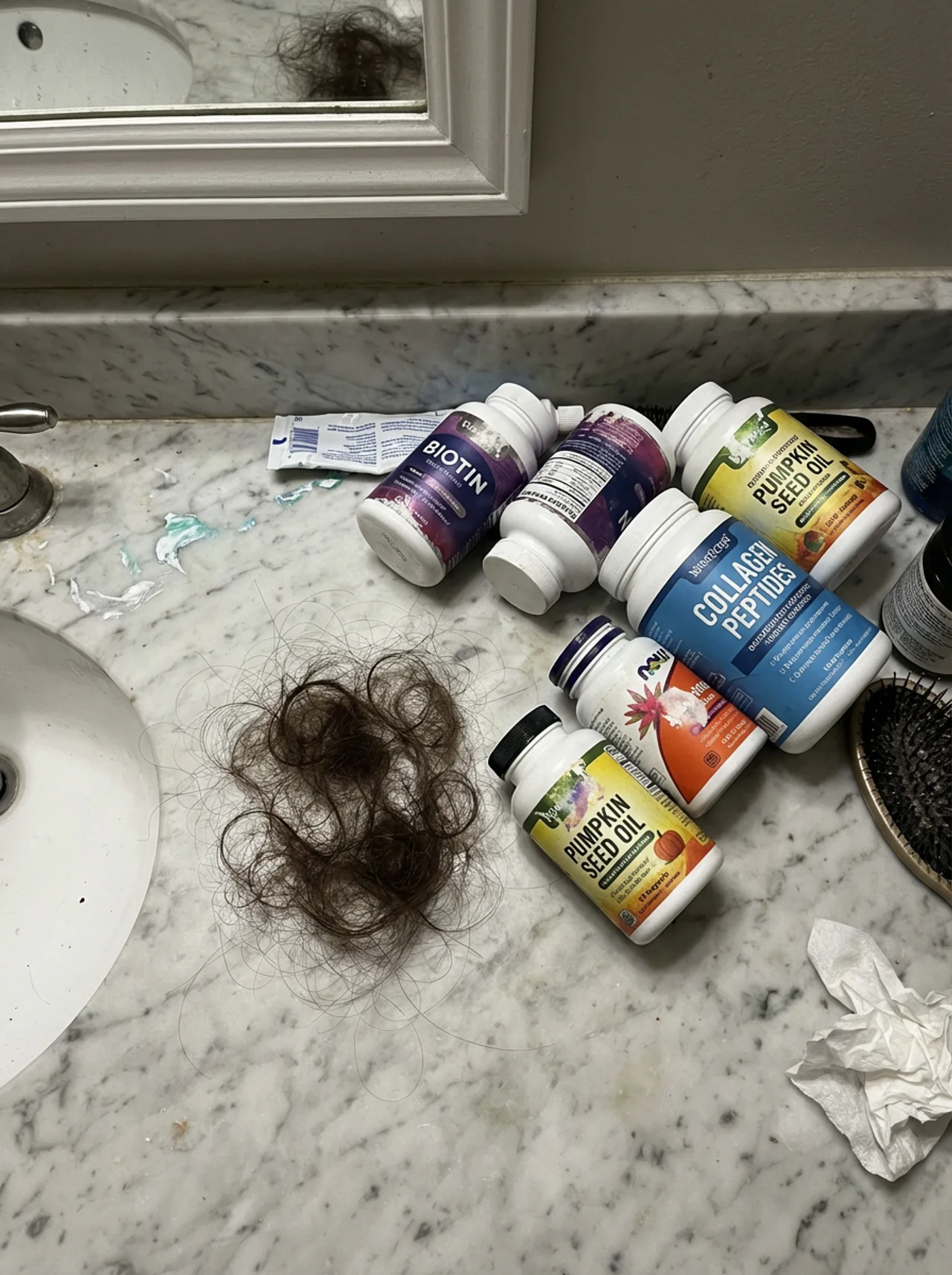
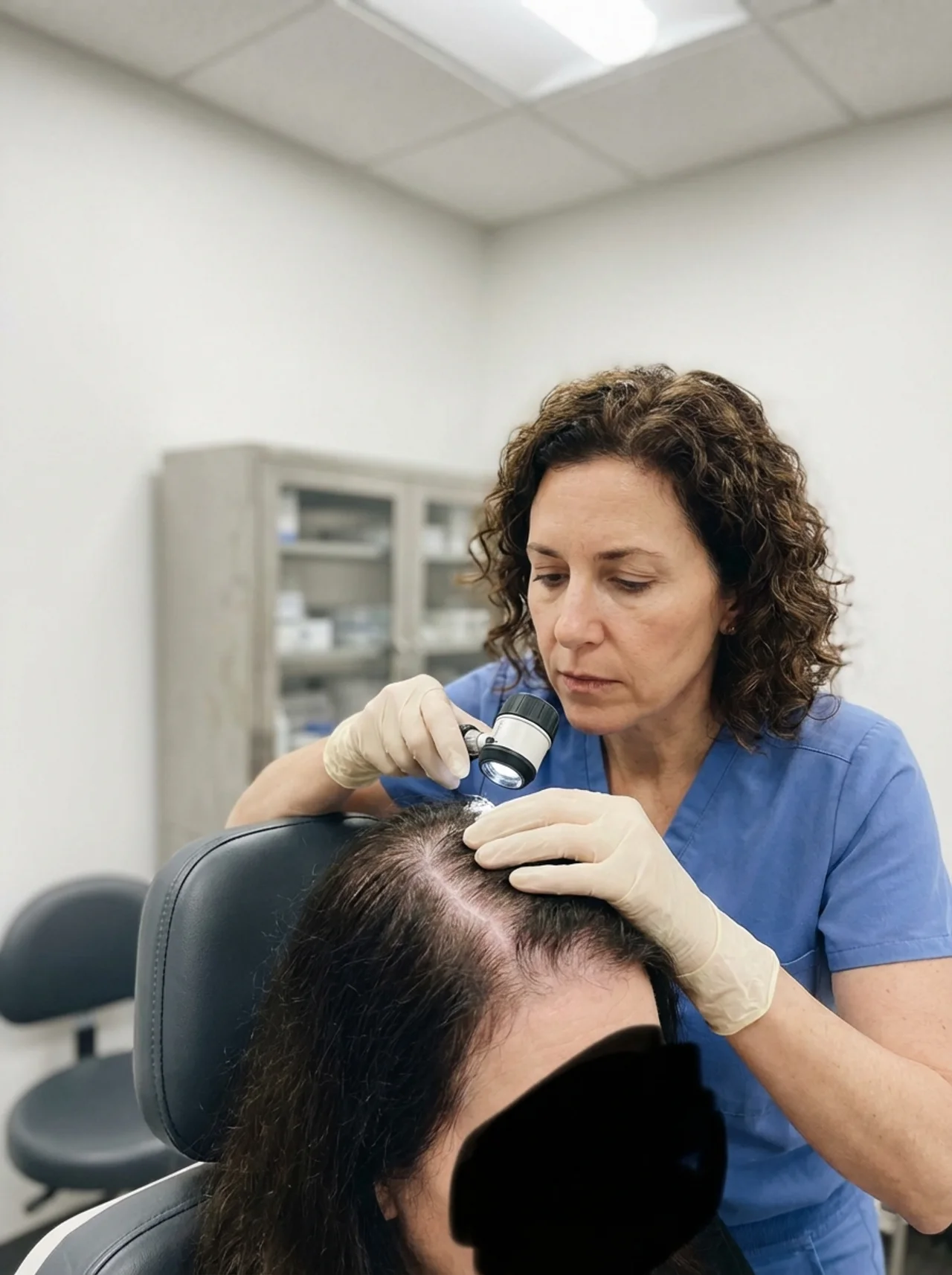
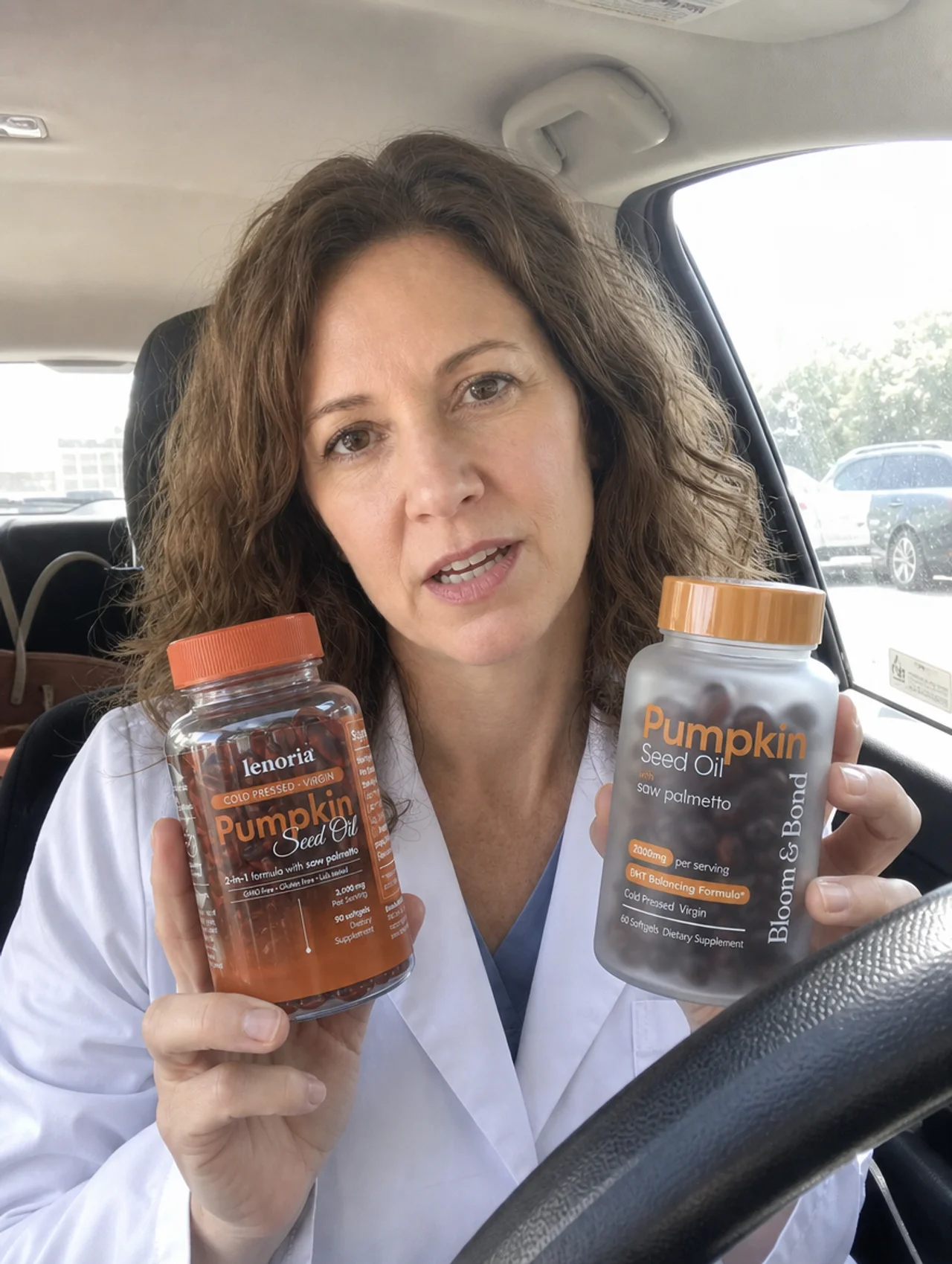
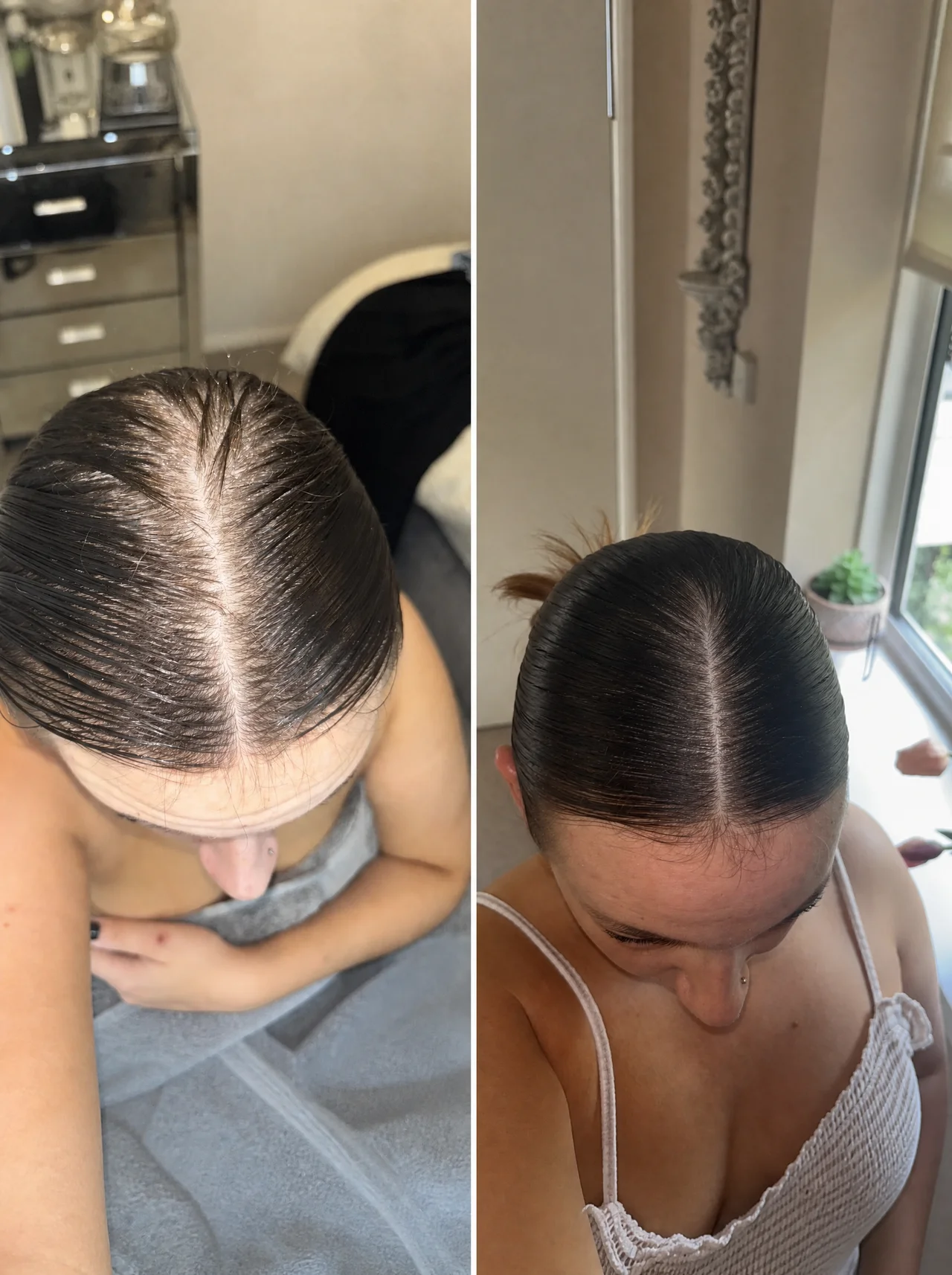
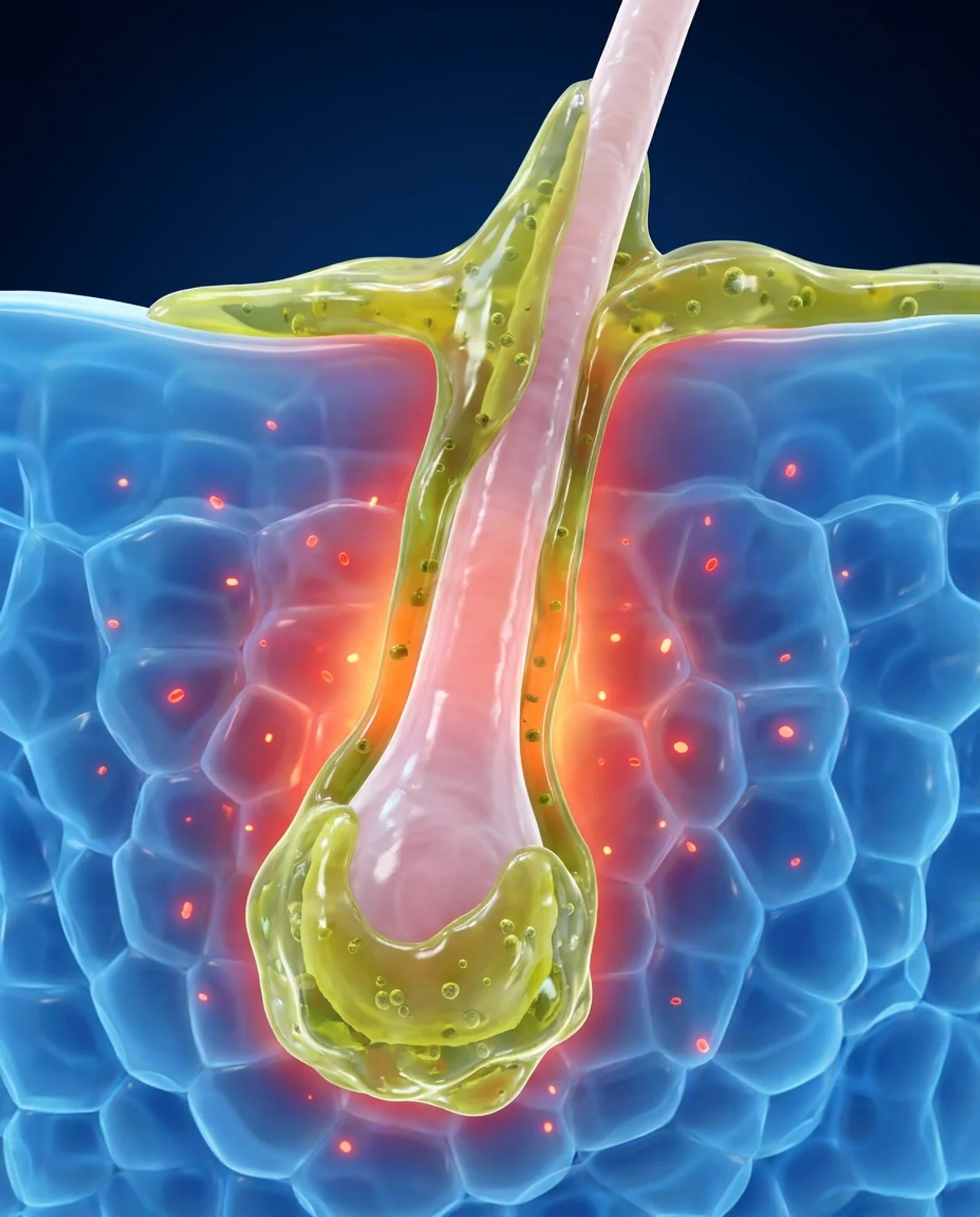
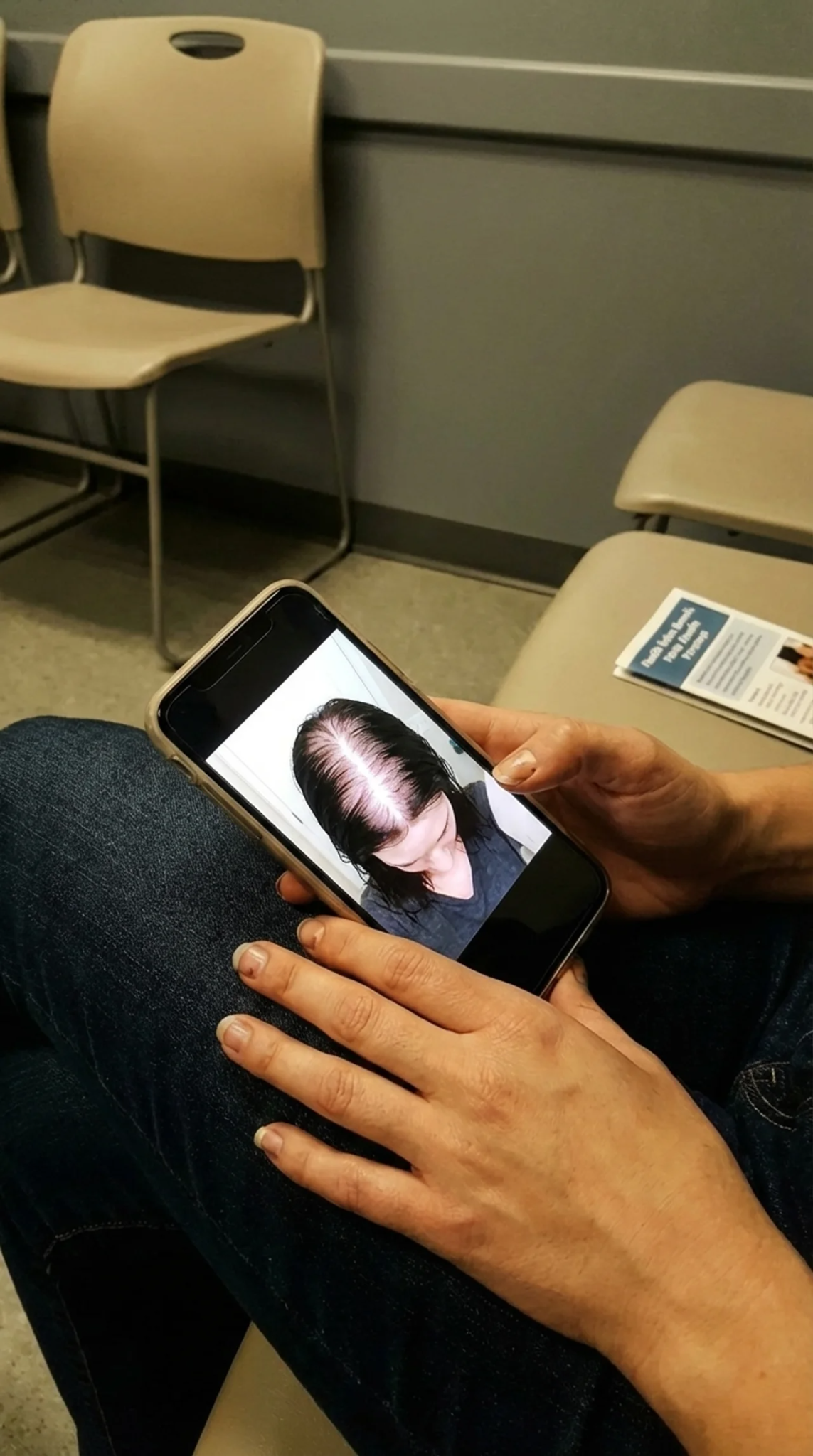
Stress didn't thin your hair. Neither did your diet. And the sooner you stop blaming the wrong things, the sooner your hair stops paying for it. I'm Dr. Patricia Sullivan. I've been a dermatologist for 17 years. I specialize in hormonal hair loss in women. And I want to tell you something I find myself saying almost every single week in my office. Because it keeps coming up. Over and over. Different women. Same story. A patient came in last month. Her name was Karen. 44 years old. Sitting across from me, scrolling through her phone. She turned the screen toward me. Photos of her hair from two years ago. Then photos from now. The difference was obvious. Not bald. Not dramatic. Just... thinner. Flatter. Like the volume had been quietly drained away. "I think it's stress," she said. "Work has been insane. I haven't been eating great. I started taking biotin." She looked at me, waiting for me to agree. I didn't. Because I'd seen those photos before. Not Karen's specifically. But that exact pattern. That exact thinning. Along the part. At the crown. The temples pulled back just slightly. That is not what stress does to hair. That is something else entirely. Something with a name. Something most women have never been told about. I get asked this question constantly by my patients: "What is DHT?" So let me actually explain it. DHT, dihydrotestosterone, is a hormone. It's been in your body your entire life. And what it does to hair follicles is specific, measurable, and well-documented in clinical research. DHT binds to the androgen receptors on your hair follicles. Once it binds, it begins to miniaturize them. The follicle gets smaller. The hair that grows from it gets thinner. Shorter. Wispier. And eventually, if nothing stops the process, the follicle produces no visible hair at all. This is not dramatic. There is no alarm. It happens slowly, quietly, in the background. Until one day you're looking at photos and wondering when your hair started looking like this. Here's how you know DHT is involved. Clumps of hair coming out in the shower. A part line that keeps getting wider. Thinning specifically around your temples and crown, not uniform shedding, that specific pattern. That's not stress shedding. Stress shedding comes out all over and usually recovers. DHT damage follows a map. Because the follicles at your crown, your part, your temples, those have the highest concentration of androgen receptors on your scalp. More receptors means more places for DHT to attach. More attachment means more miniaturization. More miniaturization means that specific, recognizable thinning pattern that women spend months blaming on everything else. Now here's the part most doctors don't take the time to explain. Every woman has DHT. It's not a disease. It's not abnormal. It's a hormone you were born with. The reason it didn't destroy your hair when you were younger is that estrogen was protecting you. Think of estrogen as a physical shield around every hair follicle on your scalp. When estrogen is high, it blocks DHT from binding to those androgen receptors. DHT is present. It just can't get in. That's why women with healthy estrogen levels have thick, reliable hair. The shield is working. But here's what happens as you get older. Estrogen drops. Not gently, the way we'd prefer. For many women it drops significantly, in a window that feels sudden. And when it does, the shield disappears. DHT levels stay the same. Or increase. Your follicles are now completely exposed to a hormone that has been waiting your entire life to get in. And it does exactly what it was always capable of doing. It starts shrinking them. Quietly. While you blame stress. While you up your protein. While you wait for things to go back to normal. This is exactly why biotin doesn't work. Why those hair growth vitamins don't work. Why the $45 bottles with the pretty packaging and the influencer photos don't work. They are not wrong to exist. They support hair growth. They feed the hair shaft. They provide nutrients. But you cannot feed your hair back to health while DHT is actively attacking the follicle trying to produce it. It's like watering a plant while someone pours herbicide on the roots. You can water as much as you want. The roots are still under attack. Biotin doesn't block DHT. Collagen doesn't block DHT. Protein doesn't block DHT. None of those things touch the hormone that's miniaturizing your follicles. And until something does, the thinning continues. No matter how clean your diet is. No matter how long you wait. No matter how much stress you eliminate. DHT does not stop because your life gets easier. It stops when something blocks it. So what actually blocks DHT? Two things. Working together. Neither one alone is sufficient. The first is something that reduces how much new DHT your body produces. Your body doesn't just have DHT floating in it from nowhere. It manufactures it. An enzyme called 5-alpha reductase converts testosterone into DHT. That conversion is the source. Slow that enzyme down, and you reduce how much new DHT enters circulation. Pumpkin seed oil does this. Pumpkin seed oil contains compounds called phytosterols that inhibit 5-alpha reductase activity. A peer-reviewed clinical trial, not supplement marketing material, an actual published study, showed pumpkin seed oil can increase hair count by up to 40% over 24 weeks. That's real. That's documented. But here's what the supplement industry leaves out when they sell you pumpkin seed oil. Reducing new DHT production addresses what's coming. It does nothing about the DHT that's already there. Already attached to your follicles. Already shrinking them right now. Pumpkin seed oil turns down the factory. It doesn't deal with the DHT that's already on the floor. That's where the second ingredient comes in. Saw palmetto. Saw palmetto doesn't inhibit DHT production. It does something different. It blocks existing DHT from binding to the androgen receptors on your follicles. Where pumpkin seed oil reduces how much DHT gets made, saw palmetto shields the follicle from the DHT that's already circulating. It occupies the receptor site. DHT can't attach. Pumpkin seed oil turns down the faucet. Saw palmetto locks the door. One blocks production. One stops the binding. Together, hitting both sides simultaneously, that's what I call dual-action DHT protection. And that combination is what the clinical research actually supports. Before you open Amazon and order them separately, I need to tell you something. I've had patients do exactly this. They find a $12 pumpkin seed oil capsule and a standalone saw palmetto from the vitamin aisle. Take both for four months. Minimal results. Here's why. Most generic pumpkin seed oil supplements on the market are made from raw seed powder. Not concentrated extract. The phytosterol content, the specific compounds that actually inhibit 5-alpha reductase, is a fraction of what your follicles need. To get therapeutic levels from a cheap capsule, you'd need to eat roughly two pounds of raw pumpkin seeds every single day. Two pounds. Daily. And most standalone saw palmetto supplements? They were made for men's prostate health. Repackaged in a pink bottle and marketed to women. The dose is wrong. The extraction method is wrong. They were never formulated for follicle protection in women experiencing hormonal disruption. So you end up with two supplements that aren't delivering therapeutic levels of either ingredient. You take them for four months. Nothing changes. And then you decide that natural solutions don't work. They do work. The formulation just has to be right. This is why I recommend Bloom & Bond to my patients. It's the only formula I've found that combines both pumpkin seed oil and saw palmetto at clinically meaningful doses, together, in a single supplement designed specifically for this. 2,000mg of concentrated pumpkin seed oil extract. Not seed powder. Concentrated extract, with phytosterol levels that actually reach the threshold needed to inhibit 5-alpha reductase. Plus saw palmetto at a dose calibrated specifically for dual-action DHT blocking in women. Not a repurposed prostate formula. No biotin filler. No collagen padding. No synthetic additives. Just the two ingredients your follicles actually need. Both sides. At the same time. Here's what I tell my patients to expect when they start: ✅ Weeks 2 - 4: Shedding begins to slow. The drain isn't as frightening. The brush isn't as full. Your follicles are finally getting protection. ✅ Weeks 4 - 8: Shedding reduces noticeably. Women who've been dreading the shower start washing their hair without their stomach dropping. ✅ Weeks 8 - 12: Baby hairs. Along the hairline. At the part. At the crown. Tiny new growth that wasn't there before, because the follicle is being protected while it tries to recover. ✅ Months 3 - 4: Visible density returning. A ponytail that feels like something again. A part that's closing. Hair that's starting to look like your hair. Results vary. Some women respond faster. Some take longer, especially when DHT has been active and unblocked for a long time. But the pattern I see consistently is this: Women who address both sides of the DHT problem recover in ways that biotin, collagen, and nutritional supplements never produced. Because they were never solving the right problem. Karen came back in ten weeks later. She didn't mention stress. She pulled her hair back while she was still standing in the doorway. A low ponytail. "It's thicker," she said. "I can feel the difference." Not back to where it was two years ago. Not done. But moving in the right direction for the first time in over a year. That's what matters. Not a miracle. Motion. If you're reading this and you've been blaming stress… If you've been upping your protein and wondering why nothing is changing… If you've watched your part get wider and your ponytail get thinner and told yourself this is just what getting older looks like…It's not. It's a hormone. And it has a name. And it will keep doing exactly what it's been doing until something addresses both sides of the problem at once. Every day without dual-action DHT protection is another day of follicle miniaturization your hair has to recover from. Don't wait until more damage is done. 👉 https://bloomandbonds.com/products/new-pumpkin-seed-oil-softgels
Like this ad? Make it yours.
Crush rebuilds this exact creative around your product — your brand, your colors, your offer — in about a minute.