
Inactive· since Apr 19, 2026
- 43
- days it ran
- 2
- relaunches
- 5,880
- EU reach
Ad copy
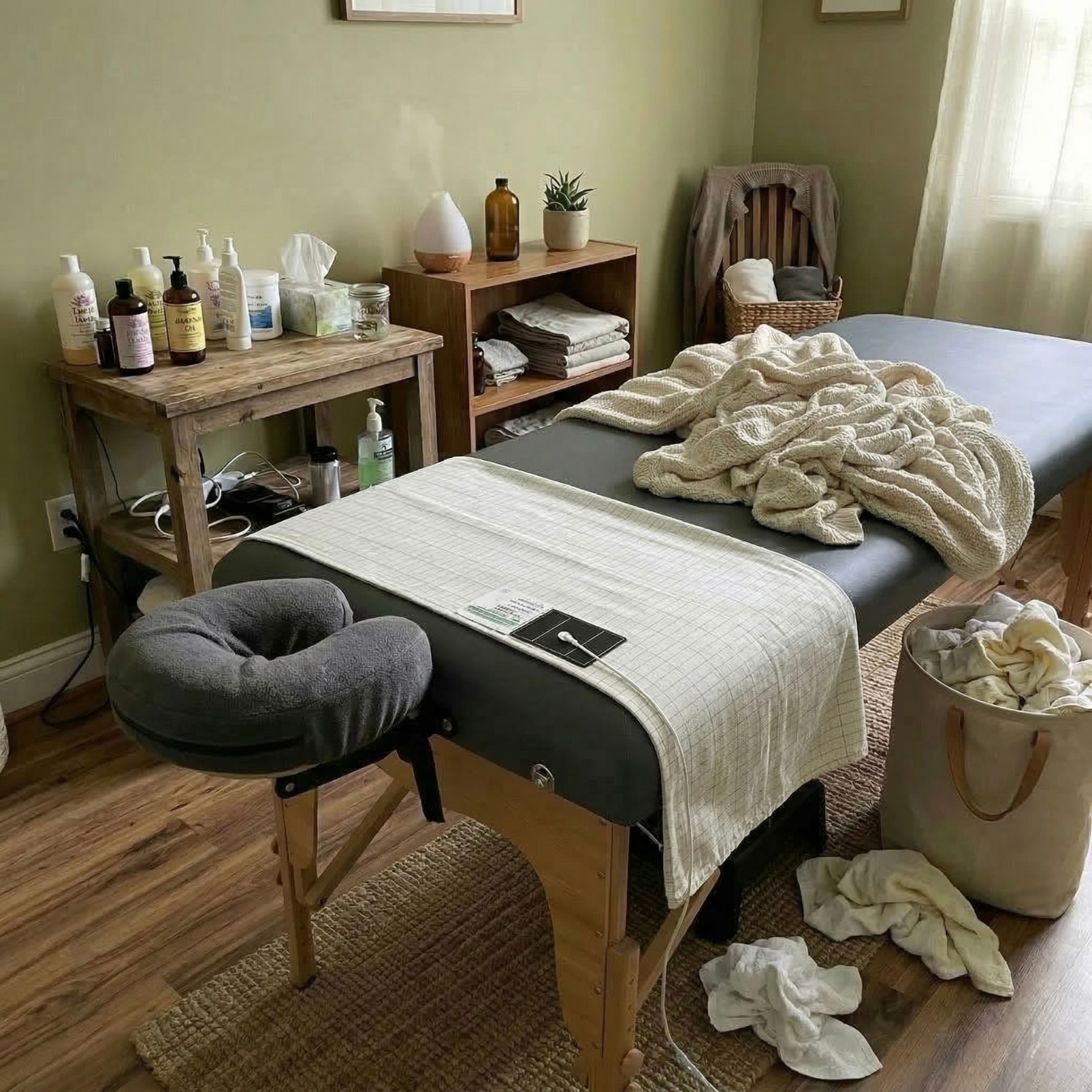
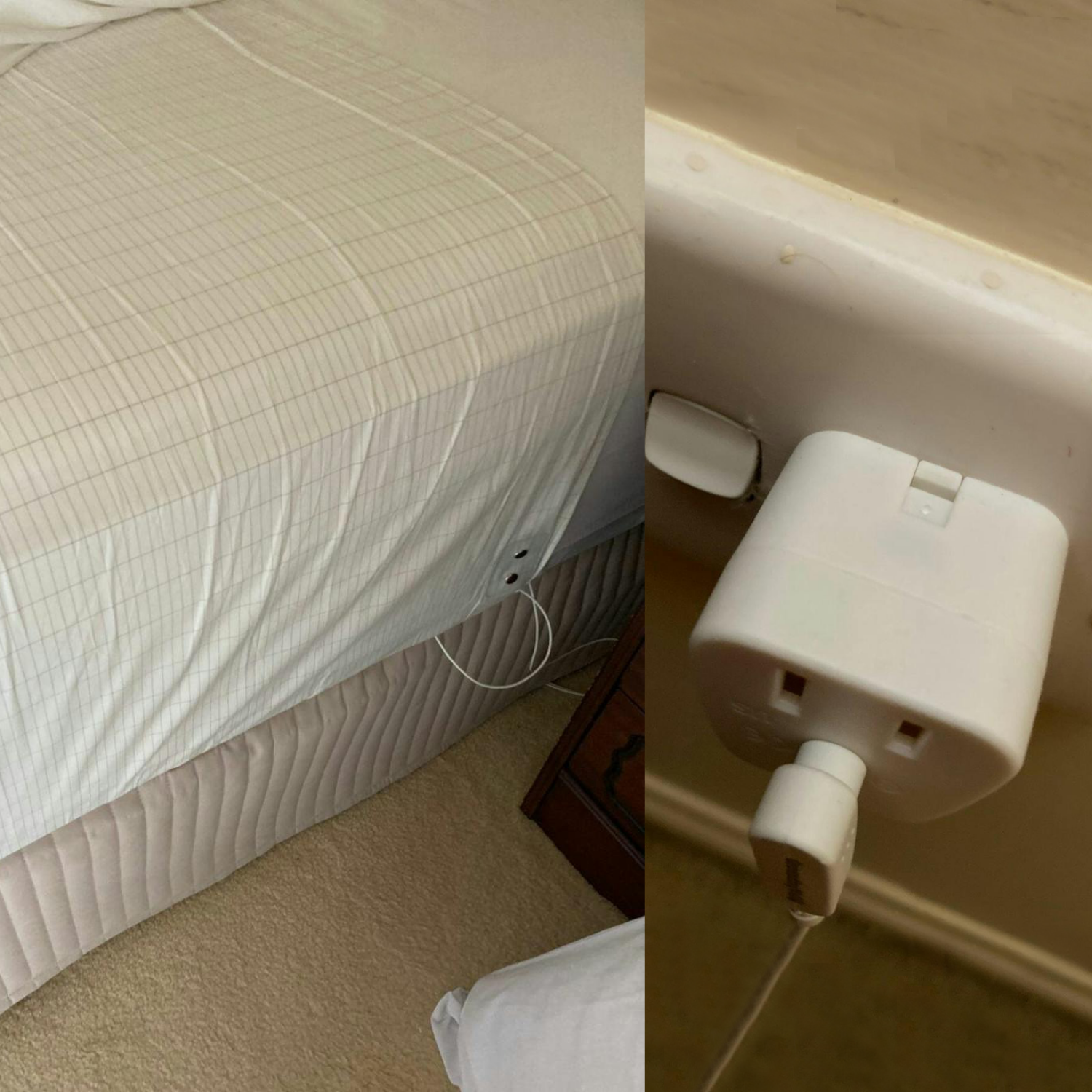
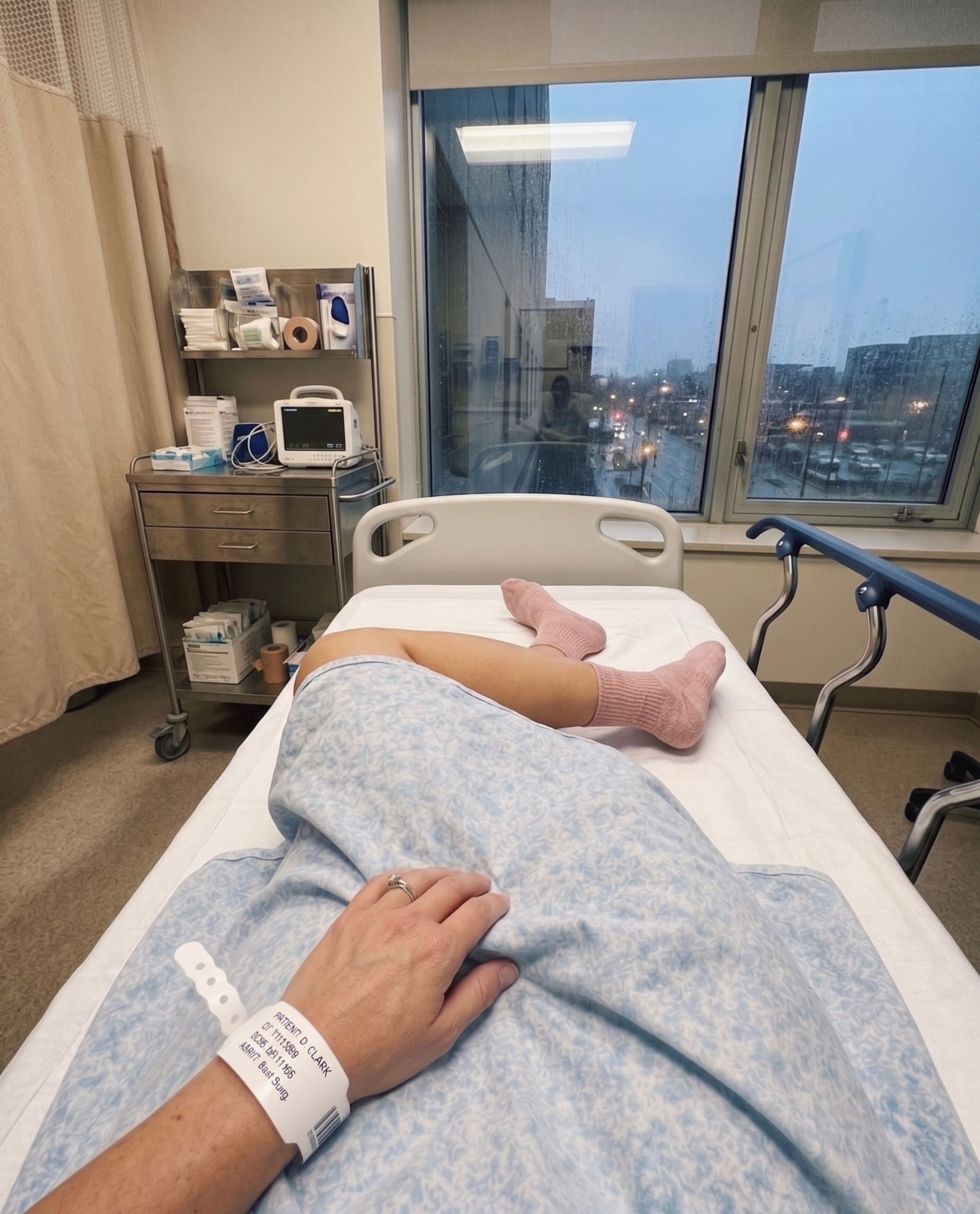
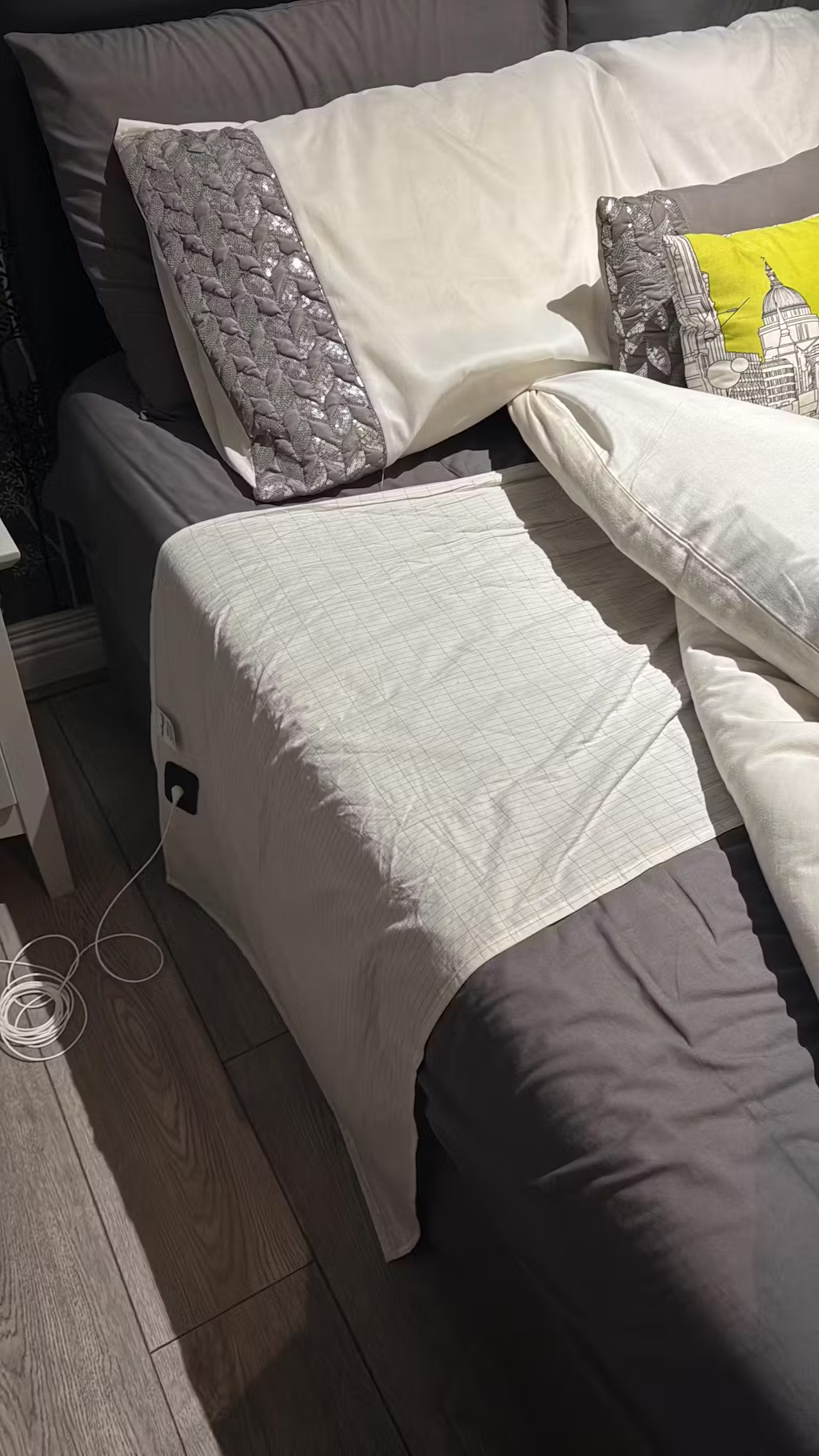
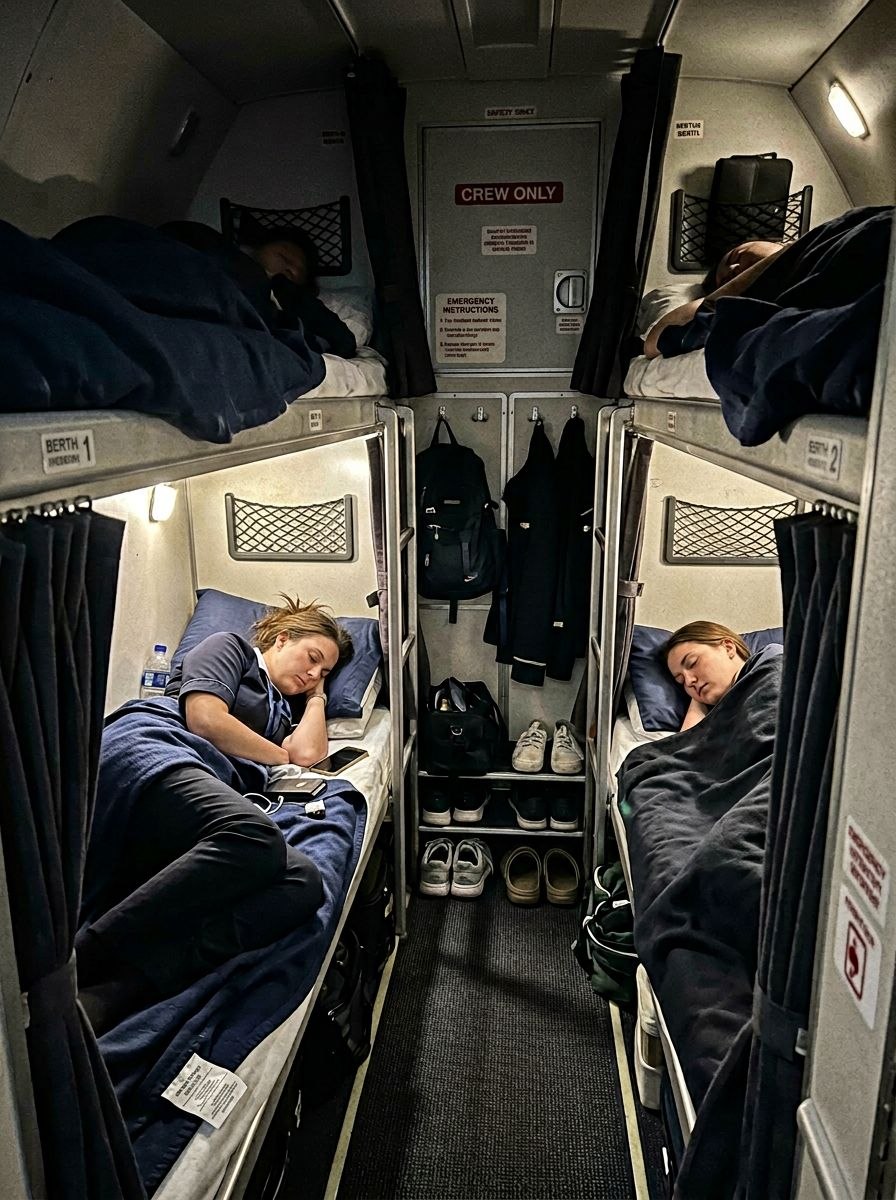
I've been a flight attendant for 26 years. Six months ago I submitted my resignation. I wrote it at 2 AM while crying in a hotel room in London, still in my uniform, too exhausted to shower, joints aching from a 14-hour flight. I was done. I'm still flying today. And what changed my mind wasn't a raise, a better schedule, or a different route. I still can't believe what it actually was. Let me back up. I became a flight attendant at 24 because I loved it. The travel, the people, the feeling of being part of something that moved. I was good at it. I built a career around it. But 26 years of long-haul routes does something to your body that nobody warns you about when you start. It's not dramatic. It's slow. Gradual enough that you don't notice it happening until one day you're standing in a hotel bathroom in London at 2 AM and you look in the mirror and you genuinely don't know how much longer you can keep doing this. My knees had been aching for years. Not sharp pain — the deep, grinding kind that's just always there. Getting up from the jump seat after a long flight had become something I dreaded. Pushing the cart down the aisle for the fourth service in twelve hours felt like moving through concrete. The sleep was the worst part. You'd think after 26 years I'd have figured out how to sleep on a schedule that makes no biological sense. I hadn't. I'd lie down exhausted and wake up two hours later, staring at a different ceiling in a different city, body completely confused about what time it was supposed to be. I'd tried everything the industry passes down through crew. Melatonin. Specific meal timing to trick your circadian rhythm. Blackout curtains. Magnesium. Eye masks. Sleep apps. Compression socks to manage the swelling. On the really bad nights, something stronger. Nothing worked. Not really. You just learn to function at a level of exhaustion that would be considered a crisis in any other profession. By last year I'd accepted that this was just what the job cost. Your body. Your sleep. Your joints. You trade them in slowly over decades and eventually the account runs dry. That's where I was when I wrote the resignation letter. I'd just landed at Heathrow after 14 hours from LAX. Both knees were throbbing. My lower back was locked. I hadn't slept more than 90 minutes on the flight — too much turbulence, too many call buttons, too many hours on my feet. I had a 10-hour layover and then a return flight. I sat on the hotel bed still in my uniform and I thought: I can't do another year of this. I can't do another month. I opened my laptop and I wrote the letter. What I didn't know that night was that the answer was already in the crew bag of the woman I'd been flying with for the past three months. Her name is Diane. She's been flying for six years. Same long-haul routes as me — LAX to London, LAX to Tokyo, the brutal ones. She should have been struggling the way I was struggling. Instead she looked like she'd just come off a weekend in Napa. I'd noticed it for weeks but told myself it was just age. She was 31. I was 52. Of course she recovered faster. Of course she wasn't limping to the elevator after a long flight. That's just biology. But it kept nagging at me. Because it wasn't just that she looked rested. She moved differently. No stiffness getting off the plane. No visible effort going up the jetway stairs. After a 13-hour flight she'd be talking and laughing in the hotel lobby while I was holding the wall waiting for the elevator. One night during a layover in Tokyo — we were sharing a transfer van to the hotel — she mentioned she was going to sleep nine hours. I almost laughed. "You sleep nine hours on layovers?" "Every time," she said. "Since I started using the grounding sheet." I didn't know what that was. She explained it in the van. A sheet with silver fibers woven through it. You lay it across your bed and plug a cord into the ground port in the wall outlet. She'd been using one for two years. Her mom had sent it to her after reading about it — something about connecting your body to the Earth's electrical charge while you sleep, reducing inflammation, helping your nervous system actually calm down. I nodded and looked out the window. Twenty-six years of flying. I'd heard every sleep hack, every recovery trick, every wellness trend that cycles through the industry. I was not going to get excited about a sheet. But that night in my hotel room I couldn't stop thinking about it. Because I'd been watching Diane for three months. She wasn't just resting on layovers. She was actually recovering. And she was doing it on the same brutal schedule that had just driven me to write a resignation letter. At 1 AM, lying awake again, I texted her. "Tell me more about that sheet." She sent me the link. I ordered one right there in the dark. It arrived at my apartment eight days later. I put it on my bed, plugged it in, and went to sleep expecting nothing. I woke up five and a half hours later. Not from pain. Not from my mind racing. Just — awake. Naturally. The way I used to wake up in my 30s. I lay there waiting for the usual inventory of aches. Knees. Lower back. The stiffness in my hands from gripping things for hours. It was quieter than usual. Not gone — but quieter. I told myself it was probably just a good night. But the next night was the same. And the night after that. By the end of the first week I was sleeping five to six hour stretches consistently. I hadn't done that in years — not at home, not on layovers, not anywhere. By the end of the second week something happened that I wasn't expecting. My knees stopped waking me up. That deep grinding ache that had become my alarm clock at 3 AM — gone. I'd gotten so used to it I'd stopped registering it as abnormal. It was just the soundtrack of my life. Until it wasn't there. I had a Tokyo rotation three weeks after I started using the sheet. Fifteen hours each way. The rotation that had been destroying me for the past two years. I brought the sheet. Used it both nights at the hotel in Tokyo. I slept seven hours the first night. Six and a half the second. I got back on the return flight and I felt — adjusted. Like my body wasn't fighting the time zone anymore. Like it had actually used the layover to recover instead of just surviving it. I've been flying for 26 years. That was the first time I'd ever felt that way after a Tokyo rotation. I pulled my resignation letter up on my laptop on the flight home. I deleted it. I've bought four of these sheets now. One for my bed at home. One that lives in my crew bag and comes on every trip. One for my mother who has arthritis in both hands and hasn't slept through the night in years. One for my daughter who just started a job with brutal hours and was already complaining about not being able to sleep. I told Diane what had happened. She just smiled. "I know," she said. "I tried to tell you in the van." I've told seven other crew members since then. Four of them have tried it. All four have texted me within two weeks saying the same thing — they're sleeping. Actually sleeping. Not surviving the layover. Recovering from it. One of them, Karen, has been flying for 23 years. Chronic hip pain that she'd been managing with ibuprofen before every long-haul flight for the past four years. Three weeks after starting the grounding sheet she texted me: "I got through Tokyo and back without ibuprofen once. I actually got through it." Another crew member, a guy named Patrick who does the transatlantic routes, told me his wife had noticed a difference before he even mentioned the sheet to her. "She said I stopped tossing and turning. She said she's been sleeping better too just because I'm not waking her up anymore." Here's what I now understand about why this works — because after 26 years of not sleeping, I needed to understand the mechanism before I'd fully trust it. Your body builds up a positive electrical charge throughout the day from exposure to electronics, WiFi, airplane cabin systems, hotel room wiring — all of it. That charge drives chronic inflammation. For flight crew, that inflammation never has a chance to clear because you're constantly adding to it. New time zone, new cabin, new hotel room, new electrical environment. Your nervous system never fully downshifts. Your cortisol never drops to where it needs to be for deep sleep. Your joints stay inflamed because the body never gets the recovery window it needs. Grounding sheets reverse that. The silver fibers woven through the fabric conduct electrons from the Earth into your body while you sleep. You plug the cord into the ground port in your wall outlet — the third prong, the one that runs directly to the earth outside your building — and for eight hours, free electrons flow into your body. They neutralize the charge. Inflammation cools. The nervous system finally gets permission to stand down. And your body gets into the deep, restorative sleep it's been starved of. For flight crew, for anyone whose schedule makes real recovery feel impossible, that's the difference between surviving your job and actually being able to keep doing it. Not all grounding sheets work. I've tried three other brands since I started — partly out of curiosity, partly because I wanted backups. Two of them used a surface silver coating that washed off within a month. After that they were just regular fabric. One never seemed to conduct properly at all. GroundingWell is the only brand I use and the only one I recommend to other crew. Their sheets use pure silver fiber woven through the entire fabric — not coated on top. The conductivity holds up wash after wash. The organic cotton is soft and breathable enough for warm hotel rooms. And the grounding cord is durable — mine has been packed and unpacked in a crew bag for six months and it's still performing perfectly. They're running a sale right now. I checked this morning because two crew members asked me for the link this week. They have a 90-day money-back guarantee. Three full months to try it. If it doesn't help, send it back. No questions asked. But I'm telling you — I wrote a resignation letter at 2 AM in London because I thought my body was done. I'm still flying today because of what I found six months ago. If you're exhausted in a way that sleep doesn't seem to fix, if your joints ache in a way you've started calling normal, if you've accepted that this is just what your life costs now — try this first. Make sure you're ordering from the actual GroundingWell site — there are cheap knockoffs on Amazon that lose conductivity after a few washes and won't give you what I'm describing. Go check it out for yourself. 👉 https://www.groundingwell.com/products/groundingwell-bedsheet
The 'weird sheet' every traveller needs
The GroundingWell™ Bedsheet channels Earth's electrons into your body, promoting deeper sleep, reduced stress, and faster healing while you rest.
LEARN MORELike this ad? Make it yours.
Crush rebuilds this exact creative around your product — your brand, your colors, your offer — in about a minute.